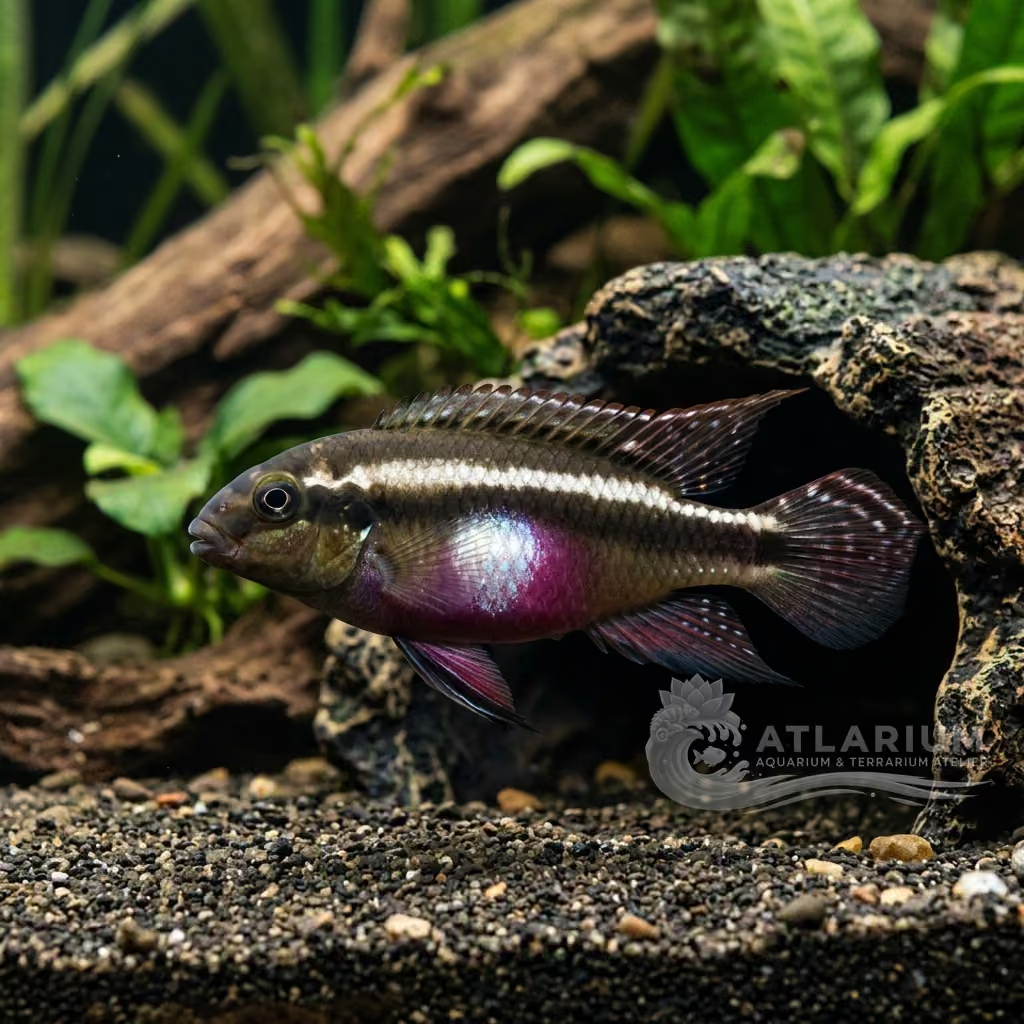
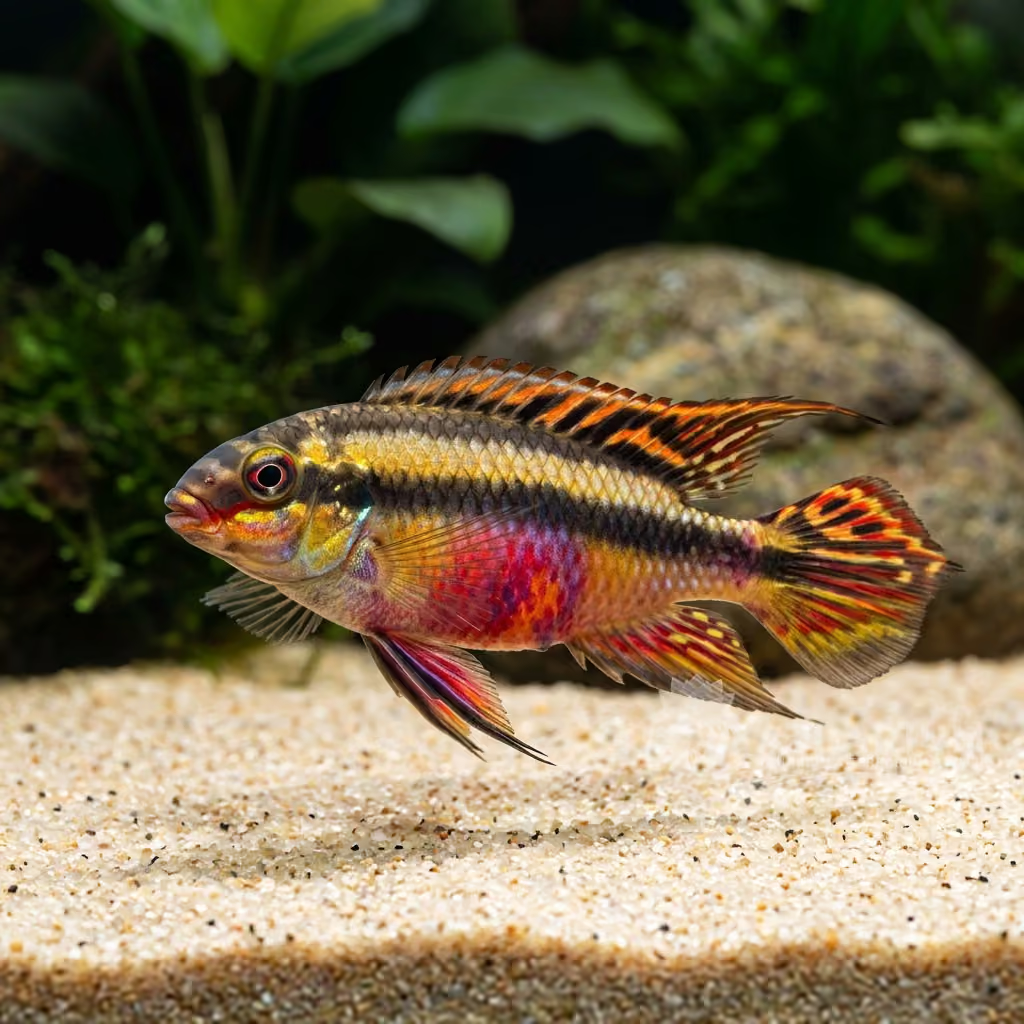
Caudopunctatus Cichlid
Neolamprologus caudopunctatus
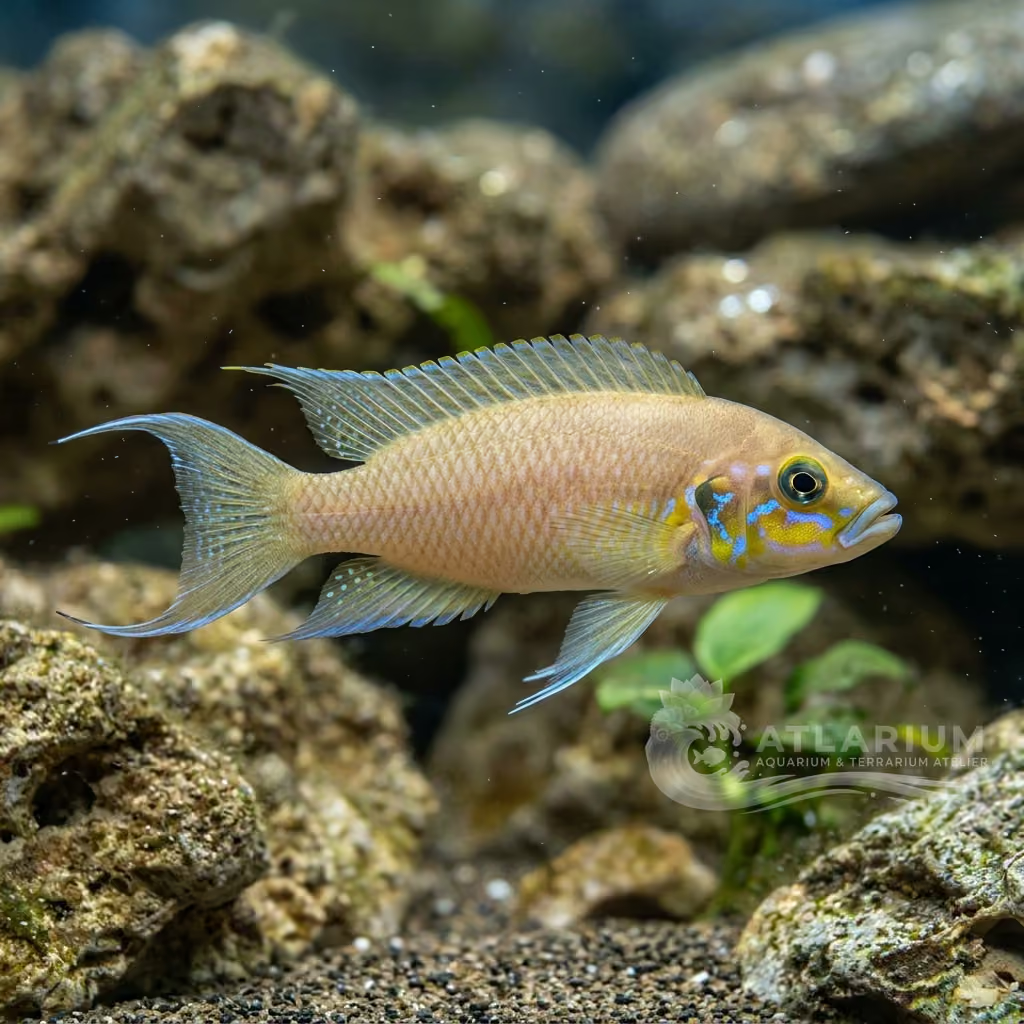
An elegant Tanganyikan dwarf cichlid boasting a pearly-blue body and a flaming golden dorsal fin. Ideal for small rock-dwelling setups with sandy bottoms for territory building.
Water Temperature
23 - 26 °C
pH Value
7.5 - 9
Water type
Freshwater
Tank level
Bottom
Adult size
6.5 cm
Minimum tank volume
>= 100 L
Minimum group
>= 1
GH
12 - 25 dGH
KH
10 - 20 dKH
TDS
280 - 575 ppm
Conductivity
438 - 898 uS/cm

Species description
Geographical Origin and Habitat: Endemic strictly to Lake Tanganyika, Africa. This little "Lamprologine" inhabits the southern shores (near Zambia), specifically dominating the "transition zone": the fascinating boundary where the massive, chaotic rock falls abruptly end and surrender to vast stretches of open sandy plains dotted with empty Neothauma snail shells.
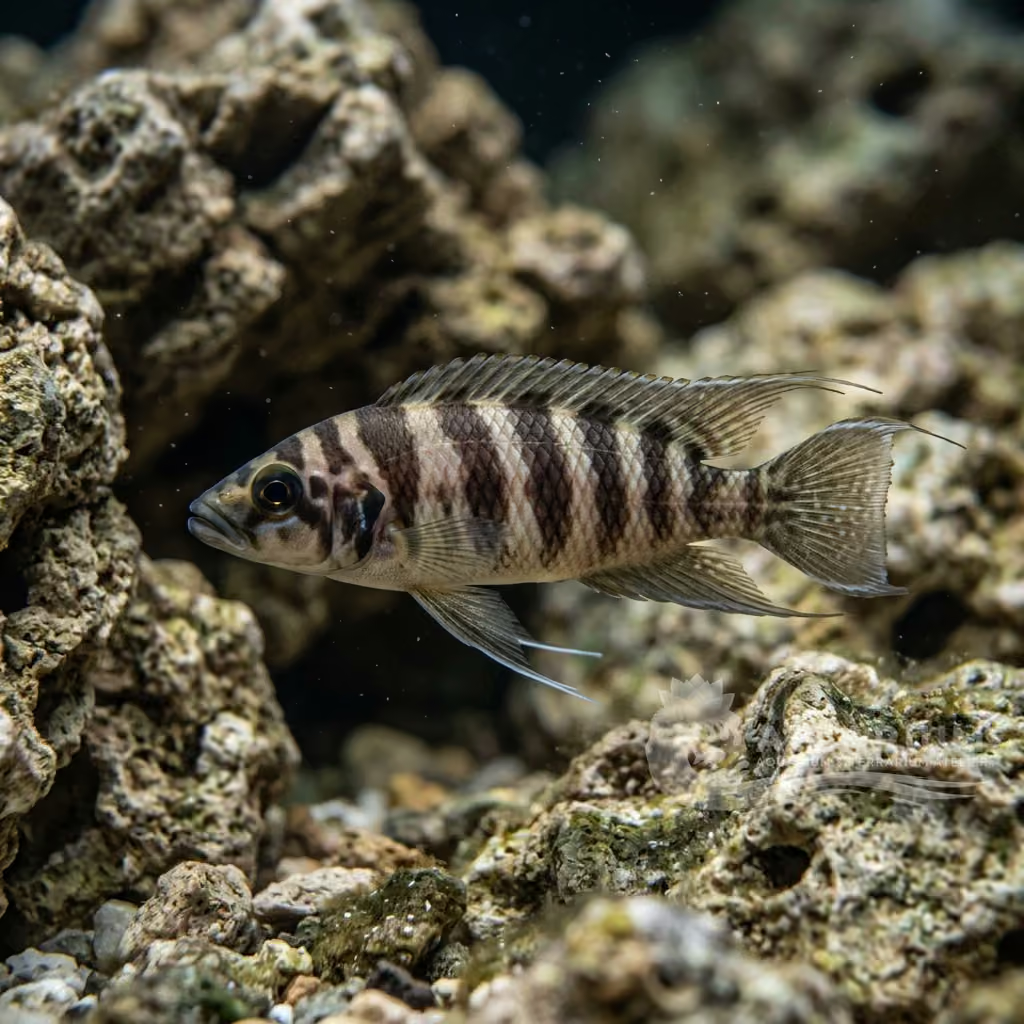
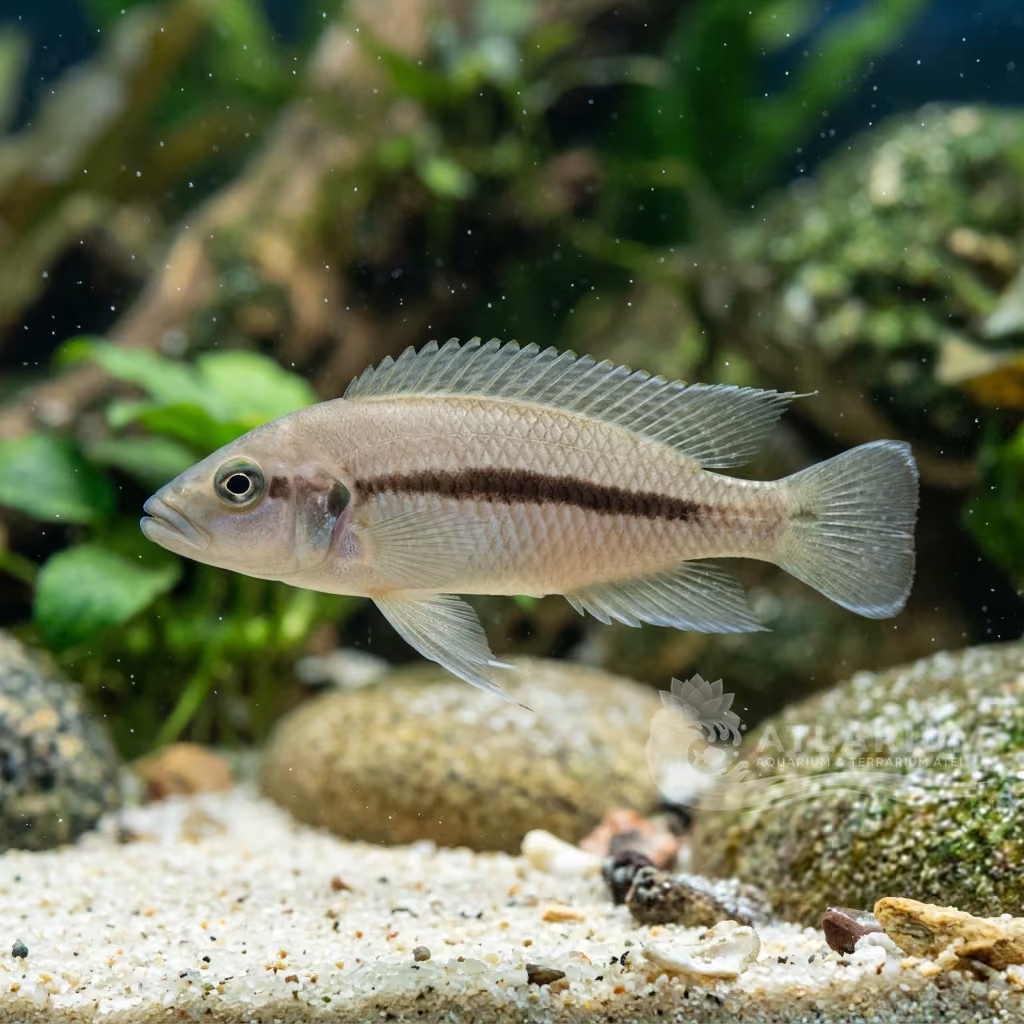
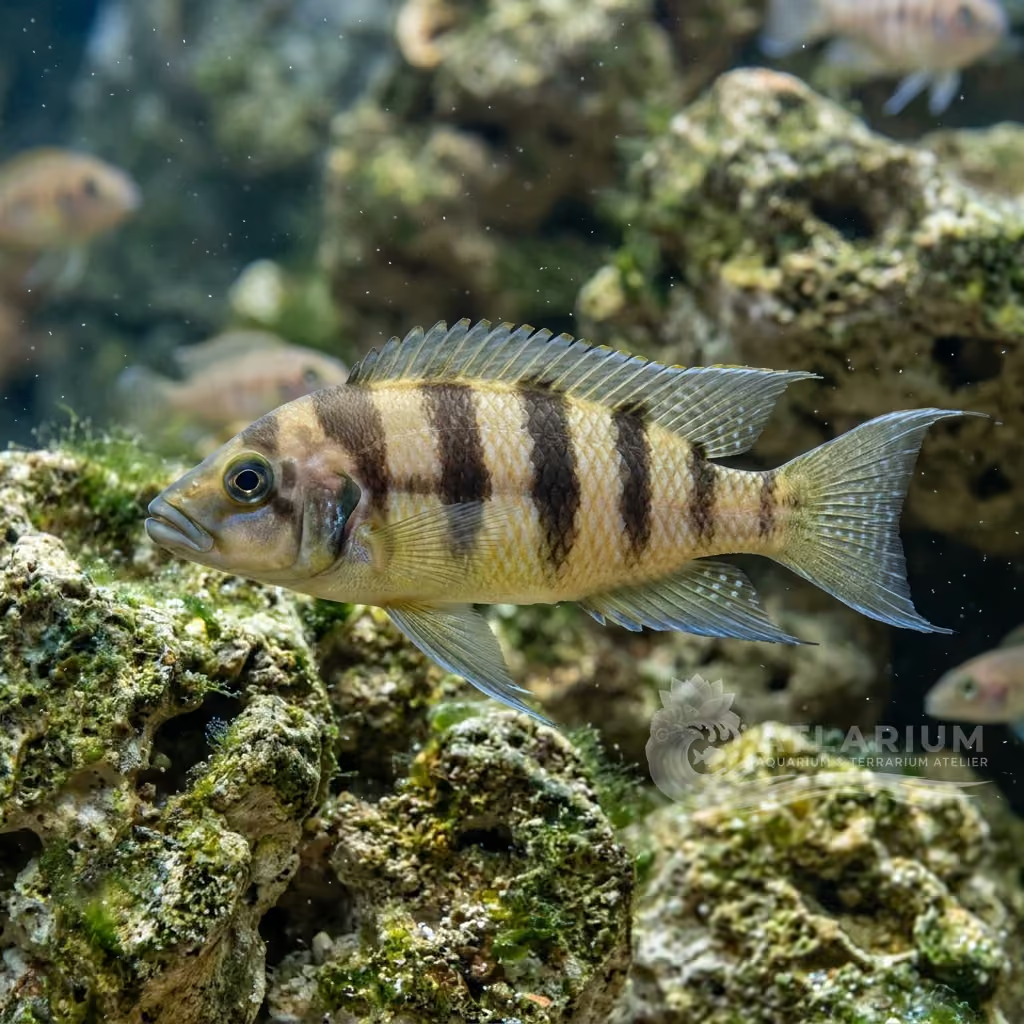
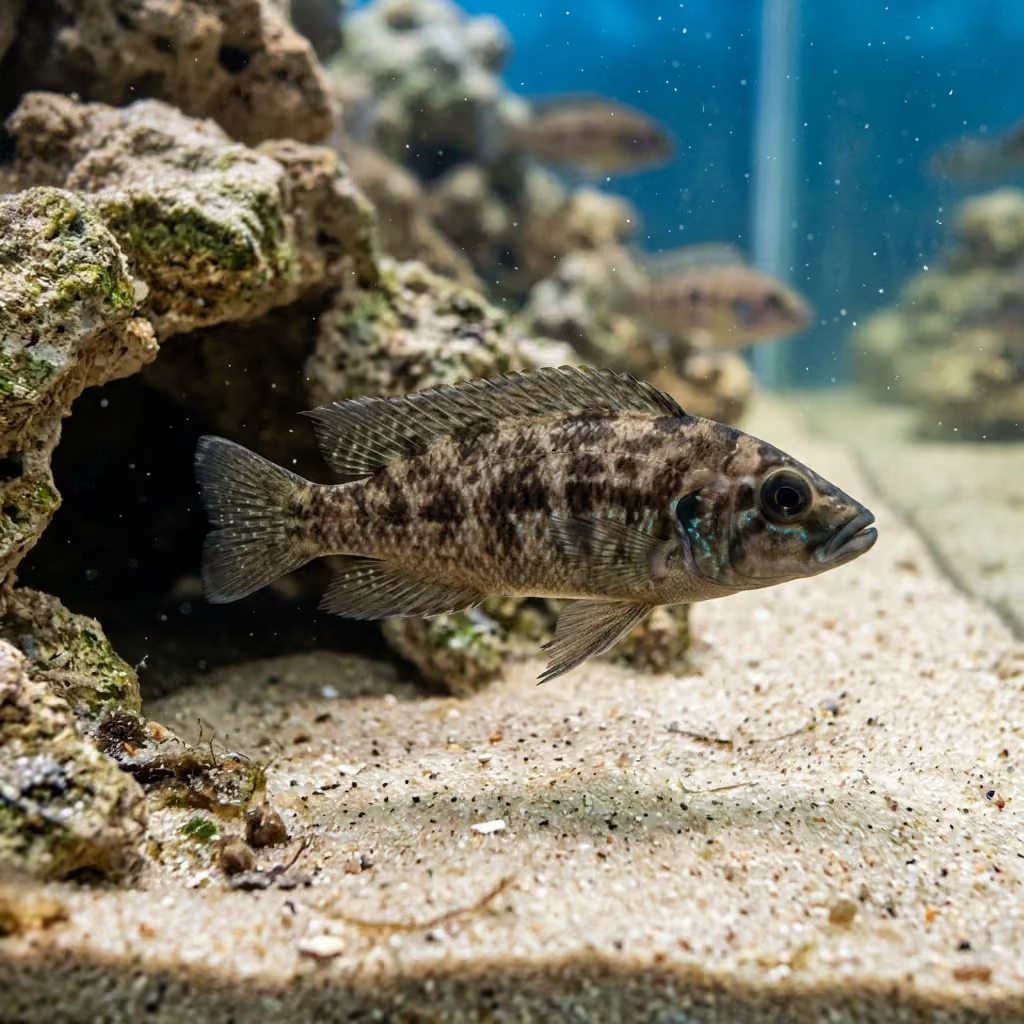
Taxonomy and Morphology: A highly elegant dwarf cichlid belonging to the Neolamprologus genus, affectionately called "Caudopunc" in the hobby. It features a sleek, torpedo-shaped body explicitly designed to dart rapidly into tight rock crevices or dive backward into empty shells. Its size is very modest: adult males max out at around 6-7 cm (2.5 inches), while females are significantly more petite.
Social Behavior: An atypical, incredibly captivating cichlid: it bridges the gap between a rock-dweller and an obligate shell-dweller. They are spunky, highly active, and fiercely brave. Once a breeding pair forms, they fanatically defend their chosen patch of sand and their personal shell/cave against other fish that are ten times their size. They form rock-solid, permanent monogamous pair bonds.
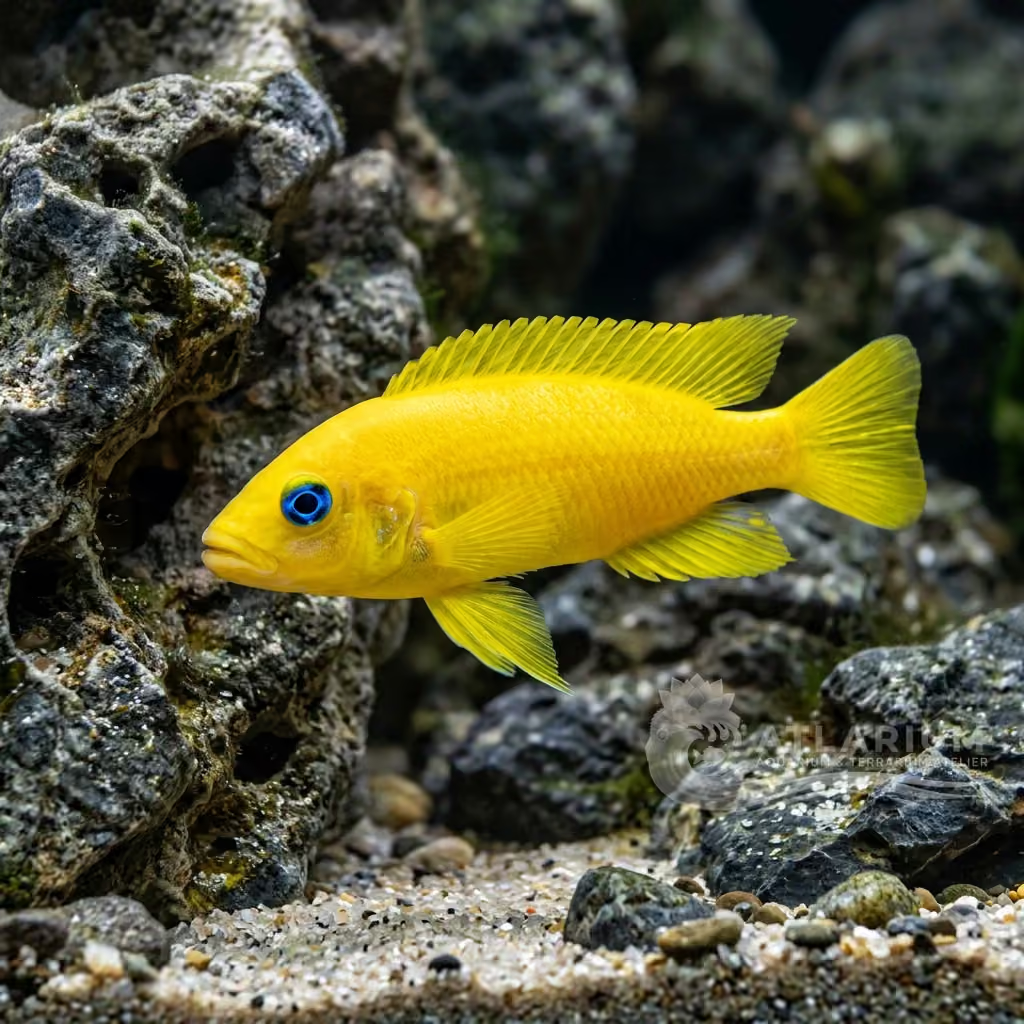
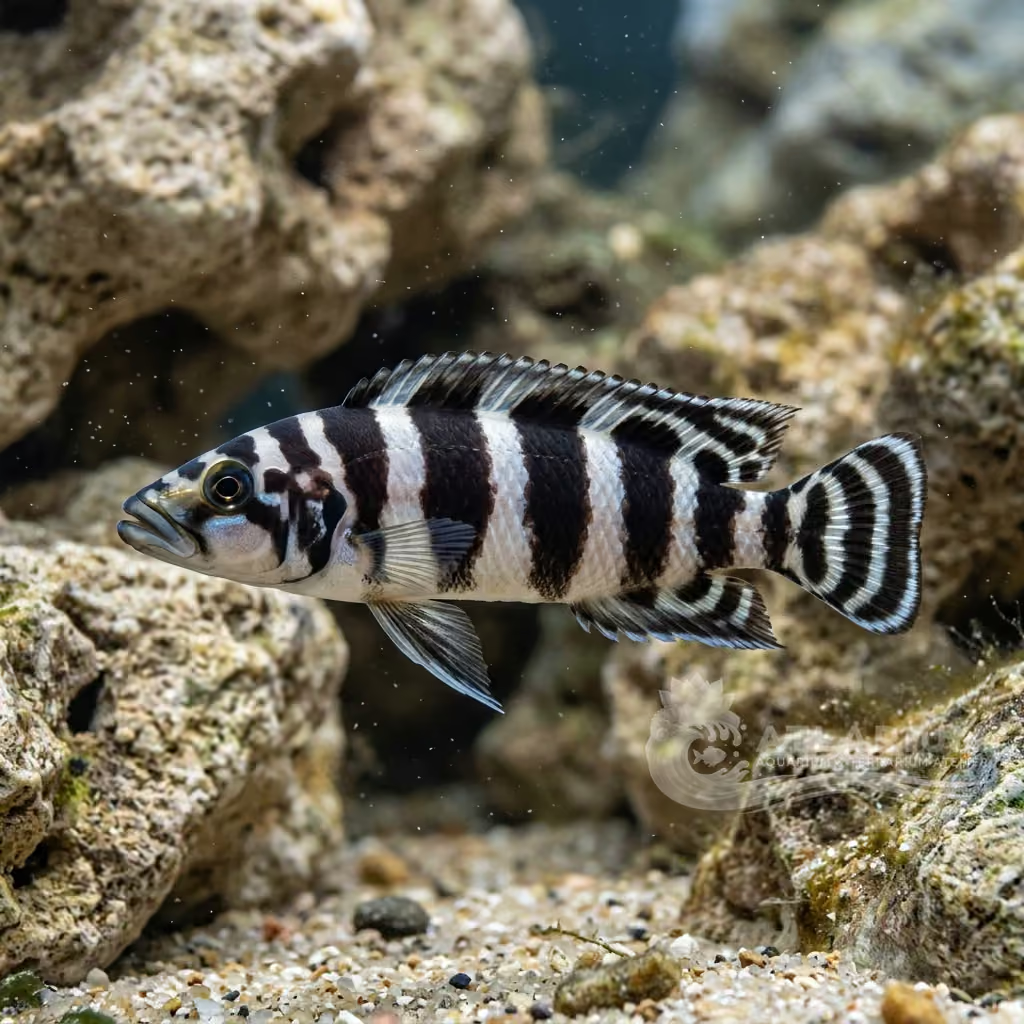
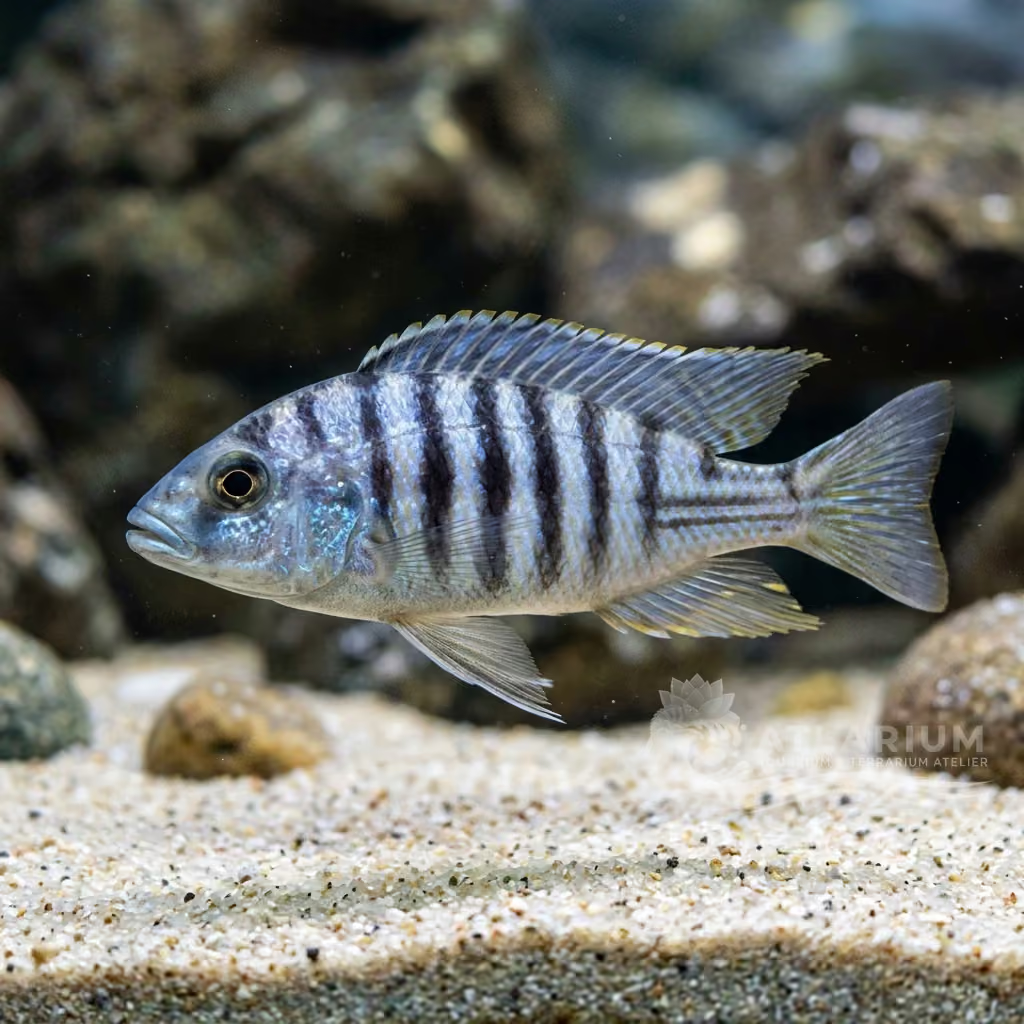
Coloration and Sexual Dimorphism: Breathtaking minimalism. The base body coloration is a pale, sandy beige or shimmering pearlescent silver that catches the light beautifully. The specific name "caudopunctatus" literally translates to "tail spotted," referring to the tiny, luminescent (often pale blue or pearl) speckles on the flanks and caudal fin. The most spectacular feature is its "crown": the entire upper edge of the dorsal fin is streaked with a blazing, neon yellow/orange stripe. **Zero Dimorphism:** Males and females are completely identical in color pattern; adult males are merely slightly longer and bulkier.

Care, breeding and tankmates
Aquarium Setup: Because it is a dwarf cichlid, a single happy breeding pair can thrive in a 60-80 liter (15-20 Gallon) tank. The aquascape is strict: a deep layer of very fine, pale sand is mandatory. On this sand bed, scatter generous amounts of empty escargot (snail) shells, surrounding them with a protective perimeter or backdrop of stacked rocks to perfectly simulate the "transition zone." This allows the female to sleep/breed inside the shell, while the male uses the rocks as elevated guard towers.
Diet and Feeding: Opportunistic planktivorous micro-predator. In the wild, it hovers an inch above the sand, "picking off" microscopic crustaceans and insect larvae swept by the current. In captivity, it greedily devours high-quality sinking carnivore micro-pellets, live baby brine shrimp (Artemia nauplii), cyclops, and frozen bloodworms. Their gut is hardy, but feeding cheap generic flakes will quickly fade their blazing yellow dorsal "crown".
Water Quality: Strict Lake Tanganyika parameters: brutal hardness and high alkalinity are the absolute keys to life. High hardness is vital (GH 10-20), with the pH permanently locked between 8.2 and 9.0. Keep temperatures comfortable at 24°C - 26°C (75-79°F). The water must be exceptionally clear and heavily oxygenated, but avoid torrential currents that would constantly blast and displace their sandy architecture.
Compatibility and Cohabitation: An excellent addition to Tanganyikan community tanks (120 cm / 4 feet minimum) if planned carefully. They pair perfectly with mid-water swimming "Cyps" (Cyprichromis leptosoma) which act as dither fish, and strict rock-dwellers (like Julidochromis). Warning: housing them on the same sand bed as highly aggressive obligate shell-dwellers (like N. multifasciatus) will trigger endless, stressful trench warfare over territory.
Aquarium Breeding: An absolute joy for beginners, as they are prolific, spontaneous spawners (substrate/shell spawners). A pair (formed by letting a small group grow together) will excavate pounds of sand, burying half the tank just to position a single empty snail shell at the perfect defensive angle, or they will choose a tiny rock crevice. The female vanishes into the shell/crevice to lay eggs. Once hatched, the parents form an impenetrable wall against intruders, ferociously guarding the cloud of microscopic fry hovering directly over the nest.
Risks and Diseases: 1. Acidic Suffocation: A crash in alkalinity dropping the pH below 7.8 causes immediate respiratory collapse (a classic mistake by beginners adding tannin-leaching driftwood). 2. Lethal Architecture: If rocks are placed *on top* of the sand rather than securely on the glass bottom, the pair's maniacal digging will cause the rock pile to instantly collapse, violently crushing the fish and their shells. 3. Spousal Abuse: In tiny tanks (under 10 Gallons), if a female refuses to spawn, the frustrated male may chase and kill her due to a lack of escape routes.

Geographic origin and distribution
Endemic strictly to Lake Tanganyika, Africa. This little "Lamprologine" inhabits the southern shores (near Zambia), specifically dominating the "transition zone": the fascinating boundary where the massive, chaotic rock falls abruptly end and surrender to vast stretches of open sandy plains dotted with empty Neothauma snail shells.
Origin
Africa and MadagascarEast Asia

Fish profile
- Temperament
- Semi-aggressive
- They are energetic, curious, and relatively mild-mannered compared to other Tanganyikan cichlids. While they defend their spawning sites aggressively, they rarely seek out conflict with tank mates. Their active swimming behavior and bright eyes make them a lively and engaging species to keep.
- Diet
- Carnivore
- In the wild, they primarily feed on zooplankton suspended in the water column. In the aquarium, they readily accept crushed, high-quality flake foods and small sinking cichlid pellets. Their diet should be generously supplemented with live or frozen foods like daphnia, baby brine shrimp, and cyclops.
- Life expectancy
- 8 years
- Adult size
- 6.5 cm
- Sex ratio
- Pair
- They naturally pair off and form monogamous bonds for breeding. Purchasing a group of six or more juveniles is the best way to allow compatible pairs to form naturally. Once a pair is established, other conspecifics may need to be removed if the aquarium is too small to support multiple territories.
- Feeding frequency
- Twice daily
- They are active foragers that benefit from being fed small amounts two to three times a day. Ensure that the food pieces are small enough for their relatively small mouths. Avoid large, infrequent feedings, which can lead to poor water quality and digestive issues.
- Bioload
- Low to Medium
- This relatively small cichlid produces a light to moderate bioload, making it manageable in medium-sized aquariums. They do not excessively tax the filtration system, provided the tank is not overcrowded. As with all Tanganyikan cichlids, maintaining pristine water quality through regular changes is absolutely critical.
- Flow
- Stagnant
- They prefer a moderate to relatively strong water current to simulate the open, sandy areas of Lake Tanganyika. A good flow keeps the water well-oxygenated and helps suspend their preferred zooplankton food. Make sure there are still some quieter areas where they can rest if needed.
- Jump risk
- Yes
- They are active swimmers that utilize the middle and sometimes upper levels of the water column. While not notorious jumpers, they can easily launch themselves out of the tank if startled or chased. A tight-fitting lid is strongly recommended to keep them safely contained.
- Reproduction
- Oviparous
- They are versatile breeders that will utilize both small caves and empty snail shells to lay their eggs. A bonded pair will clear sand away from their chosen spawning site and defend it vigorously. Both parents actively participate in guarding the eggs and the subsequent fry from potential predators.
- Compatibility & tankmates
- Semi-aggressive
- They are generally peaceful towards other species but will fiercely defend their breeding territory. They make excellent additions to a Tanganyikan community tank, provided their tank mates are not overly aggressive or large enough to eat them. They often coexist well with small rock-dwellers and open-water cyprichromis species.
- Tank level
- Bottom
- Unlike many bottom-dwelling Neolamprologus, they actively swim in the middle and lower-middle levels of the water column. They will hover above the substrate or shells, constantly scanning the water for food particles. They only retreat to the bottom or inside shells for breeding or sleeping.

Scientific Parameters & Models
FishBase
Window to the official scientific data of the species
FishBase v25.04Data synced on: 06/15/2026
- Trophic level
- 3.4 ± 0.45 se
- Resilience
- High (less than 15 months)
- Phylogenetic uniqueness (PD50)
- 0.5
- Bayesian Length-Weight
- a = 0.01445, b = 2.99
- VulnerabilityLow vulnerability (10 / 100)

Related species
Recommendations grouped by close relatives, companion choices, and similar care.