Neolamprologus buescheri
Neolamprologus buescheri
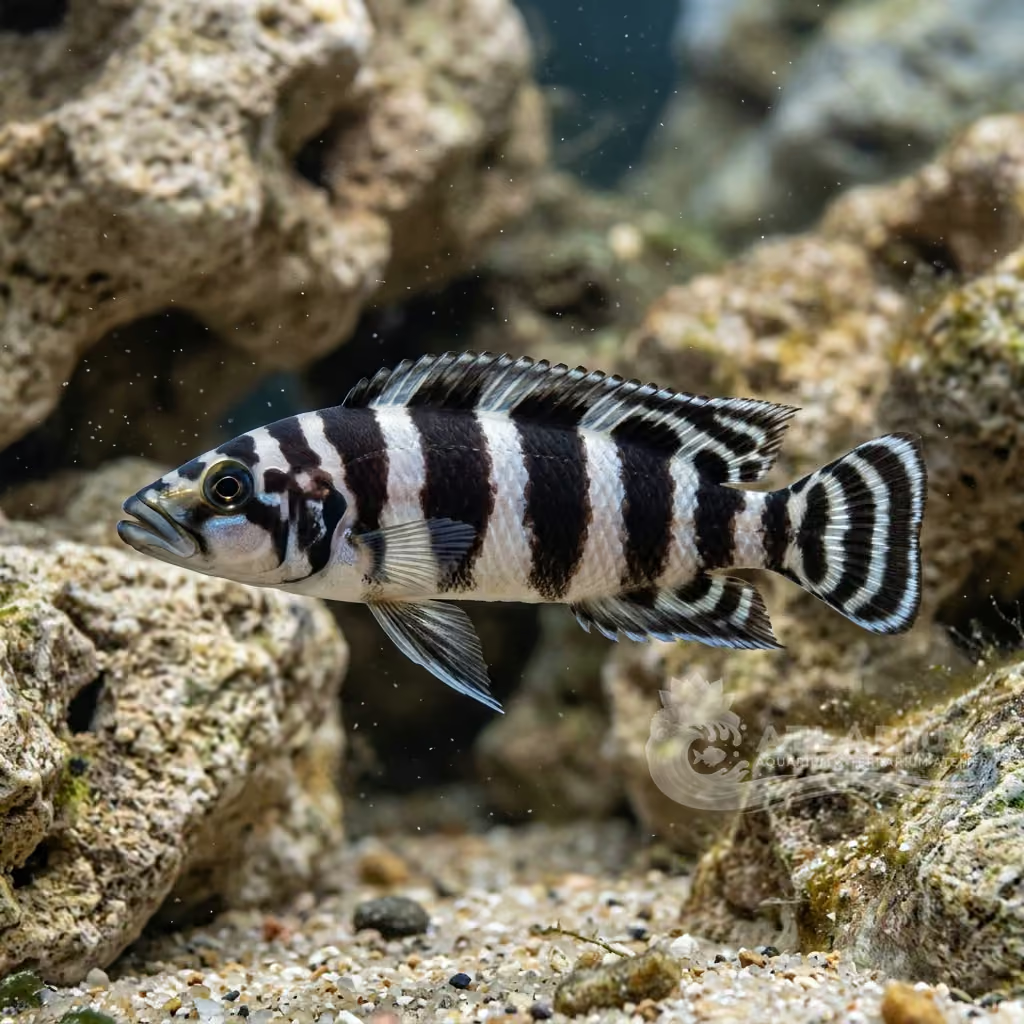
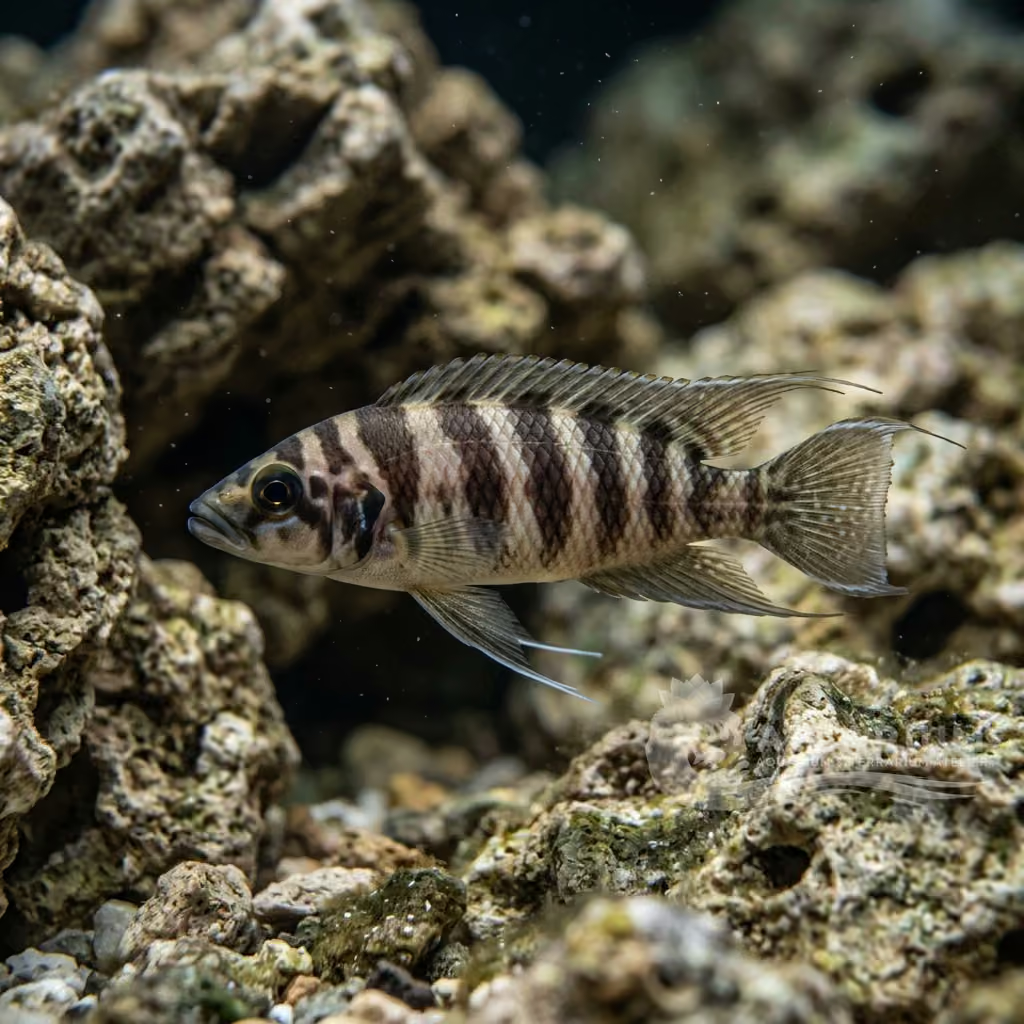
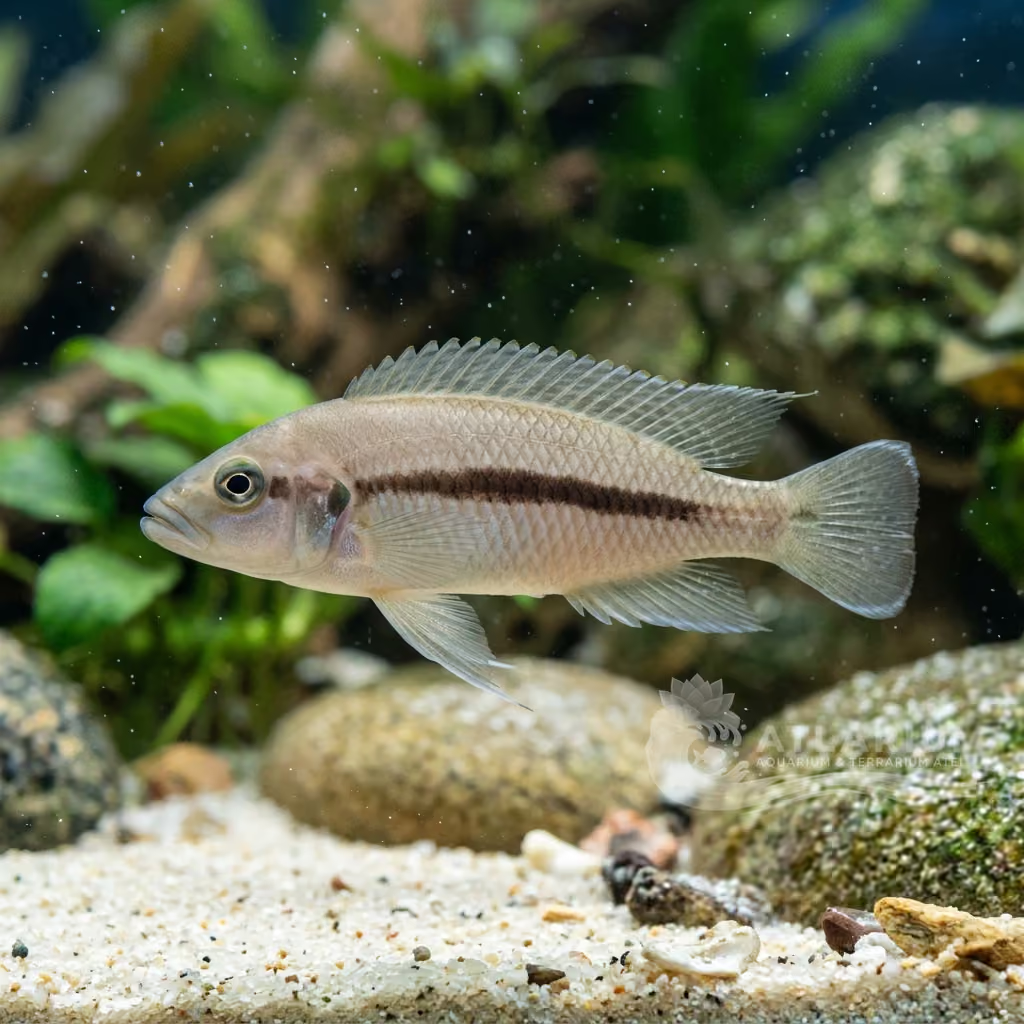
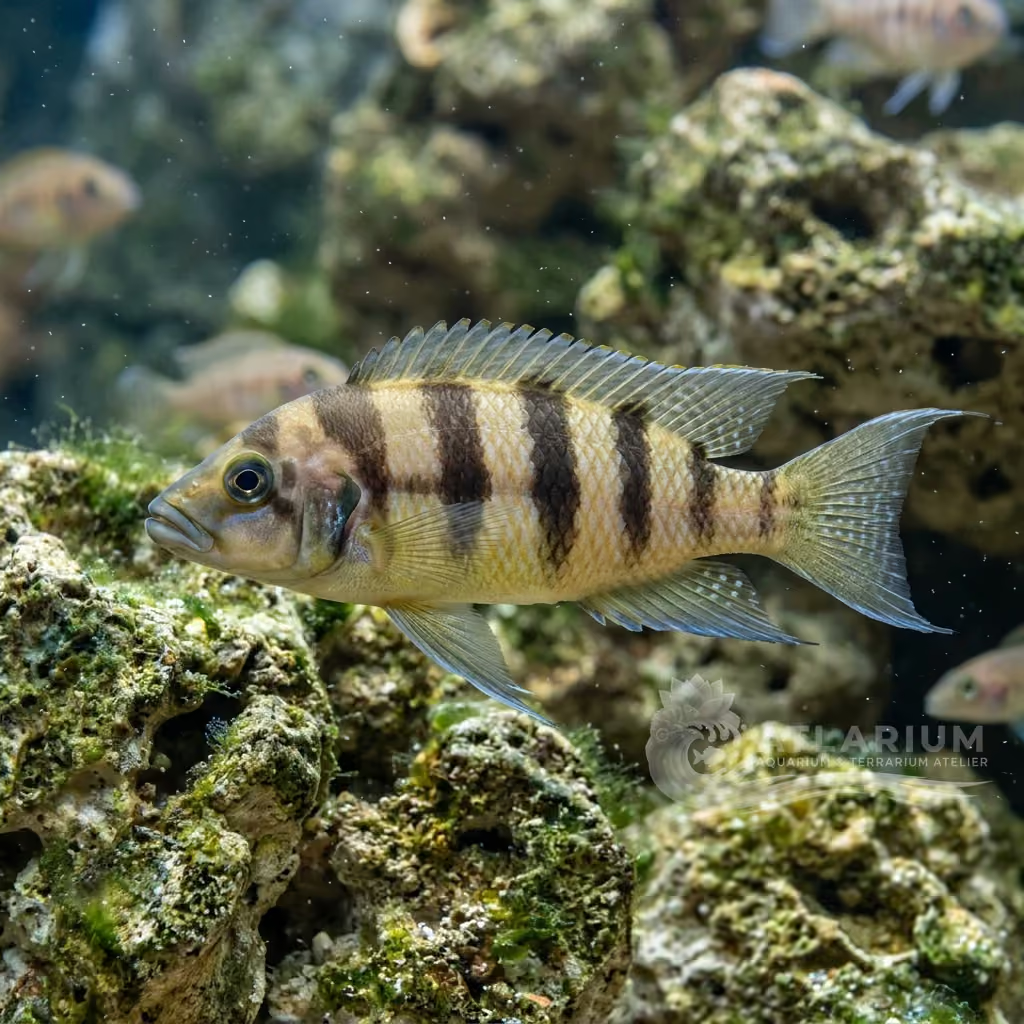
Extraordinary and cryptic rock cichlid (7 cm). Unusual profile with blue eyes, two huge black horizontal bars and an ultra-reclusive attitude: lives glued to the ceilings of deep dark caves, in solitude. A lethal jewel for conspecifics.
Water Temperature
24 - 27 °C
pH Value
7.8 - 9
Water type
Freshwater
Tank level
Bottom and middle
Adult size
7 cm
Minimum tank volume
>= 100 L
Minimum group
>= 1
GH
12 - 20 dGH
KH
6 - 10 dKH
TDS
240 - 400 ppm
Conductivity
375 - 625 uS/cm

Species description
Geographical Origin and Habitat: Lake Tanganyika (Endemic). Strictly inhabits the rocky zone in depth (rupicolous habitat). Swims close to the ceilings of caves in darkness to avoid large predators.
Taxonomy and Morphology: Striped Lamprologus (Neolamprologus buescheri). Siluriform rupicolous cichlid. The body is tubular to slip into crevices, the mouth is equipped with sharp teeth.
Social Behavior: Solitary and ruthless specter. Unlike the "brichardis", it is intolerant of its own kind. Tolerates only the partner of the opposite sex, slaughtering brothers and congeners. Tends to swim upside down adhering to the rock.
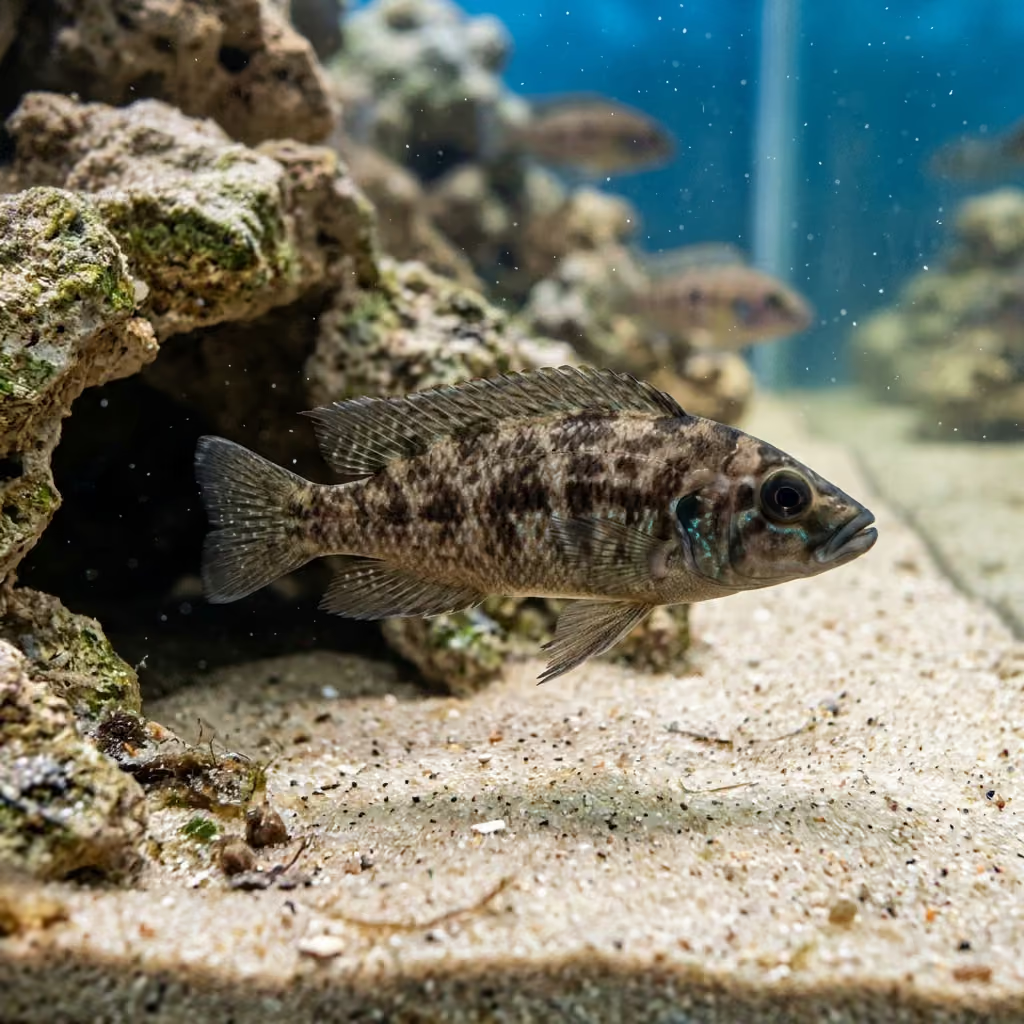
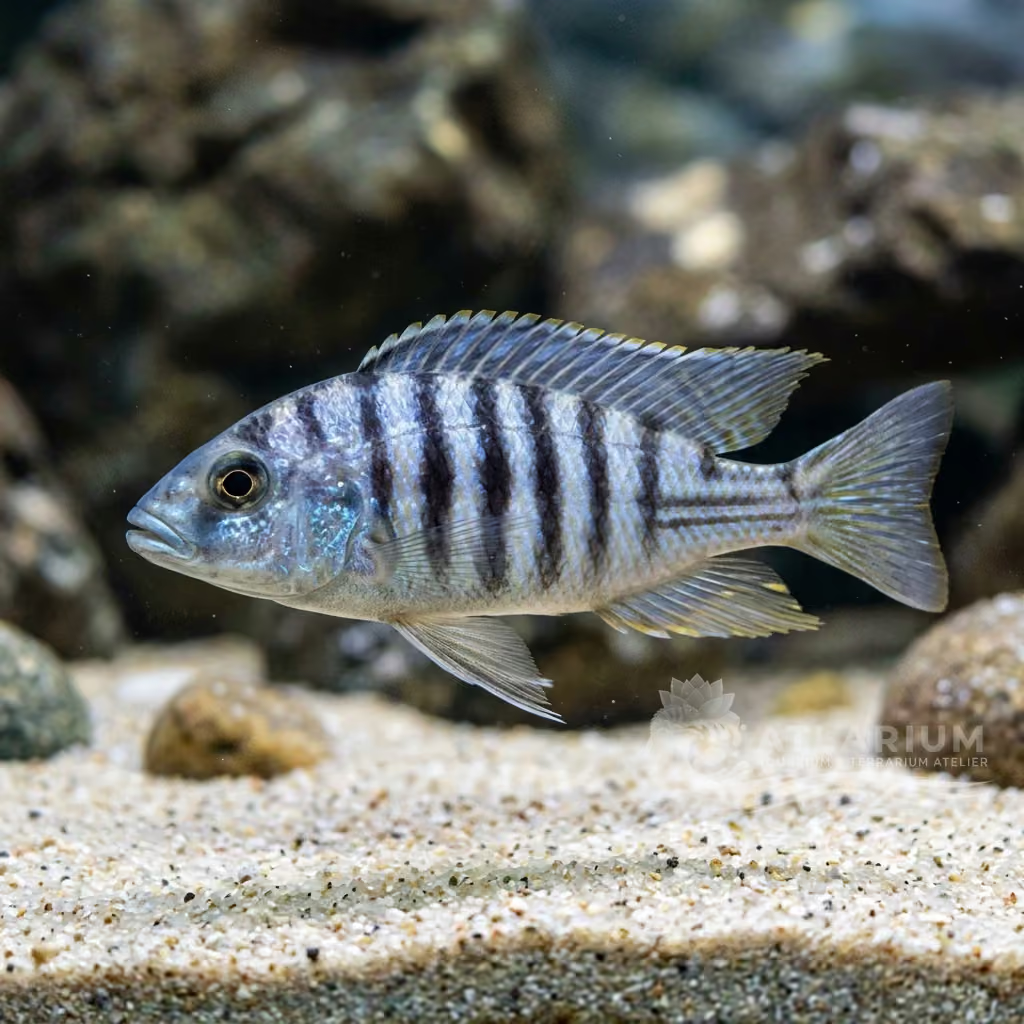
Coloration and Sexual Dimorphism: Fascinating mask. Cream/brown body dominated by 2 or 3 vigorous interrupted very black horizontal bands, with turquoise margins on the fins (Kamakonde or Kachese variants differ in intensity). Males slightly longer.

Care, breeding and tankmates
Aquarium Setup: Tanganyika Biotope. Dedicated 80-100 cm (32-40 inches) tank. No plants (useless). Mountains of calcareous rocks stacked to form innumerable blind, very narrow and dark caves. Bottom in very fine coral sand (aragonite).
Diet and Feeding: Fierce micropredator (Carnivore). In nature it detaches crustaceans from rocks in dim light. Feed with Mysis, Brine Shrimp and Cyclops. Strictly avoid vegetable feeds.
Water Quality: Tanganyika chemistry mandatory. Very hard water (GH 15-20), extreme alkalinity (pH 8.5) and oxygenation levels at the maximum (Surface skimmer recommended).
Compatibility and Cohabitation: Highly problematic. Putting a small group in a tank, they will massacre each other until one or a pair remains. Coexists only with Julidochromis or Altolamprologus in tanks over 150 cm (60 inches).
Aquarium Breeding: Spawning in hidden crevices. The female attaches tiny eggs on the ceiling of a dark cave. The parents fiercely defend the young, who often help defend successive broods before being chased away.
Risks and Diseases: Intrafamilial violence. The male can get tired of the female and corner her in a blind cave, biting her to death in a few hours. It is mandatory to provide escape routes (hidden PVC pipes) accessible only to the female (smaller).

Geographic origin and distribution
Lake Tanganyika (Endemic). Strictly inhabits the rocky zone in depth (rupicolous habitat). Swims close to the ceilings of caves in darkness to avoid large predators.
Origin
Africa and MadagascarEast Asia

Fish profile
- Temperament
- Semi-aggressive
- This is a solitary, secretive, and highly aggressive cichlid that demands respect in a community setting. They will ruthlessly defend their chosen cave complex against any intruder, regardless of size. Despite their aggression, they are incredibly fascinating to watch as they patrol their territory.
- Diet
- Omnivore
- They are strict carnivores that naturally hunt small crustaceans, insect larvae, and tiny fish in the wild. In captivity, they require a protein-rich diet consisting of high-quality sinking cichlid pellets and frozen foods like mysis shrimp. Offer them live foods occasionally to stimulate their natural hunting instincts.
- Life expectancy
- 5-8 years
- Adult size
- 7 cm
- Sex ratio
- Pair
- It is virtually impossible to keep multiple adult males in the same tank due to extreme conspecific aggression. The best approach is to start with a small group of juveniles and let a single pair form naturally. Once a pair is established, any remaining conspecifics must be quickly removed for their own safety.
- Feeding frequency
- Twice daily
- Feed them small portions once or twice a day, ensuring they consume everything within a few minutes. Overfeeding protein-rich foods can cause severe digestive issues like bloat. They are solitary hunters and may need to be target-fed if kept with more boisterous tank mates.
- Bioload
- Low to Medium
- This species produces a moderate bioload that is easily managed in an appropriately sized Tanganyikan setup. Because they are highly sensitive to deteriorating water conditions, robust biological filtration is mandatory. Frequent, regular water changes are essential to keep nitrates low and ensure their well-being.
- Flow
- Stagnant
- They inhabit deep, rocky environments in Lake Tanganyika where the current is steady but not turbulent. A moderate water flow provides good oxygenation and keeps their rocky crevices clean of debris. Ensure the flow isn't so strong that it prevents them from navigating their caves easily.
- Jump risk
- Yes
- They are generally reclusive fish that stay close to the substrate and their rocky caves. Therefore, the risk of them jumping out of the aquarium is quite low compared to surface-dwelling species. Nevertheless, a well-fitted lid is always recommended to prevent any unlikely escape attempts.
- Reproduction
- Oviparous
- They are secretive cave spawners that lay a small number of eggs deeply hidden within rocky crevices. The female fiercely guards the eggs and fry, while the male patrols the larger surrounding territory. The parents will tolerate their fry for an extended period, eventually forming a small, loose family group.
- Compatibility & tankmates
- With caution
- They are extremely aggressive and highly intolerant of their own kind, except for a mated pair. They can be kept with other differently-shaped Tanganyikan cichlids in a very large aquarium with distinct territories. Small, peaceful fish or shell-dwellers will likely be relentlessly bullied or killed.
- Tank level
- Middle/Bottom
- They are completely dedicated to the bottom and lower-middle levels of the aquarium. They spend almost all their time darting between tightly packed rocks and dark caves. They rarely venture into open water or the upper levels unless absolutely necessary.

Scientific Parameters & Models
FishBase
Window to the official scientific data of the species
FishBase v25.04Data synced on: 06/15/2026
- Trophic level
- 3.5 ± 0.5 se
- Resilience
- High (less than 15 months)
- Phylogenetic uniqueness (PD50)
- 0.5
- Bayesian Length-Weight
- a = 0.01445, b = 2.99
- VulnerabilityLow vulnerability (10 / 100)

Related species
Recommendations grouped by close relatives, companion choices, and similar care.