Pearly Ocellatus
Lamprologus meleagris
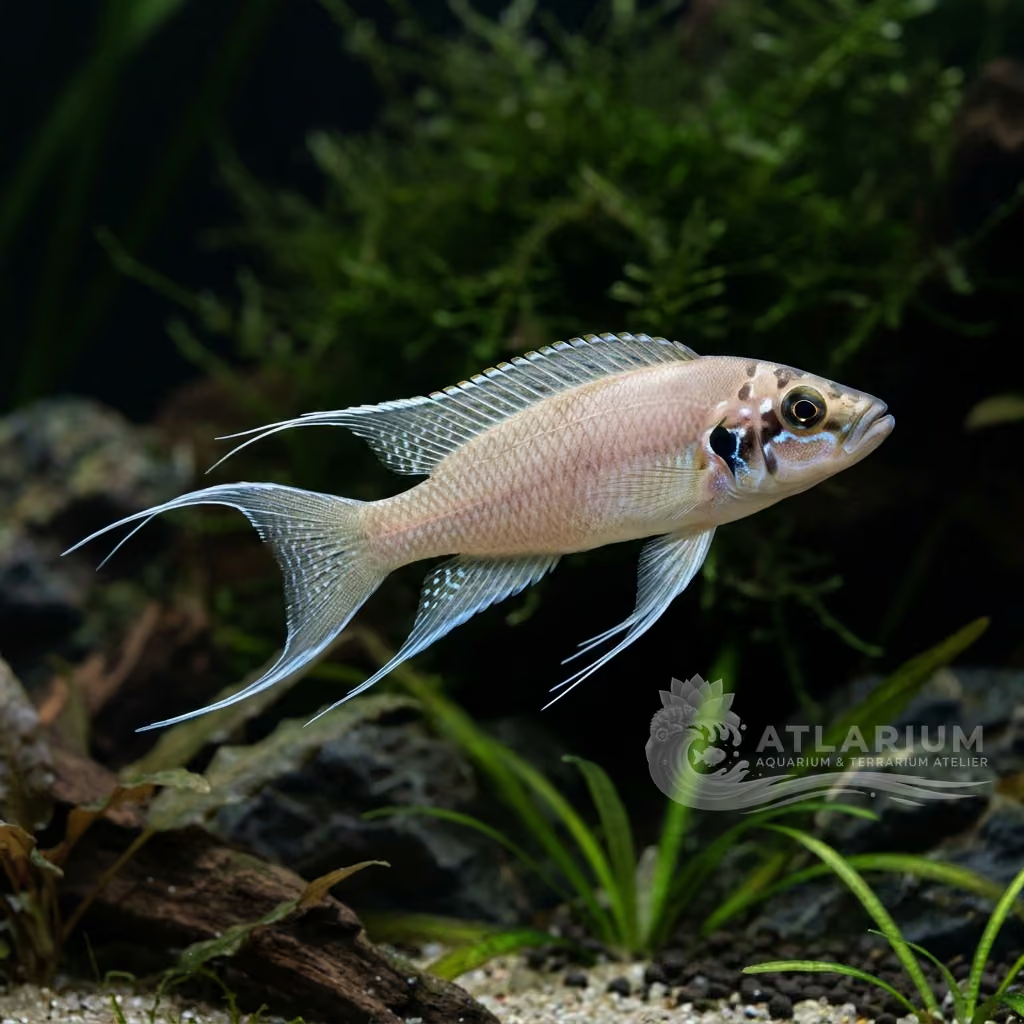
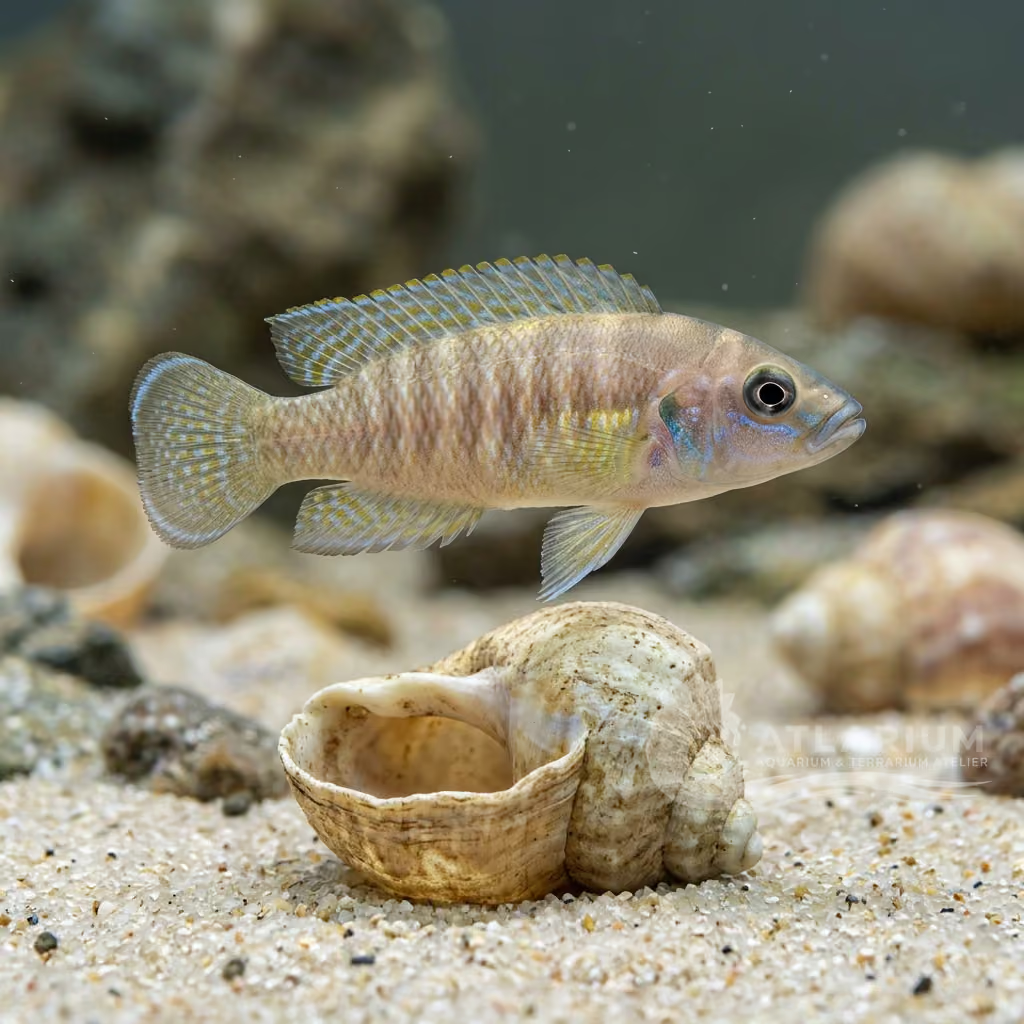
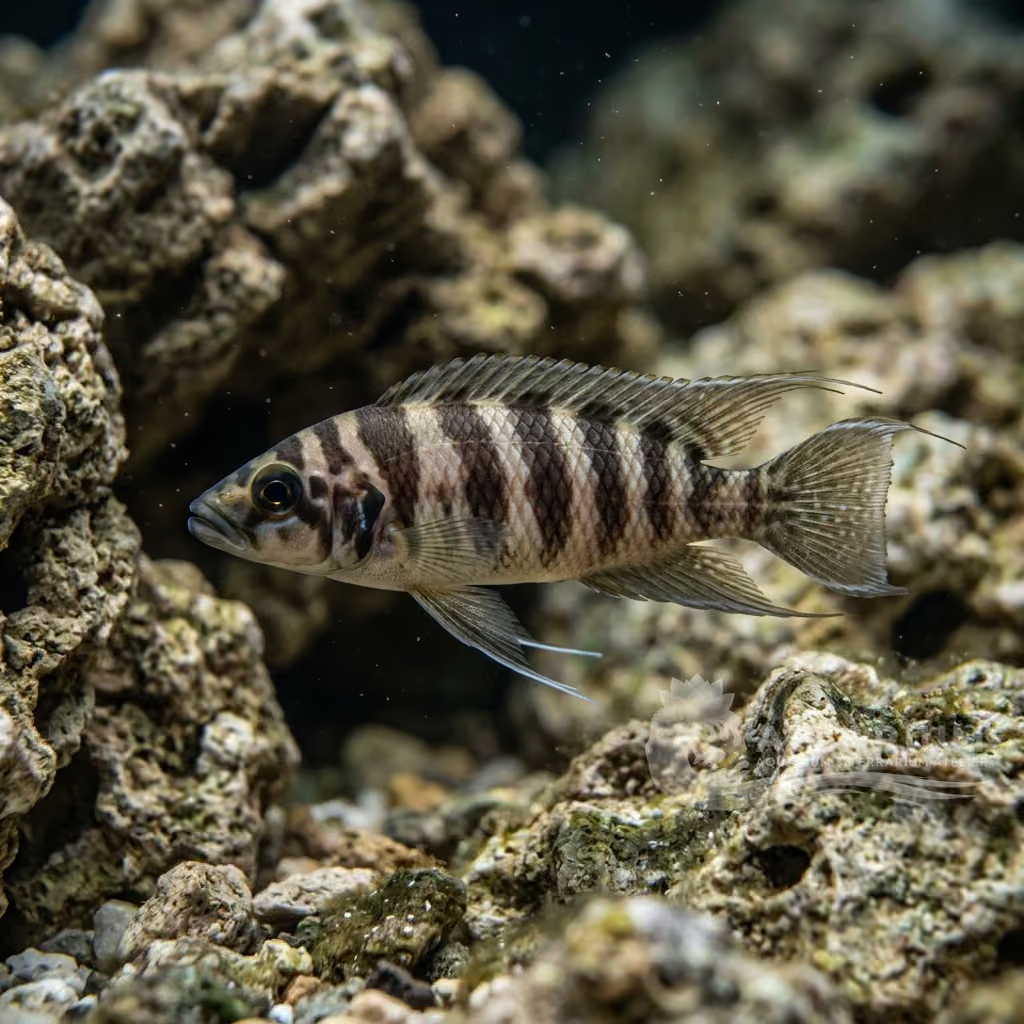
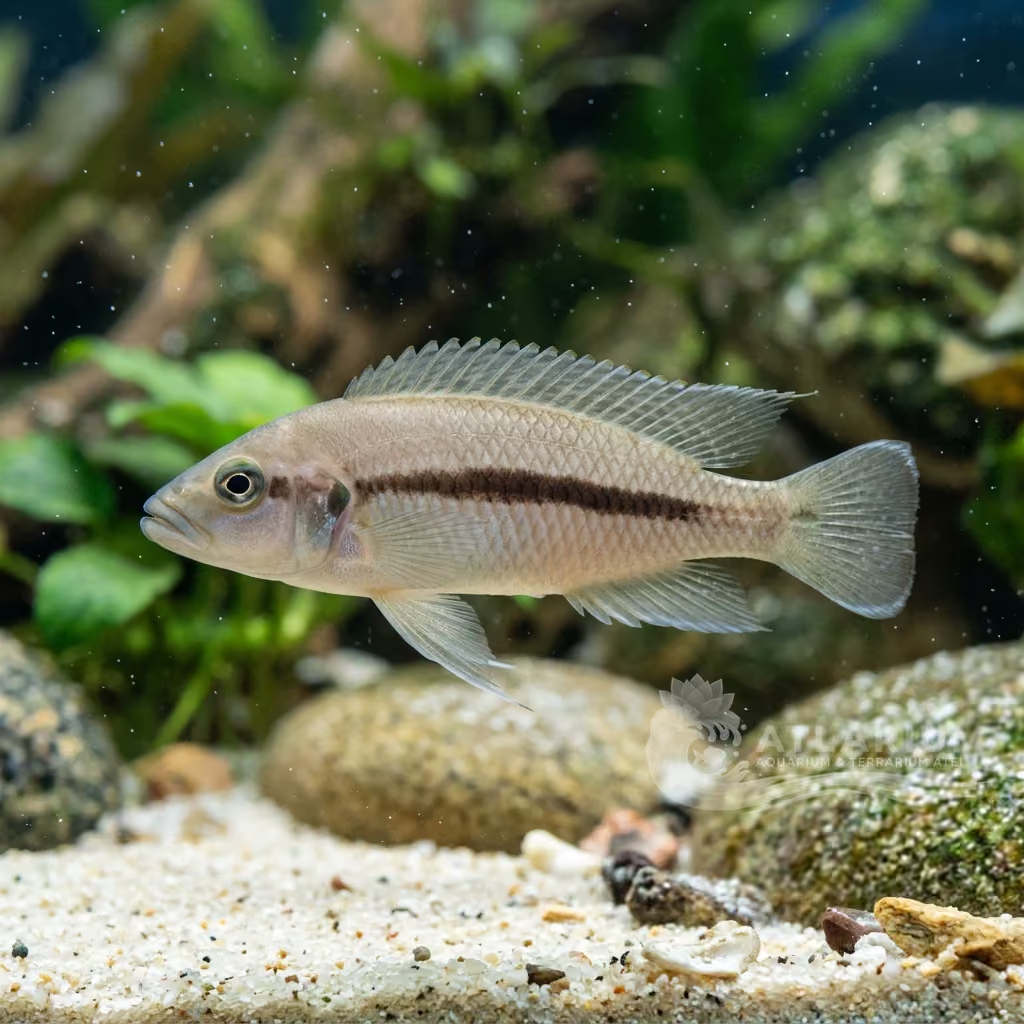
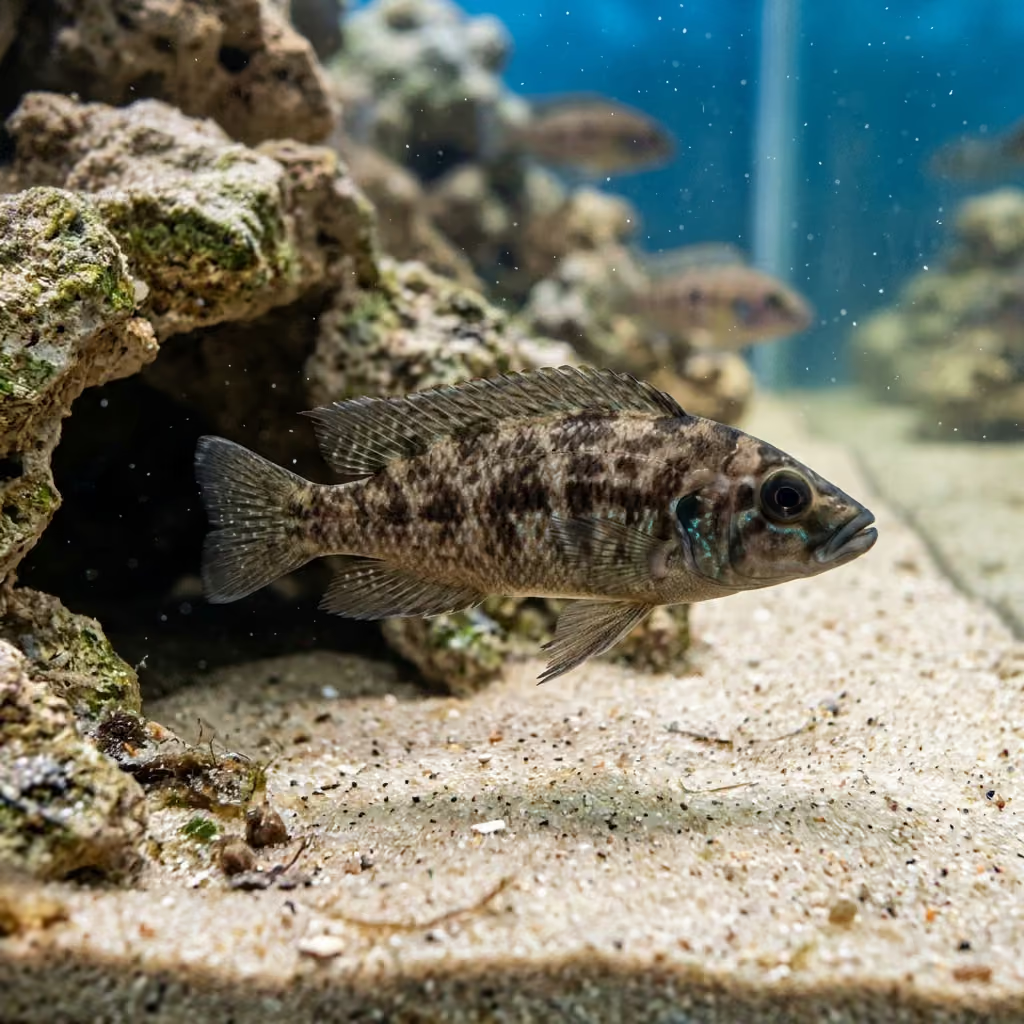
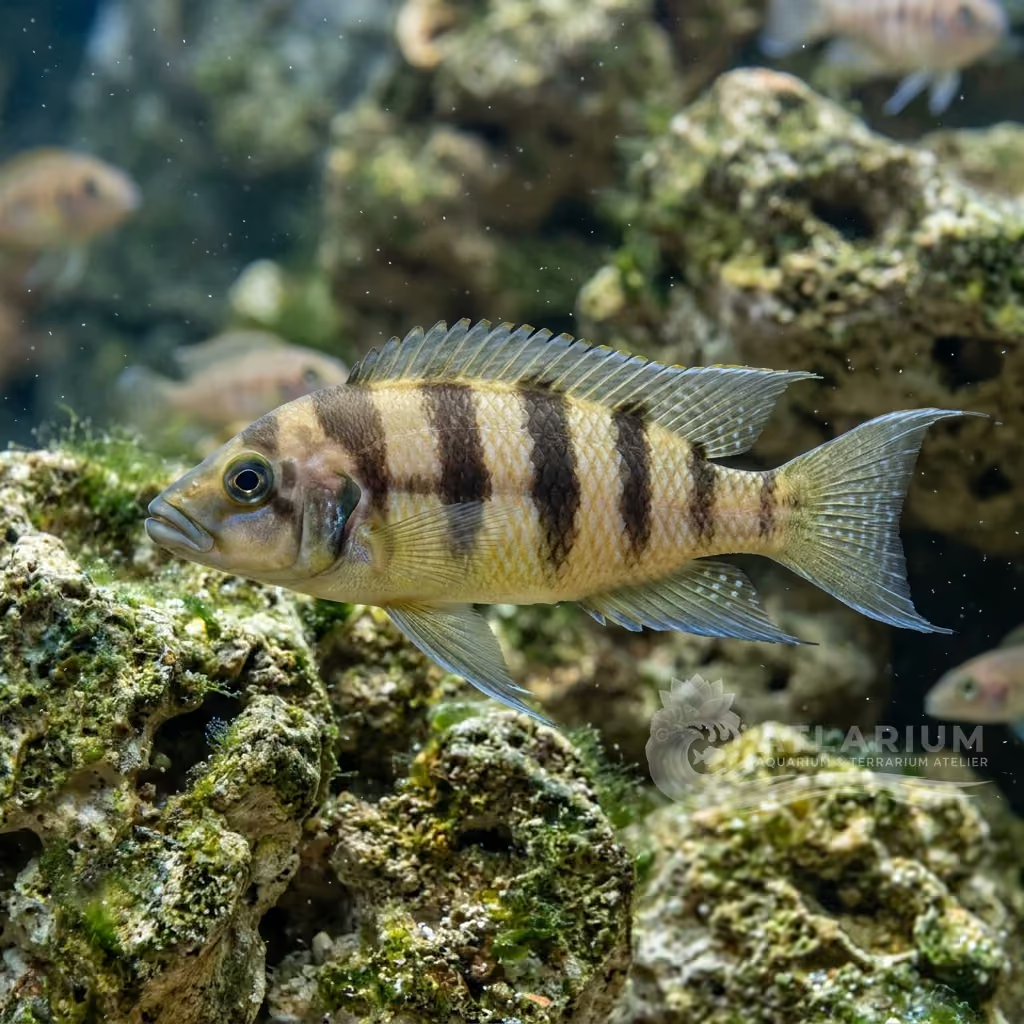
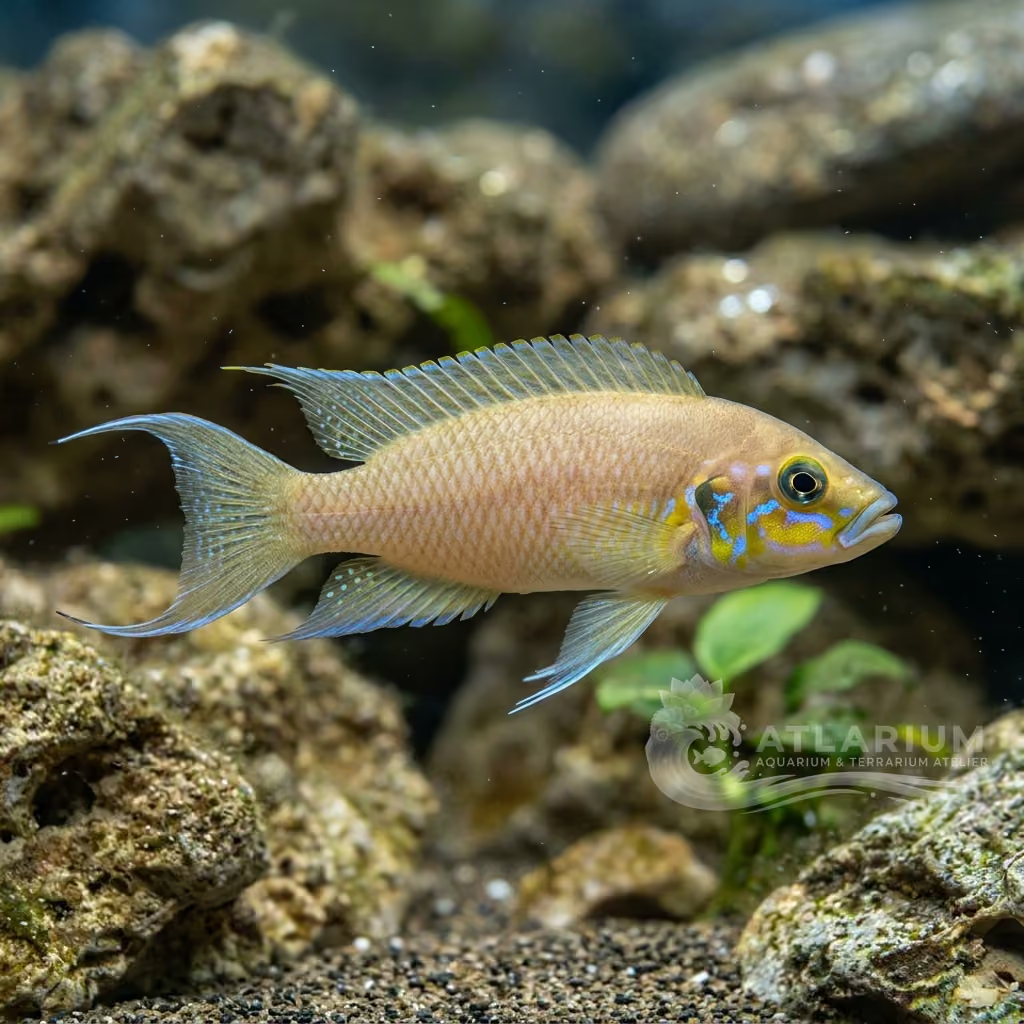
Lamprologus meleagris (often considered synonymous with L. stappersi) is a highly territorial, shell-dwelling cichlid endemic to Lake Tanganyika. They display a greyish-brown mottled body with pearlescent spots. Males guard empty snail shells, which females utilize as intricate breeding caves and safe havens to rear their young.
Water Temperature
24 - 28 °C
pH Value
8 - 9
Water type
Freshwater
Tank level
Bottom
Adult size
5 cm
Minimum tank volume
>= 80 L
Minimum group
>= 1
GH
10 - 25 dGH
KH
10 - 20 dKH
TDS
250 - 575 ppm
Conductivity
391 - 898 uS/cm

Species description
Geographical Origin and Habitat: Lake Tanganyika (Southern Congolese shore). Typical inhabitant of the deep sandy bottom. Often associated with L. stappersi, with which it shares a habitat devoid of natural visual barriers but rich in shells (Neothauma).
Taxonomy and Morphology: Pearly Ocellatus / Meleagris (Lamprologus meleagris). Small shell-dwelling Cichlid with a decidedly "pitbull" build: stocky and flattened snout, massive head compared to the body and fin posture often fanned out to intimidate.
Social Behavior: Pugnacious and unyielding. Builds its nest by sinking empty shells into the sand to bury them. The territory is sacred: it will attack by biting fish immensely larger than itself and even the breeder's hands.
Coloration and Sexual Dimorphism: The livery is velvety brown-beige, entirely studded with tiny iridescent light blue-whitish "pearls". The edge of the dorsal fin is white. Males (5 cm / 2 inches) are larger and brighter than females (3.5 cm / 1.4 inches).

Care, breeding and tankmates
Aquarium Setup: Dense river sand bottom (at least 5-7 cm / 2-3 inches thick to allow the burial of the shells). Insert land snail or escargot shells in a 3:1 ratio to the fish. Omit stones, they don't care.
Diet and Feeding: Micro-predator. Particularly likes frozen meaty foods: mysis, brine shrimp, bloodworms. Almost totally ignores vegetable matter. If fed only dry food, the reproductive instinct and coloration go to zero.
Water Quality: Standard Rift values. Fears high nitrates (which cause fin rot) much more than a Ph slightly off target (as long as > 7.5). Requires regular water changes by siphoning the waste that does not enter the filter.
Compatibility and Cohabitation: To be kept in community tanks only if very long, so that its bottom territory does not hinder other Cichlids (e.g. Paracyprichromis or Julidochromis that stay on the rocks). Guaranteed lethal aggression towards other shell-dwellers.
Aquarium Breeding: Harem polygamy. The male controls the shells of several females in a circumscribed radius. Spawning happens in secret inside the shell. After 2 weeks, tiny fry will peek out, coming out only at the slightest sign of safety.
Risks and Diseases: Swim bladder (Bubbles in dry food). Un-soaked flake food swallowed eagerly at the surface can cause fatal air ingestion that irremediably overturns the meleagris.

Geographic origin and distribution
Lake Tanganyika (Southern Congolese shore). Typical inhabitant of the deep sandy bottom. Often associated with L. stappersi, with which it shares a habitat devoid of natural visual barriers but rich in shells (Neothauma).
Origin
Africa and Madagascar

Fish profile
- Temperament
- Semi-aggressive
- Pound for pound, they are exceptionally aggressive and fearlessly territorial. They will readily attack the aquarist's hand during maintenance if it comes too close to their shell. Among conspecifics, fierce jaw-locking battles establish dominance and territorial boundaries.
- Diet
- Carnivore
- They are strict carnivores that thrive on a protein-rich diet of small invertebrates. High-quality sinking cichlid micro-pellets make an excellent staple diet. They absolutely devour frozen baby brine shrimp, daphnia, and bloodworms with incredible enthusiasm.
- Life expectancy
- 3-5 years
- Adult size
- 5 cm
- Sex ratio
- Harem
- They naturally form harems, and one male should ideally be housed with two to four females. Keeping multiple males in anything smaller than a 40-gallon breeder usually results in the weaker male being killed. Provide at least three empty shells per fish to minimize initial squabbling.
- Feeding frequency
- Twice daily
- Feeding them two very small meals a day is the optimal schedule for adults. Their small size dictates that they cannot eat large amounts of food at once. Overfeeding will not only foul the water but can also lead to serious digestive blockages.
- Bioload
- Low to Medium
- This stunning pearly shell dweller produces a very minimal bioload. Their tiny bodies and efficient digestion mean they contribute very little ammonia to the system. Maintaining excellent water quality is easy with a properly cycled sponge filter and routine maintenance.
- Flow
- Stagnant
- They prefer a calm environment with gentle to moderate water flow. Vigorous circulation can constantly blow sand into their shells and cause them significant stress. A standard sponge filter or a gently baffled hang-on-back filter is perfect.
- Jump risk
- No
- Reproduction
- Oviparous
- They are highly dedicated shell spawners, requiring empty Neothauma or similar escargot shells to breed. The female lays her eggs deep inside the shell and rarely leaves until the fry are free-swimming. The male defends the broader territory with astonishing ferocity during this period.
- Compatibility & tankmates
- Semi-aggressive
- They are intensely feisty and should only be kept with upper-water fish that will entirely ignore the substrate. Keeping them with other bottom-dwelling species almost always leads to severe, sometimes fatal, territorial disputes. Small, fast-moving dither fish are acceptable if the tank is adequately sized.
- Tank level
- Bottom
- Their existence is entirely restricted to the lowest inch of the aquarium and the sandy substrate. They spend hours meticulously digging in the sand to bury their shells to the perfect depth. They almost never swim into the upper portions of the water column.

Scientific Parameters & Models
FishBase
Window to the official scientific data of the species
FishBase v25.04Data synced on: 06/15/2026
- Trophic level
- 3.6 ± 0.5 se
- Resilience
- High (less than 15 months)
- Phylogenetic uniqueness (PD50)
- 0.5
- Bayesian Length-Weight
- a = 0.01445, b = 2.99
- VulnerabilityLow vulnerability (10 / 100)

Related species
Recommendations grouped by close relatives, companion choices, and similar care.