Tropheus moorii
Tropheus moorii
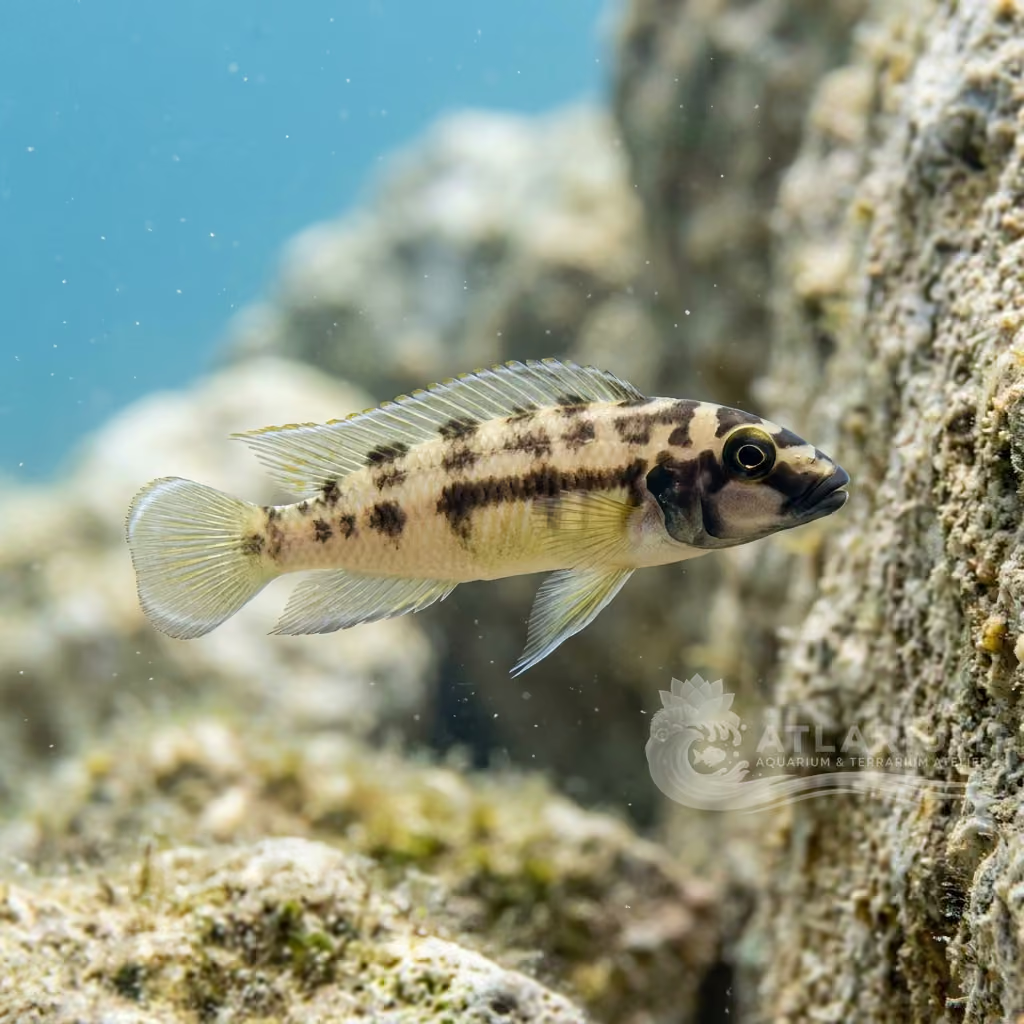
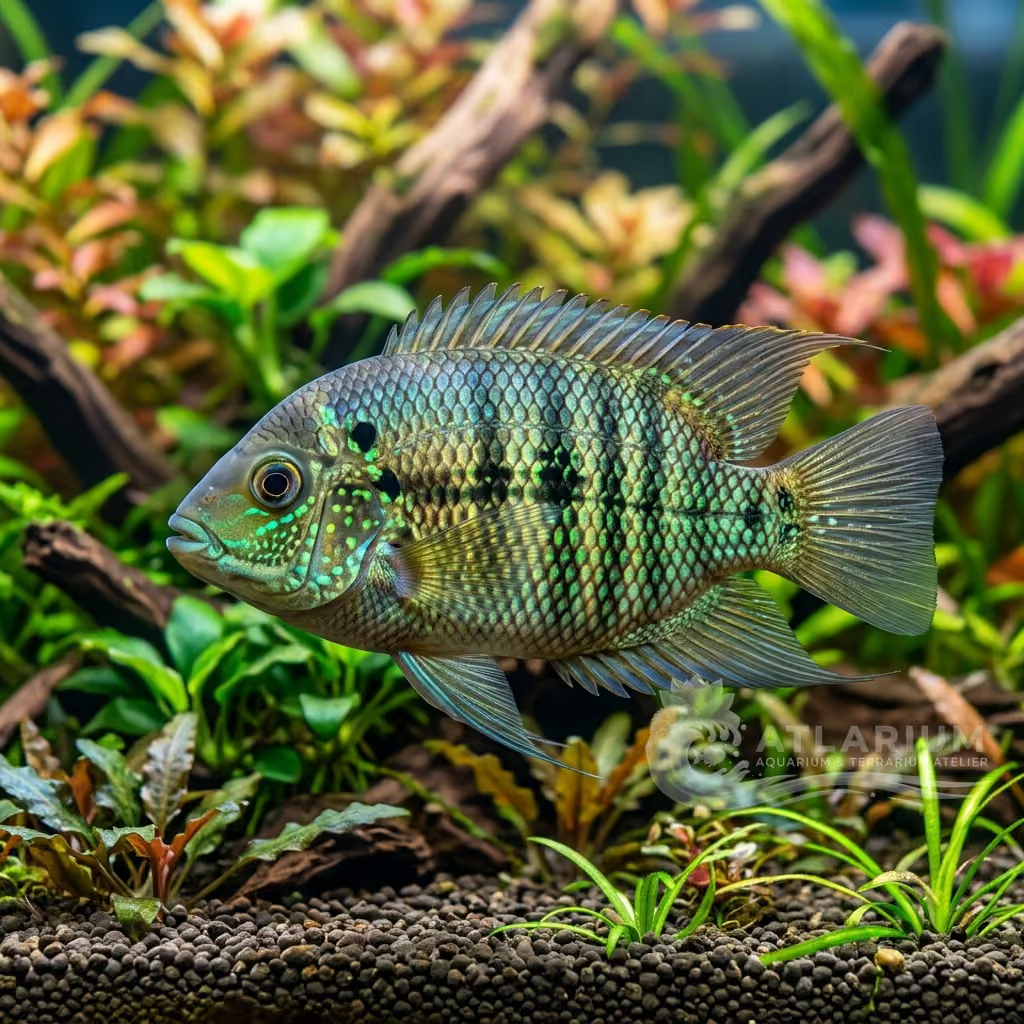
The Vegetarian Piranha Swarm (5.5 inches / 14 cm). The Tropheus is the absolute pinnacle, obsession, and nightmare of Lake Tanganyika Cichlid keepers worldwide. They feature a unique, stubby, pug-like bulldog snout perfectly evolved for ripping algae off wave-swept rocks. They are fiercely territorial, hyper-energetic, and incredibly aggressive towards their own kind. Keeping them requires militant dedication to strict rules; breaking even one rule will result in the entire expensive colony massacring each other or dying of bloat within days.
24 - 28 °C
8 - 9
Freshwater
Bottom and middle
14 cm
>= 180 L
>= 1
10 - 25 dGH
5 - 12 dKH
200 - 495 ppm
313 - 773 uS/cm

Species description

Care, breeding and tankmates

Geographic origin and distribution
Origin

Fish profile
- Temperament
- Semi-aggressive
- Their temperament is highly aggressive and socially complex. They establish a strict dominance hierarchy that dictates access to food and breeding rights. Disrupting the colony by adding new adults can cause severe chaos and fighting until a new pecking order is established.
- Diet
- Omnivore
- They are strict herbivores that graze on algae-covered rocks in the wild. Their captive diet must be dominated by high-quality spirulina flakes or algae wafers to prevent deadly digestive issues like Malawi bloat. Animal proteins like bloodworms or beef heart must be strictly avoided at all costs.
- Life expectancy
- 8-12 years
- Adult size
- 14 cm
- Sex ratio
- Specific M:F ratio
- Maintaining the correct sex ratio is critical to dispersing the male's intense aggression. A ratio of one male to at least four or five females is strongly recommended. Attempting to keep too many males in a standard tank usually results in fatal territorial disputes.
- Feeding frequency
- Twice daily
- They should be fed small amounts two to three times daily rather than one large meal. Their specialized, long digestive tracts are designed for constant, low-protein grazing. Careful observation during feeding time is necessary to ensure no individual is bullied away from the food.
- Bioload
- Medium
- These highly active cichlids have a surprisingly heavy bioload for their size. They are enthusiastic eaters that constantly graze and consequently produce significant waste. Over-filtration and substantial weekly water changes are mandatory to maintain the pristine water conditions they require.
- Flow
- Stagnant
- They appreciate a strong, well-oxygenated water flow that replicates the surge zones of Lake Tanganyika. Powerful filtration and wavemakers help keep the water pristine and highly oxygenated. Brisk surface agitation is essential to drive off CO2 and maintain a high pH.
- Jump risk
- Yes
- They are powerful swimmers and can jump out of the aquarium during territorial disputes. A heavy, tight-fitting glass or acrylic lid is essential to keep them safely contained. Care should be taken during maintenance, as panicked individuals may dart upward and break the surface.
- Reproduction
- Oviparous
- They are maternal mouthbrooders that exhibit fascinating breeding behaviors. The female will pick up the fertilized eggs and hold them in her mouth for up to four weeks. During this time, she will eat very little, eventually spitting out fully formed, independent fry.
- Compatibility & tankmates
- Species only
- They are famously aggressive and highly territorial, especially towards their own kind. They must be kept in large, species-only setups or with other very robust Lake Tanganyika cichlids. Mixing different Tropheus species is generally discouraged due to the high risk of crossbreeding and severe aggression.
- Tank level
- Middle/Bottom
- They are incredibly active fish that will utilize every inch of the aquarium. While they spend much of their time grazing on rockwork near the bottom and middle, they frequently swim in open water. A tank heavily aquascaped with large rocks provides necessary visual barriers and territories.

Scientific Parameters & Models
Window to the official scientific data of the species
- Trophic level
- 2 ± 0 se
- Resilience
- Medium (1.4 - 4.4 years)
- Generation time
- 1.7 years
- Phylogenetic uniqueness (PD50)
- 0.5156
- Bayesian Length-Weight
- a = 0.01445, b = 2.99
- VulnerabilityLow vulnerability (22 / 100)

Related species
Recommendations grouped by close relatives, companion choices, and similar care.