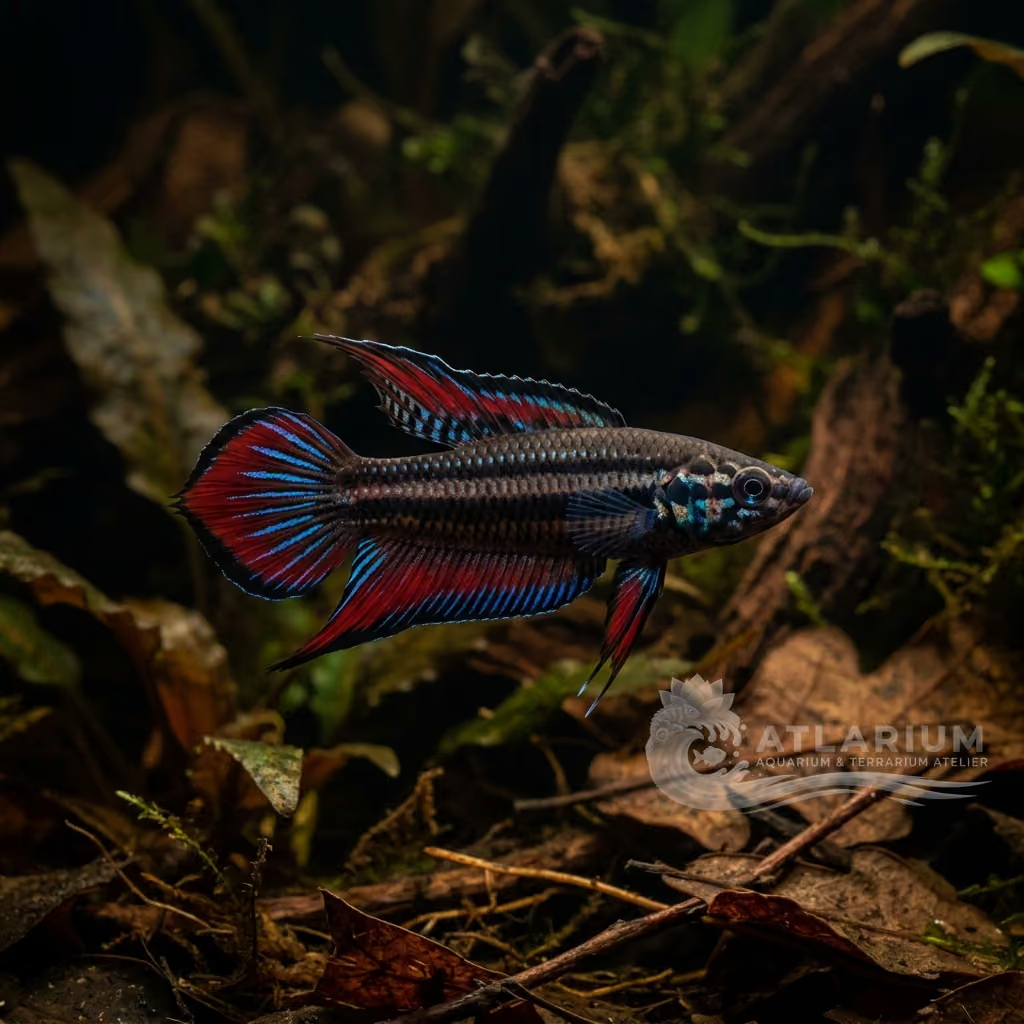
Samurai Gourami
Sphaerichthys vaillanti
The Reverse-Dimorphism Ghost (2.5 inches / 6 cm). The Samurai Gourami is an ultra-rare, ghostly, blade-shaped labyrinth fish from the heart of the Borneo jungle. It is incredibly famous among elite hobbyists for two reasons: its insane fragility, and the fact that the FEMALES are the brightly colored ones. When ready to breed, the female explodes into a mesmerizing zebra-striped 'Samurai Armor' pattern of deep blood-red and emerald green, while the male remains a dull, dusty brown leaf color. Keeping them alive is a master-class challenge.
24 - 28 °C
4 - 6
Freshwater
Middle
6 cm
>= 60 L
6 - 8
0 - 5 dGH
1 - 2 dKH
10 - 95 ppm
16 - 148 uS/cm

Species description

Care, breeding and tankmates

Geographic origin and distribution
Origin

Fish profile
- Temperament
- Semi-aggressive
- Behaviorally, the Samurai Gourami is characterized as being shy. They exhibit fascinating social dynamics that can be a true joy to observe in a well-planned display. While generally agreeable, unexpected aggression can sometimes occur if their fundamental environmental needs are not met. Providing adequate hiding spots and sufficient swimming space will go a long way in ensuring their temperament remains calm and manageable.
- Diet
- Omnivore
- This species is known to be a micro-predator in its natural habitat, requiring a varied diet in captivity. To ensure optimal health and coloration, provide high-quality prepared foods alongside live or frozen options like brine shrimp or bloodworms. It is essential to match the food particle size to the fish's mouth structure to facilitate easy consumption. Regular rotation of dietary items will prevent nutritional deficiencies and keep the fish highly active.
- Life expectancy
- 3 years
- Adult size
- 6 cm
- Sex ratio
- Specific M:F ratio
- To prevent undue stress, it is recommended to keep the Samurai Gourami in a carefully managed sex ratio. Providing more females than males reduces the constant harassment that a single female might endure. If keeping multiple males, the aquarium must be sufficiently large to allow for the establishment of distinct territories. Careful observation during the first few weeks will dictate if any aggressive individuals need to be rehomed.
- Feeding frequency
- Twice daily
- Establishing a consistent feeding routine is important, with 1-2 small meals per day being ideal for the Samurai Gourami. Aquarists should carefully monitor the fish during feeding time to ensure every individual gets its share. Any uneaten food should be promptly removed with a net or siphon to preserve the pristine aquatic environment. During periods of breeding or elevated temperatures, the feeding frequency may be slightly increased.
- Bioload
- Low
- Maintaining this freshwater species requires understanding its low bioload profile. The Samurai Gourami will thrive when the filtration system is carefully matched to its specific waste production. Frequent testing of the water chemistry is highly recommended to ensure no dangerous spikes occur. Excellent water quality is the foundation for preventing disease and promoting a vibrant, active fish.
- Flow
- Stagnant
- Providing a very low current is highly recommended for the overall well-being of the Samurai Gourami. Adequate water circulation not only mimics their natural ecosystem but also ensures high dissolved oxygen levels throughout the aquarium. Hobbyists should avoid creating localized dead spots where debris might accumulate. Adjusting the filtration output angle can help achieve the perfect balance between steady circulation and calm resting areas.
- Jump risk
- Yes
- Aquarists should be aware that the Samurai Gourami presents a low jump risk, especially when initially introduced or startled. A tightly fitting lid or a mesh screen cover is absolutely essential to prevent accidental escapes. Keeping the water parameters stable and avoiding aggressive tankmates will minimize the stress that often triggers jumping behavior. Ensuring the tank is kept in a relatively quiet environment can also help keep them securely in the water.
- Reproduction
- Oviparous
- As a known maternal mouthbrooder, the Samurai Gourami exhibits fascinating breeding behaviors when conditions are optimal. Providing a separate, specialized breeding setup is often the best approach to ensure a high yield of fry. Parents may require removal post-spawning depending on the specific parental care traits of the species. Raising the young demands pristine water parameters and a steady supply of infusoria or newly hatched artemia.
- Compatibility & tankmates
- Peaceful
- When considering tankmates, the Samurai Gourami is generally considered requires peaceful tankmates and specialized care. It is important to avoid housing them with overly aggressive or large predatory fish that could bully them or outcompete them for food. Careful observation during the initial introduction period is highly recommended to ensure harmony within the community. Selecting species that occupy different levels of the water column can further reduce territorial disputes.
- Tank level
- Middle
- This species is predominantly a mid to bottom dweller within the aquarium setup. Providing the appropriate spatial layout with open swimming areas or dense vegetation where they feel secure is highly beneficial. By understanding their preferred depth, aquarists can carefully select complementary species that occupy other regions of the tank. This spatial separation helps to reduce competition for food and minimizes unnecessary territorial disputes.

Scientific Parameters & Models
Window to the official scientific data of the species
- Trophic level
- 3.2 ± 0.4 se
- Resilience
- High (less than 15 months)
- Phylogenetic uniqueness (PD50)
- 0.5625
- Bayesian Length-Weight
- a = 0.01995, b = 3.01
- VulnerabilityLow vulnerability (10 / 100)

Related species
Recommendations grouped by close relatives, companion choices, and similar care.