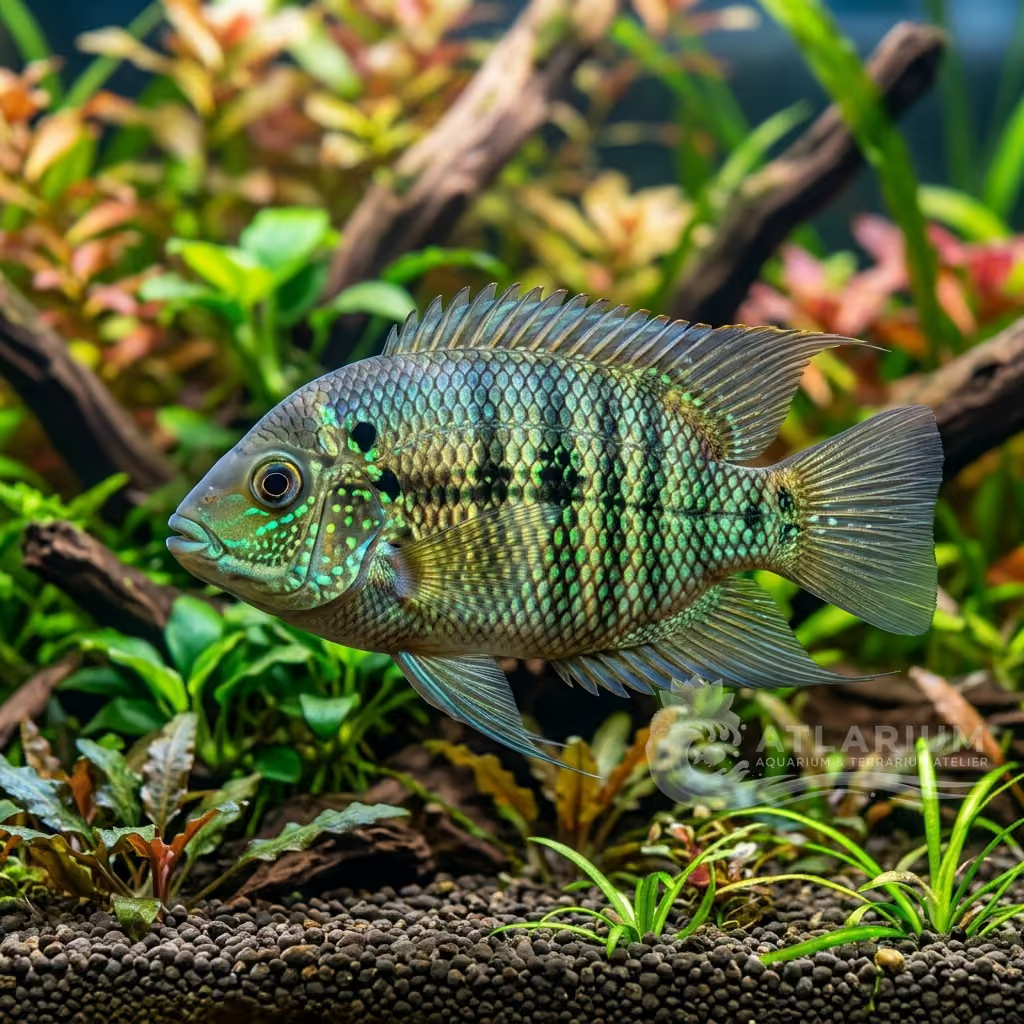
Jack Dempsey
Rocio octofasciata
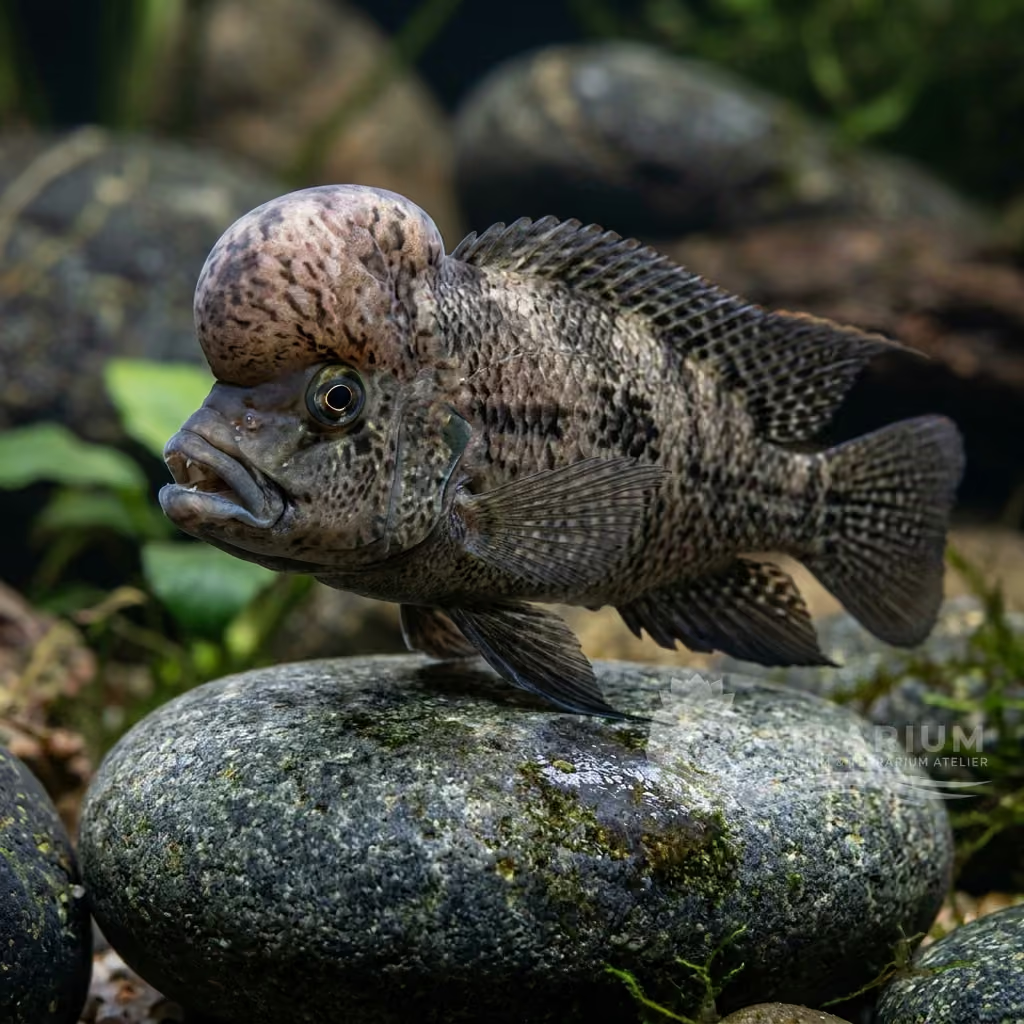
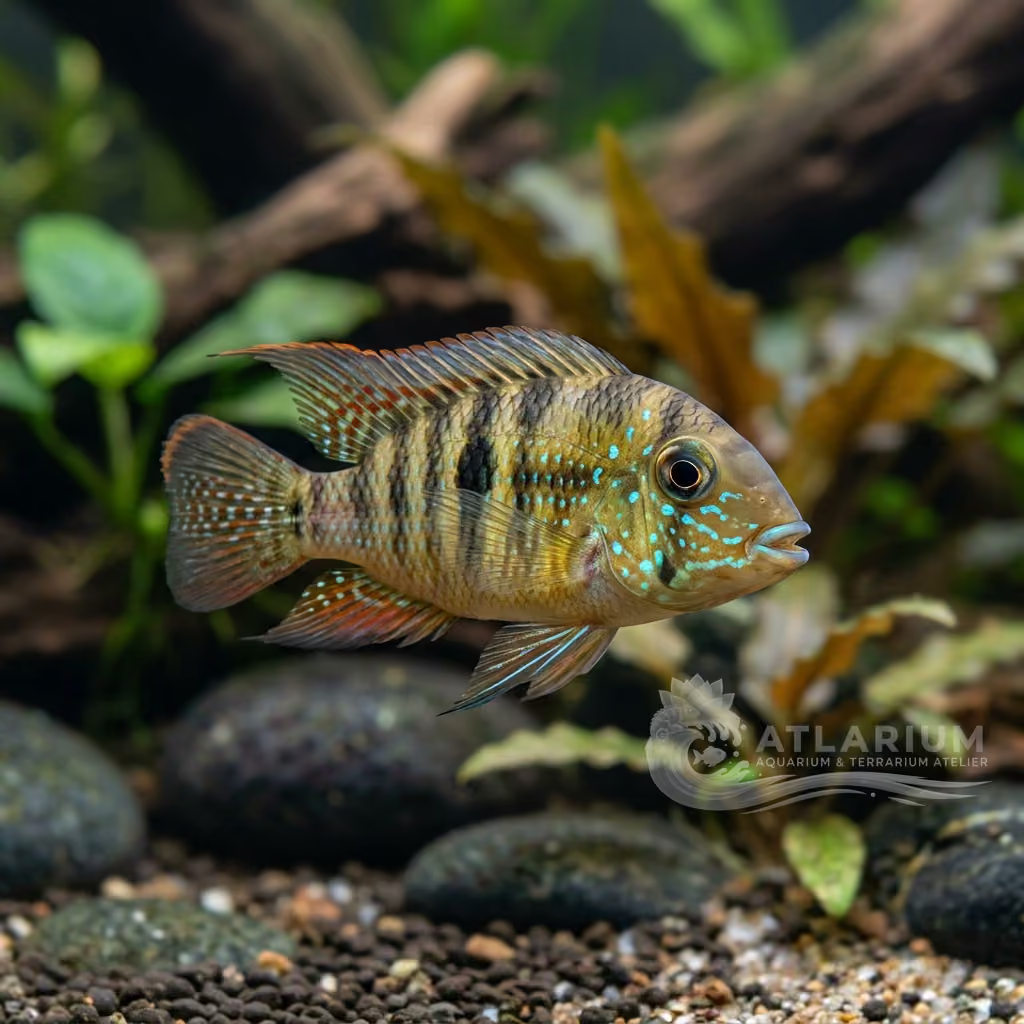
The Heavyweight Brawler of Central America (20-25 cm / 8-10 inches). Named after the legendary 1920s boxing champion, this fish boasts a bulldog-like face, a thickly muscled body, and a famously terrible temper. But it is an absolute visual showstopper: a dark, almost pitch-black body heavily armored with hundreds of massive, blindingly bright neon cyan, gold, and emerald 'spangles' (scales) that look like glowing sequins. He destroys tanks, digs massive craters, and will relentlessly bully anything that gets in his way.
22 - 26 °C
6.5 - 8
Freshwater
Bottom and middle
25 cm
>= 300 L
>= 1
5 - 20 dGH
2 - 10 dKH
95 - 400 ppm
148 - 625 uS/cm

Species description

Care, breeding and tankmates

Geographic origin and distribution
Origin

Fish profile
- Temperament
- Semi-aggressive
- The Jack Dempsey is well known for its belligerent and aggressive temperament. It actively and aggressively defends its chosen territory. Heavy decoration can help manage aggression by breaking lines of sight.
- Diet
- Omnivore
- The Jack Dempsey is primarily carnivorous but accepts a variety of foods. High-quality cichlid pellets should form the staple diet. Supplement with live or frozen foods like bloodworms and brine shrimp.
- Life expectancy
- 10-15 years
- Adult size
- 25 cm
- Sex ratio
- Pair
- They are best kept as a single male-female pair in most setups. Keeping multiple males usually leads to severe aggression and territorial disputes. Carefully monitor the female for signs of harassment.
- Feeding frequency
- Twice daily
- Adults should be fed once a day to prevent obesity. Juveniles require two to three smaller meals daily to support growth. Avoid overfeeding to maintain optimal water quality.
- Bioload
- High
- This species generates a significant bioload due to its size and hearty appetite. Powerful filtration is required to process the heavy waste output. Regular large water changes are also essential to maintain good water quality.
- Flow
- Stagnant
- It prefers a moderate flow in the aquarium environment. Strong currents are not necessary but good circulation is. Ensure there are calmer areas for the fish to rest comfortably.
- Jump risk
- Yes
- This fish has a moderate risk of jumping out of the tank. A tight-fitting lid is highly recommended for safety. It may jump when startled by sudden movements or during feeding.
- Reproduction
- Oviparous
- These cichlids are substrate spawners and excellent parents. They become highly aggressive when breeding and raising fry. Flat rocks or large slate pieces should be provided as spawning sites.
- Compatibility & tankmates
- Highly aggressive
- It is highly aggressive and territorial in nature. It should only be kept with other large, robust cichlids. Small tankmates will likely be bullied, injured, or eaten.
- Tank level
- Middle/Bottom
- It mainly inhabits the middle and bottom levels of the tank. It likes to stay near caves and structural cover. It rarely swims at the very top of the water column.

Scientific Parameters & Models
Window to the official scientific data of the species
- Trophic level
- 3.5 ± 0.51 se
- Resilience
- High (less than 15 months)
- Phylogenetic uniqueness (PD50)
- 0.5625
- Bayesian Length-Weight
- a = 0.02692, b = 3.02
- VulnerabilityLow vulnerability (15 / 100)

Image gallery
Licensed images linked to the species or, when marked, to the closest representative taxon.

Related species
Recommendations grouped by close relatives, companion choices, and similar care.