Six-bar Cichlid
Neolamprologus sexfasciatus
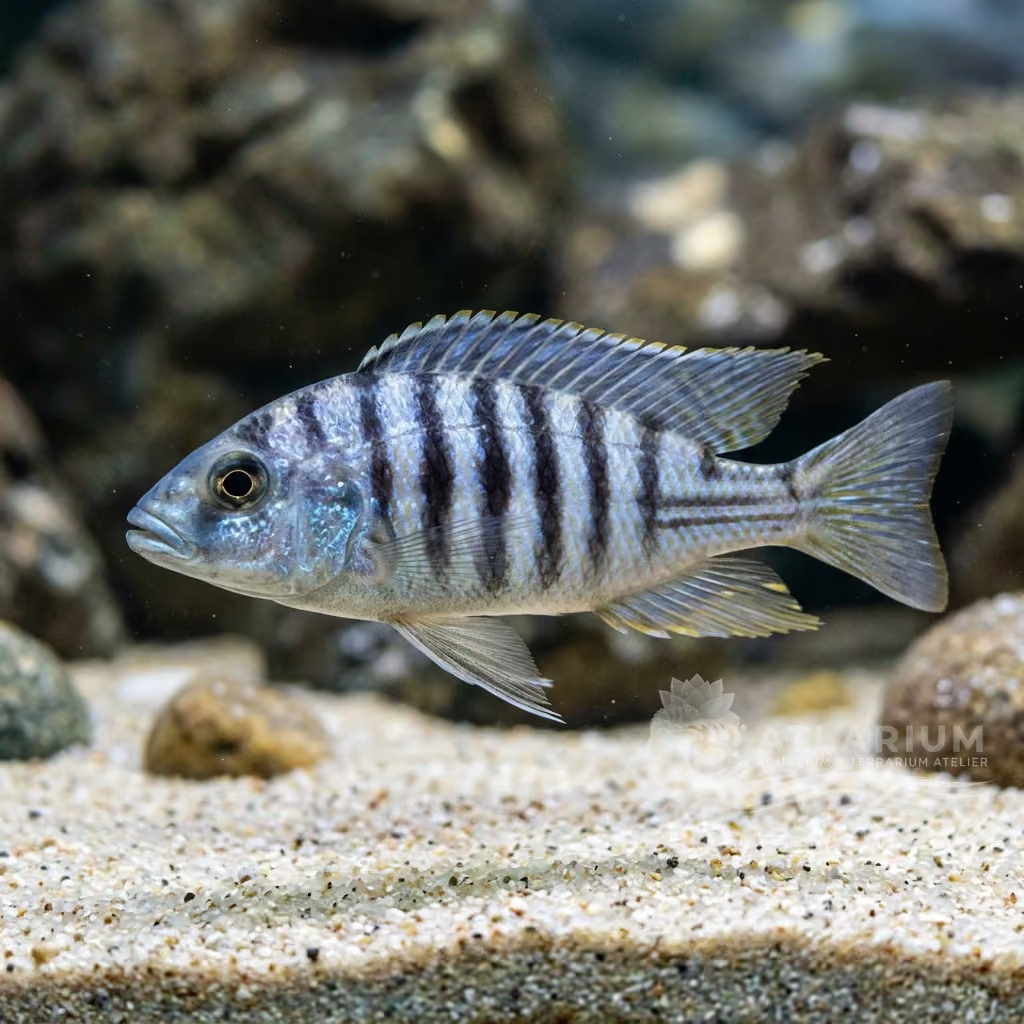
A colossal and wonderful rock-dwelling cichlid with a white/cream livery crossed by 6 black and powerful vertical bands (sexfasciatus). The southern phenotype of the lake has beautiful yellow fins.
Water Temperature
23 - 26 °C
pH Value
7.5 - 9
Water type
Freshwater
Tank level
Bottom
Adult size
15 cm
Minimum tank volume
>= 200 L
Minimum group
>= 1
GH
12 - 25 dGH
KH
10 - 20 dKH
TDS
280 - 575 ppm
Conductivity
438 - 898 uS/cm

Species description
Geographical Origin and Habitat: Strictly endemic to Lake Tanganyika, Africa (primarily distributed in the southern half of the lake). It strictly inhabits pure rocky reefs and the deep transition zones, diving to medium depths. It uses massive limestone labyrinths and boulder fields as its bunker, venturing out to ruthlessly patrol adjacent sandy patches to hunt for prey.
Taxonomy and Morphology: A highly powerful, unmistakable rock-dwelling cichlid of the Neolamprologus genus. The specific name sexfasciatus (literally "six-banded") accurately describes its stunning livery. The body is exceptionally robust, cylindrical, and built like a brawler, armed with lethal jaws. This is no dwarf: adult males easily exceed 15 cm (6 inches) in bulk, transforming into the undisputed tyrants of any captive layout.
Social Behavior: The "Banded Tyrant". This cichlid has rightfully earned a terrifying reputation as one of the most aggressive, intolerant, and anti-social bullies in the entire lake. While juveniles might tolerate each other in small groups, the second sexual maturity hits, an Alpha male will ruthlessly and literally hunt to the death his own siblings, similar rock-dwellers, and even unready females. It possesses the relentless mindset of a territorial killer.
Coloration and Sexual Dimorphism: Majestic yet highly intimidating. The base coloration ranges from a blinding, vivid golden-yellow (in the famous 'Gold' or 'Kipili' morph) to a pearlescent silvery-white. The body is inevitably slashed by six (6) incredibly thick, pitch-black vertical bars. The fins are large and sweeping, frequently rimmed with electric blue or pure white highlights. **Zero Dimorphism:** Males and females share the exact same bold color pattern. Adult Alpha males simply become vastly larger, thicker, and develop a noticeably heavier, blockier forehead.

Care, breeding and tankmates
Aquarium Setup: Because you are dealing with a massive, psychopathic rock-dweller, enormous tanks are mandatory: an absolute minimum of 150 cm long (5 feet / 75-100+ Gallons) is required to even attempt coexistence. The hardscape must consist of colossal, deeply layered boulder barricades alongside a soft sand bed. It is absolutely vital to build "blind walls" to deliberately block the male's line of sight, preventing him from locking onto and sniping tankmates across the entire aquarium.
Diet and Feeding: A heavy macro-carnivore and specialized snail-crusher. In the wild, it actively hunts insects, fry, and utilizes highly developed pharyngeal teeth to crush the shells of small mollusks. In captivity, it demands a massive, protein-heavy diet: krill, mysis, frozen bloodworms, chopped mussel meat, and large sinking carnivore pellets. If fed a plant-based diet, it will either ignore it to rot, or suffer malnutrition.
Water Quality: Unforgiving Tanganyikan water chemistry is non-negotiable: water must be rock-hard (GH 15-25) and the pH locked in the hyper-alkaline zone (8.5 - 9.0). A sudden drop in pH is lethal. Given their heavy, meaty diet, massively oversized biological filtration combined with rigorous, large water changes is the only way to prevent fatal nitrate accumulation.
Compatibility and Cohabitation: A logistical nightmare. NEVER house two males in the same tank: a fight to the death is mathematically guaranteed. It will brutally assassinate any cichlid that shares its body shape or striped pattern (like the Tretocephalus), and it will rip apart defenseless shell-dwellers if they cross its borders. In an XXL Tanganyikan community, it can only coexist with fast, open-water pelagics (Cyprichromis) or massive, heavily armored giants (like Frontosa) that completely ignore the lower rocks.
Aquarium Breeding: Exceedingly difficult, entirely due to the male's sheer brutality. If a pair successfully bonds, they are secretive Cave Spawners, laying eggs deep within the heart of the rock fortress. However, if the tank is too small or lacks deep blind caves, the hyper-aggressive male will mercilessly batter a non-receptive female to death. The fry hatch large and greedily take live artemia, but they must soon flee even their parents, who may eventually view them as snacks.
Risks and Diseases: 1. Spousal Murder (Wife-beating): The #1 cause of death is the Alpha male hunting down and killing the female in a tank lacking sufficient hiding spots. 2. Acidosis and Bloat: Soft water or malnutrition from improper foods destroys their osmoregulatory system. 3. Battle Wounds: Constant territorial warfare results in shredded fins, which can rapidly succumb to secondary, lethal bacterial or fungal infections.

Geographic origin and distribution
Strictly endemic to Lake Tanganyika, Africa (primarily distributed in the southern half of the lake). It strictly inhabits pure rocky reefs and the deep transition zones, diving to medium depths. It uses massive limestone labyrinths and boulder fields as its bunker, venturing out to ruthlessly patrol adjacent sandy patches to hunt for prey.
Origin
Africa and MadagascarEurope, Mediterranean, and West Asia

Fish profile
- Temperament
- Semi-aggressive
- They are formidable, solitary, and exceptionally aggressive predators that demand respect. They will fiercely defend their chosen cave against any intruder, often causing serious damage to other fish. Despite their harsh demeanor, their striking bold stripes and predatory behavior make them a fascinating centerpiece for an advanced aquarist.
- Diet
- Carnivore
- They are specialized predators that naturally hunt snails and small crustaceans among the rocks. In captivity, they must be fed a high-protein diet consisting of large sinking pellets, whole krill, mysis shrimp, and chopped prawns. Offering live snails occasionally is highly recommended to stimulate their natural crushing behavior.
- Life expectancy
- 8-10 years
- Adult size
- 15 cm
- Sex ratio
- Solitary
- Due to their intense aggression, keeping multiple males or even un-bonded females together usually results in fatalities. It is recommended to keep them singly unless you are specifically attempting to breed them in a very large tank. If trying to form a pair, starting with a group of juveniles is the only viable method.
- Feeding frequency
- Twice daily
- Feed them once or twice daily with substantial, protein-rich portions they can consume quickly. Because they are predators, they tend to gorge themselves, so careful portion control is required to prevent obesity and bloating. Remove any uneaten meaty foods promptly to prevent rapid water degradation.
- Bioload
- Medium
- This robust and moderately sized predator produces a significant bioload. They require a large aquarium with powerful biological and mechanical filtration to manage their waste effectively. Consistent, large-volume water changes are absolutely crucial to keep nitrates low and ensure their health.
- Flow
- Stagnant
- They prefer a moderate to strong water flow that mimics the turbulent rocky habitats of Lake Tanganyika. A strong current ensures the water remains highly oxygenated, which is vital for this active predator. The flow also helps sweep away detritus from the large rocky caves they inhabit.
- Jump risk
- No
- Reproduction
- Oviparous
- They are highly secretive cave spawners that require large, deep crevices to breed. The female will lay a small clutch of eggs on the ceiling or wall of a cave and guard them aggressively. They are notoriously difficult to breed in captivity due to their extreme intolerance of each other.
- Compatibility & tankmates
- Semi-aggressive
- They are highly aggressive, solitary predators that are notoriously intolerant of conspecifics and similar species. They must be housed with very large, robust Tanganyikan cichlids that can withstand their belligerent nature. Never keep them with small fish, shell-dwellers, or timid species, as they will be relentlessly bullied or eaten.
- Tank level
- Bottom
- They are strictly oriented to the bottom of the aquarium, rarely leaving the safety of the rockwork. They spend their time patrolling the substrate and inspecting crevices for potential prey. A massive, complex rock layout is absolutely necessary for them to establish a secure territory.

Scientific Parameters & Models
FishBase
Window to the official scientific data of the species
FishBase v25.04Data synced on: 06/15/2026
- Trophic level
- 3.7 ± 0.5 se
- Resilience
- High (less than 15 months)
- Phylogenetic uniqueness (PD50)
- 0.5
- Bayesian Length-Weight
- a = 0.01905, b = 3.01
- VulnerabilityLow vulnerability (10 / 100)

Related species
Recommendations grouped by close relatives, companion choices, and similar care.