Fairy Cichlid / Princess of Burundi
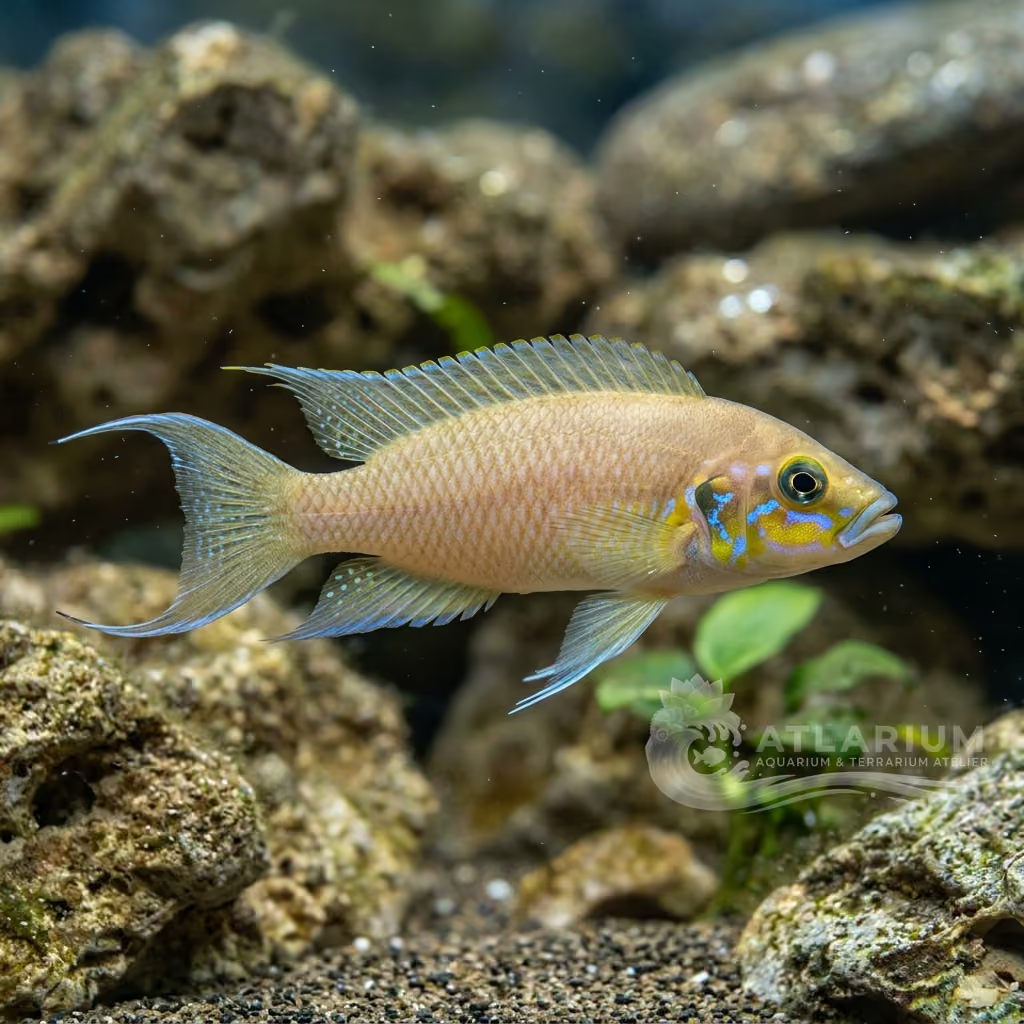
Neolamprologus brichardi
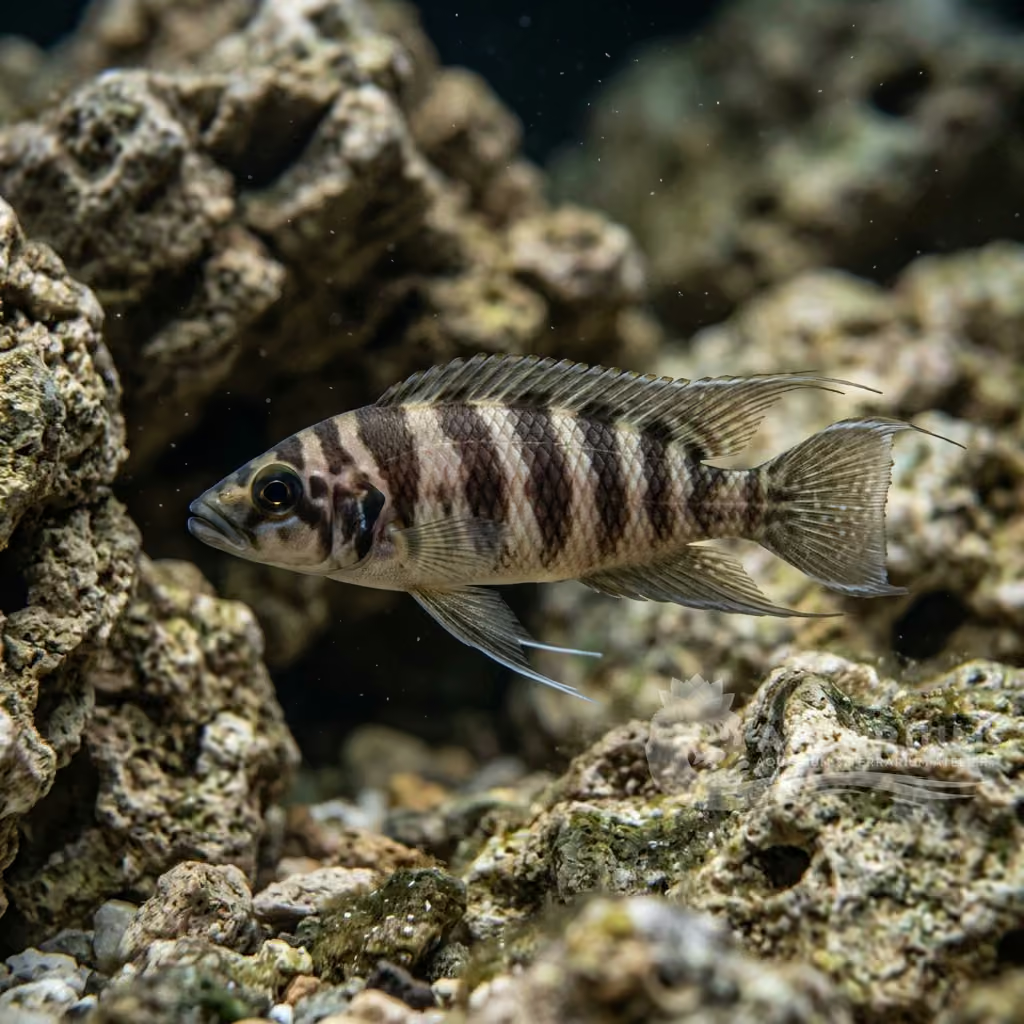
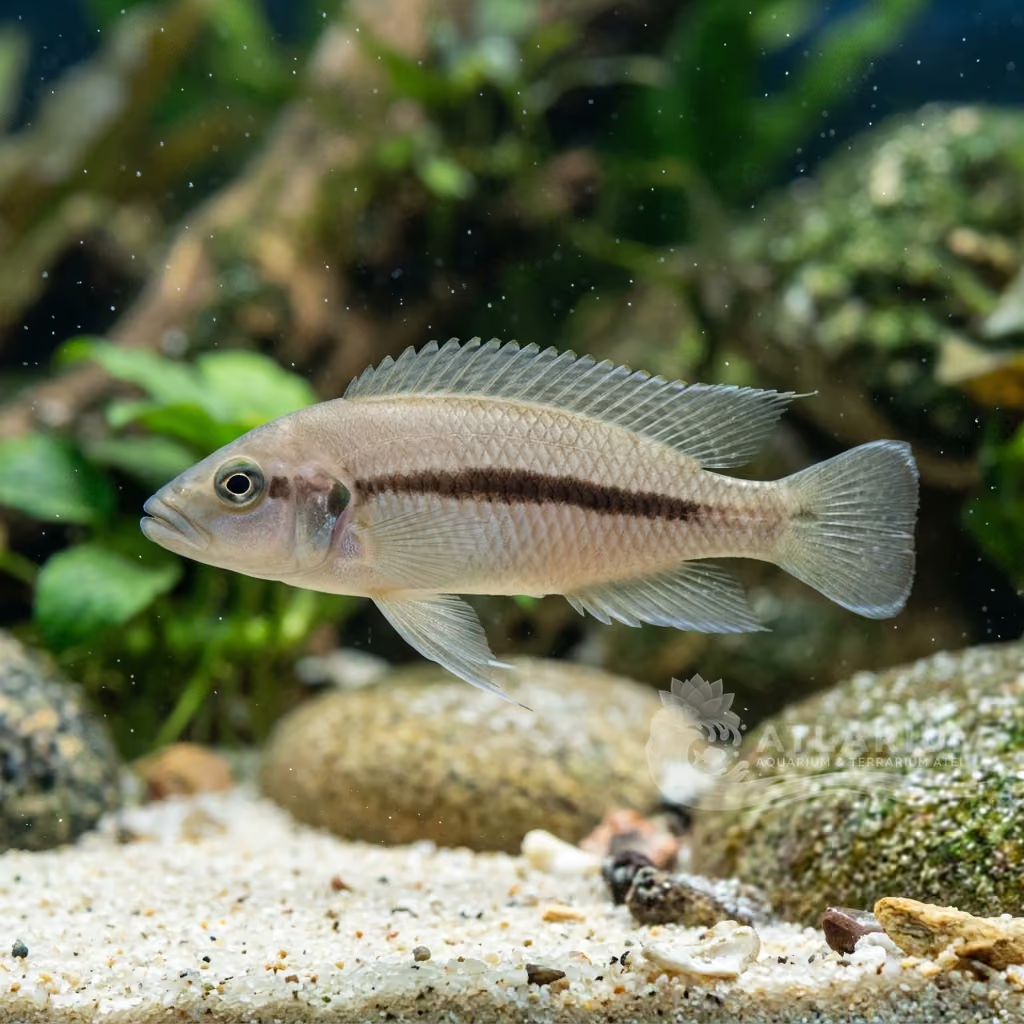
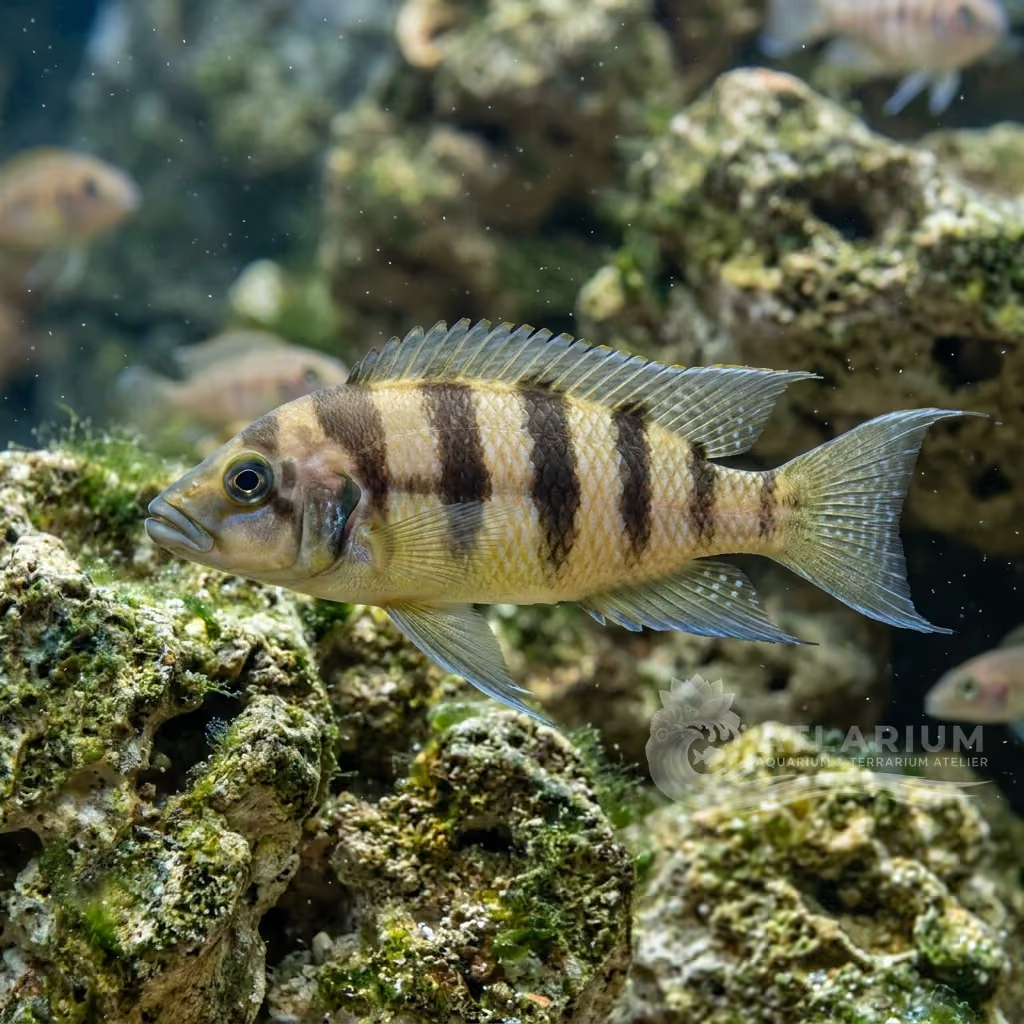
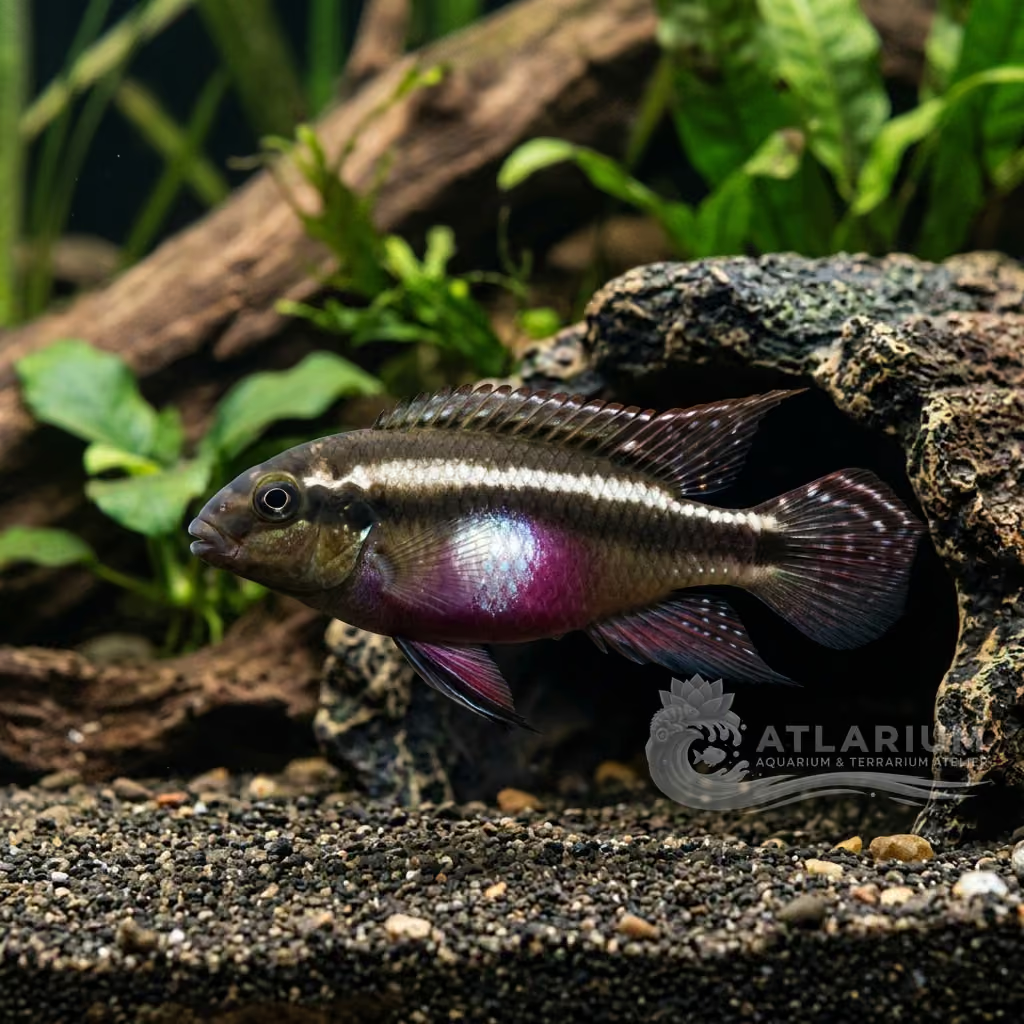
The 'Eusocial' Masterpiece of Lake Tanganyika (10 cm / 4 inches). Exquisitely elegant, pale sand-colored fish with piercing blue eyes, famous for possessing incredibly long, flowing white filaments trailing from every fin. More importantly, they form intense 'Dynasties': older sibling generations refuse to leave the cave and instead act as a massive private army to protect and raise their tiny new brothers and sisters.
24 - 28 °C
8 - 9
Freshwater
Bottom
10 cm
>= 100 L
>= 1
10 - 25 dGH
5 - 12 dKH
200 - 495 ppm
313 - 773 uS/cm

Species description

Care, breeding and tankmates

Geographic origin and distribution
Origin

Fish profile
- Temperament
- Semi-aggressive
- They exhibit a fascinating combination of highly cooperative behavior within their colony and extreme aggression towards outsiders. They are completely intolerant of other species entering their territory and will attack relentlessly. Within their own family structure, they are cooperative and highly social.
- Diet
- Omnivore
- They are omnivorous in the wild, feeding on small invertebrates, zooplankton, and algae. In the aquarium, they thrive on a high-quality varied diet of cichlid pellets, flakes, and frozen foods. Regular offerings of brine shrimp, mysis shrimp, and spirulina will keep them in peak condition.
- Life expectancy
- 5-8 years
- Adult size
- 10 cm
- Sex ratio
- Pair
- It is best to start with a small group of juveniles and allow them to pair off naturally. Once a dominant pair forms, they will become the alpha breeders of the colony. The exact sex ratio becomes less critical as the colony grows and establishes its own social hierarchy.
- Feeding frequency
- Twice daily
- Feed them small amounts one to two times daily to maintain their health and energy levels. Ensure that the food is dispersed widely so all members of the colony get a share. Avoid overfeeding, as uneaten food will degrade the crucial water quality.
- Bioload
- Low to Medium
- This cichlid produces a moderate bioload that can quickly escalate as they breed and form large colonies. Excellent filtration and regular water changes are essential to maintain the pristine water conditions they require. A colony tank will need robust biological and mechanical filtration.
- Flow
- Stagnant
- They enjoy a moderate water flow that mimics the rocky shorelines of Lake Tanganyika. Good circulation is important for oxygenation and to keep the rocky substrate free of detritus. The current should be steady but not overwhelmingly strong.
- Jump risk
- Yes
- While they typically stay near their rock formations, they can be skittish and may jump if spooked. Aggression within the colony can also drive weaker individuals towards the surface. A secure lid is necessary to prevent any fish from leaping out.
- Reproduction
- Oviparous
- They are famous for their unique colonial breeding behavior, where older siblings help raise the newest fry. They are substrate spawners that lay their eggs in rocky crevices or caves. Once a pair starts breeding, they will continuously produce generations that live together peacefully.
- Compatibility & tankmates
- Species only
- They are highly aggressive and fiercely territorial, especially when breeding. They are best kept in a species-only aquarium due to their habit of forming a massive, defensive colony. Any tank mates must be fast, robust, and capable of holding their own in a large Tanganyikan setup.
- Tank level
- Bottom
- They primarily inhabit the middle and lower levels of the aquarium, always staying close to their rocky territories. They rely heavily on caves and crevices for security and breeding. They will actively patrol the areas surrounding their rockwork to defend against intruders.

Scientific Parameters & Models
Window to the official scientific data of the species
- Trophic level
- 3.4 ± 0.45 se
- Resilience
- High (less than 15 months)
- Phylogenetic uniqueness (PD50)
- 0.5
- Bayesian Length-Weight
- a = 0.01445, b = 2.99
- VulnerabilityLow vulnerability (10 / 100)

Image gallery
Licensed images linked to the species or, when marked, to the closest representative taxon.

Related species
Recommendations grouped by close relatives, companion choices, and similar care.