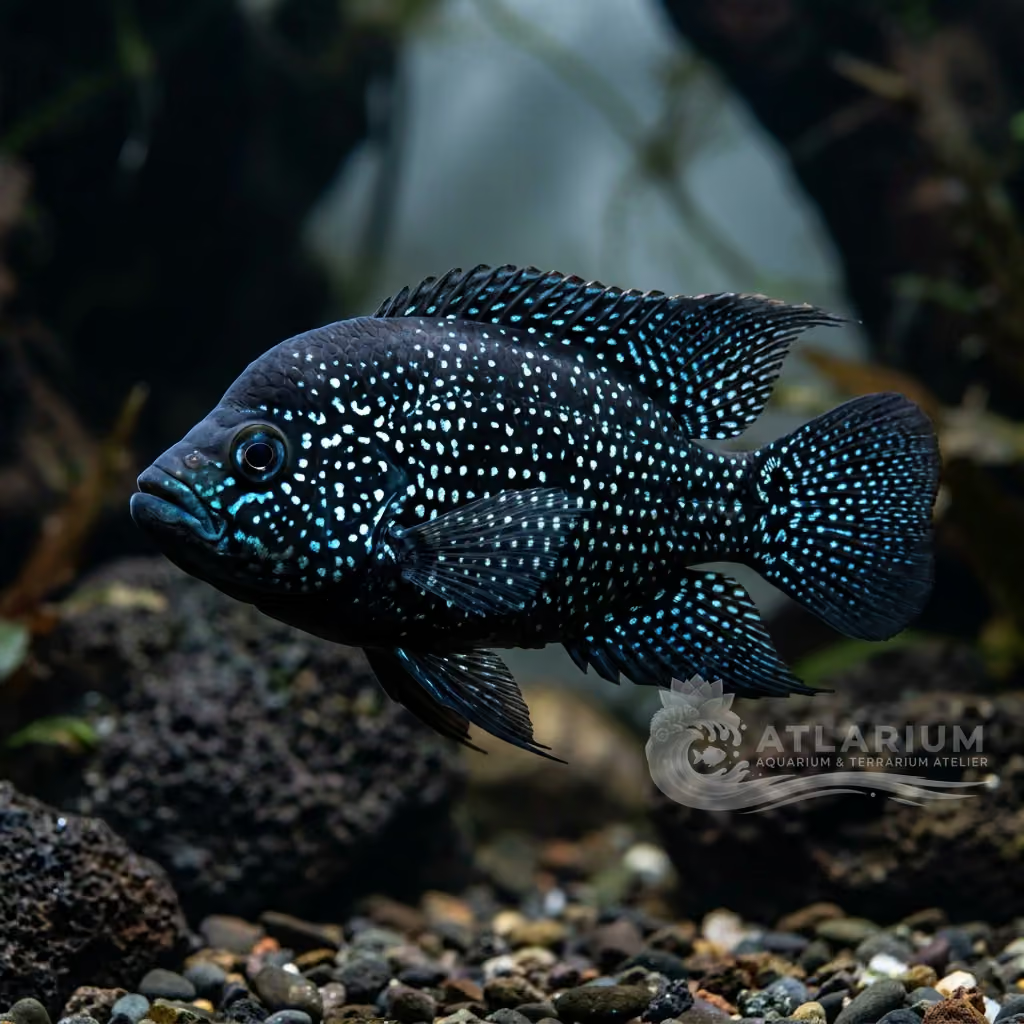
Lethrinops albus
Lethrinops albus
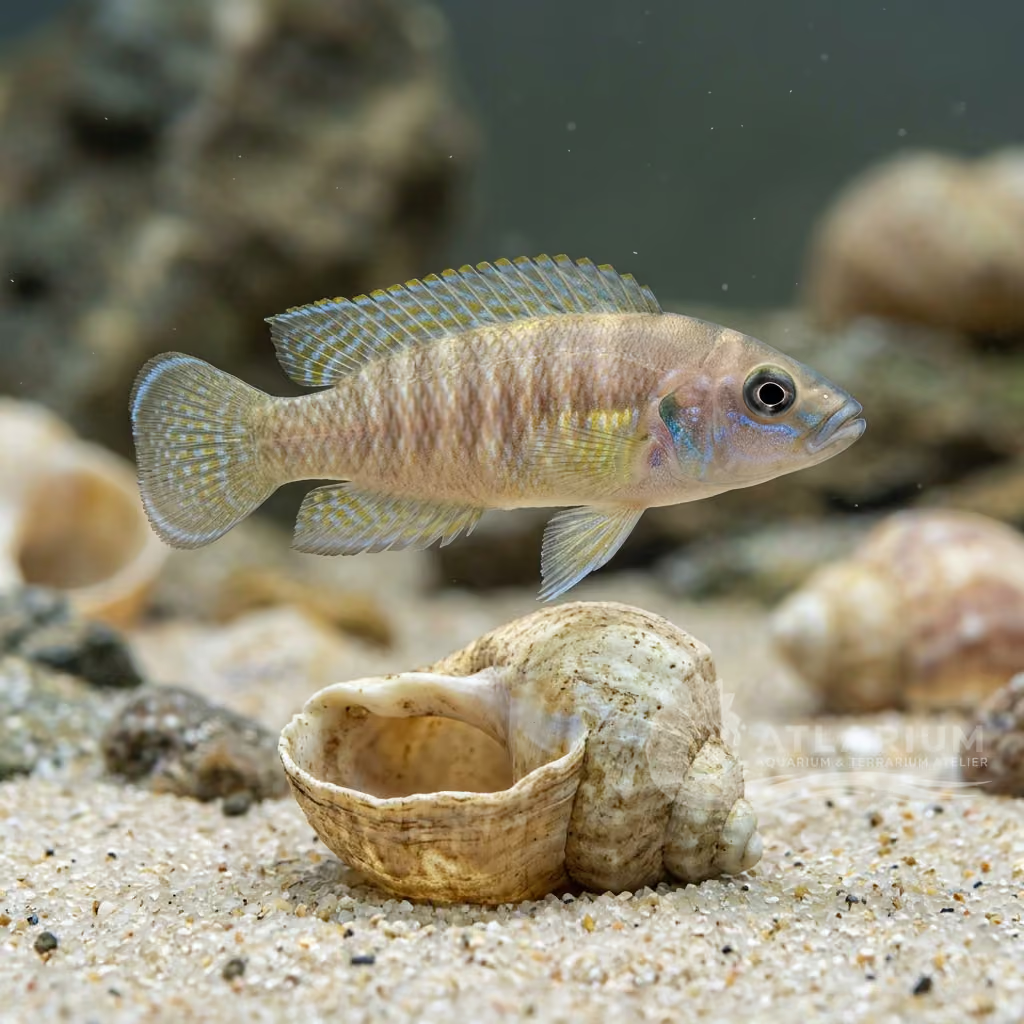
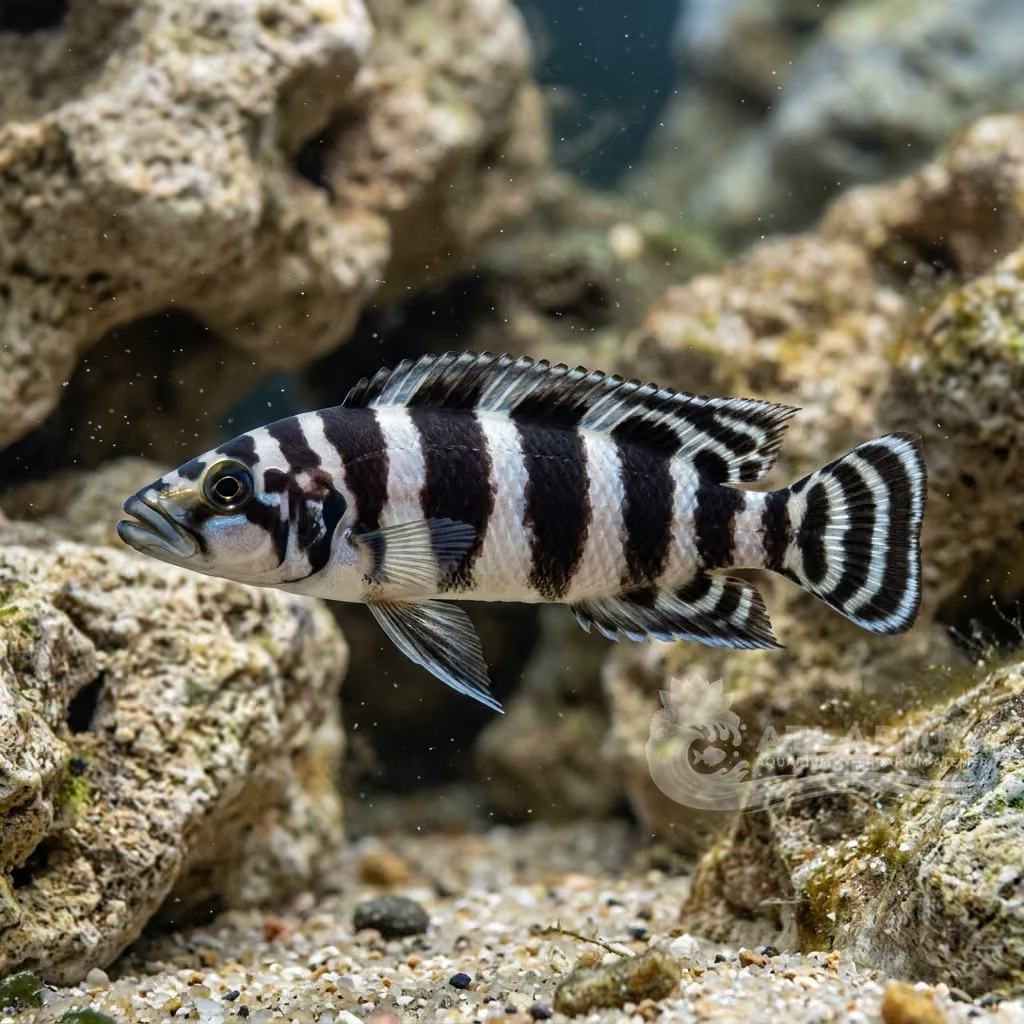
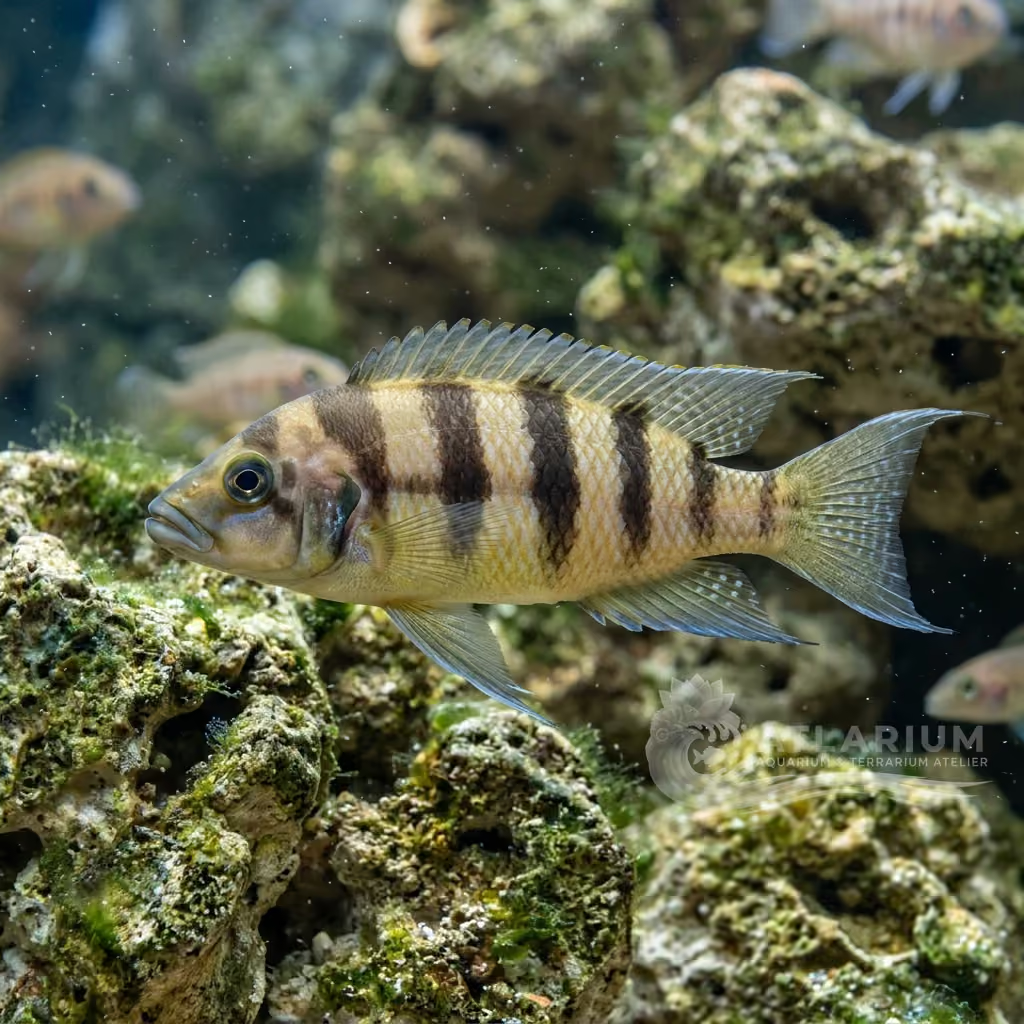
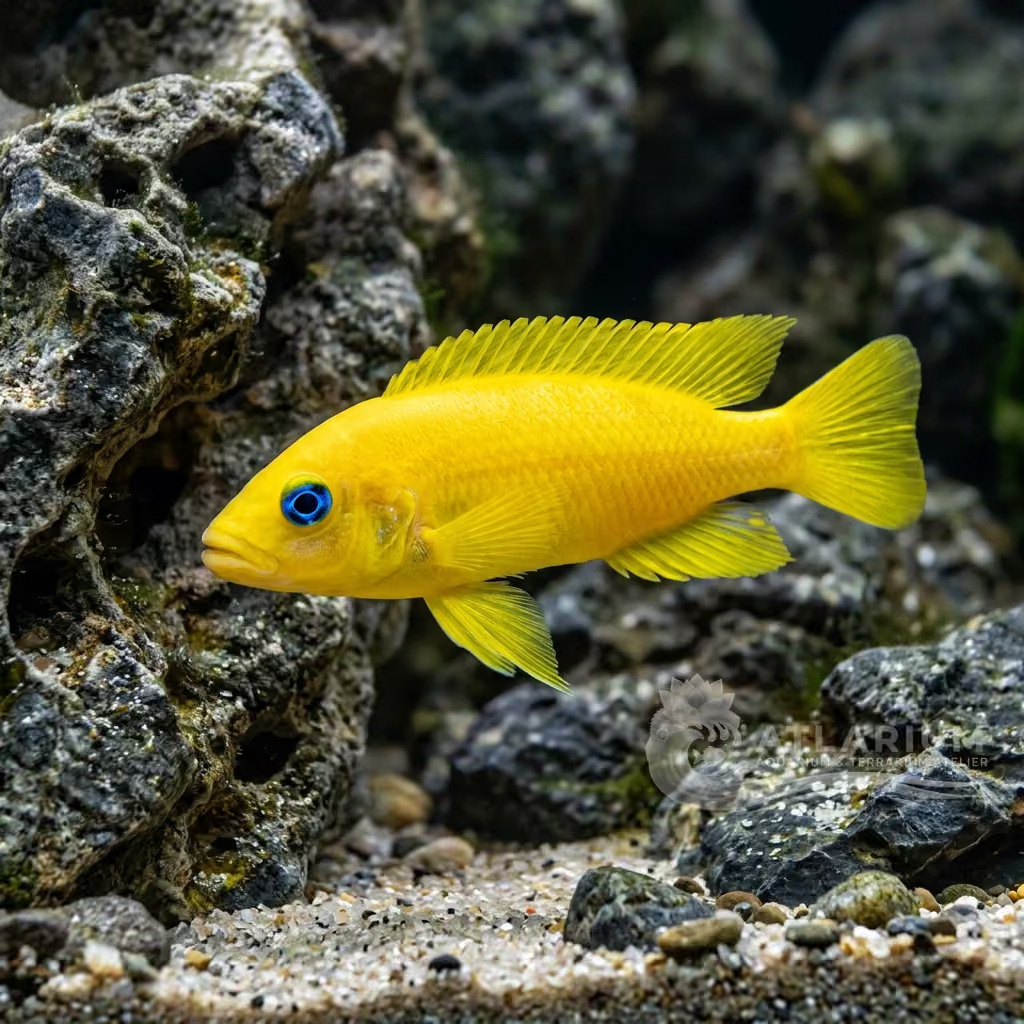
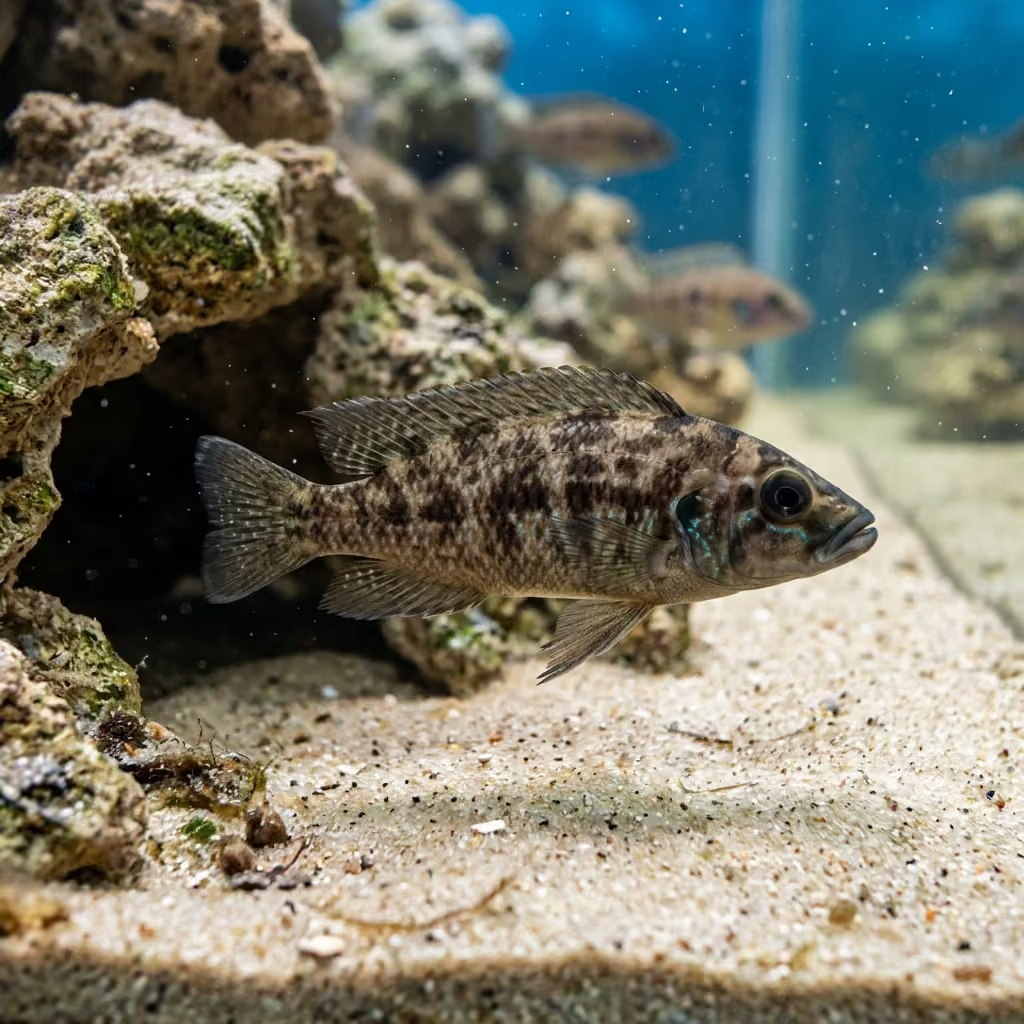
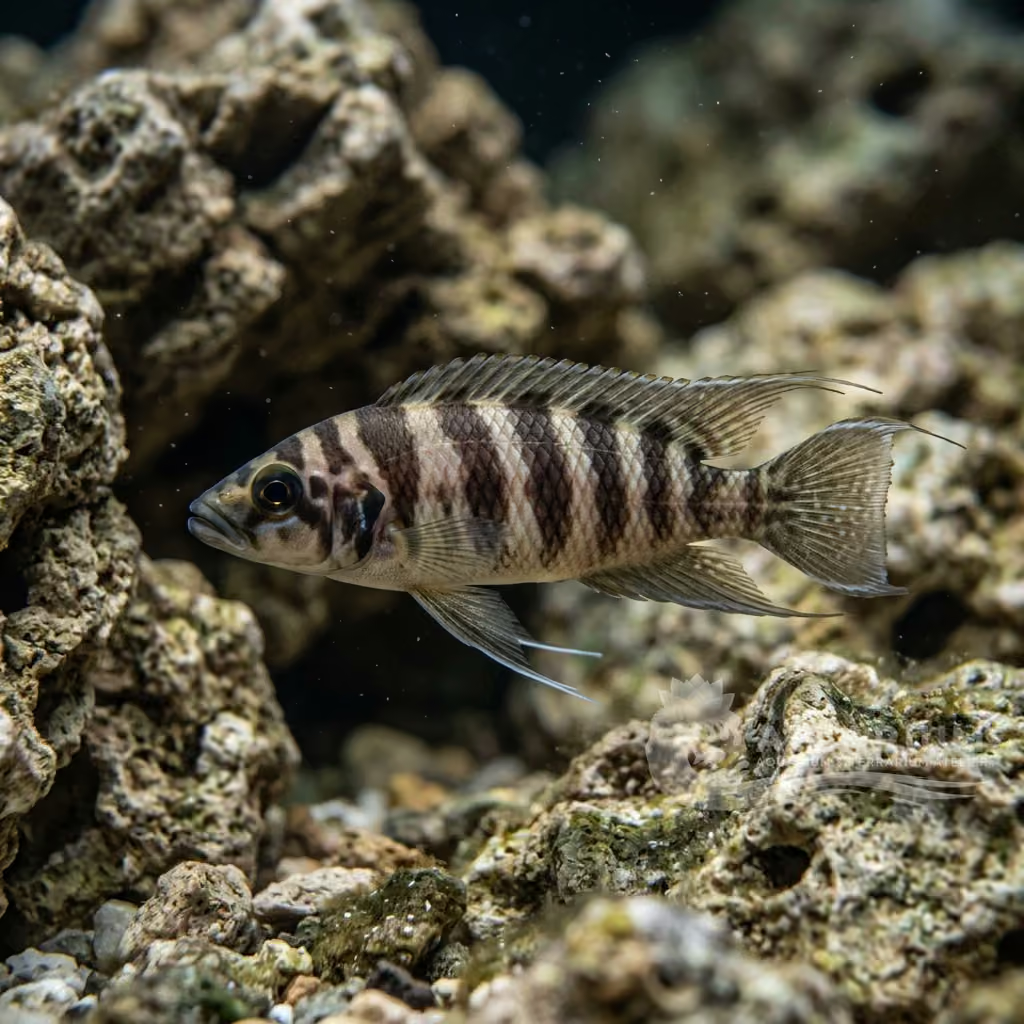
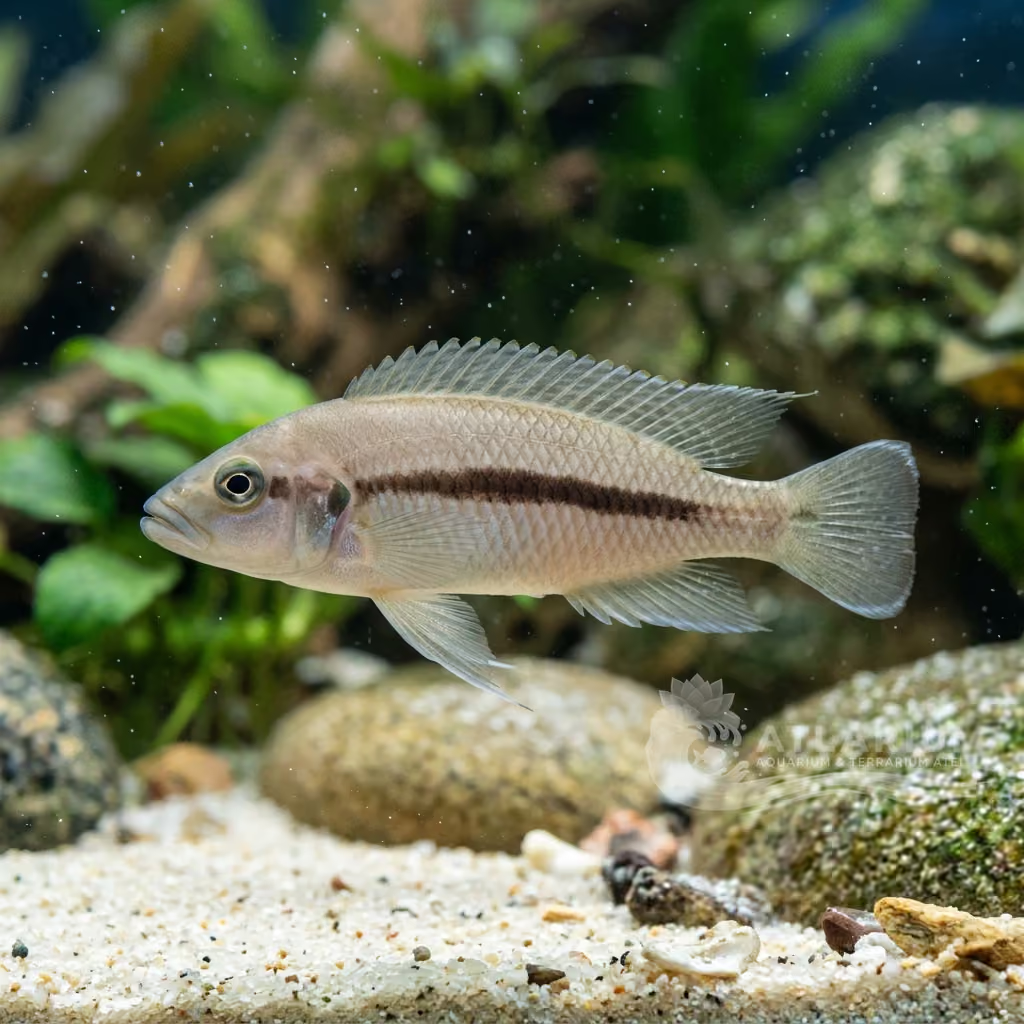
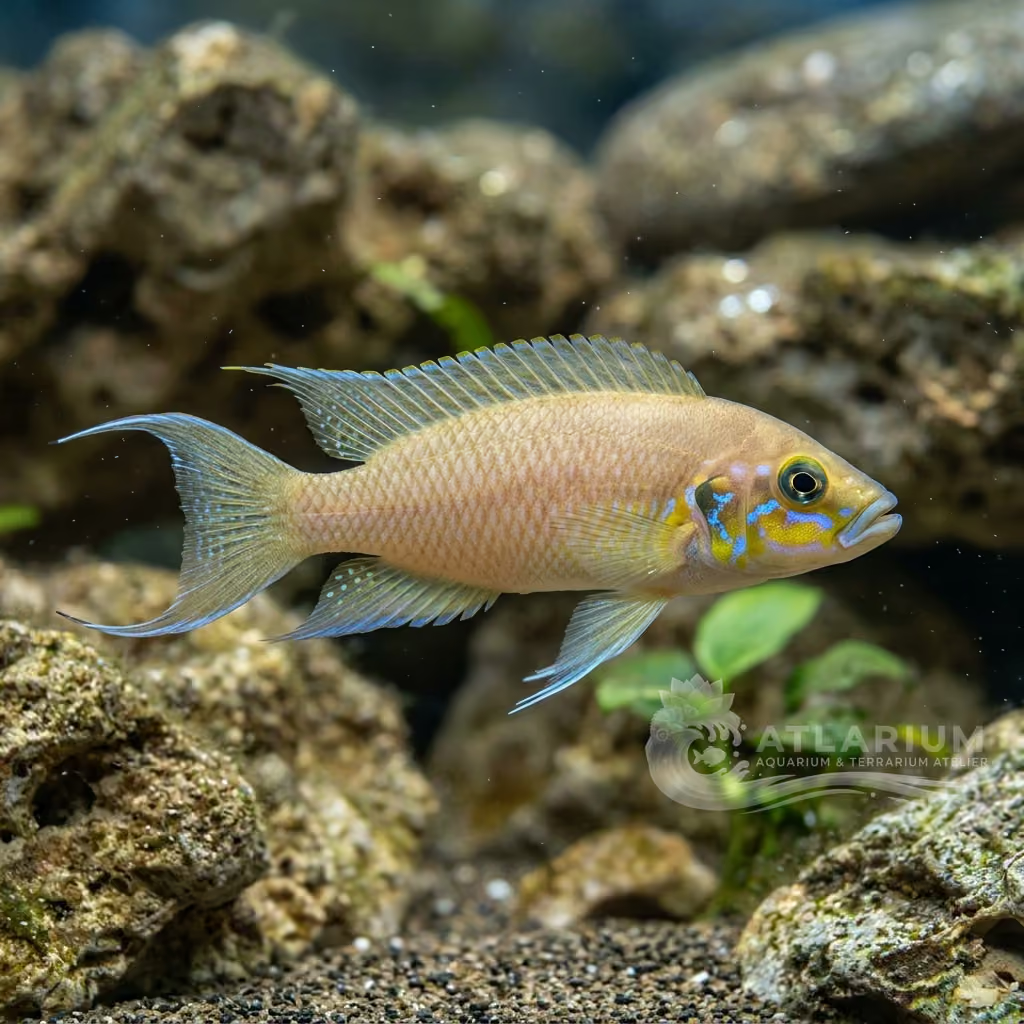
Splendid sandy bottom fish from Malawi (15 cm). Very placid sand detritivore that spends entire days immersing its snout in the soft substrate, sifting it in search of microorganisms. Sparkling blue and gold metallic reflections on the flanks.
Water Temperature
24 - 28 °C
pH Value
7.8 - 8.6
Water type
Freshwater
Tank level
Bottom
Adult size
15 cm
Minimum tank volume
>= 180 L
Minimum group
>= 1
GH
10 - 25 dGH
KH
5 - 12 dKH
TDS
200 - 495 ppm
Conductivity
313 - 773 uS/cm

Species description
Geographical Origin and Habitat: Endemic inhabitant of Lake Malawi. Totally shuns the stacked rockeries of the Mbuna; prefers the extensive flat carpets of very soft silty sand, where it forms enormous wandering gregarious gatherings, probing the clear horizon in search of benthic food deposits.
Taxonomy and Morphology: One of the best known and graceful members of the informal ethological group of the "Sand Sifters" (like all Lethrinops). Fish with a typically robust and rigid perch-style body (large 'Haplochromine'), on average 15-16 cm (6-6.3 inches) for adult males, rather high on the back. Its facial morphology is optimized for the habitat: the snout is steep with an extensible and protrusible mouth, armed with special long and extensive gill rakers in the back of the throat that act as surgical filters, trapping tiny prey after excluding and spitting back the clean inorganic grains.
Social Behavior: Splendid gentle giant schooler of Malawi. Being cichlids whose hunting requires a life spent staring at the ground, they are by nature very gregarious to compensate and spot, through the countless eyes of the faction, rapid impending dangers or hungry predators behind them. They are absolute pacifists: unable to fight, even during high reproductive tension they stage at most harmless little theaters between males, where they chase each other exchanging clumsy lateral blows that never result in wounding tissue or fin mutilation.
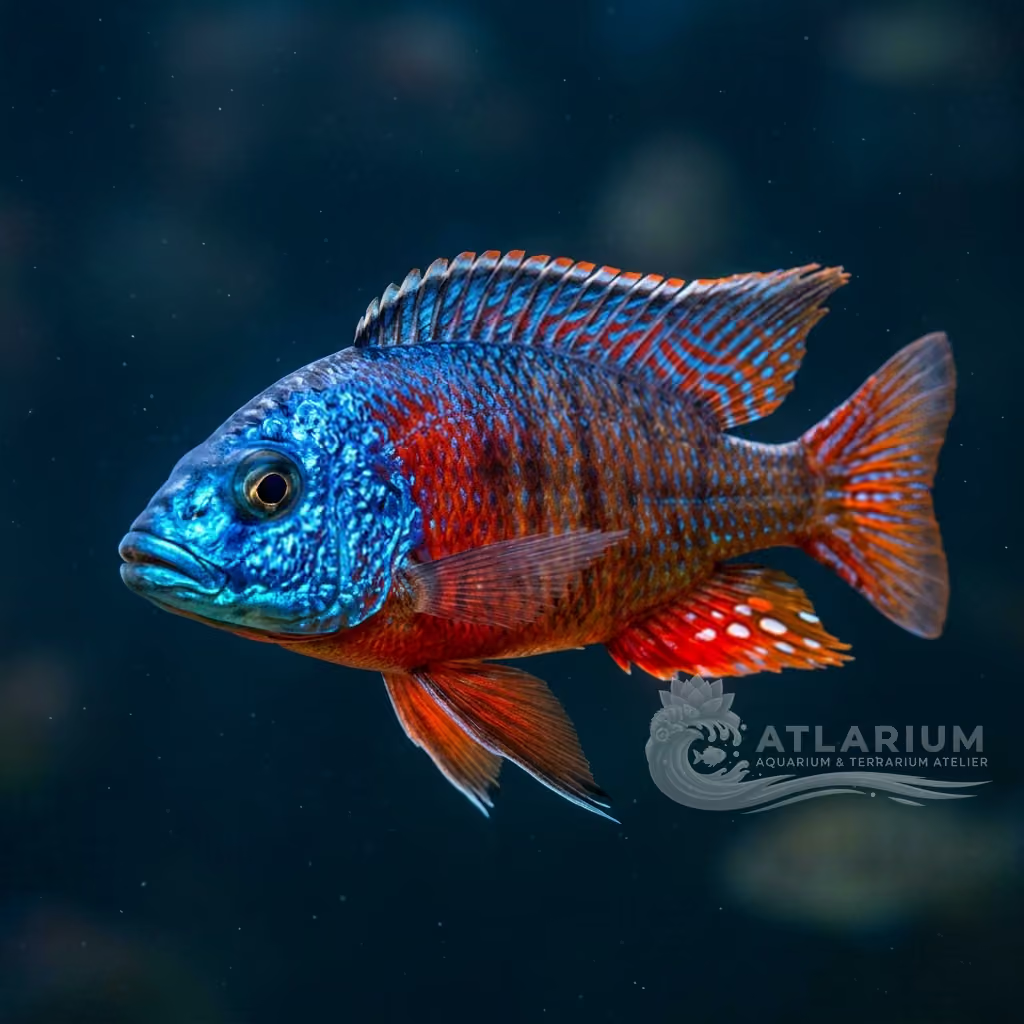
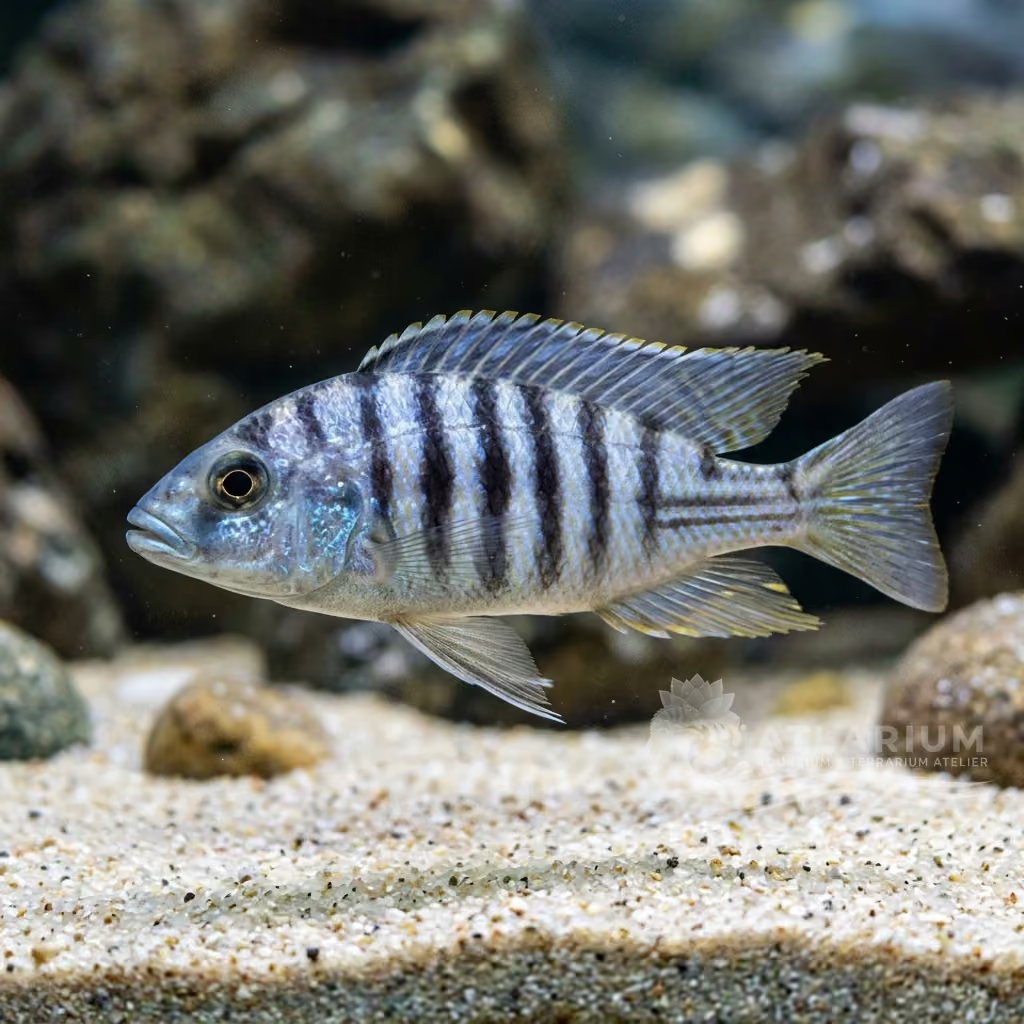
Coloration and Sexual Dimorphism: Brilliant and evocative color only in mature Alpha males: a dull sage green body background dusted by an overwhelming iridescence, plate by plate, of TURQUOISE and Ice Blue or even metallic green (depending on the catch and spotlight), decorated with scattered egg spots on the tail. The young fish, the gregarious and submissive females, resign themselves to exhibiting a neutral and sober GREY-SILVER or pale sand-snow mimetic dress with three light and anonymous lateral spots, ideal for getting lost against the dusty white reflection of the substrate, disorienting those who swim threateningly from the pelagic sea.

Care, breeding and tankmates
Aquarium Setup: Essential, puristic, boundless and flat. Aquariums of exceptional size for swimming (absolute ban on accommodations below 150 cm / 60 inches and 400 L / 100 Gal). Any exasperated form of rocky encumbrance is imperatively forbidden: two or three solitary, rounded boulders (to separate the visual domain of several specimens during the impulses of courtship) on the flat bottom, will leave room for dozens and dozens of free centimeters EXCLUSIVELY covered with the undisputed queen of their existence: at least 6 cm (2.4 inches) of very pure SAND "Sugar" or zero granulometry (very soft micronized coral sand). Without it, they will furiously skin their lips, wounding themselves with gangrene.
Diet and Feeding: Tireless sand fishers, specialized in filtering tiny invertebrates (Micro-Predators of organic sediments). To reproduce this habit in the aquarium, feed generously with foods that collapse heavy and inert to the sand floor to entice them to the filtering dive: very fine and slow premium protein granules, constantly mixed with appetizing clean thawed bloodworms, daphnia and small balanced portions of Krill (without prickly shells) combined with thawed brine shrimp. Useless green feed.
Water Quality: Categorical and exasperated Malawi chemistry. The water must be very hard and massive (GH 15-20) to support perfect osmoregulation; the pH must be pushed to the top between 8.0 and 8.6. Hyper-developed biological filtration: by digging the sand they constantly put invisible inorganic dusts and deposited feces back into the water circulation: only a series of pumps in series will avoid fog and bacterial intoxication in the filter.
Compatibility and Cohabitation: The selection of partners (Tankmates) is the fatal discriminant for this pearl species: inhibited by a bullying predatory companion, they lose vitality, melancholically turning off the neon lights on their bodies and hiding exhausted at the bottom in wasting. Associate with extreme devotion only to the placid non-intrusive vein of sand tanks (Peaceful Haps like Aulonocara stuebneri or gentle Copadichromis). ABSOLUTE and inescapable DECREE: No furious cichlid of the African "Mbuna" fringe in the tank, ever, at the cost of tearing it apart with stress at every single mouthful of oxygen at the surface.
Aquarium Breeding: Polygamous species with solitary Lek Breeding (immensely crowded arenas by competent males for the bewitching ritual to impress the female team). The male creates and protects a hole (small crater bower with raised edges) at the bottom and spreads his huge iridescent fins to attract the attention of the shy matriarch. The latter will pick up the inseminated eggs in the frightening extensible jaw. After at least three very tiring and long weeks of exhausting and absolute isolation-fasting she will release an immense cloud of small silver-gray fish of enormous centimeters on the bottom, sure of the absence of rocks to be able to hide from prey.
Risks and Diseases: Lethality deriving from the ethological recklessness of the novice breeder. Dramatic deaths from traumatic exhaustion and fear and decapitation/stress caused by the classic choleric roommates of Tanganyika and Mbuna breaking walls and scales of the victim or leaving it in food agony. Deadly oral infections (deadly and cotton mouth) caused by the amateur setup made of sharp coarse-grained quartz on the bottom instead of the purest sand fine as white beach flour. No congenital physiological defect, a placid colossus.

Geographic origin and distribution
Endemic inhabitant of Lake Malawi. Totally shuns the stacked rockeries of the Mbuna; prefers the extensive flat carpets of very soft silty sand, where it forms enormous wandering gregarious gatherings, probing the clear horizon in search of benthic food deposits.
Origin
Africa and Madagascar

Fish profile
- Temperament
- Semi-aggressive
- Their temperament is extremely mild and peaceful. They are easily intimidated by aggressive tank mates. Males are only territorial when breeding.
- Diet
- Omnivore
- Lethrinops albus feeds by sifting through the sand. Provide high-quality sinking cichlid pellets. Frozen bloodworms are also a good treat.
- Life expectancy
- 5-8 years
- Adult size
- 15 cm
- Sex ratio
- Harem
- Keep one male with several females. This harem structure reduces male aggression. Multiple males will fight constantly.
- Feeding frequency
- Twice daily
- Feed them small amounts twice daily. Make sure the food reaches the substrate. Remove any uneaten food quickly.
- Bioload
- Medium
- Lethrinops albus produces a moderate amount of waste. Their sand-sifting behavior can stir up detritus. Good mechanical filtration is necessary.
- Flow
- Stagnant
- They prefer a gentle to moderate water flow. Too much current can disturb their sand beds. Adequate oxygenation is still needed.
- Jump risk
- Yes
- They have a moderate risk of jumping. Startled fish may leap out of the water. A secure aquarium lid is advised.
- Reproduction
- Oviparous
- They are maternal mouthbrooders. The female holds the eggs in her mouth. Breeding is relatively easy in a peaceful tank.
- Compatibility & tankmates
- Peaceful
- This is a very peaceful cichlid species. Keep them with other mild-mannered Lake Malawi fish. Avoid aggressive Mbuna species entirely.
- Tank level
- Bottom
- Lethrinops albus is a bottom-dwelling cichlid. They require a soft sand substrate for sifting. Open sandy areas are preferred.

Scientific Parameters & Models
FishBase
Window to the official scientific data of the species
FishBase v25.04Data synced on: 06/15/2026
- Trophic level
- 3.2 ± 0.4 se
- Resilience
- High (less than 15 months)
- Phylogenetic uniqueness (PD50)
- 0.5
- Bayesian Length-Weight
- a = 0.00389, b = 3.12
- VulnerabilityLow vulnerability (10 / 100)

Related species
Recommendations grouped by close relatives, companion choices, and similar care.