Daffodil Cichlid
Neolamprologus pulcher
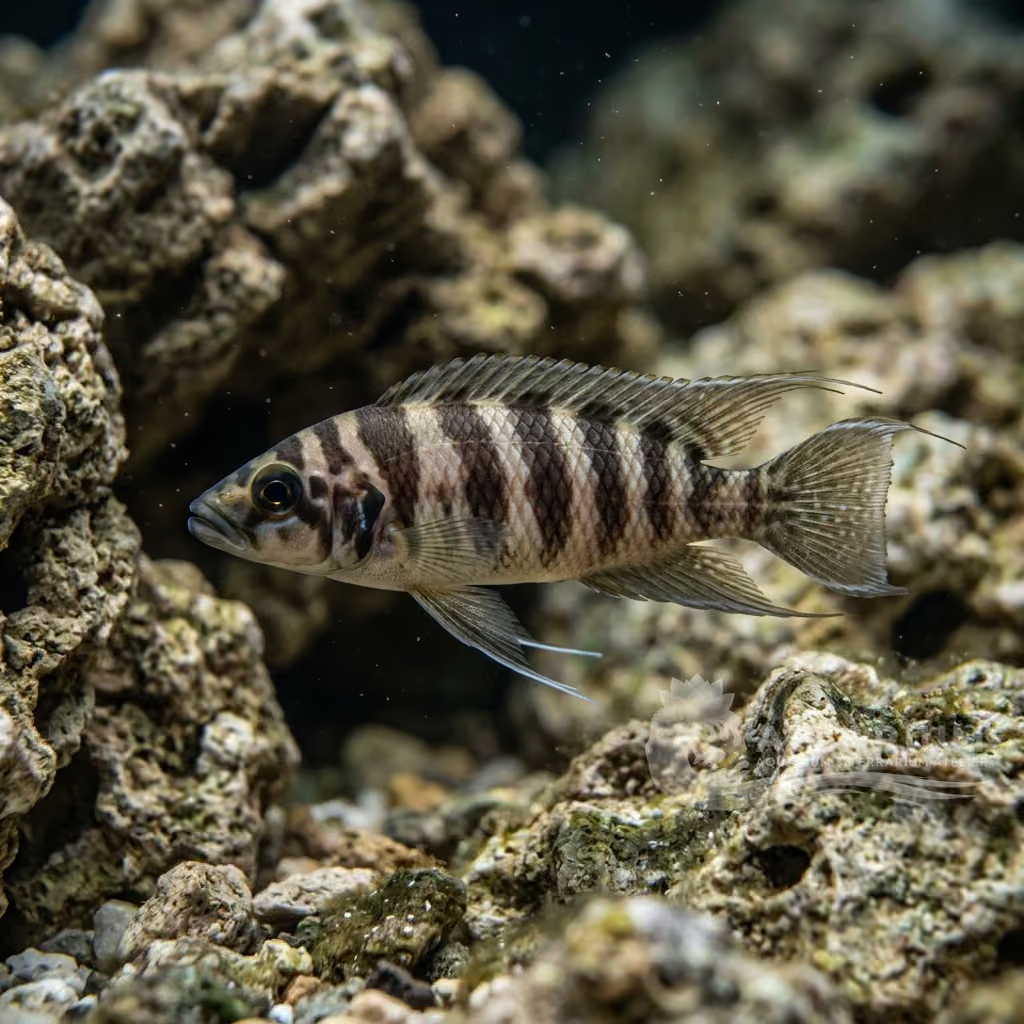
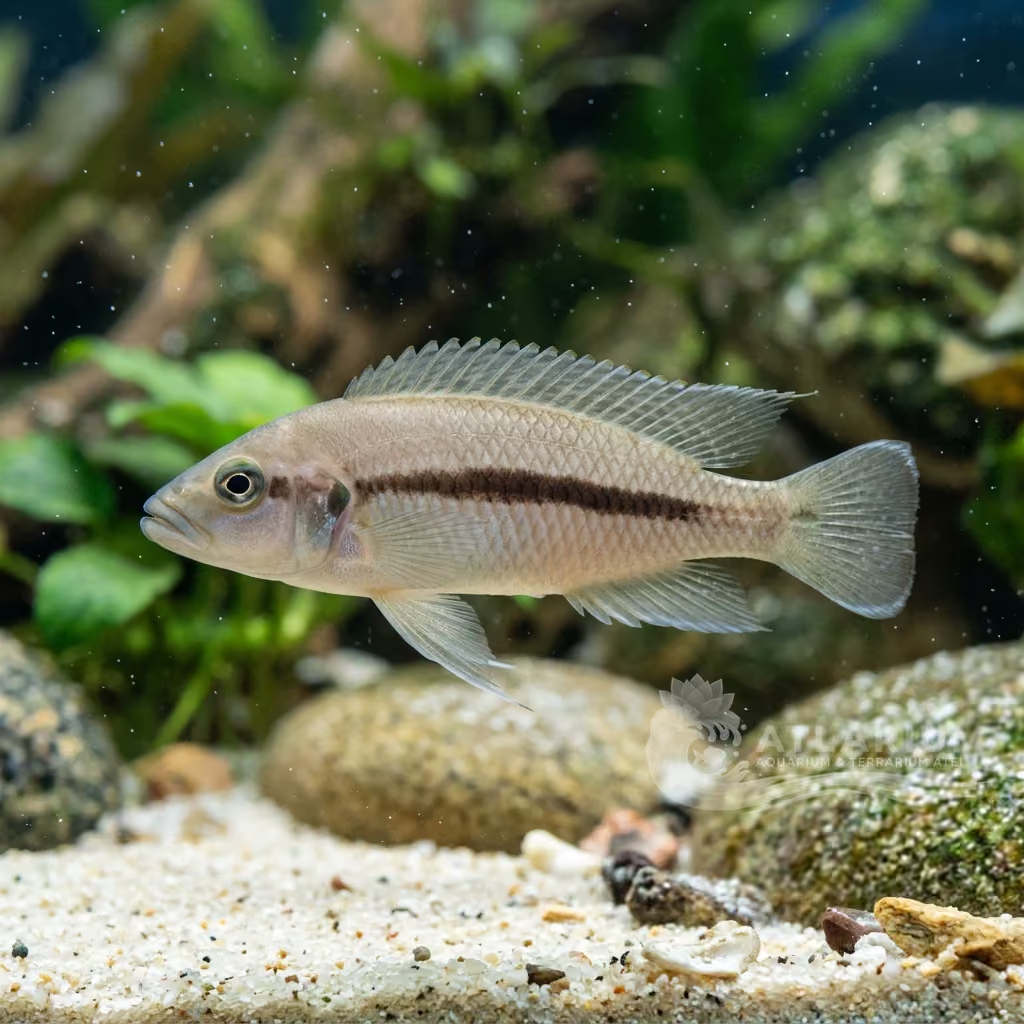
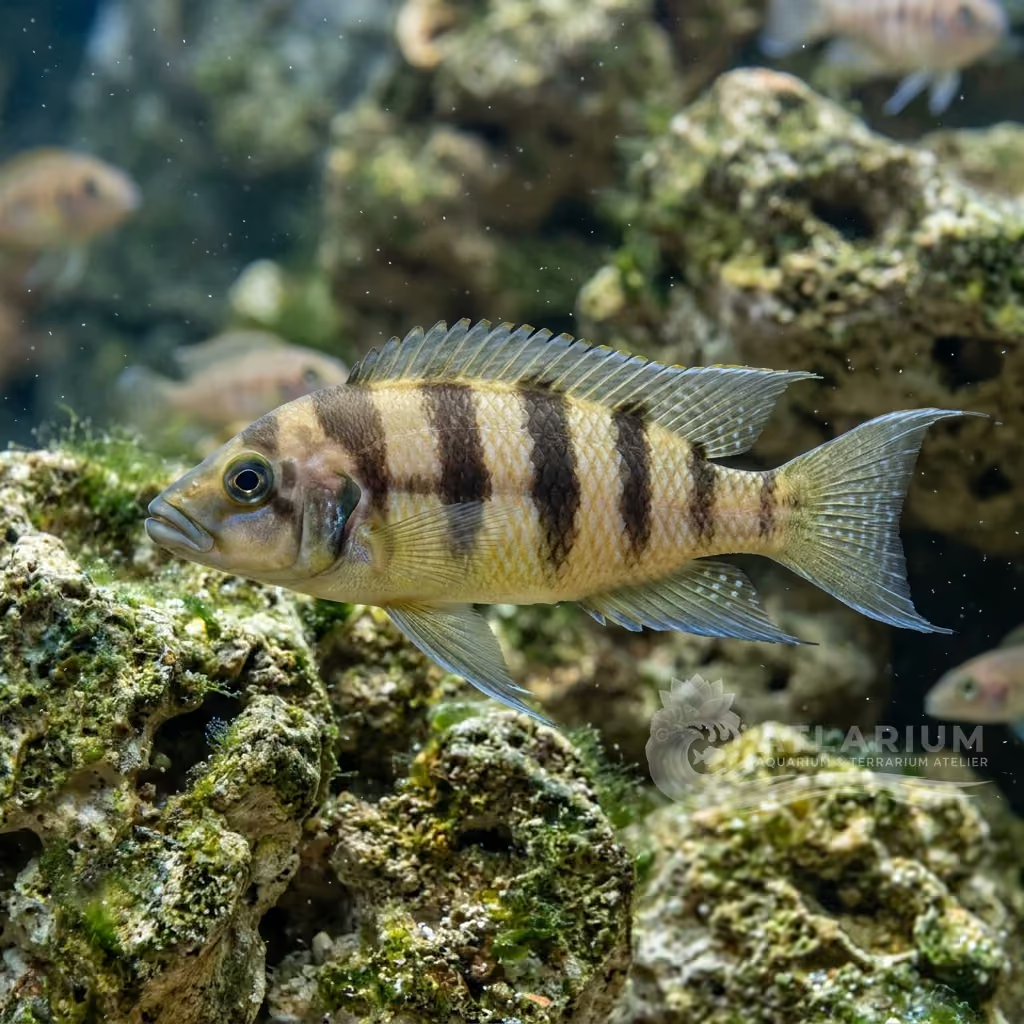
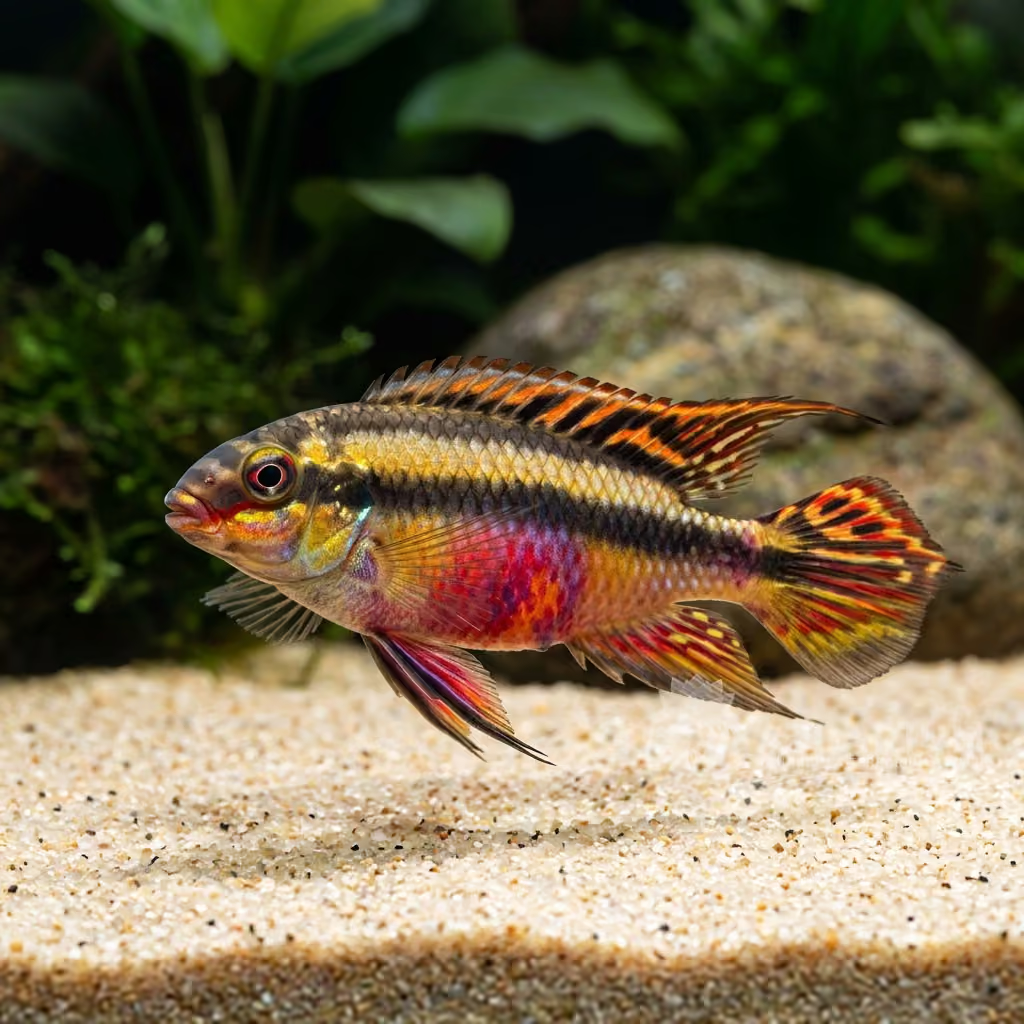
Often called 'Daffodil' due to the beautiful yellowish coloration and the very long lyre filaments of the tail. Has the characteristic brace-shaped dark spots on the operculum.
Water Temperature
23 - 26 °C
pH Value
7.5 - 9
Water type
Freshwater
Tank level
Bottom and middle
Adult size
9 cm
Minimum tank volume
>= 120 L
Minimum group
>= 1
GH
12 - 25 dGH
KH
10 - 20 dKH
TDS
280 - 575 ppm
Conductivity
438 - 898 uS/cm

Species description
Geographical Origin and Habitat: Strictly endemic to Lake Tanganyika, Africa. The true "Daffodil" is geographically isolated to the far southern tip of the lake (Cameron Bay and the Zambian coastline near the rocky islet of Kasakalawe). It is an obligate, die-hard inhabitant of both pure rocky shorelines and transition zones, diving from shallow sunlit waters down to 30 meters (100 feet). It anchors its entire existence within extremely tight rock crevices and the silt-covered rubble just beneath them, actively avoiding open, choppy waters.
Taxonomy and Morphology: A titan of the aquarium hobby, famously and incorrectly sold for decades under the misnomer "Princess of Burundi" (which is actually a distinct, albeit closely related, species, N. brichardi). Scientifically named Neolamprologus pulcher (the "Beautiful Lamprologine") and commonly dubbed the "Daffodil Cichlid". It boasts an exquisitely sleek, torpedo-like body frame crowned by its signature, breathtaking "Lyretail"—where the dorsal, anal, and caudal (tail) fins extend into ridiculously long, flowing, thread-like ribbons. Fully grown males reach 8-10 cm (3.5 - 4 inches).
Social Behavior: An absolute marvel of social engineering and evolution. The total success and survival of the species revolve around a strictly enforced "Cooperative Breeding" colony system. A peaceful but absolute monarchy is established: a single, dominant "Alpha" pair reproduces, but their offspring (from countless previous spawns, ranging from 1-inch teens to young adults) are not banished. Instead, they remain in the family bunker serving as a dedicated "worker army," meticulously guarding the microscopic newborns, cleaning the nest, and brutally executing any non-family intruder that breaches the perimeter.
Coloration and Sexual Dimorphism: Ethereal, majestic elegance. The base body radiates a soft, muted peach-beige, pale pearlescent gray, or a delicate golden-yellow wash (hence the moniker "Daffodil"). The crucial diagnostic feature that immediately distinguishes the pulcher from the pale brichardi is its intricate gill (opercular) marking: the pulcher flashes two distinct, separate, vertical dark stripes (shaped like crescents or parenthesis) right behind the eye, completely surrounded by glowing, neon-blue, red, and yellow electric spots on the cheek. **Virtually Indistinguishable Dimorphism:** While aging, dominant "Alpha" males will grow noticeably thicker across the chest and trail absurdly long, sweeping lyretail filaments, the underlying color pattern between males and females is an identical 100% match.

Care, breeding and tankmates
Verified data: FishBase records Neolamprologus pulcher as a tropical freshwater, benthopelagic species endemic to Lake Tanganyika, usually found at 6–12 m. The source reports pH 7.3–8.5, temperature 24–26 °C and a maximum length of 7.2 cm TL. It occurs in sediment-rich regions; pairs jointly defend a territory, and 20–60 eggs are deposited in crevices.

Geographic origin and distribution
Strictly endemic to Lake Tanganyika, Africa. The true "Daffodil" is geographically isolated to the far southern tip of the lake (Cameron Bay and the Zambian coastline near the rocky islet of Kasakalawe). It is an obligate, die-hard inhabitant of both pure rocky shorelines and transition zones, diving from shallow sunlit waters down to 30 meters (100 feet). It anchors its entire existence within extremely tight rock crevices and the silt-covered rubble just beneath them, actively avoiding open, choppy waters.
Origin
Africa and Madagascar

Fish profile
- Temperament
- Semi-aggressive
- They exhibit an extraordinary level of cooperation and social cohesion within their own family group, yet they are incredibly hostile to any outsiders. They will work together to aggressively drive away any perceived threat, regardless of the intruder's size. Their highly structured, cooperative society is one of the most captivating behaviors to observe in the aquarium hobby.
- Diet
- Carnivore
- They are primarily carnivorous micro-predators in the wild, feeding on zooplankton and small aquatic insects. In captivity, they require a high-quality diet of sinking cichlid pellets, crushed flakes, and regular offerings of frozen foods like brine shrimp and daphnia. Occasionally supplementing with high-quality spirulina flakes is beneficial for their overall health.
- Life expectancy
- 5-6 years
- Adult size
- 9 cm
- Sex ratio
- Pair
- Starting with a group of six to eight juveniles allows a dominant male and female to naturally pair off and form the nucleus of the colony. The remaining fish will integrate into the social hierarchy as helpers rather than competitors. Once the colony is established, the specific sex ratio becomes irrelevant due to their cooperative nature.
- Feeding frequency
- Twice daily
- Feed them small amounts one to two times daily, ensuring the food is dispersed widely across their territory. Because the colony contains fish of all sizes, broadcasting the food ensures even the smallest fry get an opportunity to eat. Care must be taken not to overfeed, as uneaten food will quickly pollute the water.
- Bioload
- Low to Medium
- The Daffodil Cichlid produces a moderate bioload individually, but their tendency to form large, rapidly growing colonies means their overall bioload can become substantial. Excellent, over-sized filtration is crucial to manage the waste produced by multiple generations living together. Weekly, large-volume water changes are mandatory to maintain the pristine water quality they demand.
- Flow
- Stagnant
- They prefer a moderate, steady water flow that mimics the rocky coastal zones of Lake Tanganyika. A good current provides the necessary high oxygen levels and helps keep their rocky substrate clean. Ensure the flow is not too chaotic, allowing them to comfortably navigate their cave systems.
- Jump risk
- Yes
- While they are heavily reliant on their rock formations and generally stay low in the water column, they are skittish and fast swimmers. Severe infighting within the colony or sudden external frights can occasionally cause them to jump. A tight-fitting, secure lid is necessary to keep them safe.
- Reproduction
- Oviparous
- They are renowned for their highly evolved colonial breeding system, where older siblings act as 'helpers' to protect and raise subsequent batches of fry. They lay their eggs secretly in deep rocky caves. A single dominant pair will continually breed, resulting in a fascinating, multi-generational family structure living harmoniously together.
- Compatibility & tankmates
- Species only
- They are highly aggressive and fiercely protective of their extensive territory and colony members. They are most successfully kept in a large, species-only aquarium where their complex social behaviors can flourish without conflict. If attempted in a community tank, it must be massive (over 100 gallons) and house only other robust Tanganyikan cichlids.
- Tank level
- Middle/Bottom
- They are intrinsically linked to the middle and lower levels of the aquarium, rarely straying far from their extensive rock structures. They utilize caves for breeding and security, while patrolling the immediate open water around their territory. They will almost never venture to the surface of the tank.

Scientific Parameters & Models
FishBase
Window to the official scientific data of the species
FishBase v25.04Data synced on: 06/15/2026
- Trophic level
- 3.4 ± 0.5 se
- Resilience
- High (less than 15 months)
- Phylogenetic uniqueness (PD50)
- 0.5
- Bayesian Length-Weight
- a = 0.01905, b = 3.01
- VulnerabilityLow vulnerability (10 / 100)

Related species
Recommendations grouped by close relatives, companion choices, and similar care.