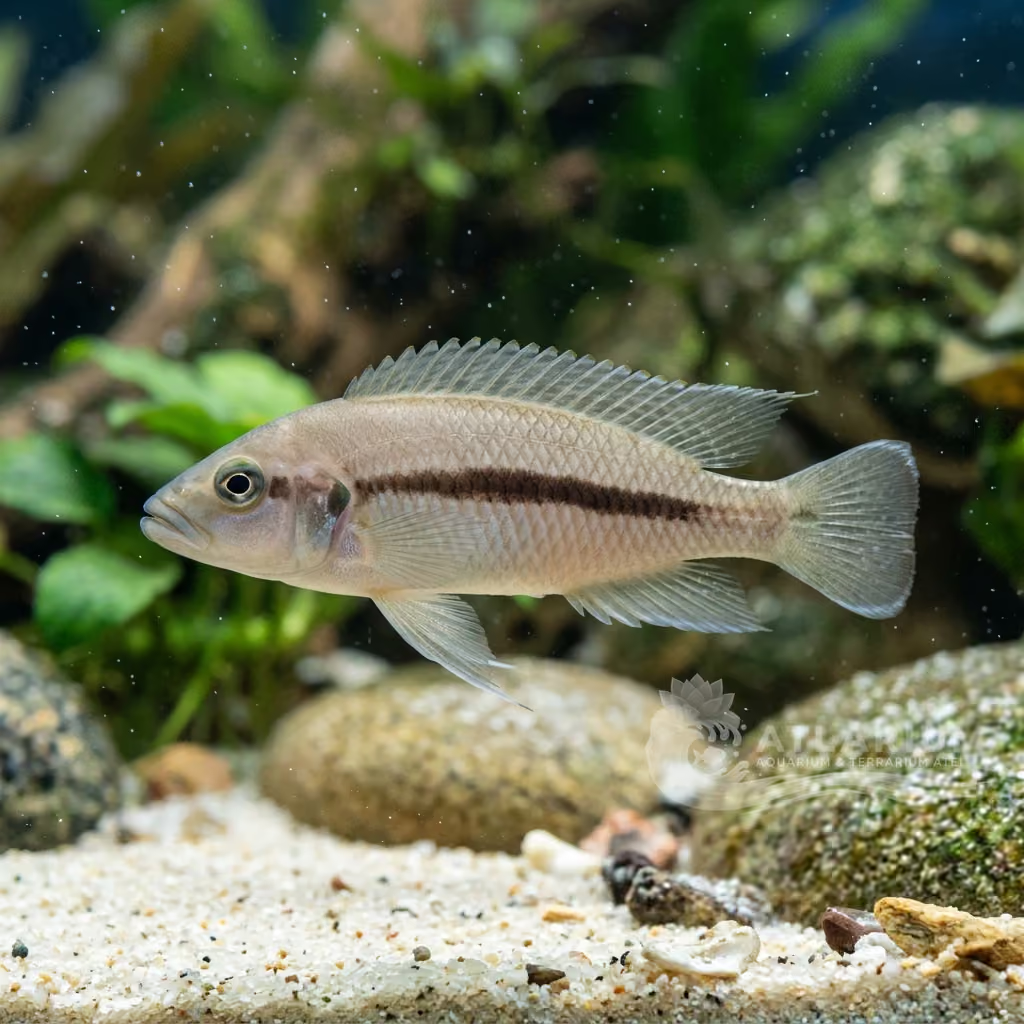
Kenyi Cichlid
Maylandia lombardoi
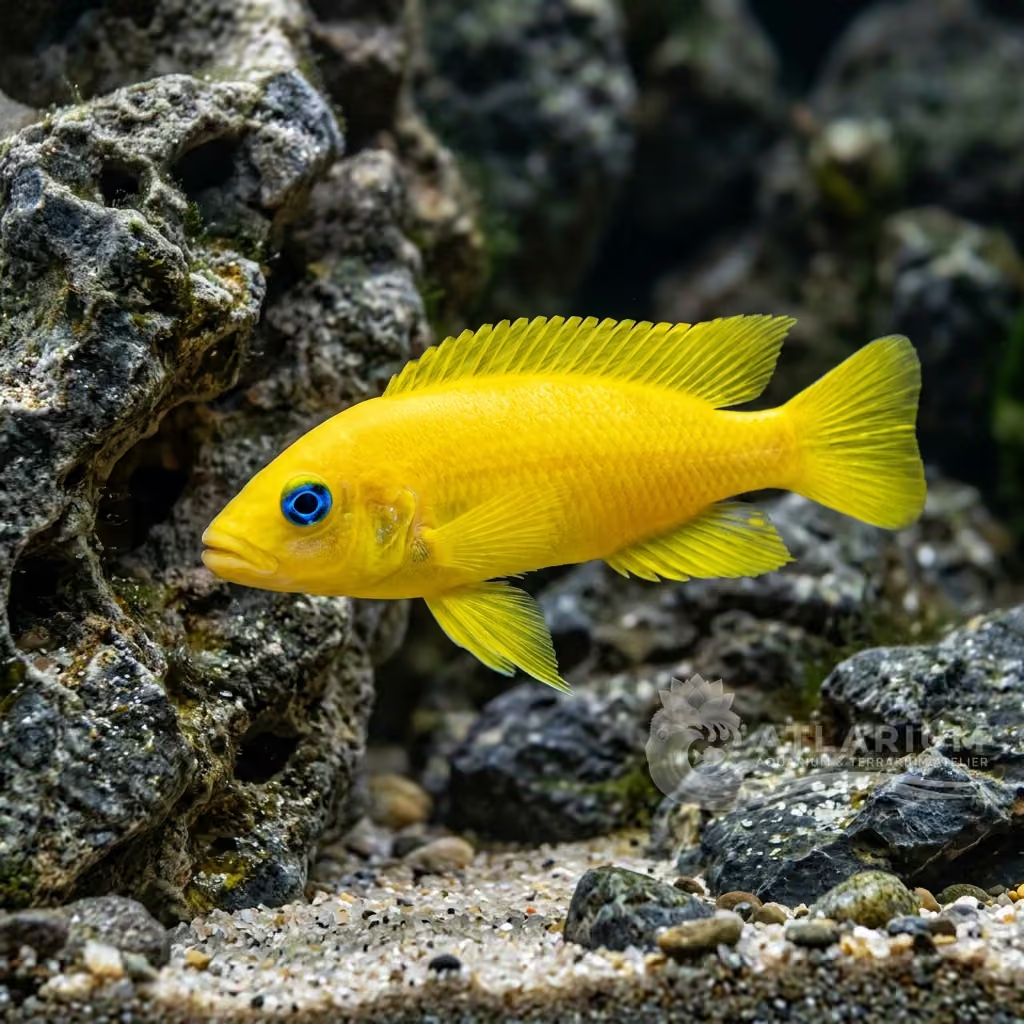
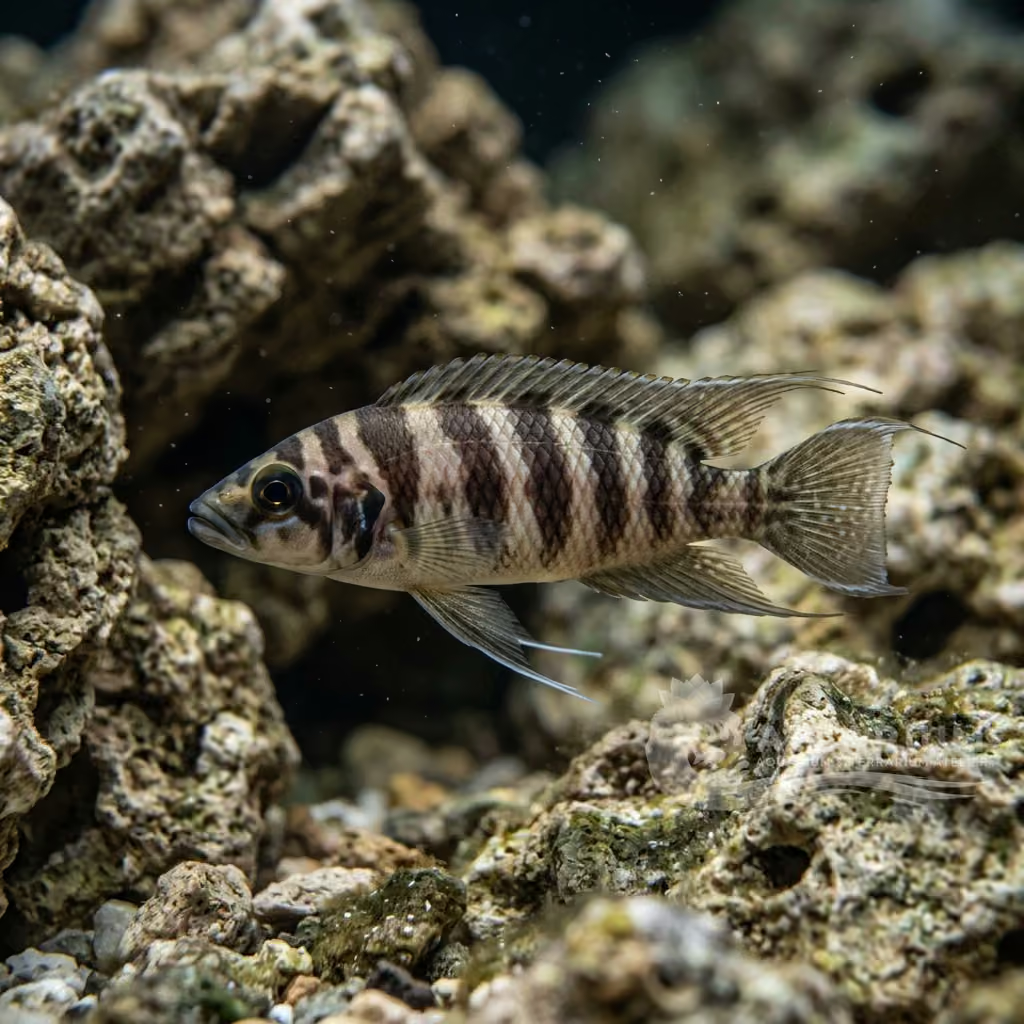
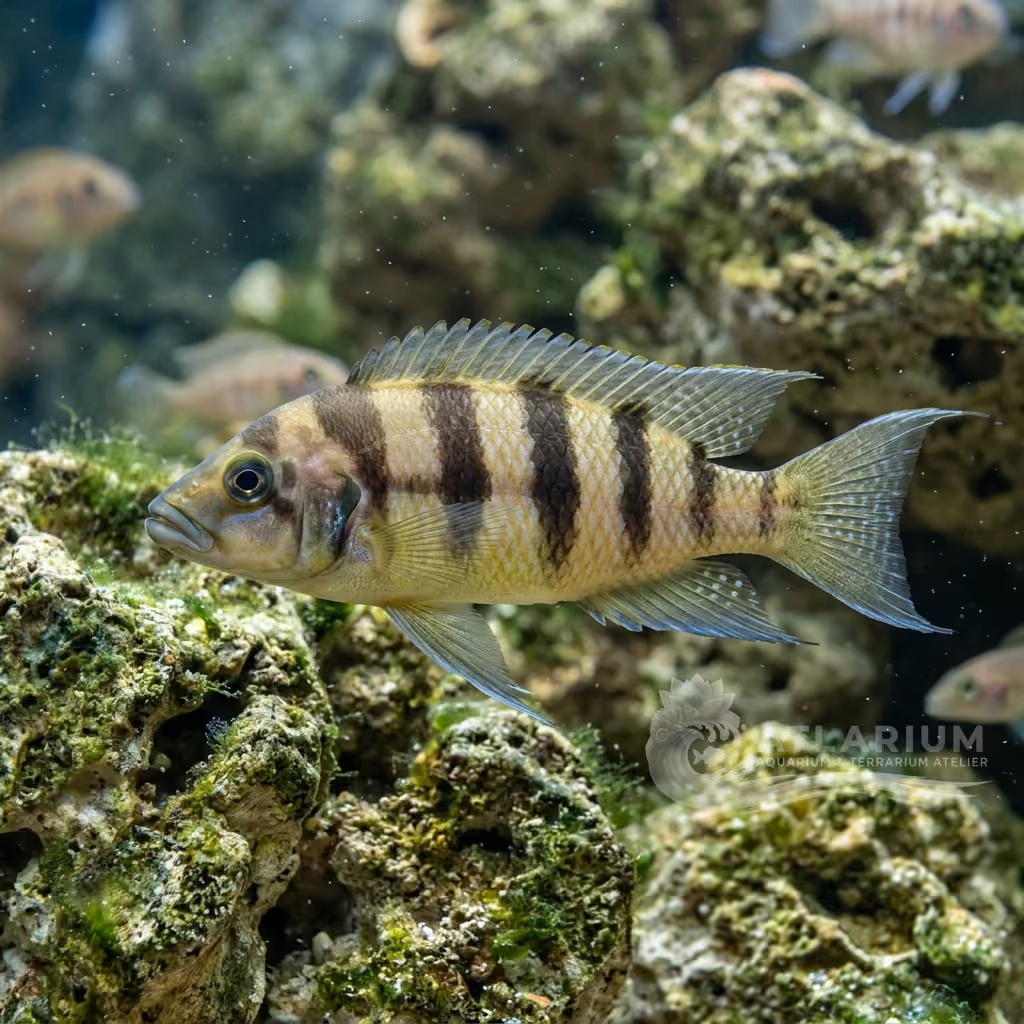
Among the most feared and colorful Mbuna of Malawi (13 cm). Peculiar for the gender chromatic inversion: bright saffron yellow males, blue females with black stripes. Of a ruthlessly aggressive nature, unsuitable for placid cohabitation.
Water Temperature
24 - 28 °C
pH Value
7.8 - 8.6
Water type
Freshwater
Tank level
Bottom and middle
Adult size
13 cm
Minimum tank volume
>= 180 L
Minimum group
>= 1
GH
10 - 25 dGH
KH
5 - 12 dKH
TDS
200 - 495 ppm
Conductivity
313 - 773 uS/cm

Species description
Geographical Origin and Habitat: Lake Malawi (Mbenji Islands and Nkhomo reef). Inhabits transition zones (rocks/sand) but strenuously anchors to the expanses of sediments and rocks to graze (Mbuna Habitat).
Taxonomy and Morphology: Kenyi Cichlid (Metriaclima lombardoi / ex Maylandia lombardoi). Robust, stocky and lethal. Possesses the typical flattened cranial morphology of the rocky algae-tearers. Evident bicuspid incisor teeth.
Social Behavior: The "Terrorist" of Malawi. Considered one of the most hyper-aggressive Cichlids in the world per square inch. An adult male will ruthlessly dominate tanks even 150 cm (60 inches) long, driving the entire population into the corners.
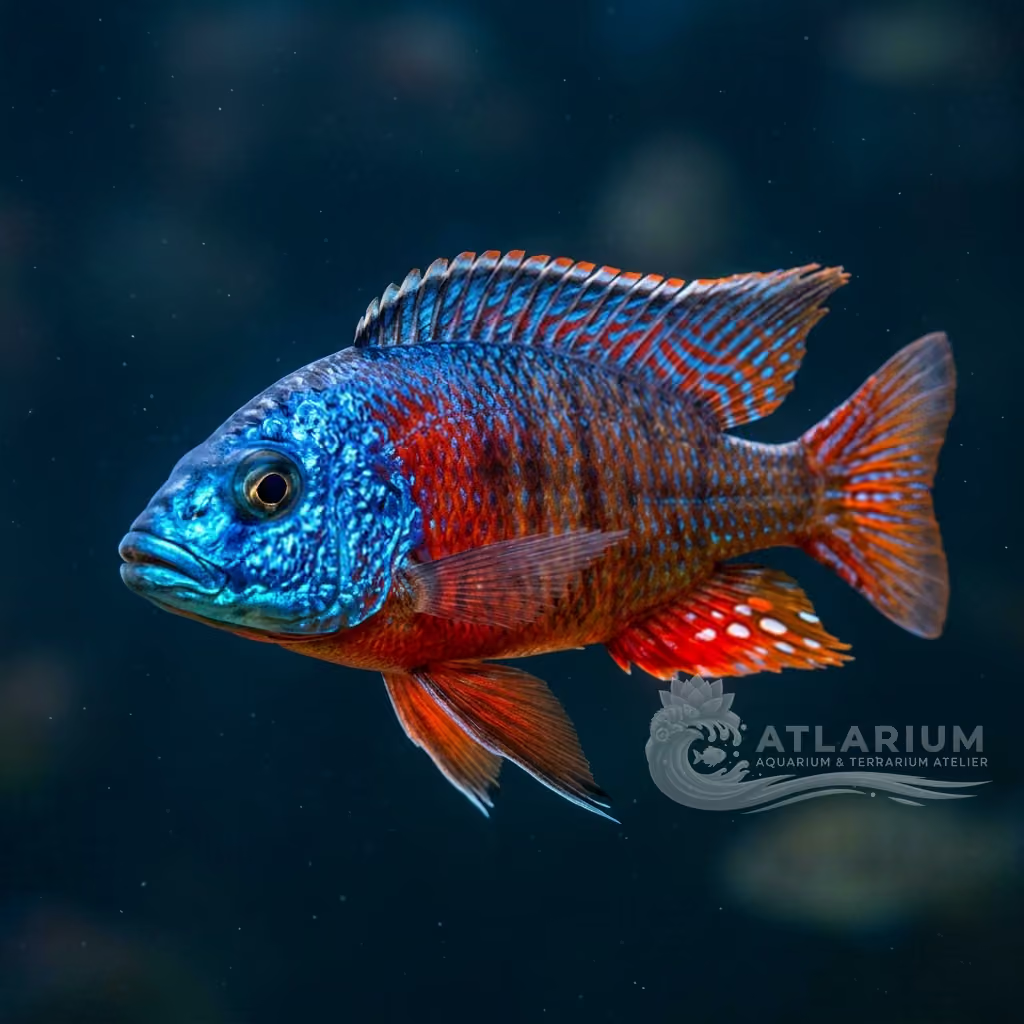
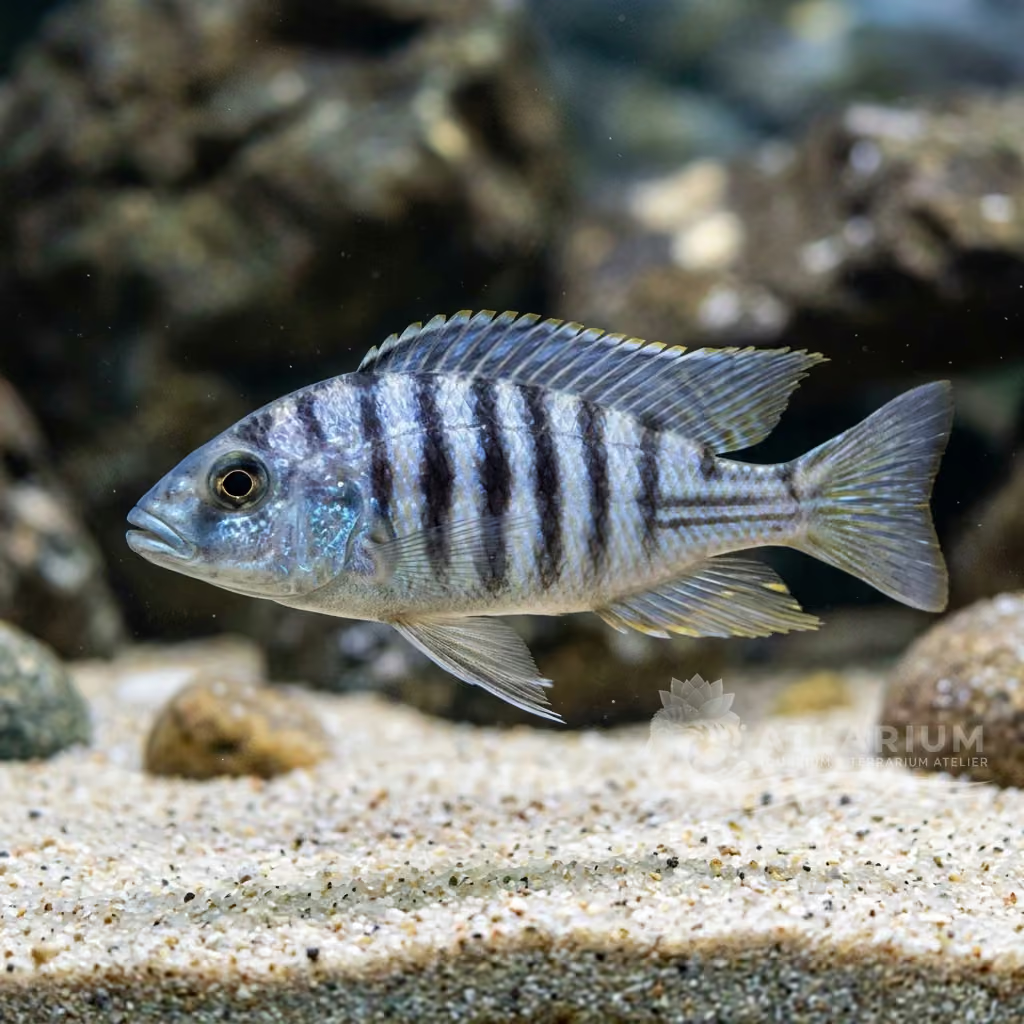
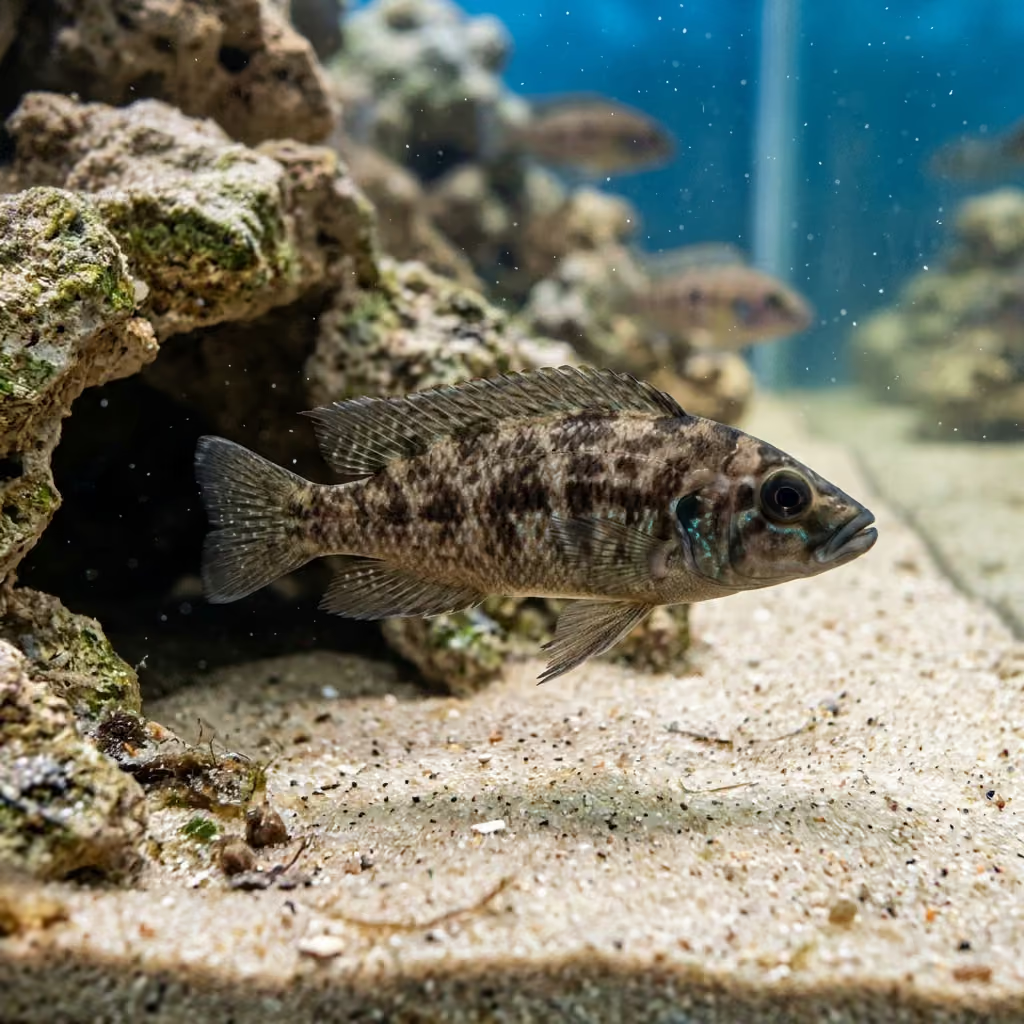
Coloration and Sexual Dimorphism: Fascinating chromatic inversion. Juveniles and FEMALES are a vibrant Ice Blue with powerful dark blue/black vertical stripes. Adult MALES undergo a drastic mutation, becoming entirely Mustard Yellow/Gold with faded brown bands.

Care, breeding and tankmates
Aquarium Setup: Not suitable for tanks < 150 cm (60 inches) despite the medium size. Furnishing of titanic stones crammed up to the surface. Force overstocking (add many robust target fish) to break the visual range and calm the wrath of the dominant male.
Diet and Feeding: Stubborn herbivore. Pure Aufwuchs-feeder. It will infallibly get sick and die if the diet contains too much protein. Feed 90% with top-of-the-range vegetable flakes (Spirulina, Chlorella) or zucchini.
Water Quality: Endemic conditions of the Great Lakes of the Rift Valley. Ph 8.0-8.6 and very high KH/GH (use calcareous rocks to buffer the Ph). Gigantic mechanical filtration required by the feces of this herbivorous species.
Compatibility and Cohabitation: Very few fish resist an adult M. lombardoi. Pair only in huge tanks with equally psychotic Mbuna (Pseudotropheus crabro, Melanochromis auratus). Will exterminate any South American Cichlid or peaceful species (including Malawi Haps).
Aquarium Breeding: Very efficient Mouthbrooder. The male digs a huge pit under a stone, attracts the blue female and spawns. The mother evicts up to 40 fry from her mouth after 3-4 weeks. Warning: the exhausted female must be isolated or the male will kill her.
Risks and Diseases: The Novice's mistake. The blue fry (often 3 cm / 1.2 inches) are beautiful and very common in general stores. The unwary buyer inserts them into a mixed tank; in 6 months they will transform into yellow Serial Killers that will massacre the community aquarium.

Geographic origin and distribution
Lake Malawi (Mbenji Islands and Nkhomo reef). Inhabits transition zones (rocks/sand) but strenuously anchors to the expanses of sediments and rocks to graze (Mbuna Habitat).
Origin
Selective breeding and cultivarsAfrica and MadagascarEast AsiaTropical oceans and reefs

Fish profile
- Temperament
- Semi-aggressive
- Kenyi cichlids possess an extremely aggressive and belligerent temperament. Males will aggressively chase, bite, and attack any fish that enters their large territory. They are not recommended for beginners and require an aquarist experienced in managing highly aggressive African cichlid communities.
- Diet
- Omnivore
- They are strict herbivores in nature, feeding almost exclusively on aufwuchs (algae and micro-organisms) scraped from rocks. Their aquarium diet must heavily favor high-quality spirulina pellets and fresh vegetables like zucchini. Meat-heavy diets will quickly cause bloat and potentially fatal intestinal issues.
- Life expectancy
- 10 years
- Adult size
- 13 cm
- Sex ratio
- Group
- A strict ratio of one male to a large group of females (at least four to six) is required to disperse his relentless breeding aggression. Keeping multiple males is generally disastrous and ends in the death of the subdominant male. Even females can be highly aggressive towards each other, making the large group size crucial.
- Feeding frequency
- Twice daily
- Adults require feeding once or twice a day in small portions that are consumed in under two minutes. Overfeeding is incredibly dangerous for this species due to their sensitive herbivorous digestive tracts. Providing a fasting day once a week mimics natural food scarcity and promotes gut health.
- Bioload
- Low to Medium
- The Kenyi cichlid produces a hefty bioload due to its size and ravenous appetite. Oversized filtration systems are necessary to manage the biological waste and maintain pristine water parameters. Weekly water changes of at least 30-50% are typically required to keep nitrate levels low in their crowded tanks.
- Flow
- Stagnant
- Moderate water flow is ideal to replicate the turbulent rocky shorelines of their natural environment in Lake Malawi. The surface should have continuous agitation to ensure optimal oxygen exchange, which they require to thrive. Strong powerheads can be directed across the rockwork to clear debris.
- Jump risk
- Yes
- Due to their highly aggressive nature, fleeing fish may easily jump out of an uncovered tank. A tight, secure lid is absolutely essential when keeping Kenyi cichlids. Make sure all access points are sealed off securely to prevent fatalities.
- Reproduction
- Oviparous
- Breeding is frequent and straightforward as they are maternal mouthbrooders. The male will court a female intensely, leading her to a prepared site where she lays and immediately picks up the eggs. The female will carry the developing fry in her buccal cavity for about three weeks before releasing them.
- Compatibility & tankmates
- Semi-aggressive
- This is one of the most aggressive and hyper-territorial mbuna species available in the hobby. They should only be kept with the most robust and similarly aggressive Lake Malawi cichlids, taking care to avoid fish with identical coloration. Peaceful community fish, delicate species, or small bottom feeders will undoubtedly be killed.
- Tank level
- Middle/Bottom
- They are primarily bottom and mid-water dwellers, intensely focused on their rocky territories. They will spend their days darting around caves, digging in the sand, and aggressively defending their chosen areas. They only approach the top of the tank during feeding times.

Scientific Parameters & Models
FishBase
Window to the official scientific data of the species
FishBase v25.04Data synced on: 06/15/2026
- Trophic level
- 2.7 ± 0.29 se
- Resilience
- Medium (1.4 - 4.4 years)
- Phylogenetic uniqueness (PD50)
- 0.5
- Bayesian Length-Weight
- a = 0.01445, b = 2.99
- VulnerabilityLow vulnerability (10 / 100)

Related species
Recommendations grouped by close relatives, companion choices, and similar care.