Cobalt Blue Zebra
Maylandia callainos
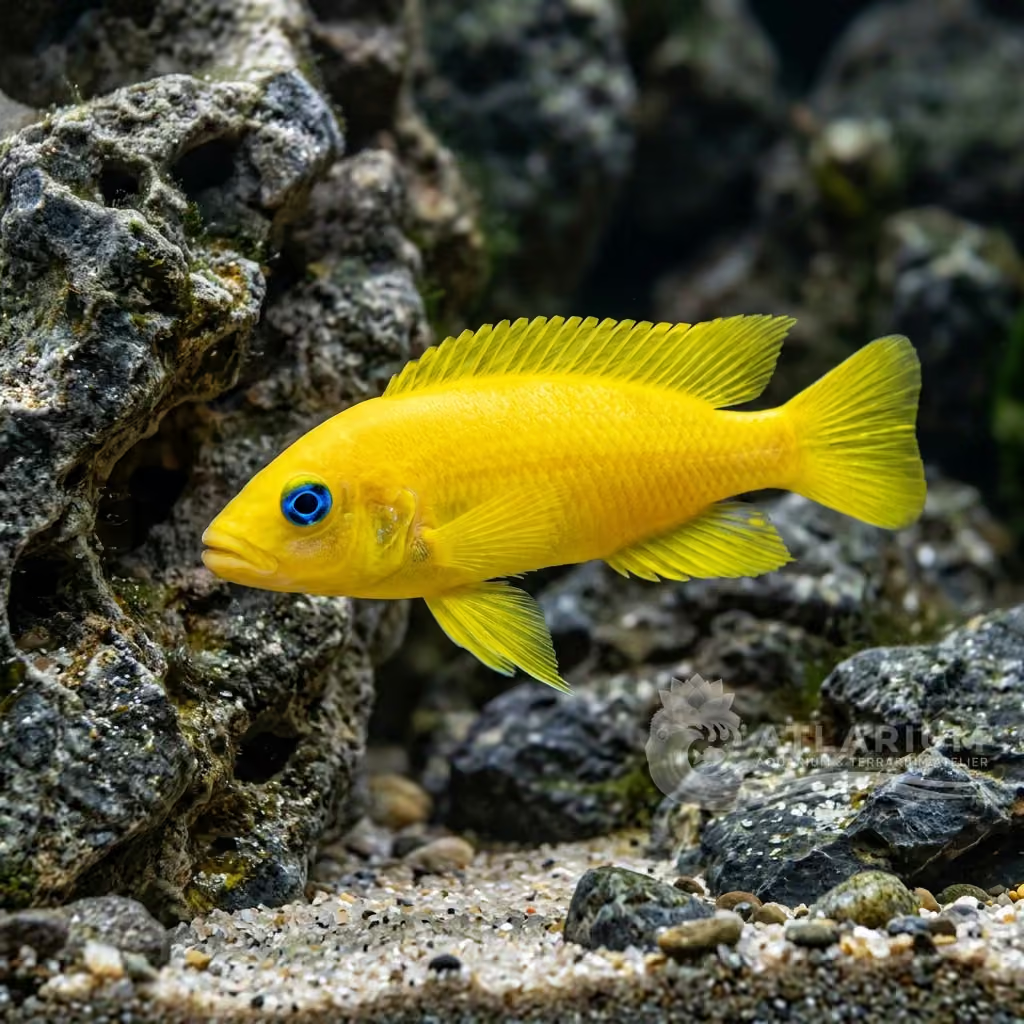
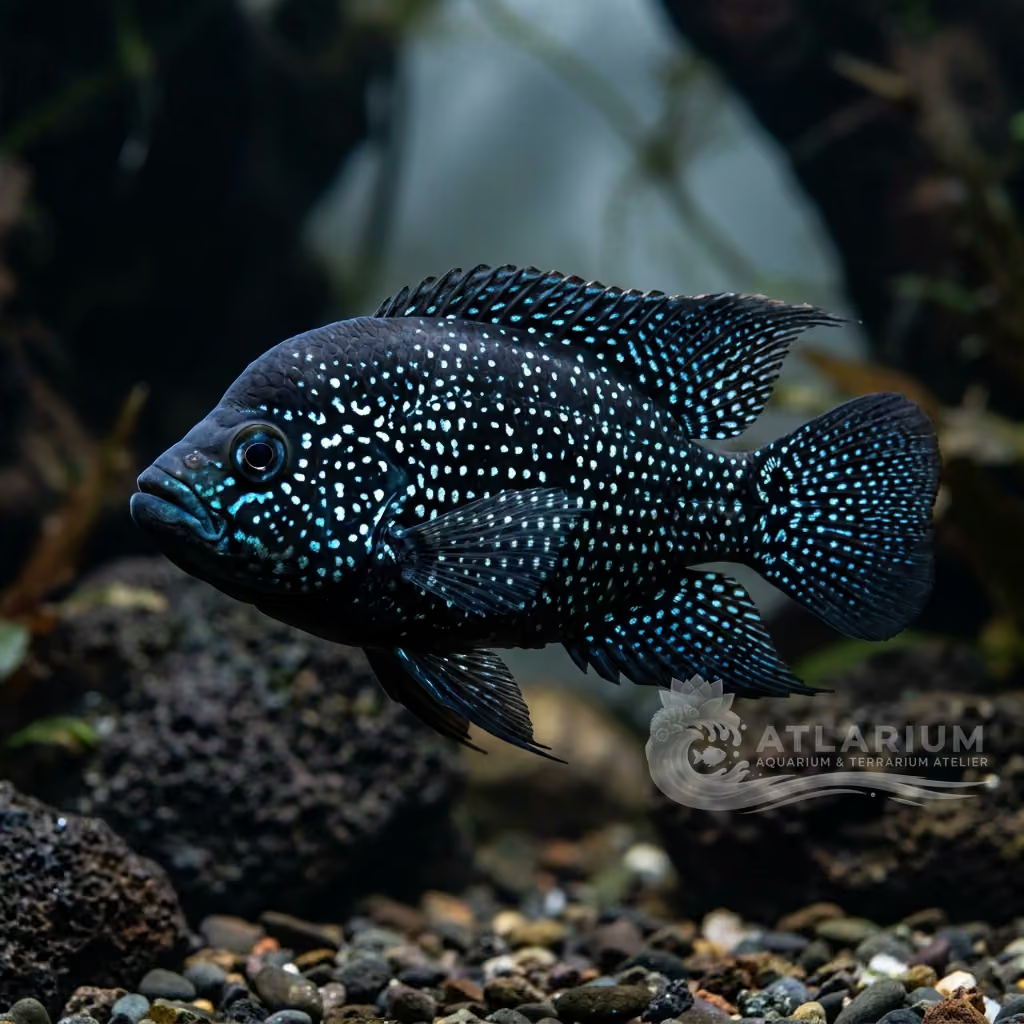
Iconic 'Zebra' Mbuna (11 cm) from Malawi, anomalous as it lacks stripes. Solid pastel cobalt blue color and great territorial impetuosity. Strict herbivore, demands wide rock barriers and fiercely resists in visual fights.
Water Temperature
24 - 28 °C
pH Value
7.8 - 8.6
Water type
Freshwater
Tank level
Bottom and middle
Adult size
11 cm
Minimum tank volume
>= 100 L
Minimum group
>= 1
GH
10 - 25 dGH
KH
5 - 12 dKH
TDS
200 - 495 ppm
Conductivity
313 - 773 uS/cm

Species description
Geographical Origin and Habitat: Lake Malawi (North-western coast). Inhabits the submerged rocky cliffs without sediment (pure "Mbuna" habitat), constantly exposed to wave motion.
Taxonomy and Morphology: Cobalt Blue Zebra (Metriaclima callainos / ex Pseudotropheus). Medium-sized Mbuna cichlid. Has a stocky body, fleshy lips designed to scrape the rocky substrate and a specialized dentition to tear algae.
Social Behavior: Fiercely territorial and aggressive. Dominant males patrol a cave continuously, driving away any intruder with unprecedented violence. Requires harem breeding (1 Male and 3-4 females) to disperse intraspecific aggression.
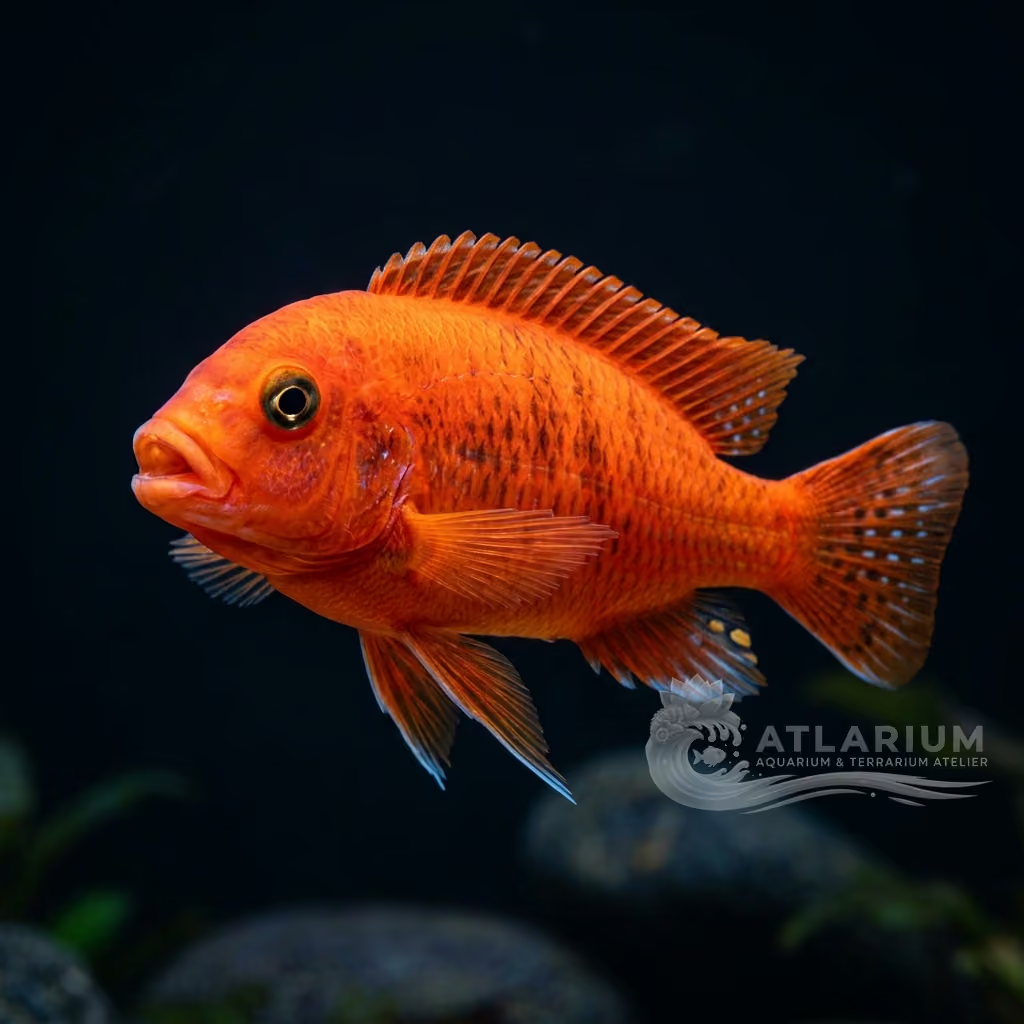
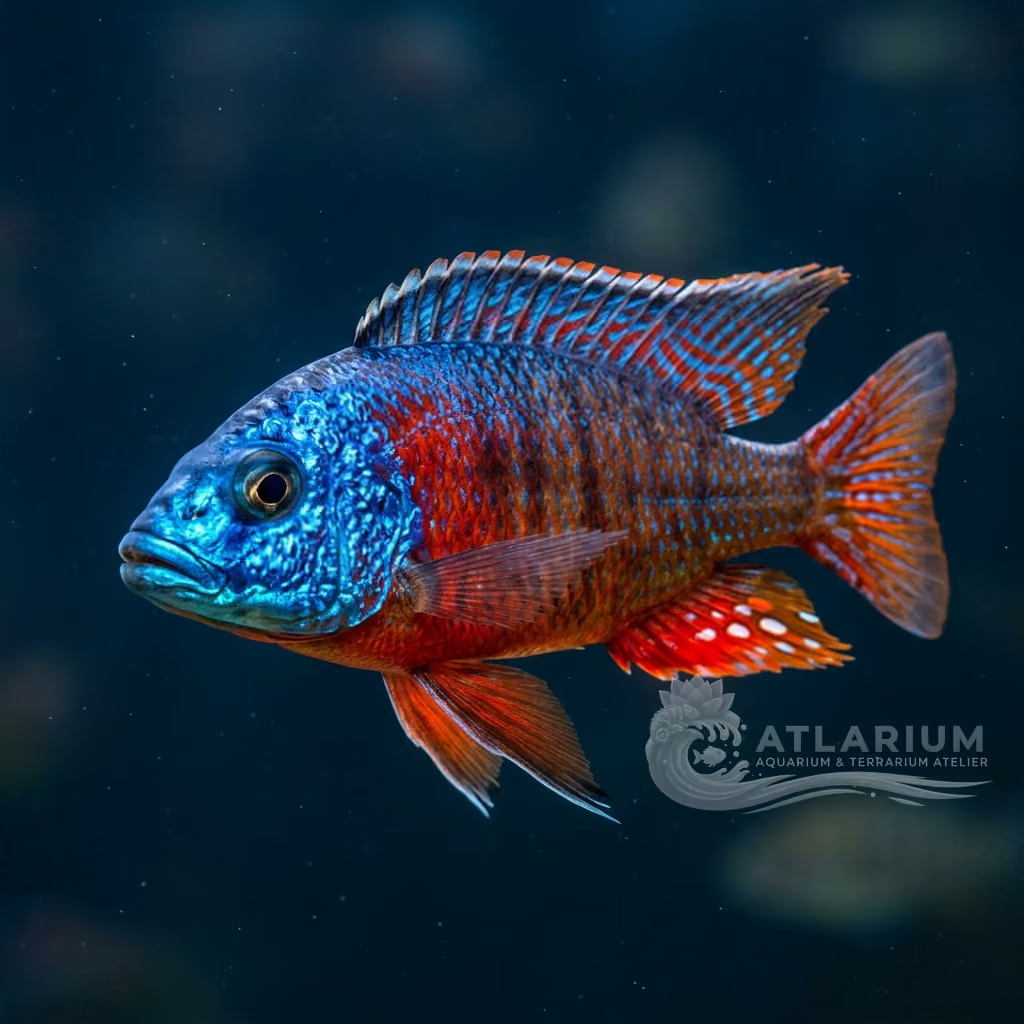
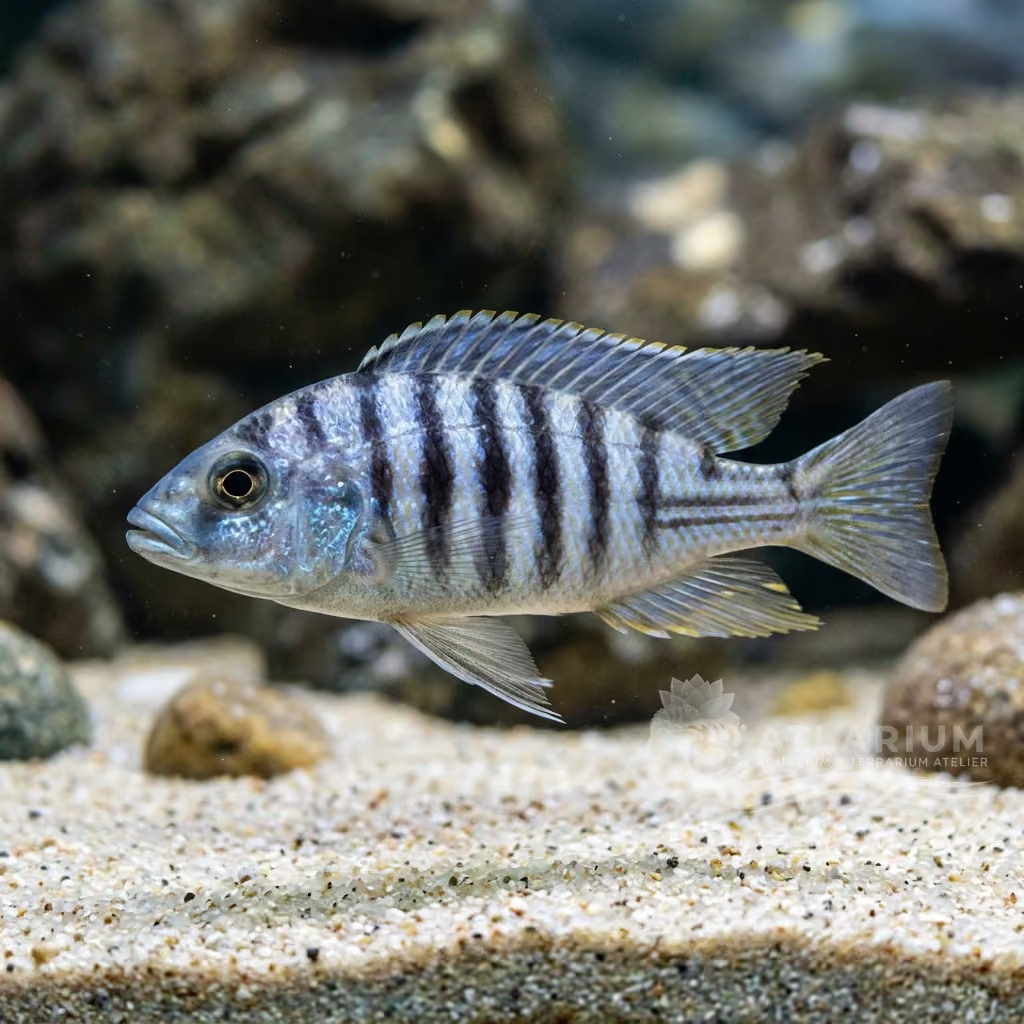
Coloration and Sexual Dimorphism: Bright solid color. The male is a compact metallic Cobalt Blue (without the vertical stripes typical of other "Zebras"). The females are a faded blue-gray, but there is an "OB" (Orange Blotch) morph with orange/black spots for females.

Care, breeding and tankmates
Aquarium Setup: Minimum 120 cm (48 inches) Malawi aquarium. Exclusive furnishing: huge limestone rocks superimposed to form dozens of dens (heavy rocks placed ON THE BOTTOM GLASS, not on the sand). Very fine coral or calcareous sand. No plants, they would eat them.
Diet and Feeding: Strict herbivore (Aufwuchs-feeder). Demands a low-protein, high-fiber diet. Provide spirulina, vegetable pellets and nori algae. Administering bloodworms or beef heart will cause lethal intestinal blockages in a few days.
Water Quality: Hard and alkaline Malawi water (Ph 8.0 - 8.5). Must have perfect oxygenation (strong wavemakers to break the surface) and a monstrous filtering system, given the large production of organic debris.
Compatibility and Cohabitation: To be paired exclusively with other Lake Malawi Mbuna of equal aggression (e.g. Labidochromis, Melanochromis) taking care not to mix species with overly similar liveries to avoid hybridization or fatal clashes (e.g. do not mix with male M. estherae).
Aquarium Breeding: Maternal Mouthbrooder. The male attracts the female to the nest with a frantic quiver ("Shimmy"). The female collects the eggs in her mouth, where she will incubate them for 21-28 days fasting, until spitting out fully formed fry.
Risks and Diseases: Malawi Bloat. Bloat disease (lethal dropsy) is the number one enemy of this fish. It is triggered by carnivorous diets (e.g. Tubifex) or stress. The fish swells up, pinecone scales, and dies rapidly.

Geographic origin and distribution
Lake Malawi (North-western coast). Inhabits the submerged rocky cliffs without sediment (pure "Mbuna" habitat), constantly exposed to wave motion.
Origin
Selective breeding and cultivarsAfrica and Madagascar

Fish profile
- Temperament
- Semi-aggressive
- The Cobalt Blue Zebra is known for its highly boisterous and aggressive temperament. Males in particular are fiercely territorial and will aggressively defend their chosen caves against any intruders. Their assertive nature requires careful planning when selecting suitable tank mates.
- Diet
- Omnivore
- They are primarily herbivorous in the wild, grazing on algae growing on rocky surfaces. In the aquarium, they require a diet rich in spirulina and vegetable matter to prevent digestive issues like Malawi bloat. High-protein foods such as bloodworms or beef heart should be strictly avoided.
- Life expectancy
- 8-10 years
- Adult size
- 11 cm
- Sex ratio
- Harem
- It is best to keep one male with a harem of at least three to four females. This ratio helps to dilute the male's intense breeding aggression across multiple individuals. Keeping multiple males in the same tank often results in fatal territorial disputes unless the aquarium is exceptionally large.
- Feeding frequency
- Twice daily
- Adults should be fed small portions once or twice a day to prevent overeating and digestive blockage. Juvenile fish can be fed up to three times a day to support their rapid growth rate. It is important to only offer what they can consume within a few minutes.
- Bioload
- Low to Medium
- The bioload produced by this cichlid is relatively high due to its active nature and robust appetite. Frequent water changes and strong biological filtration are essential to keep nitrate levels in check. A well-maintained filtration system will prevent water quality degradation in their densely populated setups.
- Flow
- Stagnant
- They prefer moderate water flow that simulates the natural wave action found in Lake Malawi. Good surface agitation is highly recommended to ensure adequate oxygen exchange in the water column. Avoid extremely turbulent flow that might make it difficult for them to navigate their rock territories.
- Jump risk
- Yes
- There is a moderate to high risk of jumping, especially during territorial disputes or when startled. A tight-fitting aquarium lid is strongly recommended to prevent accidental escapes. Ensure that all gaps around equipment are properly covered.
- Reproduction
- Oviparous
- They are maternal mouthbrooders, meaning the female carries the fertilized eggs and fry in her mouth for several weeks. During this period, the female will typically hide and refrain from eating until the fry are released. Breeding is relatively easy in the home aquarium if water conditions are optimal and hiding spaces are provided.
- Compatibility & tankmates
- Semi-aggressive
- This species is highly aggressive and territorial, especially towards other mbuna cichlids with similar coloration. It should only be kept with other robust and similarly sized African cichlids in a crowded tank to disperse aggression. Avoid keeping them with peaceful or slow-moving community fish.
- Tank level
- Middle/Bottom
- They spend the majority of their time in the middle and lower levels of the water column. They are strongly associated with rocky substrates where they establish and defend their territories. You will often see them darting in and out of caves and crevices.

Scientific Parameters & Models
FishBase
Window to the official scientific data of the species
FishBase v25.04Data synced on: 06/15/2026
- Trophic level
- 2.3 ± 0.1 se
- Resilience
- High (less than 15 months)
- Phylogenetic uniqueness (PD50)
- 0.5
- Bayesian Length-Weight
- a = 0.01445, b = 2.99
- VulnerabilityLow vulnerability (10 / 100)

Related species
Recommendations grouped by close relatives, companion choices, and similar care.