Scrapermouth Mbuna
Labeotropheus trewavasae
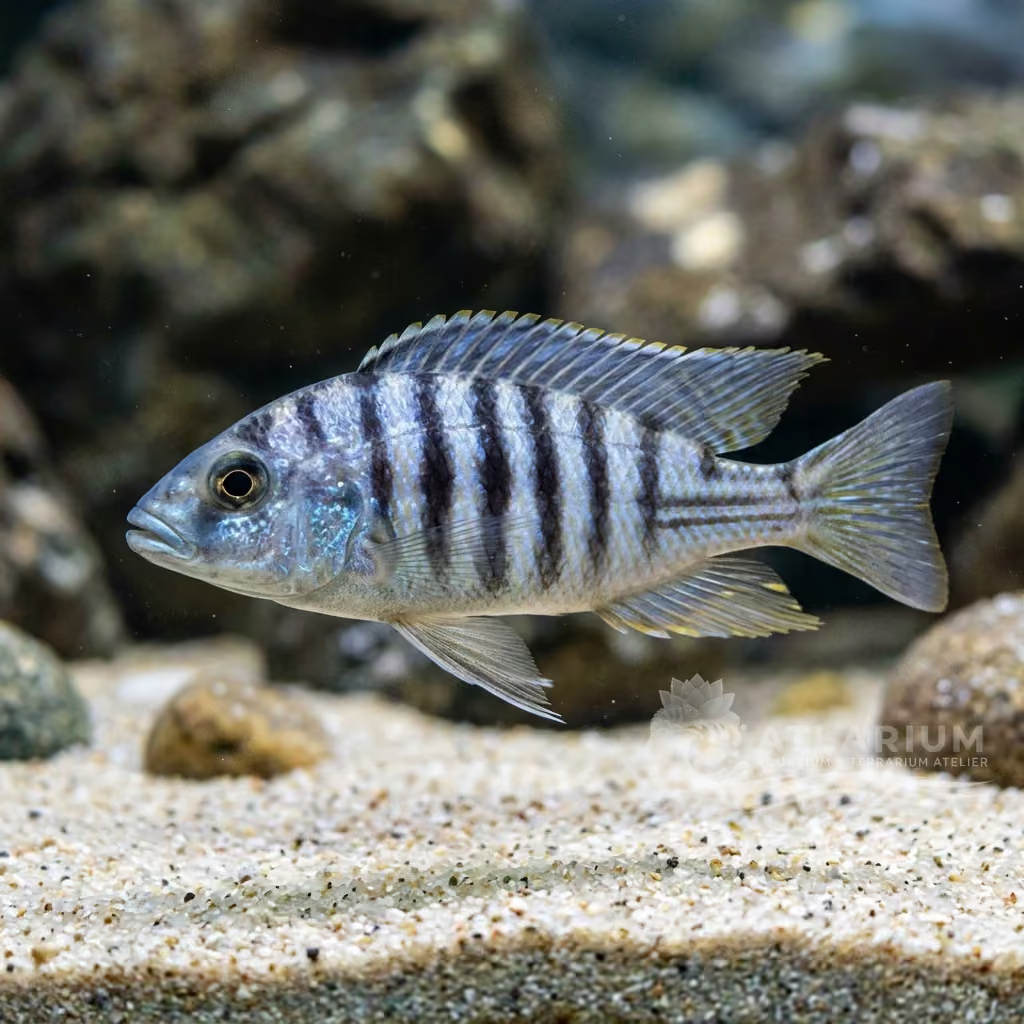
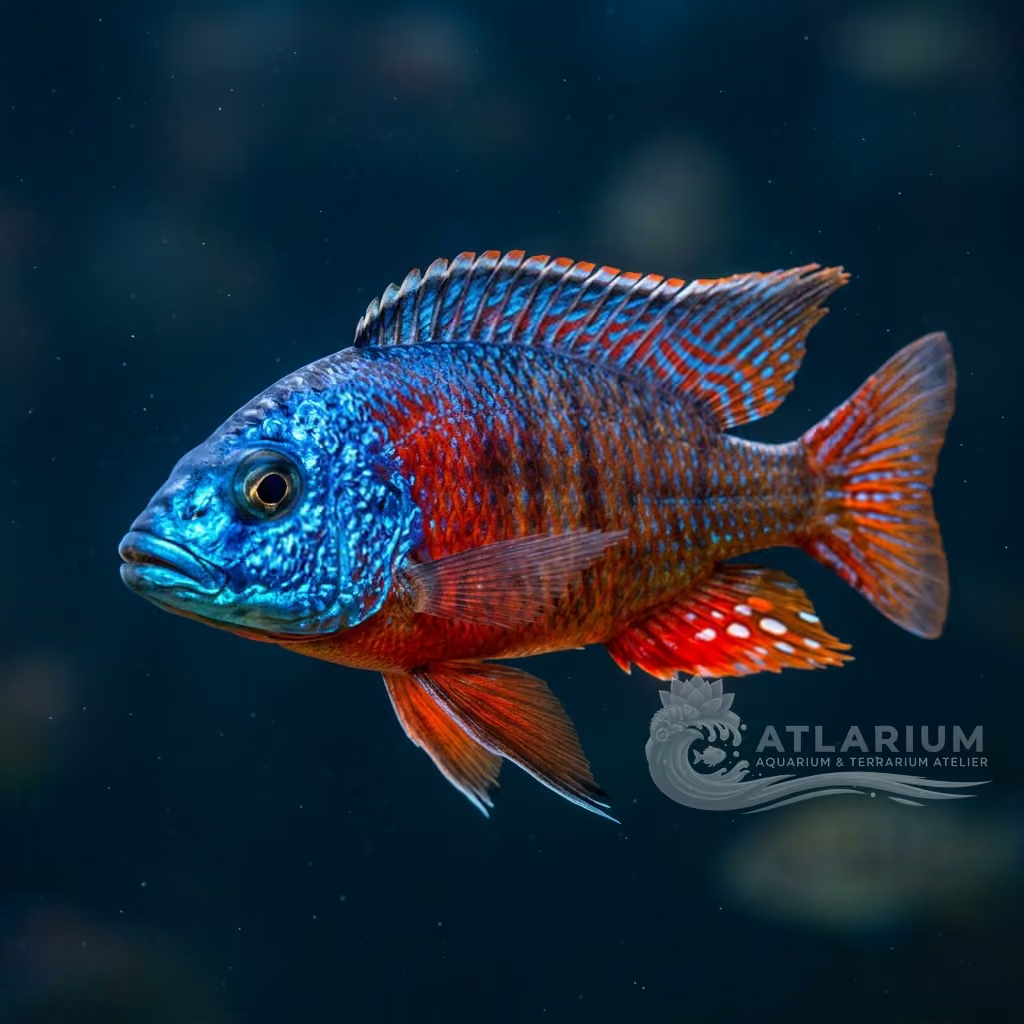
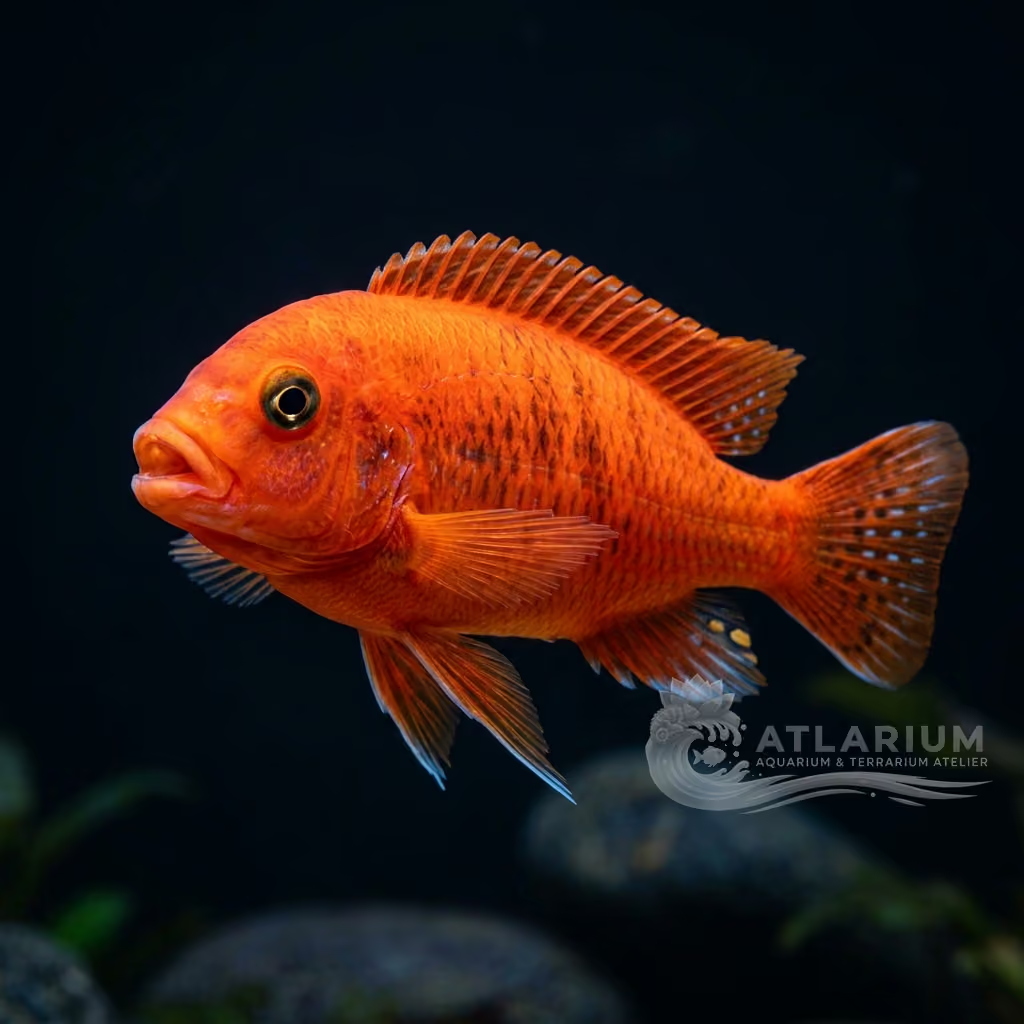
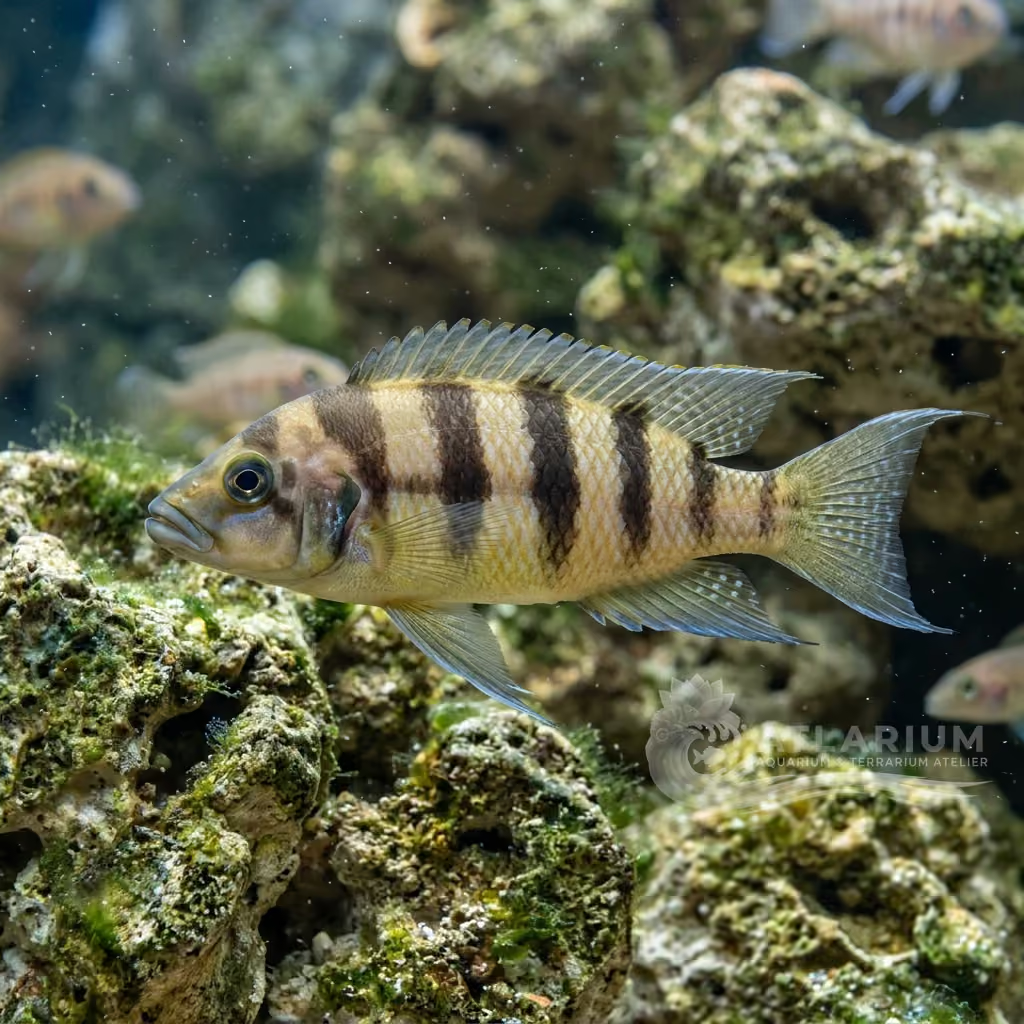
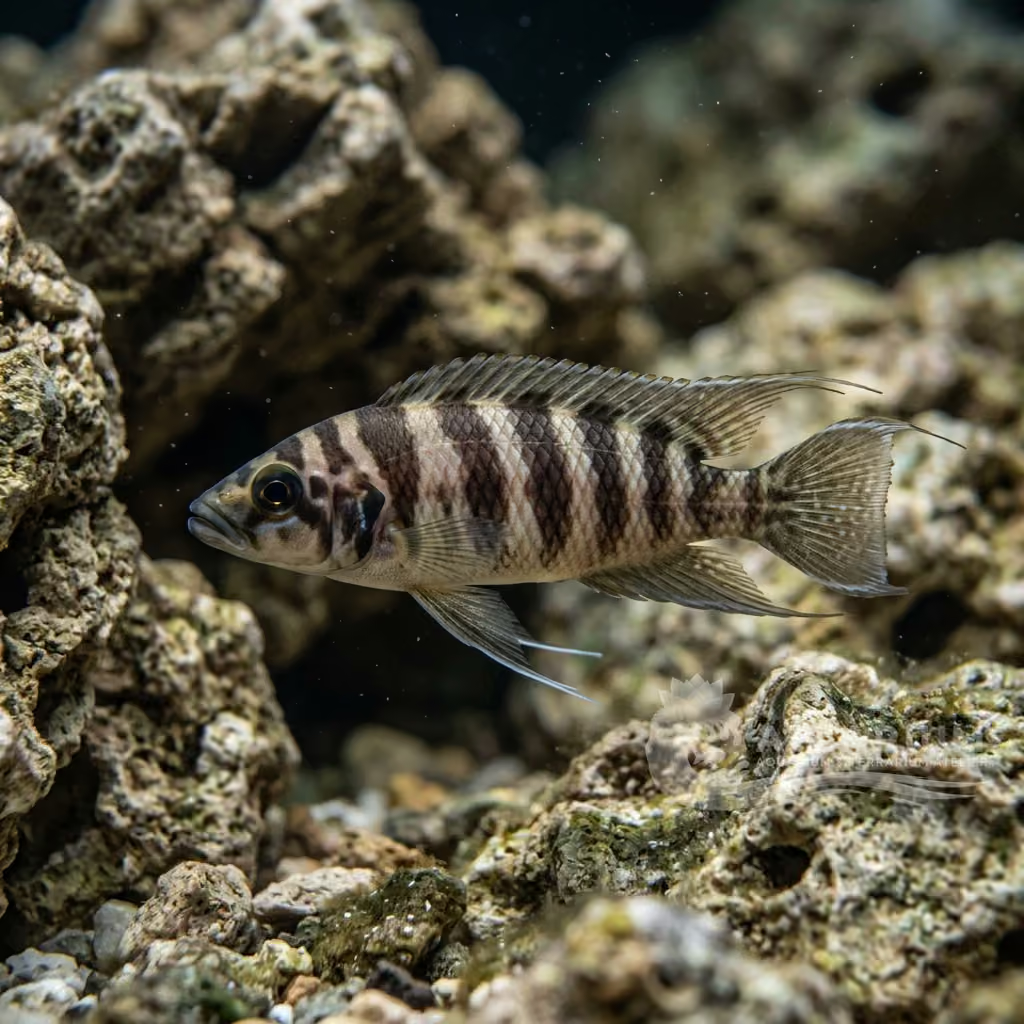
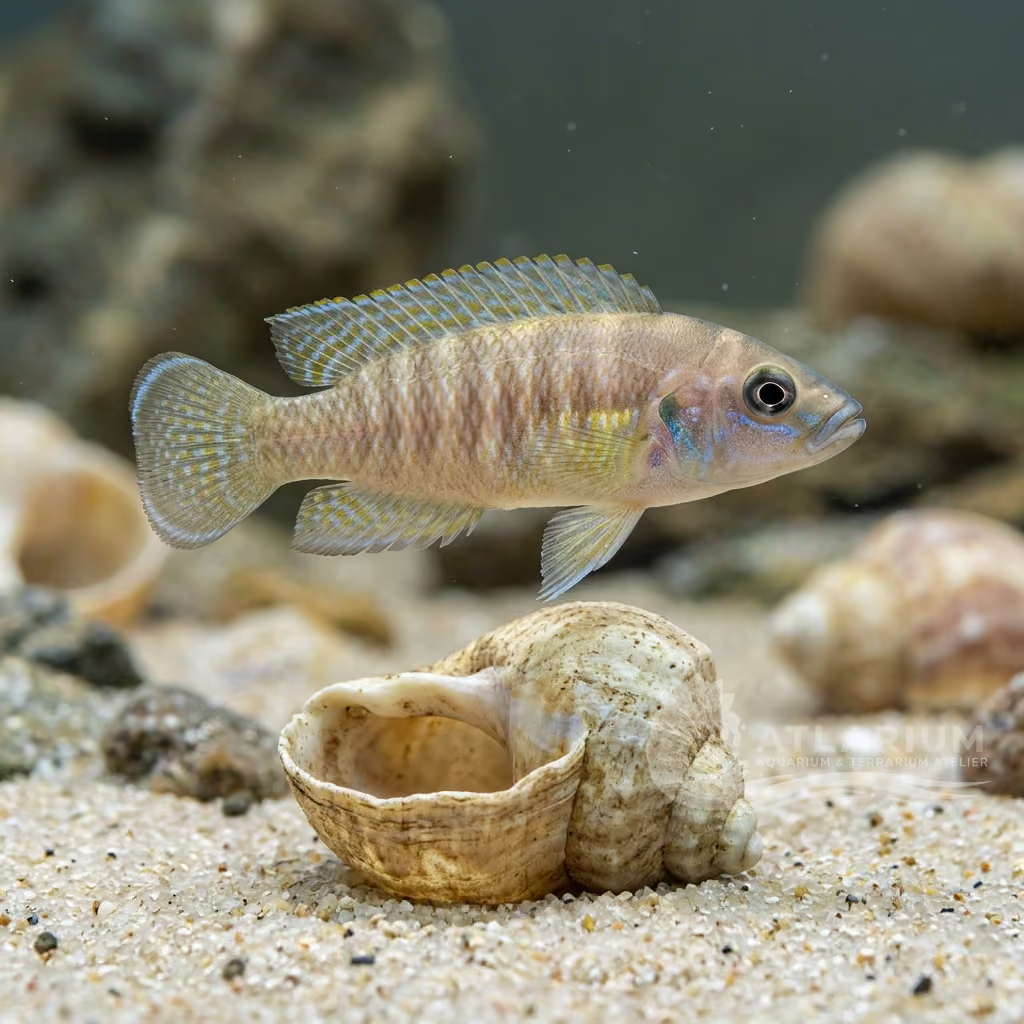
The bizarre 'Aquatic Tapir' of the African Rift (15 cm / 6 inches). A massive, brutally dominant Mbuna featuring a strange, fleshy overhanging 'nose' pad that totally covers its mouth—a masterpiece of evolution designed as a pivot to violently rip tough algae from flat rocks. Boasts incredibly striking colors (sapphire blue males with blazing red/orange fins, and leopard-spotted orange 'OB' females). Demands colossal tanks, rocky walls, and a flawless, totally vegan diet.
Water Temperature
23 - 28 °C
pH Value
7.5 - 8.5
Water type
Freshwater
Tank level
Bottom and middle
Adult size
15 cm
Minimum tank volume
>= 180 L
Minimum group
>= 1
GH
10 - 25 dGH
KH
5 - 12 dKH
TDS
200 - 495 ppm
Conductivity
313 - 773 uS/cm

Species description
Geographical Origin and Habitat: Lake Malawi (Endemic). Compared to fuelleborni, it occupies slightly deeper niches (3-20 meters / 10-65 feet), patrolling the narrow crevices between giant boulders where the waves have less force but the water is clear.
Taxonomy and Morphology: Scrapermouth Mbuna (Labeotropheus trewavasae). Shares with fuelleborni the famous "tapir" snout and the downward-facing mouth, but has a noticeably more tapered, slender and compressed body (ideal for slipping into cracks).
Social Behavior: Extremely lively and aggressive towards conspecifics. Swims keeping itself always oblique to the rocky walls (almost hugging them) to scrape off food. Requires a Harem (1M - 3/4F).
Coloration and Sexual Dimorphism: Highly variable (dozens of local morphs like "Thumbi West", "Chilumba"). Standard males are often metallic blue with a bright red dorsal fin (Red Top). Females are often OB (Orange Blotch, spotted) or brownish.

Care, breeding and tankmates
Aquarium Setup: Deep Malawi Biotope (min. 120 cm / 48 inches). A large rocky chain with narrow slabs positioned almost vertically will simulate their natural environment. Avoid bare furnishings, otherwise the male will kill the submissive females.
Diet and Feeding: Specialized Aufwuchs feeder. Its mouth scrapes the algal film. Absolute vegetarian base: Spirulina-based pellets and flakes and blanched fresh spinach. An animal protein excess is deadly.
Water Quality: Lake water hardness essential. Optimal temperature 25-26°C (77-79°F), Ph 8.0 or higher. Oversized filtration is essential to quickly eliminate organic waste, to which it is very sensitive.
Compatibility and Cohabitation: Moderately aggressive Mbuna. Can coexist with Cynotilapia, Labidochromis caeruleus or Iodotropheus. Avoid pairing it with L. fuelleborni (lethal risk of hybridization or ruthless competition) or with flat-snouted species.
Aquarium Breeding: Maternal Mouthbrooder. Circular spawning among the rocks (egg-spot method on the male's anal fin). The female will fast for 3-4 weeks with her mouth full (20-40 fry). Stripping is recommended only for commercial purposes.
Risks and Diseases: Dental sensitivity. The use of cheap synthetic rocks or resins can irreversibly damage their tricuspid or bicuspid teeth used to "file" food, condemning the fish to starvation.

Geographic origin and distribution
Lake Malawi (Endemic). Compared to fuelleborni, it occupies slightly deeper niches (3-20 meters / 10-65 feet), patrolling the narrow crevices between giant boulders where the waves have less force but the water is clear.
Origin
Selective breeding and cultivarsAfrica and Madagascar

Fish profile
- Temperament
- Semi-aggressive
- They are incredibly aggressive, active, and territorial. The males will constantly defend their chosen rock pile and chase away intruders. They require a carefully planned environment with plenty of line-of-sight breaks to manage their hostility.
- Diet
- Omnivore
- They are highly specialized herbivores that scrape aufwuchs (algae and microorganisms) from rocks. In captivity, feed them premium spirulina flakes and herbivore pellets. Avoid all meaty foods like bloodworms or beef heart, which will cause fatal digestive blockages.
- Life expectancy
- 8-10 years
- Adult size
- 15 cm
- Sex ratio
- Harem
- A harem ratio of one male to at least three to five females is mandatory. The male's mating drive is relentless, and having multiple females prevents any single female from being harassed to death. Multiple males should not be kept unless the tank is over 100 gallons.
- Feeding frequency
- Twice daily
- It is best to feed them small amounts two to three times a day. This mimics their natural continuous grazing behavior in the wild. Avoid dumping large amounts of food at once.
- Bioload
- Low to Medium
- This species generates a heavy bioload, necessitating a powerful filtration system. Consistent, large weekly water changes are a strict requirement to keep the environment healthy. Over-filtration is highly recommended for Mbuna setups.
- Flow
- Stagnant
- They thrive in areas with strong water currents and high oxygenation. Employing powerheads to simulate the turbulent upper rocky zones of Lake Malawi is ideal. Strong surface movement is essential.
- Jump risk
- Yes
- Due to their aggressive chasing behavior, the risk of them jumping out is very high. A heavy, completely secure aquarium lid is absolutely necessary. Ensure there are no large gaps around filter intakes or heaters.
- Reproduction
- Oviparous
- They reproduce via maternal mouthbrooding, with the female incubating eggs in her buccal cavity for 3 to 4 weeks. During this time, the female will not eat and will hide among the rocks. Once released, the fry are fully formed and must be fed crushed spirulina.
- Compatibility & tankmates
- Peaceful
- They are intensely aggressive and only suitable for a specialized Lake Malawi Mbuna community tank. They will terrorize peaceful or timid fish and must be housed with equally aggressive species. Controlled overstocking helps mitigate targeted aggression.
- Tank level
- Middle/Bottom
- They are bottom and mid-level swimmers that stay heavily tied to the rockwork. Their unique fleshy snout allows them to scrape algae while swimming parallel to the rocks. Open water holds no interest for them.

Scientific Parameters & Models
FishBase
Window to the official scientific data of the species
FishBase v25.04Data synced on: 06/15/2026
- Trophic level
- 3.3 ± 0.4 se
- Resilience
- Medium (1.4 - 4.4 years)
- Phylogenetic uniqueness (PD50)
- 0.5005
- Bayesian Length-Weight
- a = 0.00389, b = 3.12
- VulnerabilityLow vulnerability (10 / 100)

Related species
Recommendations grouped by close relatives, companion choices, and similar care.