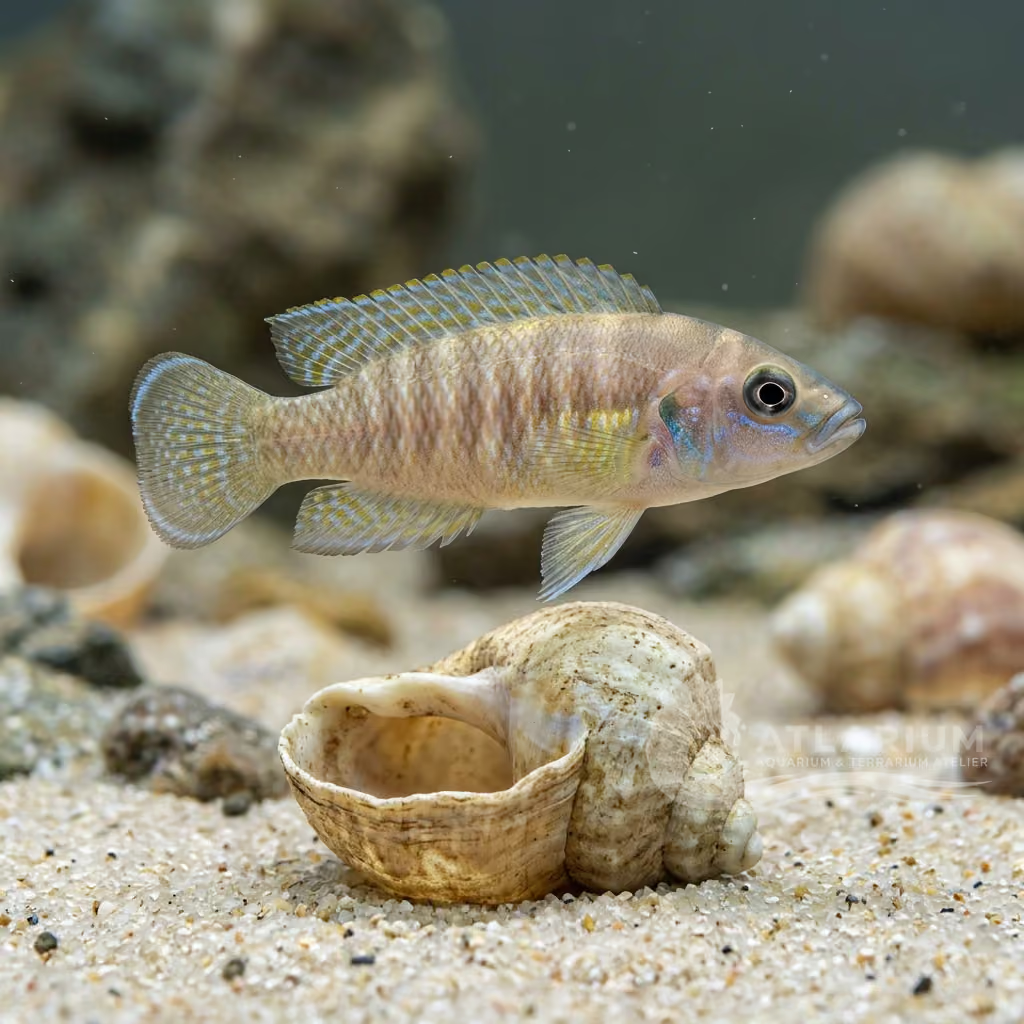
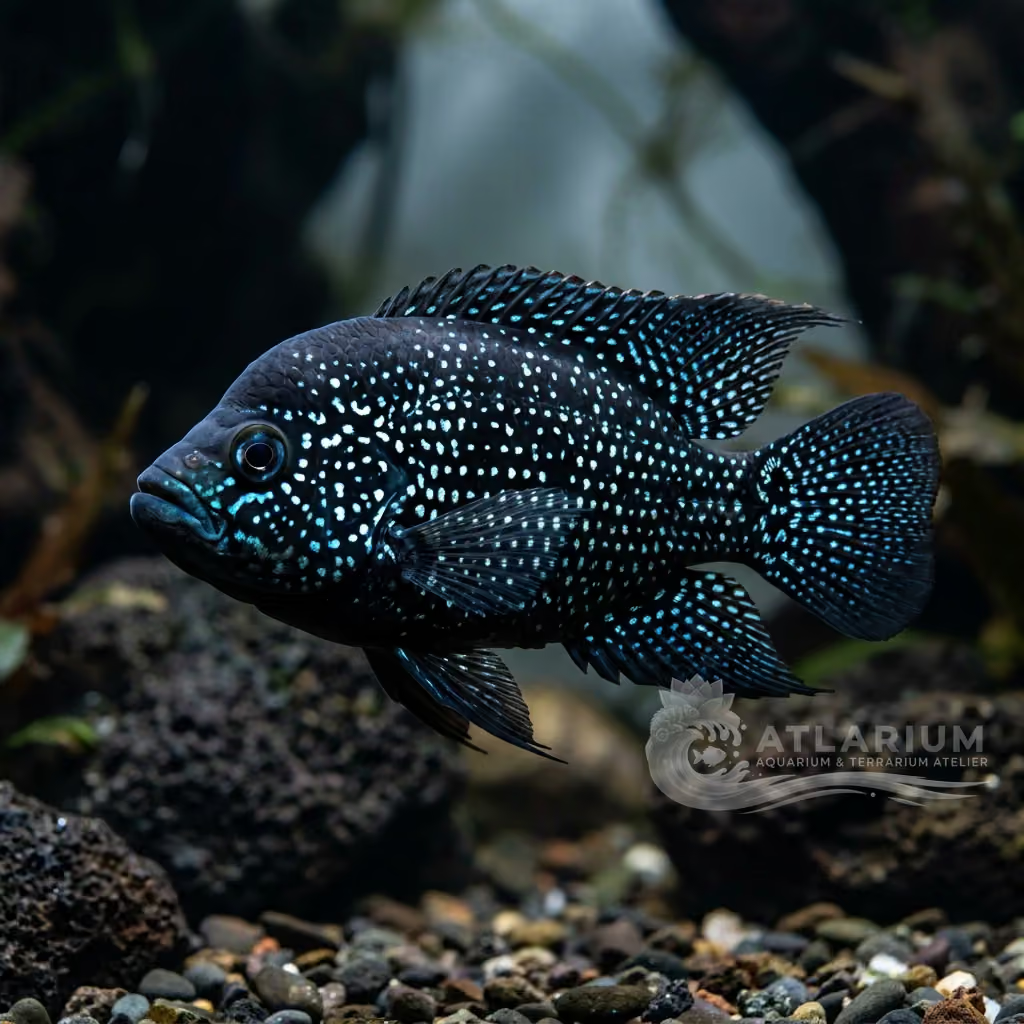
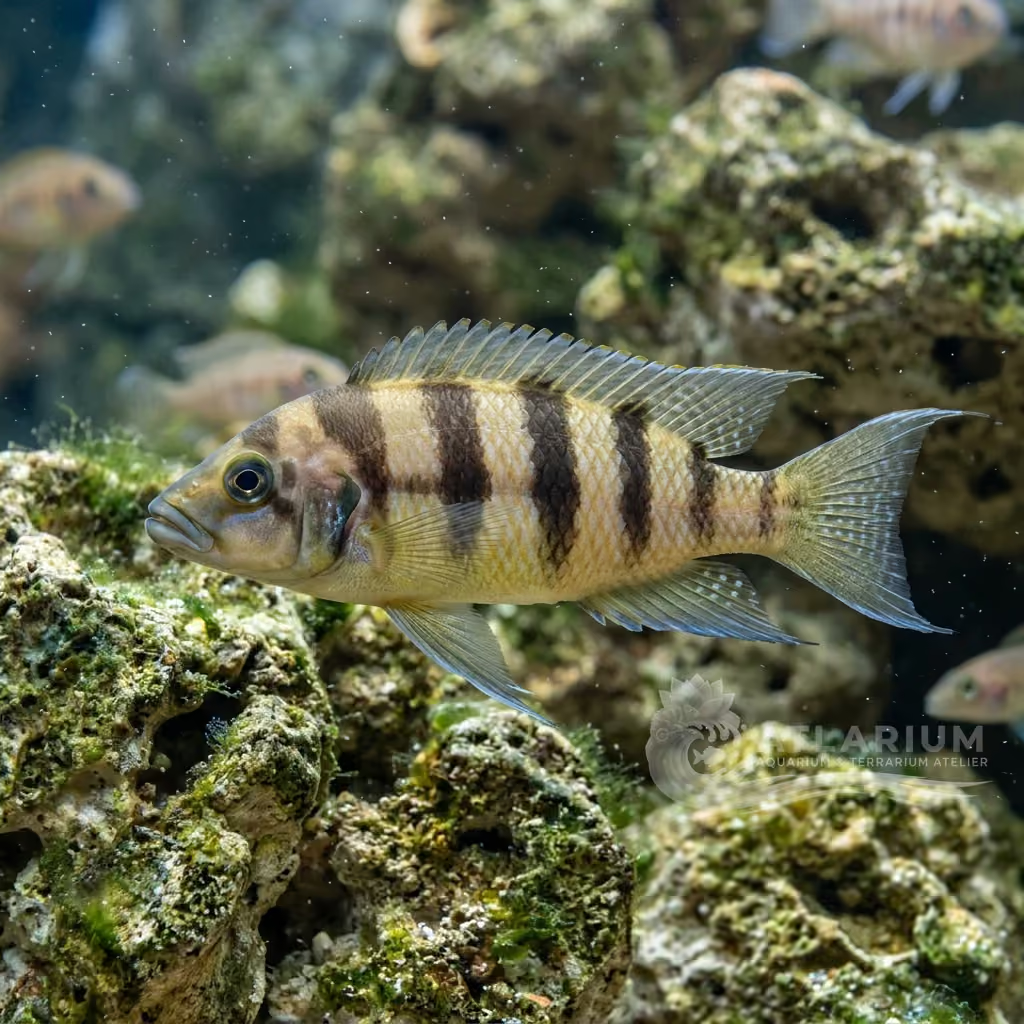
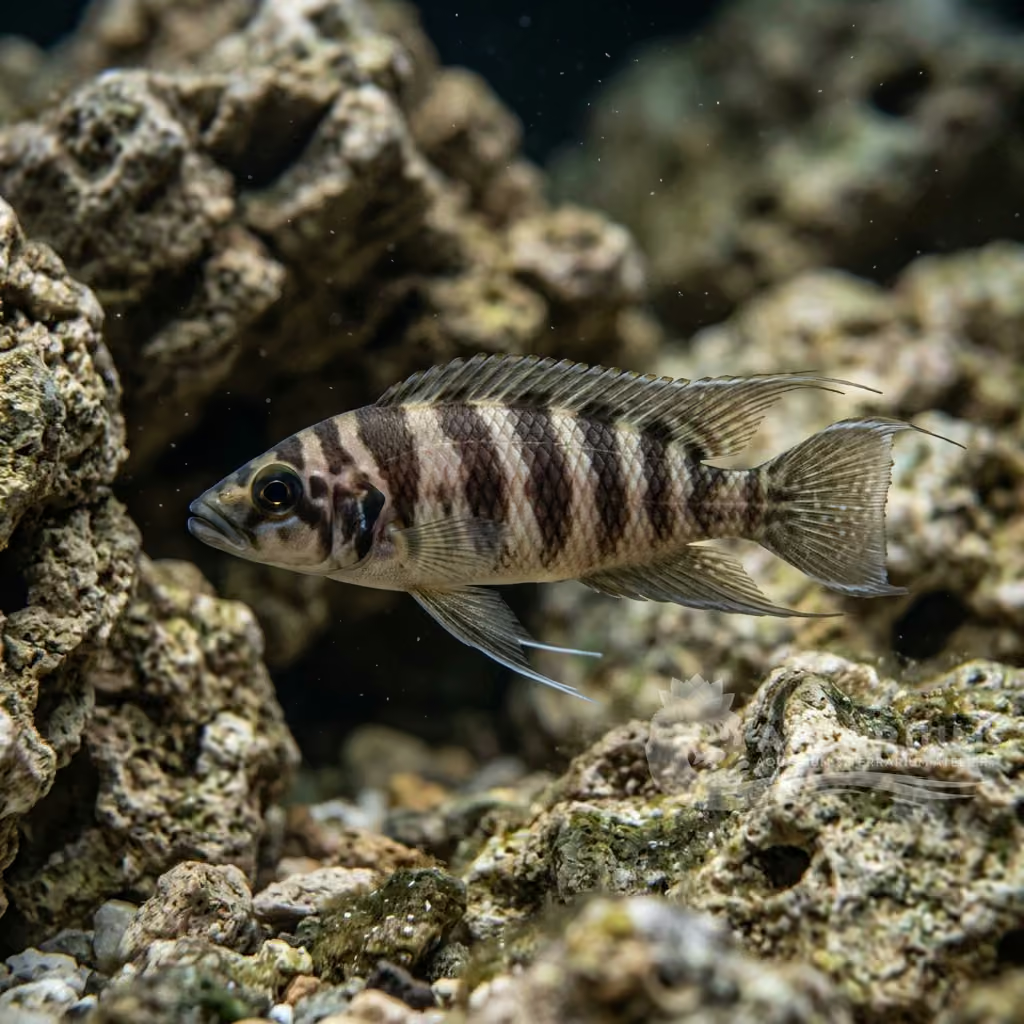
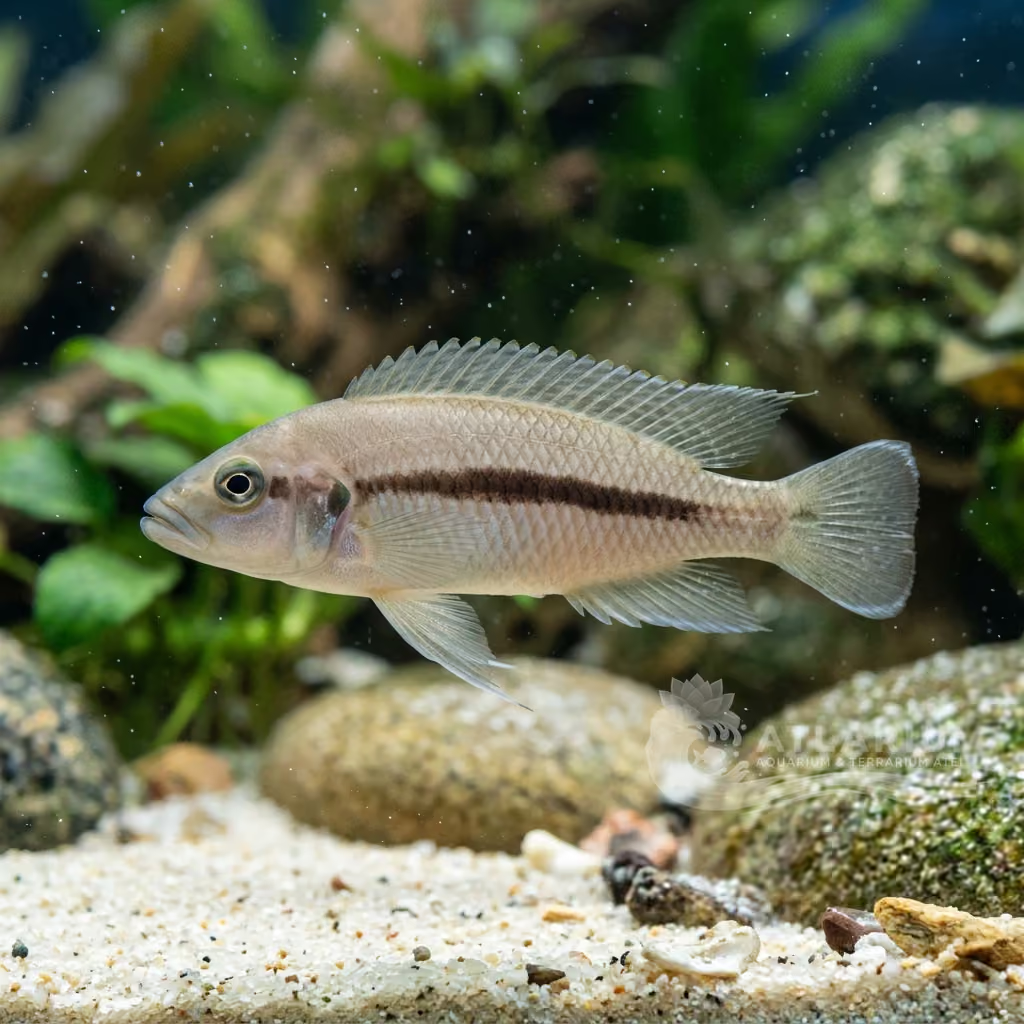
Fuelleborn's Cichlid
Labeotropheus fuelleborni
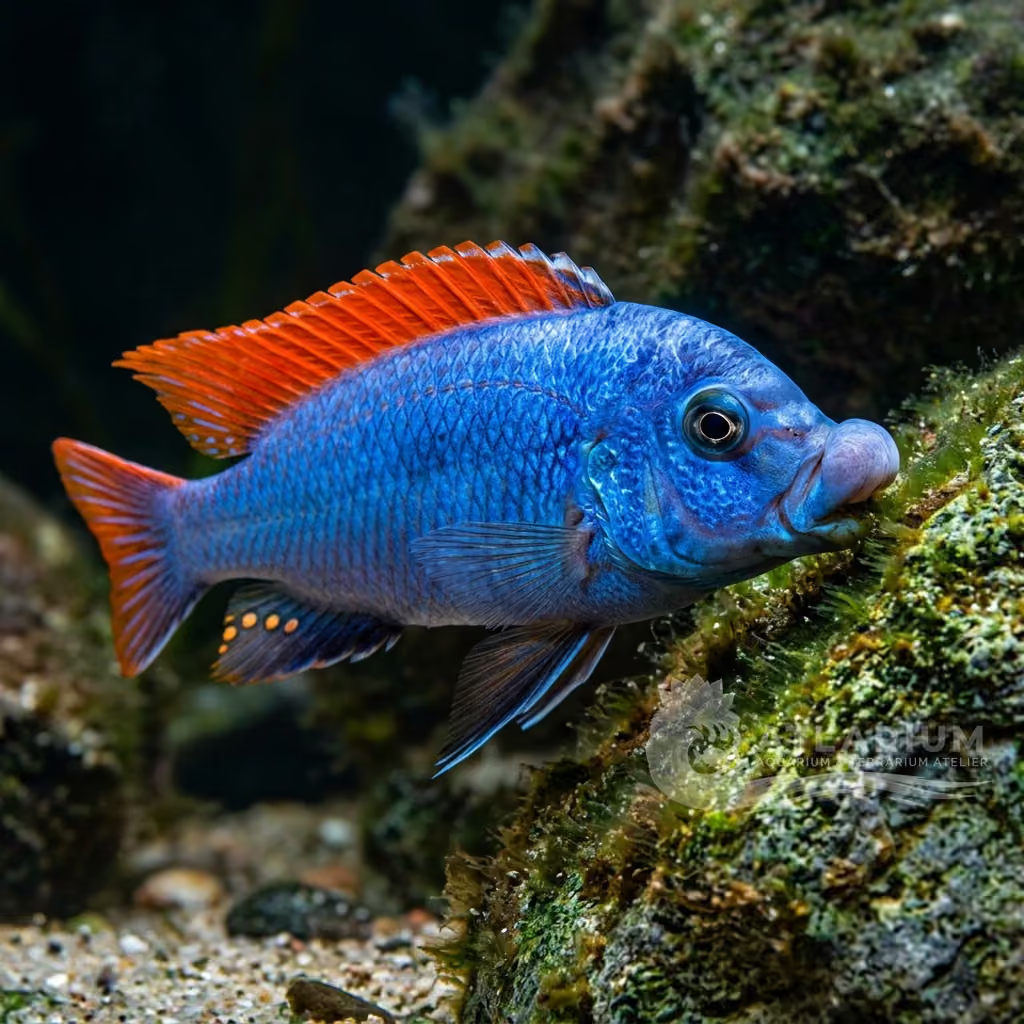
Imposing Malawi Mbuna (15 cm). Boasts a distinctive 'pendulous nose' (prominent rubbery snout) developed to easily graze algae parallel to the wave-lashed rocks. Lively, hyperactive and strictly herbivorous.
Water Temperature
23 - 28 °C
pH Value
7.5 - 8.5
Water type
Freshwater
Tank level
Bottom and middle
Adult size
18 cm
Minimum tank volume
>= 180 L
Minimum group
>= 1
GH
10 - 25 dGH
KH
5 - 12 dKH
TDS
200 - 495 ppm
Conductivity
313 - 773 uS/cm

Species description
Geographical Origin and Habitat: Lake Malawi (Endemic). Exclusively frequents exposed rocky coasts ("Upper Rocky" habitat with high turbulence), swimming close to the cliffs to graze algae among the crashing waves.
Taxonomy and Morphology: Fuelleborn's Cichlid / Mbuna (Labeotropheus fuelleborni). Powerful cichlid with a unique morphology: very protruding, almost fleshy snout ("Tapir nose"), and inferior mouth positioned under the head like in loricariids.
Social Behavior: Rough and hierarchical Mbuna. Highly territorial, never detaches from the rocks it constantly patrols. Dominant males are aggressive and will relentlessly chase females and rivals.
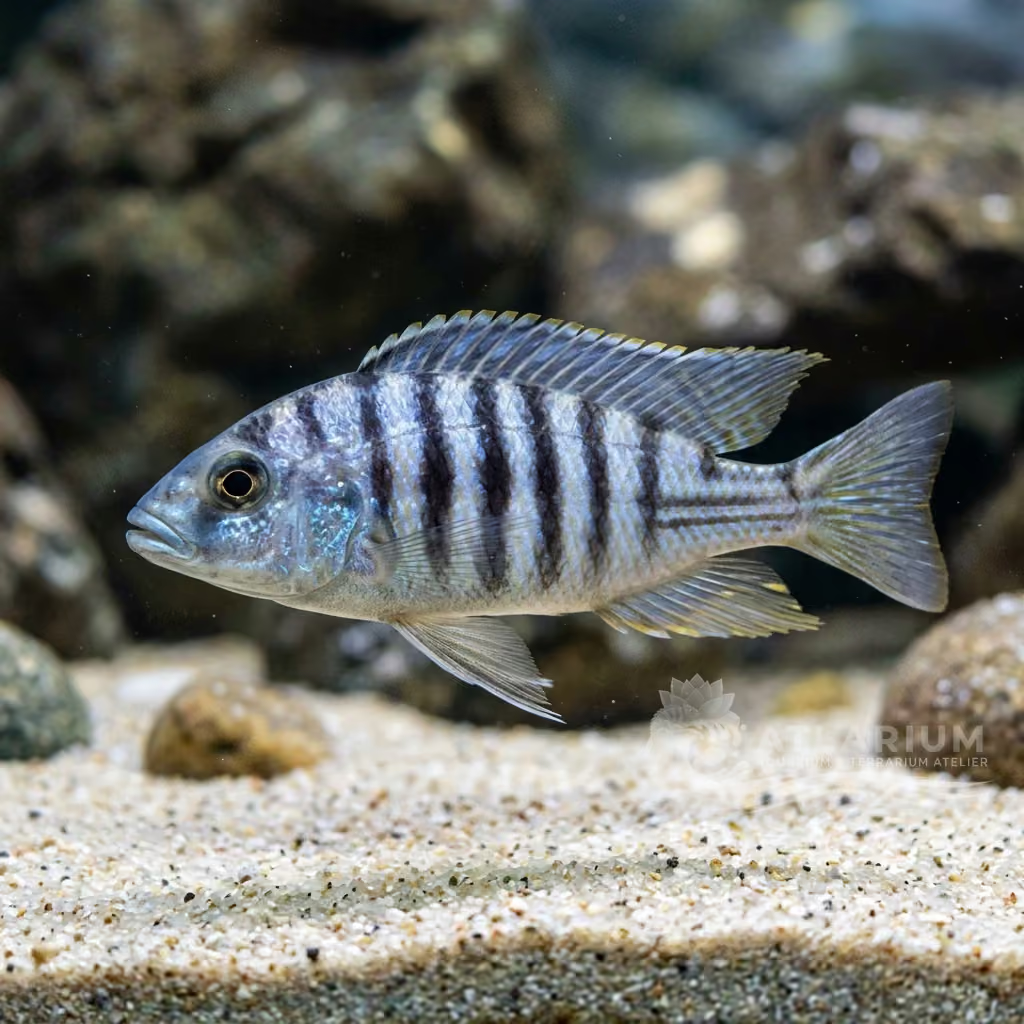
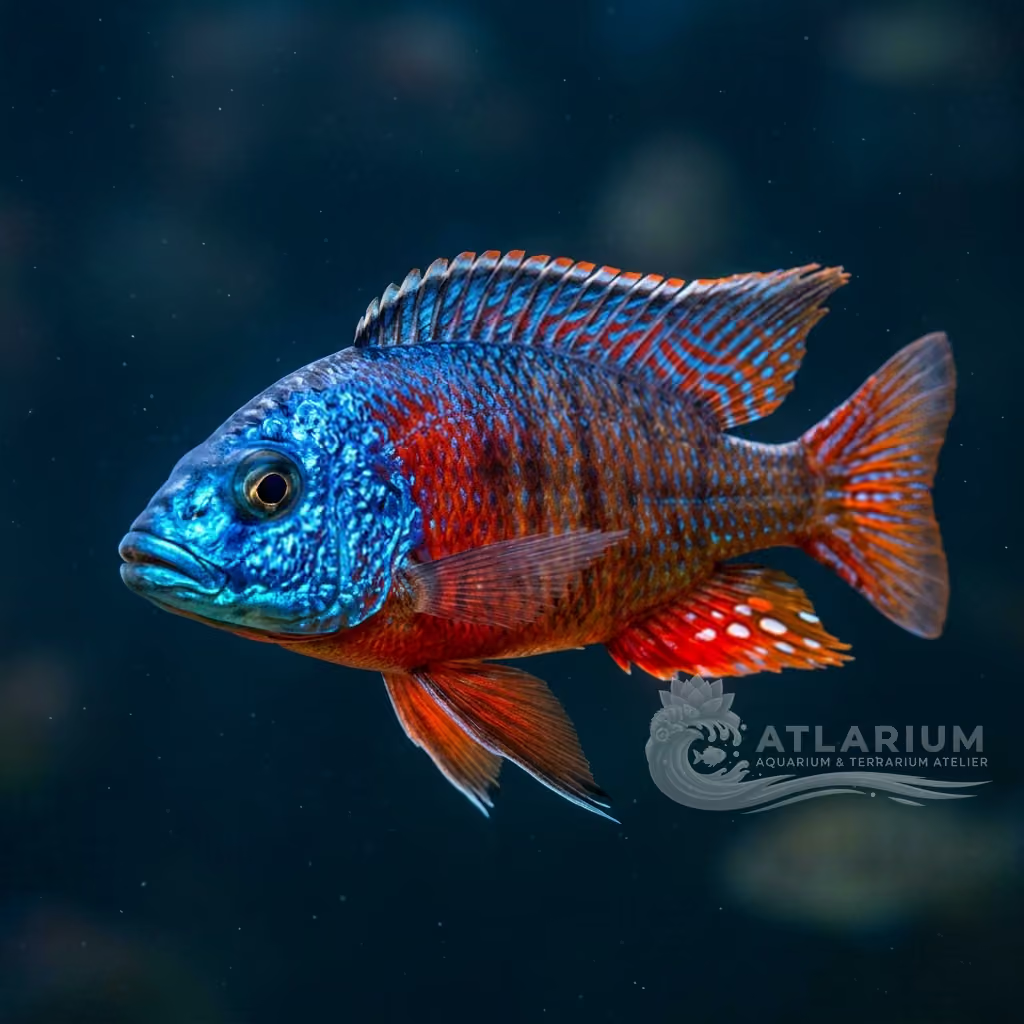
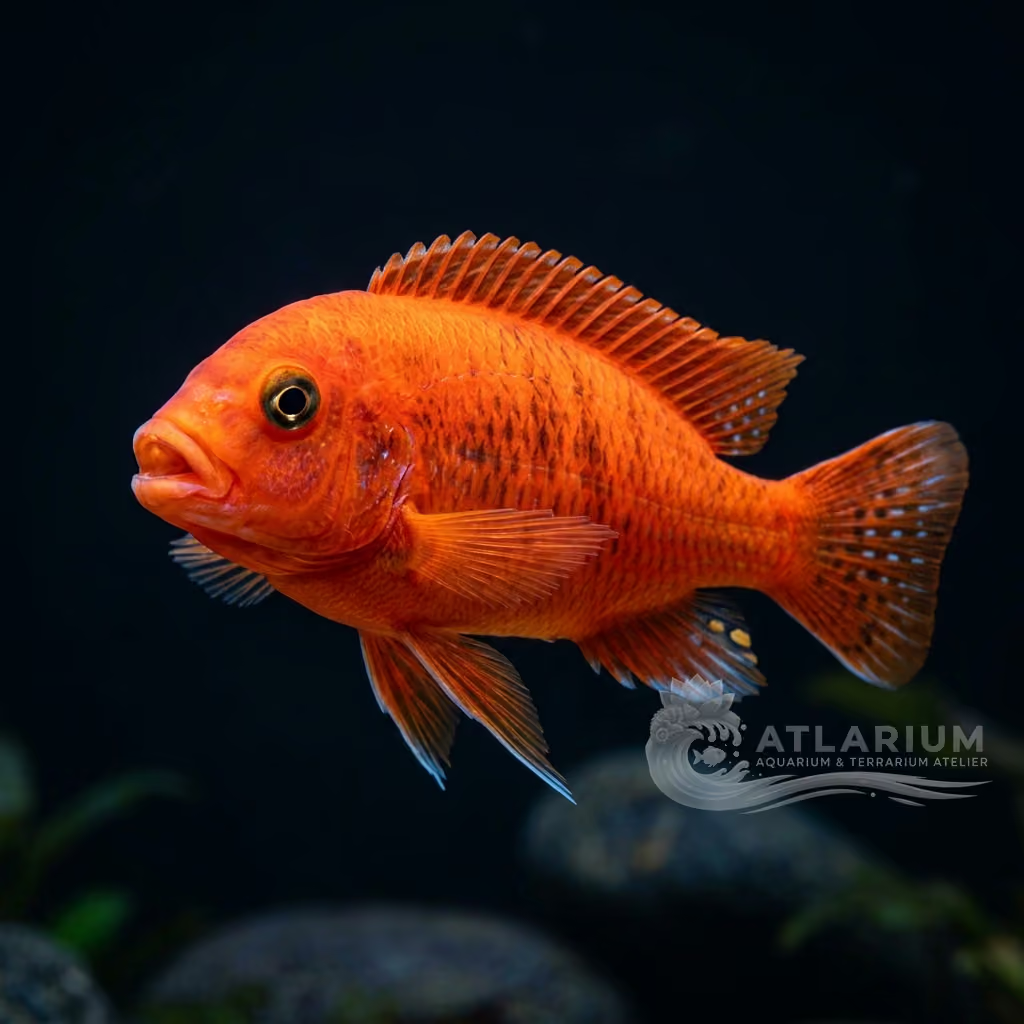
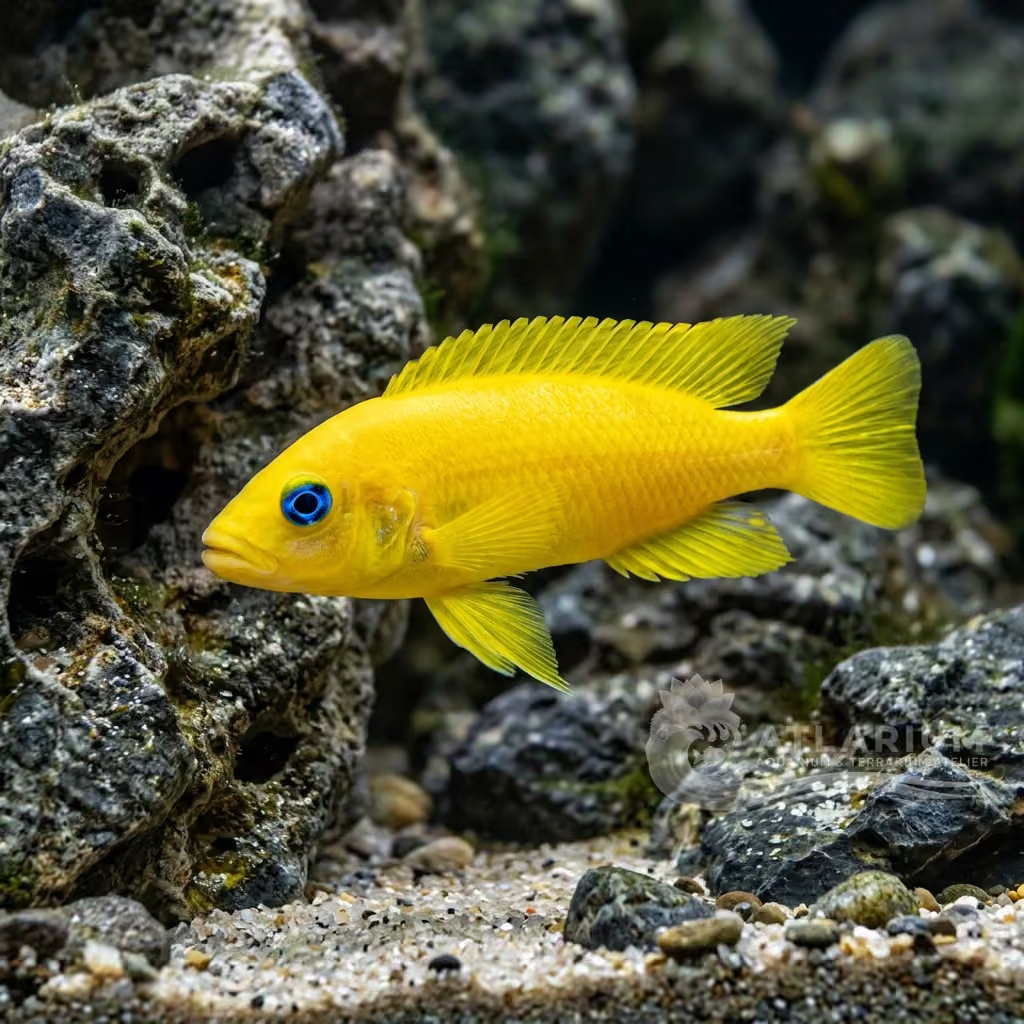
Coloration and Sexual Dimorphism: Extreme polymorphism. The standard male pattern is electric blue with dark blue vertical stripes. Females are often "OB" (Orange Blotch) or "O" (pure Orange). There are spectacular Marmalade Cat and Thumbi West variants.

Care, breeding and tankmates
Aquarium Setup: Spacious Malawi tank (min. 120-150 cm / 48-60 inches). Decor consisting of huge round boulders stably stacked to create primary caves. Intense lighting to promote algal growth essential to its diet. Very strong water flow (Wavemakers).
Diet and Feeding: Hyper-specialized herbivore. Uses its rasping snout to tear tough algae (Aufwuchs). In the tank it absolutely needs flake or sinking pellet food rich in Spirulina and low in animal protein. Absolutely no food for carnivores.
Water Quality: Needs the typical hard and alkaline water of the Rift (pH > 7.8, high KH). Extremely intolerant of nitrates; surface turbulence must guarantee oxygen saturation.
Compatibility and Cohabitation: Compatible only with other robust Mbunas (Metriaclima, Pseudotropheus, Melanochromis) of different coloration. It is recommended to keep it in a harem (1 male and 3+ females) to dilute its amorous arrogance.
Aquarium Breeding: Maternal Mouthbrooder. The male attracts the female to the sand nest, after spawning the female collects eggs and sperm in her mouth. Incubates for about 21-28 days then releasing 20-30 fully formed fry.
Risks and Diseases: Malawi Bloat. Its curse. If fed with tubifex, bloodworms or discus pastes, its very long herbivorous intestine will go into lethal occlusion, killing it in excruciating pain.

Geographic origin and distribution
Lake Malawi (Endemic). Exclusively frequents exposed rocky coasts ("Upper Rocky" habitat with high turbulence), swimming close to the cliffs to graze algae among the crashing waves.
Origin
Africa and MadagascarEurope, Mediterranean, and West Asia

Fish profile
- Temperament
- Semi-aggressive
- They are highly aggressive, territorial, and hyperactive. Males are particularly belligerent and will aggressively chase females and rival males. A crowded, rock-filled aquarium is required to manage their fierce temperaments.
- Diet
- Omnivore
- They are strict herbivores that graze on algae covering rocks in the wild. Their diet must consist primarily of high-quality spirulina flakes and algae-based pellets. High-protein or meaty foods must be strictly avoided to prevent fatal 'Malawi bloat'.
- Life expectancy
- 10-12 years
- Adult size
- 18 cm
- Sex ratio
- Harem
- It is critical to keep one male with a harem of at least three to four females. Keeping multiple males will result in fighting to the death unless the aquarium is exceptionally large. The harem structure disperses the male's relentless mating aggression.
- Feeding frequency
- Twice daily
- Feed them small amounts two to three times a day. Frequent, small vegetable-based meals replicate their constant natural grazing behavior. Ensure all food is consumed within minutes to prevent water fouling.
- Bioload
- High
- This Mbuna cichlid produces a high bioload due to its size and active grazing habits. Heavy mechanical and biological filtration is absolutely essential. Weekly water changes of 30-50% are strongly recommended to maintain optimal water parameters.
- Flow
- Stagnant
- They prefer strong water movement that simulates the wave-washed rocky shores of Lake Malawi. Excellent surface agitation is required to maintain high dissolved oxygen levels. Powerheads can be used to provide the strong currents they enjoy.
- Jump risk
- Yes
- There is a significant jump risk, especially when chasing or being chased by other fish. A tight and secure lid is mandatory for this species. Lowering the water level slightly can also help prevent them from hitting the lid.
- Reproduction
- Oviparous
- They are maternal mouthbrooders, meaning the female carries the fertilized eggs in her mouth until they hatch. The female will hide in the rockwork for weeks while incubating the fry. Stripping the fry from the mother's mouth is a common practice among breeders to ensure survival.
- Compatibility & tankmates
- Semi-aggressive
- They are highly aggressive and should only be kept with other robust Mbuna cichlids from Lake Malawi. Do not house them with peaceful community fish or delicate species. Overstocking the tank slightly can help diffuse their extreme territorial aggression.
- Tank level
- Middle/Bottom
- They are primarily lower to mid-level dwellers that stay close to the rockwork. They spend their days continuously scraping algae off stones using their specialized overhanging snout. They rarely venture into open water away from the rocks.

Scientific Parameters & Models
FishBase
Window to the official scientific data of the species
FishBase v25.04Data synced on: 06/15/2026
- Trophic level
- 2.8 ± 0.3 se
- Resilience
- Medium (1.4 - 4.4 years)
- Phylogenetic uniqueness (PD50)
- 0.5005
- Bayesian Length-Weight
- a = 0.01905, b = 3.01
- VulnerabilityLow to moderate vulnerability (27 / 100)

Related species
Recommendations grouped by close relatives, companion choices, and similar care.