Chain Moray Eel
Echidna catenata
The Crab Crusher (28 inches / 70 cm). Features molar-like blunt teeth specifically evolved to smash and grind through heavy crab shells instead of eating fish.
Water Temperature
24 - 28 °C
pH Value
8.1 - 8.4
Water type
Marine
Tank level
Bottom
Adult size
70 cm
Minimum tank volume
>= 500 L
Minimum group
>= 1
KH
4 - 6 dKH

Species description
Geographical Origin and Habitat: MARINE moray eel endemic to the Western Atlantic (Florida, Bermuda, Bahamas, Caribbean down to Brazil). Inhabits very shallow waters, tide pools, and coral shoals, even managing to forage briefly out of the water.
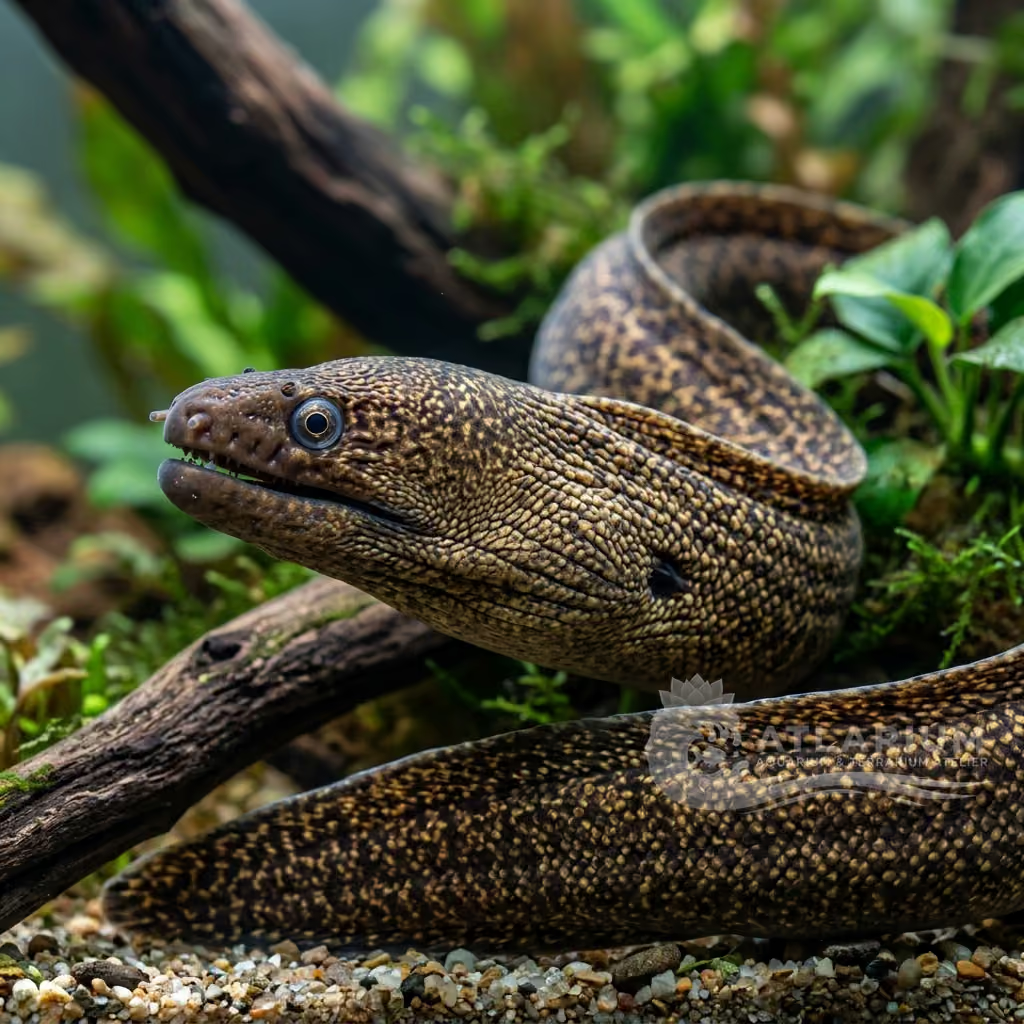
Taxonomy and Morphology: Chain Moray (Echidna catenata). Like all Echidna morays, it is equipped with conical and rounded teeth (molars) suitable for crushing shells, rather than needle-like teeth. Serpentine body, devoid of pectoral and pelvic fins.
Social Behavior: Benthic hunter, strictly crepuscular and nocturnal. Spends 90% of the day holed up with only its head sticking out of the rocks. It breathes by opening and closing its mouth, a gesture that is not a threat but a respiratory necessity.
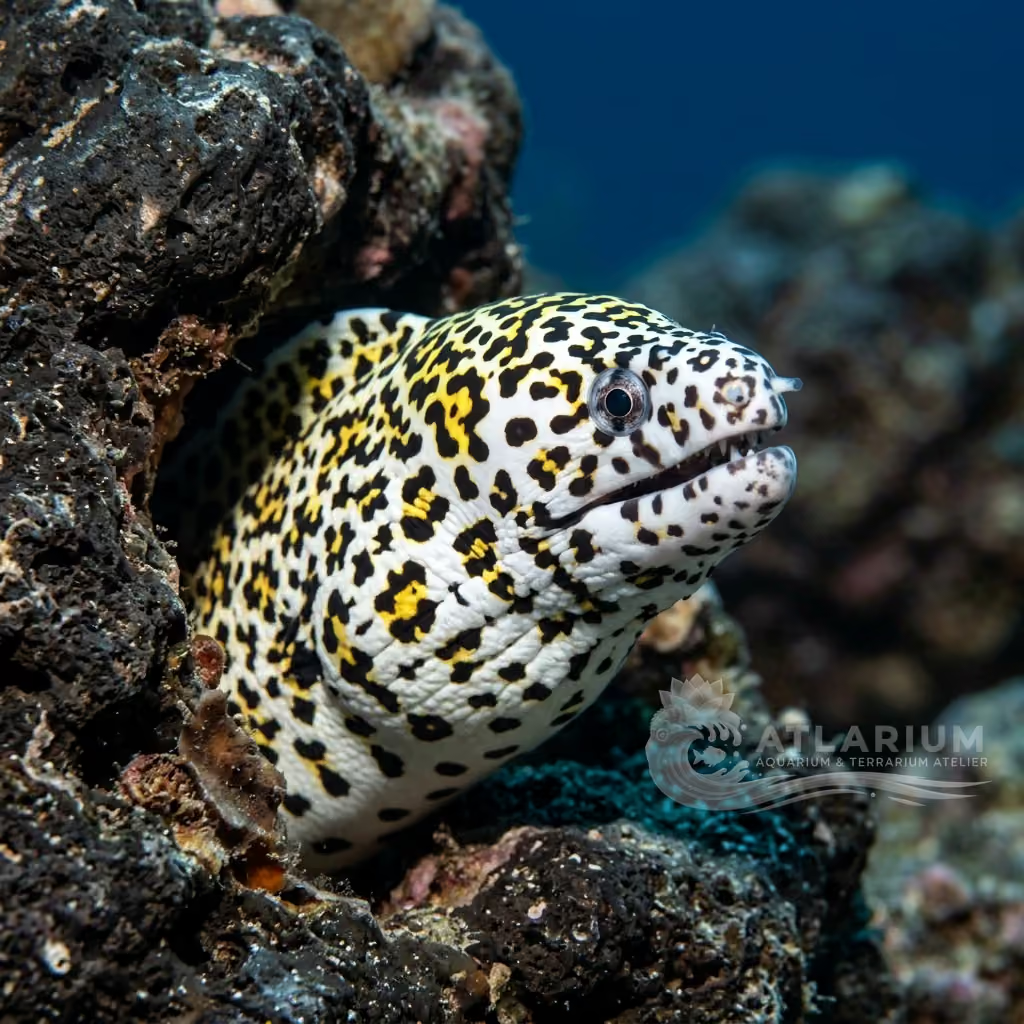
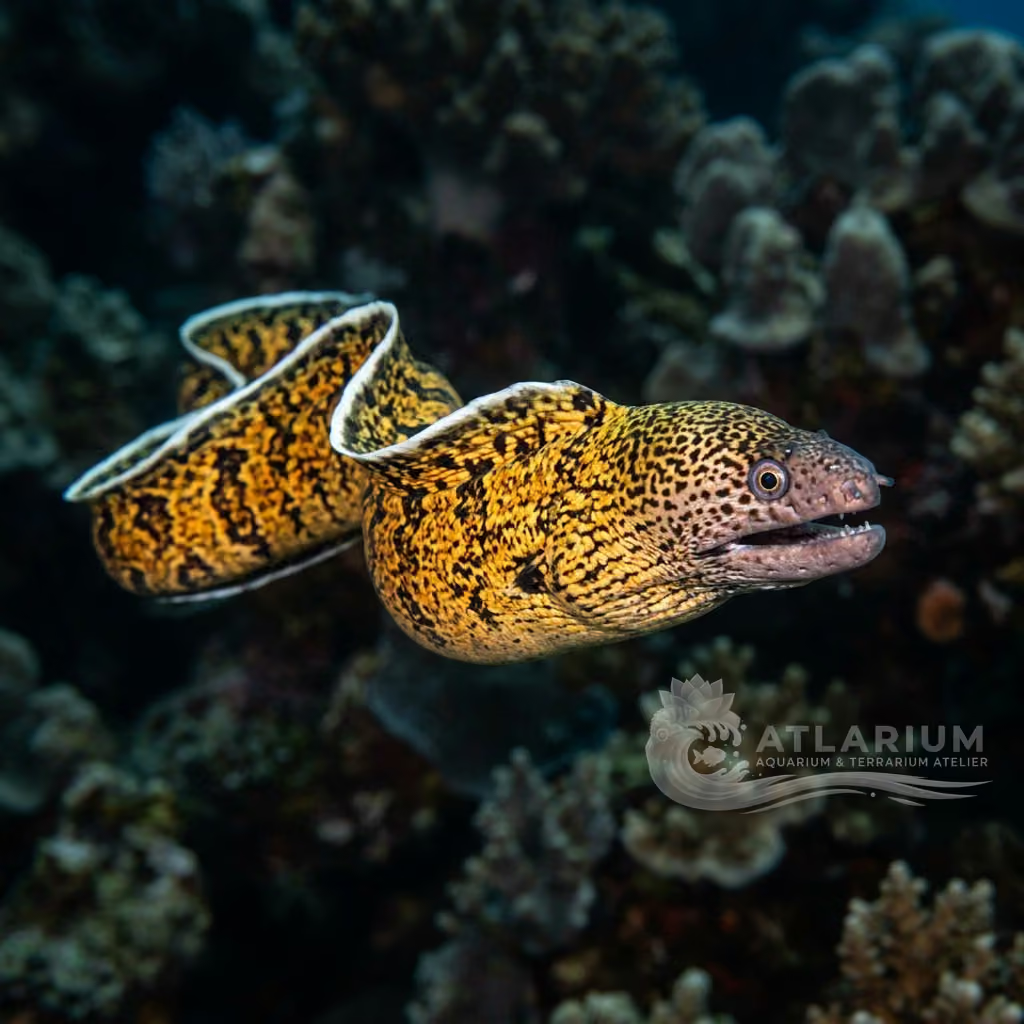
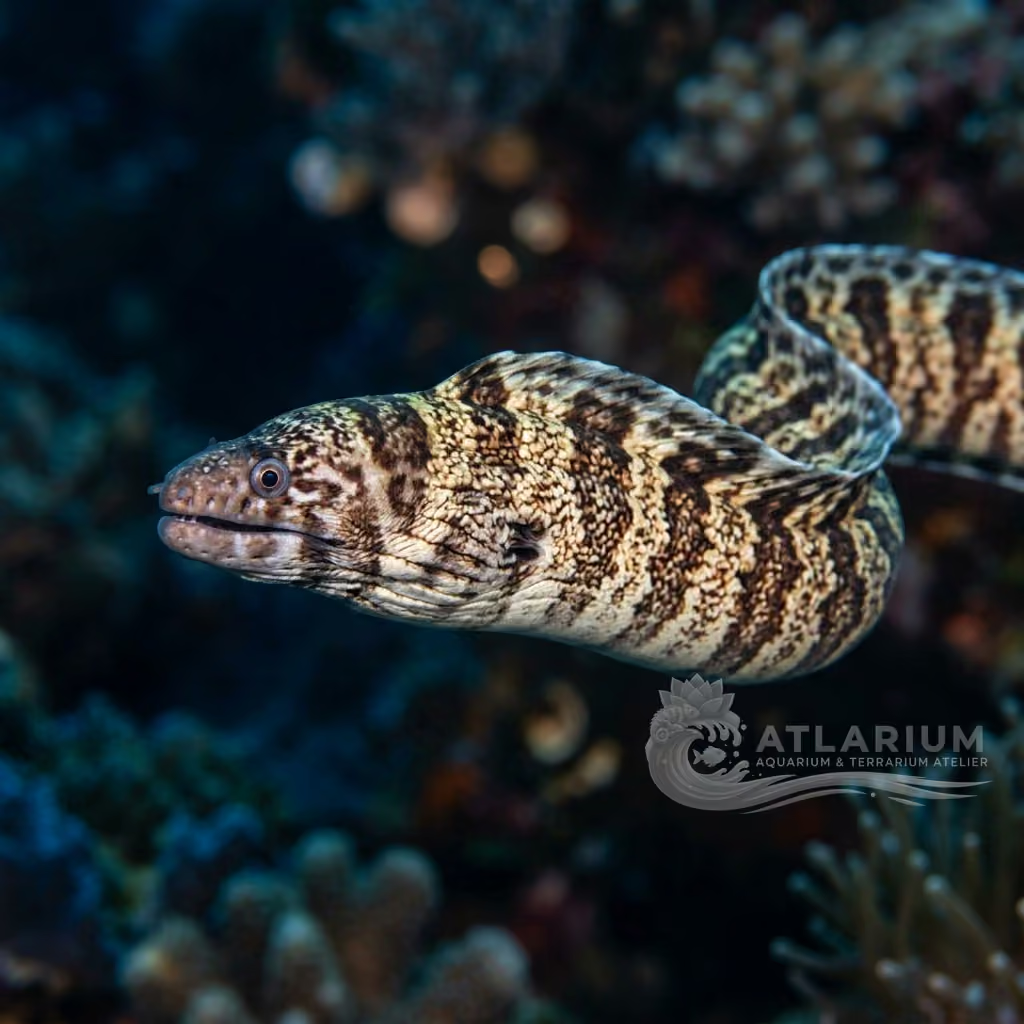
Coloration and Sexual Dimorphism: Name derived from the "chain" pattern: dark background (blackish-brown) crossed by an irregular network of yellow-cream rings and striations resembling a chain. No obvious sexual dimorphism.

Care, breeding and tankmates
Aquarium Setup: Minimum 400-500 liter (100-130 gallon) tank. HERMETIC and weighted LID absolutely mandatory (it will find every escape route). Needs live rocks securely fastened together (marine silicone or putty) to create sturdy tubular dens.
Diet and Feeding: Durophagous carnivore. Predator of crustaceans. In captivity, it must be fed 2-3 times a week (using long tongs to avoid accidental bites) with whole unpeeled shrimp, small crabs, cuttlefish, and mussels.
Water Quality: Being a large predatory fish, it produces a lot of pollution (messy eater). Salinity 1.020-1.025, pH 8.1-8.4. Oversized skimmer essential.
Compatibility and Cohabitation: Reef Safe "with caution": does not touch corals, but will devour invertebrates (crabs, shrimp, snails). Can coexist with large fish (Angelfish, Tangs, Triggerfish) that do not fit in its mouth.
Aquarium Breeding: Undocumented in captivity. In nature, eggs hatch into transparent larvae called leptocephali, which float in the plankton before transforming into young eels.
Risks and Diseases: Risk #1 is death by dehydration escaping from the tank (expert escapologist). The bite is painful and prone to secondary infections (due to oral bacterial flora). Keep water values stable.

Geographic origin and distribution
MARINE moray eel endemic to the Western Atlantic (Florida, Bermuda, Bahamas, Caribbean down to Brazil). Inhabits very shallow waters, tide pools, and coral shoals, even managing to forage briefly out of the water.
Origin
Central America and Caribbean

Fish profile
- Temperament
- Semi-aggressive
- They possess a semi-aggressive temperament, largely driven by their predatory instincts rather than pure malice. While they generally ignore fish that are too large to eat, they fiercely defend their chosen cave from intruders. Poor eyesight means they rely heavily on smell to hunt, which can lead to accidental bites during feeding time. Careful hand placement and cautious tank mate selection are essential for safety.
- Diet
- Omnivore
- This species is a specialized carnivore that preys primarily on hard-shelled invertebrates in the wild. In captivity, they must be fed a varied diet of meaty marine foods like raw table shrimp, squid, clams, and silversides. Using feeding tongs is highly recommended to ensure they receive food without accidentally biting the aquarist's hands. Their blunt teeth are perfectly evolved for crushing shells rather than tearing flesh.
- Life expectancy
- 10 years
- Adult size
- 70 cm
- Sex ratio
- Solitary
- Determining the sex of this eel visually is impossible, as they show no obvious sexual dimorphism. They are highly territorial towards their own kind and other eel species. For this reason, they are almost exclusively kept as solitary specimens in home aquariums. Attempting to keep multiple individuals usually results in severe aggression and potentially fatal fights.
- Feeding frequency
- Twice daily
- Unlike active swimmers, this eel possesses a slower metabolism and does not require daily feeding. Offering a substantial meal two to three times a week is generally optimal for adult specimens. Overfeeding can lead to rapid deterioration of water quality and severe fatty liver disease in the eel. It is normal for them to occasionally go on hunger strikes, refusing food for weeks at a time.
- Bioload
- Extreme
- The Echidna catenata produces a tremendous amount of waste due to its large size and heavy, carnivorous diet. Eels have a very high metabolic waste output that can quickly overwhelm standard filtration systems. A large protein skimmer and heavy mechanical filtration are essential for maintaining stable water parameters. Frequent and substantial water changes are also highly recommended to control nitrates.
- Flow
- Moderate
- Echidna catenata needs steady, moderate circulation distributed across the aquarium rather than a narrow, forceful jet. Minimum 400-500 liter (100-130 gallon) tank. HERMETIC and weighted LID absolutely mandatory (it will find every escape route). This preserves useful water exchange while retaining calmer shelter for rest and feeding.
- Jump risk
- Yes
- Eels are notorious escape artists and pose an extreme jump and escape risk. The aquarium must be fitted with a tight, completely sealed lid with no gaps whatsoever. They can squeeze through unbelievably small openings around overflow boxes, heaters, or plumbing returns. Securing the lid with weights or locking mechanisms is heavily advised to prevent finding them on the floor.
- Reproduction
- Oviparous
- Breeding the Echidna catenata in a home aquarium has not been successfully documented. In their natural habitat, they are broadcast spawners that release gametes into the water column during specific lunar cycles. The leptocephalus larvae drift in the ocean currents for an extended period before settling onto the reef. Duplicating these complex environmental triggers and spatial requirements is impossible for the average aquarist.
- Compatibility & tankmates
- Reef safe
- While often considered 'reef safe' with corals, this eel will absolutely consume any ornamental crustaceans like crabs and shrimp. They should only be housed with moderately sized, robust fish that cannot be easily swallowed whole. Small gobies, blennies, or dartfish will eventually become an expensive meal. Carefully choosing semi-aggressive tank mates ensures a harmonious and balanced community.
- Tank level
- Bottom
- The Echidna catenata is strictly a bottom-dwelling species that rarely leaves the safety of the substrate. They require an intricate network of PVC pipes or stable rockwork caves to feel secure and hide their long bodies. You will typically only see their heads protruding from their chosen crevice during the day. They may occasionally roam the bottom of the tank at night in search of food.

Scientific Parameters & Models
FishBase
Window to the official scientific data of the species
FishBase v25.04Data synced on: 06/15/2026
- Trophic level
- 3.6 ± 0.59 se
- Resilience
- Very low (more than 14 years)
- Phylogenetic uniqueness (PD50)
- 0.5005
- Bayesian Length-Weight
- a = 0.00049, b = 3.26
- VulnerabilityVery high vulnerability (90 / 100)

Related species
Recommendations grouped by close relatives, companion choices, and similar care.