
Encyclopaedia
Goldentail Moray
Gymnothorax miliaris
The Goldentail Moray is a solitary eel adorned with golden-yellow spots and a bright tail. It requires a tightly sealed, large aquarium with heavy rockwork and a meaty diet fed safely using tongs.
Share
Check out Goldentail Moray on Atlarium
22 - 27 °C
8 - 8.5
Marine
Bottom
70 cm
>= 380 L
>= 1
8 - 12 dKH
Species description
Care, breeding and tankmates
Geographic Origin and Distribution
Origin
Fish profile
- Temperament
- Territorial
- Diet
- Carnivore
- Sex ratio
- Solitary
- Feeding frequency
- Weekly
- Bioload
- High
- Flow
- Strong
- Jump risk
- Yes
- Reproduction
- Oviparous
- Compatibility & tankmates
- Semi-aggressive
- Tank level
- Bottom
Window to the official scientific data of the species
Scientific Parameters & Models
- Trophic level
- 3.9 ± 0.63 se
- Resilience
- Medium (1.4 - 4.4 years)
- Phylogenetic uniqueness (PD50)
- 0.5
- Bayesian Length-Weight
- a = 0.00098, b = 3.24
Image gallery
Licensed images linked to the species or, when marked, to the closest representative taxon.
Related species
Recommendations grouped by close relatives, companion choices, and similar care.
Variants and close relatives
Same atlas type, nearby scientific identity, genus, or family.

Fimbriated Moray
Gymnothorax fimbriatus

Golden dwarf moray eel
Gymnothorax melatremus
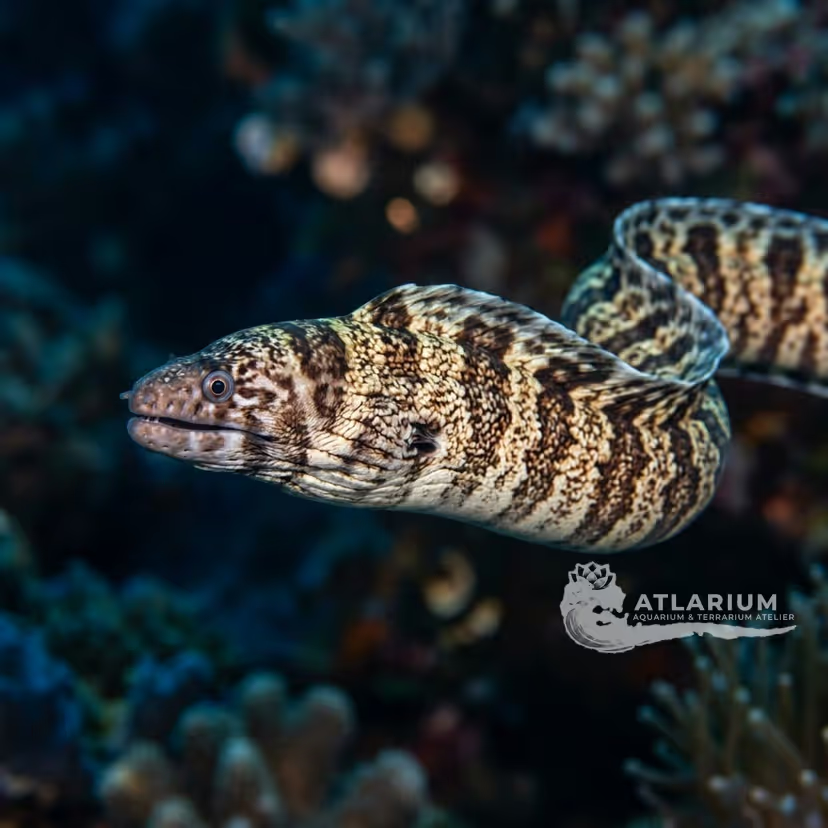
Barred-fin moray
Gymnothorax zonipectis

Kidako moray
Gymnothorax kidako

Painted moray
Gymnothorax pictus

Spotted Moray
Gymnothorax moringa

Freshwater Moray Eel
Gymnothorax tile

Ribbon Eel
Rhinomuraena quaesita

Chain Moray Eel
Echidna catenata

Snowflake Moray Eel
Echidna nebulosa
Recommended companions
Compatible cards from coherent ecosystems with matching parameters.

Grape caulerpa
Caulerpa racemosa

Caulerpa prolifera
Caulerpa prolifera
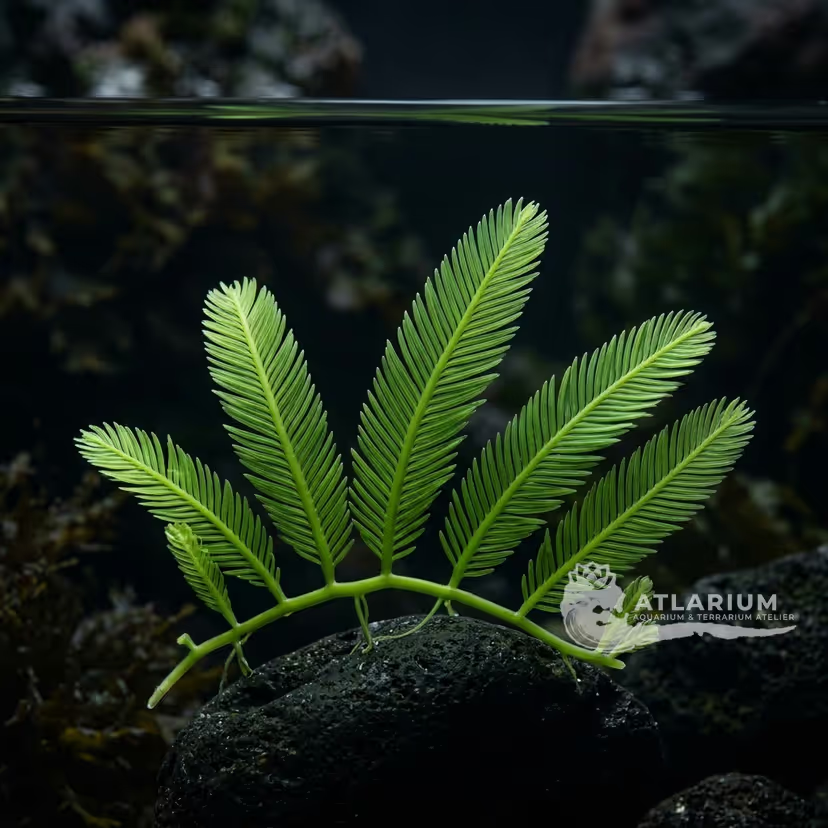
Caulerpa taxifolia
Caulerpa taxifolia
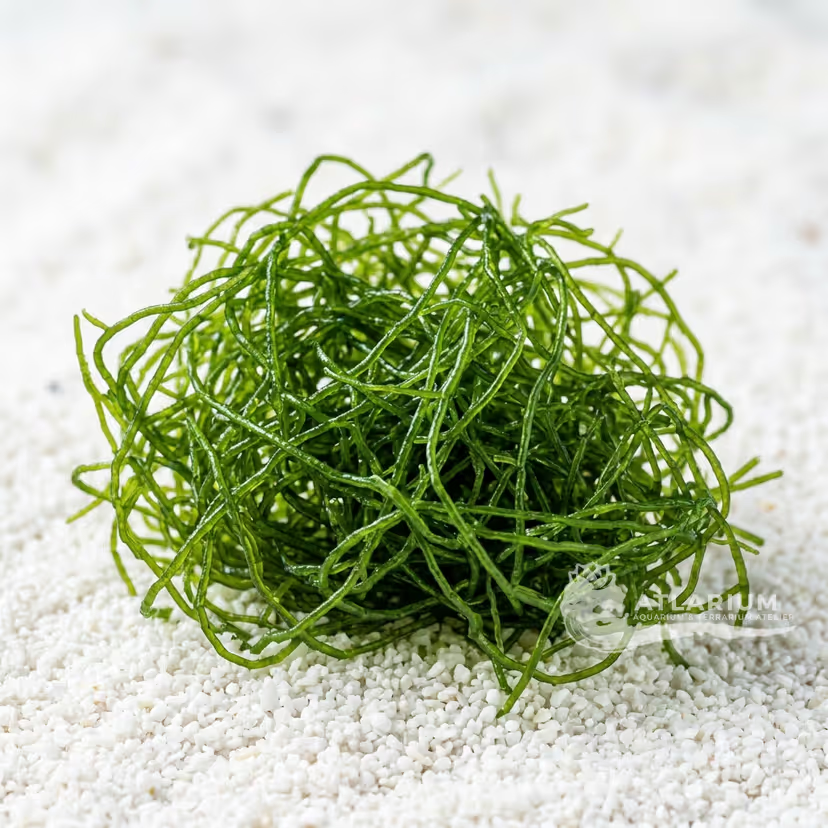
Chaetomorpha macroalgae
Chaetomorpha linum

Dead man fingers algae
Codium fragile

Halimeda macroalgae
Halimeda opuntia

Peacock tail algae
Padina pavonica

Red gracilaria
Gracilaria parvispora

Red grape algae
Botryocladia uvaria

Sea lettuce
Ulva lactuca

Red Mangrove
Rhizophora mangle
Similar care
Cards with similar requirements, difficulty, habitat, and husbandry profile.
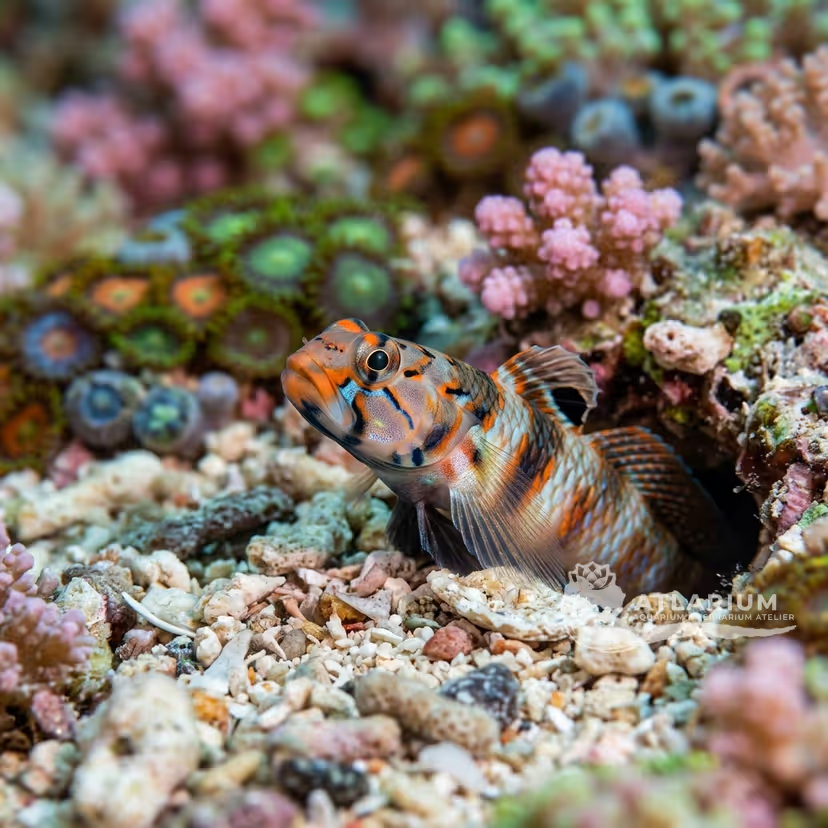
Aurora Goby
Amblyeleotris aurora

Girdled goby
Priolepis cincta

Banded-head Shrimpgoby
Amblyeleotris cephalotaenius

Barsnout goby
Elacatinus illecebrosus

Beautiful-cheek shrimpgoby
Amblyeleotris callopareia
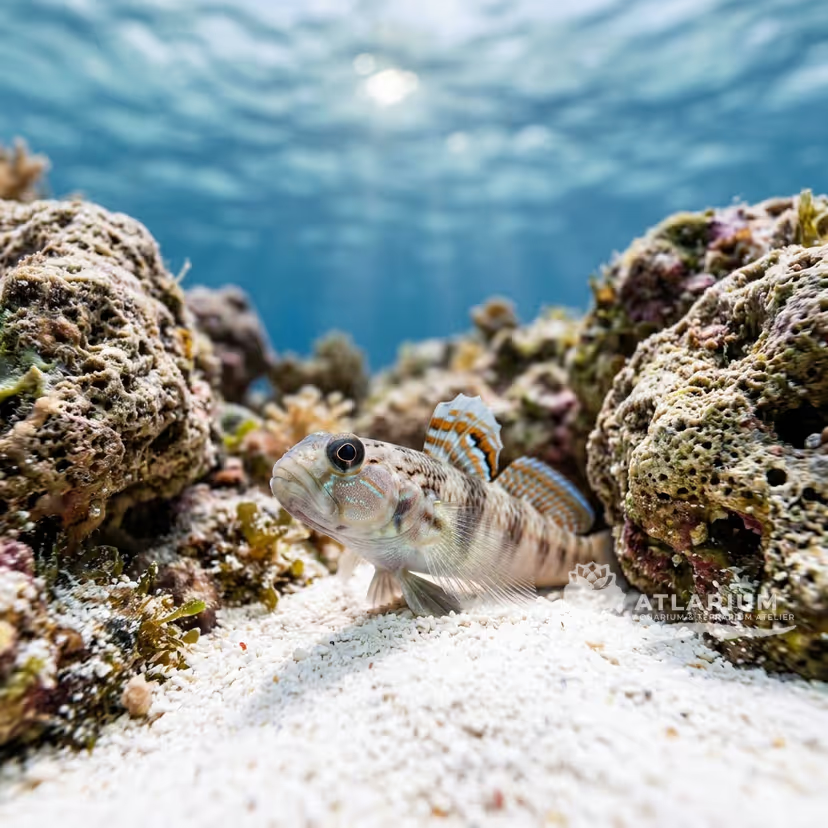
Downing's Shrimpgoby
Amblyeleotris downingi
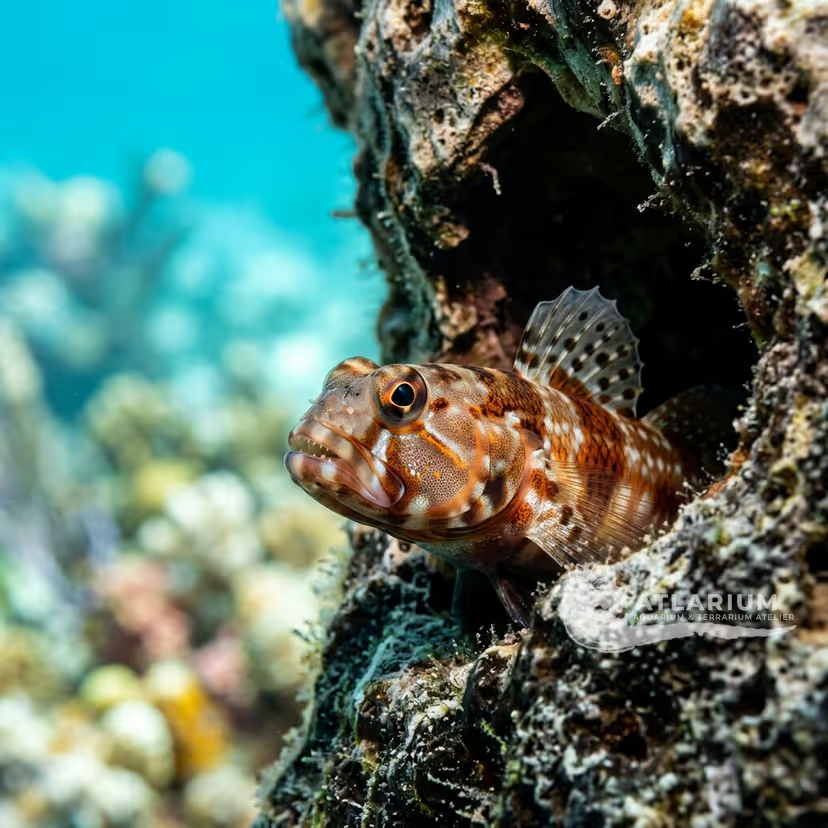
Ellipse shrimpgoby
Amblyeleotris ellipse

Starry blenny
Salarias ramosus

Bleeker's Shrimpgoby
Amblyeleotris bleekeri
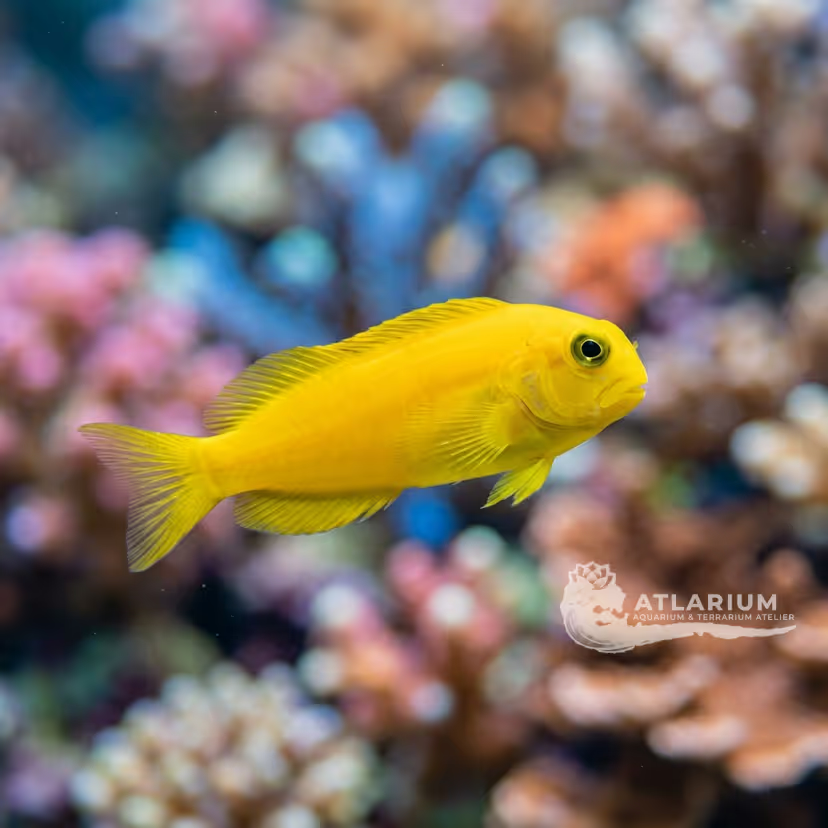
Canary fangblenny
Meiacanthus oualanensis

Convict Blenny
Pholidichthys leucotaenia

Forktail blenny
Meiacanthus atrodorsalis

Barber Goby
Elacatinus figaro
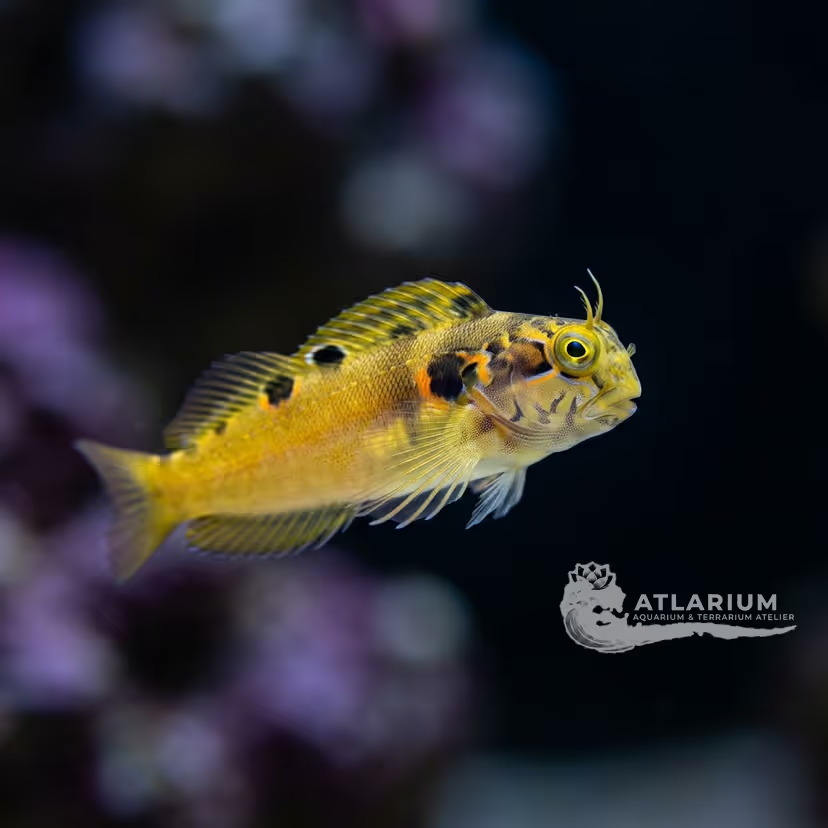
Two-spot bimaculatus blenny
Ecsenius bimaculatus

Arch-fin shrimpgoby
Amblyeleotris arcupinna

Erdmann's dottyback
Pseudochromis erdmanni