
Encyclopaedia
Kidako moray
Gymnothorax kidako
A robust marine moray eel native to the western Pacific Ocean, featuring a dark brown body decorated with yellowish-cream spots and a solitary predatory lifestyle.
Share
Check out Kidako moray on Atlarium
20 - 25 °C
8.1 - 8.4
Marine
Bottom
90 cm
>= 500 L
>= 1
8 - 12 dKH
Species description
Care, breeding and tankmates
Geographic Origin and Distribution
Origin
Fish profile
- Temperament
- Semi-aggressive
- Diet
- Omnivore
- Sex ratio
- Solitary
- Feeding frequency
- Twice daily
- Bioload
- This species generates an exceptionally heavy bioload, rapidly accumulating waste in the system. An oversized filtration setup with a powerful protein skimmer is the absolute minimum requirement. Without diligent and massive water changes, nutrient levels can quickly become toxic to the tank inhabitants.
- Flow
- Stagnant
- Reproduction
- Oviparous
- Compatibility & tankmates
- As a highly effective ambush predator, this fish will eagerly consume any tank mate small enough to fit in its mouth. It is strictly compatible only with large, robust fish that cannot be swallowed. Great care must be taken when introducing new fish, as they may be seen as a sudden meal.
- Tank level
- Bottom
Window to the official scientific data of the species
Scientific Parameters & Models
- Trophic level
- 3.5
Image gallery
Licensed images linked to the species or, when marked, to the closest representative taxon.
Related species
Recommendations grouped by close relatives, companion choices, and similar care.
Variants and close relatives
Same atlas type, nearby scientific identity, genus, or family.
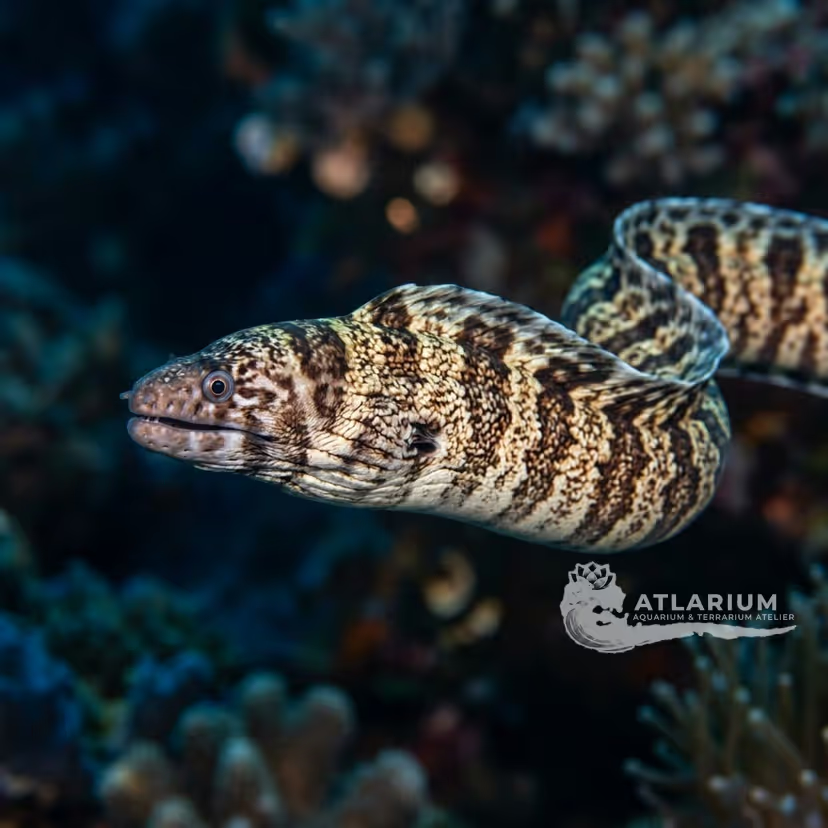
Barred-fin moray
Gymnothorax zonipectis

Golden dwarf moray eel
Gymnothorax melatremus

Goldentail Moray
Gymnothorax miliaris

Painted moray
Gymnothorax pictus

Spotted Moray
Gymnothorax moringa

Fimbriated Moray
Gymnothorax fimbriatus

Freshwater Moray Eel
Gymnothorax tile

Ribbon Eel
Rhinomuraena quaesita

Chain Moray Eel
Echidna catenata

Snowflake Moray Eel
Echidna nebulosa
Recommended companions
Compatible cards from coherent ecosystems with matching parameters.

Grape caulerpa
Caulerpa racemosa

Caulerpa prolifera
Caulerpa prolifera
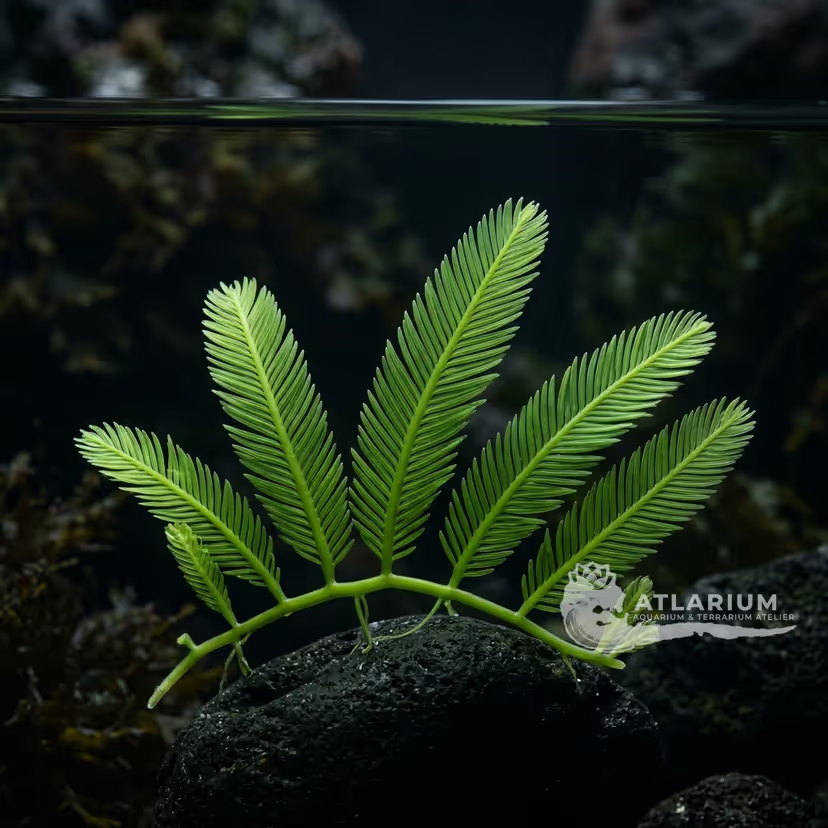
Caulerpa taxifolia
Caulerpa taxifolia
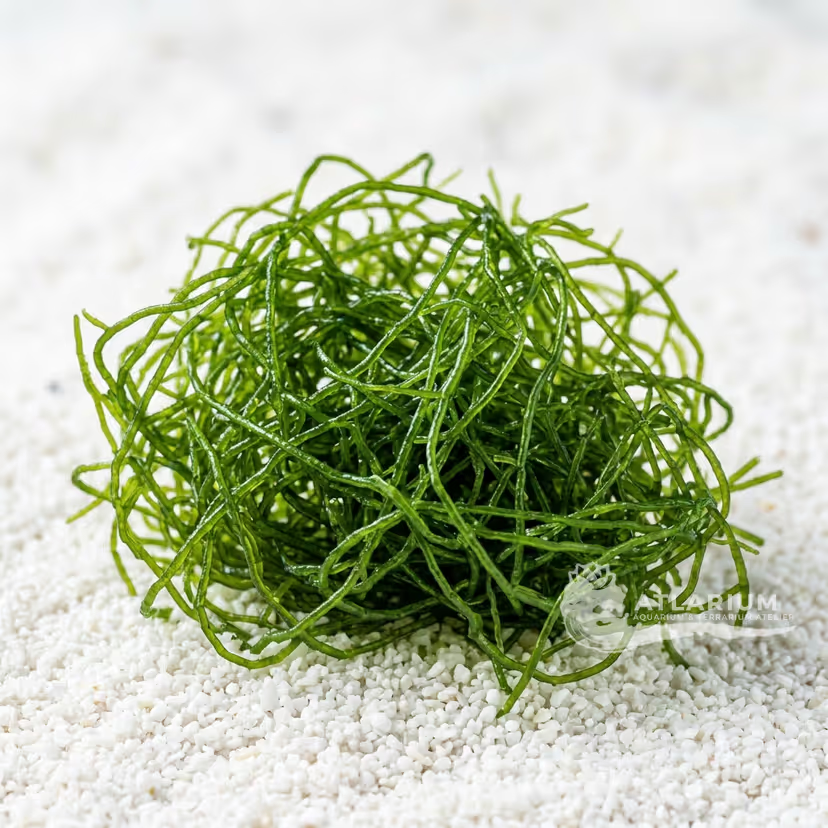
Chaetomorpha macroalgae
Chaetomorpha linum

Dead man fingers algae
Codium fragile

Halimeda macroalgae
Halimeda opuntia

Peacock tail algae
Padina pavonica

Red gracilaria
Gracilaria parvispora

Red grape algae
Botryocladia uvaria

Sea lettuce
Ulva lactuca

Red Mangrove
Rhizophora mangle
Similar care
Cards with similar requirements, difficulty, habitat, and husbandry profile.
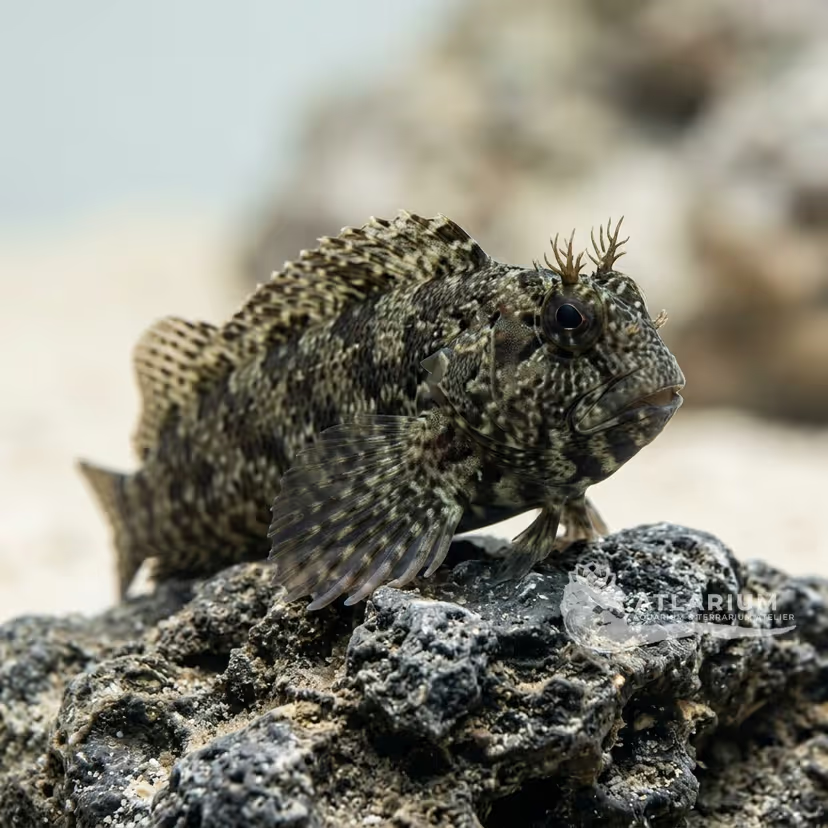
Lawnmower Blenny
Salarias fasciatus

Linear Blenny
Ecsenius lineatus

Aron's blenny
Ecsenius aroni

Australian combtooth blenny
Ecsenius australianus

Banded-head Shrimpgoby
Amblyeleotris cephalotaenius

Chestnut Eyelash Blenny
Cirripectes castaneus
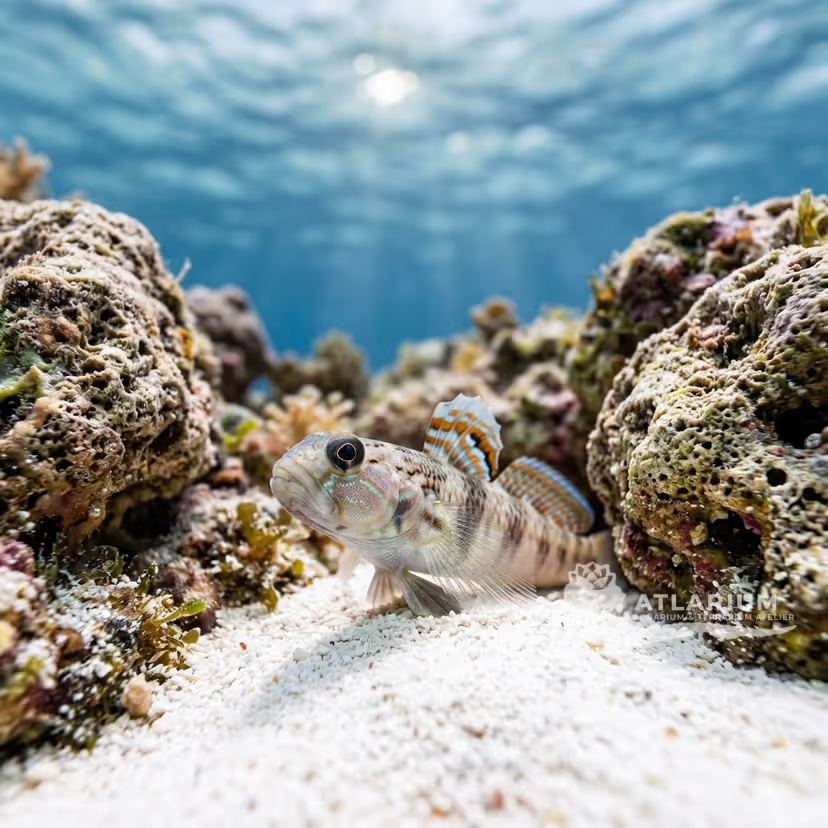
Downing's Shrimpgoby
Amblyeleotris downingi
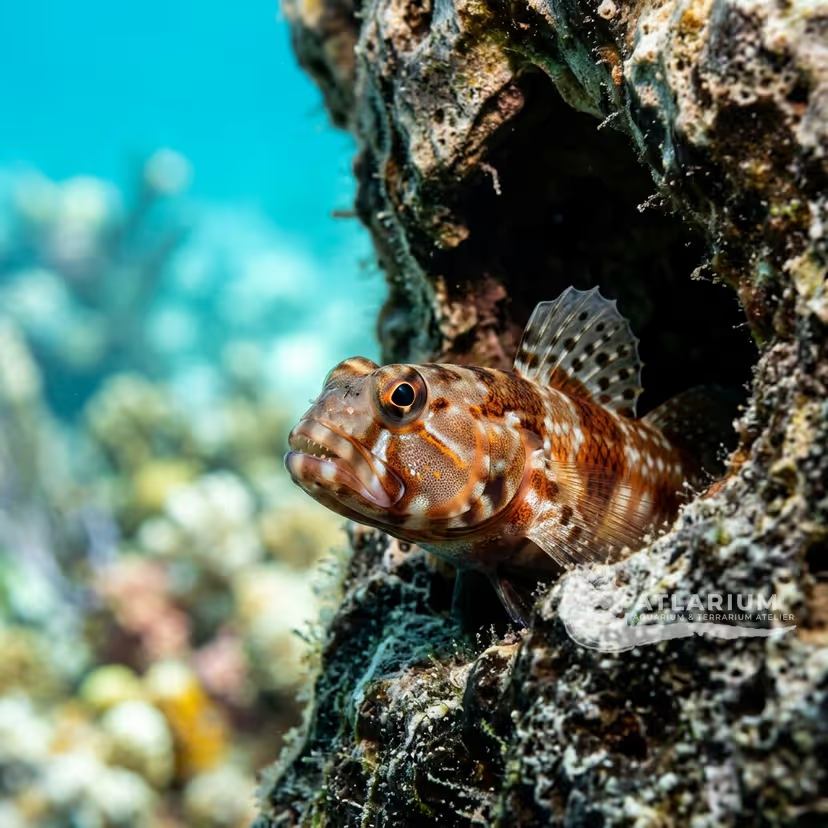
Ellipse shrimpgoby
Amblyeleotris ellipse
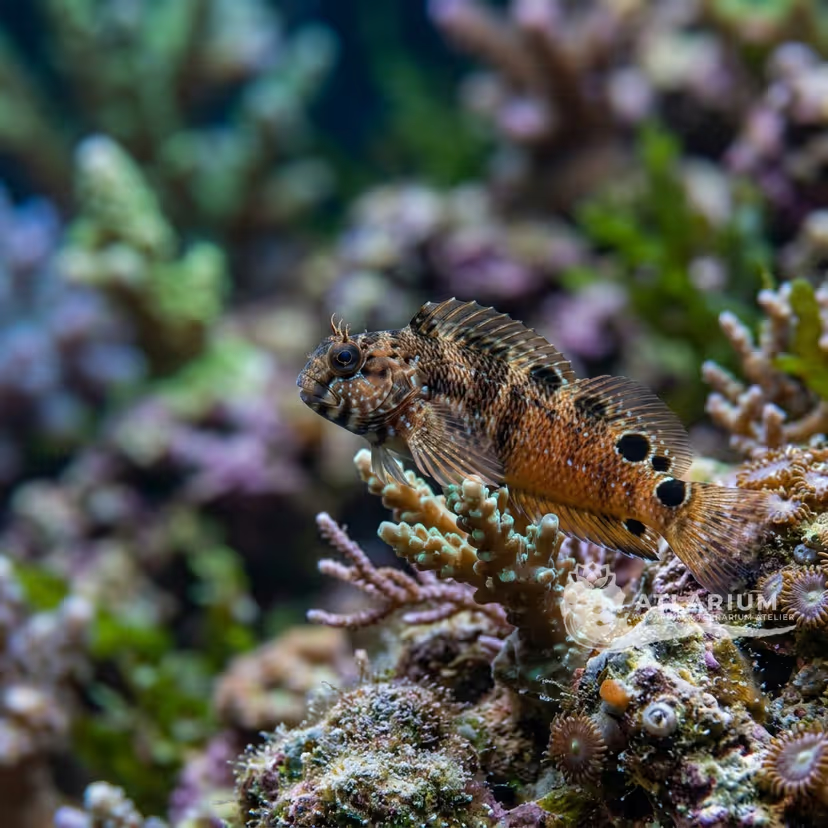
Yellow-eye combtooth-blenny
Ecsenius ops
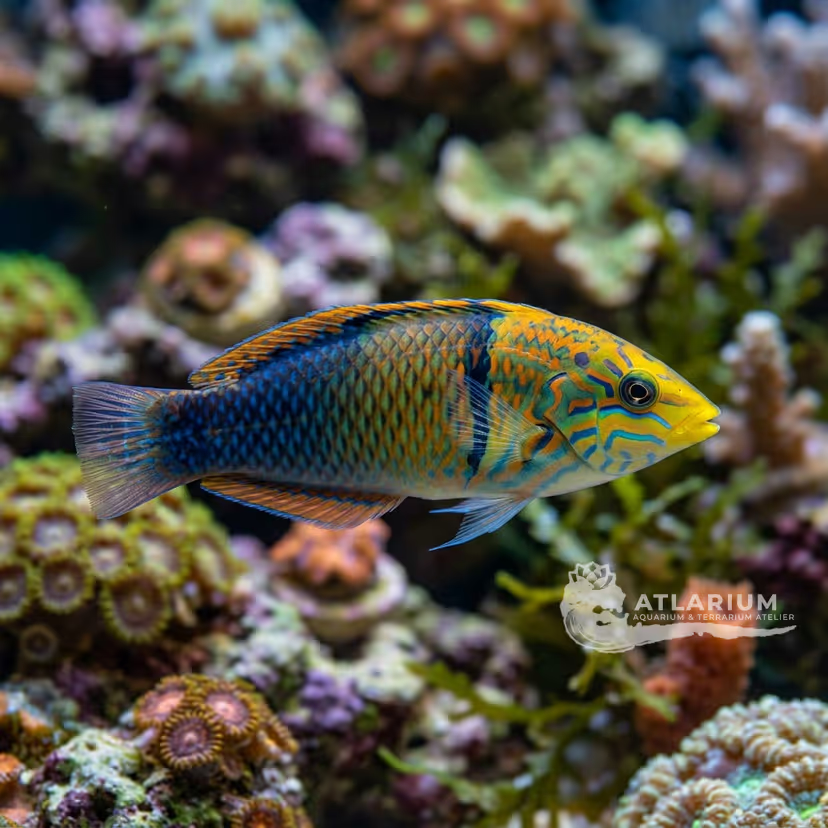
Clown wrasse
Halichoeres maculipinna

Orange-spotted Blenny
Blenniella chrysospilos

Azure damselfish
Chrysiptera hemicyanea
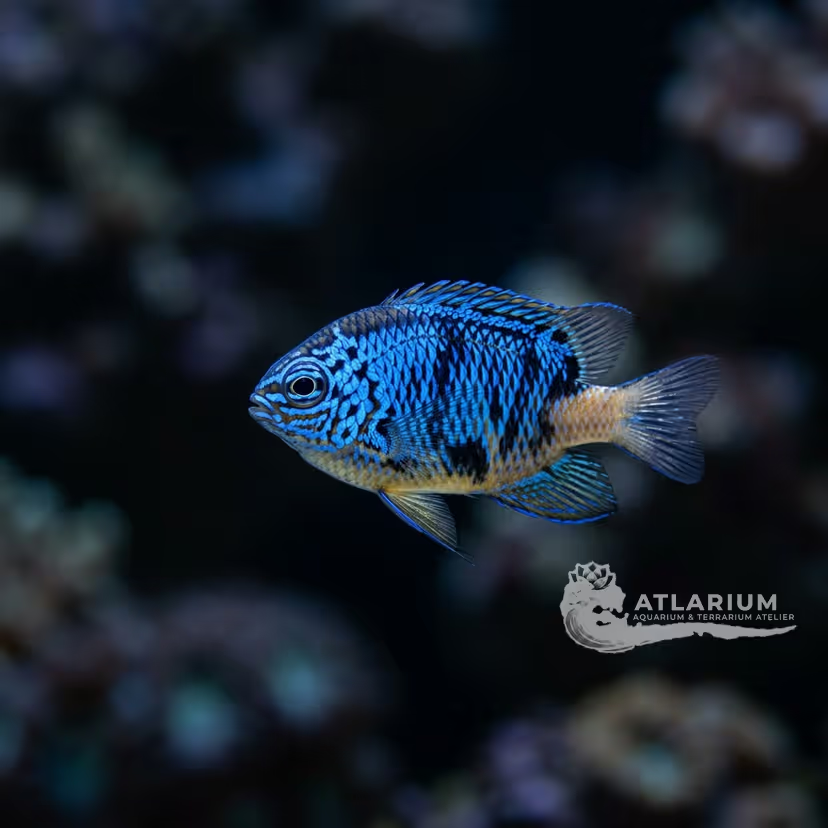
Springer's Damselfish
Chrysiptera springeri

Talbot's Damselfish
Chrysiptera talboti
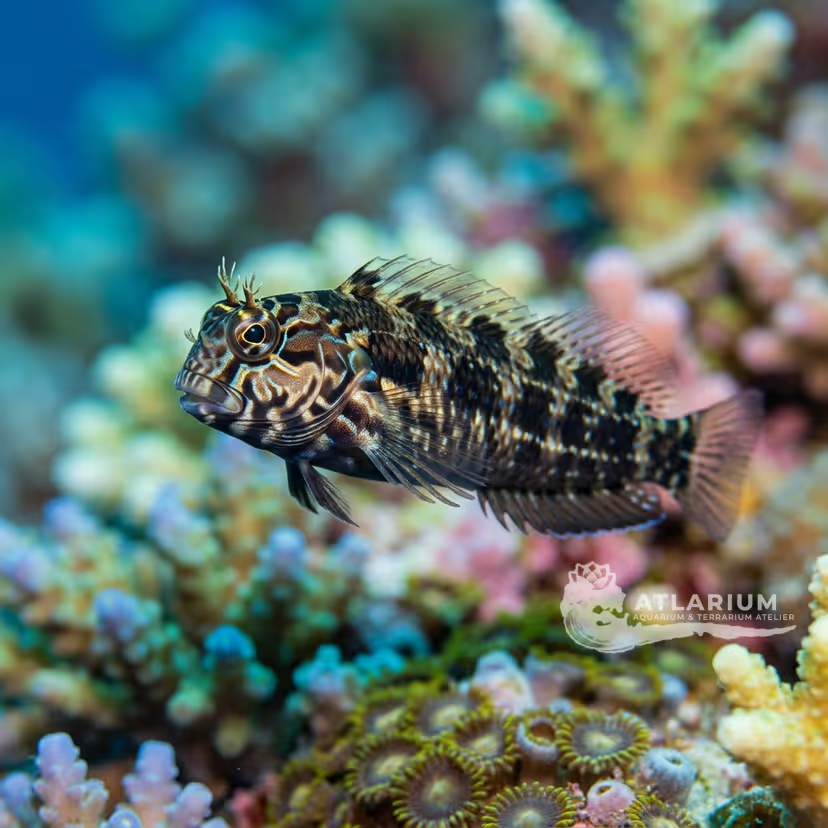
Banda combtooth blenny
Ecsenius bandanus

Bigclaw snapping shrimp
Alpheus heterochaelis