Freshwater Moray Eel
Gymnothorax tile
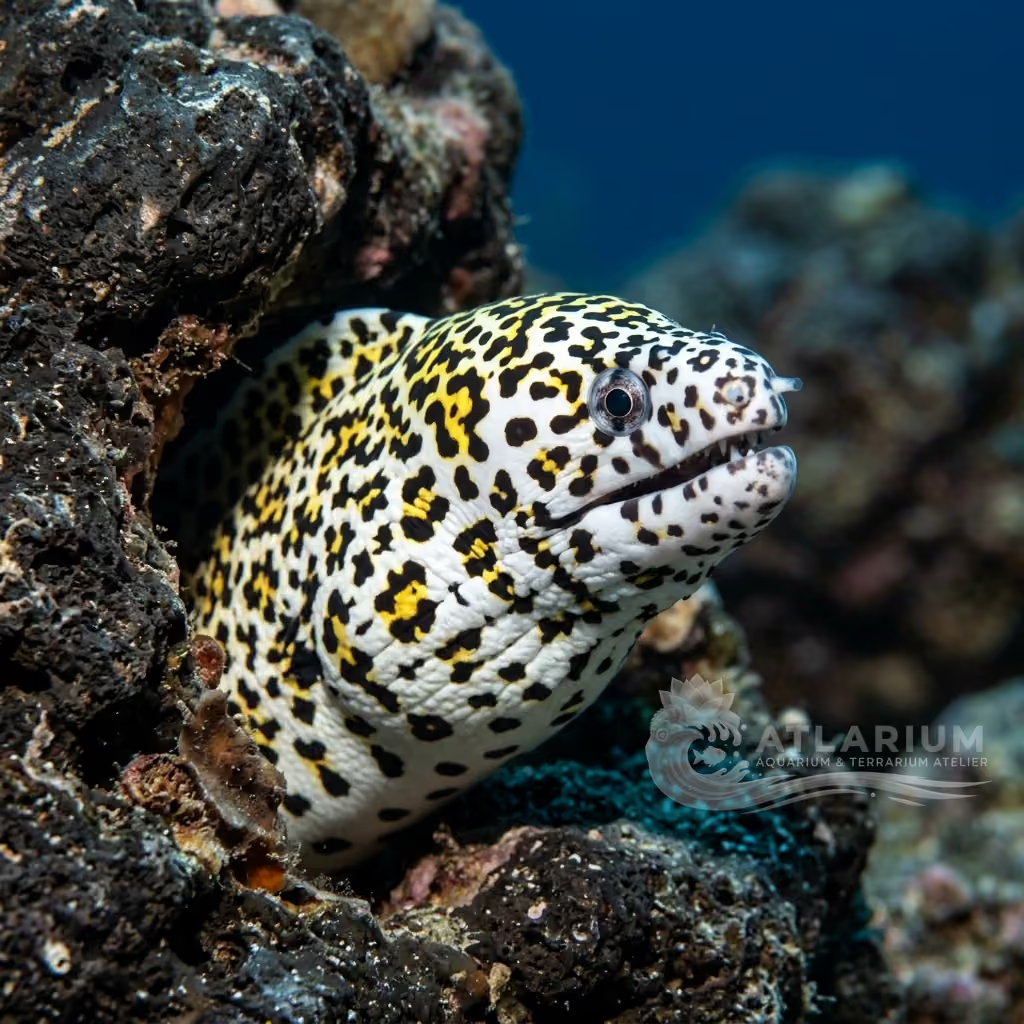
The Freshwater Snowflake Moray is a solitary, escape-prone ambush predator. Despite its name, this fascinating eel requires a secure brackish or marine aquarium for long-term health.
Water Temperature
22 - 28 °C
pH Value
7.5 - 8.5
Water type
Brackish / Marine
Tank level
Bottom
Adult size
60 cm
Minimum tank volume
>= 300 L
Minimum group
>= 1

Species description
Geographical Origin and Habitat: This eel is native to the coastal regions of the Indo-Pacific, ranging from India and the Andaman Islands to Indonesia and the Philippines. It inhabits estuaries, mangrove swamps, river mouths, and shallow coastal waters. It regularly migrates between freshwater rivers and marine habitats, adapting to varying salinities.
Taxonomy and Morphology: Belonging to the family Muraenidae and the genus Gymnothorax. It features a muscular, serpentine body lacking pectoral and pelvic fins. Its scale-free skin is covered in a thick protective mucus layer. The head is robust, equipped with powerful jaws and sharp, backward-pointing teeth. It grows up to 60 cm.
Social Behavior: A solitary, nocturnal predator. During the day, it remains hidden within caves or buried in the substrate, exposing only its head. It is generally shy but territorial over prime hiding spots. It exhibits ambush hunting behavior and will consume any tankmates small enough to fit in its mouth.
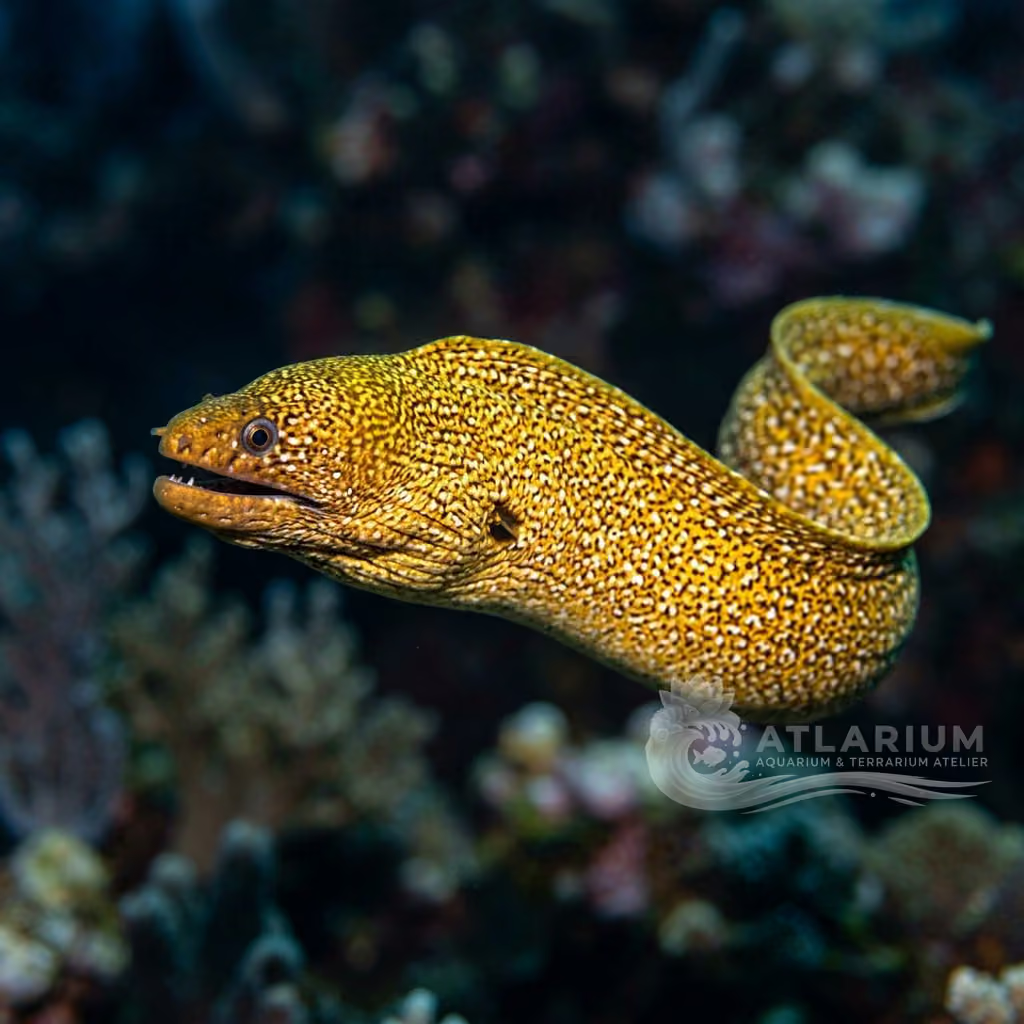
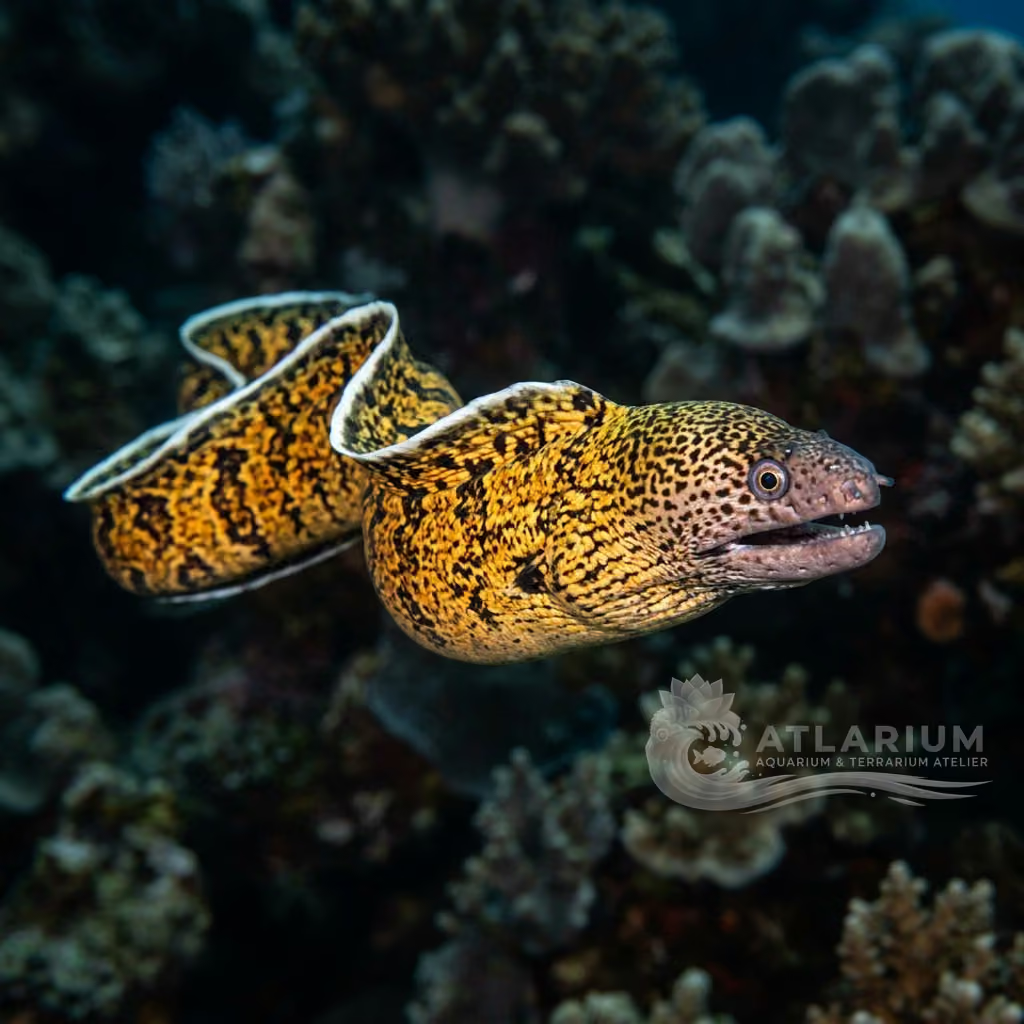
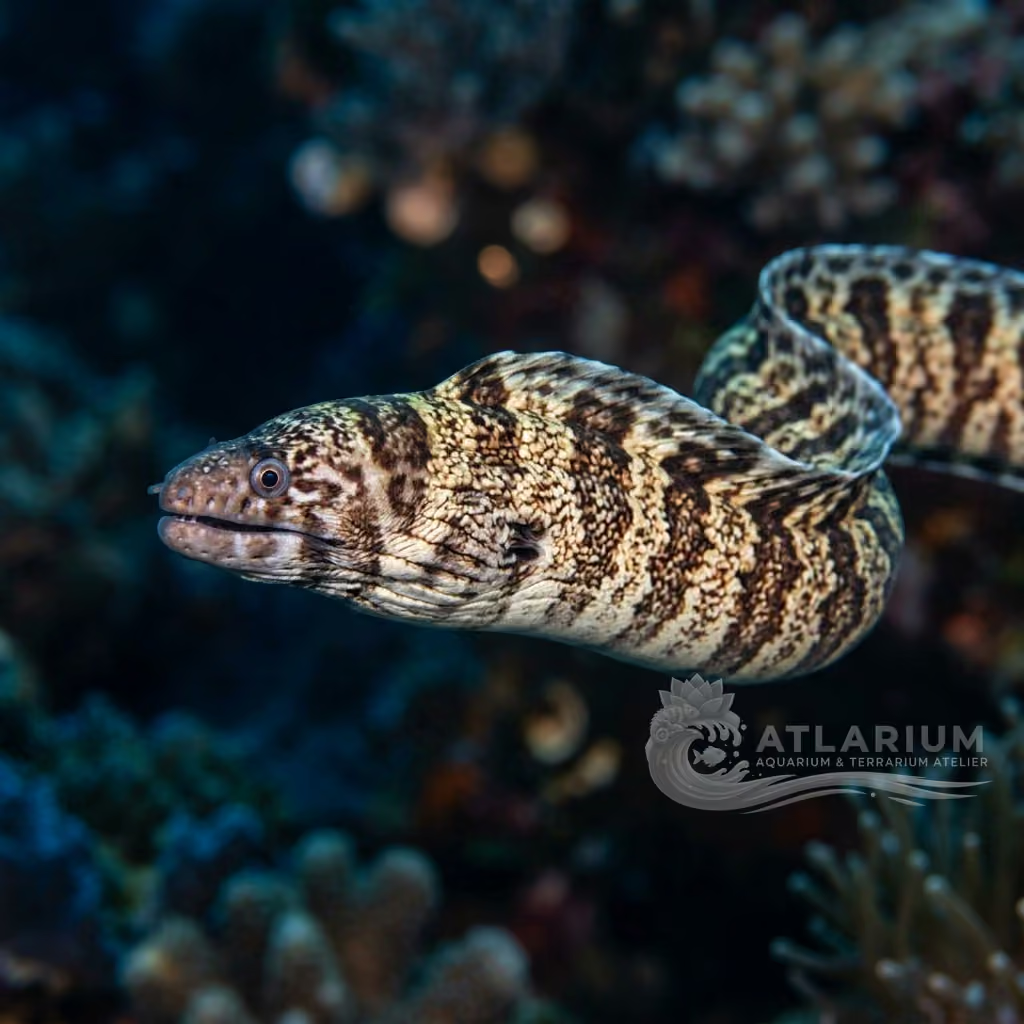
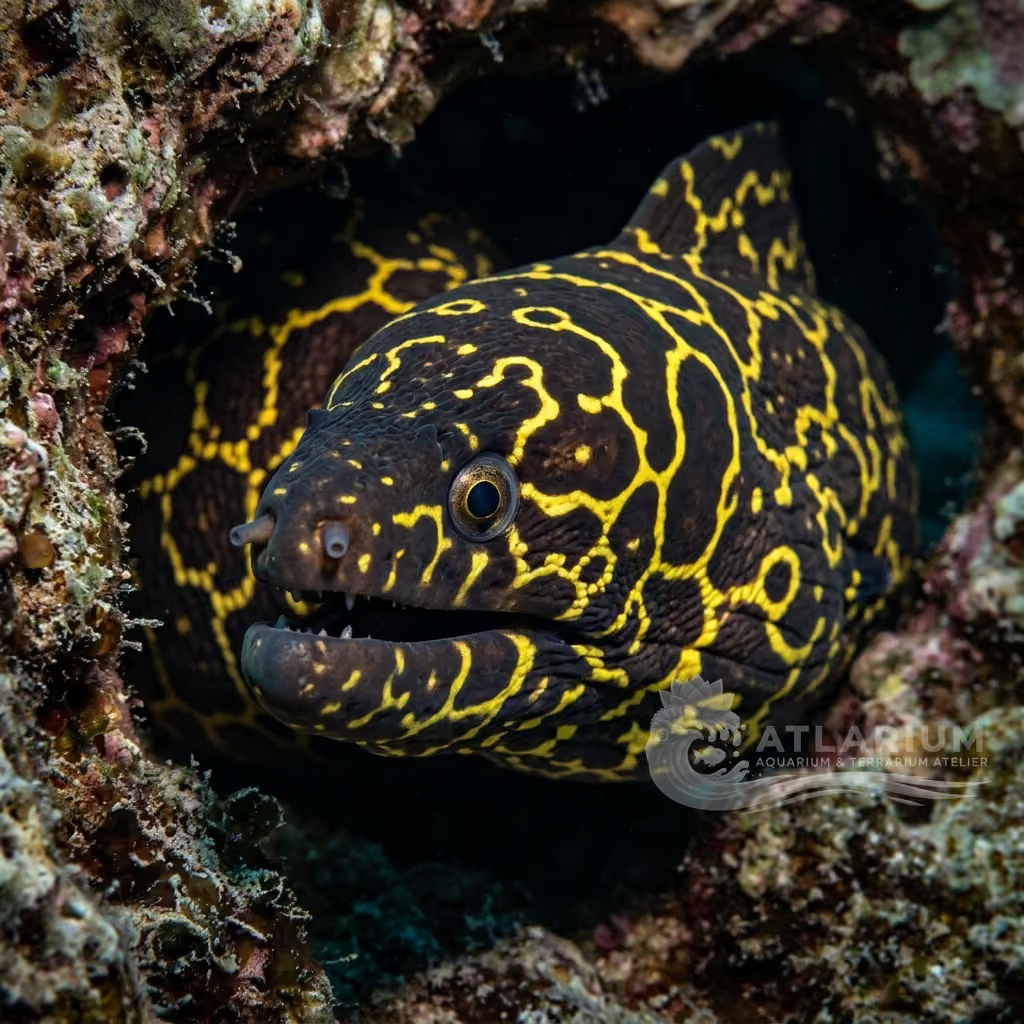
Coloration and Sexual Dimorphism: The body is dark greyish-brown to olive, adorned with tiny, speckled yellow or golden spots that become less distinct as the eel matures. Juveniles show brighter, more contrast-rich patterns. There are no known external morphological differences to distinguish males from females.

Care, breeding and tankmates
Aquarium Setup: Requires an aquarium of at least 250 liters (approx. 65 gallons). A tight-fitting lid with locks or heavy weights is absolutely mandatory, as they are escape artists capable of squeezing through tiny gaps. Provide PVC pipes or stable rock caves where it can hide its entire body. Use a fine sand substrate.
Diet and Feeding: Strictly carnivorous. Feed a diet of meaty foods such as live or frozen ghost shrimp, earthworms, mussels, clams, squid, and strips of white fish. It may require training to accept dead food using feeding tongs. Feed juveniles every other day and adults 2 to 3 times a week.
Water Quality: While juveniles tolerate freshwater, keeping them in it permanently leads to health decline. Long-term maintenance requires brackish water (specific gravity 1.005-1.015) or full marine conditions. Keep temperatures at 24-28°C (75-82°F), pH 7.8-8.2, and ensure robust biological filtration.
Compatibility and Cohabitation: Not compatible with small fish or ornamental invertebrates, which will be eaten. Suitable tankmates include large, active brackish species like monos, scats, archerfish, or other similar-sized moray eels, provided there are enough hides to prevent territorial clashes.
Aquarium Breeding: Breeding in home aquaria is undocumented. Like most morays, they have a complex spawning cycle involving pelagic eggs and a long planktonic larval stage (leptocephalus) that has not been replicated in captive hobbyist settings.
Risks and Diseases: Escaping the tank is the most common cause of death. Keeping this species in freshwater long-term weakens its immune system, leading to skin lesions, blindness, organ failure, and premature death. Avoid using copper-based medications, as they are highly toxic to scaleless fish.

Geographic origin and distribution
This eel is native to the coastal regions of the Indo-Pacific, ranging from India and the Andaman Islands to Indonesia and the Philippines. It inhabits estuaries, mangrove swamps, river mouths, and shallow coastal waters. It regularly migrates between freshwater rivers and marine habitats, adapting to varying salinities.
Origin
Tropical oceans and reefsNorth AmericaSouth and Southeast AsiaEast Asia

Fish profile
- Temperament
- Semi-aggressive
- They are generally shy and reclusive, preferring the safety of their hiding spots over open water. Despite their peaceful demeanor towards large fish, they are opportunistic ambush predators. They can also be quite territorial when it comes to their chosen cave or crevice.
- Diet
- Carnivore
- They are strict carnivores that feed primarily on meaty foods like fish, crustaceans, and shrimp. In captivity, they can be trained to accept frozen foods such as krill, squid, and white fish. Tong-feeding is often recommended to ensure they receive adequate nutrition without polluting the tank.
- Life expectancy
- 10-15 years
- Adult size
- 60 cm
- Sex ratio
- Solitary
- There are no known external sexual differences between male and female freshwater morays. They are usually kept singly due to their territorial nature towards conspecifics. Keeping multiples requires an extremely large tank with abundant visual barriers and caves.
- Feeding frequency
- 3-4 times daily
- Juvenile specimens require smaller meals every other day to support their rapid growth rate. Adult eels digest their food slowly and typically only need to be fed once or twice a week. Overfeeding can lead to severe health issues and rapid water quality degradation.
- Bioload
- High
- Gymnothorax tile produces a heavy bioload due to its large adult size and carnivorous diet. They generate significant amounts of organic waste after feeding on meaty foods. Powerful filtration and frequent water changes are required to maintain pristine water conditions.
- Flow
- Moderate
- A moderate water flow is beneficial to ensure proper oxygenation and to help sweep away detritus. The flow should not be so strong that it prevents the eel from resting comfortably in its caves. Good surface agitation is particularly important for gas exchange.
- Jump risk
- Yes
- These eels are notorious escape artists with an uncanny ability to squeeze through the smallest openings. A tightly fitting, heavy lid is an absolute necessity for their aquarium. All gaps around heaters, filters, and cables must be completely sealed to prevent fatal escapes.
- Reproduction
- Oviparous
- Breeding Gymnothorax tile in a home aquarium is considered impossible. They have a complex reproductive cycle that involves migrating to marine environments to spawn. All specimens available in the aquarium trade are wild-caught.
- Compatibility & tankmates
- Verify
- This species is highly predatory and will consume any tank mate small enough to fit in its mouth. They should only be kept with robust, deep-bodied fish that are too large to be considered prey. Aggressive or fin-nipping tank mates should also be avoided to prevent stress.
- Tank level
- Bottom
- This species is strictly a bottom-dweller that spends most of its time hidden among the substrate. They require an intricate network of secure caves and PVC pipes to feel safe. They will typically only emerge from their lairs to feed or explore at night.

Scientific Parameters & Models
FishBase
Window to the official scientific data of the species
FishBase v25.04Data synced on: 06/15/2026
- Trophic level
- 4 ± 0.6 se
- Resilience
- Medium (1.4 - 4.4 years)
- Phylogenetic uniqueness (PD50)
- 0.5
- Bayesian Length-Weight
- a = 0.00047, b = 3.28
- VulnerabilityModerate vulnerability (44 / 100)

Related species
Recommendations grouped by close relatives, companion choices, and similar care.