Subocellatus Kribensis
Pelvicachromis subocellatus
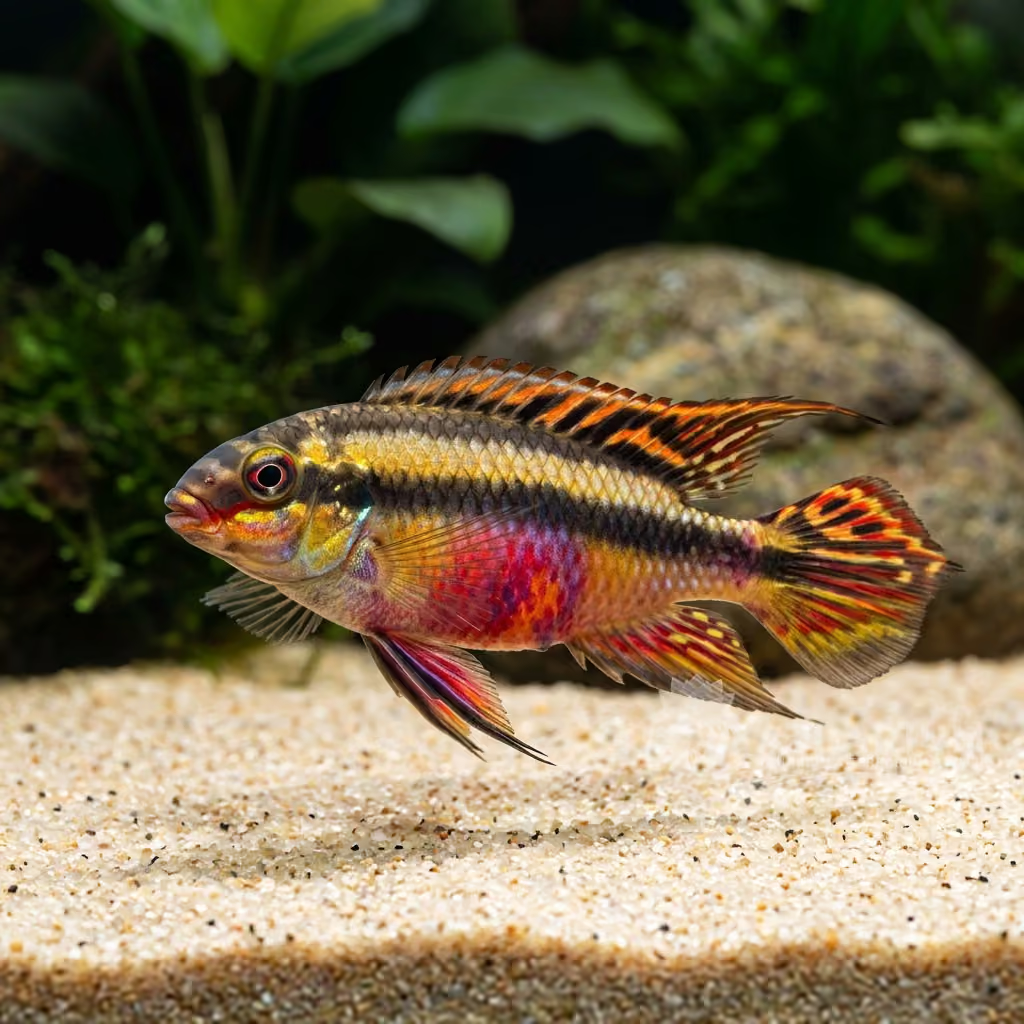
Splendid dwarf cichlid (8 cm) from West Africa. Loved for the clamorous dimorphism in the reproductive phase: the female assumes an iridescent black mask mid-body and fiery magenta belly. Adores weak brackish water or very soft fresh water and blind refuges under rocks.
Water Temperature
24 - 26 °C
pH Value
6.5 - 7.5
Water type
Freshwater
Tank level
Bottom
Adult size
8 cm
Minimum tank volume
>= 100 L
Minimum group
>= 1
GH
5 - 12 dGH
KH
2 - 6 dKH
TDS
95 - 240 ppm
Conductivity
148 - 375 uS/cm

Species description
Geographical Origin and Habitat: West-central Africa (Gabon and Republic of Congo). Lives in coastal areas and river deltas, mangrove swamps and slow forest streams. It is one of the very few species of African dwarf cichlids capable of withstanding even the weak passage of sea water (brackish water) that goes up the estuaries with the tide, although living mainly in freshwater.
Taxonomy and Morphology: Classic stocky but hydrodynamic "Kribensis", belonging to the flourishing lineage of the *Pelvicachromis* (*sub-ocellatus* for the fake eyes or slight spots). Solid male, about 8 cm (3.1 inches) long, elongated and very robust fins for a dwarf. Rounded and spherical female, about 6 cm (2.4 in), aerodynamically designed as a stocky missile to sneak into dense and microscopic cracks.
Social Behavior: Ethology of a territorial bottom prevaricator. Busy, it relentlessly sifts the sand with its round snout and actively defends its ravine in pairs. Can become deafly and ruthlessly quarrelsome or mutilating towards unaware peaceful bottom fish (Corydoras) if confined within its visual range which it besieges and drives away relentlessly with powerful deaf snout blows to the sides lethal asphyxiating to defend the rocky and blind hearth picked up and dug under the sand with continuous spit blows.
Coloration and Sexual Dimorphism: Valuable and attractive male, pale cream body with lilac and violet or iridescent light blue reflections, golden opercula and undefined red throat; beautiful mottled fins. But the FEMALE literally steals the show from any other fish in the room during the fertile period: exhibits an unnatural asphyxiating chromatic division. The head becomes iridescent yellow/green or pale white, while the central body and belly explode in a bright MAGENTA/AMARANTH dark blood, to then close in a titanic opulent VERY OPAQUE BLACK spotted mask literally splitting the livery into two deaf contrast sections, in addition to the titanic fake silver eye ocellated spot and dazzling black in the small dorsal fin. Genetic masterpiece for courtship.

Care, breeding and tankmates
Aquarium Setup: Categorically demands fine sand (partial 'Sand Sifter' in excavations). A base aquarium of 80-100 cm (32-40 inches) with intertwined woods or dense central deaf and blind rocky visual barrier. Unfailing narrow blind caves: sherds, sunken half coconuts or micro inverted pots well buried in the sand are pure gold to reassure them. They appreciate real mangroves or roots and dense thick bushes of Anubias and surface covers of shady leaves fleeing the asphyxiating terror of the large flat areas of gravel lethally illuminated in panic fatal mortal stressed exhausted pale heart attack by apathy.
Diet and Feeding: Detritivorous scavenger Micro-Benthic. Swallows algae and wild silt in the bottom but loves to devour omnivorously the minced meat predator of small insects. Feed it with superb crushed pre-sinking granules mixed with precious balancing deaf green vegetarian spirulina flora, and giving furious very copious luxurious asphyxiating protein and tasty rains dropped and rapid bites to red tubifex frozen brine shrimp or mini bloodworm to ignite the magic neon red nuances of the deafened ascitic constipated females if fixed only to dry and obese.
Water Quality: Anomalous and tolerant novice-saving chemistry! Unlike the other Kribensis demanding dark rivers, the estuarine Subocellatus resists gloriously to tolerances of somewhat hard water (Gh up to 10/12 bland tap osmotized) and bears a largely NEUTRAL pH (between 6.5 and 7.5 tolerable basic calcareous and even blandly slight and sweet saline fluctuations of estuary if required by brackish roommates). Obviate fatal toxic nitrites fleeing in lethal bacterial intoxications due to lack of respiratory osmotic and a copious asphyxiating deaf slow submarine wavy sanitized filtration without bothering the cave eggs asphyxiating them turbid.
Compatibility and Cohabitation: Inclusion model at extreme intolerance for poor co-bottom dwellers or defenseless fugitive catfish that it will mutilate without restraint deaf asphyxiating harassing (Absolutely unadvisable placid weak Loricariids Apistogramma or Corydoras in poor spaces not bounded by impassable walls due to blind territorial phobia in siege fluttering heart attack asphyxiated nibbled desperately torn fin bloody and infected in necrosis). Happy the calm cohabitation with high aerial river characins (Killifish) peaceful high-ranking and luminous very fast tetras or very robust in mid-water swimming blind unreachable disdained fleeing deaf from the tyrannical pelagic dominator bloody ruzza belly isolated master king of the impenetrable sandy castle soil lethal inviolate mortal by phobias.
Aquarium Breeding: Exhilarating adventure within the reach of the careful and fascinated furious aquarist ('Cave-spawner' of asphyxiating darkness in blind den monogamous and indissoluble if humored for ravines not distracted by stress of exorbitant invasive lighting). Stupendously arched colored deformed mother waving asymmetrical ocelli magnetizes partner and wall themselves in laying in blind shell or very dark closed coconut obsessively cleaning inked broods with tiny pale upside down sticky eggs fleeing deaf to waved fanning finny fierce very devoted exhausting asphyxiated oxygen exchanges and fasting in cave to then detonate formidable spitting swarming and very compact soldier squadrons escorted asphyxiating external threats hunted by implacable and decapitating bites parents shield of protection or phobically devouring their own creations if seized by panic for visual irruptions and pollutions or turbid and fatal changes asphyxiating to lethargy the death or extermination of the rejected outcast tired battered deaf isolated assassinated spouse for jealous asphyxiating phobias.
Risks and Diseases: Lethality and depressive exhaustion from vascular homicidal constipation or irreversible ascetic parasitosis (Occlusive Bloat and Exophthalmos or fungal sores drowning pallor and fin necrosis) occlusive deadly asphyxiating and bacterial ascites for dropping immune deficiencies fleeing for intolerances of overhanging very thick hyperactive fish, asphyxiated if fed with cheap rancid unbalanced proteins with purging algae. Lethal heart attack mortality and rapid fulminating poisoned in acidic or neutral waters for the rejected deaf exhausted panting or repulsed males in lethal homicidal divorces furious rejected brides or violent non-tolerant dominators or phobically misaligned assassins by stress if inestimable blind invisible asphyxiating hiding places are lacking to save and mend dismembered and divided and starving bleeding infectious asphyxiating finlets from stalker.

Geographic origin and distribution
West-central Africa (Gabon and Republic of Congo). Lives in coastal areas and river deltas, mangrove swamps and slow forest streams. It is one of the very few species of African dwarf cichlids capable of withstanding even the weak passage of sea water (brackish water) that goes up the estuaries with the tide, although living mainly in freshwater.
Origin
Selective breeding and cultivarsAfrica and Madagascar

Fish profile
- Temperament
- Semi-aggressive
- The temperament of Pelvicachromis subocellatus is largely peaceful, especially towards tank mates. While they mind their own business mostly, they may become defensive during specific periods. Providing visual barriers and adequate space mitigates most behavioral issues.
- Diet
- Omnivore
- Pelvicachromis subocellatus is primarily omnivorous and enjoys a diverse diet. In captivity, they eagerly accept high-quality prepared foods, and appropriate frozen or live foods. Providing a varied menu ensures they receive all necessary nutrients for vibrant colors and health.
- Life expectancy
- 4-6 years
- Adult size
- 8 cm
- Sex ratio
- Specific M:F ratio
- Maintaining a proper sex ratio of one to one is advisable for this species. Males tend to be visually distinct from females in certain aspects, making sexing possible in mature specimens. In breeding setups, close monitoring is essential to prevent excessive harassment.
- Feeding frequency
- Twice daily
- It is recommended to feed Pelvicachromis subocellatus moderate portions twice a day. Only offer an amount they can completely consume within a few minutes to prevent water fouling. Occasional fasting days can also be beneficial for their digestive system.
- Bioload
- Low to Medium
- The bioload produced by Pelvicachromis subocellatus is moderate due to their small size and metabolic rate. They require robust filtration to keep water parameters stable and pristine. Regular water changes are highly recommended to ensure their optimal health.
- Flow
- Stagnant
- This fish prefers moderate water currents that mimic its natural habitat. Proper water flow is crucial for maintaining adequate oxygenation levels. Position filter outlets or powerheads carefully to provide both flowing and calmer resting areas.
- Jump risk
- Yes
- Pelvicachromis subocellatus poses a low risk of jumping from the aquarium if startled. It is strictly advised to keep a secure, tight-fitting lid on the enclosure at all times. Extra care should be exercised during tank maintenance to prevent unexpected escapes.
- Reproduction
- Oviparous
- Breeding Pelvicachromis subocellatus in captivity is challenging and requires specific water parameters. They are cave spawners and often exhibit fascinating courtship behaviors. Providing ample suitable structures will significantly increase the survival rate of the fry.
- Compatibility & tankmates
- With caution
- This species is generally peaceful and makes a specific addition to a home aquarium. They can be housed with other compatible species that occupy different water levels. Caution should be taken when selecting tank mates to avoid any conflicts.
- Tank level
- Bottom
- These fish predominantly occupy the bottom and middle levels of the aquarium. They enjoy exploring their surroundings and often interact with the tank decor. Ensuring sufficient space in their preferred zone is absolutely important for their well-being.

Scientific Parameters & Models
FishBase
Window to the official scientific data of the species
FishBase v25.04Data synced on: 06/15/2026
- Trophic level
- 3.2 ± 0.4 se
- Resilience
- High (less than 15 months)
- Phylogenetic uniqueness (PD50)
- 0.5039
- Bayesian Length-Weight
- a = 0.01445, b = 2.99
- VulnerabilityLow vulnerability (10 / 100)

Related species
Recommendations grouped by close relatives, companion choices, and similar care.