Armored Bichir / Barred Bichir
Polypterus delhezi
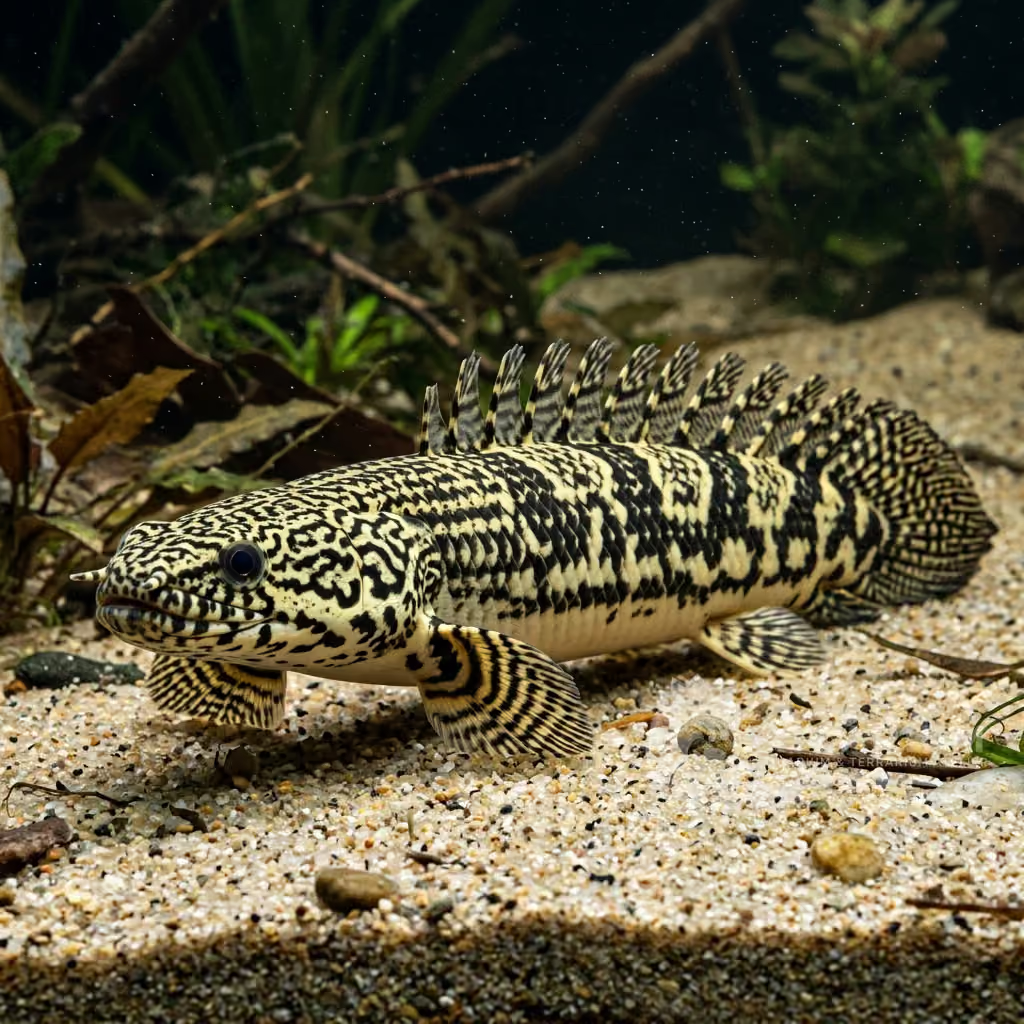
A stunning, tiger-striped 'dragon fish' from the Congo. Reaches 35 cm and is significantly bulkier than the Senegal Bichir. A heavily armored, strictly nocturnal bottom-stalker. Absolutely requires a sand substrate and completely secure lids.
Water Temperature
25 - 29 °C
pH Value
6.5 - 7.5
Water type
Freshwater
Tank level
Bottom
Adult size
35 cm
Minimum tank volume
>= 300 L
Minimum group
>= 1
GH
5 - 15 dGH
KH
2 - 7 dKH
TDS
95 - 295 ppm
Conductivity
148 - 461 uS/cm

Species description
Geographical Origin and Habitat: Endemic to the vast central and upper Congo River Basin in Africa. Inhabits dark, slow-moving river margins, lurking under submerged root networks and thick muddy/vegetated banks.
Taxonomy and Morphology: A highly sought-after Polypteridae (upper-jaw bichir group). Grows to a hefty 35-40 cm (14-16 inches). Considerably thicker, deeper, and more 'muscular' in appearance than the sleek Senegal. Features 10-13 heavily armored dorsal finlets. It possesses all ancient Bichir traits: interlocking diamond ganoid scales, fully functional lungs to breathe air, and fleshy pectoral fins used to physically crawl across the tank floor.
Social Behavior: Far stealthier and heavily nocturnal compared to the Senegal Bichir. During daylight, it prefers to wedge itself into dark caves or under thick logs, only lazily rising to the surface for a gulp of air. After lights-out, it transforms into a relentless, slow-stalking bottom predator, using its sensory nasal tubes to hunt down sleeping fish or meaty scraps.
Coloration and Sexual Dimorphism: Visually spectacular. The base color is a dark mottled grey, olive, or light brown. Its hallmark feature is a series of 5 to 8 stark, thick, irregular BLACK BANDS running across its upper back and fading down the sides (resembling tiger stripes). Captive breeders prize specimens with perfectly distinct, dark bands. Mature males have a massively enlarged, fleshy anal fin compared to females.

Care, breeding and tankmates
Aquarium Setup: A heavy, thick fish requiring a large footprint (120-150 cm / 48-60 inches length, with good width). SAND SUBSTRATE IS A STRICT MANDATORY RULE. They lunge violently at food and will vacuum up standard aquarium gravel, which creates fatal, incurable intestinal blockages. Provide large, dark PVC or driftwood tunnels. YOU MUST HAVE A PERFECTLY SEALED, HEAVY LID with zero gaps, but you MUST leave 3-4 inches of air above the water so the fish can breathe air and survive.
Diet and Feeding: Massive Carnivore. Its mouth can open astonishingly wide. Best fed at dusk/night. Gladly accepts massive sinking carnivore massivore pellets, whole thawed shell-on shrimp, tilapia fillets, mussels, and jumbo earthworms. Do not feed live feeder fish due to the massive risk of parasites. It hunts by smell, taking time to find the food.
Water Quality: Prefers slightly softer, cleaner water than the Nile-dwelling Senegal. pH 6.0-7.5. Temp 24-28°C (75-82°F). The sheer volume of meaty waste they produce necessitates enormous, industrial-grade biological filtration (sumps or giant canisters) to keep nitrates from poisoning them.
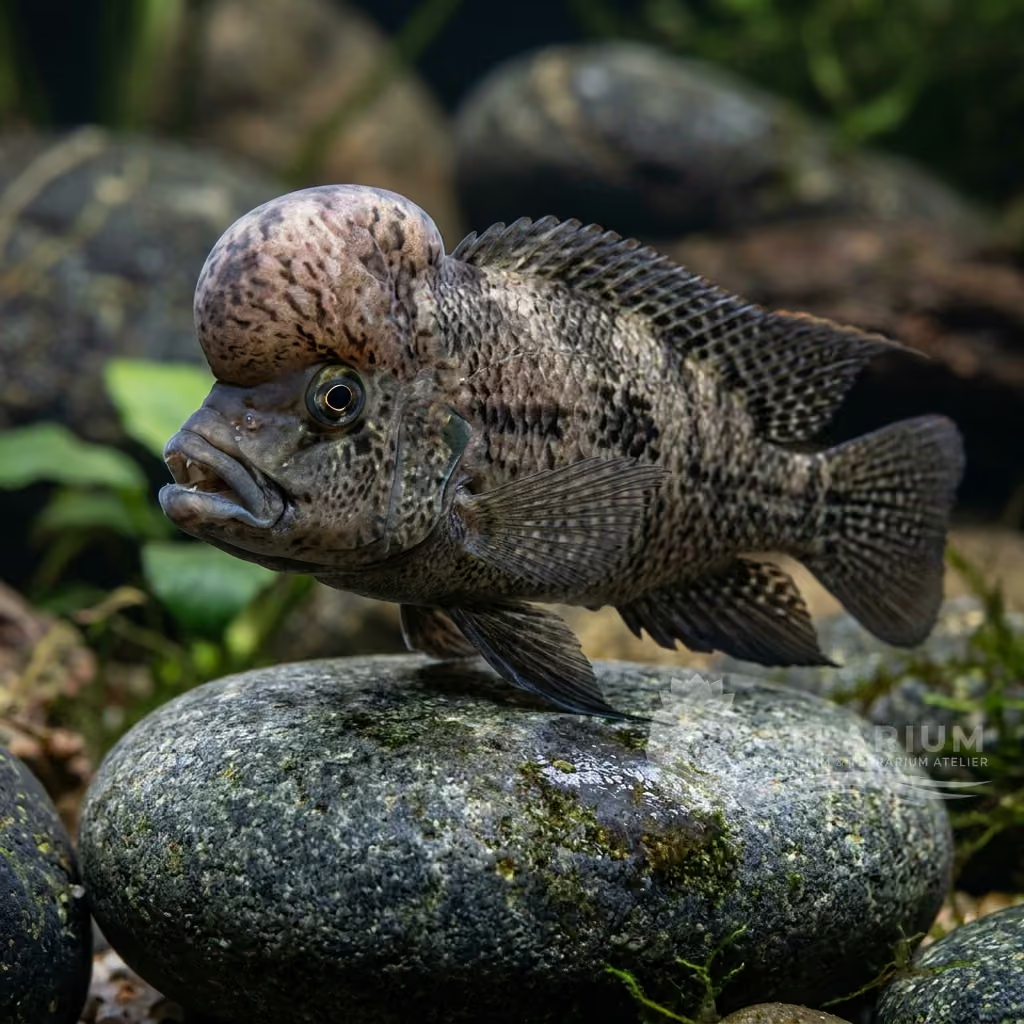
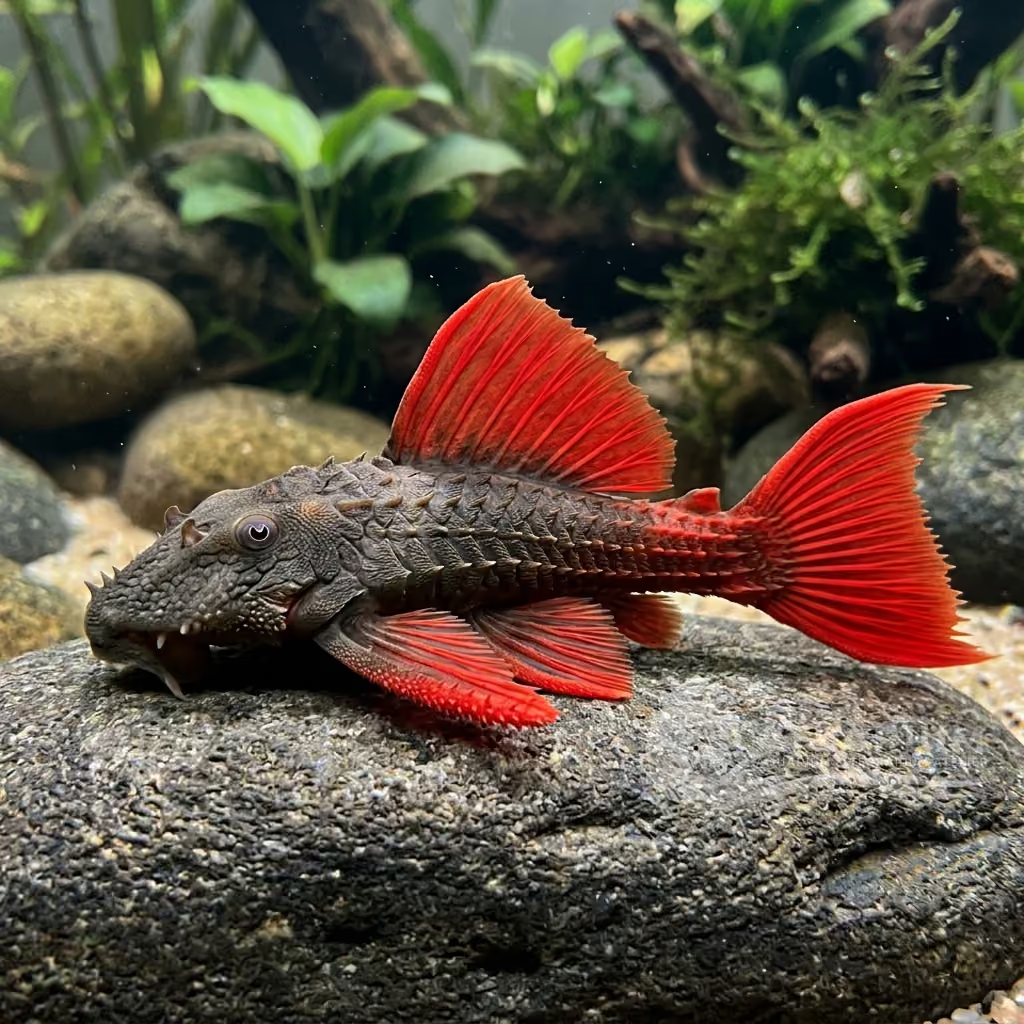
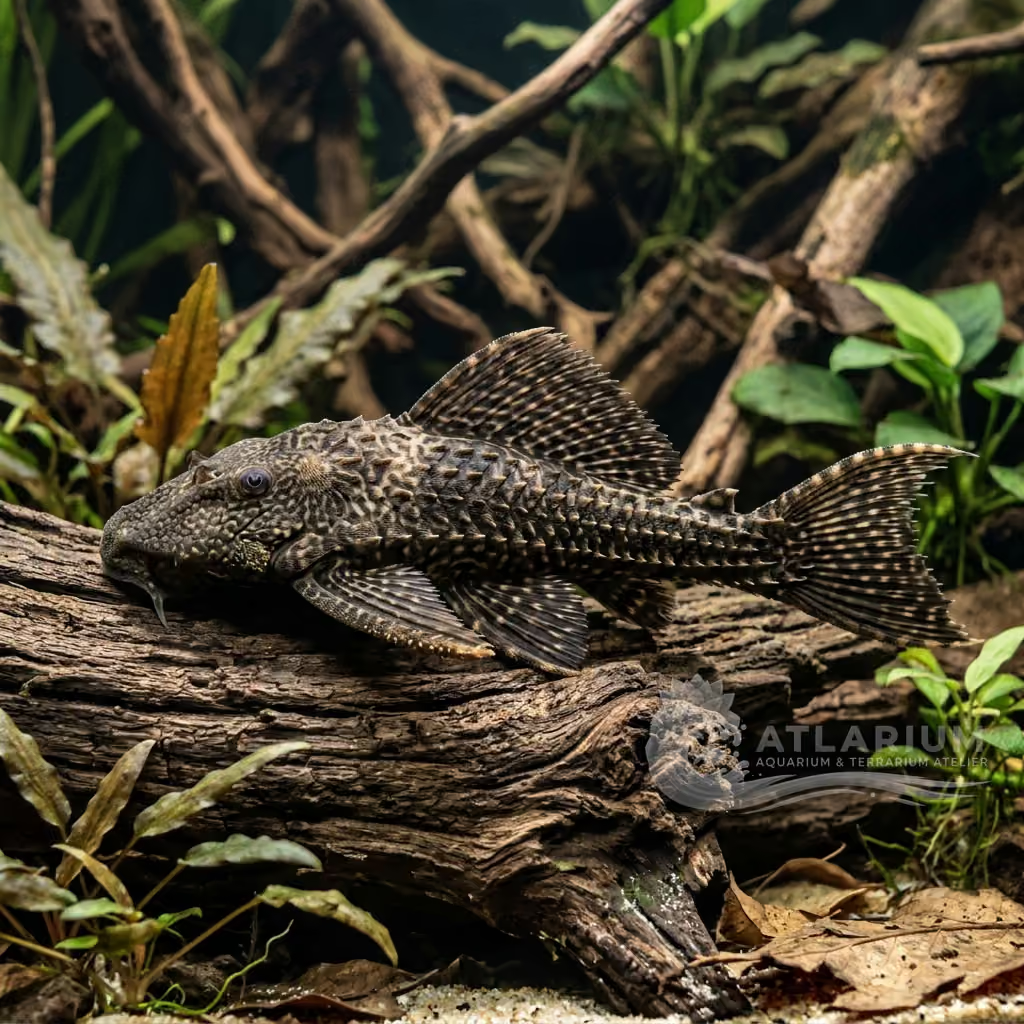
Compatibility and Cohabitation: Do not underestimate the size of fish they can swallow in the dark. Small Cichlids and large Tetras will disappear overnight. Excellent in 'Monster' setups with peaceful giants: Large African Cichlids (Frontosa, large Haps), huge Datnoides, and large Synodontis. AVOID SUCKERMOUTH CATFISH (Plecos, Chinese Algae Eaters) because they will inevitably latch onto the Bichir's flat back at night and suck off its protective slime coat down to the flesh.
Aquarium Breeding: Rare but achieved in large heavily-planted breeder tanks. Eggs scattered in Java moss. Highly cannibalistic fry.
Risks and Diseases: 1. FATAL BOWEL IMPACTION from using typical aquarium gravel instead of fine sand. 2. Escaping through tiny lid gaps and drying up like jerky on the floor. 3. Fatal flesh wounds inflicted by Plecostomus/Algae eaters sucking on them. 4. Drowning if denied access to surface air.

Geographic origin and distribution
Endemic to the vast central and upper Congo River Basin in Africa. Inhabits dark, slow-moving river margins, lurking under submerged root networks and thick muddy/vegetated banks.
Origin
Selective breeding and cultivarsAfrica and Madagascar

Fish profile
- Temperament
- Semi-aggressive
- They have a surprisingly calm and docile temperament for a predatory fish. They are not aggressive towards fish they do not consider food, preferring to ignore them. However, they are nocturnal ambush predators and will hunt smaller tank mates during the night. During the day, they are often lethargic, resting quietly in caves or under driftwood. Their prehistoric appearance combined with a peaceful demeanor makes them fascinating oddball pets.
- Diet
- Omnivore
- As strict carnivores, their diet requires meaty foods to thrive. Sinking carnivore pellets, chopped fish, shrimp, and earthworms make excellent staples. Live foods can be offered, but a varied diet of prepared and frozen meaty foods is safer and more nutritious. They feed primarily by smell, making strongly scented foods highly effective. A well-rounded carnivorous diet is crucial for their rapid growth and overall vitality.
- Life expectancy
- 10-15 years
- Adult size
- 35 cm
- Sex ratio
- Solitary
- They are not overly social creatures and can be kept singly or in groups. If keeping multiple bichirs, a specific sex ratio is generally not strictly required. However, providing adequate floor space for each individual is much more important than the sex ratio. Territorial disputes can occur if the tank is too cramped or lacks sufficient hiding places. In spacious setups, multiple individuals of mixed sexes can coexist peacefully.
- Feeding frequency
- Twice daily
- Juveniles should be fed once a day to support their rapid growth rate. As they mature into adults, feeding them every other day or a few times a week is often sufficient. Their slow metabolism as adults means overfeeding can easily lead to obesity and water fouling. It is best to feed them in the evening or at night when they are most naturally active. Observing their body condition helps tailor the ideal feeding schedule.
- Bioload
- High
- Bichirs produce a very high bioload due to their large adult size and carnivorous diet. They generate a significant amount of waste, requiring heavy-duty biological and mechanical filtration. Frequent, large water changes are absolutely essential to keep nitrates in check and maintain water quality. A large tank volume is necessary simply to dilute the waste they produce. Inadequate filtration will quickly lead to poor water conditions and potential health issues.
- Flow
- Stagnant
- They inhabit relatively calm rivers and swamps in the wild and prefer a moderate to low water flow. Extremely strong currents can be stressful and prevent them from easily navigating to the surface to breathe air. A canister filter providing steady but manageable circulation is usually ideal. Creating zones of low flow, especially near their preferred hiding spots, is beneficial. Ensuring they have calm areas allows them to rest on the bottom comfortably.
- Jump risk
- Yes
- Bichirs are notorious escape artists and possess a very high risk of jumping. They are incredibly strong and can easily push open lightweight tank lids. A heavy, tight-fitting lid with no gaps is an absolute must to safely house them. Any openings around filter intake tubes or heaters must be strictly secured. If they manage to jump out, their labyrinth organ allows them to survive for a surprisingly long time out of water, but prevention is crucial.
- Reproduction
- Oviparous
- Breeding in the home aquarium is very difficult and exceedingly rare. It generally requires massive tanks and very specific seasonal changes to induce spawning. In the wild, they lay eggs among dense vegetation during the rainy season. Captive breeding usually involves hormonal injections in commercial facilities. Raising the young is also challenging, as they require very specific, tiny live foods during their initial stages.
- Compatibility & tankmates
- Peaceful
- They are predatory and will swallow any tank mate small enough to fit into their mouths. They should only be kept with other large, robust, and relatively peaceful species. Good companions include large characins, medium to large cichlids, or other big bottom-dwellers. They are generally peaceful towards fish they cannot eat. Avoid overly aggressive tank mates that might harass them, as they prefer a relatively calm environment.
- Tank level
- Bottom
- They are unequivocally bottom-dwelling fish, spending the vast majority of their time on the substrate. They possess modified swim bladders acting as lungs, so they will periodically dart to the surface to gulp air. After taking a breath, they immediately return to the bottom to rest or forage. A large footprint tank is far more critical for them than tank height. Providing a soft, sandy substrate prevents damage to their delicate undersides.

Scientific Parameters & Models
FishBase
Window to the official scientific data of the species
FishBase v25.04Data synced on: 06/15/2026
- Trophic level
- 3.2 ± 0.25 se
- Resilience
- Low (4.5 - 14 years)
- Phylogenetic uniqueness (PD50)
- 0.5003
- Bayesian Length-Weight
- a = 0.00457, b = 3.05
- VulnerabilityLow to moderate vulnerability (34 / 100)

Related species
Recommendations grouped by close relatives, companion choices, and similar care.