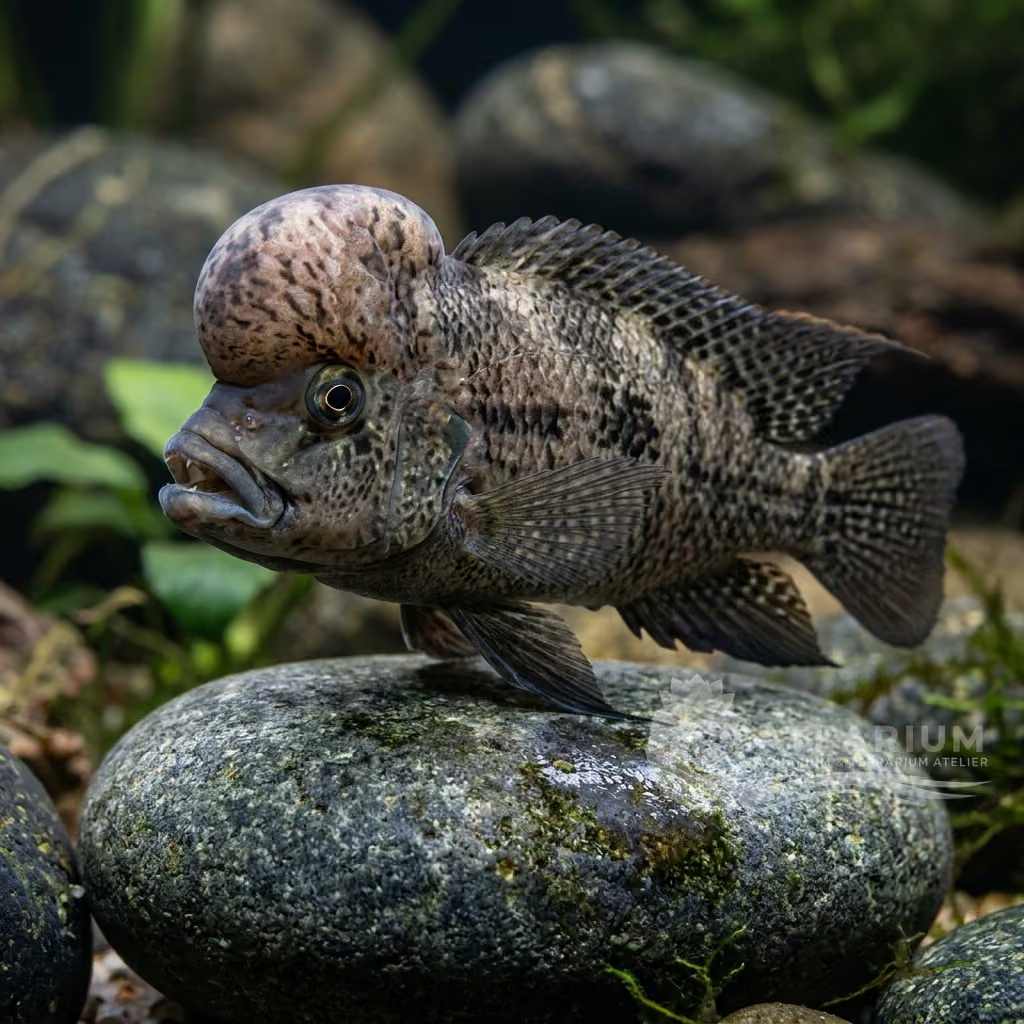
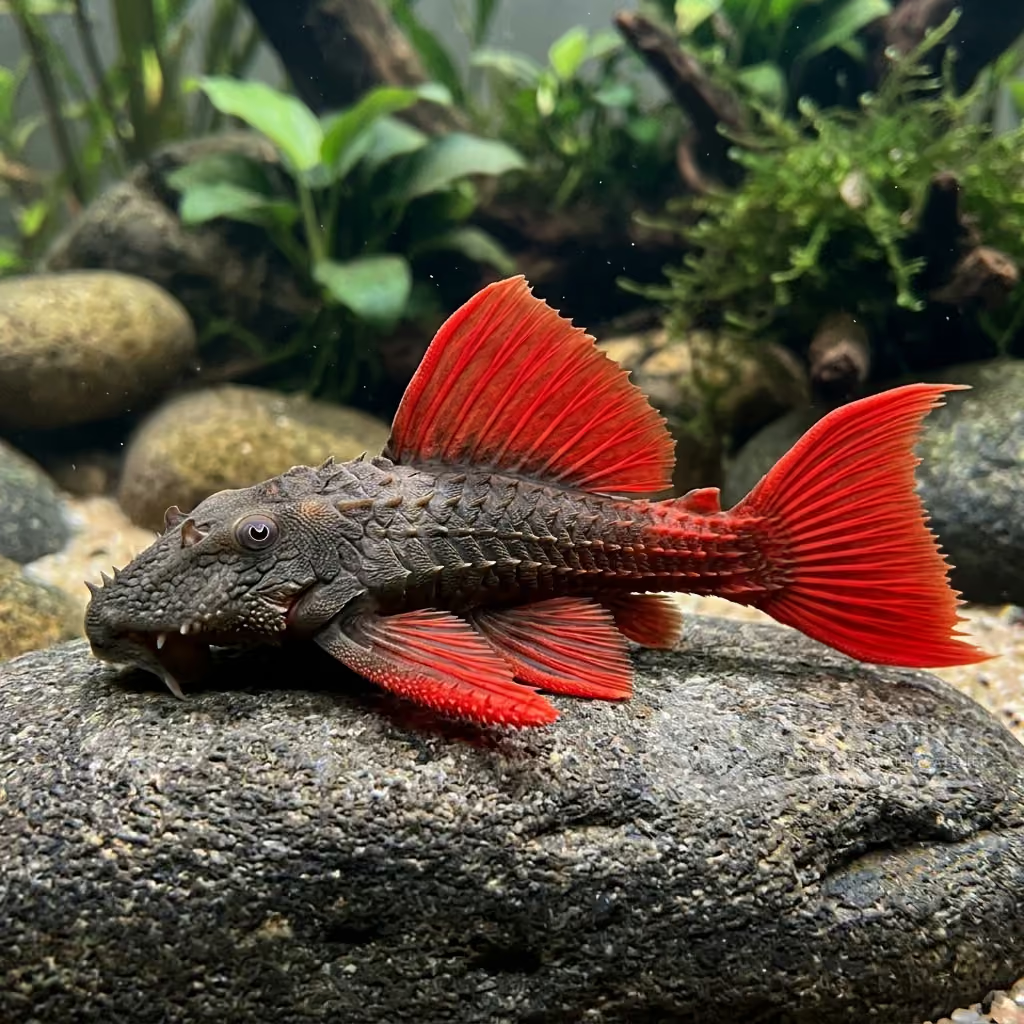
Ornate Bichir (Polypterus Ornatipinnis)
Polypterus ornatipinnis
The Prehistoric, Air-Breathing Dragon (50-60 cm / 20-24 inches). The Ornate Bichir is the undisputed king of beauty among the ancient, dinosaur-era 'Lobe-finned' fish. Resembling a fascinating cross between an eel, a dragon, and an amphibian, it is completely armored in impenetrable, diamond-shaped interlocking prehistoric scales. It possesses fully functional lungs, allowing it to gulp atmospheric air and survive out of water for hours. Known for its gorgeous, striking yellow-and-black maze pattern, it is a peaceful, slow-moving bottom dweller. However, it is almost entirely blind and hunts solely by smell; therefore, its massive, expandable mouth will inevitably inhale and swallow any small sleeping fish at night, requiring it to be kept strictly with large, peaceful tankmates.
25 - 29 °C
6.5 - 7.5
Freshwater
Bottom
60 cm
>= 500 L
>= 1
5 - 15 dGH
2 - 7 dKH
95 - 295 ppm
148 - 461 uS/cm

Species description

Care, breeding and tankmates

Geographic origin and distribution
Origin

Fish profile
- Temperament
- Semi-aggressive
- The Ornate Bichir is largely a sedentary and tranquil species, relying heavily on camouflage rather than active aggression. It is entirely peaceful with fish too large to swallow, yet displays a highly predatory nature towards anything small enough to fit in its capacious mouth. Its generally calm demeanor makes it an excellent centerpiece for a suitably sized predator community tank.
- Diet
- Omnivore
- In its natural habitat, this bichir is a nocturnal ambush predator feeding primarily on fish, amphibians, and large invertebrates. In captivity, it requires a varied, meaty diet including high-quality sinking pellets, earthworms, frozen shrimp, and chunks of fish fillet. Providing a diverse nutritional profile is essential to prevent dietary deficiencies and promote healthy growth.
- Life expectancy
- 10-15 years
- Adult size
- 60 cm
- Sex ratio
- Group
- While sexing can be somewhat difficult in juveniles, adult males can be distinguished by their notably thicker and wider anal fin. There is no strict requirement for a specific sex ratio in a standard display aquarium, as they are not overly territorial with their own kind. However, maintaining a harmonious group typically involves allowing adequate space rather than adhering to rigid male-to-female ratios.
- Feeding frequency
- Twice daily
- Juvenile Ornate Bichirs should be fed daily to support their rapid early growth phases. Adult specimens, possessing slower metabolic rates, generally require feeding only two to three times a week. Overfeeding should be strictly avoided to prevent obesity and to manage the substantial bioload they place on the filtration system.
- Bioload
- High
- The Ornate Bichir is a heavily built, carnivorous species that produces a significant amount of waste in the aquarium. As it grows to a substantial size, its metabolic output requires robust biological and mechanical filtration systems. Aquarists must maintain a strict maintenance schedule to manage the high bioload and preserve water quality.
- Flow
- Stagnant
- Ornate Bichirs originate from slow-moving rivers, swamps, and floodplains in Central and East Africa. They strongly prefer gentle to moderate water flow that mimics their sluggish natural habitats. High flow rates can cause unnecessary stress and impede their ability to easily access the water surface for atmospheric air.
- Jump risk
- Yes
- Like all members of the Polypteridae family, this species is a notorious escape artist with an exceptional ability to jump or slither out of the aquarium. They require a completely tight-fitting lid with no gaps around equipment, as they can exploit even the smallest openings. Any breach in the aquarium cover poses a fatal risk of desiccation on the floor.
- Reproduction
- Oviparous
- Breeding the Ornate Bichir in captivity is a rare and challenging event that typically requires a large, dedicated breeding setup. Spawning is often triggered by substantial water changes that simulate the onset of the rainy season in their natural habitat. The female scatters adhesive eggs among dense vegetation, which must be removed promptly to prevent the adults from consuming them.
- Compatibility & tankmates
- Peaceful
- This species is generally peaceful towards fish that are too large to be considered prey but will not hesitate to consume smaller tank mates. It is best housed with other robust, moderately-sized species such as large characins, medium cichlids, or large cyprinids. Extreme caution should be taken to avoid housing them with aggressive bottom-dwellers that might compete for territory.
- Tank level
- Bottom
- As a bottom-dwelling ambush predator, the Ornate Bichir spends the vast majority of its time resting or prowling along the substrate. It does, however, periodically swim to the surface to gulp atmospheric air due to its modified, lung-like swim bladder. Providing ample floor space and numerous hiding spots is far more critical than vertical swimming room.

Scientific Parameters & Models
Window to the official scientific data of the species
- Trophic level
- 3.7 ± 0.6 se
- Resilience
- Low (4.5 - 14 years)
- Phylogenetic uniqueness (PD50)
- 0.5003
- Bayesian Length-Weight
- a = 0.00457, b = 3.05
- VulnerabilityModerate vulnerability (44 / 100)

Related species
Recommendations grouped by close relatives, companion choices, and similar care.