Stone Eartheater
Retroculus lapidifer
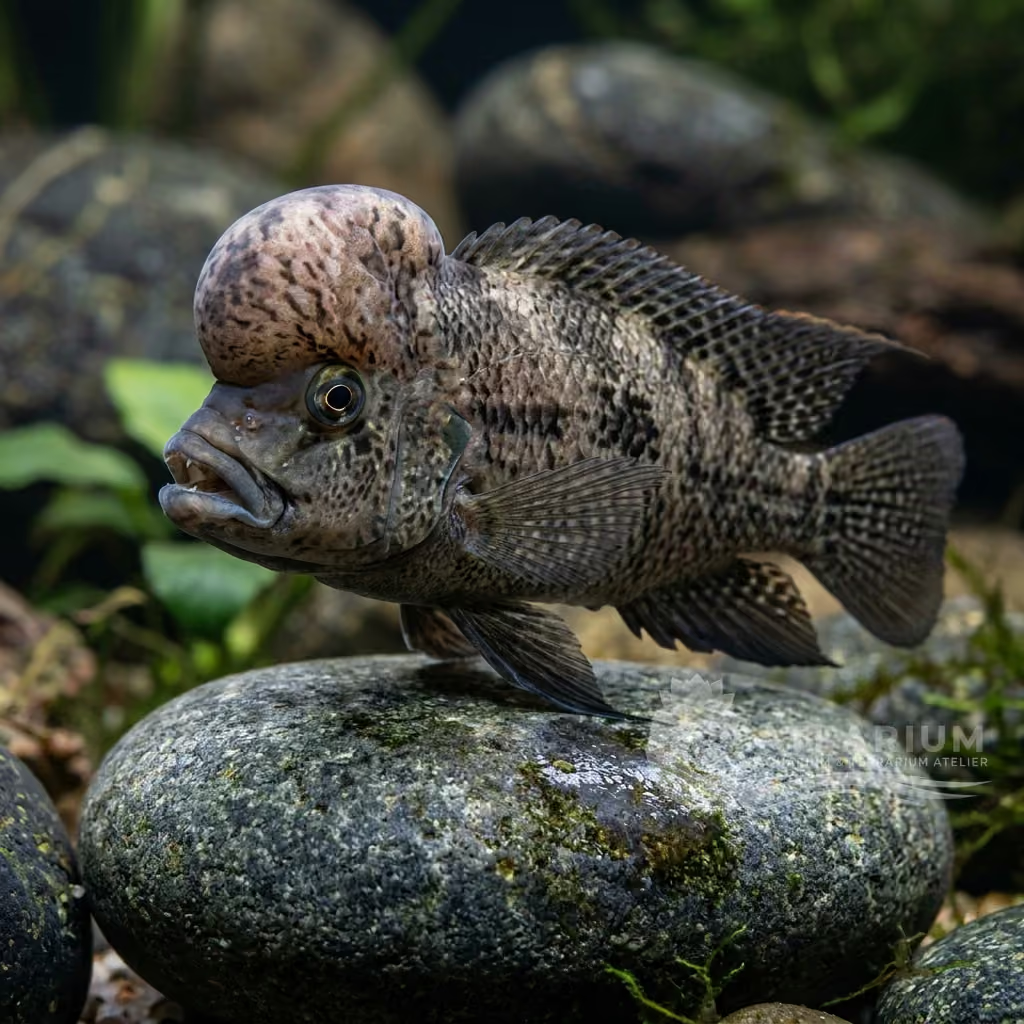
The colossal and unattainable 'Stone Eartheater' or 'Rapids Eartheater' (15-20 cm). One of the most clamorous anomalies of the cichlid family, it evolved for life on the rocky bottom of the most violent rapids in South America. It lacks a functional swim bladder, spending its entire life crawling on the bottom or clinging to stones with enormous ventral fins. It demands frightening currents, very high oxygenation and hot waters. Expensive, hyper-active and highly territorial cichlid, it is the undisputed king of extreme River-Tanks.
26 - 30 °C
6.5 - 7.5
Freshwater
Bottom
20 cm
>= 180 L
>= 1
2 - 8 dGH
1 - 4 dKH
40 - 160 ppm
63 - 250 uS/cm

Species description

Care, breeding and tankmates

Geographic origin and distribution
Origin

Fish profile
- Temperament
- Semi-aggressive
- They are generally peaceful towards mid-water swimmers but highly territorial towards other bottom-dwellers. They display fascinating earth-moving behaviors that can constantly reshape the aquarium landscape. They require a specialized setup to exhibit their true, active nature.
- Diet
- Omnivore
- They are specialized benthivores that sift through the substrate for aquatic insects and crustaceans. In the aquarium, they require a diet of high-quality sinking cichlid pellets. Offering frozen bloodworms and krill simulates their natural diet perfectly.
- Life expectancy
- 5-8 years
- Adult size
- 20 cm
- Sex ratio
- Solitary
- Keeping them in a small group allows a natural pair to form. Once paired, the rest of the group may need to be removed to prevent severe aggression. Single specimens can also thrive without a mate.
- Feeding frequency
- Twice daily
- Feed them moderate amounts twice a day. They feed by scooping up sand, so ensure food sinks directly to the bottom. Overfeeding should be avoided to prevent rapid water quality deterioration.
- Bioload
- High
- This is a robust, rheophilic cichlid that produces a substantial bioload. Their messy eating habits and size require heavy-duty filtration. Frequent, large water changes are mandatory to maintain the pristine water quality they demand.
- Flow
- Stagnant
- They absolutely require strong, highly oxygenated water flow simulating fast rapids. High-turnover canister filters and multiple powerheads are essential for their health. Without powerful flow, they will become lethargic and susceptible to disease.
- Jump risk
- Yes
- While not typically surface jumpers, their powerful swimming can result in accidental leaps. A heavy, secure glass lid is necessary to prevent them from jumping out during sudden bursts of speed. Ensure all equipment gaps are covered.
- Reproduction
- Oviparous
- They are unique pit-spawners that dig deep nests in the substrate, usually behind rocks. Both parents vigorously defend the nest and the fry against intruders. Breeding requires highly oxygenated water and a specific diet conditioning.
- Compatibility & tankmates
- Semi-aggressive
- They are relatively peaceful for cichlids but are highly specialized. They can be kept with other rheophilic species like medium-sized plecos and fast-swimming tetras. Small bottom-dwellers might be aggressively chased away from their feeding territories.
- Tank level
- Bottom
- They are strict bottom-dwellers that spend their entire day interacting with the substrate. A fine sand substrate is absolutely critical to prevent damage to their delicate gills. They will rarely venture into the middle or upper water column.

Scientific Parameters & Models
Window to the official scientific data of the species
- Trophic level
- 3.5 ± 0.3 se
- Resilience
- Medium (1.4 - 4.4 years)
- Phylogenetic uniqueness (PD50)
- 0.625
- Bayesian Length-Weight
- a = 0.0182, b = 3.06
- VulnerabilityLow vulnerability (21 / 100)

Related species
Recommendations grouped by close relatives, companion choices, and similar care.