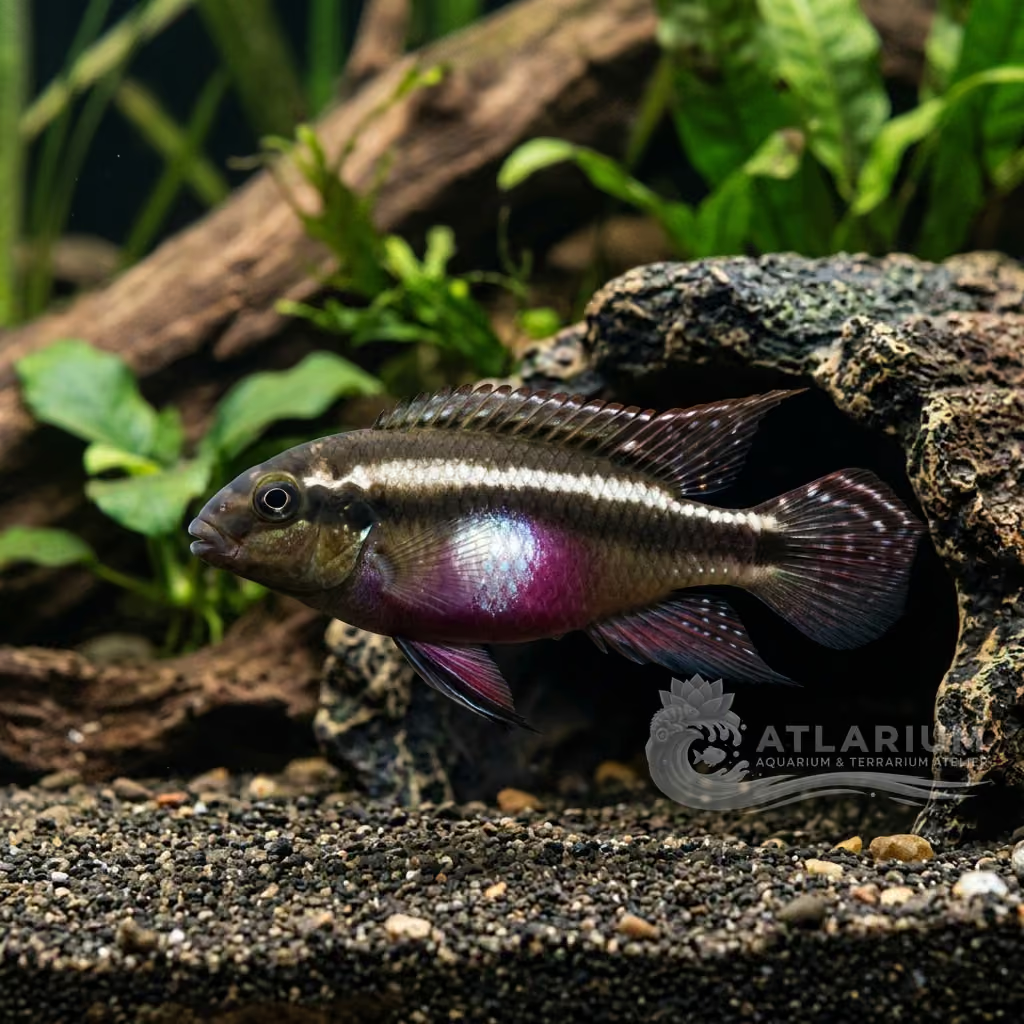
Neolamprologus brevis
Neolamprologus brevis
Tiny and compact Tanganyika shell-dweller (5 cm). Entertaining shell inhabitant, exceptional for sharing the EXACT SAME shell with its partner (unlike other species). Extremely defensive towards its shell territory.
Water Temperature
24 - 27 °C
pH Value
8 - 9
Water type
Freshwater
Tank level
Bottom
Adult size
5 cm
Minimum tank volume
>= 100 L
Minimum group
>= 1
GH
10 - 25 dGH
KH
5 - 12 dKH
TDS
200 - 495 ppm
Conductivity
313 - 773 uS/cm

Species description
Geographical Origin and Habitat: Widely distributed on all the open and desolate sandy margins of the entire Lake Tanganyika, from the deep shores to the surface waters. It specifically inhabits coastal micro-zones where the high concentration of dead shells is however almost totally absent (rare and isolated shells).
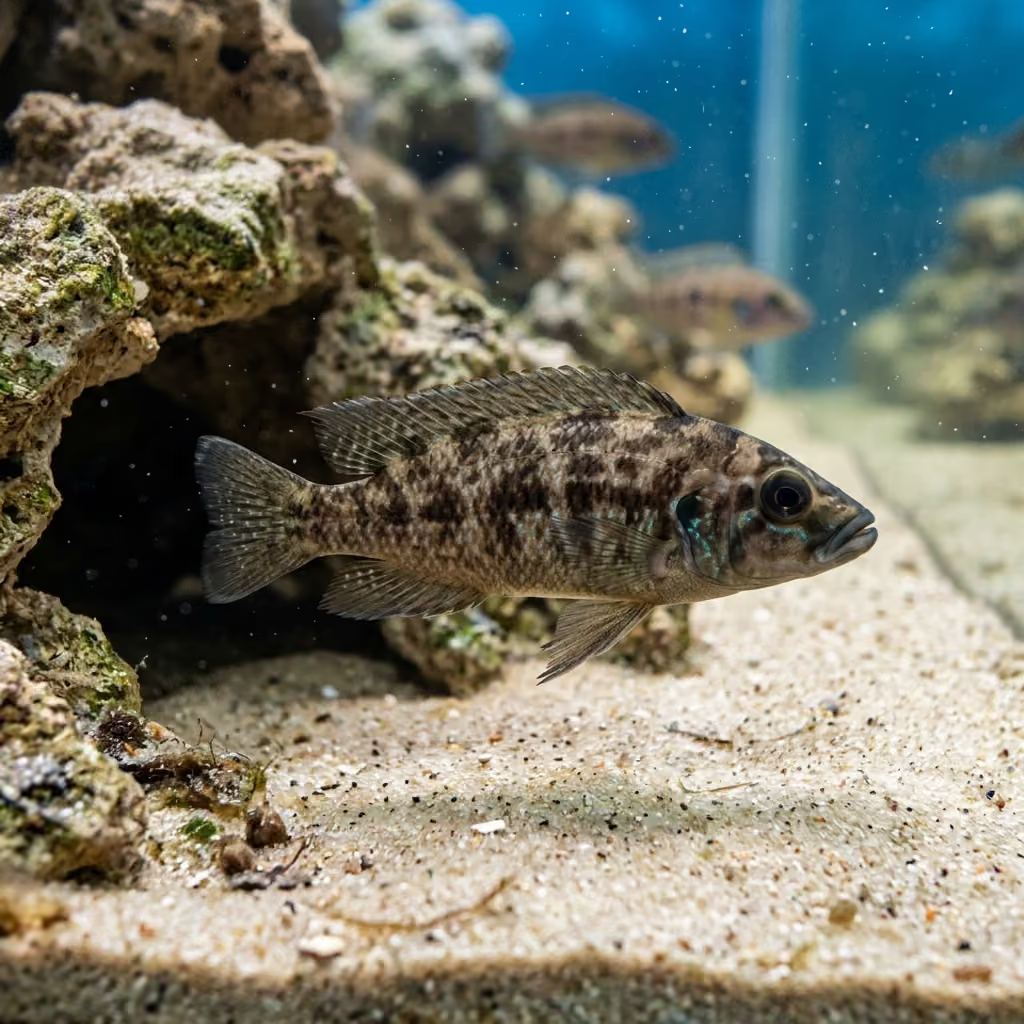
Taxonomy and Morphology: Classic exponent of the formidable congregation of the "Shell-dwellers". Despite having a robust kinship, it possesses a stocky, very short, massive phenotype (shape) and a big rocky head in a miniaturized package of only 5 centimeters (2 inches) (males) by 3.5 cm (1.4 in) (females). Features a slightly flattened snout and large watchful eyes.
Social Behavior: Fierce pocket watchdog. Will spend its life constantly stationing or hovering a few inches just above its huge shell partially buried by it in the sand. In addition to shoveling sediments, it has a formidable instinct for lightning-fast retreat: at the threat signal, it instantly engages reverse gear disappearing into the mouth of the shell. The clamorous peculiarity of the Brevis, daughter of the scarcity of shells in its habitat of origin, is that Male and Female of the stable pair SLIP INTO THE EXACT SAME SHELL, enduring a claustrophobic proximity denied to other African shell-dwelling species!
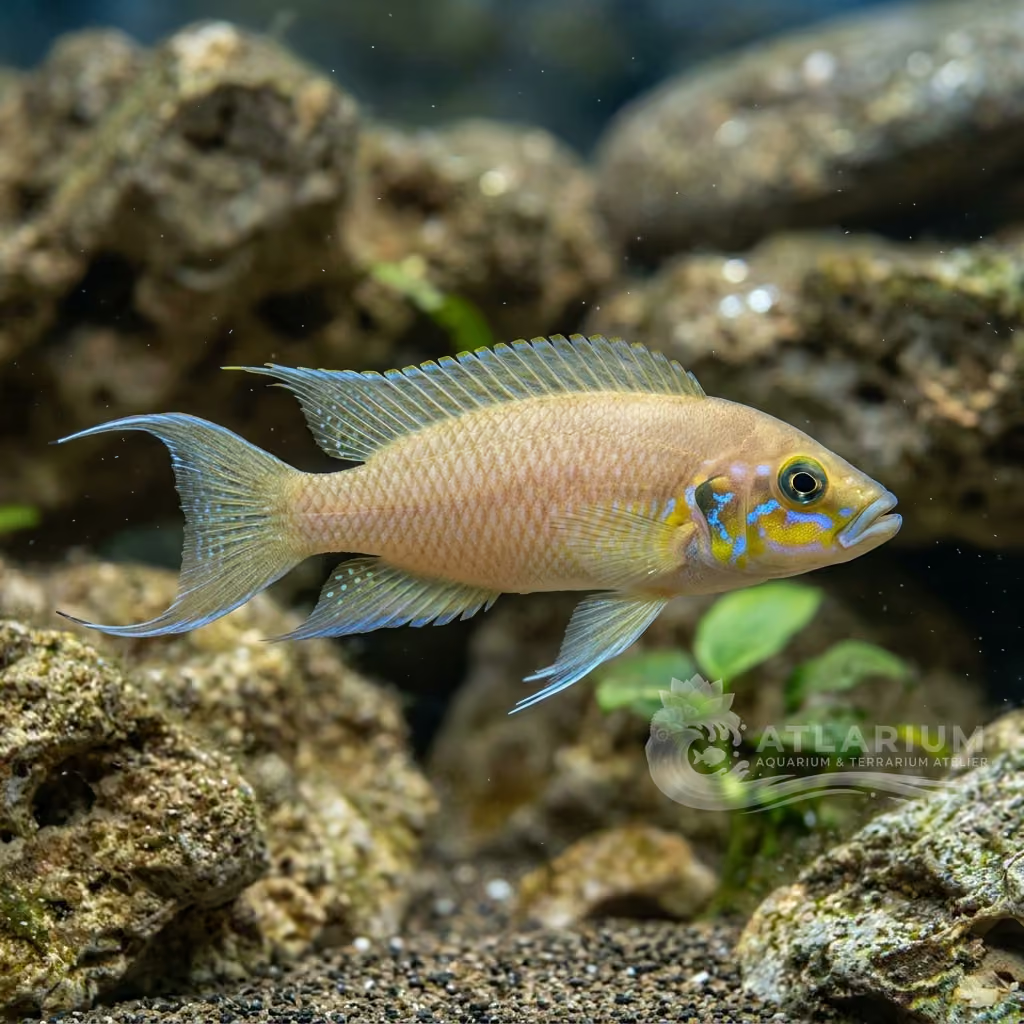
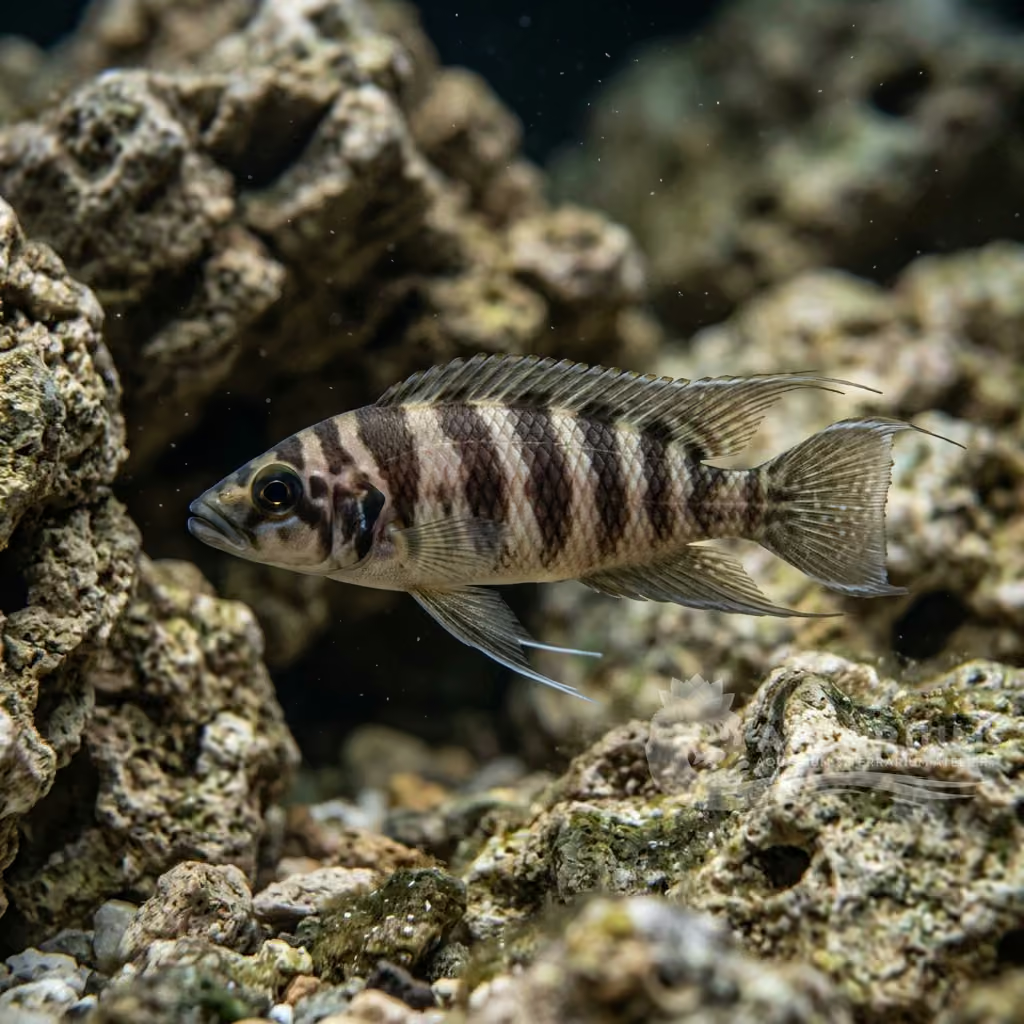
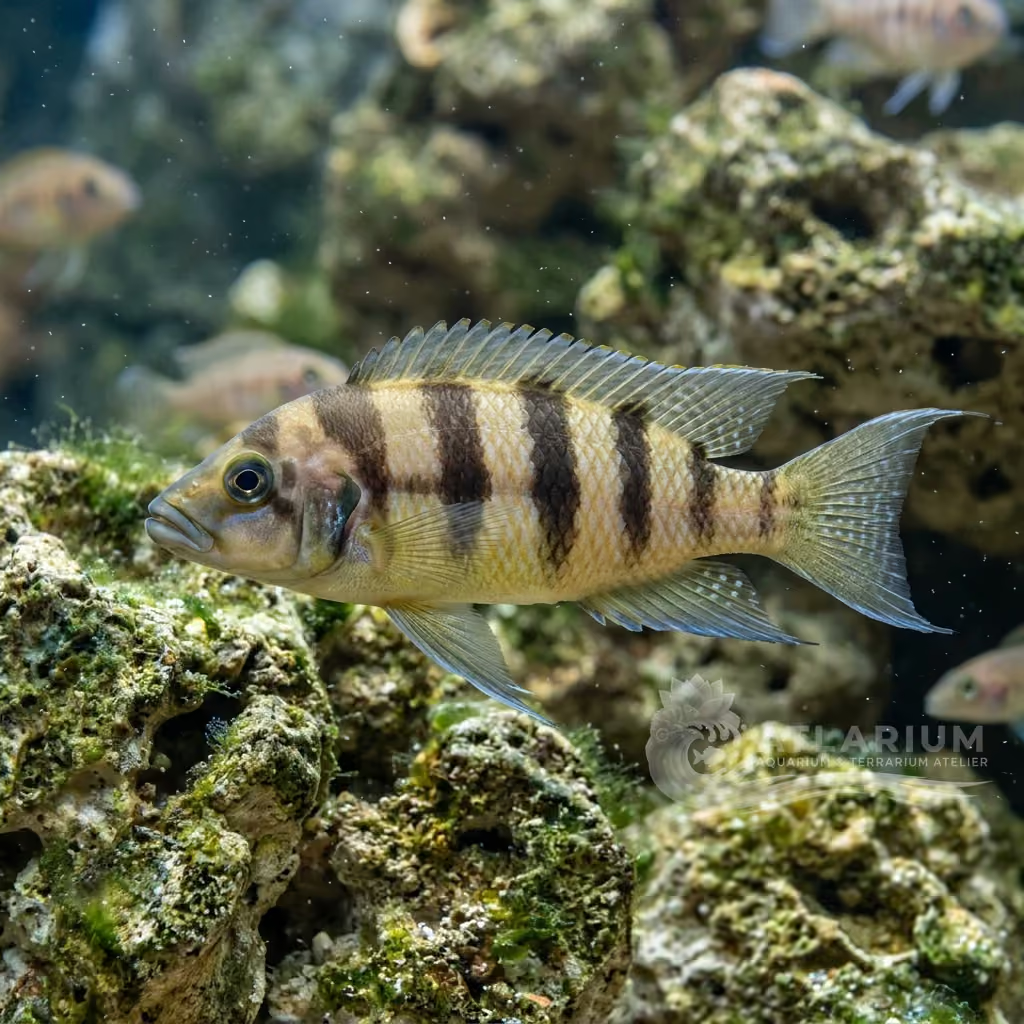
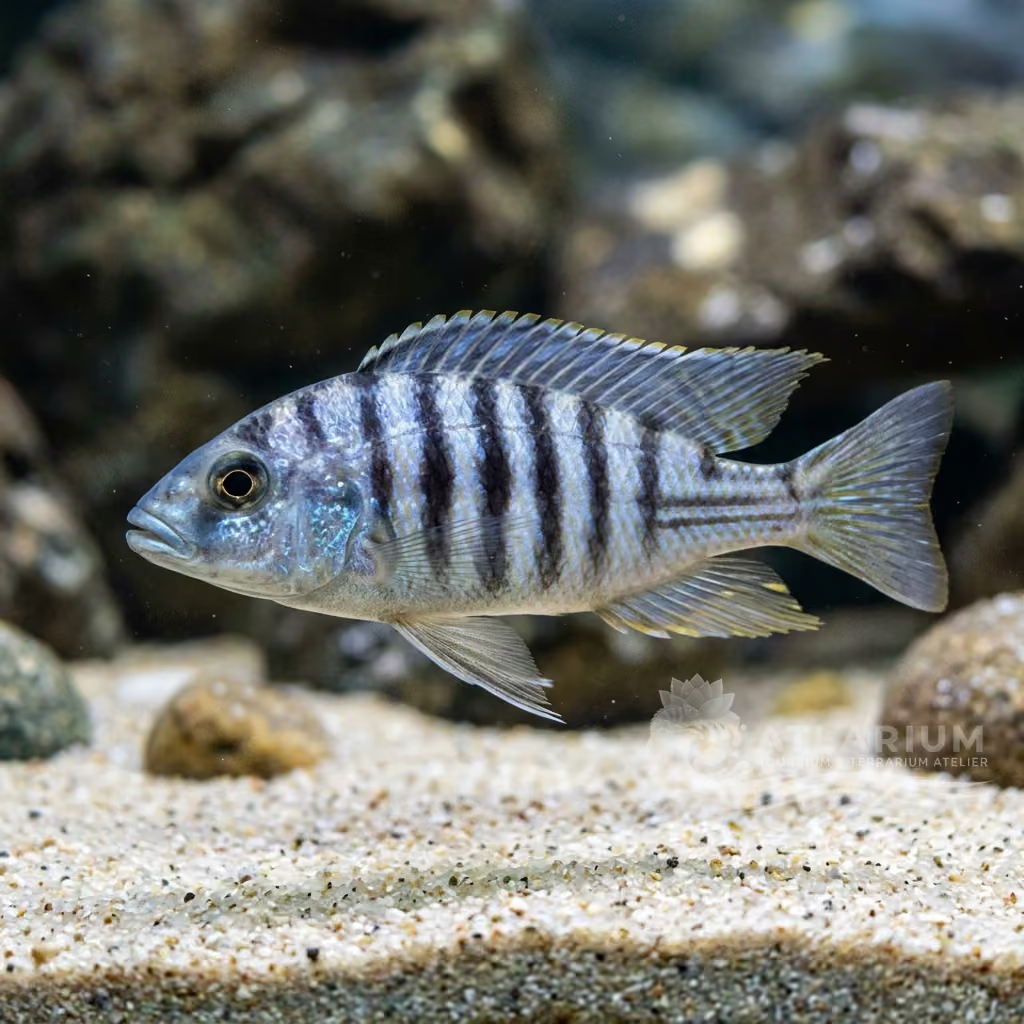
Coloration and Sexual Dimorphism: Pale light sand or shiny chamois base to camouflage with the quartz grains, surmounted by well-impressed beige or bronze vertical bands (often intersecting in a very slight checkerboard in rare morphs). Exhibits very slight brushstrokes of pastel lilac iridescence in the throat or gold spots on the branchial ocelli; a blue thread borders all fins and the anal one shows pink vertical stripes in tension. Dimorphism: the male clearly overhangs the microscopic female in volumetric corpulence, which is recognized almost only at the time of spawning.

Care, breeding and tankmates
Aquarium Setup: Essential, monastic and ultra-specific, a modest narrow-base tank from 50-60 cm (20-24 inches) with extensive and bare flat panoramas is more than enough. It is ABSOLUTELY MANDATORY the bottom layer of pure and untouched very fine sugar sand of over 5 centimeters (2 inches), generously covered with large empty and sanitized huge snail shells (huge smooth Burgundy Escargots are fine, or native Neothauma shells or giant oceanic soup snails). Avoid sharp pebbles altogether, zero rock backgrounds. Mild light.
Diet and Feeding: Macro Predators stationing of gliding particles. Live for the carnivorous meal (aquatic larvae), absolutely disdaining and rejecting the purest spirulina or massive herbivorous granules. They will accept formidable live brine shrimp that tickles the instinct, fine thawed bloodworms, pulverized cyclops, mysis. Lazied by territorialism they demand perfect sinking on the vicinity of the shell trapdoor to bite lazy and secure.
Water Quality: Hyper-orthodox Tanganyika lake chemistry and purity: petrified waters by alkalinity, hardness pushed to very high values (12-25 GH) without hesitation and pH perennially and inflexibly higher than 8.2 (8.5 ideal). Demanding of a very strong benthic hygiene at the bottom of the tank with breaking recirculations that remove carbon dioxide keeping the oxygen halo in the tank crystalline or they will quickly suffocate from toxic starvation.
Compatibility and Cohabitation: Extreme caliber inclusion model: heavenly pairing exclusively only and uniquely to the masters of pelagic swimming at the surface at very high altitudes (Cyprichromis leptosoma species and suspended cousins). No conspecific shell-dweller in the running and categorically never introduced together with the large Frontosa from which they would be breakfasts. The rowdy rock fish (Malawi Mbuna and Julidochromis) would wear down their precarious isolation brutally bending their defensive quiet to crushed fins.
Aquarium Breeding: A comical and moving magic for passionate novices (Exclusive Shell Spawners, polygamous or solid). Attracted and fertilized, the little bride of the Brevis slides down to the blind and dark vortex at the last sealed spiral of the shell-house to paper it with tiny 3-millimeter pearls, and the majestic father, although limited by the format, will make a dam by sticking his head into the trapdoor to seal it from enemies while releasing the sperms. Together with the tiny and very numerous dark clones in the brood they will stroll peacefully on a tiny pasture escaping the world in the protected shell of the mother for 2-4 weeks in the absence of supplementary live food in the tank.
Risks and Diseases: Lethality deriving from the reckless sediment management of the ignorant owner. Obstructions from sharp-cut sands will tear the swallowing of essential minerals and scrape the gills leading the brevis to infected bacterial pallor in soft waters (if not added with salts or plaster shells in the filter). Desert the shells and rot from lethal stress deprived of calcified homes.

Geographic origin and distribution
Widely distributed on all the open and desolate sandy margins of the entire Lake Tanganyika, from the deep shores to the surface waters. It specifically inhabits coastal micro-zones where the high concentration of dead shells is however almost totally absent (rare and isolated shells).
Origin
Africa and MadagascarEast Asia

Fish profile
- Temperament
- Semi-aggressive
- They are bold and highly territorial despite their small size. They will fearlessly defend their shell against fish much larger than themselves. While aggressive towards intruders near their home, they are generally peaceful towards fish in the upper water column.
- Diet
- Omnivore
- In the wild, they are micro-predators feeding on zooplankton and tiny invertebrates. They readily accept high-quality sinking pellets, crushed flakes, and live or frozen foods. Offer them a varied diet including brine shrimp, daphnia, and bloodworms to ensure optimal health and vibrant colors.
- Life expectancy
- 6-10 years
- Adult size
- 5 cm
- Sex ratio
- Pair
- They naturally pair off and form monogamous bonds. It is best to purchase a group of juveniles and let them form pairs naturally. Once a pair is established, they will inhabit the same shell and work together to defend their territory.
- Feeding frequency
- Twice daily
- They should be fed small portions one to two times daily. Ensure that the food sinks quickly enough to reach their territory near the bottom. Avoid overfeeding, as uneaten food will quickly foul the water and cause health issues.
- Bioload
- Low
- This small shell-dwelling cichlid produces a relatively light bioload. Their small size means they do not heavily tax the aquarium's filtration system. However, excellent water quality is still necessary for their long-term health and successful breeding.
- Flow
- Stagnant
- They prefer a moderate water flow that simulates the currents of Lake Tanganyika. Good water movement helps keep the substrate clean and oxygenates the water efficiently. However, the flow should not be so strong that it blows sand into their shells or prevents them from swimming comfortably.
- Jump risk
- No
- Reproduction
- Oviparous
- They are monogamous shell-dwellers where both the male and female share the same shell for breeding and shelter. The female lays her eggs deep inside the shell, and the male fertilizes them. Both parents fiercely defend the shell and the resulting fry from any intruders.
- Compatibility & tankmates
- Semi-aggressive
- They are moderately aggressive and highly territorial around their chosen shell. They can be kept in a community of Tanganyikan cichlids if the aquarium is large enough to establish distinct territories. Avoid keeping them with large, aggressive predators or bottom-dwellers that might dispute their shells.
- Tank level
- Bottom
- They are strictly bottom-dwelling fish that spend almost all their time near the substrate. Their entire life revolves around their chosen shell, where they hide, breed, and sleep. They rarely venture into the upper levels of the water column.

Scientific Parameters & Models
FishBase
Window to the official scientific data of the species
FishBase v25.04Data synced on: 06/15/2026
- Trophic level
- 3.4 ± 0.45 se
- Resilience
- High (less than 15 months)
- Phylogenetic uniqueness (PD50)
- 0.5
- Bayesian Length-Weight
- a = 0.01445, b = 2.99
- VulnerabilityLow vulnerability (10 / 100)

Related species
Recommendations grouped by close relatives, companion choices, and similar care.