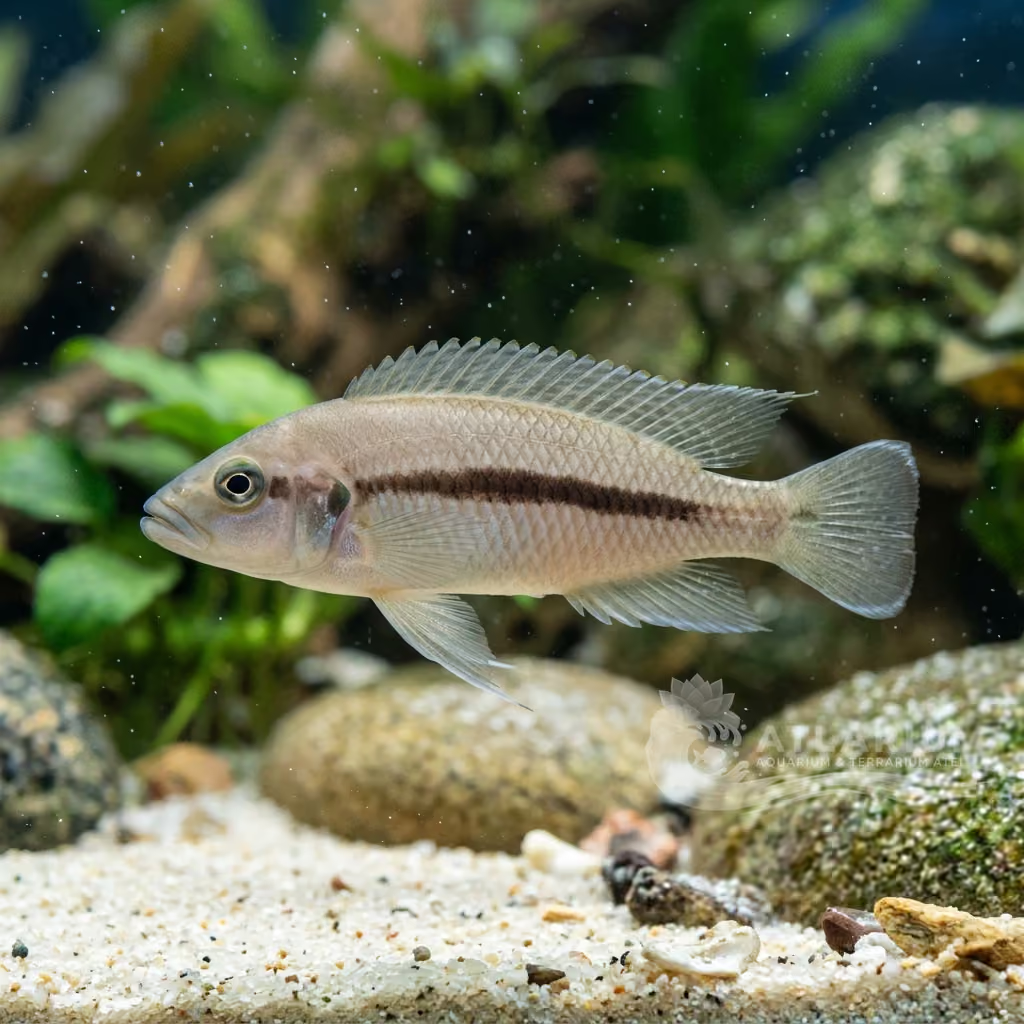
Auratus Cichlid
Melanochromis auratus
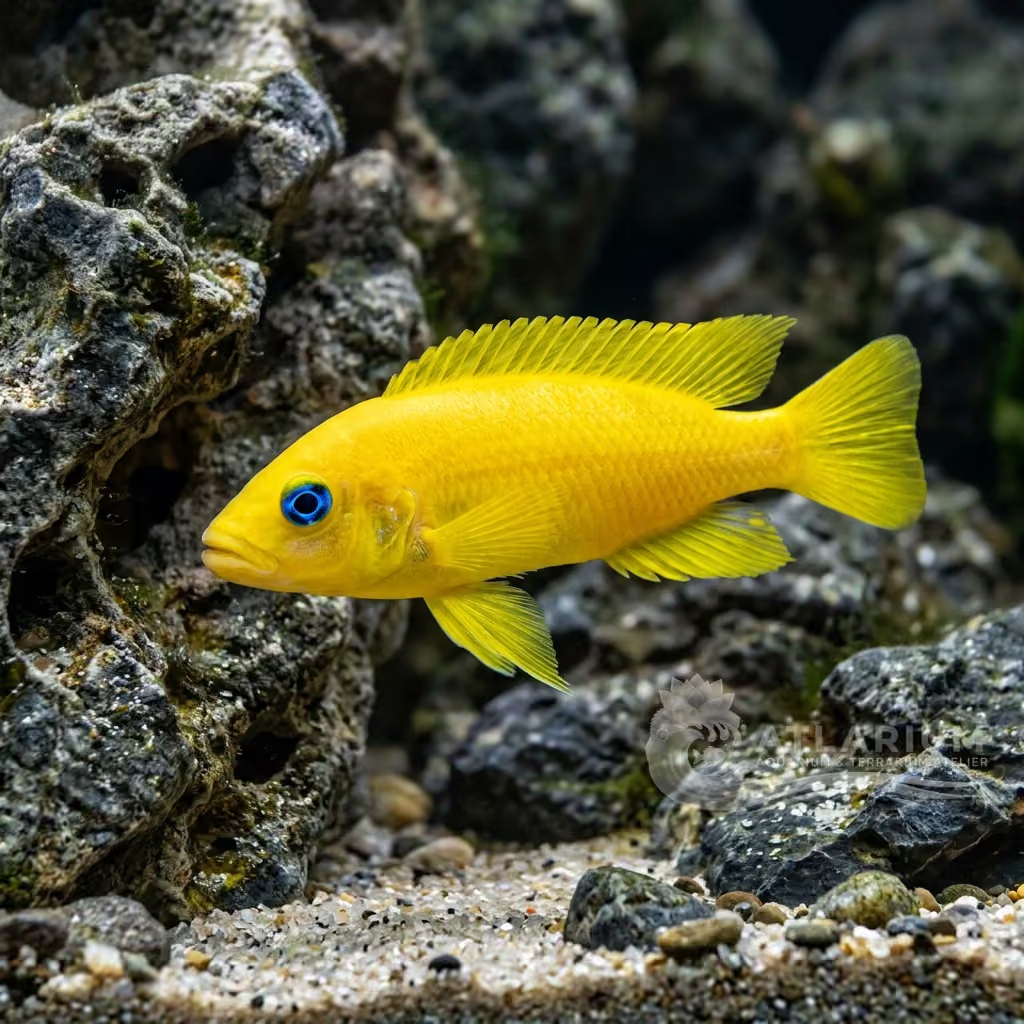
The infamous, terrifying 'Golden Cichlid' of the hobby (11 cm / 4.5 inches). Juveniles and females are a stunning bright gold with dark horizontal stripes. Unfortunately, adult males undergo a complete color reversal (turning velvet black with light stripes) and become shockingly, relentlessly hyper-aggressive, often murdering the entire tank if poorly managed.
Water Temperature
24 - 28 °C
pH Value
7.8 - 8.6
Water type
Freshwater
Tank level
Bottom and middle
Adult size
11 cm
Minimum tank volume
>= 100 L
Minimum group
>= 1
GH
10 - 25 dGH
KH
5 - 12 dKH
TDS
200 - 495 ppm
Conductivity
313 - 773 uS/cm

Species description
Geographical Origin and Habitat: Strictly endemic to the rocky, wave-washed southern coasts of Lake Malawi. They are obligate rock-dwellers, weaving tightly through the mazes of massive, jagged boulders to scrape at microscopic life, never straying into the vulnerable open water.
Taxonomy and Morphology: The most notorious member of the rock-dwelling Mbuna class. Highly specialized morphology: it sports an extremely sleek, elongated, torpedo-like body shape designed for unparalleled speed and agility while darting through tiny cracks in the rocks. Grows to a relatively small 11-12 cm (4.5 inches). The mouth features chisel-shaped teeth designed to scrape rough layers of algae off boulders.
Social Behavior: PURE PSYCHOPATHY. Universally feared in the hobby for harboring the most brutal aggression level of all commonly sold African Cichlids. The dominant Alpha male claims huge territories of rockwork and exhibits a murderous rage against anything that enters it. He will relentlessly hunt down and ram, bite, and exhaust his victims. Shockingly, even the females are violently territorial and will murder weaker females to establish a rigid pecking order.
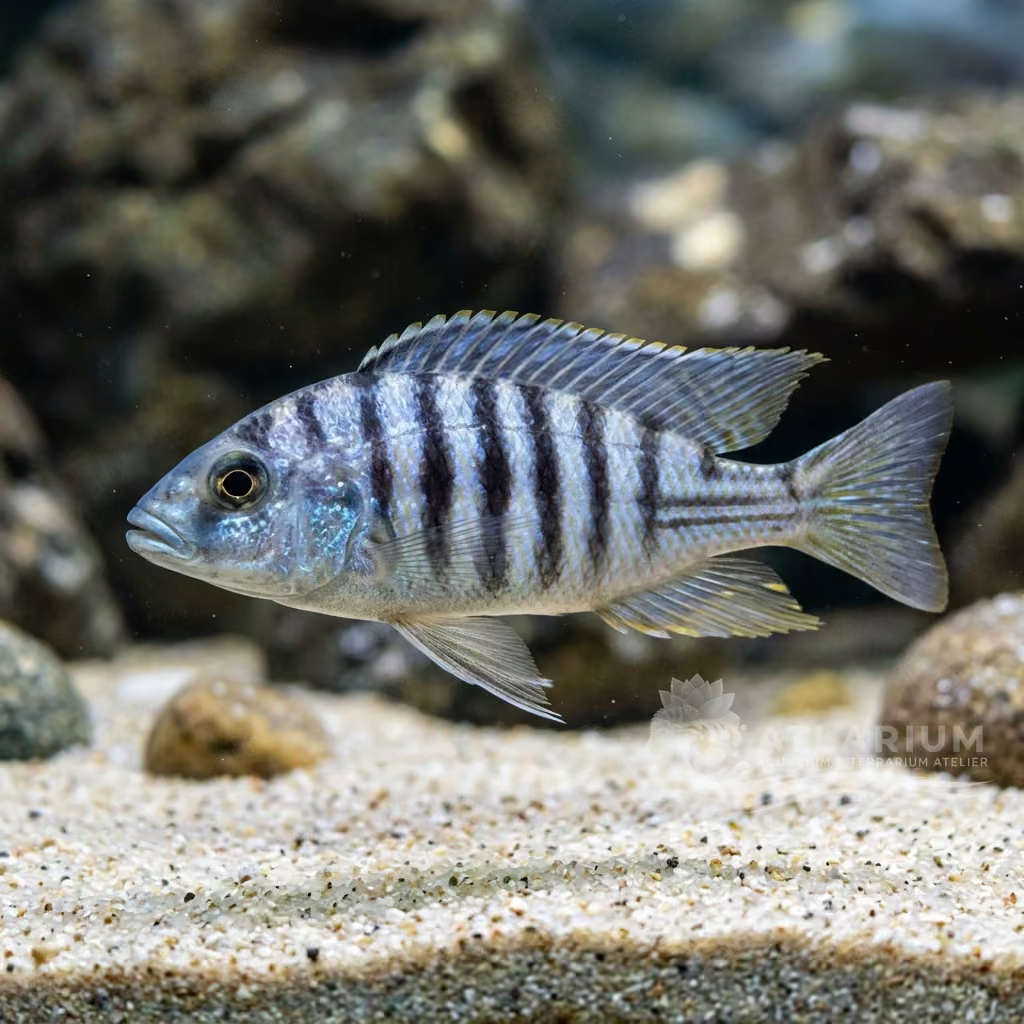
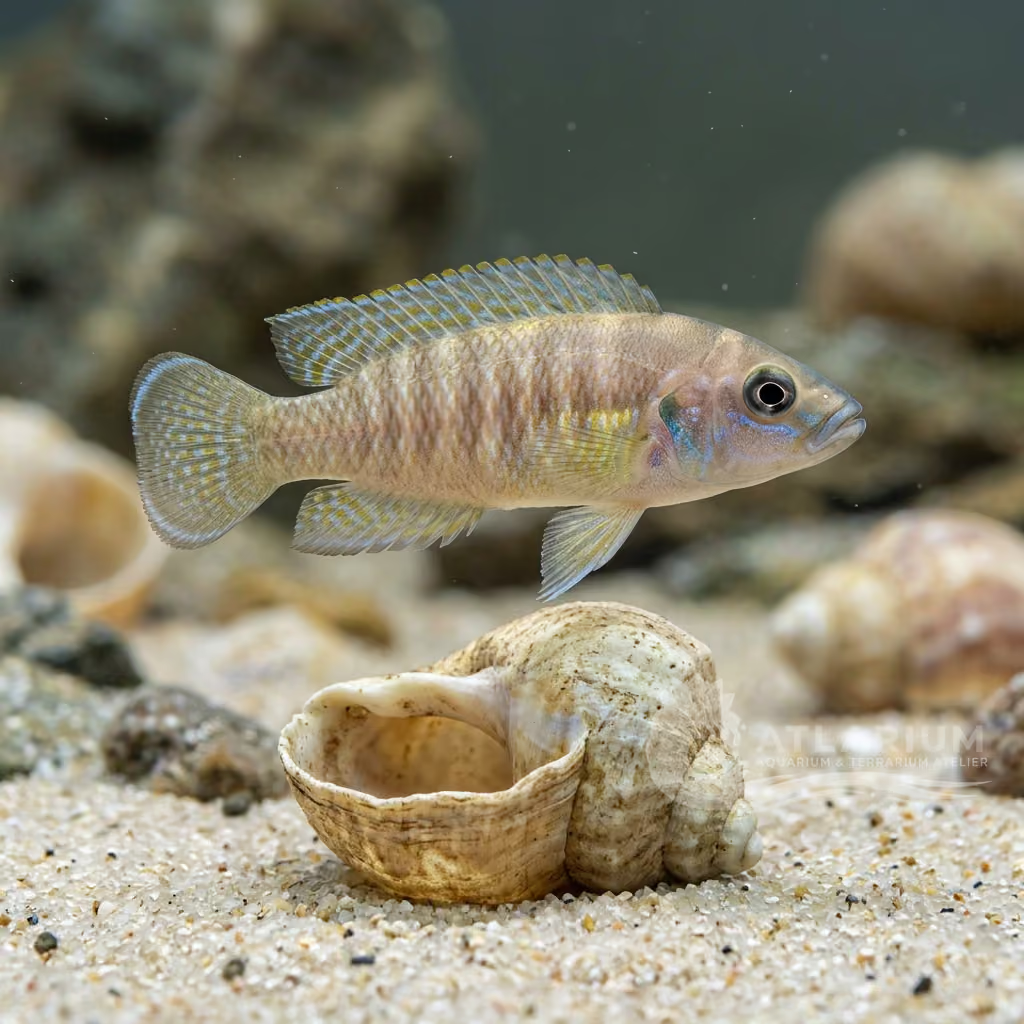
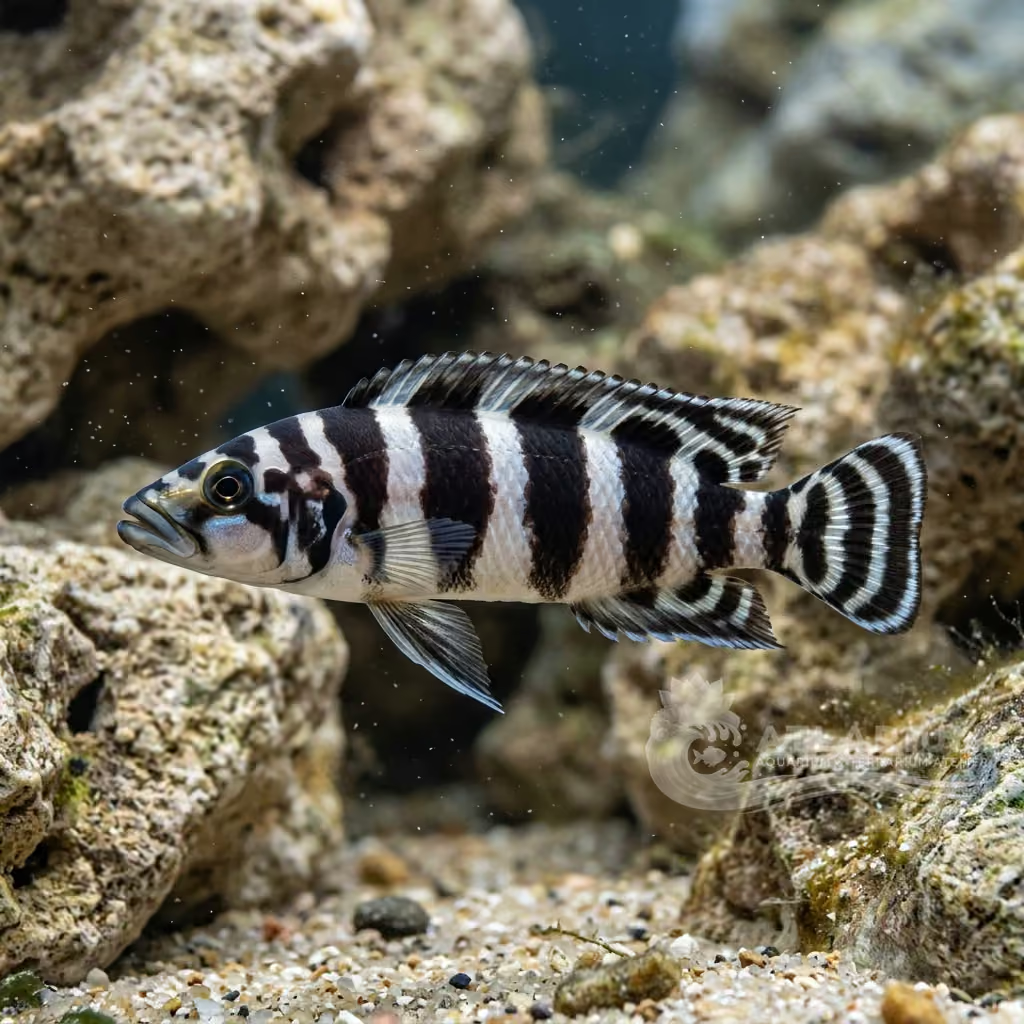
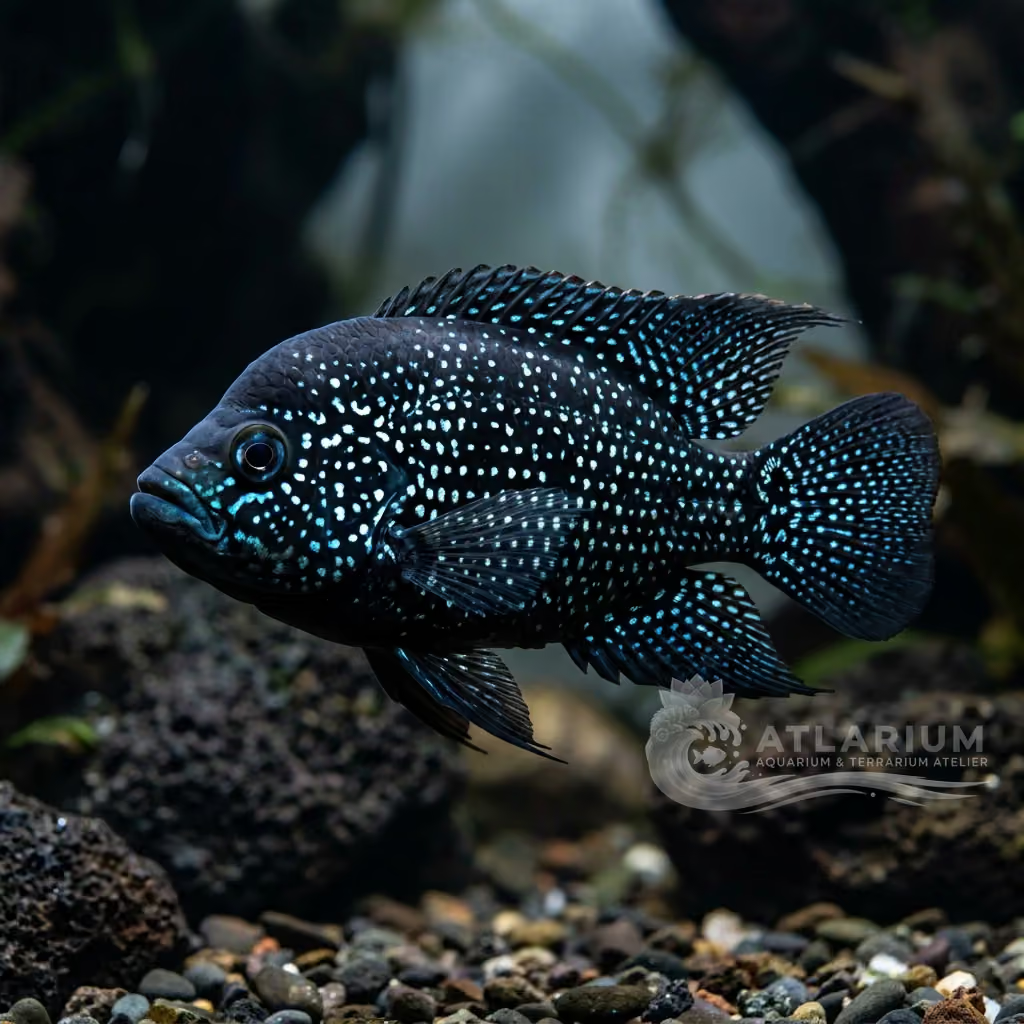
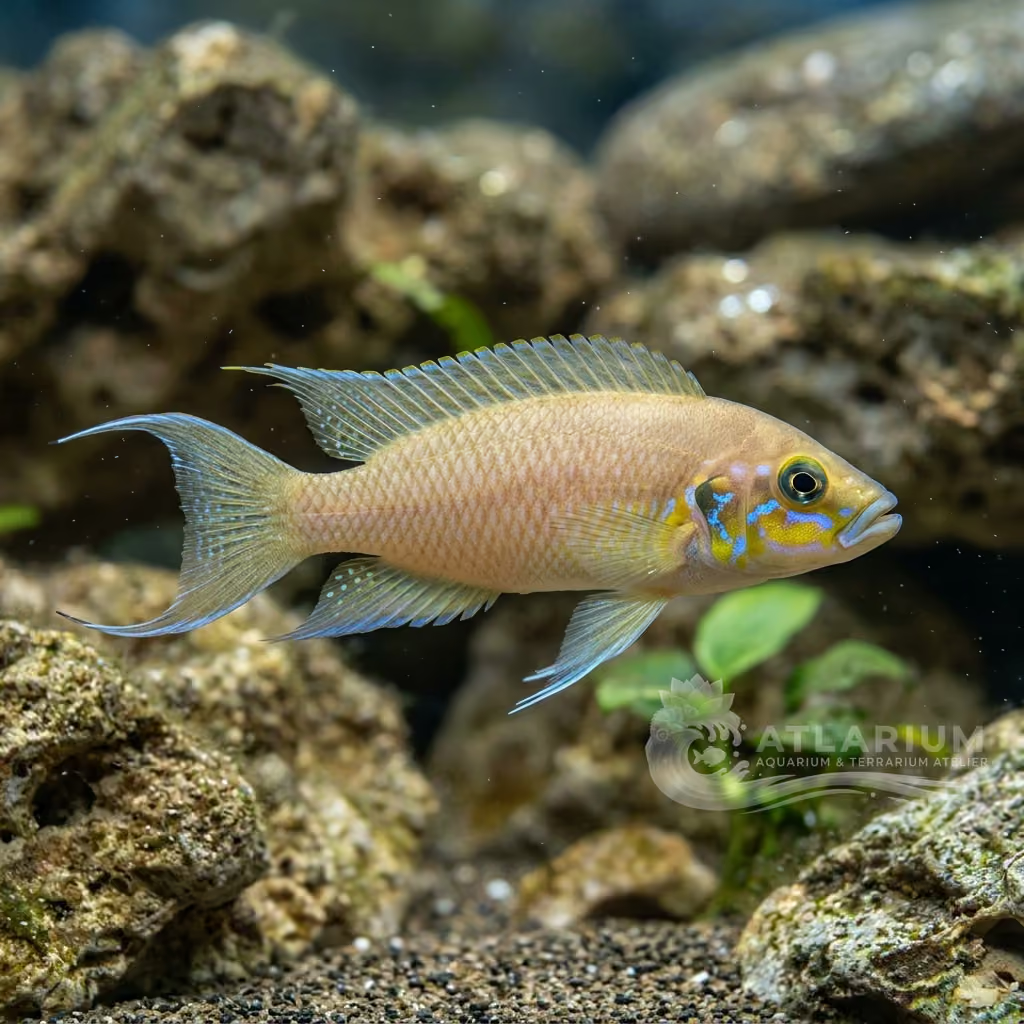
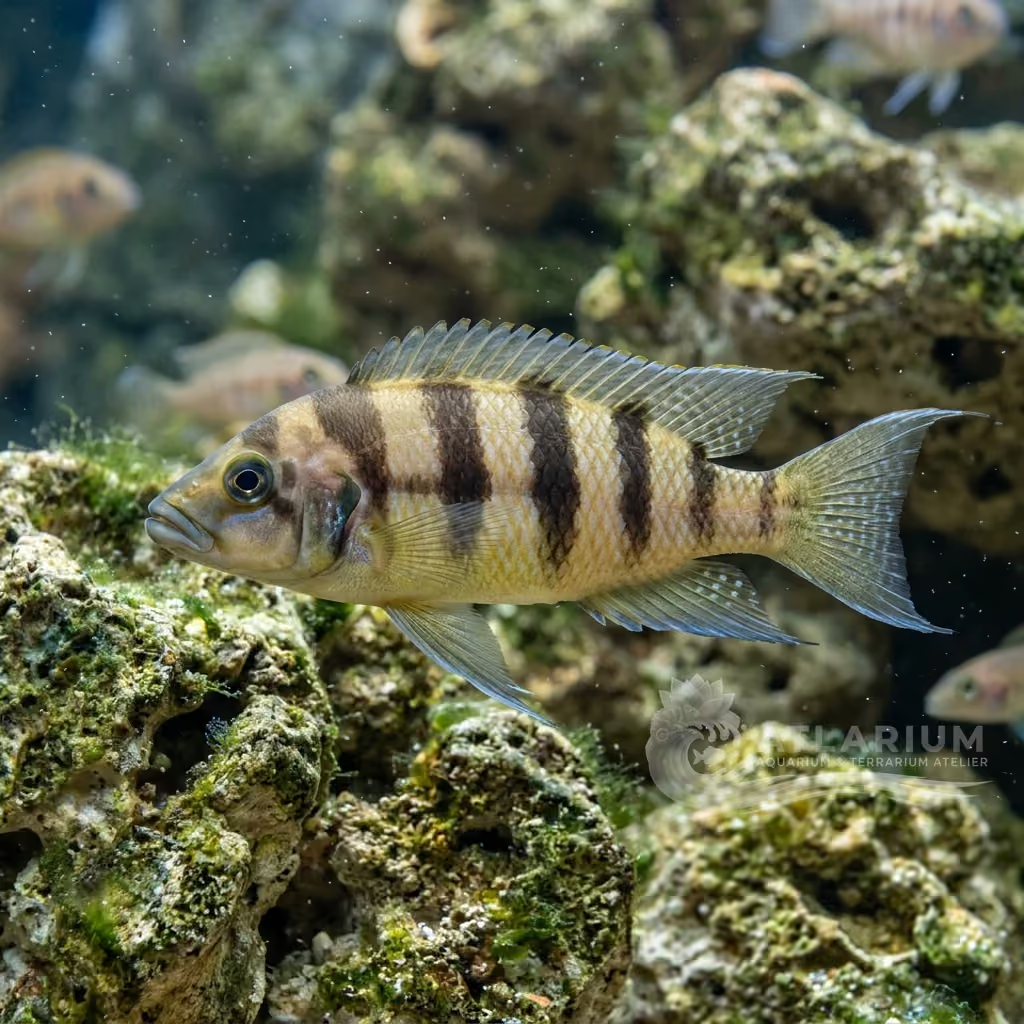
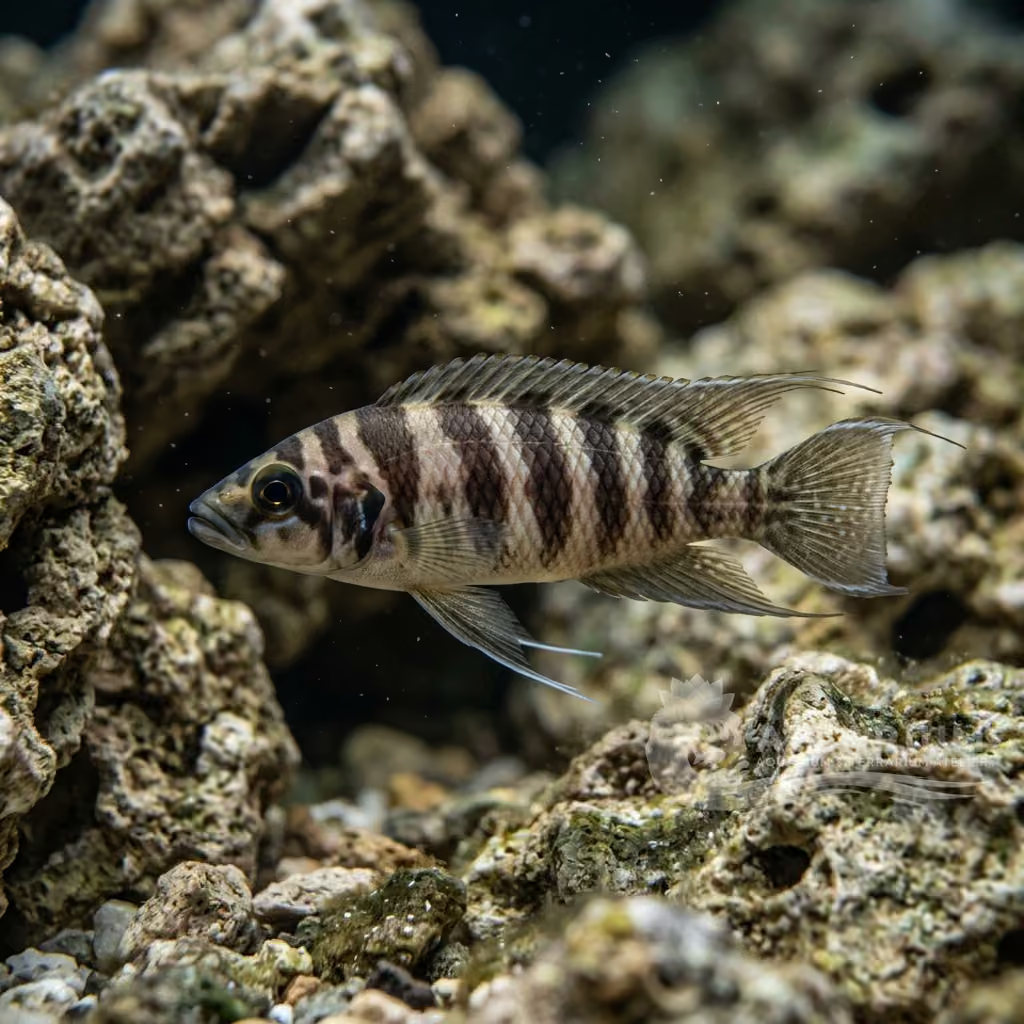
Coloration and Sexual Dimorphism: Extremely deceptive and unique. Young fish and adult females are breathtaking: a brilliant, solid Golden-Yellow base crossed by two thick, solid black horizontal stripes running from head to tail. As males hit sexual maturity, they execute a total 'Color Inversion' (Melanism): their yellow body turns dark Charcoal/Velvet Black, and the black stripes fade to a pale, smoky blue or neon yellowish-white. Often, if the Alpha male is killed, the dominant 'Golden' female will darken her colors, masquerading as a male.

Care, breeding and tankmates
Aquarium Setup: Must have massive swimming space despite its small size. Minimum tank footprint is 120-150 cm (4-5 feet / 55-75 gallons). THE ROCK WALL IS SURVIVAL. The tank must be overwhelmingly stuffed from bottom to surface with large limestone or slate rocks. You must create hundreds of dark, deep, pass-through caves and visual barriers (walls that stop fish from seeing from one end of the tank to the other). This is the only way victims can break the line of sight and escape the relentless male. Fine sand substrate. No plants.
Diet and Feeding: Herbivore/Omnivore (Aufwuchs Grazer). Highly susceptible to diet issues. The diet MUST be heavily based on High-Quality Spirulina/Vegetable flakes or sinking pellets. You can supplement with tiny frozen treats like Mysis shrimp and brine shrimp. STRICT RULE: NO heavy proteins like Beefheart or bloodworms. High fat/meat diets will block their long intestines, causing fatal swelling ('Malawi Bloat').
Water Quality: Demands Hard, Alkaline African Rift chemistry. pH 7.8-8.6. High GH (10-25). Temp 24-28°C (75-82°F). Strong filtration is vital. They are tough fish but will stress out and lose their vibrant colors if nitrates remain high for long periods.
Compatibility and Cohabitation: THE TANK DESTROYER. It should ONLY be housed in heavily 'overstocked' African tanks containing strictly the most aggressive, toughest, rock-solid Mbuna available (like Bumblebee Cichlids, Red Zebras, Johanni). NEVER house an Auratus with peaceful Peacocks (Aulonocara), Haplochromis, or ANY South American fish (they will be brutally murdered). HAREM RULE: You MUST keep 1 Black Male to a staggering 6-8 Golden Females. If you keep 1 male with 1 female, she will be dead from harassment in days. Never keep two males.
Aquarium Breeding: Prolific maternal mouthbrooders. The male wildly trembles and herds the female into a dark cave. She deposits 20-40 eggs, immediately scoops them up in her mouth, and retreats into the rocks. She will starve herself for 21-28 days. Once released, the golden fry are fast, incredibly smart, and will start asserting dominance over each other almost instantly.
Risks and Diseases: 1. MASS MURDER of the entire community tank. Pet stores often sell them cheap to beginners because they are 'pretty yellow fish', leading to total tragedy. 2. Killing of females if there are not enough hiding spots or a large enough harem. 3. Fatal intestinal blockage (Malawi Bloat) if fed carnivore-based fish foods.

Geographic origin and distribution
Strictly endemic to the rocky, wave-washed southern coasts of Lake Malawi. They are obligate rock-dwellers, weaving tightly through the mazes of massive, jagged boulders to scrape at microscopic life, never straying into the vulnerable open water.
Origin
Africa and Madagascar

Fish profile
- Temperament
- Semi-aggressive
- The temperament is extremely aggressive. Dominant males fiercely defend their structures. Careful planning of tank mates is required.
- Diet
- Omnivore
- They are primarily herbivorous grazers. Feed them high-quality vegetable-based flakes. Avoid excessive protein to prevent digestive issues.
- Life expectancy
- 5-10 years
- Adult size
- 11 cm
- Sex ratio
- Flexible
- Keep one male with several females. This disperses the male's intense aggression. Multiple males require very large tanks.
- Feeding frequency
- Twice daily
- Feed small amounts twice daily. Overfeeding rapidly degrades water quality. Frequent small meals mimic natural grazing.
- Bioload
- Medium
- This species produces a high bioload. Regular water changes are crucial. A strong filtration system prevents waste buildup.
- Flow
- Stagnant
- They prefer moderate water flow. This ensures adequate oxygenation in the tank. Stronger surface currents facilitate gas exchange.
- Jump risk
- Yes
- There is a moderate jump risk. A secure lid is highly recommended. Ensure no gaps exist near equipment.
- Reproduction
- Oviparous
- They are maternal mouthbrooders. Females hold eggs for about three weeks. Fry are released fully formed.
- Compatibility & tankmates
- Semi-aggressive
- It is a highly aggressive cichlid. Keep only with other assertive Mbuna. It will harass peaceful community fish.
- Tank level
- Middle/Bottom
- They dwell in the lower and middle levels. They actively defend rocky territories. Open swimming is mostly during feeding.

Scientific Parameters & Models
FishBase
Window to the official scientific data of the species
FishBase v25.04Data synced on: 06/15/2026
- Trophic level
- 2 ± 0 se
- Resilience
- High (less than 15 months)
- Phylogenetic uniqueness (PD50)
- 0.5
- Bayesian Length-Weight
- a = 0.01445, b = 2.99
- VulnerabilityLow vulnerability (10 / 100)

Related species
Recommendations grouped by close relatives, companion choices, and similar care.