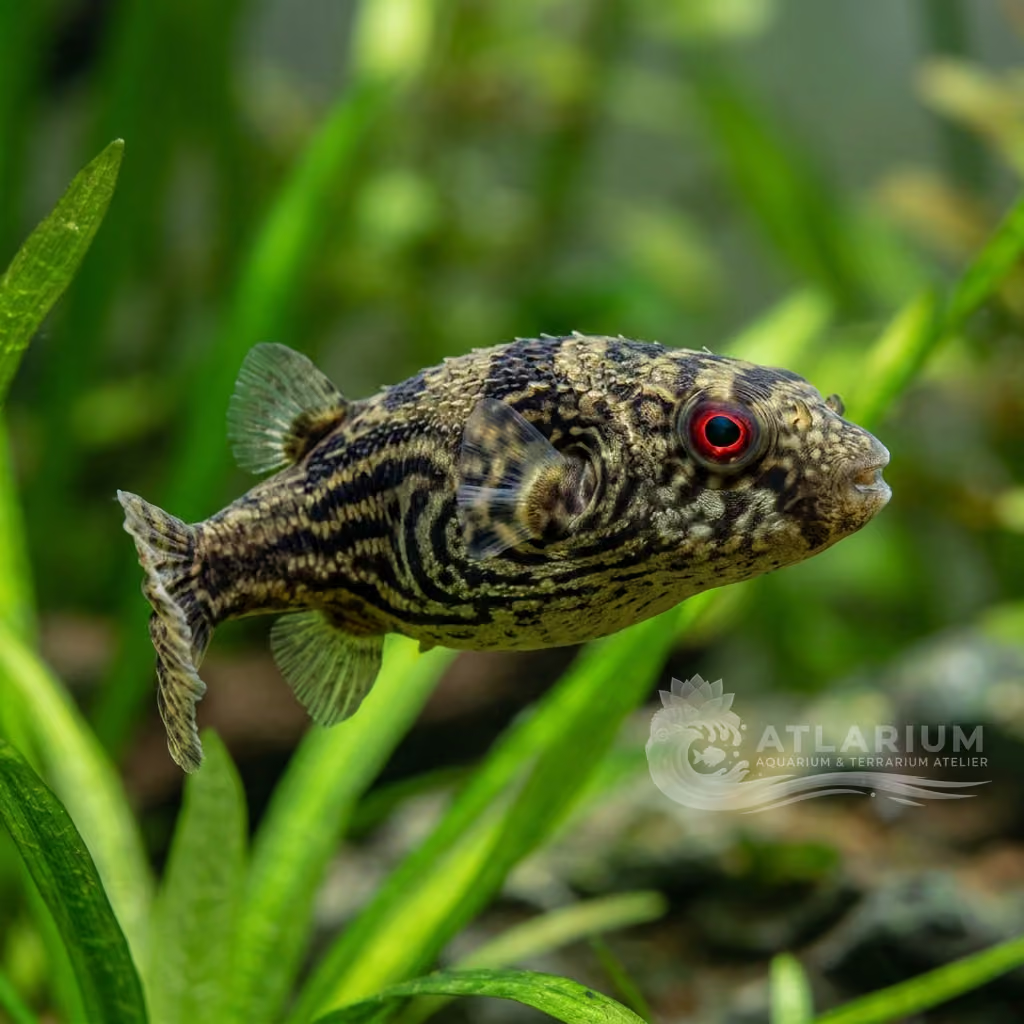
Green Spotted Puffer (GSP)
Dichotomyctere nigroviridis
The Freshwater Lie and The Marine Truth (6 inches / 15 cm). The GSP is the single most tragically misunderstood fish in the pet trade. Stores sell them by the thousands as 'Freshwater Puffers'. THIS IS A FATAL LIE. While babies hatch in freshwater rivers, their bodies undergo a radical biological shift as they grow. They MUST migrate to Brackish estuaries, and eventually Full Marine ocean water as adults. Keeping an adult GSP in freshwater guarantees a slow, agonizing death from kidney failure and suppressed immunity.
24 - 28 °C
7.5 - 8.5
Freshwater
Middle
15 cm
>= 180 L
>= 1
10 - 20 dGH
5 - 10 dKH
200 - 400 ppm
313 - 625 uS/cm

Species description

Care, breeding and tankmates

Geographic origin and distribution
Origin

Fish profile
- Temperament
- Semi-aggressive
- They are fiercely aggressive, highly intelligent, and very interactive pets. They possess strong individual personalities and quickly learn to recognize their owners. Despite their endearing swimming style and cute appearance, they are ruthless predators.
- Diet
- Omnivore
- Their diet must consist heavily of hard-shelled invertebrates to prevent their teeth from overgrowing. Snails, small crabs, mussels, and clams are essential staples that mimic their natural foraging habits. A varied diet of crunchy foods is absolutely critical to avoid manual dentistry.
- Life expectancy
- 10-15 years
- Adult size
- 15 cm
- Sex ratio
- Group
- There are no visible differences between males and females, making sexing them nearly impossible. Due to their extreme aggression towards conspecifics, keeping them in groups is highly discouraged. Therefore, managing a specific sex ratio is not a practical concern for the home aquarist.
- Feeding frequency
- Twice daily
- Juveniles have high metabolisms and should be fed small portions daily. As they reach adulthood, feeding frequency should be reduced to every other day to prevent obesity. It is important to carefully portion their meals, as they are enthusiastic eaters that will gorge themselves.
- Bioload
- Medium to High
- The Green spotted puffer produces a high bioload due to its messy eating habits and carnivorous diet. They require heavy filtration and strict maintenance routines to keep water parameters pristine. Frequent, substantial water changes are essential to prevent health issues in their brackish setup.
- Flow
- Stagnant
- They enjoy a moderate to strong water flow that mimics the tidal estuaries they inhabit in the wild. Powerheads can be used to provide a strong current, which they will actively swim against. High oxygenation is crucial, and strong surface agitation helps achieve this.
- Jump risk
- Yes
- They are very active and curious fish that pose a high jump risk if the tank is left uncovered. A tight-fitting lid is strictly required to keep them safely contained within the aquarium. Ensure that all gaps around filter pipes and heaters are securely blocked.
- Reproduction
- Oviparous
- Captive breeding of the Green spotted puffer is virtually unheard of in the home aquarium. Their complex life cycle, migrating from freshwater to marine environments, makes simulating breeding conditions difficult. Almost all specimens in the hobby are wild-caught.
- Compatibility & tankmates
- Species only
- They are notoriously aggressive and fin-nipping, making them poor candidates for a community aquarium. They are best kept in a species-only tank, as they will harass and eventually kill most other fish. Invertebrates are completely out of the question, as they will be eaten immediately.
- Tank level
- Middle
- They are highly active fish that utilize all levels of the water column. They will continuously patrol the tank, exploring the substrate for hidden snails and swimming through the mid-water. A complex environment with rocks and decorations provides them with necessary mental stimulation.

Scientific Parameters & Models
Window to the official scientific data of the species
- Trophic level
- 3.4 ± 0.51 se
- Resilience
- High (less than 15 months)
- Phylogenetic uniqueness (PD50)
- 0.5156
- Bayesian Length-Weight
- a = 0.0263, b = 2.88
- VulnerabilityLow vulnerability (10 / 100)

Related species
Recommendations grouped by close relatives, companion choices, and similar care.