Dog-faced pufferfish
Arothron nigropunctatus
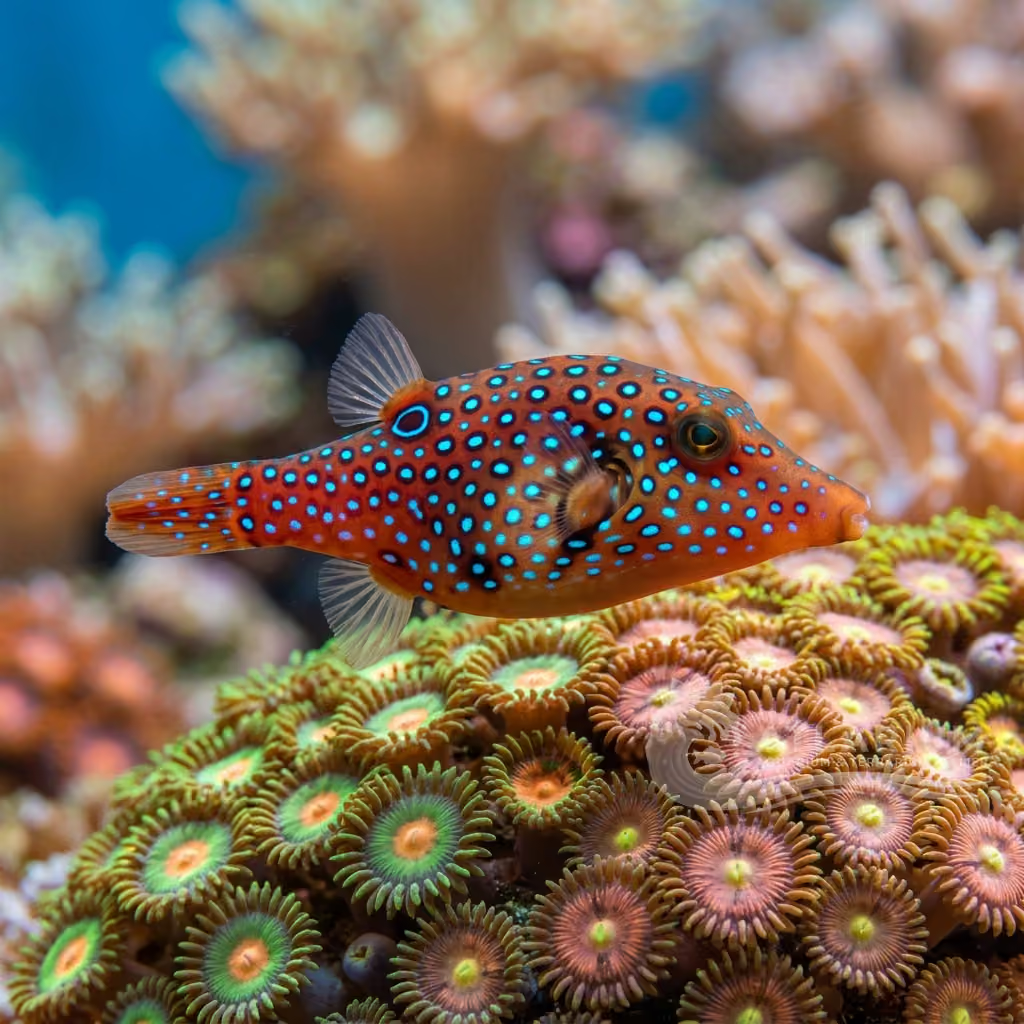
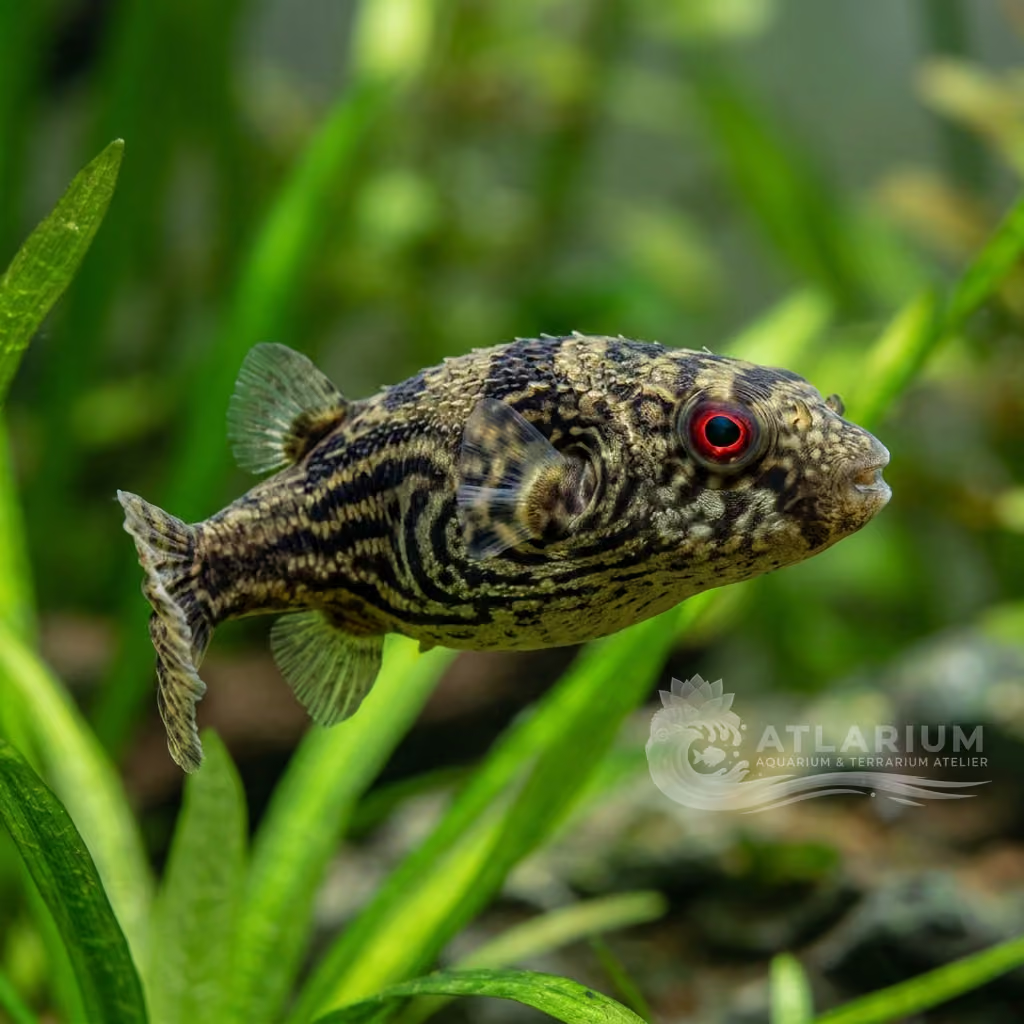
Known as the dog-faced puffer, it features a distinctive canine-like facial structure and a grey or yellow body with black spots. Requires hard shelled foods to wear down its teeth.
Water Temperature
23 - 28 °C
pH Value
8.1 - 8.4
Water type
Marine
Tank level
Bottom and middle
Adult size
30 cm
Minimum tank volume
>= 500 L
Minimum group
>= 1

Species description
Geographical Origin and Habitat: Found throughout the tropical Indo-Pacific, from the Red Sea and East Africa to Micronesia and Samoa, and north to southern Japan. It inhabits coral-rich lagoons and sheltered seaward reefs.
Taxonomy and Morphology: Belongs to the family Tetraodontidae, genus Arothron. It has a rounded, flexible body covered in small dermal spines that are visible only when the fish inflates. The snout resembles that of a canine, hence the common name.
Social Behavior: Generally peaceful, slow-moving, and inquisitive. It may display territorial behavior towards other puffers of the genus Arothron. Known for its curious nature and interactive behavior with keepers.
Coloration and Sexual Dimorphism: Highly variable color morphs; the typical form is slate grey or brown with random black spots, but bright yellow ("golden") and bicolor specimens exist. No distinct external sexual dimorphism.

Care, breeding and tankmates
Aquarium Setup: Requires an aquarium of at least 100-120 gallons (400-500 liters). Provide a secure rockwork structure with large caves for shelter and open swimming areas. Ensure heaters and filter intakes are protected from biting.
Diet and Feeding: Carnivore. Requires hard-shelled foods to prevent dental overgrowth: open clams, mussels, whole shrimp, small crabs, and krill. Accepts frozen meaty foods readily.
Water Quality: Sensitive to high nitrate levels. Requires strong filtration with an oversized protein skimmer and regular water changes. Target: pH 8.1-8.4, specific gravity 1.020-1.025, temperature 24-26°C (75-79°F).
Compatibility and Cohabitation: Best suited for fish-only systems with semi-aggressive or large tankmates (tangs, large angels, mild triggerfish). Not reef-safe; will nip at corals and consume decorative invertebrates.
Aquarium Breeding: Has not been successfully bred in home aquaria.
Risks and Diseases: Susceptible to skin parasites such as marine ich (Cryptocaryon) and marine velvet. Because it lacks scales, copper medications must be used with extreme care; hyposalinity is often preferred.

Geographic origin and distribution
Found throughout the tropical Indo-Pacific, from the Red Sea and East Africa to Micronesia and Samoa, and north to southern Japan. It inhabits coral-rich lagoons and sheltered seaward reefs.
Origin
Selective breeding and cultivarsAfrica and MadagascarEast AsiaTropical oceans and reefs

Fish profile
- Temperament
- Peaceful
- Exhibiting a semi-aggressive, highly personable personality, this puffer is known for being highly interactive and almost dog-like. They quickly learn to recognize their owners and will beg for food at the glass. However, they can be unpredictable and may suddenly decide to attack a tank mate they previously ignored. Their powerful jaws command respect, and they should be handled with care.
- Diet
- Omnivore
- The Dog-faced puffer has a carnivorous diet consisting primarily of hard-shelled invertebrates. It is critical to feed them clams, mussels, shrimp, and crabs with the shells still attached. Eating hard shells helps wear down their continuously growing beak-like teeth. They will also greedily accept chunks of squid, krill, and commercial carnivore pellets.
- Life expectancy
- 8-10 years
- Adult size
- 30 cm
- Sex ratio
- Solitary
- There is no distinct sexual dimorphism present in this species, making it nearly impossible to determine their sex visually. Due to their large adult size and territorial nature, it is highly recommended to keep only one per tank. Mixing two individuals of the same species almost always results in severe aggression and injury. They are solitary hunters in the wild and prefer to remain that way in captivity.
- Feeding frequency
- Twice daily
- Despite their large size, adults generally only need to be fed once a day or even every other day. Overfeeding can lead to rapid deterioration of water quality and health issues for the fish. Offer meals that are appropriately sized for them to consume within a few minutes. Make sure their diet remains varied to prevent nutritional deficiencies over time.
- Bioload
- High
- The Dog-faced puffer produces a massive bioload due to its large size and messy eating habits. They generate significant amounts of waste, requiring a heavy-duty filtration system to maintain water quality. An oversized protein skimmer and regular, large water changes are absolutely essential. Without aggressive waste management, nitrate and phosphate levels can quickly become toxic.
- Flow
- Moderate
- These large puffers do well in moderate to strong water flow to keep the tank well-oxygenated. Good water movement helps sweep their substantial waste into the filtration system before it settles. However, they still need calmer areas behind large rock structures where they can rest at night. Ensure powerheads are securely mounted, as their bulky bodies can accidentally dislodge equipment.
- Jump risk
- No
- Reproduction
- Oviparous
- Captive breeding of the Dog-faced puffer has not been successfully accomplished in the home aquarium. In their natural habitat, they are pelagic spawners, releasing thousands of eggs into the open ocean currents. The larval stage is long and complex, requiring vast amounts of specific planktonic foods. Therefore, all individuals available in the aquarium trade are wild-caught.
- Compatibility & tankmates
- Reef safe
- This is a semi-aggressive, highly personable species that is absolutely not reef-safe, as it will decimate corals, crustaceans, and mollusks. They must be kept in a very large FOWLR aquarium with other large, robust tank mates. Avoid keeping them with small, slow-moving fish which might be viewed as a snack. They may also bite the fins of slower fish if they feel cramped or hungry.
- Tank level
- Middle/Bottom
- The Dog-faced puffer is an active swimmer that will utilize all levels of the aquarium, from top to bottom. They often patrol the middle water column while searching for food and inspecting their surroundings. At night, they prefer to settle down on the sandbed or wedge themselves under large rock overhangs. Providing plenty of open swimming space is crucial for their well-being.

Related species
Recommendations grouped by close relatives, companion choices, and similar care.