Golden Julie
Julidochromis ornatus
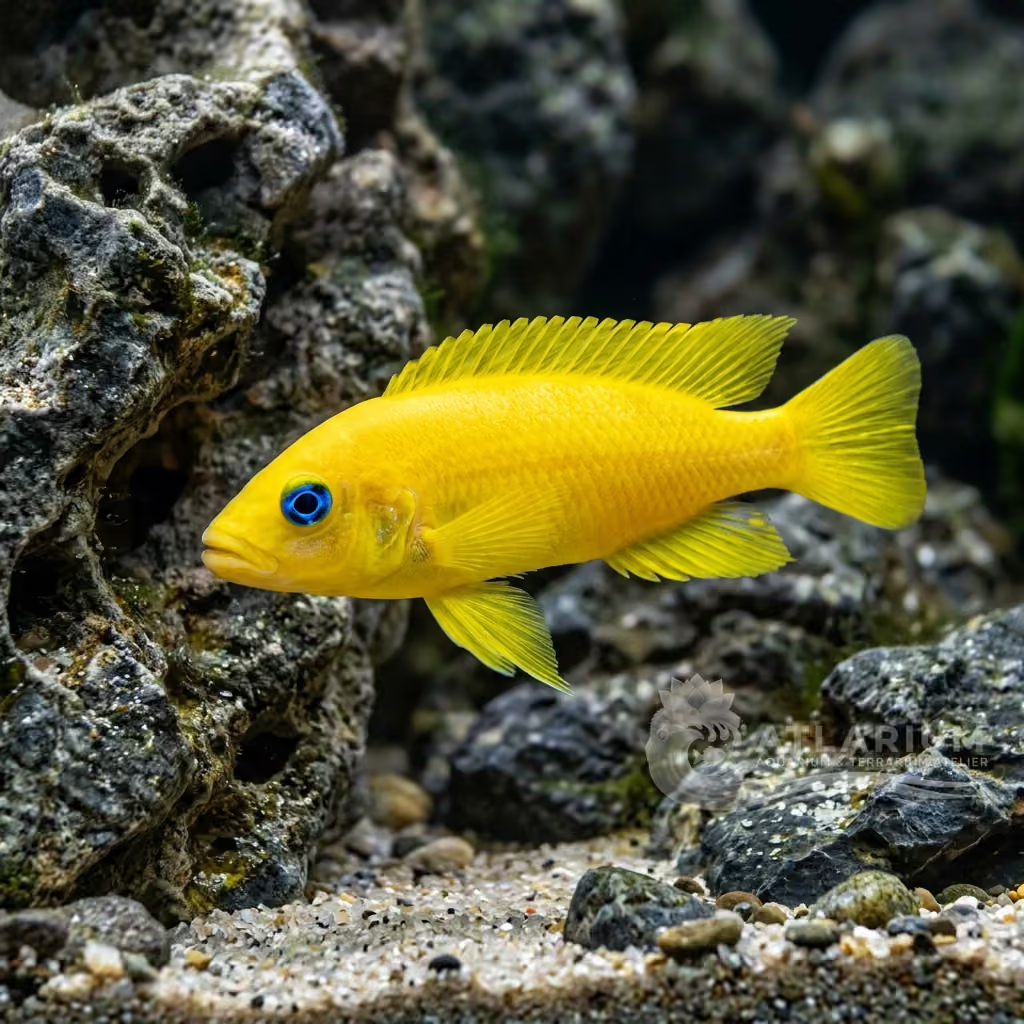
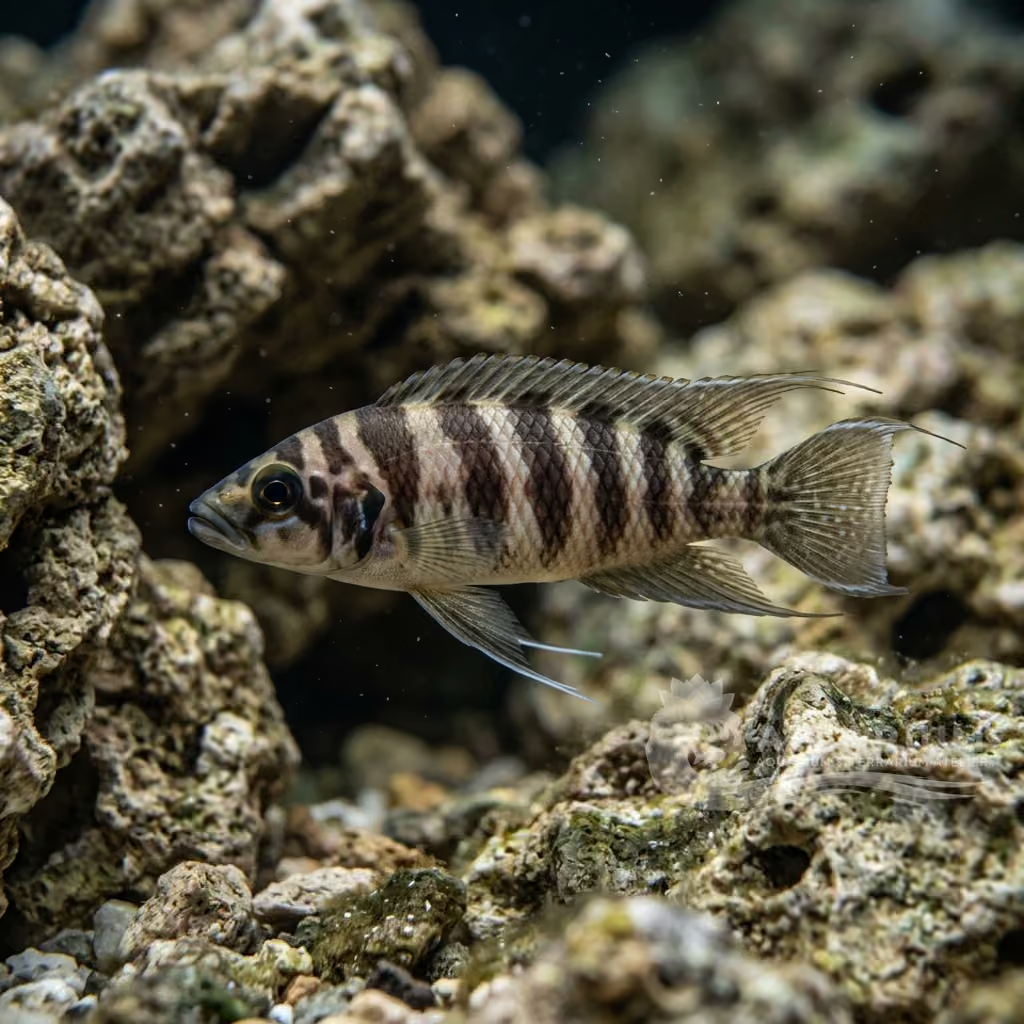
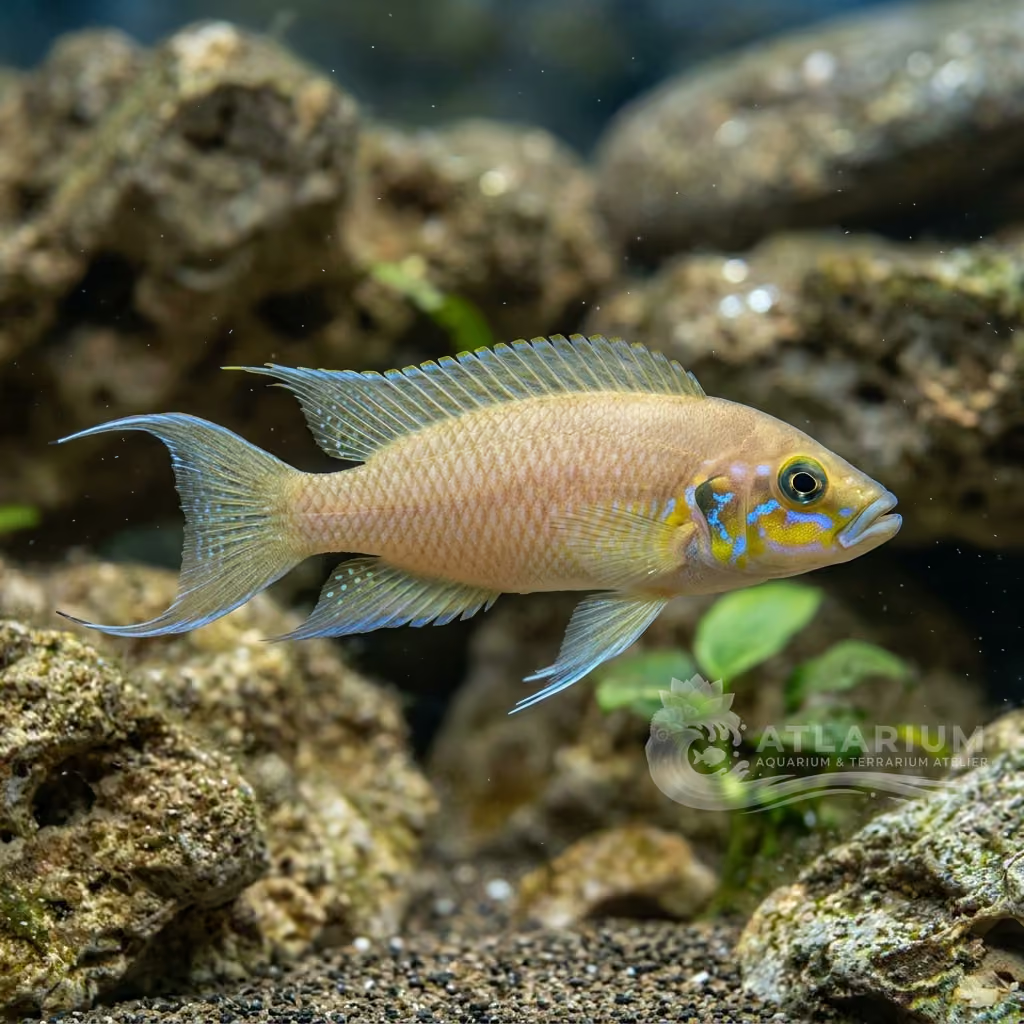
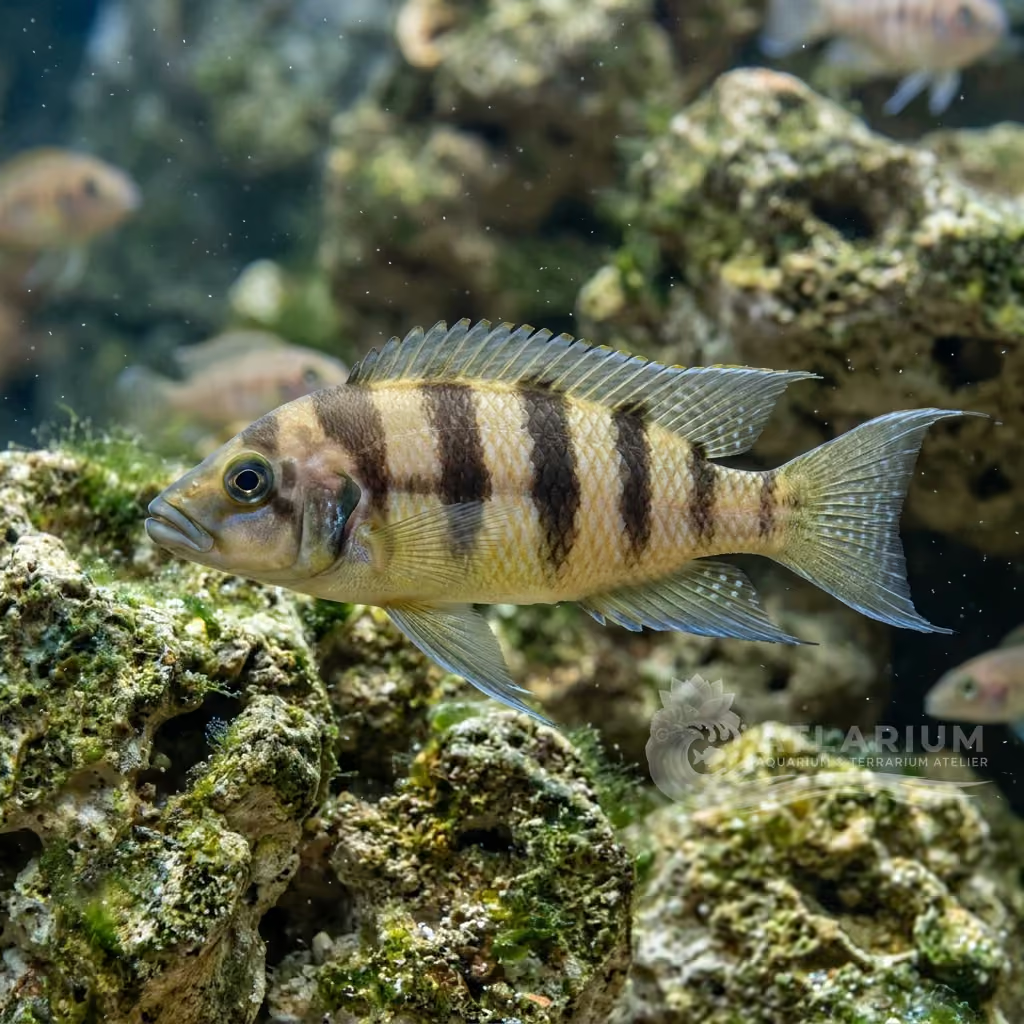
A sleek, elongated Tanganyikan cichlid with an elegant pattern: golden yellow body with three horizontal black stripes and iridescent blue fins. It moves along rocks in oblique and upside-down positions, inspecting every crevice. Forms lifelong monogamous pairs — if a partner dies, accepting a new one can be extremely difficult. Perfect for Tanganyika biotopes in nano tanks of 60+ liters.
Water Temperature
23 - 27 °C
pH Value
7.8 - 9
Water type
Freshwater
Tank level
Bottom
Adult size
8.5 cm
Minimum tank volume
>= 60 L
Minimum group
>= 2
GH
10 - 25 dGH
KH
5 - 12 dKH
TDS
200 - 495 ppm
Conductivity
313 - 773 uS/cm

Species description
Geographical Origin and Habitat: Lake Tanganyika (Endemic). Reported mainly in the extreme north of the lake (Burundi, Uvira, Kigoma). Inhabits very shallow waters (1-5 meters / 3-16 feet) on mixed bottoms of rock and coastal sand.
Taxonomy and Morphology: Golden Julie (Julidochromis ornatus). The first Julidochromis to be imported for the hobby (1958). Typical tapered body, but stockier than the transcriptus. Small, downward-facing mouth.
Social Behavior: Territorial but cautious. Hardly moves more than a few centimeters from its rocky crevice. Vigorously drives away conspecifics but tolerates fish swimming in mid-water.
Coloration and Sexual Dimorphism: Intense and bright golden yellow background, longitudinally crossed by three thick and parallel blackish stripes, without any checkerboard pattern. Dark spot on the base of the caudal fin. No obvious dimorphism except size (larger female).

Care, breeding and tankmates
Aquarium Setup: Tank of at least 80 cm (32 inches). Build dense rocky barriers, stacked to the surface to create countless bottlenecks and blind caves. Fine sand at the base is essential for their consolidation excavations.
Diet and Feeding: Crevice micro-predator (Aufwuchs). Hunts small crustaceans and larvae in the algal film of the rocks. In the aquarium provide brine shrimp nauplii, mysis, cyclops and vegetable flakes (Spirulina). Never tubifex.
Water Quality: Demands the alchemy of Tanganyika: hard water (GH 10-25) and decidedly alkaline (pH 8.0-9.0). A drop in pH or an accumulation of nitrates (over 20ppm) leads to loss of appetite and dull colors.
Compatibility and Cohabitation: Excellent in a small Tanganyika community. Coexists peacefully with Neolamprologus (shell-dwellers) and Cyprichromis, as long as each has its own habitat. Avoid other Julidochromis to ward off deadly fights.
Aquarium Breeding: Monogamous cave spawners. They glue up to 50 green eggs on the "ceiling" of a very narrow cave (where predators cannot pass). Parents tolerate previous broods which help defend the newborns.
Risks and Diseases: Induced divorce. Like all Julies, if the rockery is moved by the aquarist, the couple no longer recognizes the territory and often the partner, engaging in a fight to the death.

Geographic origin and distribution
Lake Tanganyika (Endemic). Reported mainly in the extreme north of the lake (Burundi, Uvira, Kigoma). Inhabits very shallow waters (1-5 meters / 3-16 feet) on mixed bottoms of rock and coastal sand.
Origin
Africa and Madagascar

Fish profile
- Temperament
- Semi-aggressive
- They possess a feisty, territorial temperament relative to their small size. They will aggressively protect their chosen crevice from any intruder. Towards non-competitors in the upper water column, they are completely indifferent.
- Diet
- Omnivore
- They are natural micro-predators requiring a diet rich in protein. Feed them small sinking pellets, high-quality flakes, and regular portions of frozen foods. Varied nutrition is essential for highlighting their bright yellow coloration.
- Life expectancy
- 5-8 years
- Adult size
- 8.5 cm
- Sex ratio
- Pair
- They do best when kept in single pairs per aquarium, unless the tank is exceptionally large. Buying a group of 6 juveniles allows a natural pair to form. Once the pair forms, remove the remaining individuals to prevent them from being killed.
- Feeding frequency
- Twice daily
- Provide small portions once or twice a day to ensure optimal digestion. Uneaten food should be removed promptly to avoid spikes in ammonia. It's better to underfeed slightly than to risk water quality issues.
- Bioload
- Low
- This is one of the smaller members of the genus, producing a light to moderate bioload. Efficient mechanical and biological filtration is necessary to keep water quality pristine. Consistent routine maintenance is vital for their long-term health.
- Flow
- Strong
- They enjoy moderate water flow that mimics the oxygen-rich environment of Lake Tanganyika. A good internal or canister filter can provide the right amount of current. Strong surface agitation is crucial to maintain high dissolved oxygen.
- Jump risk
- No
- Reproduction
- Oviparous
- They are secretive cave-breeders that lay a small number of eggs in narrow crevices. Biparental care is strong, with both parents defending the fry vigorously. The fry stay close to the parents' territory and grow quite slowly.
- Compatibility & tankmates
- Verify
- They are peaceful towards distinctively different fish but highly intolerant of their own kind. They thrive in a Tanganyikan biotope alongside shell dwellers or open-water swimmers. Do not house them with very large or overly aggressive species.
- Tank level
- Bottom
- They are strictly bottom and mid-level dwellers that hug the rockwork. They use the labyrinth of rocks to navigate and establish territories. Open swimming spaces are mostly ignored in favor of hardscape cover.

Scientific Parameters & Models
FishBase
Window to the official scientific data of the species
FishBase v25.04Data synced on: 06/15/2026
- Trophic level
- 3.5 ± 0.37 se
- Resilience
- High (less than 15 months)
- Phylogenetic uniqueness (PD50)
- 0.5156
- Bayesian Length-Weight
- a = 0.01445, b = 2.99
- VulnerabilityLow vulnerability (10 / 100)

Image gallery
Licensed images linked to the species or, when marked, to the closest representative taxon.

Related species
Recommendations grouped by close relatives, companion choices, and similar care.