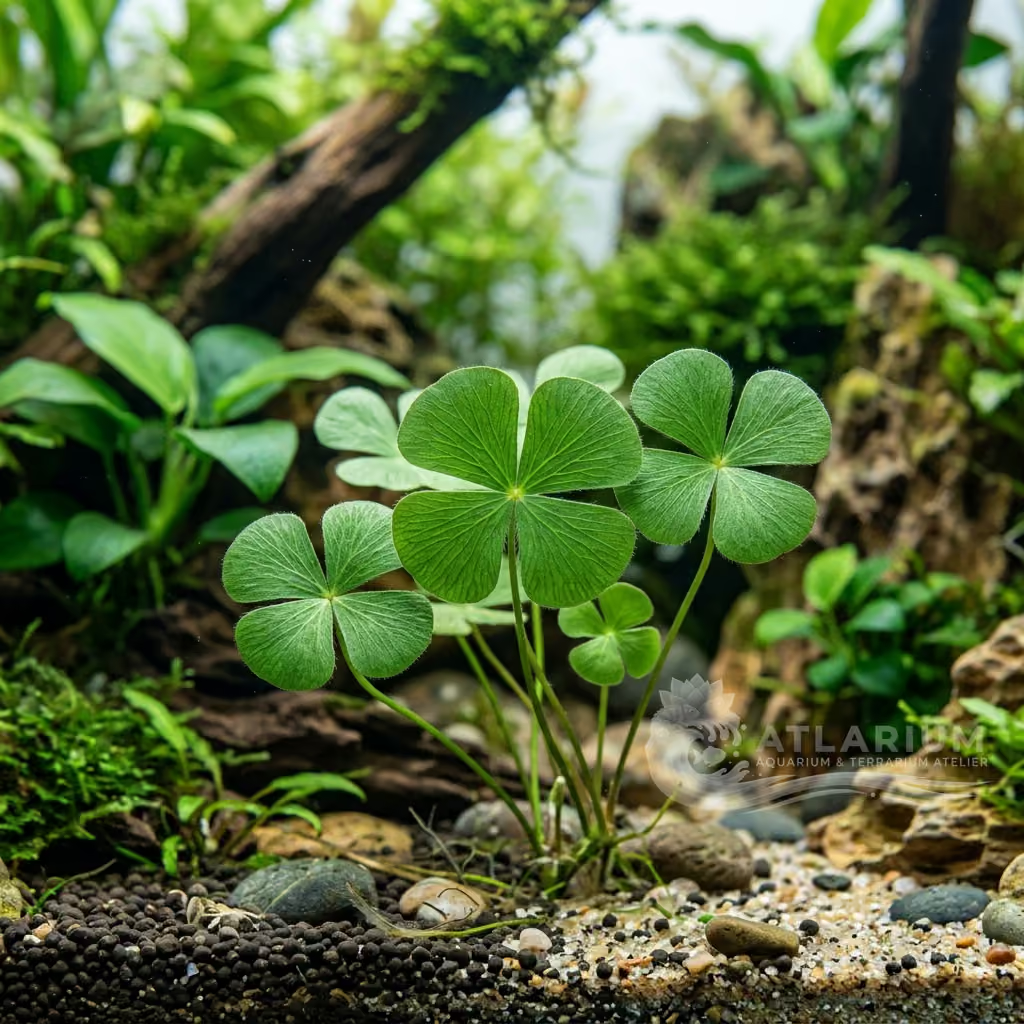
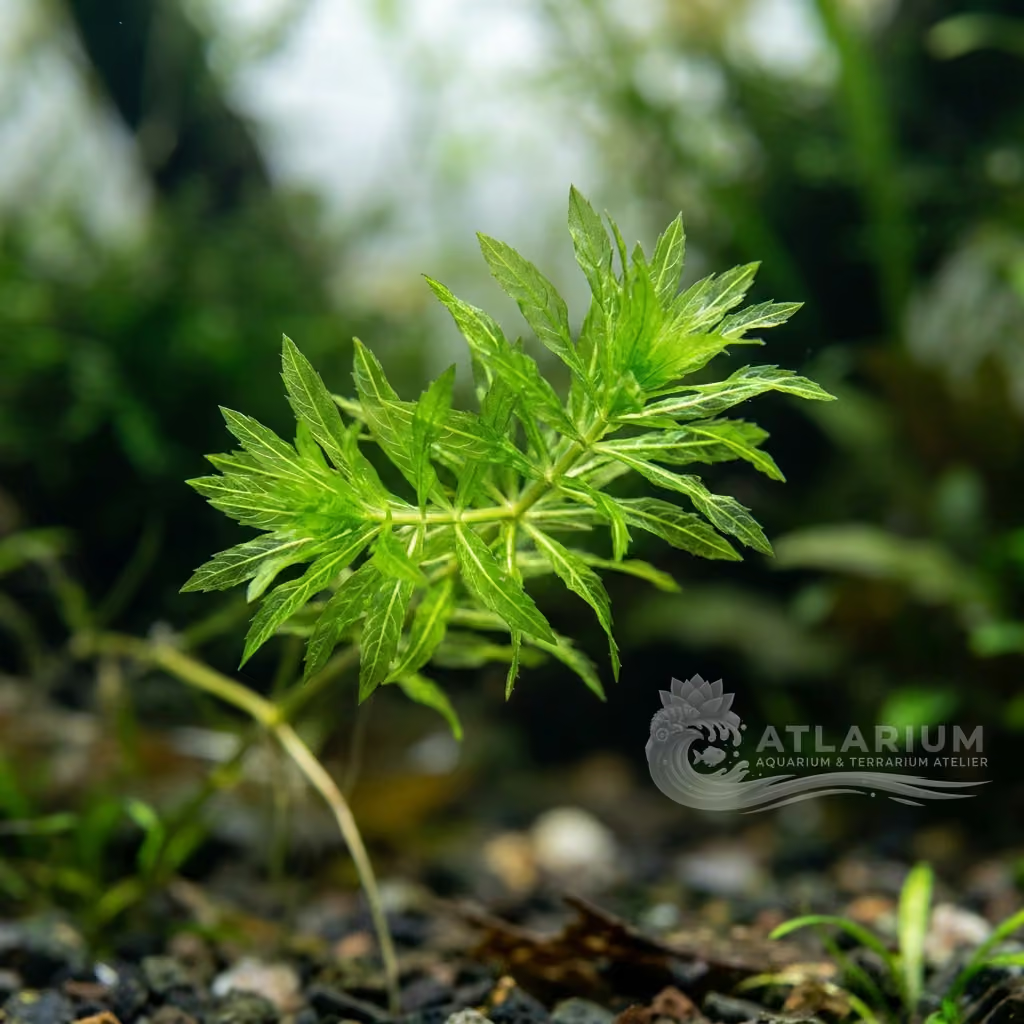
Lindernia sp. 'India'
Lindernia sp. 'India'
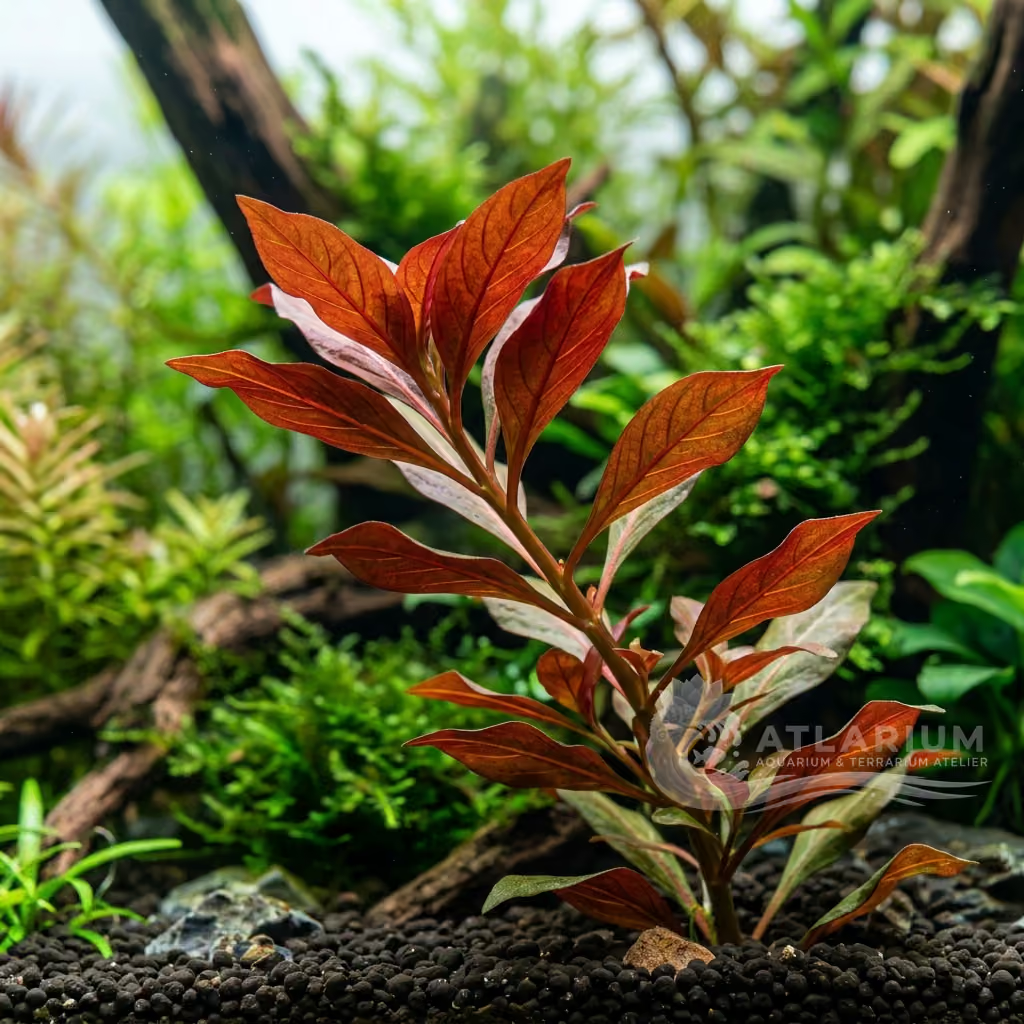
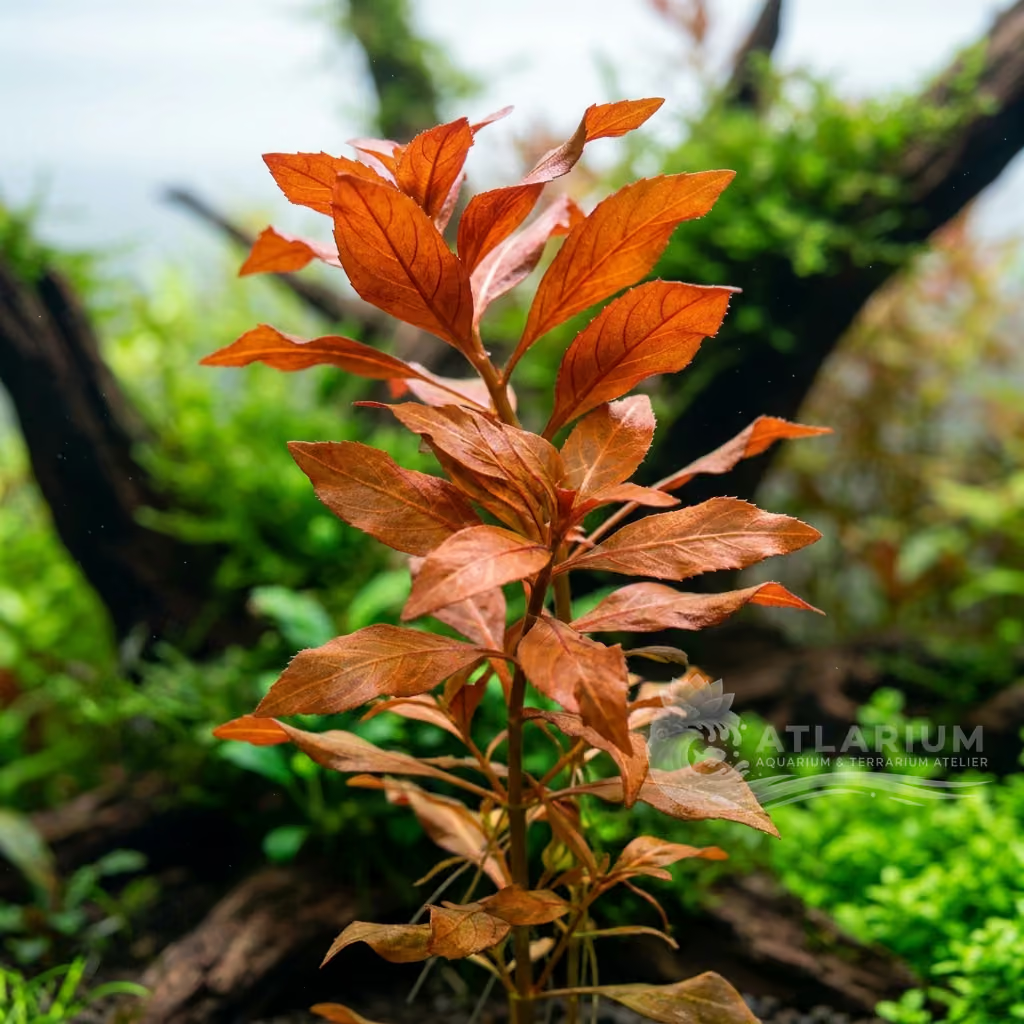
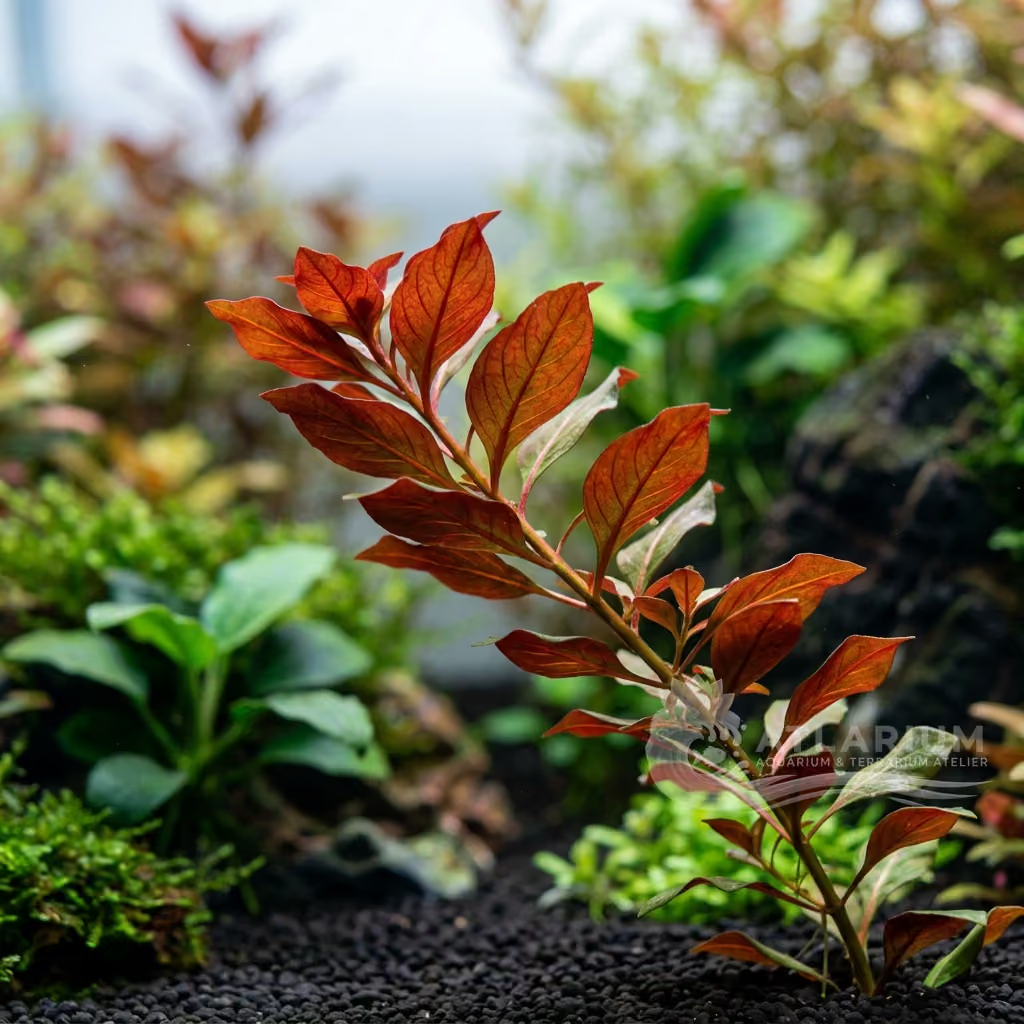
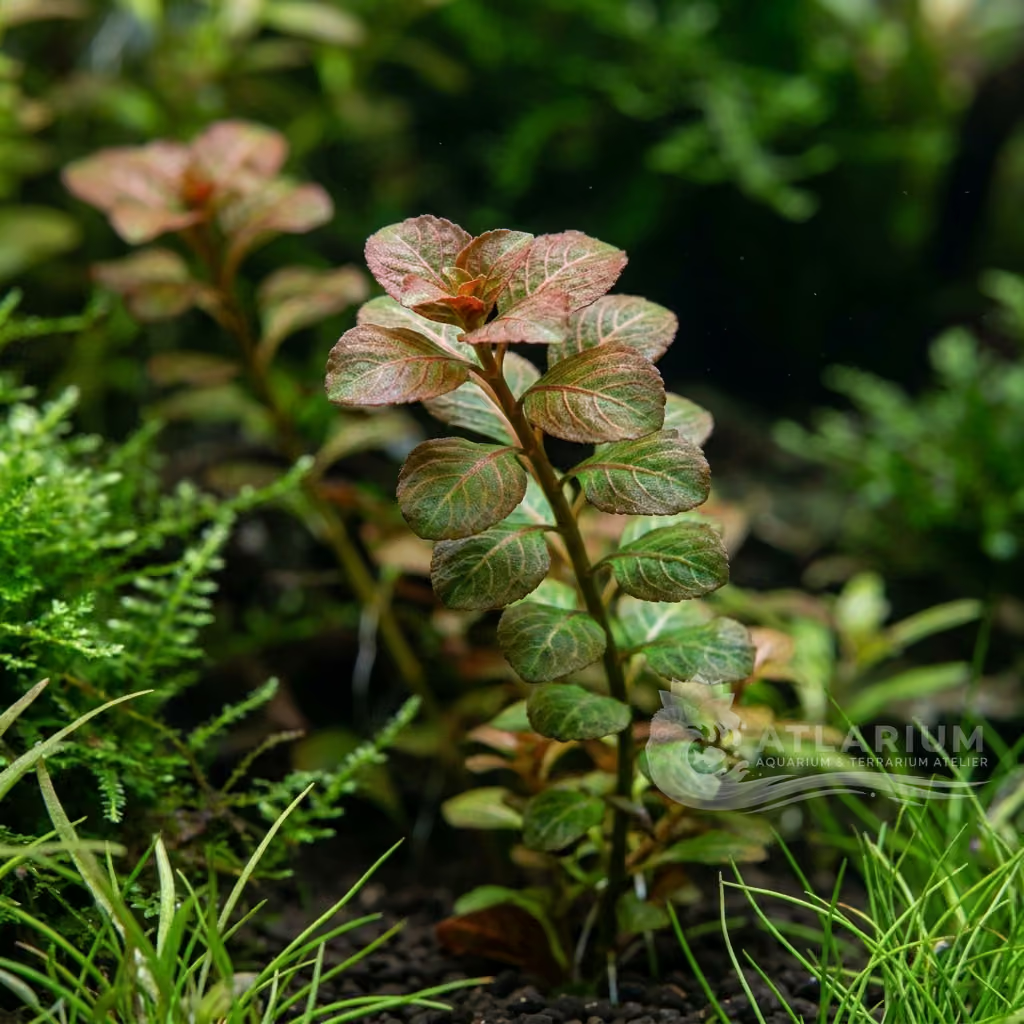
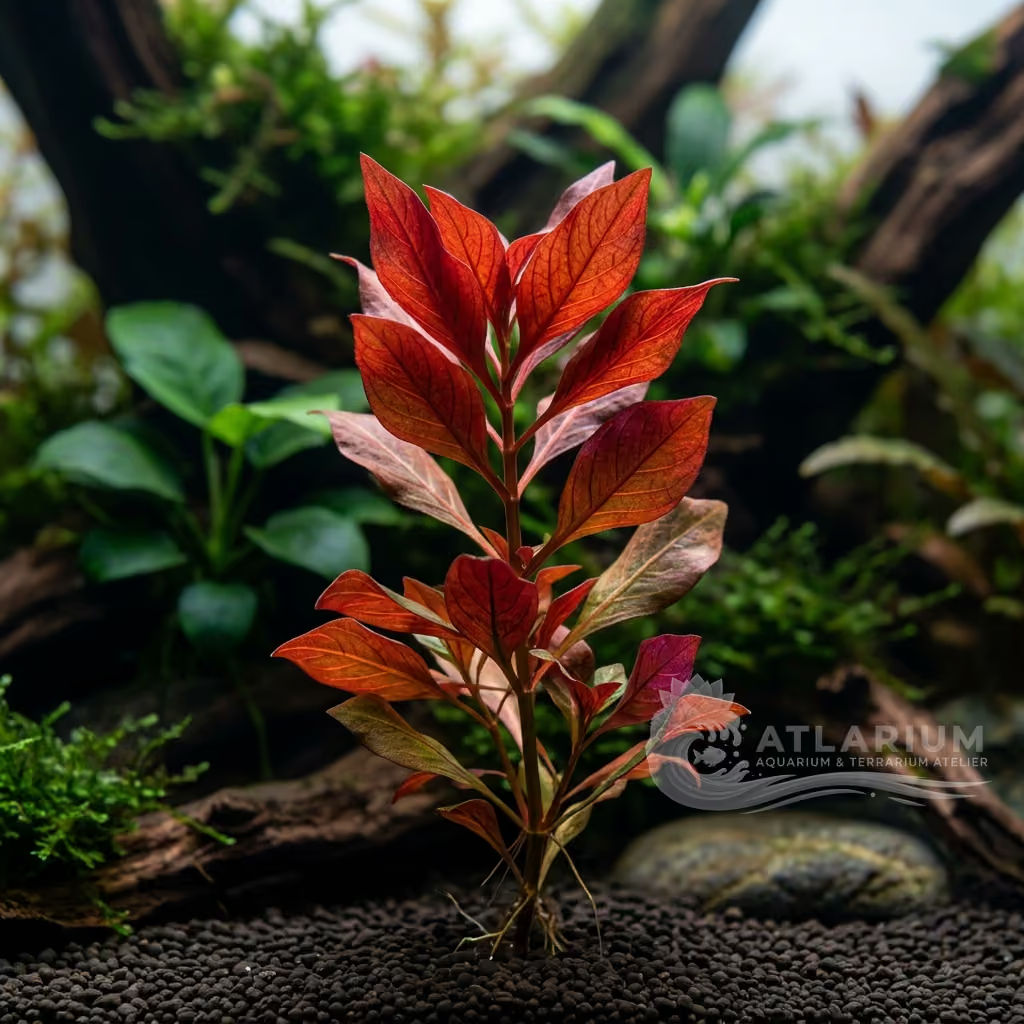
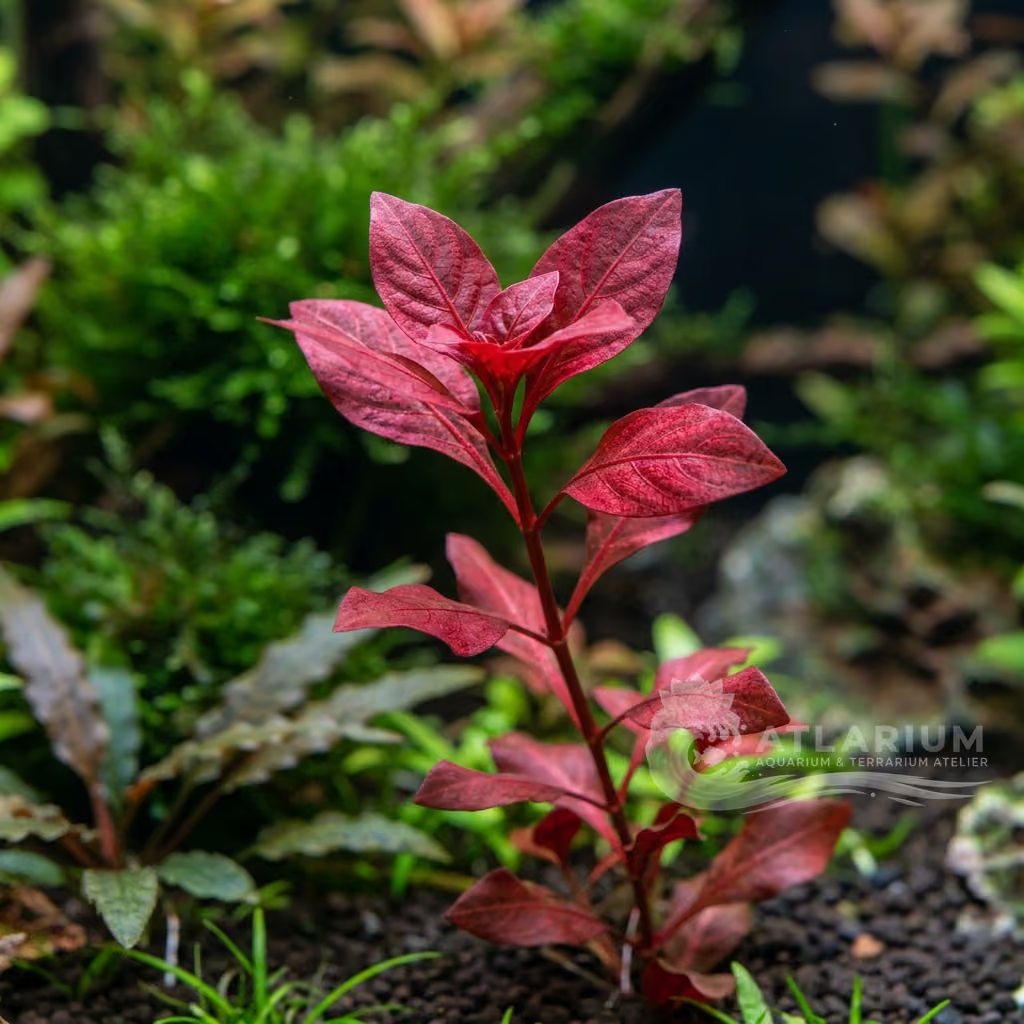
Lindernia sp. 'India' displays stunning reddish-violet upper leaves. This warm-climate native demands moderate-high light and CO2 to sustain its intense coloration.
Water Temperature
22 - 28 °C
pH Value
6 - 7.5
Water type
Freshwater
Light
Medium - High
CO2
Medium - High
Expected height
15 cm
KH
2 - 10 dKH

Species description
Geographical Origin and Habitat: Lindernia sp. 'India' is an aquatic stem plant native, as its commercial name indicates, to the warm and humid regions of the Indian subcontinent. In its natural environment, it lives along the muddy banks of small rivers, temporary ponds, and ditches exposed to direct sunlight. It tolerates dry periods by adapting to terrestrial life in constantly moist, muddy soils, and then rapidly develops its fascinating submerged
Color & Texture: s during the monsoon season when rising water levels cover the stems completely.
Taxonomy & Genetics: It belongs to the Linderniaceae family and is currently considered an undescribed species or a specific regional variety, temporarily designated by its country of origin. Genetically, it is close to Lindernia rotundifolia but differs significantly in anthocyanin pigment synthesis pathways. The cells of this species express a striking reddish and purplish coloration in response to specific light and chemical stimuli, a genetic trait highly valued in aquascaping.
Physical Structure: It features an erect stem structure but with branched stems that tend to grow in a more compact and dense manner than other congenerics, reaching a height of 10 to 20 centimeters in the aquarium. The leaves are sessile, arranged along the stem in opposite and decussate pairs, with a characteristic oval to elliptical shape. The root system consists of thin but widespread roots capable of penetrating fine to medium substrate, providing stability and absorbing nutrients.
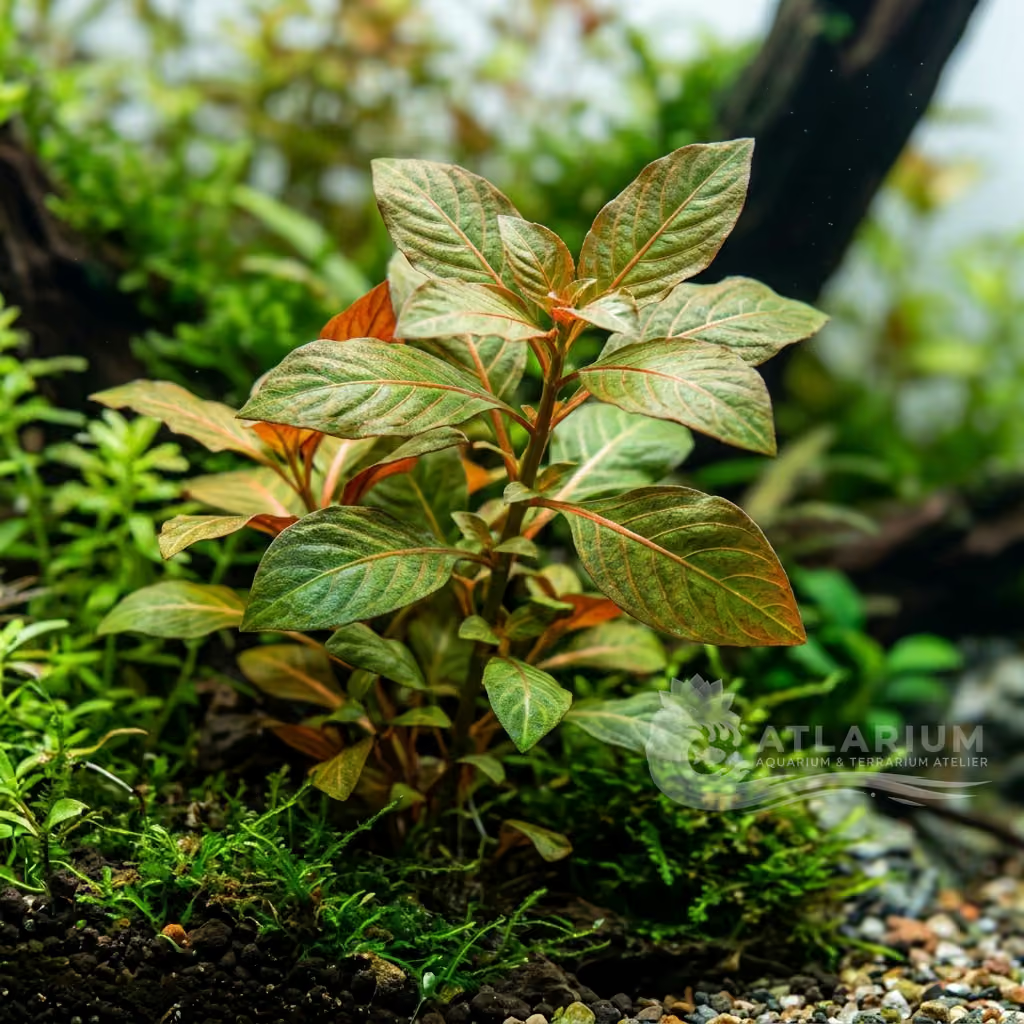
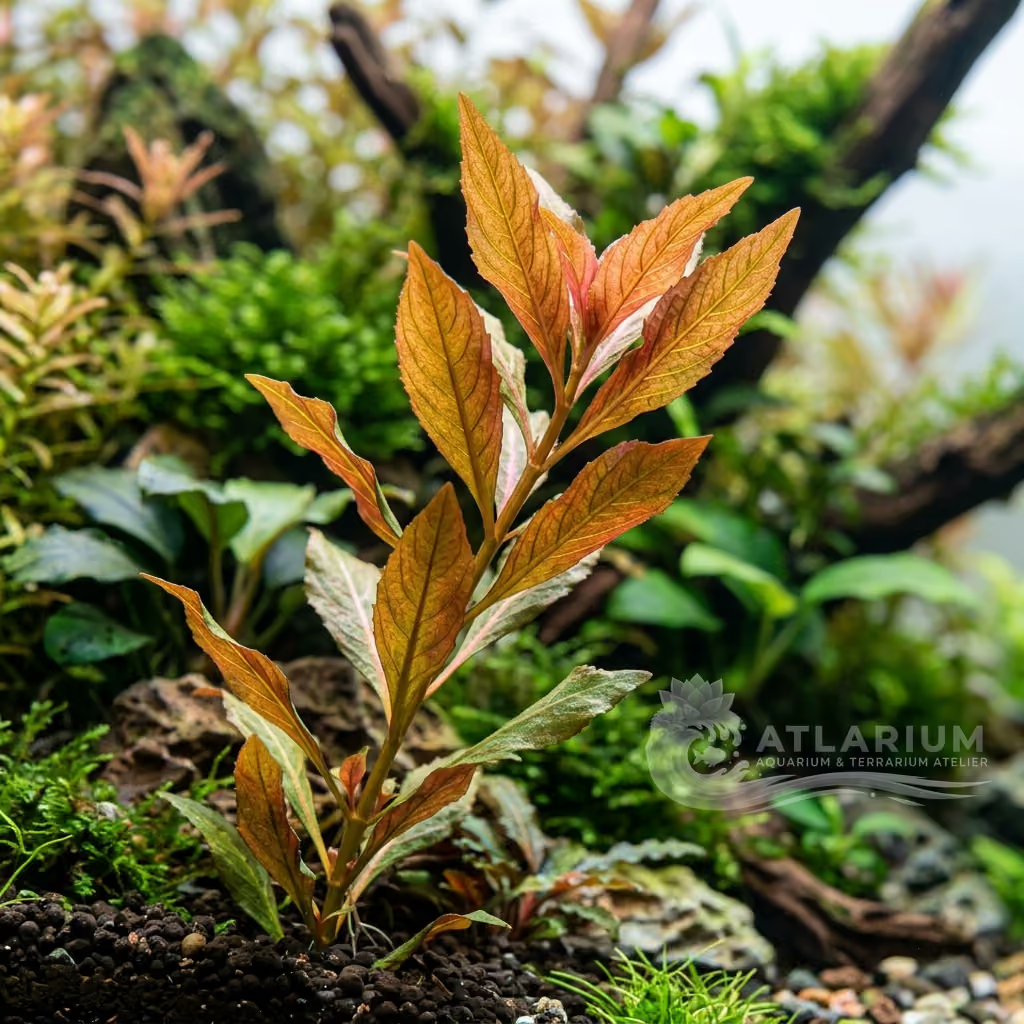
Color & Texture: Unlike the green variants of the genus, Lindernia sp. 'India' is famous for its stunning coloration ranging from olive-green and bronze to deep reddish or violet hues on the upper leaf surface, especially near the growth tips. The leaf underside displays delicate yet persistent purple tints. The leaf texture is soft and slightly thick, with a matte surface that absorbs light, creating a dense, colorful, and visually striking foliage block.

Care, breeding and tankmates
Lighting & CO2: To develop and maintain its intense violet coloration, it requires moderate-high to high lighting (at least 40-50 lumens per liter of full-spectrum light). Constant CO2 injection (at least 15-20 mg/L) is strongly recommended to prevent growth stunting and stimulate healthy, compact branching.
Nutrition & Substrate: A fertile substrate enriched with iron and phosphates (active soil or root tabs) is highly important to sustain plant vigor. Liquid fertilization must be complete and regular, with a constant presence of chelated iron and trace elements to highlight the purple leaf tones and prevent fading.
Water Chemistry: Prefers soft to moderately soft water, with pH between 6.0 and 7.2. It tolerates KH values up to 8-10 dKH, although it thrives with KH between 2 and 5 dKH. The ideal cultivation temperature must be kept stable between 20°C and 28°C to prevent metabolic slowing.
Space Management & Placement: Its modest height makes it ideal for the foreground or midground, especially in small to medium aquariums or nano tanks. Stems should be planted in small groups of 3-4, leaving a space of 1-1.5 cm between them to allow light to reach the lower stem sections.
Pruning: Pruned by regularly pinching or trimming the vegetative tips with sharp pruning scissors to encourage lateral stem growth and form tight bushes. Removed tips, about 5-8 cm long, can be replanted directly into the substrate where they root quickly, providing simple propagation.
Risks & Diseases: Under poor lighting or nutrient deficiency (especially iron), the plant tends to lose its purple hues, assuming a faded green-brown color while stretching its internodes. Lower stems can decay if the bush becomes too dense and lacks adequate internal water flow.

Geographic origin and distribution
Lindernia sp. 'India' is an aquatic stem plant native, as its commercial name indicates, to the warm and humid regions of the Indian subcontinent. In its natural environment, it lives along the muddy banks of small rivers, temporary ponds, and ditches exposed to direct sunlight. It tolerates dry periods by adapting to terrestrial life in constantly moist, muddy soils, and then rapidly develops its fascinating submerged
Origin
South and Southeast Asia

Plant profile
- Placement
- Foreground
- It is an ideal candidate for the midground or background, depending on trimming. Planted in small, dense groups, it adds a unique splash of color and texture. Its relatively compact growth makes it suitable for smaller aquariums as well.
- Botanical form
- Stem
- It features beautifully pointed, lanceolate leaves arranged oppositely along the stem. The leaves can range from a vibrant green to a rich, purplish-red under strong light. The stems are sturdy and tend to grow quite straight.
- Growth
- Medium
- This plant has a moderate growth rate, making it easy to maintain in a planned aquascape. High lighting and CO2 injection will accelerate growth and intensify its red coloration. Under less intense conditions, it remains green and grows more slowly.
- Substrate
- High
- Lindernia sp. 'India' requires a very nutrient-dense, active aquarium soil to support its demanding nutritional profile and encourage optimal growth. The plant establishes a robust and aggressive root network that aggressively extracts essential minerals, particularly iron and macronutrients, directly from the bottom layer. A substrate depth of 2.5 to 3.5 inches is necessary to provide enough physical room for root expansion and firm anchoring of its colorful stems. Using an inert gravel without heavy root supplementation will inevitably lead to stunted growth and faded leaf colors.
- Column fertilization
- Recommended
- Liquid fertilization is key to maintaining its health and coloration. Dosing potassium, nitrogen, and a complete trace mix prevents deficiencies and leaf degradation. Maintaining a consistent nutrient schedule is crucial for the best coloration.
- Root fertilization
- Required
- A nutrient-rich substrate strongly supports its development. Utilizing root tabs or an active soil substrate leads to a robust root system and healthier overall growth. It draws significant benefits from substrate-bound nutrients.
- Trimming
- Occasional
- Regular pruning helps maintain a bushy and compact shape. By cutting the tops, the plant is encouraged to produce lateral branches. The trimmed tops can be easily replanted to increase the density of the stand.
- Propagation
- Cuttings
- Propagation is straightforward via stem cuttings. Simply cut the stem and replant the top section into the substrate. Both the cutting and the rooted base will quickly resume vigorous growth.
- Sensitivity
- Moderate
- It can be sensitive to sudden changes in water parameters, sometimes resulting in melting. Stable CO2 and nutrient levels are required to maintain its striking colors. Avoid shading it with larger plants, as this will cause it to lose its lower leaves.
- Layout role
- group, Foreground, Midground, Nano
- It acts as a stunning midground accent, providing a beautiful transition between green and red plants. Its unique leaf shape offers excellent textural variety. In Dutch style aquariums, it is perfect for creating a distinct, colorful 'street'.

Related species
Recommendations grouped by close relatives, companion choices, and similar care.