Micranthemum micranthemoides
Micranthemum micranthemoides
Micranthemum micranthemoides is a versatile stem plant, popular for creating lush, bright green midground carpets or dense bush-like structures in planted aquariums. Its medium growth rate and moderate light requirements make it a suitable choice for various aquascaping styles, offering a delicate texture and vibrant coloration.
Water Temperature
20 - 28 °C
pH Value
6 - 7.5
Water type
Freshwater
Light
Medium - High
CO2
Medium - High
Expected height
10 cm
Expected width
15 cm
GH
0 - 20 dGH
KH
2 - 10 dKH

Species description
Geographical Origin and Habitat: Historically found in the southeastern United States, Micranthemum micranthemoides thrives in shallow, clear waters of streams, ponds, and marshes, often growing submerged or emergent along the banks. Its natural habitat is characterized by soft, slightly acidic conditions and moderate to high light exposure, reflecting its adaptability to various aquatic environments. This widespread distribution underscores its resilience and capacity to flourish under diverse environmental pressures.
Taxonomy & Genetics: Belonging to the Linderniaceae family, Micranthemum micranthemoides has undergone some taxonomic reclassification over the years, occasionally being confused with other similar-looking species like Micranthemum 'Monte Carlo' or Micranthemum umbrosum. The common name "Large Pearl Grass" often leads to confusion, though its distinct growth habit and leaf morphology differentiate it from other Micranthemum species. Understanding its specific botanical identity is crucial for proper care and aquascape planning.
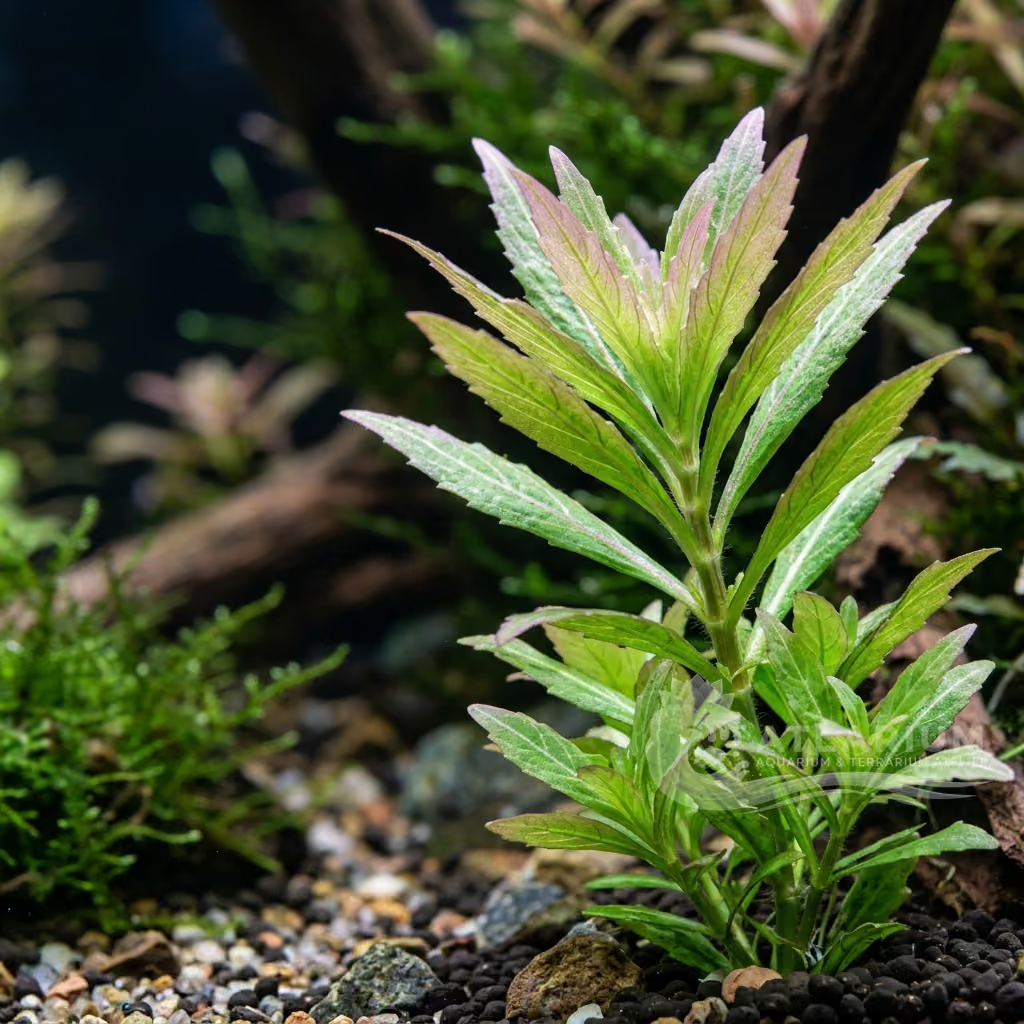
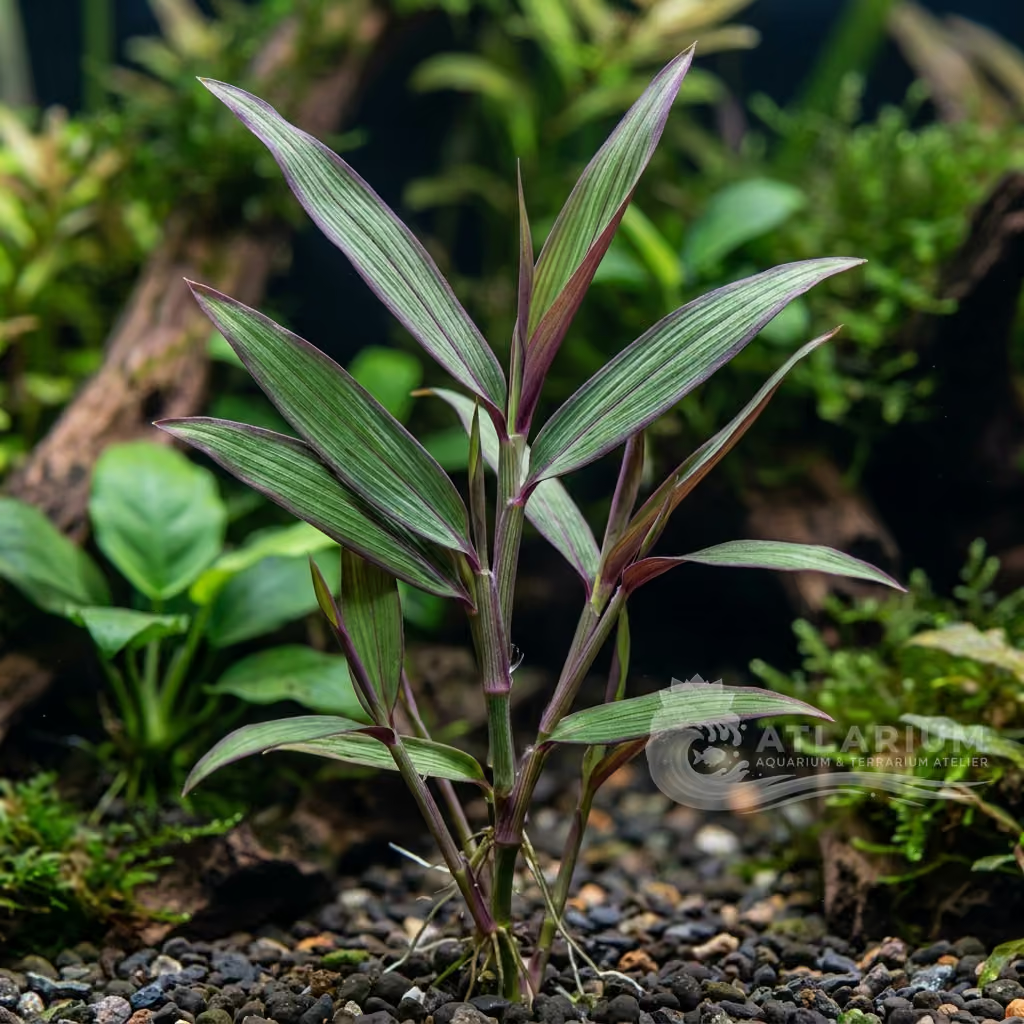
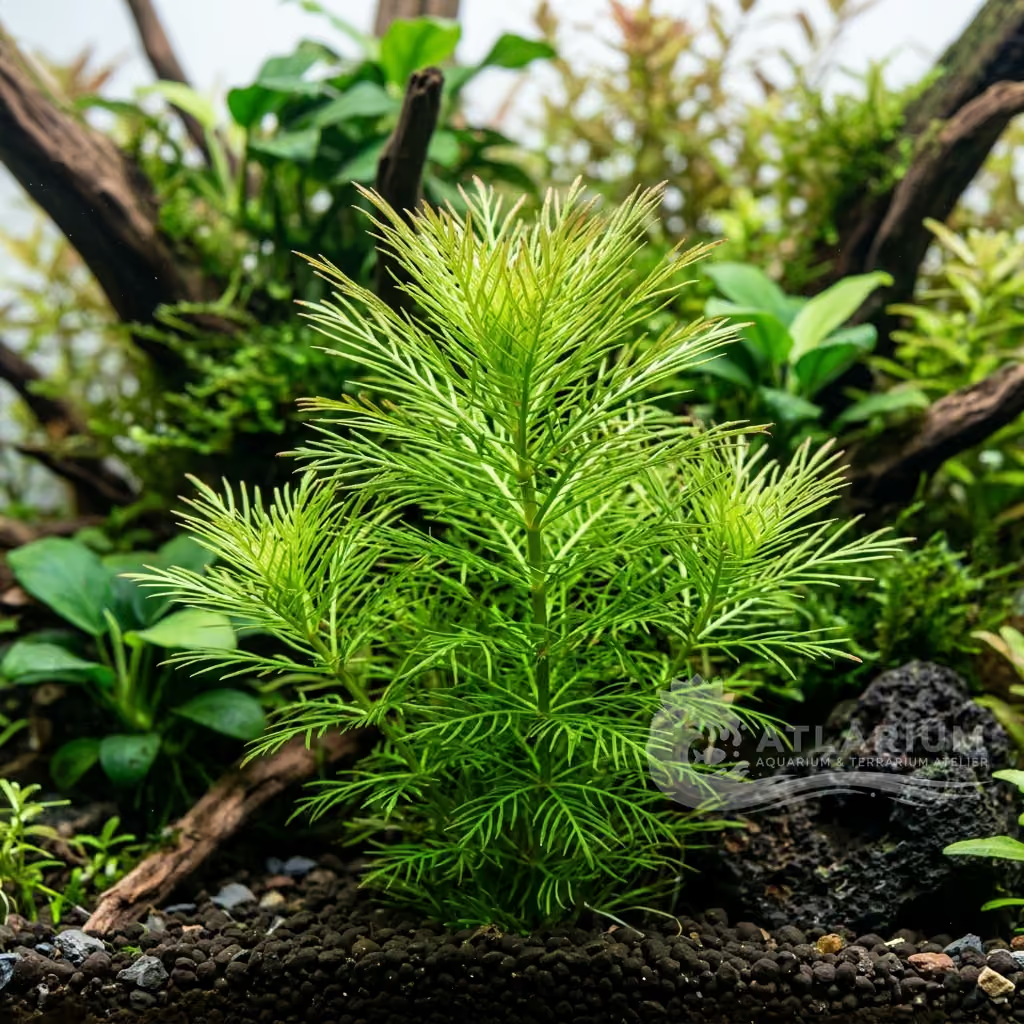
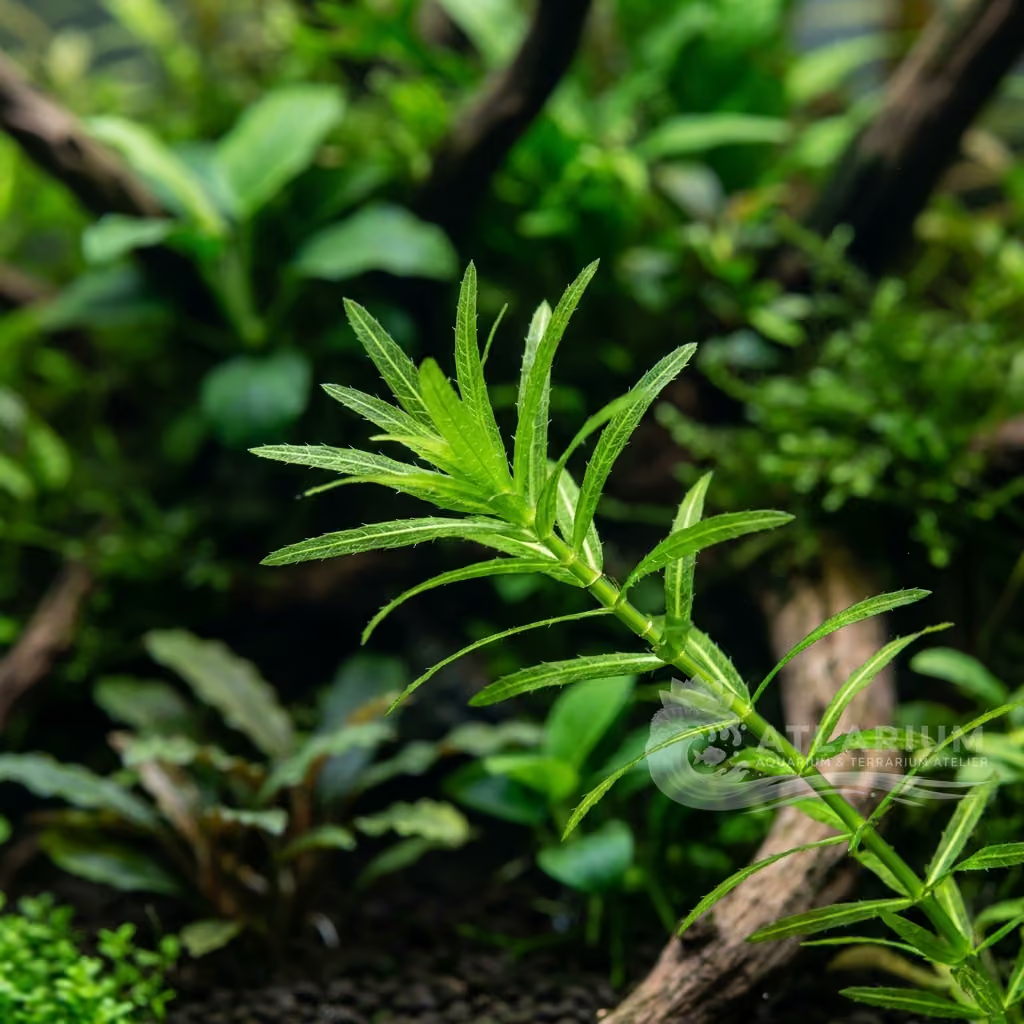
Physical Structure: This plant exhibits delicate, creeping or upright stems adorned with numerous small, round to ovate leaves arranged oppositely. Under optimal conditions, it forms dense mats or bushy growths, sending out lateral shoots that root easily into the substrate. The root system is fine and fibrous, anchoring the plant securely while absorbing nutrients from the substrate and water column. Its flexible stems can reach varying heights depending on light intensity and trimming frequency.
Color & Texture: Micranthemum micranthemoides is celebrated for its brilliant light green to emerald green coloration, which can become even more vibrant under high lighting and CO2 supplementation. The leaves possess a slightly translucent quality, allowing light to beautifully refract, giving the plant a luminous appearance. Its fine texture adds a sense of delicacy and softness to the aquascape, contrasting effectively with broader-leafed plants or hardscape elements.

Care, breeding and tankmates
Lighting & CO2: To achieve dense, healthy growth, Micranthemum micranthemoides benefits significantly from medium to high lighting, ideally between 30-50 PAR. While it can survive in lower light, its growth will be sparser and leggy, diminishing its aesthetic appeal. CO2 injection is highly recommended to accelerate its growth rate, promote denser foliage, and enhance overall plant vitality, preventing algae buildup by outcompeting it.
Nutrition & Substrate: A rich, nutrient-dense substrate is highly beneficial for Micranthemum micranthemoides, providing essential root-level nutrition for robust growth. Supplementation with a comprehensive liquid fertilizer regimen, including macronutrients (NPK) and micronutrients (especially iron and trace elements), is crucial for maintaining vibrant green coloration and preventing deficiencies. Adequate iron levels are particularly important to prevent yellowing or stunted growth.
Water Chemistry: This plant thrives in soft to moderately hard water, with a KH range of 2-12 and a pH between 6.0 and 7.5, aligning with typical tropical community tank parameters. Maintaining a stable water temperature between 20-28°C (68-82°F) is vital for consistent growth and overall health. Pristine water quality, achieved through regular water changes and efficient filtration, is paramount to prevent stress and disease.
Space Management & Placement: Micranthemum micranthemoides is an excellent choice for the midground, where it can form lush, undulating carpets or dense green bushes. When planted in the foreground and regularly trimmed, it can create a beautiful, fine-textured carpet. Propagation is straightforward: simply cut healthy stems and replant them into the substrate, where they will readily root and continue to grow, allowing for easy expansion or filling out of desired areas.
Pruning: Regular and consistent pruning is essential for maintaining the desired shape, density, and health of Micranthemum micranthemoides. Trimming encourages lateral branching, leading to a much bushier and denser growth habit, preventing the lower leaves from being shaded and melting. It also helps control its spread and rejuvenates the plant, ensuring continuous vigorous growth.
Risks & Diseases: While generally robust, Micranthemum micranthemoides can be susceptible to common aquarium issues if conditions are not met. Algae growth can become a problem under imbalanced light, CO2, or nutrient levels, particularly on its fine leaves. Nutrient deficiencies, such as iron leading to chlorosis, can also occur. Careful monitoring of tank parameters and prompt intervention are key to preventing these issues.

Geographic origin and distribution
Historically found in the southeastern United States, Micranthemum micranthemoides thrives in shallow, clear waters of streams, ponds, and marshes, often growing submerged or emergent along the banks. Its natural habitat is characterized by soft, slightly acidic conditions and moderate to high light exposure, reflecting its adaptability to various aquatic environments. This widespread distribution underscores its resilience and capacity to flourish under diverse environmental pressures.
Origin
North America

Plant profile
- Placement
- Midground
- This incredibly versatile plant can be used in the foreground, midground, or background, depending on how it is trimmed. Under high light, it can be coaxed into forming a thick foreground carpet by frequent trimming. Left to grow taller, it forms dense, beautiful bushes in the midground or background.
- Botanical form
- runner
- It features small, bright green, slightly elongated leaves that grow opposite each other along a thin stem. The stems are fragile but branch profusely, especially after trimming, leading to a very dense, bushy appearance. When it photosynthesizes heavily, it frequently produces prominent oxygen bubbles ('pearling') on its leaves.
- Growth
- Medium
- With high lighting and CO2, it exhibits a very fast growth rate, demanding regular and sometimes aggressive pruning to maintain its shape. Its rapid growth makes it an excellent nutrient sponge, helping to combat algae in newly established aquariums. In lower light, it grows more slowly and tends to reach upward rather than spreading.
- Substrate
- High
- It establishes well in a fine, nutrient-rich aqua soil, which supports its delicate but extensive root system. While it can be grown in sand or gravel with root tabs, a softer substrate is preferred for ease of planting and spreading. A nutrient-dense base helps fuel the plant's aggressive horizontal expansion when grown as a carpet.
- Column fertilization
- Recommended
- Regular dosing of liquid fertilizers is crucial to sustain its fast growth and keep the foliage vibrant. It absorbs a significant amount of its nutrition directly from the water column through its small leaves. Consistent availability of iron and trace elements prevents the plant from looking washed out or pale.
- Root fertilization
- Recommended
- While highly capable of column feeding, a rich substrate significantly boosts its growth, especially when used as a carpeting plant. The roots will spread extensively through aqua soil, drawing up essential macronutrients. If the substrate is inert, the addition of root tabs will noticeably improve the plant's density and vigor.
- Trimming
- Occasional
- Trimming Micranthemum micranthemoides is a straightforward process that helps maintain its desired shape and density. Stems can be topped and replanted to encourage bushier sideways growth. It is also crucial to regularly remove any older or decaying plant material to ensure optimal light penetration and overall hygiene.
- Propagation
- Cuttings
- Propagation is effortless; simply cut the stems and replant them into the substrate. The plant also naturally sends out horizontal runners that will root and form new vertical stems. Heavy trimming actually encourages lateral growth and branching, making the bush or carpet thicker over time.
- Sensitivity
- Moderate
- Micranthemum micranthemoides is generally considered a hardy species, capable of tolerating a fairly wide range of water parameters. It does not typically exhibit extreme sensitivity to standard aquarium medications or minor chemical fluctuations. Nevertheless, care should be taken to maintain a balanced ecosystem, as slow-growing or shaded parts can become susceptible to algae accumulation.
- Layout role
- Midground, Foreground, group
- In the art of aquascaping, Micranthemum micranthemoides primarily functions to provide a dense, textural background or midground element. Its unique structural appearance offers an excellent visual contrast when placed adjacent to rocks, driftwood, or broader-leafed species. Ultimately, it helps to seamlessly blend different hardscape features and softens the overall aesthetic of the tank.

Image gallery
Licensed images linked to the species or, when marked, to the closest representative taxon.

Related species
Recommendations grouped by close relatives, companion choices, and similar care.