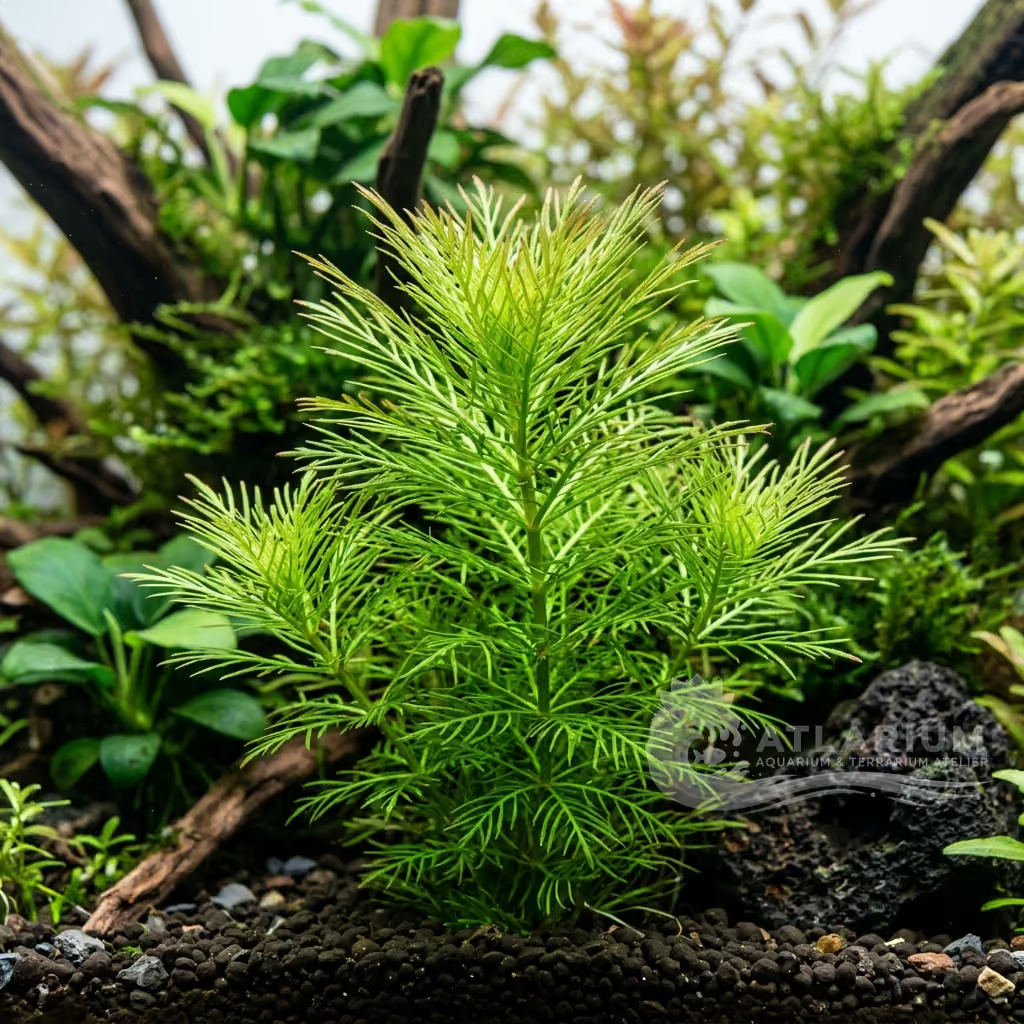
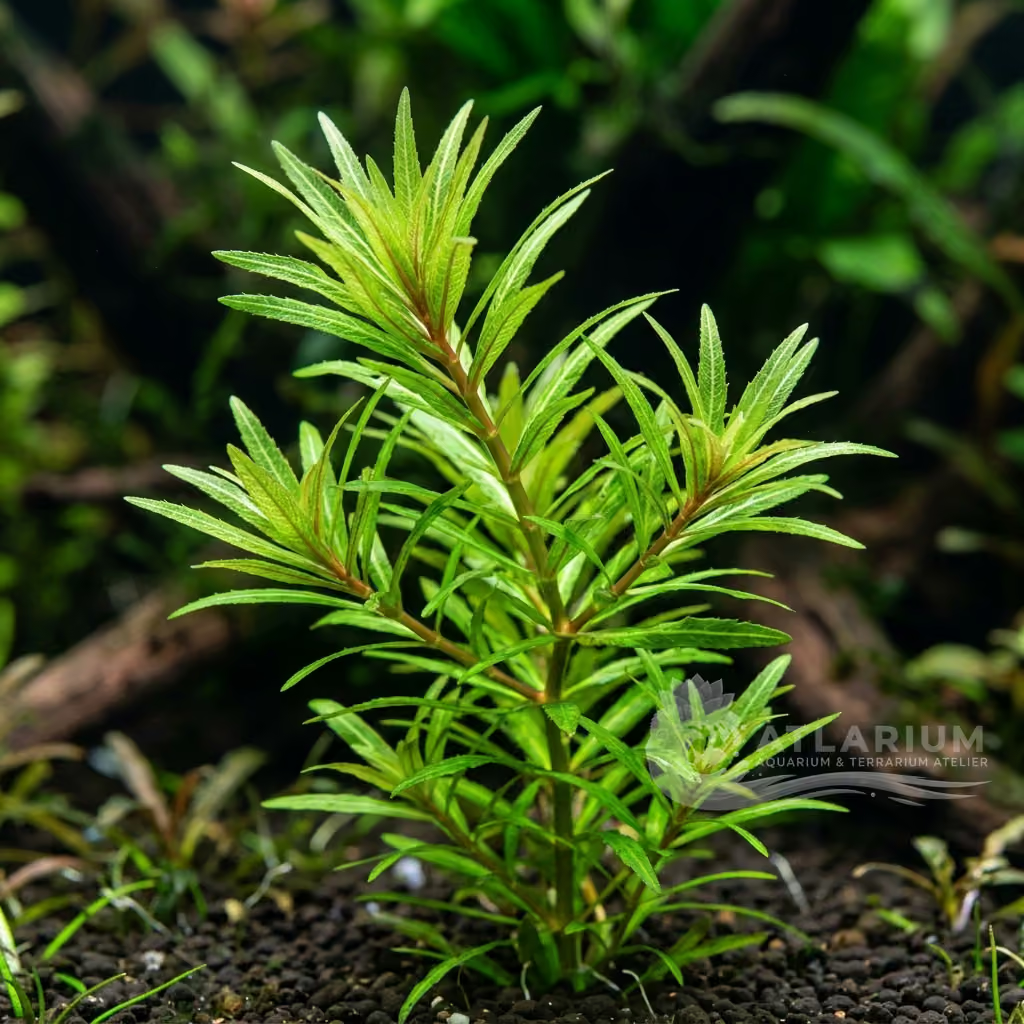
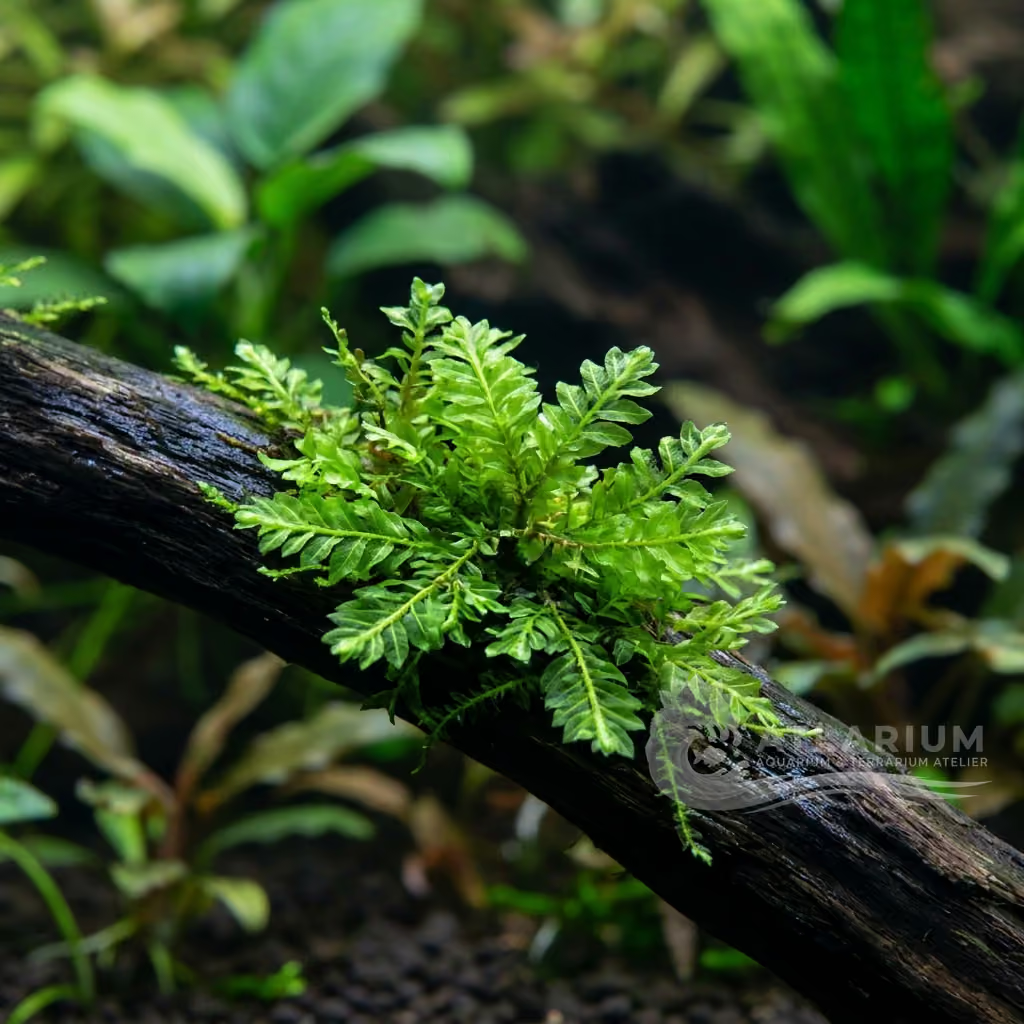
Micranthemum sp. "Montecarlo-3"
Micranthemum sp. "Montecarlo-3"
Micranthemum sp. "Montecarlo-3" is a popular aquatic plant, cherished for its compact, carpeting growth habit, making it ideal for the foreground or midground of aquariums. It stands out for its moderate growth rate and its ability to form dense, vibrantly green carpets.
Water Temperature
20 - 28 °C
pH Value
6 - 7.5
Water type
Freshwater
Light
Medium - High
CO2
Medium - High
Expected height
5 cm
Expected width
15 cm
KH
2 - 10 dKH

Species description
Geographical Origin and Habitat: Although the "Montecarlo-3" designation likely refers to a cultivar or selected lineage, the genus Micranthemum is native to the Americas, particularly the humid, marshy regions of South America. It naturally thrives along the edges of rivers and ponds, often in submerged or semi-submerged conditions, benefiting from a rich substrate and freshwater. The natural habitat of these plants is characterized by stable temperatures and relatively soft, slightly acidic waters, with abundant filtered light that encourages them to form dense mats.
Taxonomy & Genetics: Micranthemum sp. "Montecarlo-3" belongs to the Linderniaceae family, previously classified under Scrophulariaceae. The "sp." suffix indicates that it is an unidentified species or one whose classification is debated, while "Montecarlo-3" is a trade name or designation that differentiates this specific variant from other Micranthemum forms. This cultivar has been selected for its desirable characteristics in aquascaping, such as its leaf size and carpeting growth habit. Its genetics are closely related to Micranthemum tweediei, often mistakenly called Hemianthus Montecarlo, but it exhibits subtle morphological differences and growth requirements.
Physical Structure: This plant is characterized by a creeping growth habit, forming a dense, low-lying carpet that typically does not exceed a few centimeters in height under good lighting. Its stems are thin but robust, with small, roundish or slightly oval leaves arranged oppositely or in whorls. Each leaf usually measures only a few millimeters in diameter, contributing to a fine and delicate texture in the aquarium. Adventitious roots easily develop from the stem nodes, firmly anchoring the plant to the substrate and facilitating its horizontal expansion.
Color & Texture: Micranthemum sp. "Montecarlo-3" displays a brilliant, almost emerald green color that becomes more intense and vibrant under adequate lighting and proper fertilization. The leaf surface is smooth and slightly fleshy, with a texture that gives the plant carpet a velvety appearance. This distinctive coloration contrasts beautifully with driftwood, rocks, and other plants, creating a bright and natural focal point. The small size and shape of the leaves contribute to a harmonious aesthetic, making it an excellent choice for aquascapes of all sizes, especially those in the nature aquarium style.

Care, breeding and tankmates
Lighting & CO2: For Micranthemum sp. "Montecarlo-3", medium intensity lighting is sufficient for survival, but to achieve a dense and vibrant carpet, medium-high lighting is recommended. A photoperiod of 8-10 hours is generally optimal to stimulate robust growth and intense coloration. The addition of carbon dioxide (CO2) is strongly recommended, if not almost essential, to maximize the growth rate and encourage a prostrate, compact habit. Without CO2, growth will be slower, and the plant may tend to grow taller rather than carpet the bottom.
Nutrition & Substrate: Micranthemum sp. "Montecarlo-3" greatly benefits from a fertile, nutrient-rich substrate, ideally a specific aquarium soil or an inert substrate supplemented with root tabs. Nutrient assimilation occurs both through the roots and the leaves, so a balanced liquid fertilization with macro and micronutrients is crucial. Ensure an adequate supply of iron, which is vital for maintaining the bright green color of the leaves and preventing yellowing. Implementing a regular fertilization regimen will contribute to healthy growth and a lush carpet.
Water Chemistry: This plant thrives in stable water conditions, with a temperature range of 20 to 28 °C, which supports its metabolism without stress. It prefers slightly acidic to neutral pH, ideally between 6.0 and 7.5, reflecting the conditions of its natural habitats. Carbonate hardness (KH) should be maintained between 2 and 12 dKH, indicating a preference for soft to medium-hard water. Extreme fluctuations in water parameters can stress the plant, slowing growth and encouraging algae; therefore, regular water changes and constant monitoring are essential.
Space Management & Placement: Place Micranthemum sp. "Montecarlo-3" in the foreground or midground of the aquarium, where it can spread freely and form a dense carpet. To start, plant small clumps closely together in the substrate, spacing them approximately 2-3 cm apart to encourage rapid carpet closure. Ensure each clump has some roots for better initial anchoring. This plant will expand horizontally through stolons, creating a lush effect that fills empty spaces, while also providing natural refuge for small fish and invertebrates.
Pruning: Regular pruning is crucial to keep Micranthemum sp. "Montecarlo-3" healthy and to encourage its horizontal, dense growth. Once the carpet becomes too thick, the underlying leaves may not receive enough light, causing them to yellow and melt. Use sharp scissors to trim the carpet, cutting off the upper parts of the plants by about one-third of their height. This operation stimulates the growth of new lateral shoots, making the carpet even more compact and bushy and preventing the accumulation of debris.
Risks & Diseases: Micranthemum sp. "Montecarlo-3" is generally robust, but can be susceptible to some common issues if conditions are not optimal. CO2 or nutrient deficiencies can lead to slow growth, yellowed, or perforated leaves. Insufficient lighting will cause stems to stretch (etiolation) and a loss of carpet compactness. Algae, particularly filamentous or brush algae, can colonize the plant if there is an imbalance between light, CO2, and nutrients. Carefully monitoring these factors is fundamental to preventing problems and keeping the plant thriving.

Geographic origin and distribution
Although the "Montecarlo-3" designation likely refers to a cultivar or selected lineage, the genus Micranthemum is native to the Americas, particularly the humid, marshy regions of South America. It naturally thrives along the edges of rivers and ponds, often in submerged or semi-submerged conditions, benefiting from a rich substrate and freshwater. The natural habitat of these plants is characterized by stable temperatures and relatively soft, slightly acidic waters, with abundant filtered light that encourages them to form dense mats.
Origin
Extra-Amazon South AmericaAmazon, Orinoco, and GuianasSelective breeding and cultivars

Plant profile
- Placement
- Midground
- It is primarily utilized as a foreground carpeting plant, creating a beautiful, low-maintenance lawn effect. Like other Monte Carlo varieties, it can also be attached to hardscape or planted in elevated areas to cascade gracefully downwards. Its slightly distinct leaf structure offers a subtle variation in texture for detailed aquascapes.
- Botanical form
- runner
- It closely resembles the standard Micranthemum tweediei 'Monte Carlo' but may exhibit very slight variations in leaf size or internodal distance depending on the specific lineage and conditions. It features small, rounded leaves on creeping stems that form an intricate, interwoven mat. The roots are fine but surprisingly extensive, anchoring the carpet tightly to the soil.
- Growth
- Medium
- The growth rate is moderate to fast under high lighting and CO2, readily forming a thick carpet over the substrate. It is robust and generally spreads quickly once it has acclimated to the tank parameters. Regular trimming is essential to prevent the lower layers of the carpet from rotting due to lack of light.
- Substrate
- High
- A fine-grained, nutrient-rich aqua soil is the optimal environment, allowing its delicate roots to easily penetrate and secure the plant. The soft substrate enables the runners to root continuously as they spread, creating a firm carpet. While it can survive in inert substrates with root tabs, the growth rate and carpet density will be compromised.
- Column fertilization
- Recommended
- Regular liquid fertilization is very important, as the dense mat absorbs a large amount of nutrients directly from the water column. Good water circulation is necessary to ensure the liquid nutrients reach all parts of the dense carpet. Maintaining adequate potassium levels helps keep the leaves robust and prevents pinholes.
- Root fertilization
- Recommended
- Substrate nutrition plays a massive role in its development, fueling the rapid expansion of its horizontal runners. An active aqua soil provides the perfect base of nutrients to support a thick, healthy carpet. Adding targeted root tabs to areas where the carpet is thinning can provide a much-needed boost.
- Trimming
- Occasional
- Frequent pruning is necessary to maintain a healthy carpet and prevent it from uprooting itself. Use sharp curved scissors to trim the top layer evenly. The cut portions can easily be replanted to expand the carpet.
- Propagation
- Runners
- Propagation is achieved by separating the plant into smaller portions and planting them evenly spaced across the substrate. The runners will quickly grow outward from these plugs, eventually meeting and forming a seamless carpet. Trimmings from haircuts can also be replanted to start new patches.
- Sensitivity
- Moderate
- It is sensitive to poor flow and heavy debris accumulation within its dense mat. Sudden fluctuations in CO2 can lead to melting or stunted growth. It is relatively resilient against minor parameter shifts once fully established.
- Layout role
- Foreground, Midground
- It acts as a brilliant foreground carpet that unifies the aquascape. It helps transition smoothly from the substrate to the midground hardscape. Its lush appearance provides an excellent sense of scale.

Related species
Recommendations grouped by close relatives, companion choices, and similar care.