Lindernia grandiflora
Lindernia grandiflora
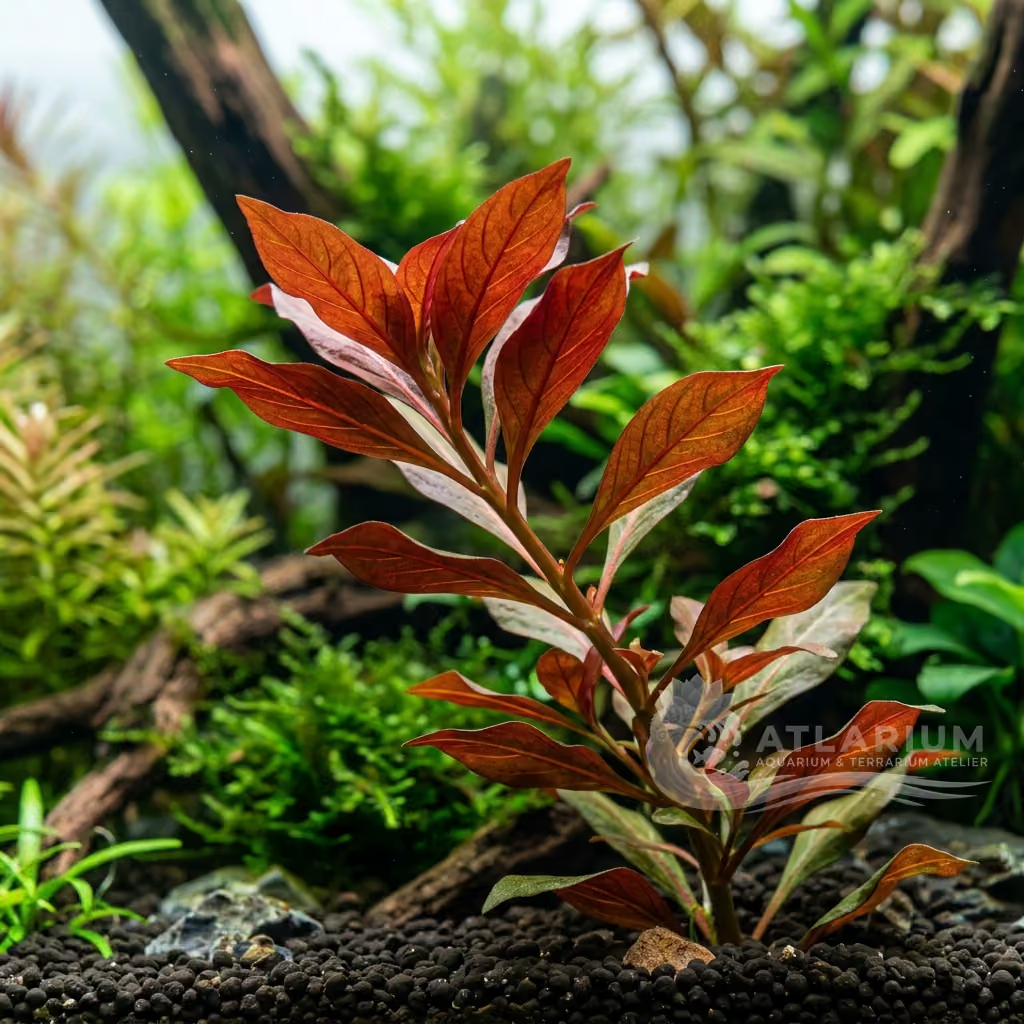
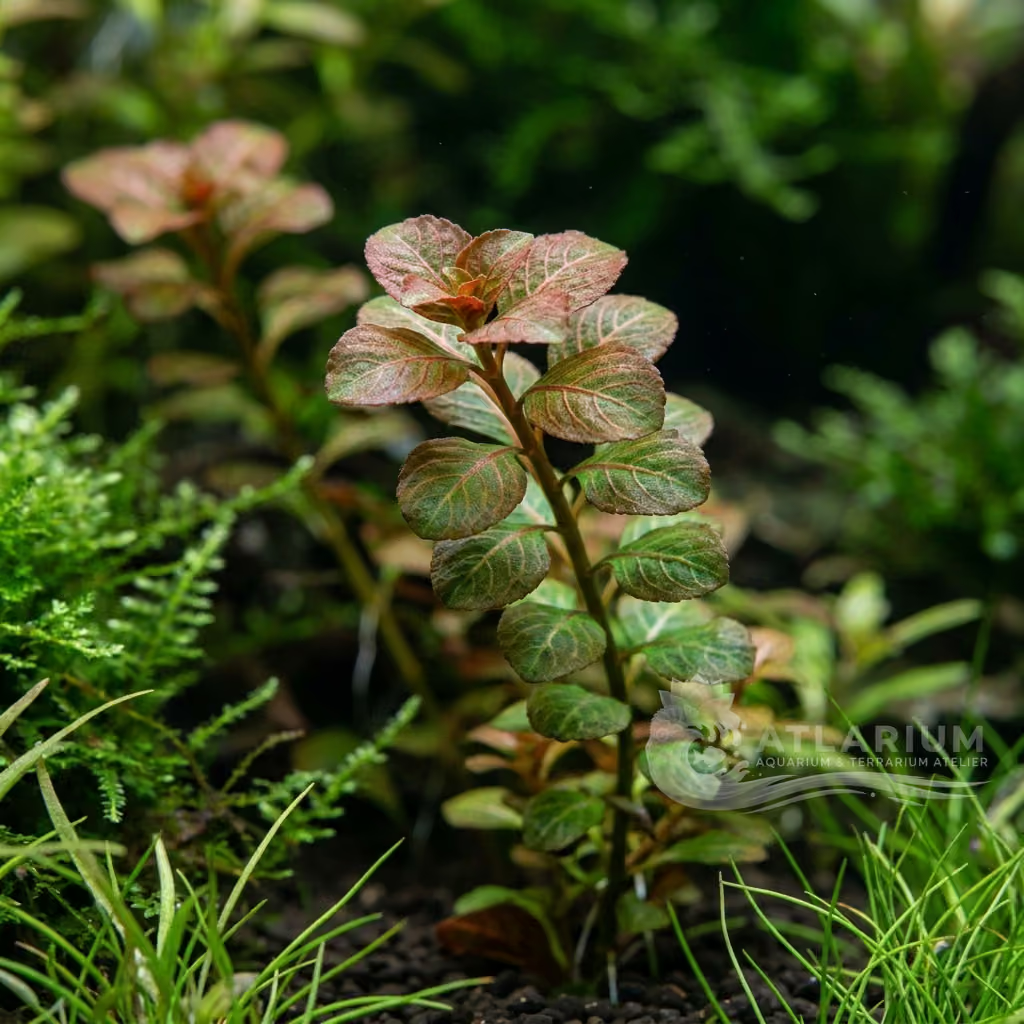
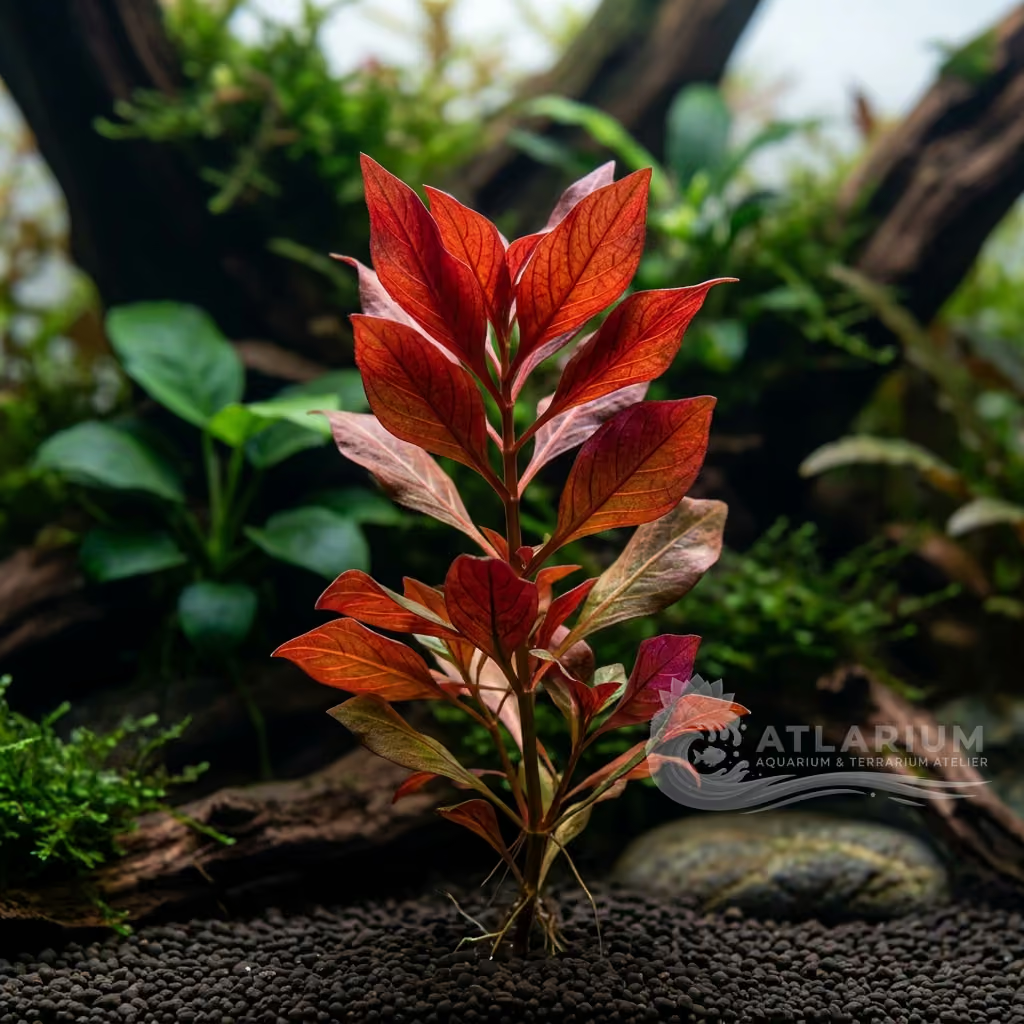
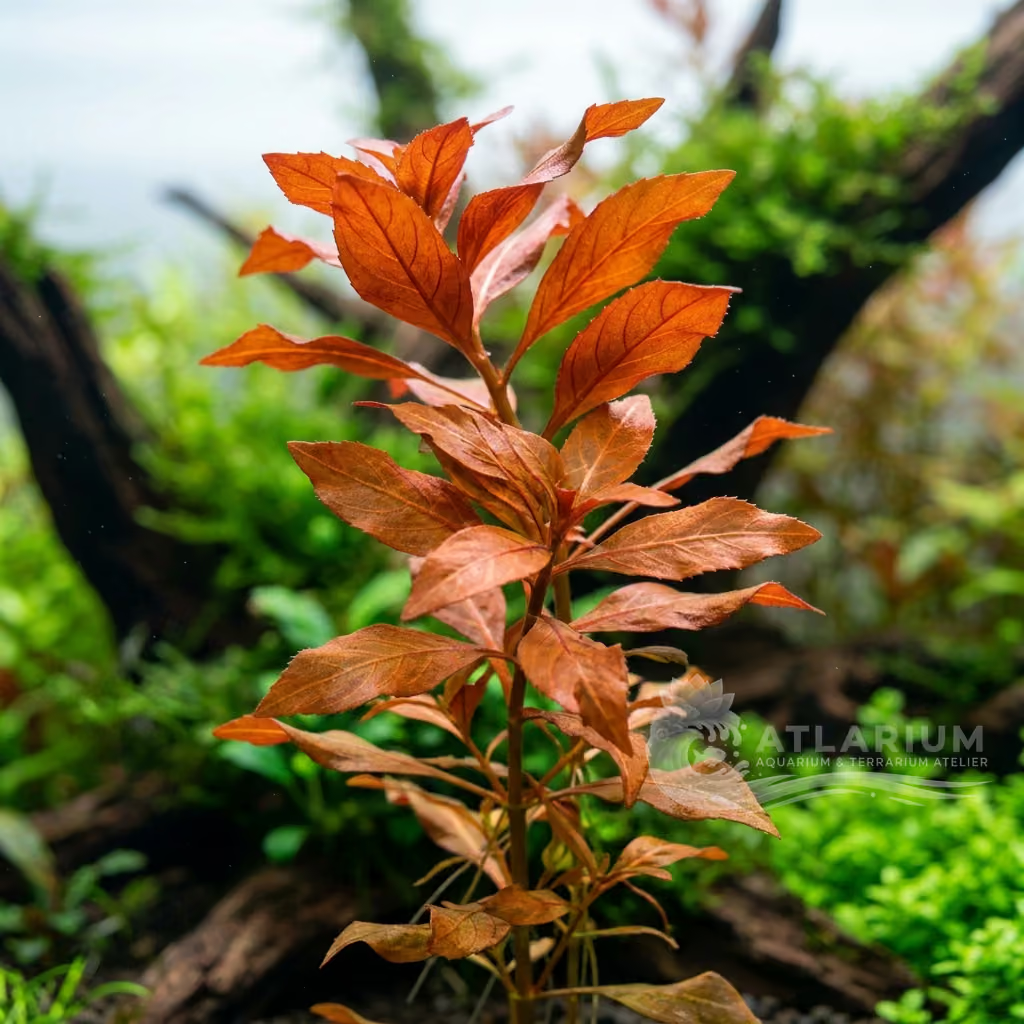
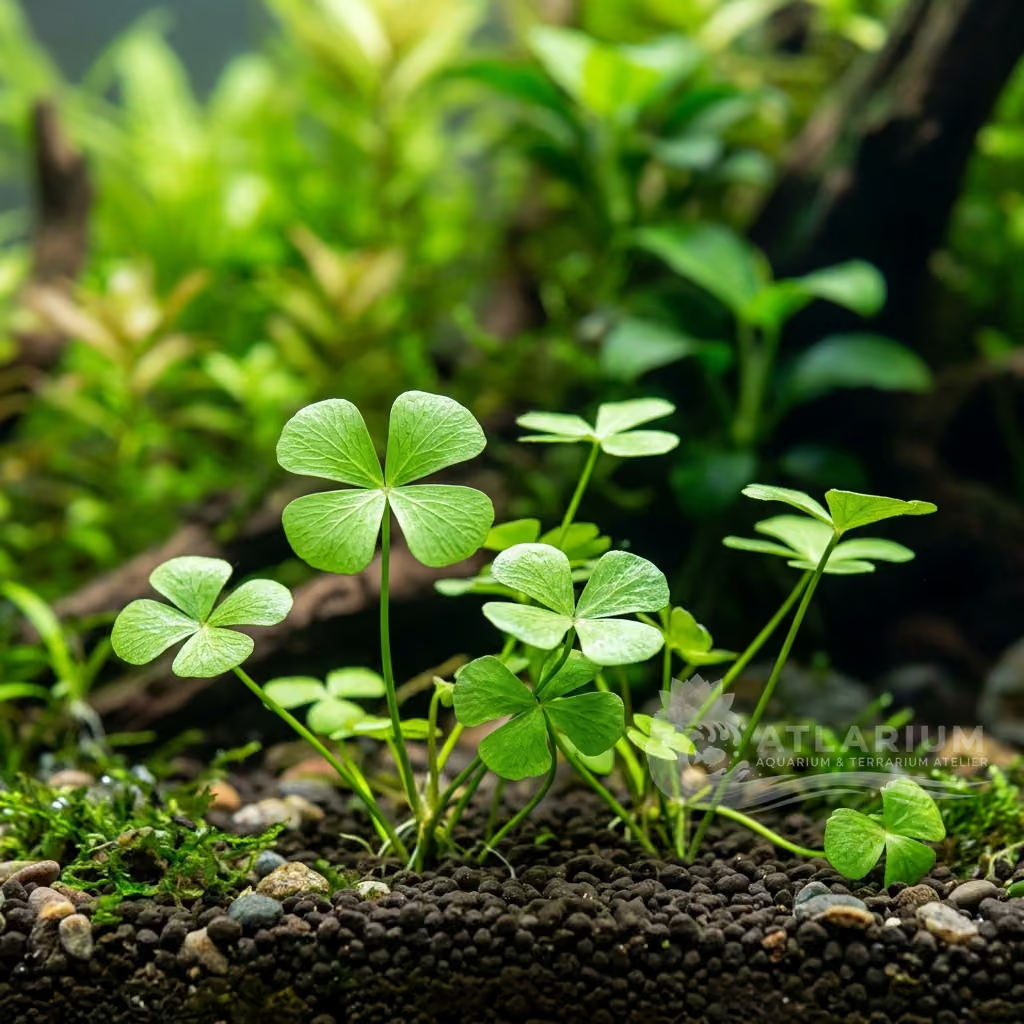
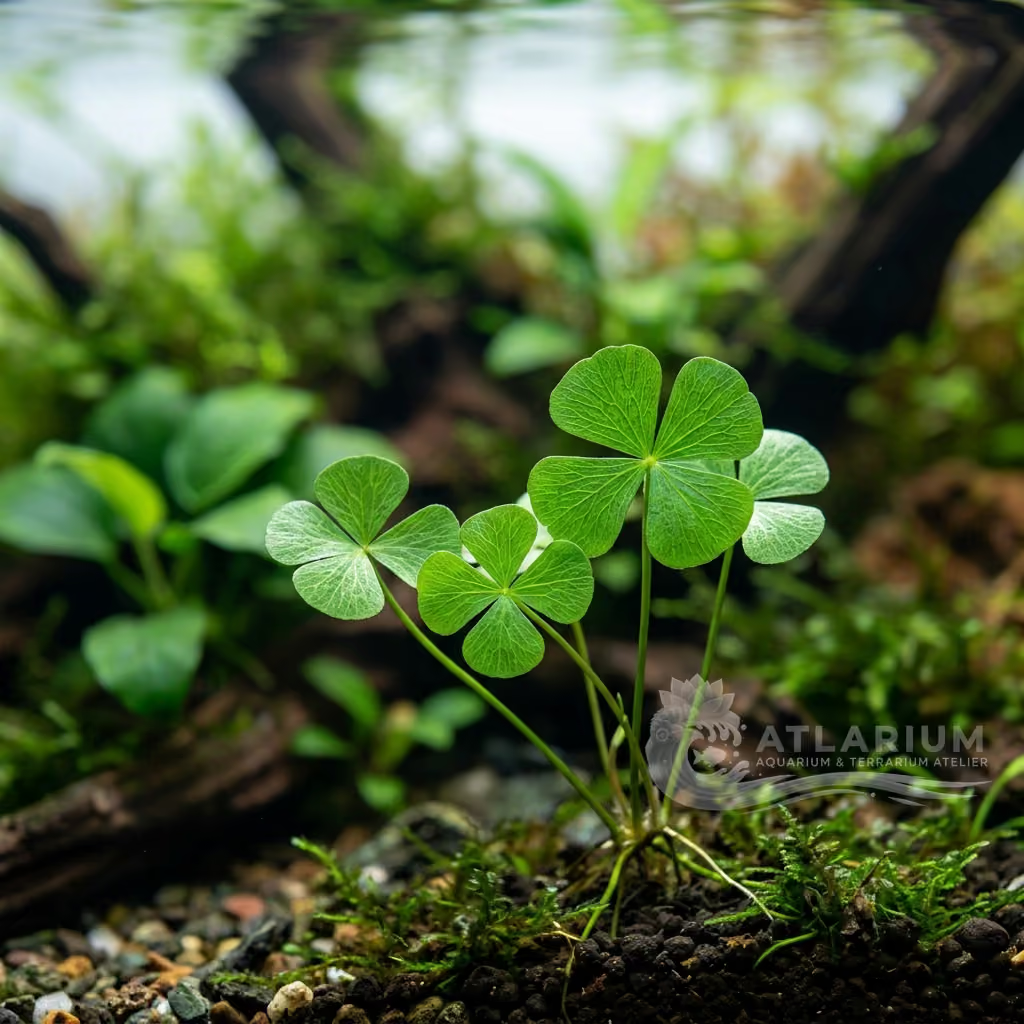
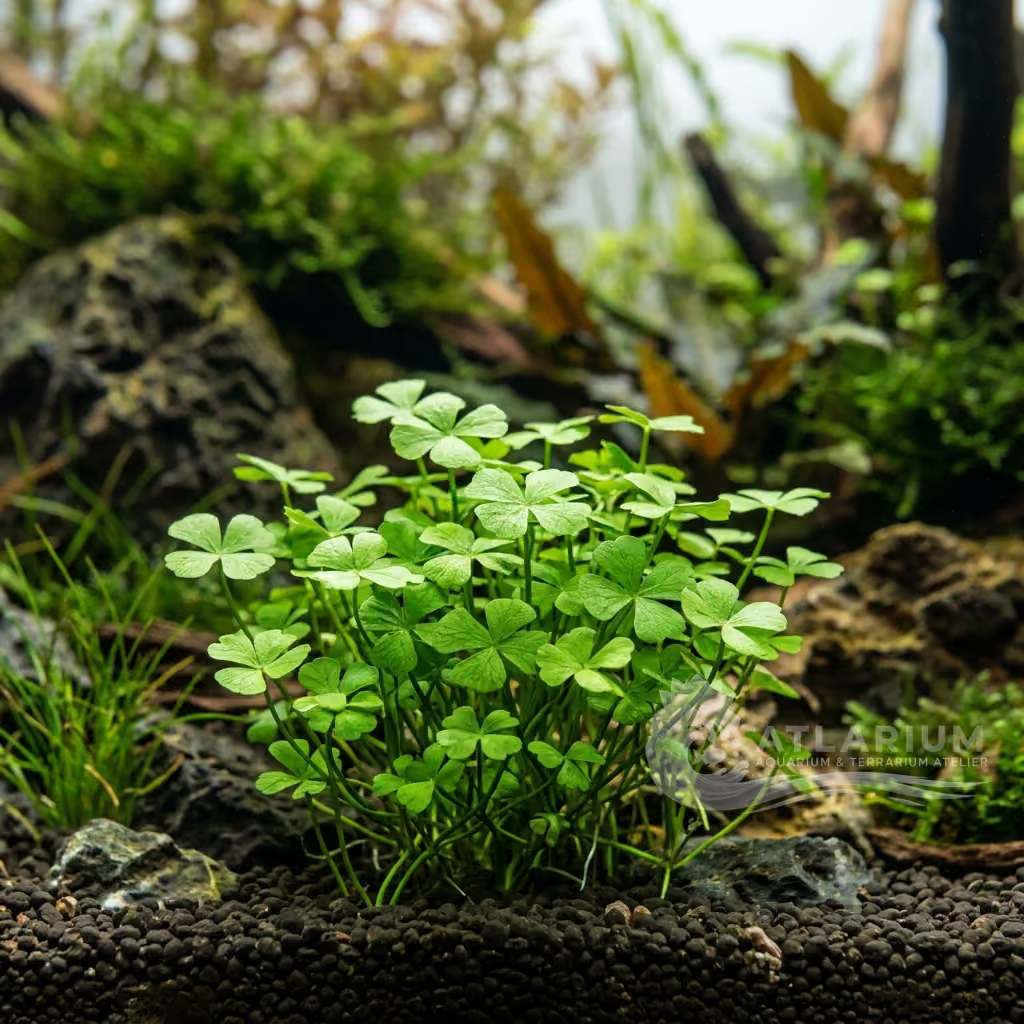
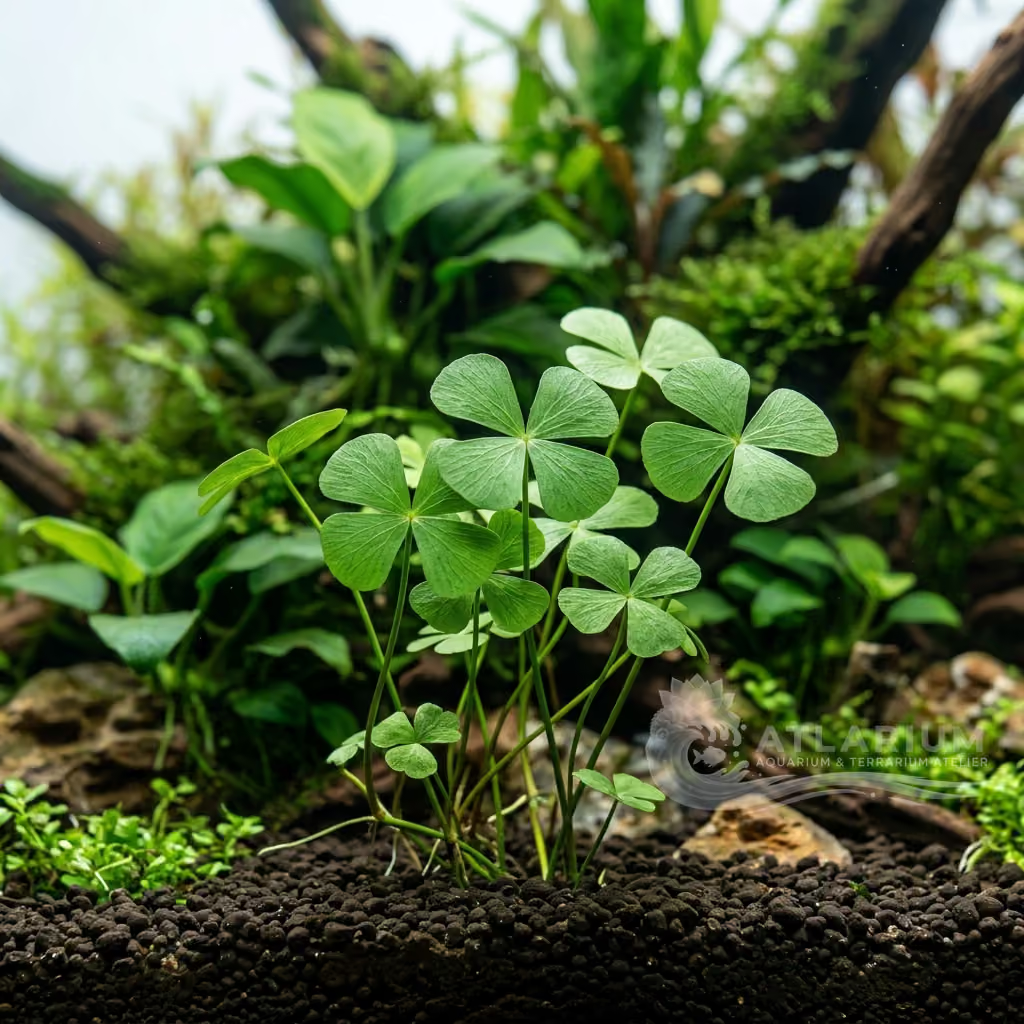
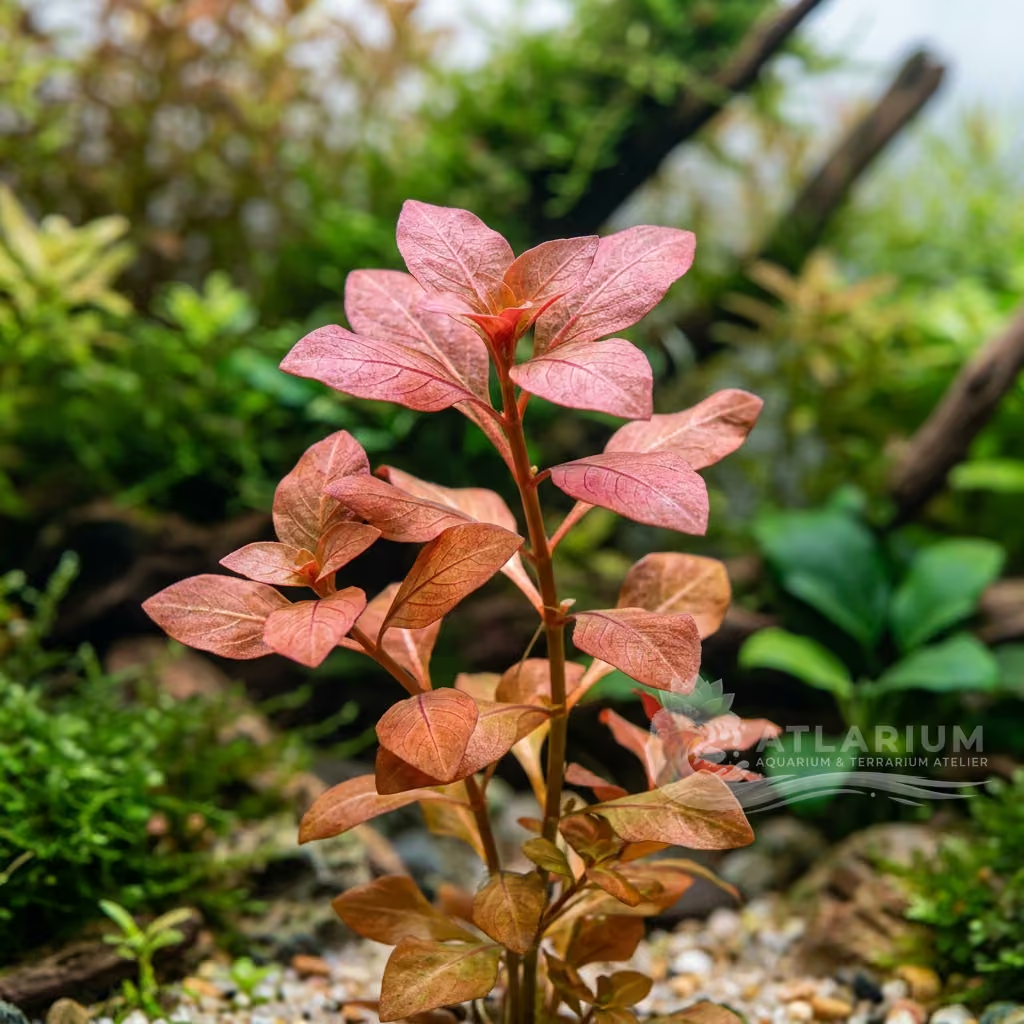
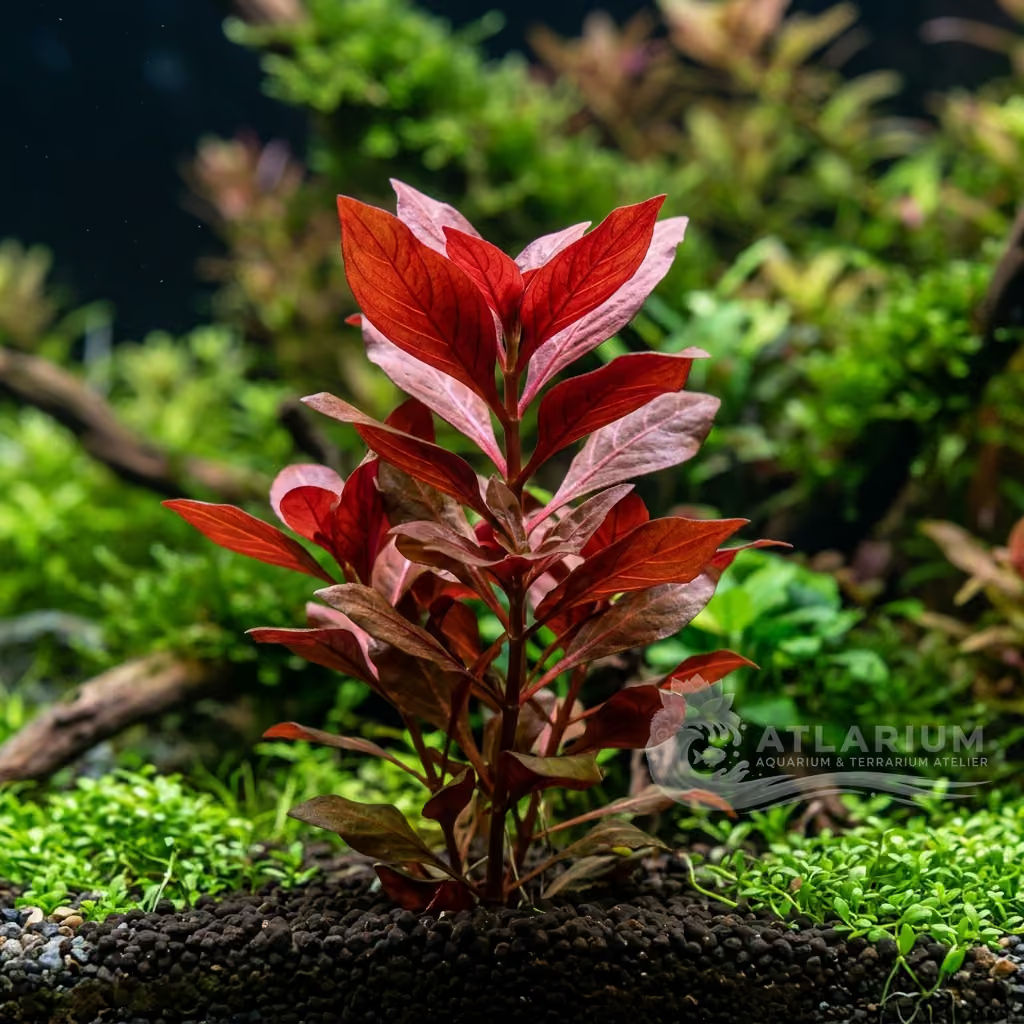
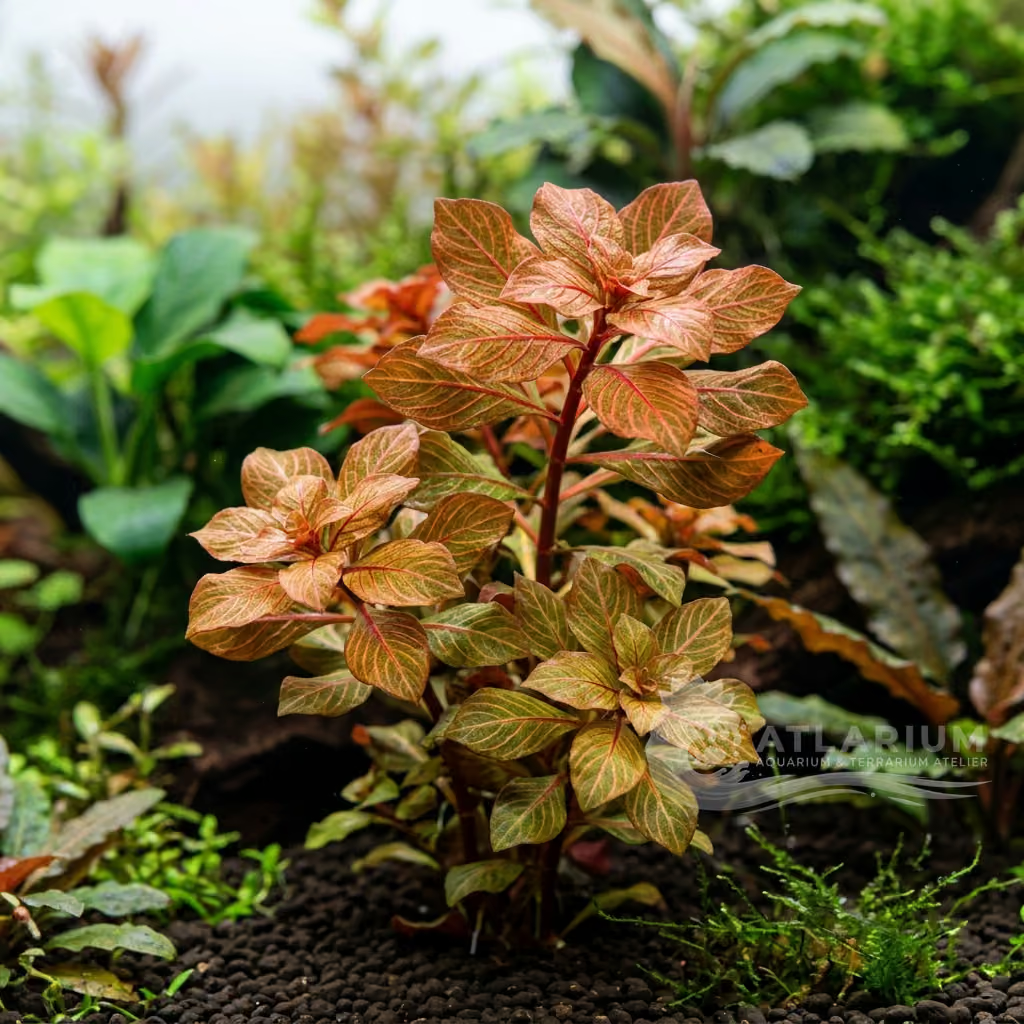
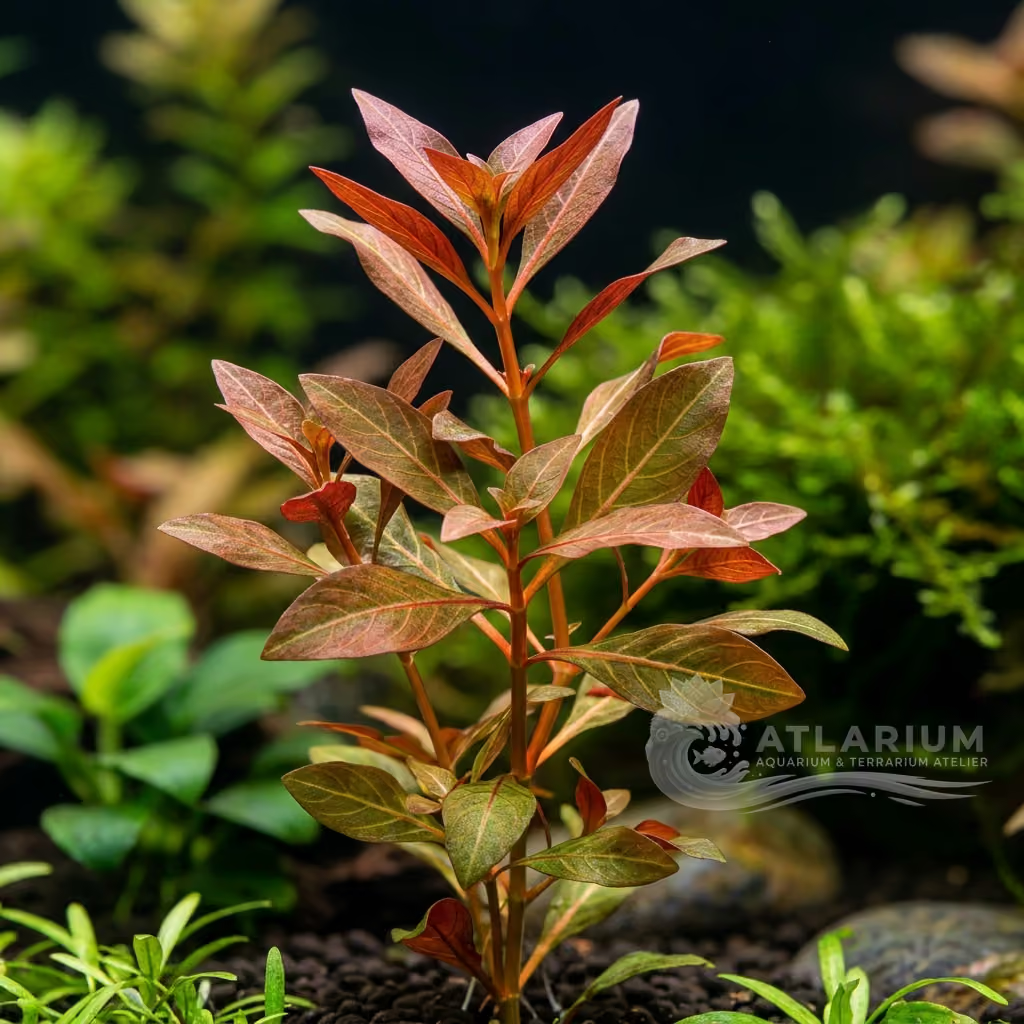
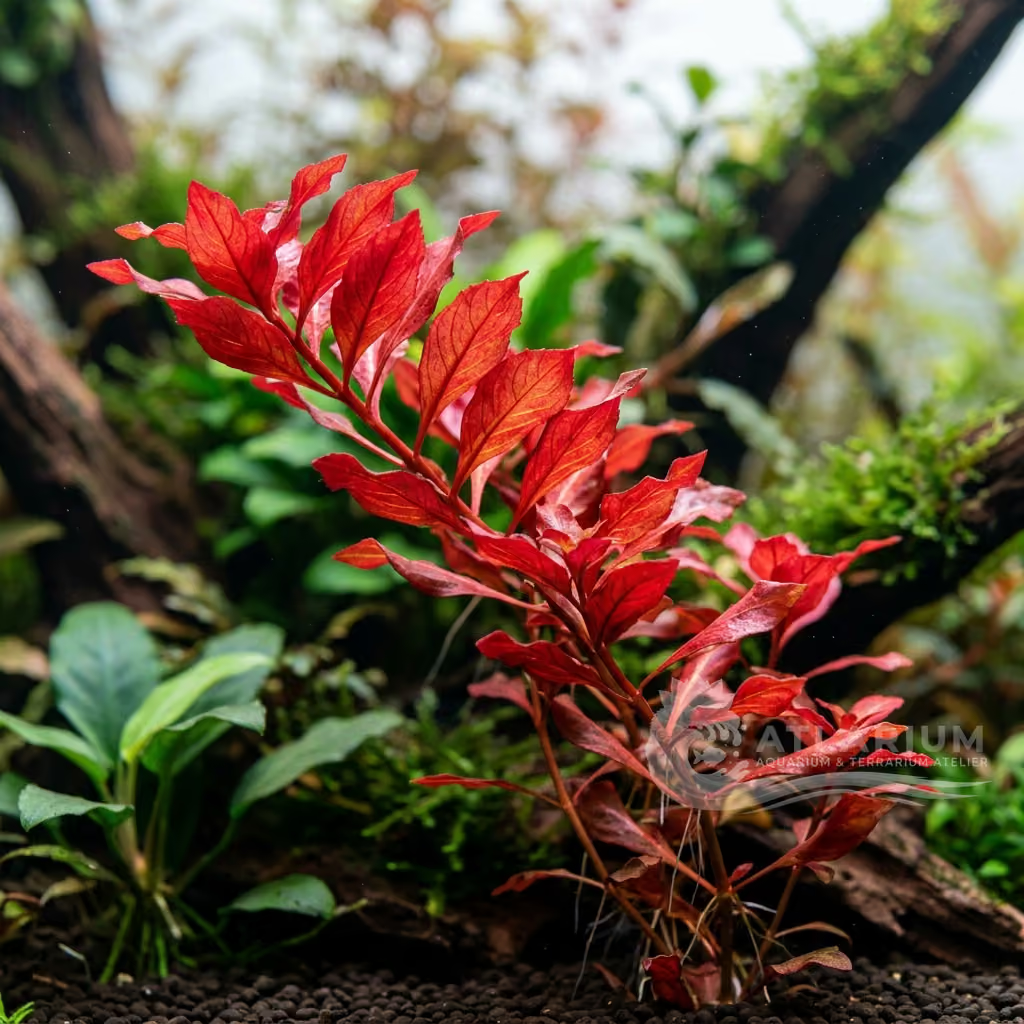
Lindernia grandiflora is a North American marsh plant with soft, apple-green leaves. Perfect for midground, it needs moderate-intense light to maintain its bushy habit.
Water Temperature
22 - 28 °C
pH Value
6 - 7.5
Water type
Freshwater
Light
Medium - High
CO2
Medium - High
Expected height
20 cm
KH
2 - 10 dKH

Species description
Geographical Origin and Habitat: Lindernia grandiflora is a herbaceous marsh plant native to the wetlands of North America, with a distribution particularly concentrated in the southeastern United States, notably Florida. In its natural environment, it colonizes the damp, muddy banks of rivers, freshwater lake margins, and temporarily flooded swamps. It grows both in its emersed form on wet soils and partially or completely submerged in shallow, calm waters, benefiting from direct sun exposure or partial forest canopy shading.
Taxonomy & Genetics: It belongs to the Linderniaceae family, a group recently segregated from Scrophulariaceae based on comprehensive molecular systematic studies. The genus Lindernia comprises highly adaptable annual or perennial marsh herbs. Genetically, Lindernia grandiflora displays pronounced morphological plasticity, allowing it to modify leaf texture and shape when transitioning from emersed to submerged growth, adapting efficiently to seasonal water level fluctuations.
Physical Structure: Beneath the water surface, it develops upright, branched stems, averaging 15 to 25 centimeters in height, with relatively short internodes when grown under adequate lighting. Submerged leaves are sessile, somewhat fleshy yet soft, arranged in opposite pairs along the stem, and have an ovate-rounded shape. The root system, though fine, is fibrous and robust, anchoring the plant firmly into sandy or muddy substrates and absorbing nutrients efficiently.
Color & Texture: The submerged foliage is characterized by a fresh, intense apple-green or pea-green coloration, remaining free of red pigments even under very strong illumination. Leaf venation is faint, giving the leaf surface a smooth, almost glossy appearance under aquarium lighting. The leaves have a soft yet flexible, slightly succulent texture, forming dense, compact bushes that reflect light uniformly and contrast sharply with finer-textured plants.

Care, breeding and tankmates
Lighting & CO2: Requires moderate to intense lighting to prevent excessive stretching of internodes and the subsequent loss of bush density. Carbon dioxide (CO2) supplementation is not strictly mandatory for survival, but constant injection at around 15-20 mg/L promotes significantly faster growth, thicker stems, and larger leaves.
Nutrition & Substrate: Although it can absorb nutrients from the
Water Chemistry: Displays wide chemical tolerance, adapting to pH levels between 6.0 and 7.5 and carbonate hardness (KH) from very low to moderate (2-10 dKH). The optimal cultivation temperature ranges from 18°C to 28°C, making it suitable for tropical heated tanks as well as coldwater or temperate aquariums.
Space Management & Placement: Its natural placement is in the midground of the aquarium, or in the background of nano aquariums. Individual stems should be planted at least 1.5-2 cm apart to allow light to reach the lowest leaves and prevent decay at the base of the grouping.
Pruning: Pruning is performed by regularly trimming the apical shoots with sharp aquascaping scissors. Cut tips, at least 8-10 cm long, can be replanted directly into the substrate for propagation, while the remaining stems will respond by producing multiple lateral shoots, increasing bush density.
Risks & Diseases: The main risk is light deprivation at the base due to over-dense planting, which leads to lower leaf loss and stem blackening. In the presence of nutrient deficiencies or poor water flow, the plant can be susceptible to hair algae infestations, which tend to smother younger leaves.

Geographic origin and distribution
Lindernia grandiflora is a herbaceous marsh plant native to the wetlands of North America, with a distribution particularly concentrated in the southeastern United States, notably Florida. In its natural environment, it colonizes the damp, muddy banks of rivers, freshwater lake margins, and temporarily flooded swamps. It grows both in its emersed form on wet soils and partially or completely submerged in shallow, calm waters, benefiting from direct sun exposure or partial forest canopy shading.
Origin
North America

Plant profile
- Placement
- Midground
- Given its visual impact, it is ideally placed in the midground or background of the aquarium. It creates a stunning focal point when planted in small, dense clusters. In shallow tanks, it can even be allowed to grow emerged, where it may produce small flowers.
- Botanical form
- Stem
- This species is distinguished by its larger, rounded to ovate leaves compared to other Lindernia species. The leaves grow oppositely along sturdy stems, displaying a striking bright green hue. Its overall form is upright, but it can bush out significantly when trimmed.
- Growth
- Medium
- It grows at a moderate to fast pace when provided with strong light and CO2 supplementation. Consistent nutrient levels encourage rapid vertical growth and lateral branching. Under lower light, its growth slows down, and the internodes may become elongated.
- Substrate
- High
- Lindernia grandiflora is a demanding plant that thrives strictly in nutrient-rich, active aquatic soils capable of fueling its robust metabolic rate. The plant rapidly develops a strong, deep root structure that relies on the substrate for a constant intake of nitrogen, phosphorus, and trace minerals. A generous substrate depth of 2.5 to 4 inches is highly recommended to accommodate its vigorous root expansion and provide long-term stability. Without a high-quality, fertilised base, this species may struggle to produce its characteristic broad leaves and sprawling growth.
- Column fertilization
- Recommended
- Column fertilization is crucial as the plant rapidly absorbs nutrients through its large leaf surfaces. A balanced liquid fertilizer containing nitrogen, phosphorus, and potassium should be dosed regularly. Maintaining optimal nutrient levels prevents premature deterioration of the lower foliage.
- Root fertilization
- Recommended
- A nutrient-dense substrate provides a significant advantage for Lindernia grandiflora. Utilizing aquasoil or placing root tabs near the base ensures a strong, healthy root network. Robust roots lead to thicker stems and larger, more resilient leaves.
- Trimming
- Occasional
- Frequent pruning is beneficial to keep its size in check and encourage a bushy, compact form. Trimming the tops forces the plant to send out multiple side shoots. Replanting the cuttings is an easy way to multiply the plant and thicken the cluster.
- Propagation
- Cuttings
- Like most stem plants, propagation is effortlessly done by cutting the stem and replanting the top. The replanted cutting will quickly root, and the original stem will grow new shoots. Ensure each cutting has a few nodes to facilitate successful rooting.
- Sensitivity
- Moderate
- It can be sensitive to poor water circulation and shading from taller plants. Ensure it receives unobstructed light to prevent the lower portions from decaying. Sudden shifts in water quality or temperature can cause temporary growth stunting.
- Layout role
- Midground, Nano, Background
- Its bold leaf texture makes it an excellent contrasting plant against fine-leaved species. It serves well as a midground accent or a background filler in smaller aquascapes. Its bright green color adds a refreshing vibrancy to any planted layout.

Related species
Recommendations grouped by close relatives, companion choices, and similar care.