Micranthemum umbrosum
Micranthemum umbrosum
Micranthemum umbrosum is a fast-growing foreground plant, perfect for creating dense, lush carpets or compact bushes, adding a natural and refined aesthetic to the aquarium layout.
Water Temperature
4 - 26 °C
pH Value
5 - 7
Water type
Freshwater
Light
Medium to High
CO2
High
KH
0 - 10 dKH

Species description
Geographical Origin and Habitat: Micranthemum umbrosum is native to the southeastern regions of North America, specifically states such as Florida and Georgia, where it thrives in both aquatic and semi-aquatic environments. It is typically found in clear, shallow waters, slow-moving streams, swamps, and ditches, growing both fully submerged and emersed along the banks. Its natural habitat is often characterized by sandy or muddy substrates and water conditions ranging from slightly acidic to neutral, reflecting its adaptability to a specific range of aquatic parameters.
Taxonomy & Genetics: This delicate plant belongs to the Linderniaceae family, although it was previously classified under Scrophulariaceae, a botanical grouping that highlights its affinities with other aquatic species. The genus Micranthemum is known for its small size and dense growth, with Micranthemum umbrosum distinguishing itself from other species like Micranthemum callitrichoides by its slightly larger, more rounded leaves and a tendency to develop longer, more branching stems. Its genetic makeup grants it a refined structure and consistent growth pattern, making it a valued addition to planted aquariums aiming for a natural aesthetic.
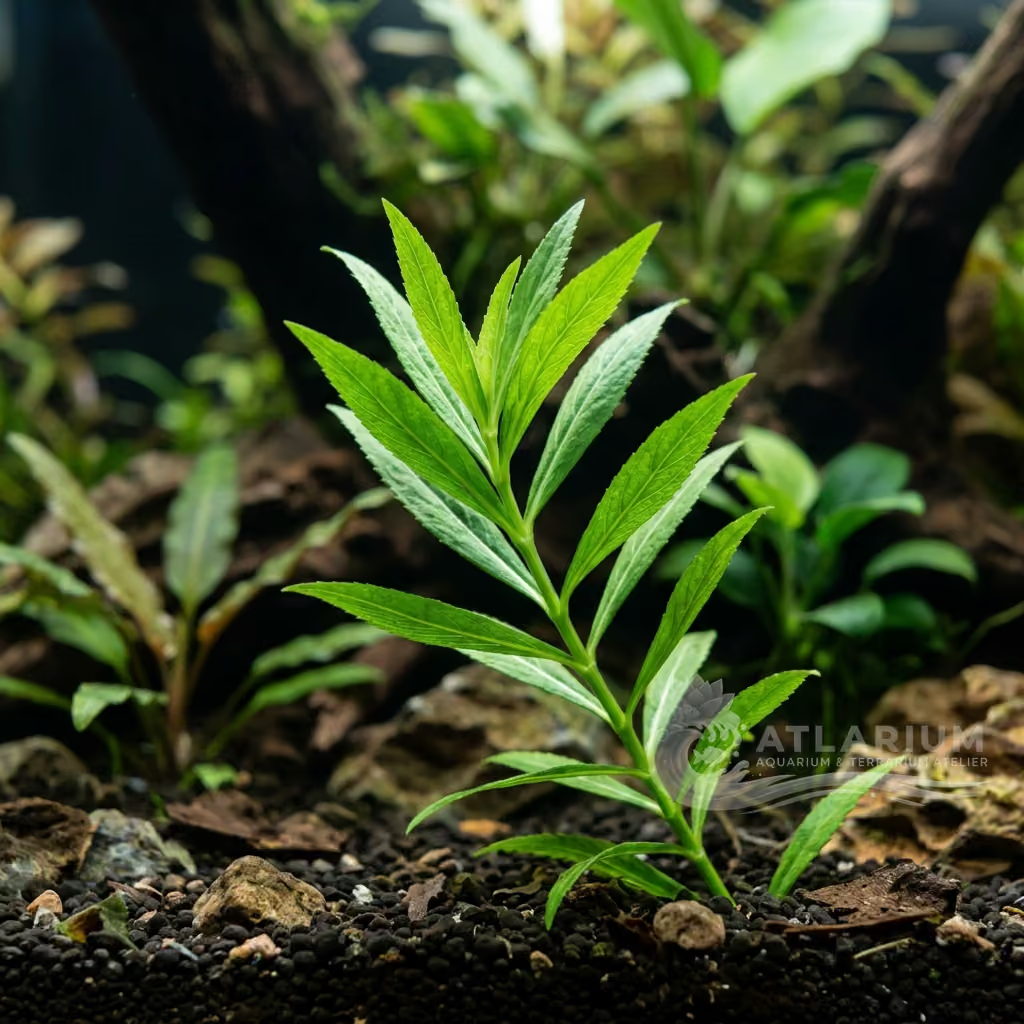
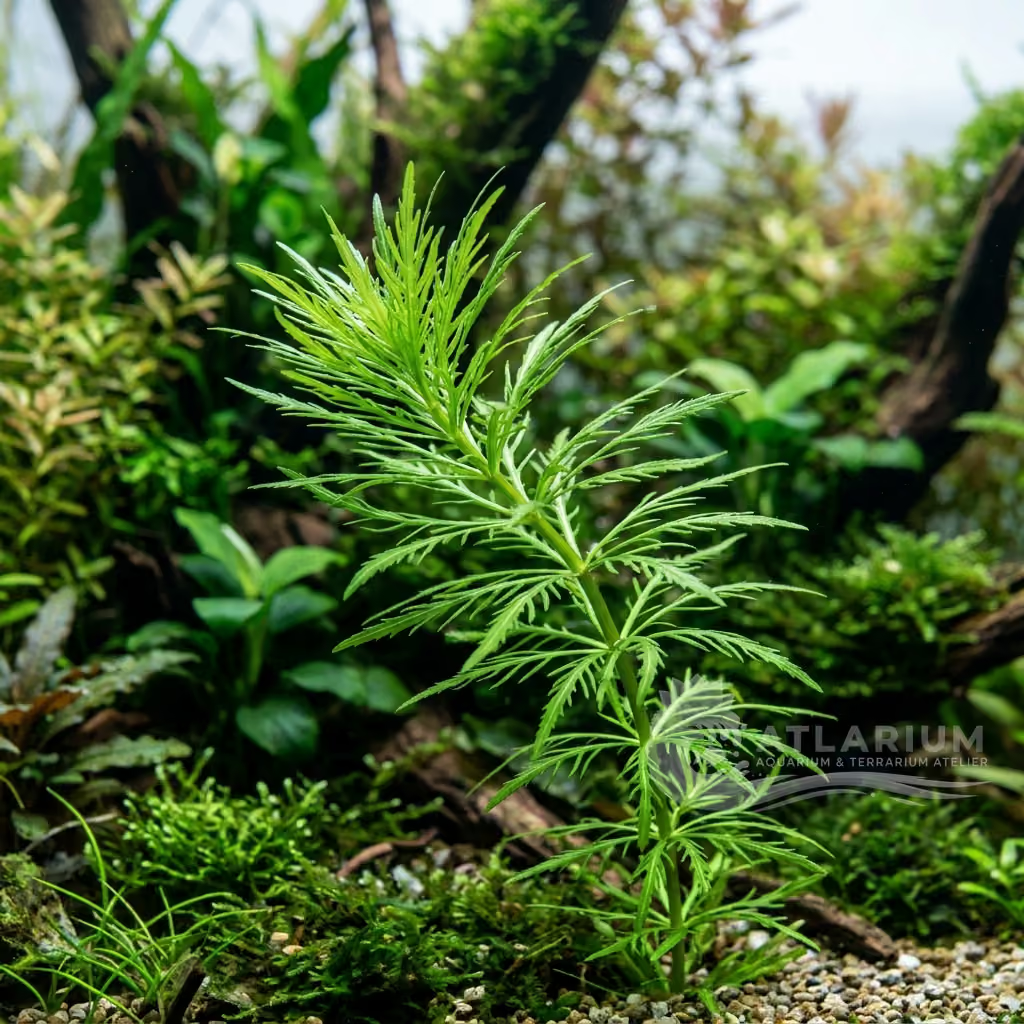
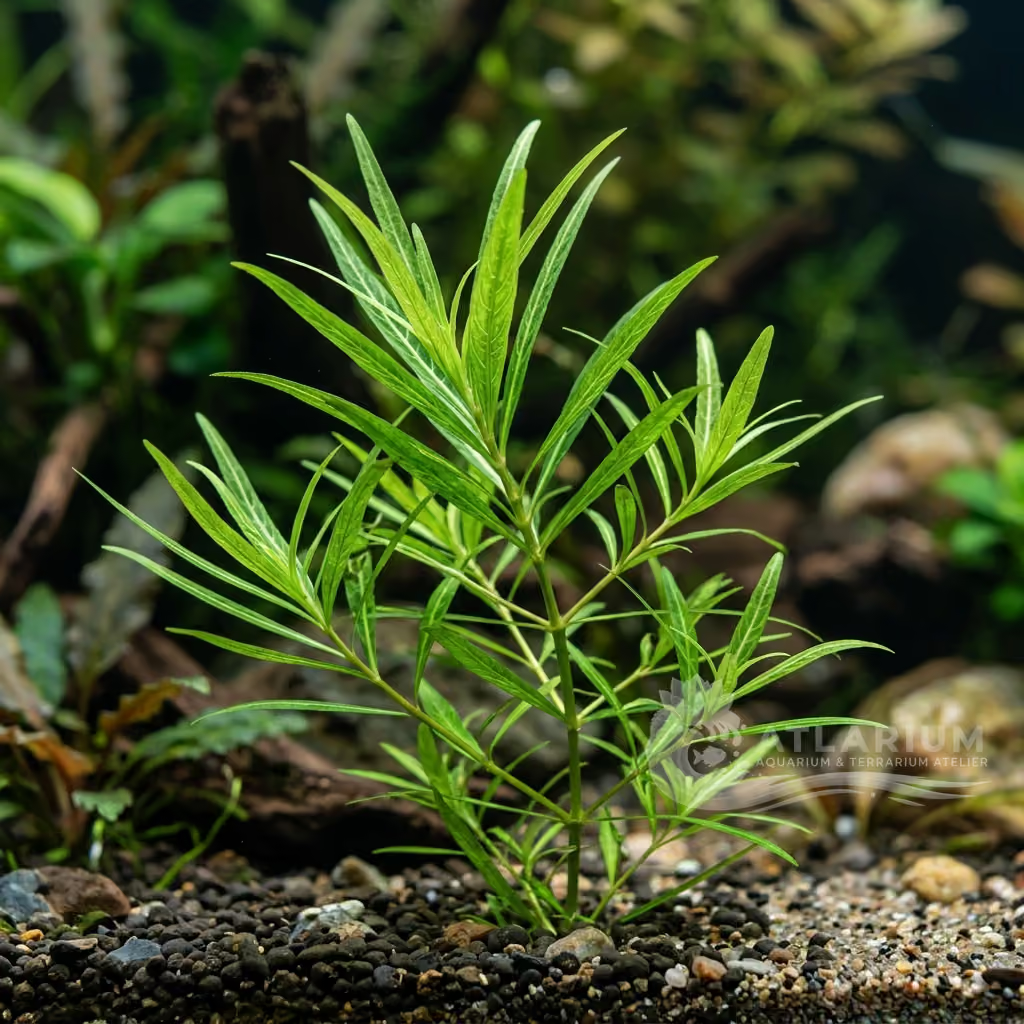
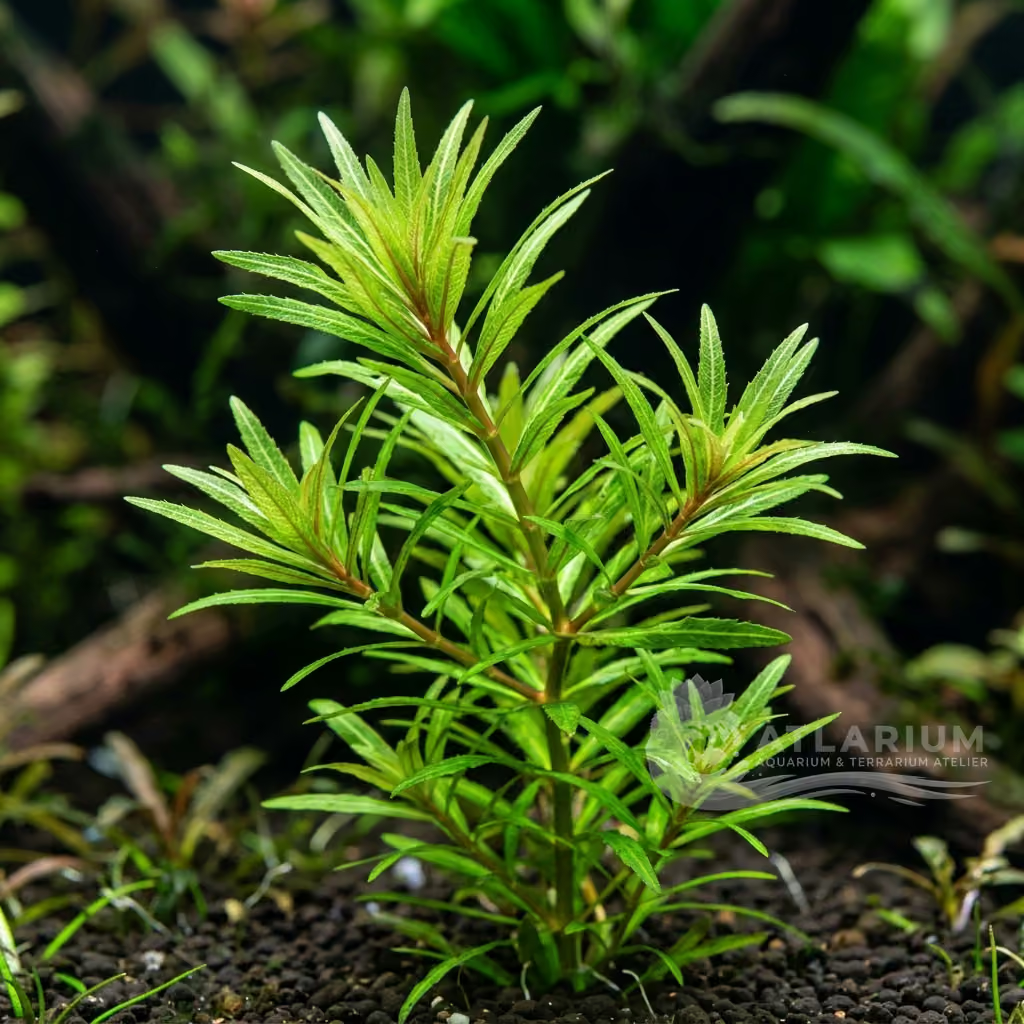
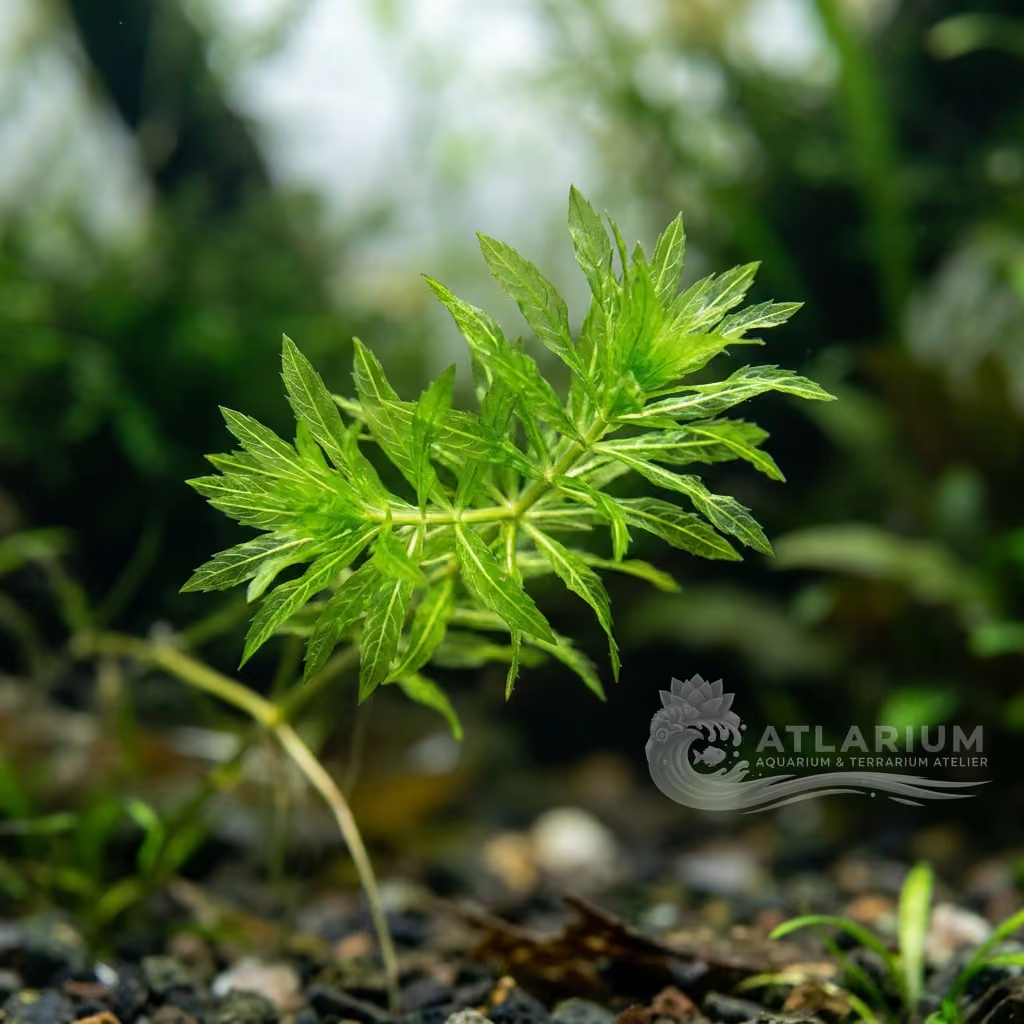
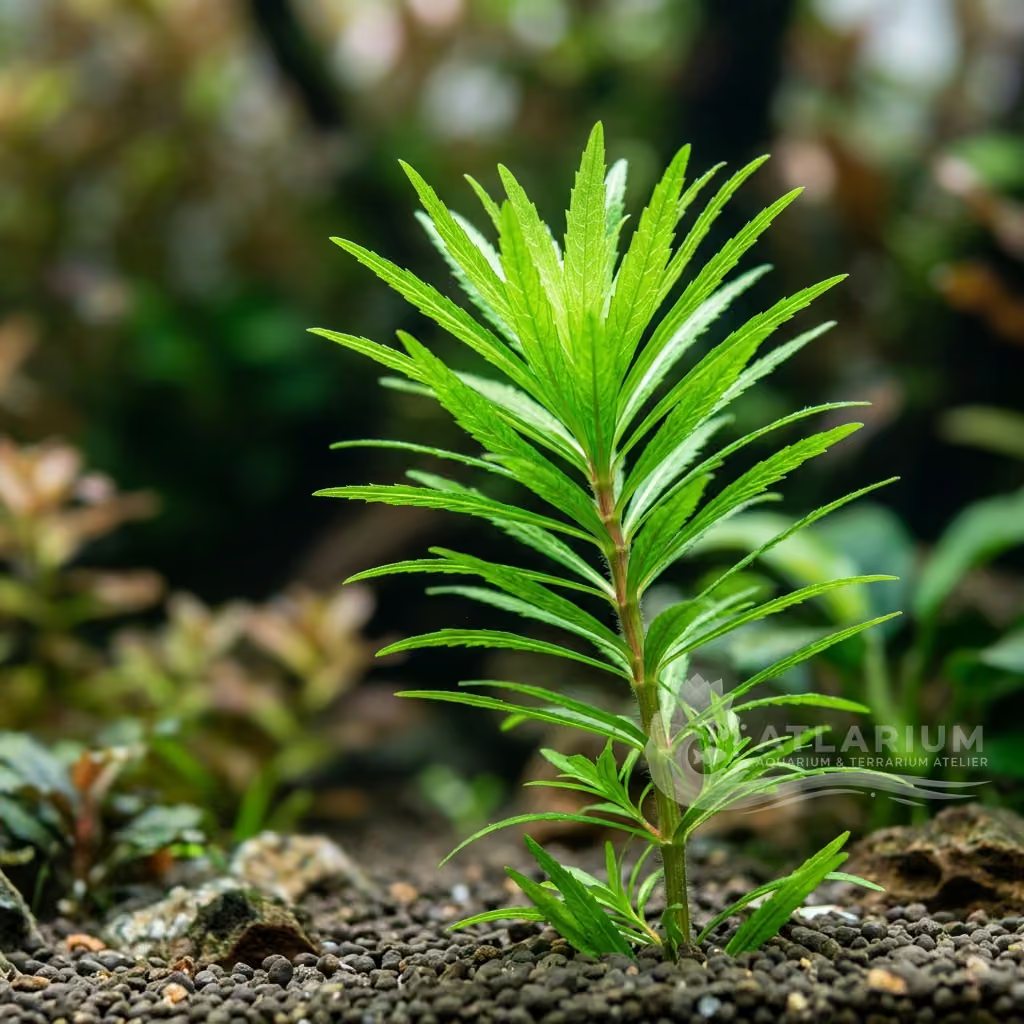
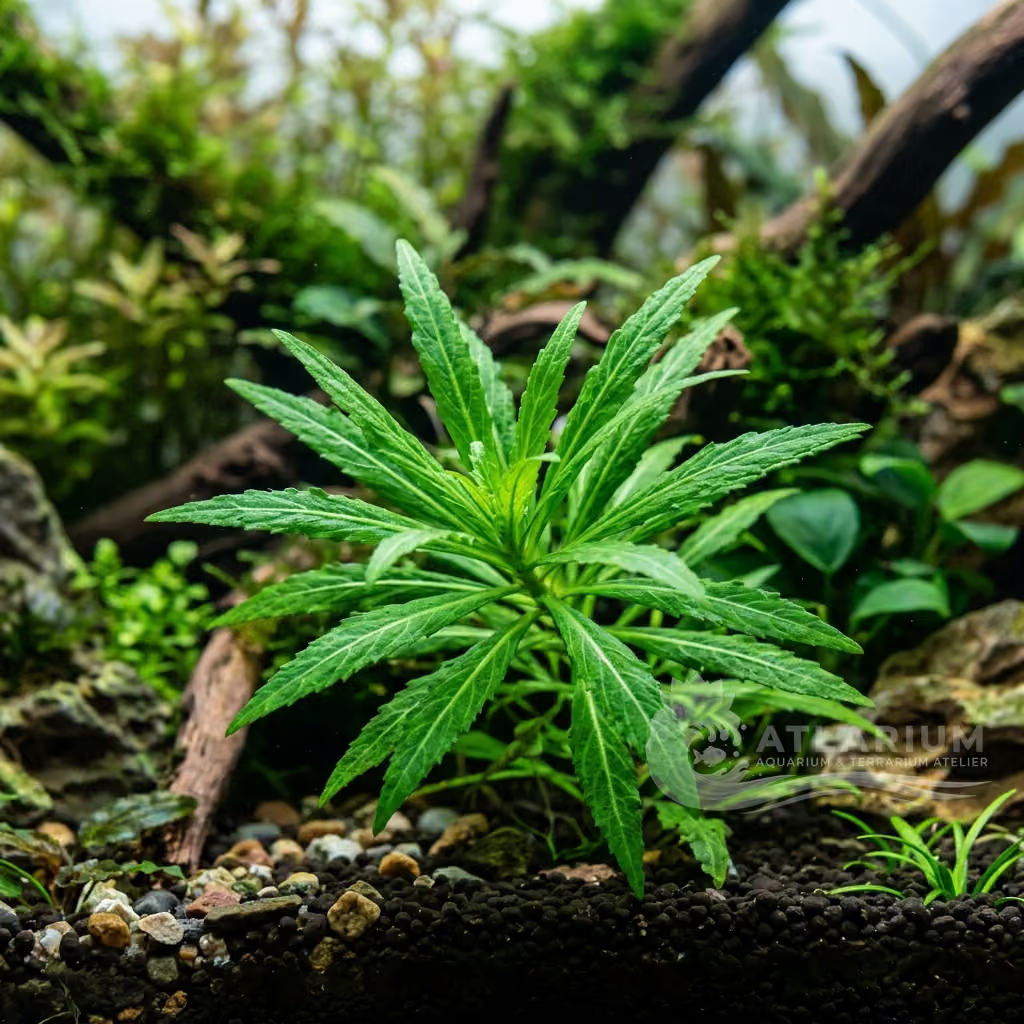
Physical Structure: Micranthemum umbrosum is characterized by a slender and delicate physical structure, composed of numerous thin stems that can either creep along the substrate or ascend towards the water surface. Each stem, which can reach a length of 5-15 cm, is densely covered with minute, round to slightly oval leaves, arranged in opposite pairs or occasionally in whorls of three. The root system is fine and shallow, primarily serving to anchor the plant to the substrate rather than for intensive nutrient absorption, though it contributes to the plant's overall stability.
Color & Texture: The coloration of Micranthemum umbrosum is a vibrant light green, which can deepen to a rich medium green under optimal lighting conditions and adequate nutrition. Under very strong light, the plant may develop reddish or yellowish hues on the leaf tips, an indicator that can signal intense photosynthetic activity or, in some cases, a slight deficiency in specific nutrients like iron. Its texture is exceptionally soft and fine, lending the carpet a feathery, delicate appearance; the small, often slightly reflective leaves create a shimmering effect under aquarium lighting, adding visual depth to the aquascape.

Care, breeding and tankmates
Lighting & CO2: For dense and compact growth of Micranthemum umbrosum, medium to high intensity lighting is indispensable; insufficient light will lead to leggy stems and stunted growth. CO2 injection is highly recommended and almost necessary to promote vigorous photosynthesis, a high growth rate, and the development of a lush, healthy carpet. Without adequate CO2 supplementation, especially under strong lighting where carbon demand is high, the plant's growth will be significantly slowed, and it may show signs of distress, such as the deterioration of lower leaves.
Nutrition & Substrate: Micranthemum umbrosum greatly benefits from a nutrient-rich substrate, from which it can draw essential nutrients for its growth, although it is also capable of effectively absorbing nutrients directly from the
Water Chemistry: This plant adapts to a water temperature range of 4.0 to 26.0 C, although its optimal growth occurs between 20 and 24 C; it is crucial to avoid sudden temperature fluctuations that can stress the plant. The ideal pH ranges from 5.0 to 7.0, preferring slightly acidic to neutral waters, while carbonate hardness (KH) can vary from 0.0 to 10.0, indicating tolerance to soft to moderately hard water. Maintaining stable parameters and good water circulation is fundamental not only for uniform nutrient distribution but also to prevent detritus accumulation, which could compromise the health of the carpet.
Space Management & Placement: Micranthemum umbrosum is ideal for foreground placement in the aquarium, where it can form a dense, compact carpet or low-growing plant groups, creating a natural and deep effect. It can also be used in the midground or as an accent on hardscape elements if allowed to grow taller and less densely. To encourage rapid carpet formation, it is advisable to plant it in small clumps, grouping several stems together at short intervals. Careful space management through regular trimming is necessary to prevent overcrowding and shading of the lower parts.
Pruning: Due to its fast growth, frequent pruning is essential for Micranthemum umbrosum to maintain the desired shape and encourage denser, lateral growth. It is advisable to trim the top 1/2 to 2/3 of the plant to encourage branching and prevent the carpet from becoming too thick, which could lead to die-off and rotting of the lower layers due to lack of light and circulation. Trimmed pieces can be replanted to further propagate the plant or to fill any gaps in the carpet.
Risks & Diseases: Micranthemum umbrosum is sensitive to nutrient imbalances and can be susceptible to algae growth, especially if lighting is too intense without adequate CO2 or if nutrients are unbalanced. Melting or decline can occur following a transfer to drastically different water parameters or sudden changes in CO2 supply or light intensity. Poor water circulation within a dense carpet can encourage detritus accumulation and subsequent rotting of the lower parts. It is important to carefully monitor the plant for signs of nutrient deficiencies, such as yellowing leaves (iron deficiency) or stunted growth (NPK deficiency).

Geographic origin and distribution
Micranthemum umbrosum is native to the southeastern regions of North America, specifically states such as Florida and Georgia, where it thrives in both aquatic and semi-aquatic environments. It is typically found in clear, shallow waters, slow-moving streams, swamps, and ditches, growing both fully submerged and emersed along the banks. Its natural habitat is often characterized by sandy or muddy substrates and water conditions ranging from slightly acidic to neutral, reflecting its adaptability to a specific range of aquatic parameters.
Origin
North America

Plant profile
- Placement
- Foreground
- Micranthemum umbrosum is an excellent midground to background plant, best used to create dense, rounded bushes through frequent trimming. Its small, round leaves provide a beautiful textural contrast when placed next to plants with darker, longer, or broader leaves. It is also popular in Dutch-style aquariums for creating neat 'streets' or geometric shapes.
- Botanical form
- Stem
- It is a fast-growing stem plant characterized by small, perfectly round, light green leaves that grow oppositely along a fragile stem. The stems branch readily, especially after trimming, which allows it to form very dense, compact bushes. Its appearance is soft and delicate, making it a favorite for detailed aquascaping work.
- Growth
- Fast
- Under high light and CO2, its growth rate is extremely fast, requiring regular and sometimes aggressive pruning to maintain its desired shape. This rapid growth makes it an excellent plant for absorbing excess nutrients and outcompeting algae. In lower light setups, its growth slows significantly, and it tends to drop its lower leaves.
- Substrate
- Medium
- It benefits from a fine, nutrient-rich aqua soil which allows its small, delicate roots to anchor securely. While it can grow in sand or gravel, a fertile base ensures the stems are robust and can recover quickly from heavy pruning. Care must be taken not to crush the stems when planting in denser substrates.
- Column fertilization
- Recommended
- Heavy liquid fertilization is necessary because it draws a massive amount of its required nutrients directly from the water column. Daily dosing of macro and micronutrients ensures that its fast growth rate does not lead to sudden deficiencies. Maintaining good water flow around the dense bushes is crucial to deliver nutrients and prevent rotting at the base.
- Root fertilization
- None
- Although it feeds heavily from the water, planting it in a nutrient-rich substrate provides a vital secondary source of nutrition. An active aqua soil helps establish a strong root system that anchors the rapidly growing stems. Substrate feeding helps mitigate the dropping of lower leaves, a common issue with this species.
- Trimming
- Occasional
- Frequent and aggressive trimming is required to maintain its bushy shape. Trimming encourages the plant to branch out, creating a denser cluster. Replant the healthy tops to replace older, deteriorating lower stems.
- Propagation
- Cuttings
- Propagation is very straightforward: simply cut the tops of the stems and replant them into the substrate. The original stems will almost immediately develop new side shoots, increasing the density of the bush. It is often best to uproot the old bottoms and replant the fresh tops every few months to keep the group looking its best.
- Sensitivity
- Moderate
- It is highly sensitive to low light conditions and shading from other plants. Poor water circulation can lead to debris buildup and subsequent rot in the dense bushes. It may melt significantly if water parameters fluctuate rapidly.
- Layout role
- group, Foreground, Midground, Nano
- It is used to create bright, voluminous bushes in the midground or background. Its rounded leaves offer a contrasting texture to grass-like or needle-leaf plants. It is excellent for adding a vivid splash of light green to the aquascape.

Related species
Recommendations grouped by close relatives, companion choices, and similar care.