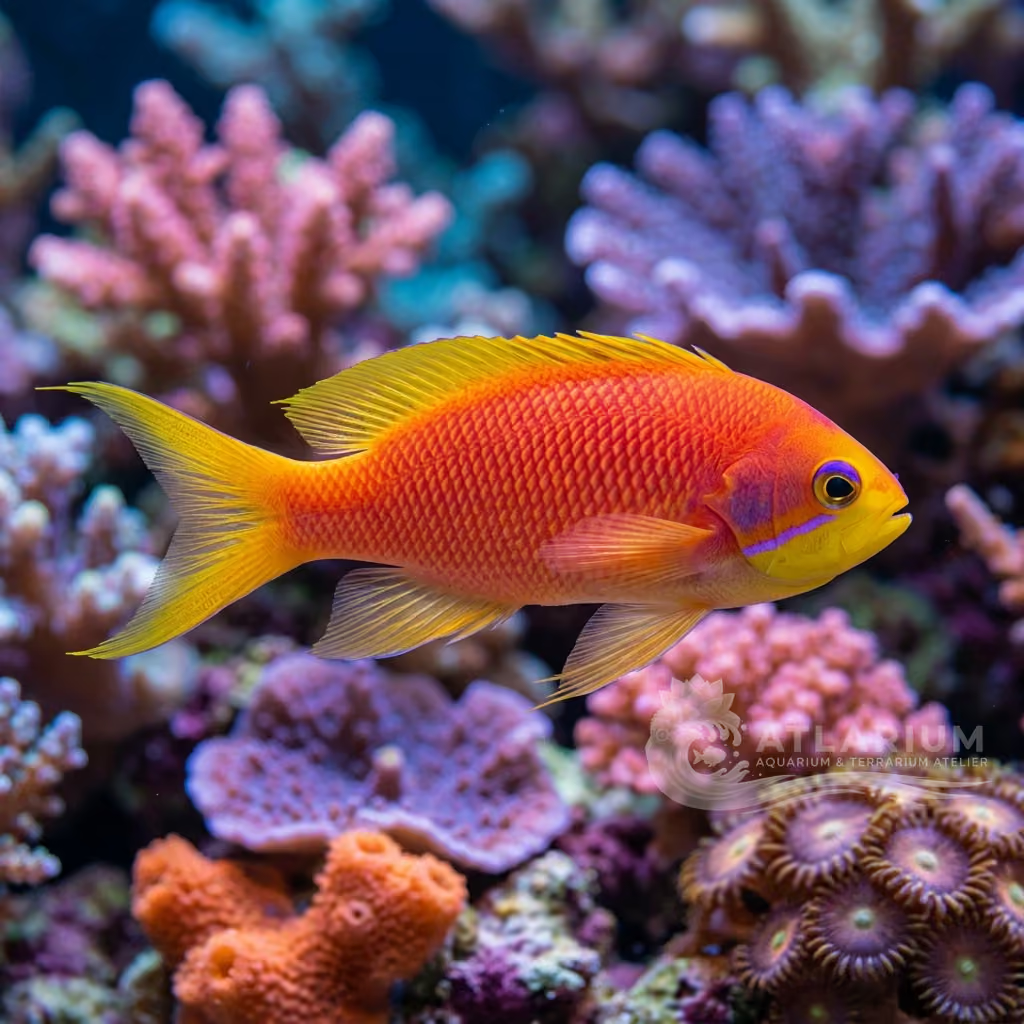
Marcella Butterflyfish
Prognathodes marcellae
A rare and sought-after West African butterflyfish adapted to cooler deep waters, characterized by its two bold vertical black bands.
Water Temperature
18 - 24 °C
pH Value
8 - 8.4
Water type
Marine
Tank level
All levels
Adult size
12 cm
Minimum tank volume
>= 200 L
Minimum group
>= 1
KH
8 - 12 dKH

Species description
Geographical Origin and Habitat: Native to the tropical Eastern Atlantic, along the West African coast from Senegal and Cape Verde to the Gulf of Guinea and Angola. Inhabits deep rocky reefs and soft bottoms at depths of 12 to 140 meters, preferring cooler waters.
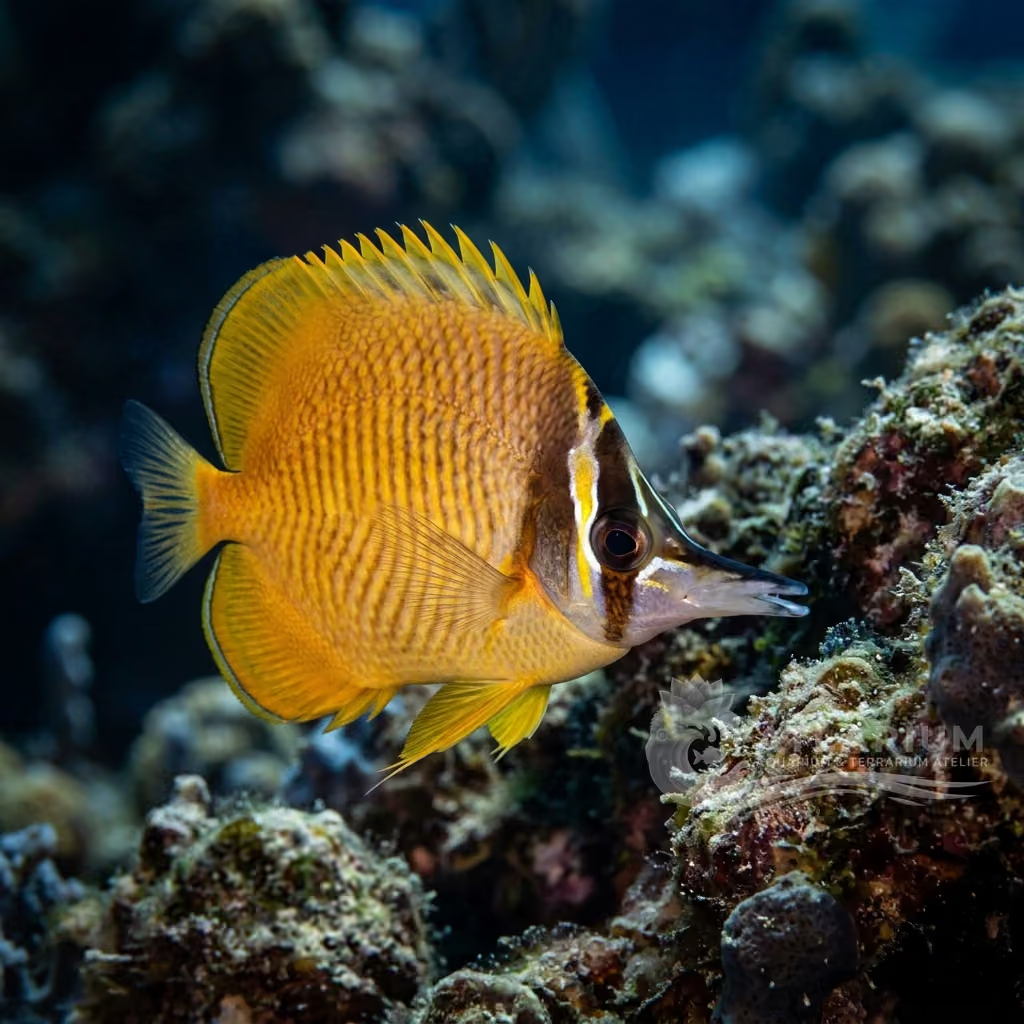
Taxonomy and Morphology: Member of the family Chaetodontidae. Features a compressed silvery-white body with a pointed, sturdy snout. Highly yellow dorsal, pelvic, and anal fins. Grows to a maximum length of about 12 cm.
Social Behavior: Shy, quiet, and peaceful. In the wild, they live singly or in pairs, staying close to the substrate. In aquariums, it remains timid and requires time to acclimate.
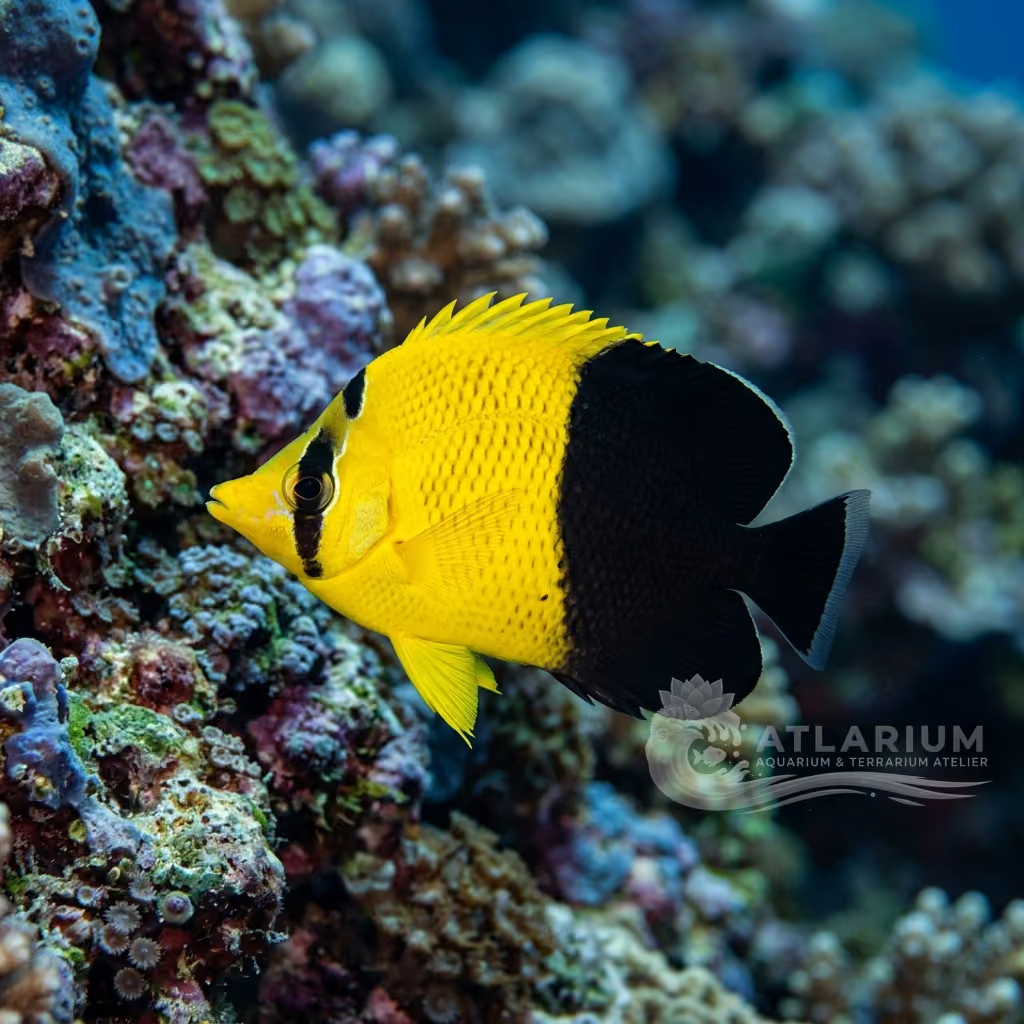
Coloration and Sexual Dimorphism: Bright silvery-white body featuring two distinctive vertical black bands: one running through the eye and a broader one on the rear body. No external sexual differences are visible.

Care, breeding and tankmates
Aquarium Setup: Demands an aquarium of at least 200 liters with abundant rockwork to create deep caves and shaded areas. Cooler temperatures (18–24°C / 64–75°F) are essential as it does not tolerate standard high tropical heat.
Diet and Feeding: Demanding carnivore. In captivity, feed 3–4 times daily with mysis, brine shrimp, clam meat, and chopped crustaceans. Live food helps during initial acclimation.
Water Quality: Pristine water quality with robust protein skimming. Parameters: temperature 18–24°C, pH 8.0–8.4, salinity SG 1.020–1.025, GH 15–25, and KH 8–12. Sensitive to organic wastes.
Compatibility and Cohabitation: Peaceful with other fish. Avoid housing with active, aggressive feeders. Reef-safe with caution: it may nip at LPS corals, clam mantles, and anemones if underfed.
Aquarium Breeding: Undocumented in home aquariums. Broadcast spawners that form monogamous pairs in nature.
Risks and Diseases: Temperature stress and starvation are the main threats. Highly susceptible to marine ich (Cryptocaryon) and external parasites if stressed or kept in warm water.

Geographic origin and distribution
Native to the tropical Eastern Atlantic, along the West African coast from Senegal and Cape Verde to the Gulf of Guinea and Angola. Inhabits deep rocky reefs and soft bottoms at depths of 12 to 140 meters, preferring cooler waters.
Origin
Tropical oceans and reefsAfrica and MadagascarEast Asia

Fish profile
- Temperament
- Peaceful
- While generally peaceful and somewhat delicate, they can be shy when first introduced to a new environment. They require a serene tank environment without overly boisterous or aggressive tank mates to thrive. Once comfortable, they are deliberate, graceful swimmers that are endlessly fascinating to observe. However, they possess zero tolerance for other butterflyfish and will fight fiercely to defend their territory against them.
- Diet
- Carnivore
- In their natural deep-water habitat, they use their elongated snouts to forage for tiny crustaceans and worms hidden deep within reef crevices. In the aquarium, transitioning them to prepared foods can be challenging and requires patience. They should be offered a variety of high-quality, finely chopped meaty foods such as mysis shrimp, enriched brine shrimp, and live blackworms. A mature tank with abundant live rock is essential to provide natural grazing opportunities while they adapt.
- Life expectancy
- 5-7 years
- Adult size
- 12 cm
- Sex ratio
- Flexible
- There are no visual differences to distinguish males from females in this species. Due to their intense conspecific aggression, keeping more than one specimen in a typical home aquarium is strongly discouraged. In the wild, they are often found singly or in established pairs deep along the reef slopes. Unless a verified, bonded pair is obtained together, they should always be housed as solitary individuals to prevent fatal conflicts.
- Feeding frequency
- 3-4 times daily
- They possess a high metabolism and small digestive tracts, necessitating frequent, small meals. Feeding them three to four times a day is ideal for maintaining their weight and vibrant health. Supplementing their diet with vitamin-enriched foods will help sustain their immune systems. Continuous access to live rock for foraging between scheduled feedings is highly beneficial to their overall well-being.
- Bioload
- Medium
- The Marcella butterflyfish has a moderate bioload, consistent with other medium-sized marine butterflyfish. They require excellent water quality, meaning an efficient biological filter and an oversized protein skimmer are highly recommended. Leftover meaty foods from their specialized diet can degrade water quality if not promptly removed. Consistent monitoring of ammonia, nitrite, and nitrate levels is critical for keeping this sensitive species healthy over the long term.
- Flow
- Strong
- Coming from deeper reef zones, they prefer a moderate, steady flow rather than the crashing turbulence of shallow reefs. A well-distributed current that prevents detritus accumulation without overwhelming the fish is ideal. Adjustable powerheads can be positioned to ensure excellent water turnover and oxygenation. They will actively seek out areas of lower flow when resting or sleeping in rock crevices at night.
- Jump risk
- Yes
- Like many butterflyfish, they present a moderate risk of jumping, especially during acclimation or when frightened. Sudden movements, aggressive tank mates, or startling lighting changes can trigger a flight response. A well-fitted, secure aquarium lid or mesh screen is strongly advised to prevent tragic losses. Providing ample hiding spaces and an overhang or cave structure helps them feel secure and reduces skittish behavior.
- Reproduction
- Oviparous
- Captive breeding of the Marcella butterflyfish is virtually non-existent due to their complex life cycle and pelagic spawning behavior. In the wild, they broadcast spawn into the water column, where eggs are swept away by oceanic currents. The larval stage is extremely prolonged and requires highly specialized live foods that are currently impractical for home aquarists to cultivate. Consequently, all individuals found in the aquarium trade are wild-caught.
- Compatibility & tankmates
- With caution
- This rare deep-water species is generally peaceful towards tank mates of different families. However, it can be extremely aggressive and territorial towards other butterflyfish, especially those with similar body shapes. It should be housed with peaceful or moderately assertive fish that will not outcompete it for food. Because of its diet, it is cautiously considered reef-safe with SPS corals, but it may nip at fleshy LPS corals, tube worms, and small crustaceans.
- Tank level
- All levels
- They actively explore the mid to lower levels of the aquarium, continuously inspecting the aquascape for food. Their unique body shape allows them to navigate tight spaces and deep crevices with ease. They rarely swim in the open upper column unless anticipating food. A complex rock structure with numerous caves, overhangs, and swim-throughs is essential to mimic their natural environment and keep them engaged.

Scientific Parameters & Models
FishBase
Window to the official scientific data of the species
FishBase v25.04Data synced on: 06/15/2026
- Trophic level
- 3.3 ± 0.3 se
- Resilience
- High (less than 15 months)
- Phylogenetic uniqueness (PD50)
- 0.5001
- Bayesian Length-Weight
- a = 0.02239, b = 3.01
- VulnerabilityLow vulnerability (10 / 100)

Related species
Recommendations grouped by close relatives, companion choices, and similar care.