Toae Cichlid
Neolamprologus toae
A stocky, chocolate-brown Tanganyikan cichlid distinguished by disproportionately wide rounded fins. Demands an extensive rock-stacked layout to establish its shallow-reef habitat.
Water Temperature
23 - 26 °C
pH Value
7.5 - 9
Water type
Freshwater
Tank level
Bottom
Adult size
7 cm
Minimum tank volume
>= 100 L
Minimum group
>= 1
GH
12 - 25 dGH
KH
10 - 20 dKH
TDS
280 - 575 ppm
Conductivity
438 - 898 uS/cm

Species description
Geographical Origin and Habitat: Strictly endemic to Lake Tanganyika, practically isolated to shallow reefs and the turbulent surge zones in Zaire/Congo. It is an obstinate, obligate rock-dweller that permanently hugs the stony substrate.
Taxonomy and Morphology: A lesser-known, stocky member of the rock-dwelling group. The body is compact, moderately deep, entirely lacking the flowing lyretails of other Neolamprologus. It boasts sharp, prominent jaws designed to rip small invertebrates from the stones. Max size is around 8-9 cm (3-3.5 inches).
Social Behavior: Intensely cryptic and ferociously territorial. It lives a bunker-lifestyle. Unlike swarming colonies, the bonded pair obsessively guards a single dark cave, darting out to brutally ram intruders before instantly vanishing back into the shadows.
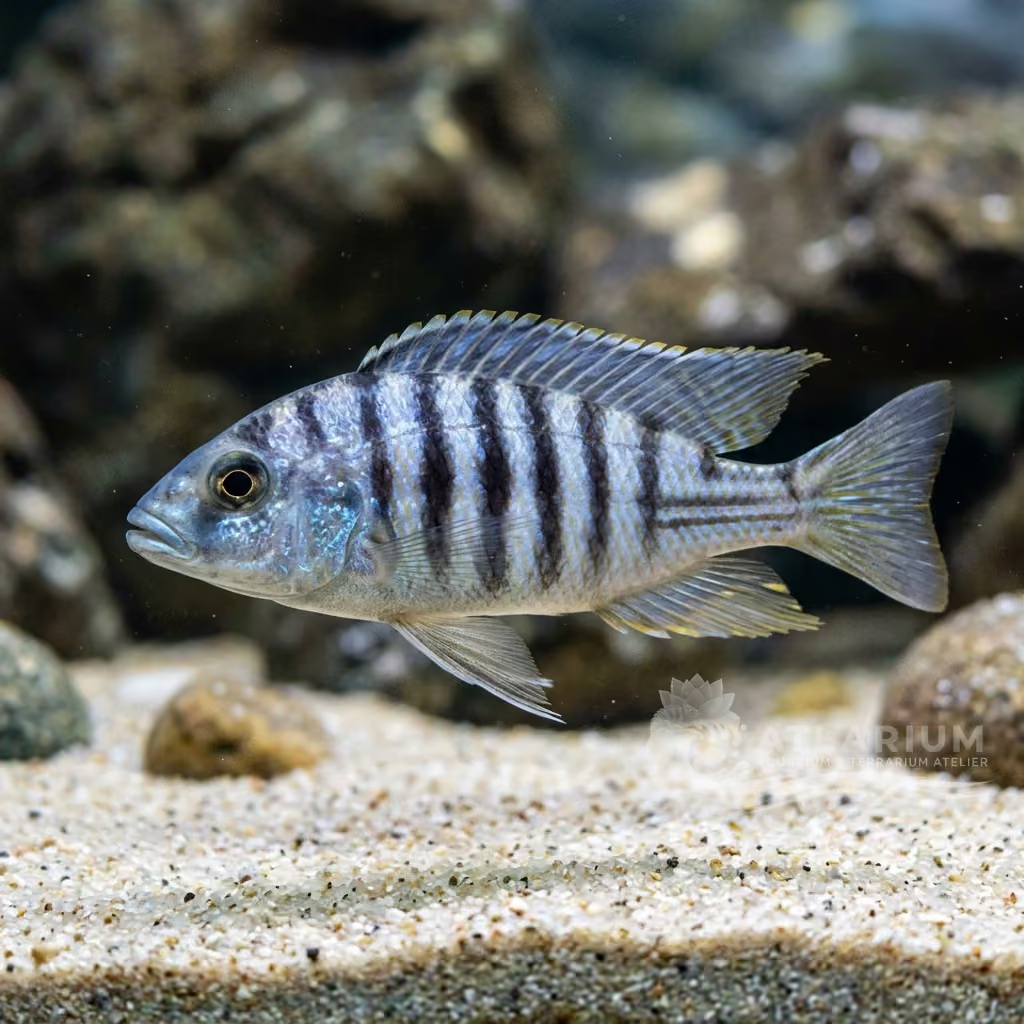
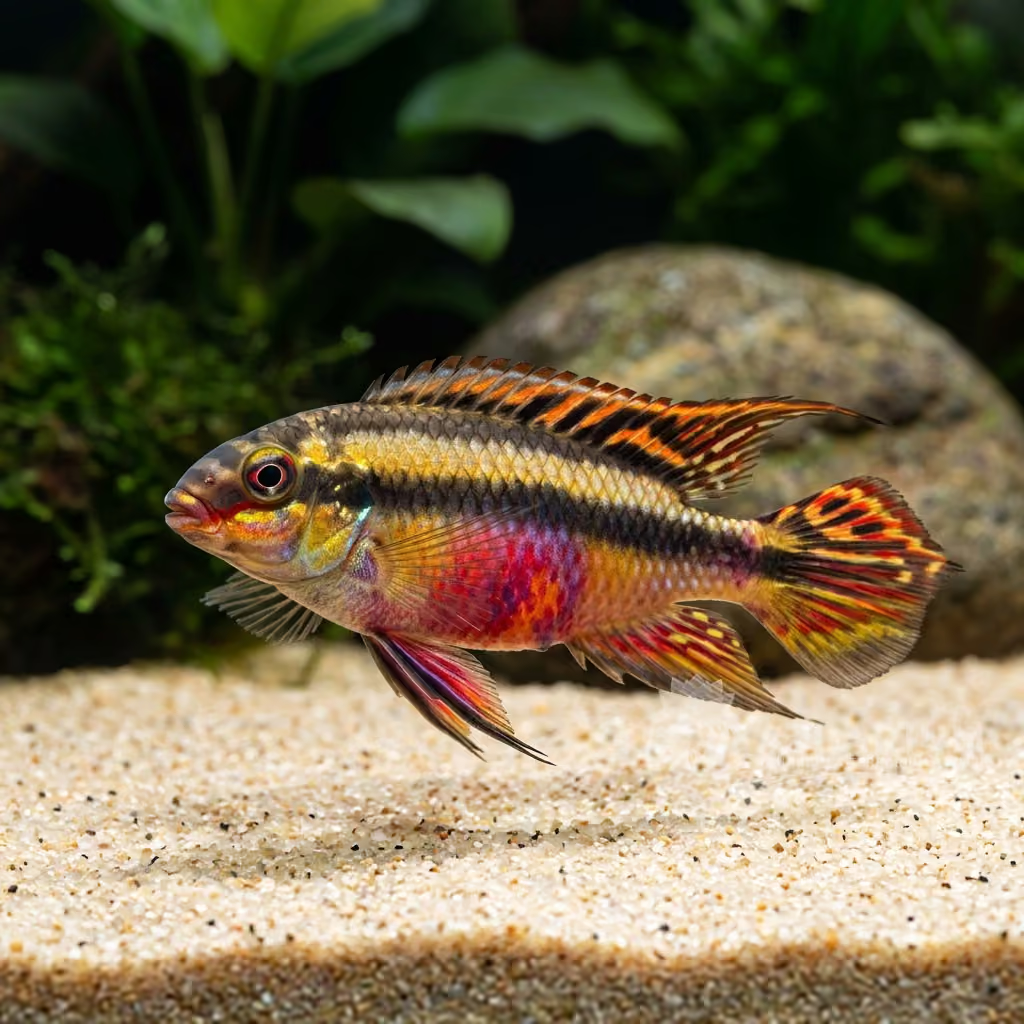
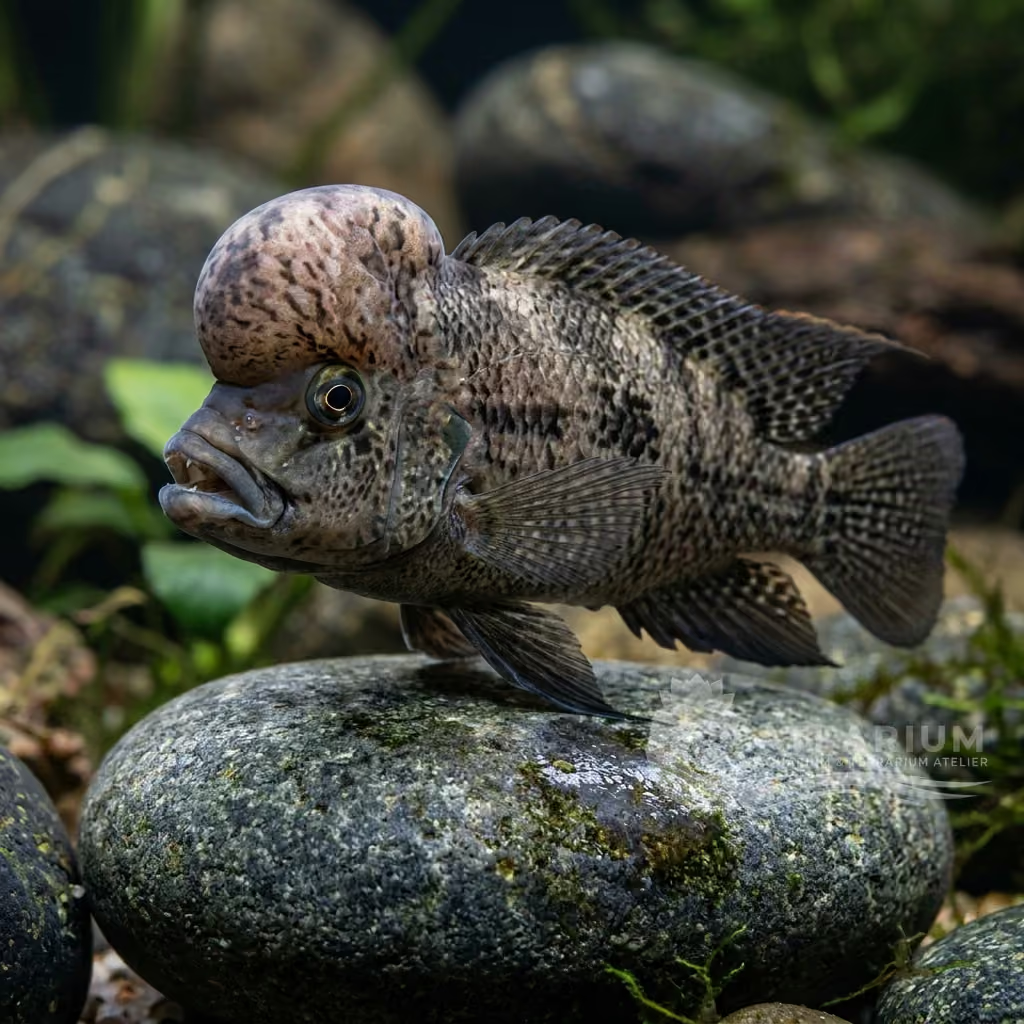
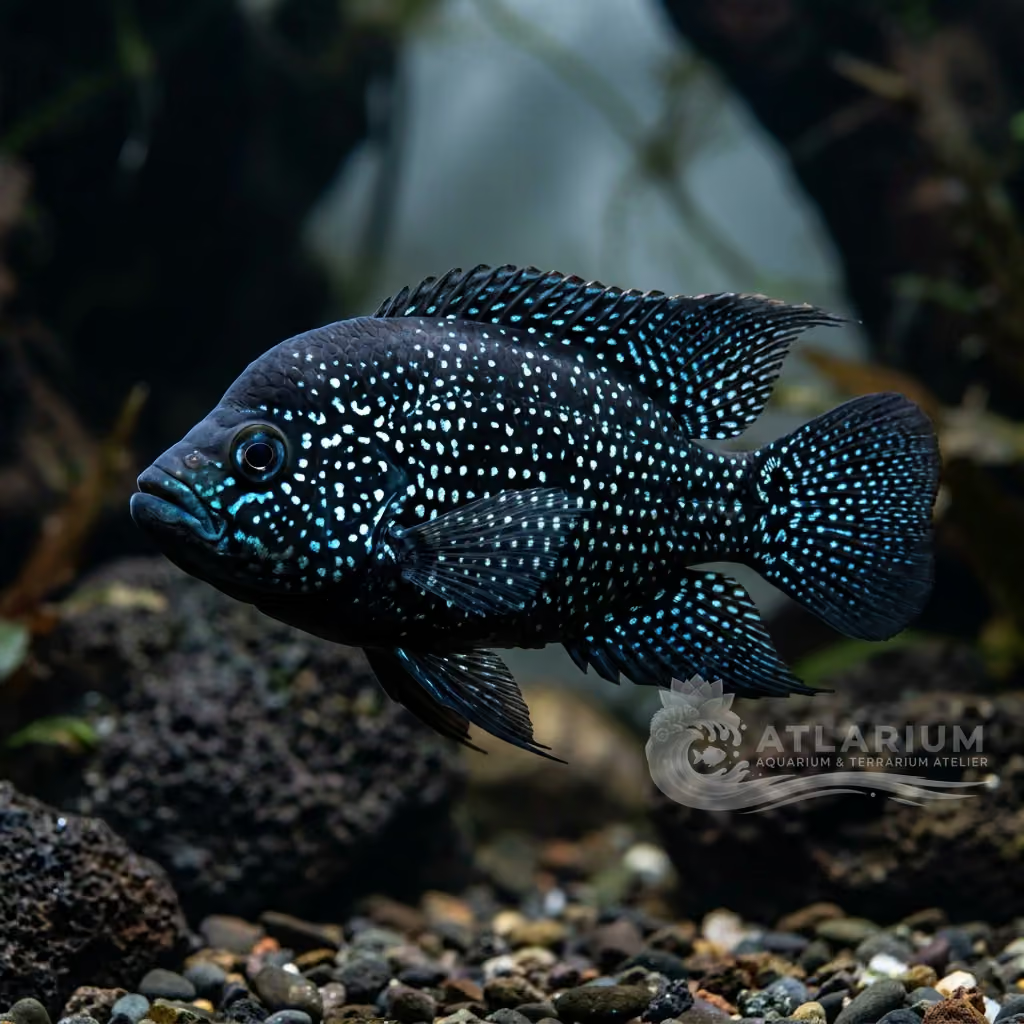
Coloration and Sexual Dimorphism: Pure mud-camouflage. The base is an unflashy pale lead-gray or dull clay-beige to vanish against silt-covered rocks. It shows faint yellow highlights on the fins and subtle icy-blue speckles under direct light, but it is not a "showy" fish. A thin black dash marks the gill cover. **Sexing:** Completely impossible visually; males and females are identically colored.

Care, breeding and tankmates
Aquarium Setup: Demands at least a 100 cm (40-Gallon) tank for a pair. You MUST stack hundreds of pounds of smooth cobbles and slate directly on the bare glass to build collapse-proof caves. Fine sand is critical as they aggressively excavate trenches. Lighting should be dim to prevent chronic stress.
Diet and Feeding: A strict benthic micro-carnivore. Voraciously accepts frozen mysis, cyclops, adult artemia, and premium fast-sinking carnivore pellets. Floating flakes are completely ignored and will rot in the filter.
Water Quality: Cast-iron Tanganyikan needs: hyper-alkaline pH (8.3 - 9.0) and severe hardness (GH 15-20). Temperatures around 24-26°C (75-79°F). Extreme biological filtration is mandatory to keep nitrates near zero.
Compatibility and Cohabitation: Highly intolerant and hostile. Best kept in a Species-Only tank, or an XXL Tanganyikan community utilizing exclusively open-water surface swimmers (Cyprichromis). It will mercilessly murder any Julidochromis competing for rocks.
Aquarium Breeding: Paranoid cave spawners. The pair vanishes into the darkest crevice, laying eggs on the ceiling. They will ferociously ambush anything approaching the entrance. The microscopic fry remain hidden for weeks; target-feed them with a pipette full of live baby brine shrimp.
Risks and Diseases: 1. Lethal Rockfalls: Placing heavy rocks on top of the sand guarantees the fish will undermine them, causing a fatal cave-in. 2. Male-on-Male Assassination. 3. Total organ failure if exposed to soft, acidic tap water.

Geographic origin and distribution
Strictly endemic to Lake Tanganyika, practically isolated to shallow reefs and the turbulent surge zones in Zaire/Congo. It is an obstinate, obligate rock-dweller that permanently hugs the stony substrate.
Origin
Tropical oceans and reefsAfrica and Madagascar

Fish profile
- Temperament
- Semi-aggressive
- Very territorial, especially when they are actively breeding. They will actively chase away any intruders from their claimed territory. Despite their moderate size, they display an enormous amount of aggression when defending their home.
- Diet
- Carnivore
- Naturally feeds on benthic crustaceans and aquatic insect larvae. In the aquarium, provide a varied diet including sinking pellets, mysis shrimp, and daphnia. Avoid terrestrial mammalian meats to prevent serious digestive blockages.
- Life expectancy
- 8-10 years
- Adult size
- 7 cm
- Sex ratio
- Solitary
- Keep them in male-female pairs to minimize stress and aggression. Solitary males will fight constantly in a confined space. A very large tank is strictly required if attempting to house multiple breeding pairs.
- Feeding frequency
- Twice daily
- Feed them one or two small meals per day for proper digestion. Ensure they consume everything within a couple of minutes to avoid polluting the tank. Fasting them one day a week can be beneficial for their digestive tract.
- Bioload
- Low to Medium
- They are moderate waste producers requiring efficient and consistent filtration. As messy eaters, they contribute significantly to the bioload over time. Frequent water changes are necessary to keep nitrates low and water pristine.
- Flow
- Stagnant
- Prefers a moderate but steady current simulating their natural lake habitat. Adequate surface agitation is needed for optimal oxygen exchange. Provide plenty of rocks to break the current in their chosen resting areas.
- Jump risk
- Yes
- They are capable of jumping when spooked or fleeing from aggression. A heavy or tightly sealed lid is highly recommended for their enclosure. Covering the tank also helps maintain stable water temperature and reduces evaporation.
- Reproduction
- Oviparous
- Cave spawners that typically form strong monogamous pairs. Both parents are intensely involved in guarding the eggs and the free-swimming fry. Fry can be fed freshly hatched brine shrimp once they fully absorb their yolk sac.
- Compatibility & tankmates
- Vulnerable
- Best kept with other Tanganyikan species that occupy different aquatic zones. They are very territorial and will defend their chosen area aggressively. Avoid housing them with extremely peaceful or fragile species that may be bullied.
- Tank level
- Bottom
- They are demersal fish that rarely leave the bottom third of the tank. They require a fine sandy substrate and plenty of complex rock piles. They will frequently hover near their chosen cave entrance to monitor their territory.

Scientific Parameters & Models
FishBase
Window to the official scientific data of the species
FishBase v25.04Data synced on: 06/15/2026
- Trophic level
- 3.8 ± 0.5 se
- Resilience
- High (less than 15 months)
- Phylogenetic uniqueness (PD50)
- 0.5
- Bayesian Length-Weight
- a = 0.00389, b = 3.12
- VulnerabilityLow vulnerability (10 / 100)

Related species
Recommendations grouped by close relatives, companion choices, and similar care.