True Parrot Cichlid
Hoplarchus psittacus
The monumental and mysterious 'True Parrot' (30-35 cm). MUST NOT in any way be confused with the grotesque and deformed hybrid "Blood Parrot" commonly sold. The Hoplarchus is a masterpiece of nature: an Amazonian colossus of poignant beauty. Extraordinarily intelligent and intolerant, requires professional hydrochemical care and public-sized tanks.
Water Temperature
26 - 30 °C
pH Value
5.5 - 7
Water type
Freshwater
Tank level
Bottom and middle
Adult size
35 cm
Minimum tank volume
>= 300 L
Minimum group
>= 1
GH
1 - 10 dGH
KH
1 - 5 dKH
TDS
25 - 200 ppm
Conductivity
39 - 313 uS/cm

Species description
Geographical Origin and Habitat: Rio Negro, Orinoco and their tributaries (Blackwater). A giant of the dark igapó (flooded forests of South America), where it reigns in warm, motionless waters covered by giant roots and leaf litter, with very low pH.
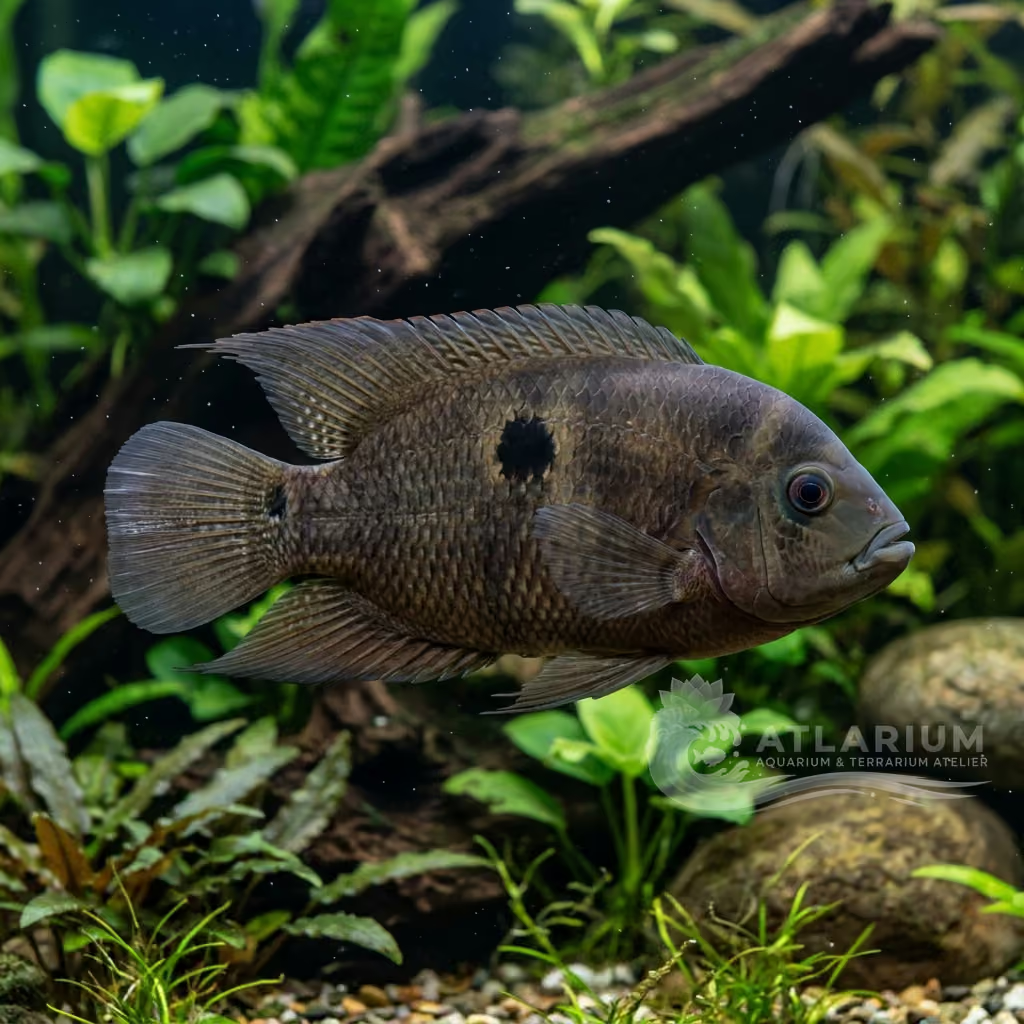
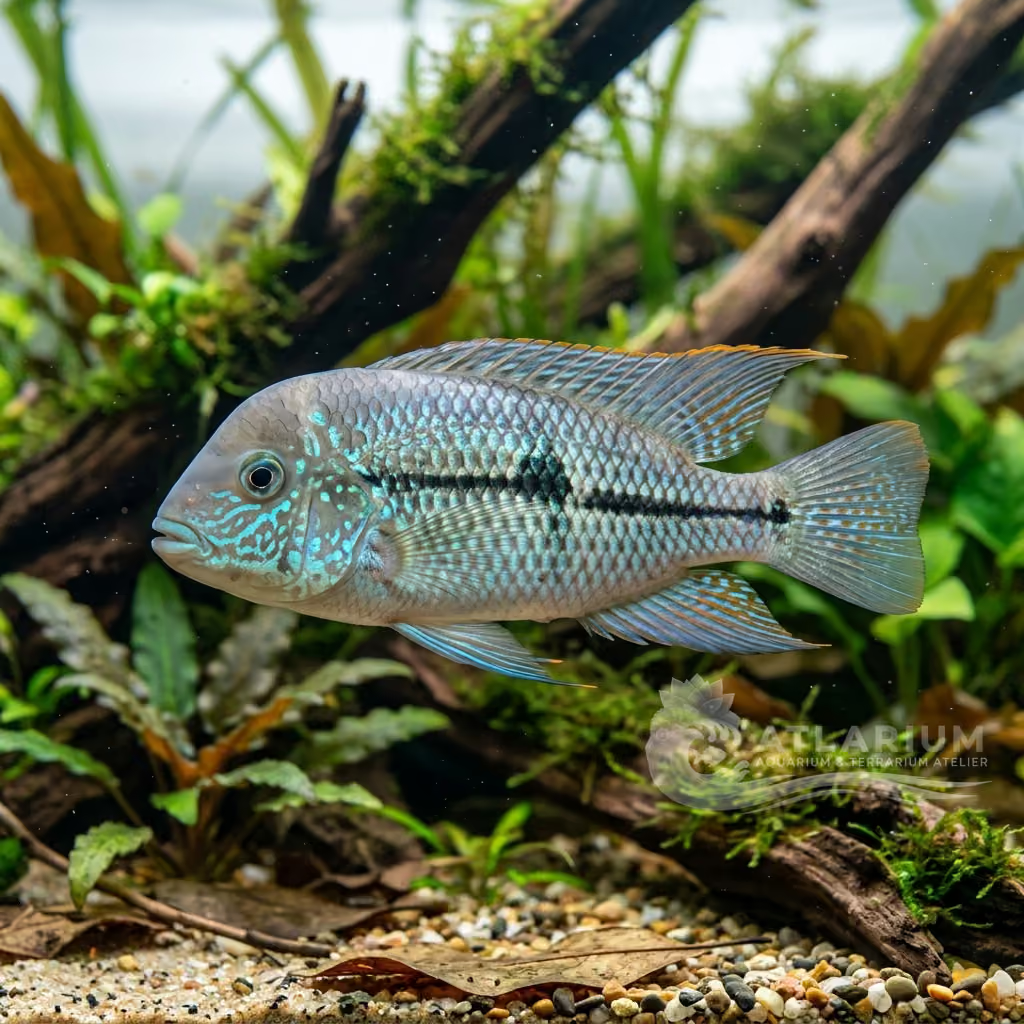
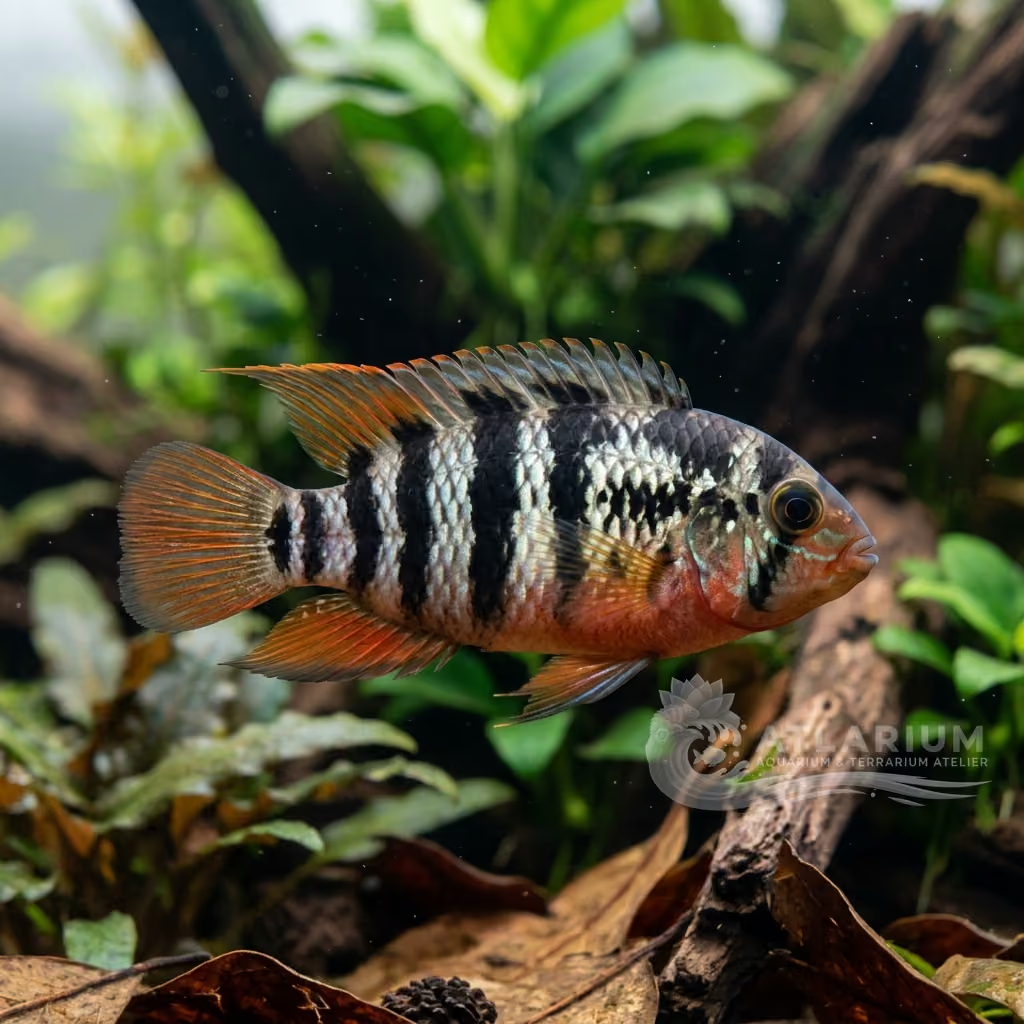
Taxonomy and Morphology: True Parrot Cichlid (Hoplarchus psittacus). Must not be confused in any way with the infamous Blood Parrot Cichlid hybrid. It has immense eyes (for crepuscular and dark life), a huge round profile (35 cm! / 14 inches) and thin bright green lips.
Social Behavior: A gruff and grumpy king but not a serial killer. Claims its own large trunk and violently bites anyone who approaches its nest (Conspecifics), but usually ignores all small schooling fish swimming at the surface.
Coloration and Sexual Dimorphism: The "Green Parrot": the only species that boasts a plumage of bright iridescent green / aquamarine scales (Very rare in freshwater cichlids) combined with purplish shades on the belly. Gargantuan males compared to their mates, sometimes with nuchal hump.

Care, breeding and tankmates
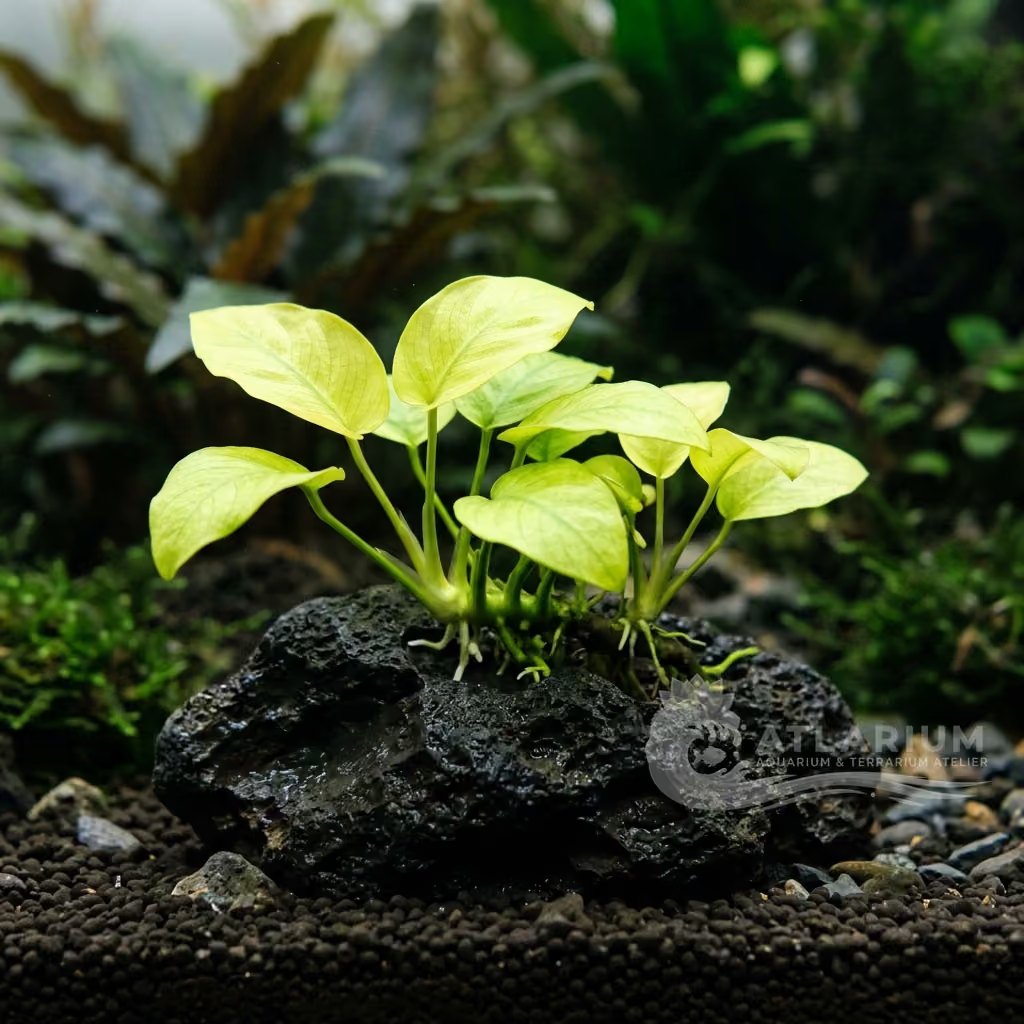
Aquarium Setup: Only for experts with custom-made tanks (min. 200 cm / 80 inches tank / 800+ liters). Cyclopean bogwoods and amber sand in abundance. Dim lighting with alder cones and catappa leaves, simulating the shadows of the Rio Negro. No abrasive rocks that would scratch them when they dart startled.
Diet and Feeding: Tireless predator and gatherer. Complex diet: if fed only proteins they get sick, they require marine protein meals (Shrimp with shells for colors, scallops, bloodworms) supplemented by heavy spirulina and algae pellets for intestinal transit.
Water Quality: Its "Achilles heel": a gigantic excrement machine which however, coming from very acidic aseptic waters, gets sick with Hexamita if there is even a trace of bacteriosis in the filter or nitrates above 15ppm. The tank requires stable 50% weekly changes.
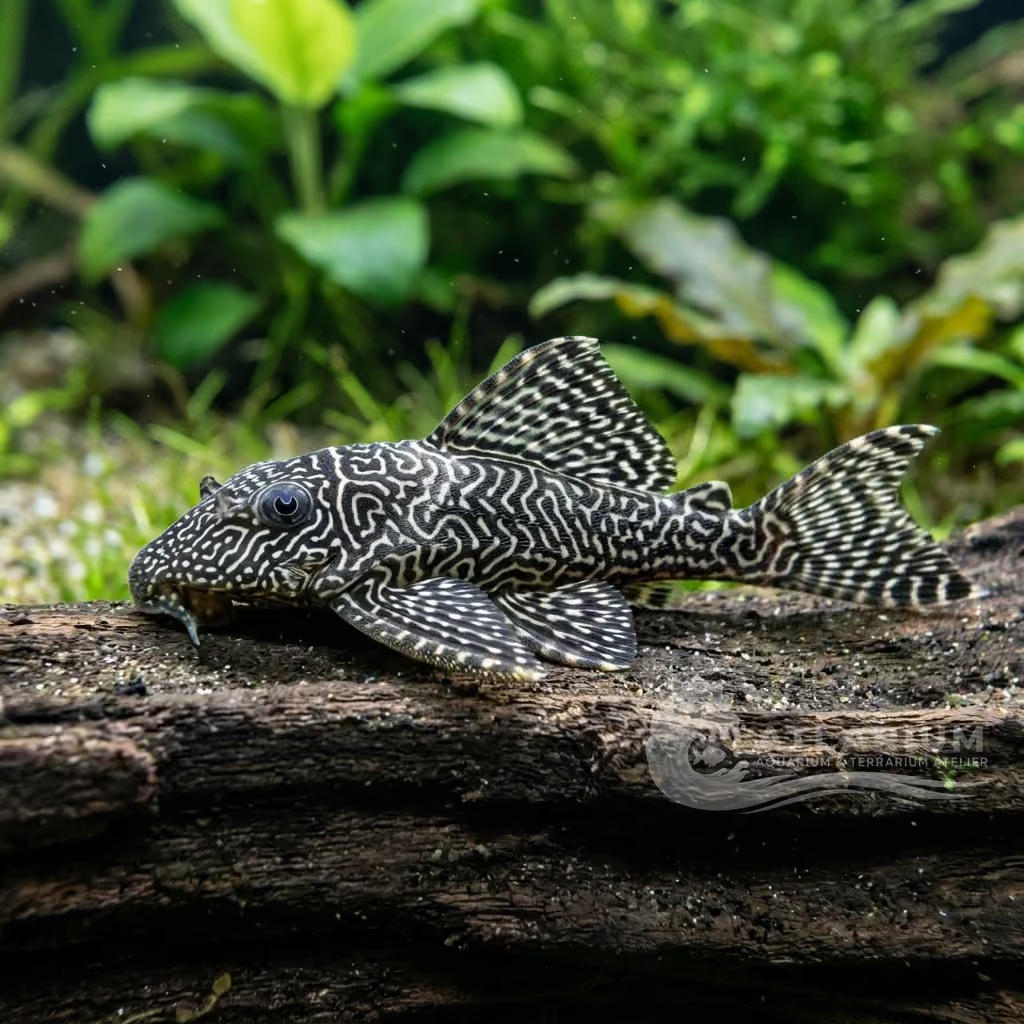
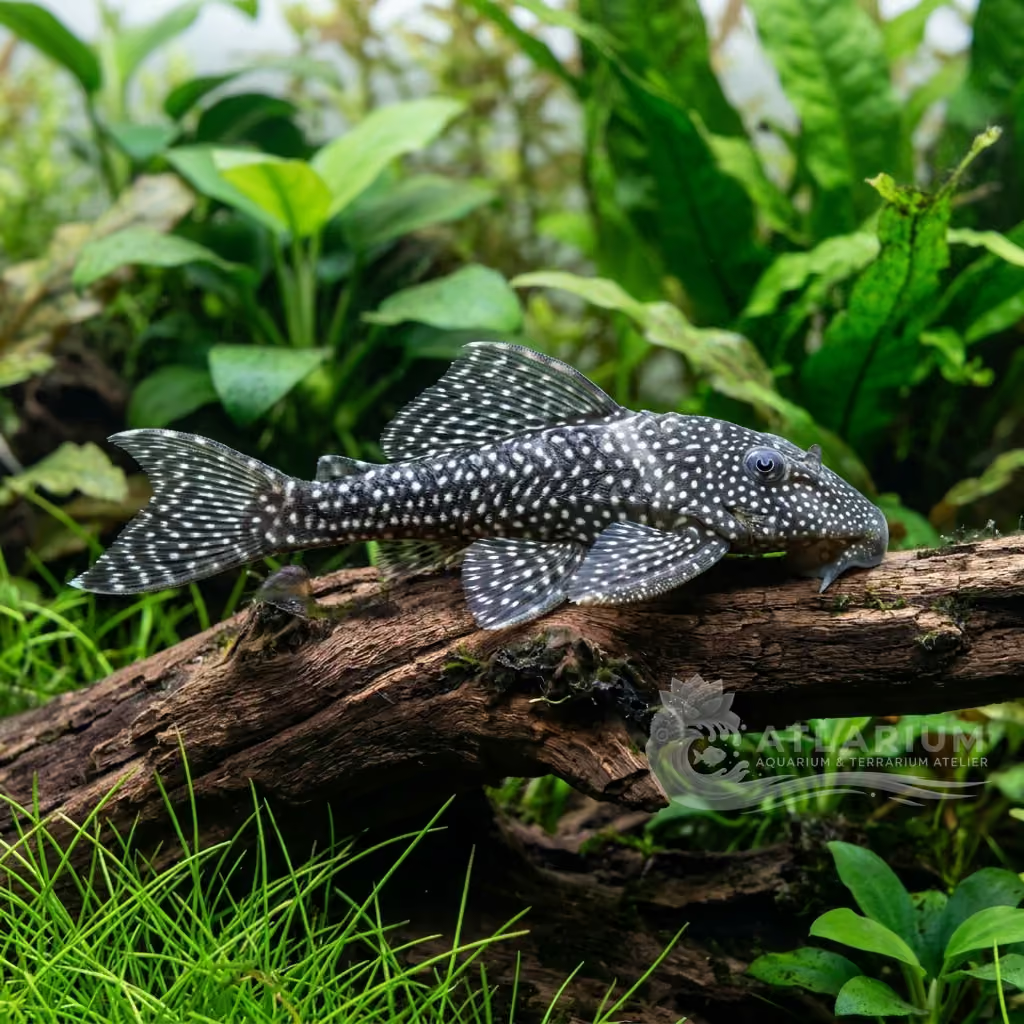
Compatibility and Cohabitation: Magically matches with the mild giants of South America that occupy other water layers. 1 to 2 specimens with a nice school of Uaru, Geophagus altifrons or large giant Loricariids. No "hard" Central American cichlids.
Aquarium Breeding: Extremely rare. Substrate Spawners that require months in perfect isolation (no tankmates), water at Ph 5 and simulated fasts to induce brooding. Both will protect the huge mass of eggs (more than 1000).
Risks and Diseases: HITH (Hole in the head disease) and exhaustion. Almost 80% of True Parrots bred by inexpert people have their skulls devastated by bacterial "holes" due to incorrect diets (too much red meat or scraps) and calcareous tap water.

Geographic origin and distribution
Rio Negro, Orinoco and their tributaries (Blackwater). A giant of the dark igapó (flooded forests of South America), where it reigns in warm, motionless waters covered by giant roots and leaf litter, with very low pH.
Origin
Selective breeding and cultivarsAmazon, Orinoco, and GuianasEast Asia

Fish profile
- Temperament
- Semi-aggressive
- It has a highly aggressive and bellicose temperament, characteristic of many large cichlids. It will not hesitate to bully or kill fish it perceives as a threat or competition. Its aggression multiplies significantly when breeding, making it a highly challenging fish for any community tank. It is strictly suited for experienced keepers prepared to manage its intense personality.
- Diet
- Omnivore
- This cichlid is a voracious omnivore with a hearty appetite, readily accepting most aquarium foods. Its diet should consist of high-quality cichlid pellets as a nutritional staple. Supplement with meaty foods like earthworms, krill, and chopped seafood to promote growth. Plant-based matter such as spirulina or blanched vegetables should also be provided to ensure a balanced diet.
- Life expectancy
- 8-12 years
- Adult size
- 35 cm
- Sex ratio
- Pair
- Males are generally larger, more colorful, and may develop a prominent nuchal hump on their head as they mature. Females are typically smaller and possess a more subdued coloration profile. They are best kept as a single compatible male-female pair in a dedicated breeding setup. Keeping multiple males in the same tank often results in fatal territorial battles.
- Feeding frequency
- Twice daily
- Adults should be fed once or twice a day with carefully portioned amounts. Juveniles benefit from more frequent feedings to support their rapid growth rate and development. Avoid overfeeding, as uneaten food will quickly foul the water quality. A varied feeding schedule ensures optimal coloration and long-term vitality.
- Bioload
- High
- This large cichlid produces a substantial bioload due to its sheer size and heavy diet. Robust, oversized filtration is absolutely necessary to handle the massive amounts of waste it generates. Frequent, large water changes are required to keep nitrate levels in check and maintain optimal health. Regular gravel vacuuming helps remove organic debris accumulating in the substrate.
- Flow
- Stagnant
- It prefers moderate water flow that provides excellent oxygenation without overpowering the fish. Standard canister filters or sump returns usually provide adequate current for this species. It does not require highly turbulent waters like some fast-flowing river species do. Ensure there are calm resting zones among large heavy rocks and securely anchored driftwood.
- Jump risk
- Yes
- While not notorious jumpers, their large size and sudden bursts of speed pose a significant risk. If startled or involved in a territorial dispute, they can easily breach the water surface with force. A heavy, secure lid is highly recommended to keep them safely inside the aquarium. Weighted covers may be necessary for fully grown, powerful adults.
- Reproduction
- Oviparous
- They are prolific substrate spawners that become fiercely protective of their eggs and fry. A flat rock or cleared area of the substrate is usually chosen and meticulously cleaned as the spawning site. Both parents actively guard the nest and will violently attack any intruders in the tank. The fry can be fed newly hatched brine shrimp once they are free-swimming.
- Compatibility & tankmates
- Highly aggressive
- It is a highly aggressive and territorial species, especially as it reaches adulthood. It should only be housed with other large, robust cichlids or heavily armored catfish in a massive aquarium. Small fish will undoubtedly be viewed as food and quickly consumed. A very large tank footprint is strictly required to attempt any kind of community setup.
- Tank level
- Middle/Bottom
- This heavy cichlid utilizes all levels of the aquarium, but heavily favors the middle and bottom sections. It constantly patrols its established territory near the substrate and decor. It is known to actively dig and rearrange the layout, so plants and hardscape must be incredibly secure. Open swimming space above the territory is also appreciated.

Scientific Parameters & Models
FishBase
Window to the official scientific data of the species
FishBase v25.04Data synced on: 06/15/2026
- Trophic level
- 3.7 ± 0.57 se
- Resilience
- Medium (1.4 - 4.4 years)
- Phylogenetic uniqueness (PD50)
- 1
- Bayesian Length-Weight
- a = 0.02692, b = 3.02
- VulnerabilityLow vulnerability (22 / 100)

Related species
Recommendations grouped by close relatives, companion choices, and similar care.