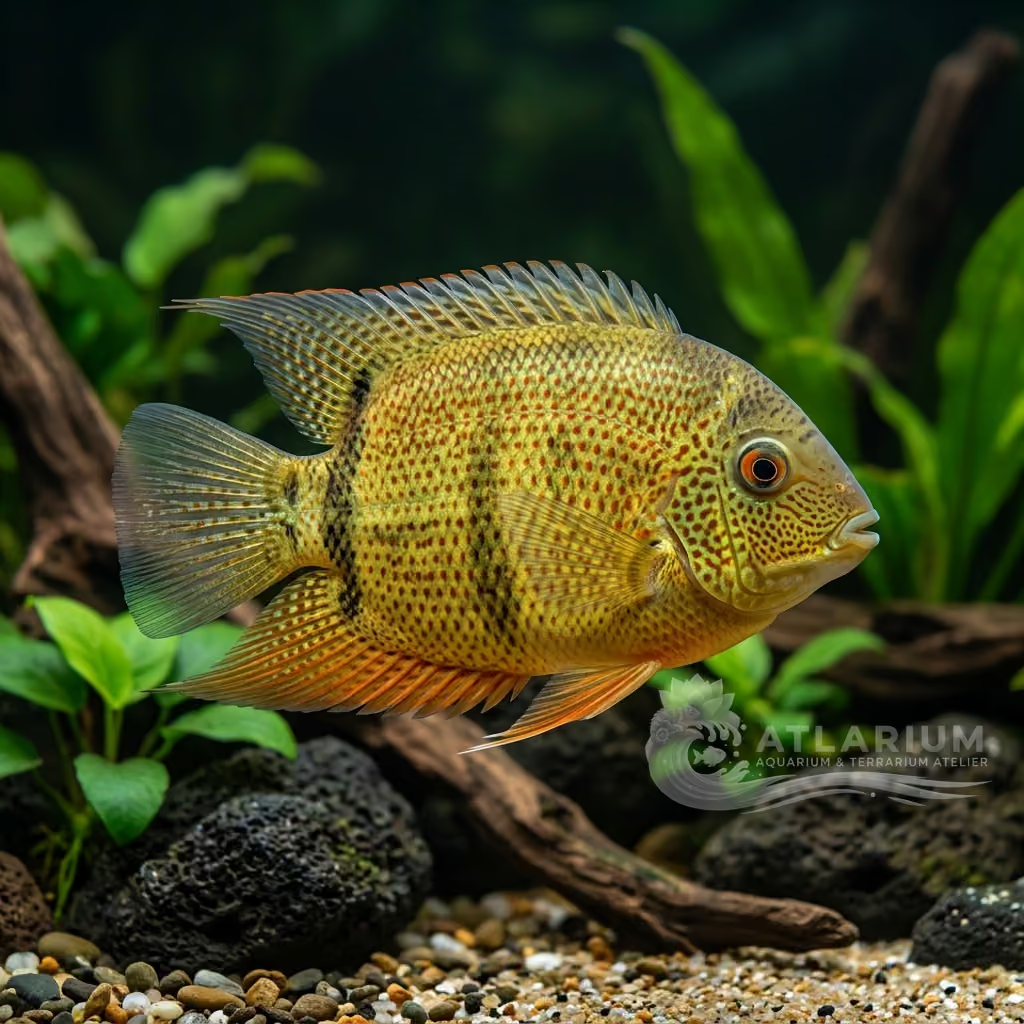
Paraguay Eartheater
Gymnogeophagus balzanii
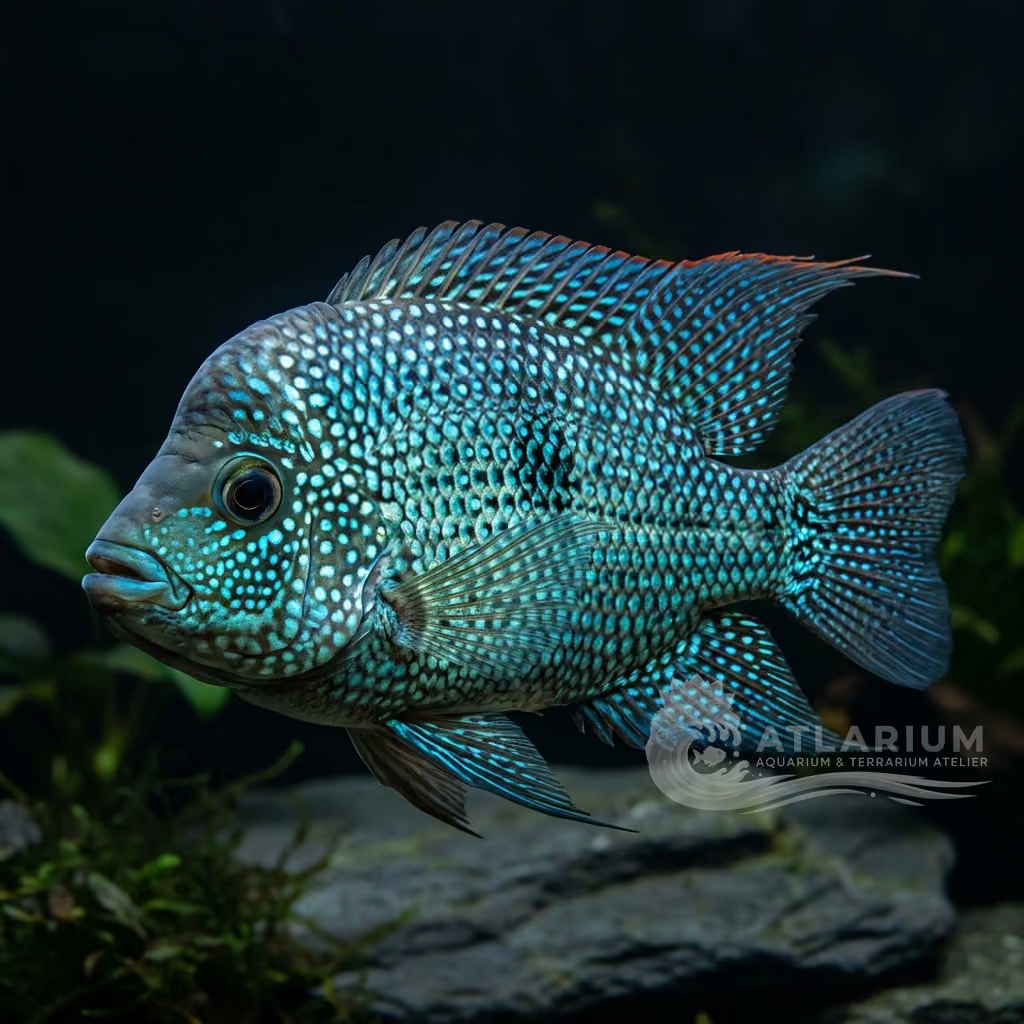
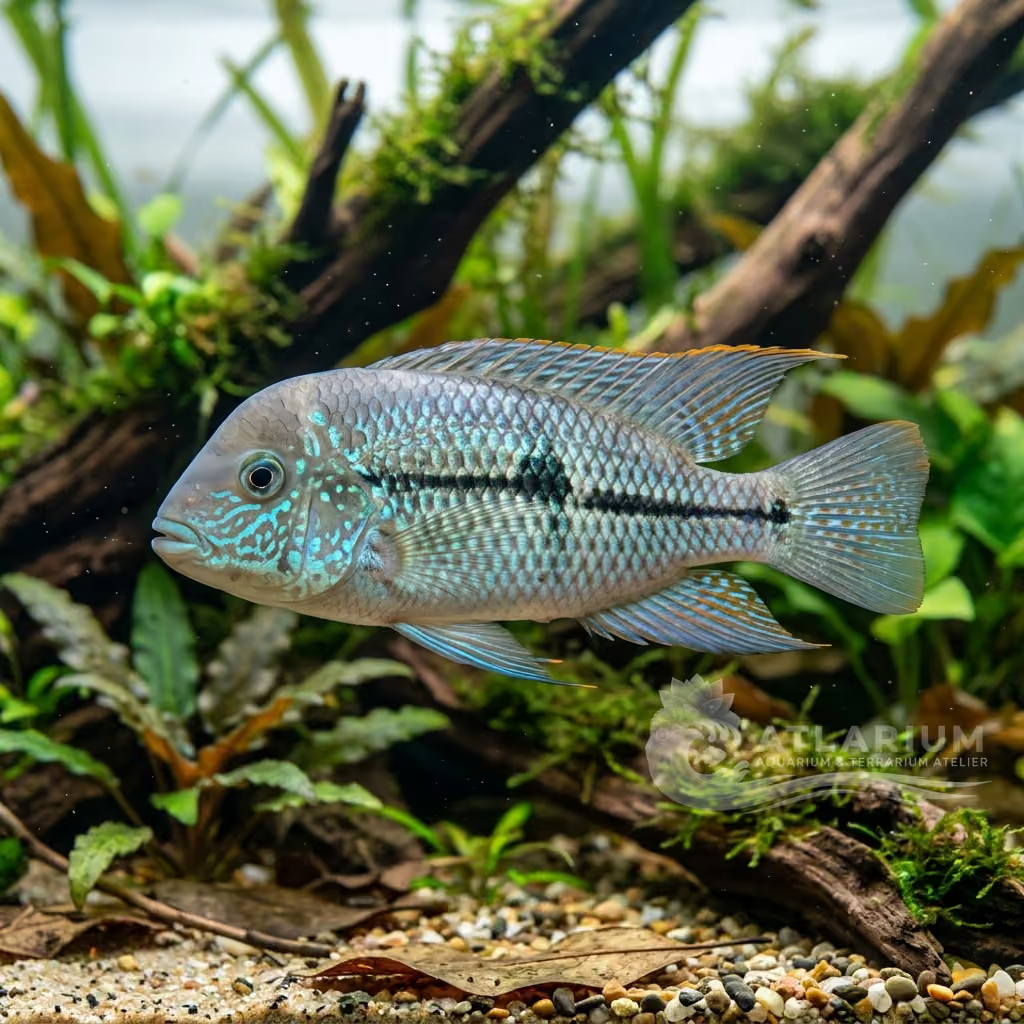
The 'Paraguay Eartheater' or 'Argentine High-Front Cichlid' (18-20 cm). Unique and astounding temperate Eartheater. Famous for the massive cranial (nuchal) hump developed by alpha males, it is a stocky, peaceful and gregarious fish. Hating equatorial tropical temperatures, it strictly requires periods of winter cooling (under 20°C) to thrive. Sifter of sandy bottoms, it reproduces curiously as a delayed maternal oral incubator.
Water Temperature
18 - 24 °C
pH Value
6.5 - 7.5
Water type
Freshwater
Tank level
Bottom and middle
Adult size
20 cm
Minimum tank volume
>= 180 L
Minimum group
>= 1
GH
5 - 15 dGH
KH
2 - 7 dKH
TDS
95 - 295 ppm
Conductivity
148 - 461 uS/cm

Species description
Geographical Origin and Habitat: Paraná River, Paraguay River and Rio de la Plata basin. Sub-Tropical Fish! Comes from regions where winter is cold and the rivers slow down, drastically lowering temperatures.
Taxonomy and Morphology: Paraguay Eartheater / Balzanii (Gymnogeophagus balzanii). Peculiar shape: an almost spherical round body, compressed and very short. But the iconic aspect is the imposing gibbosity (nuchal hump) that develops on the nape of the males, almost alien.
Social Behavior: One of the most placid Cichlids ever towards other genera. Shy. Builds harem hierarchies (1 Male, 3-4 Females). Mild, will ignore the furious fights of neighboring cichlids, suffering in silence.
Coloration and Sexual Dimorphism: Warm silver/ocher tones, crossed by a fine yellow/blue polka dot "pattern" along the rounded fins. The male is a concentrate of hormones that develops a huge deformed gelatinous "big head" (nuchal hump). Females are smooth and much smaller (12 cm / 5 inches).

Care, breeding and tankmates
Aquarium Setup: Room temperature breeding. The tank (120 cm / 48 inches) mandatorily requires sand (gravel prevents them from eating), smooth rounded stones and sturdy woods. NO HEATER.
Diet and Feeding: Geo-phagous. Spends its life sifting and spitting the bottom sand (which enters and never exits the gills due to their round shape). Administer quality bottom feed and live food. Very prone to intestinal blockage from mammalian-rich diets (beef heart).
Water Quality: MANDATORY "Wintering" period. If kept 365 days a year at 26-28 degrees (79-82°F), it metabolically exhausts itself, getting sick and dying in 12 months. They must spend the winter between 15 and 18°C (59-64°F).
Compatibility and Cohabitation: Best companion in temperate subtropical tanks. Perfect with Corydoras paleatus, large Danios, southern Characins like the Buenos Aires Tetra. Totally bullied victim if placed with Astronotus or Jack Dempsey.
Aquarium Breeding: Exceptional behavioral mix! They lay on a stone (Substrate spawner), but as soon as the eggs hatch (larvae), THE FEMALE takes all the young in her mouth (Larvophile mouthbrooder) like a Geophagus.
Risks and Diseases: Keeping them at stable tropical temperatures is the cause of 90% of deaths from dropsy and bloat. Fish often kept by unaware novices in boiling community tanks.

Geographic origin and distribution
Paraná River, Paraguay River and Rio de la Plata basin. Sub-Tropical Fish! Comes from regions where winter is cold and the rivers slow down, drastically lowering temperatures.
Origin
Extra-Amazon South AmericaCentral America and Caribbean

Fish profile
- Temperament
- Semi-aggressive
- For a cichlid of its size, this species exhibits a remarkably mild and peaceful temperament, often described as a 'gentle giant' in the aquarium hobby. They are sociable and rarely show aggression toward unrelated fish, making them suitable for large community tanks. However, their temperament changes significantly during spawning, where they become highly protective parents. They are intelligent and often learn to recognize their owners, sometimes greeting them at the glass. Despite their peaceful nature, they will eat very small fish that fit into their mouths, so tank mates must be chosen wisely.
- Diet
- Omnivore
- As omnivorous earth eaters, their natural diet involves sifting the substrate for small invertebrates, plant matter, and detritus. In the aquarium, they thrive on a varied diet consisting of high-quality sinking pellets formulated for cichlids. It is highly beneficial to supplement their meals with frozen or live foods such as bloodworms, brine shrimp, and chopped earthworms. They will also graze on soft algae and vegetable matter, so providing spirulina or blanched vegetables is recommended. Feeding them a diverse diet ensures they receive the necessary nutrients for growth and vibrancy.
- Life expectancy
- 5-8 years
- Adult size
- 20 cm
- Sex ratio
- Harem
- It is generally recommended to keep them in a harem structure, consisting of one male and two or three females. Males are easily distinguished by their significantly larger size and the prominent, distinctive nuchal hump that develops on their forehead as they mature. Keeping multiple males in the same tank can lead to intense aggression and territorial disputes unless the aquarium is exceptionally large. A harem setup reduces the stress on any single female during the male's courtship displays. If a bonded pair forms, they will often stay together to raise their fry.
- Feeding frequency
- Twice daily
- They should be fed two to three times a day with portions that they can consume within a few minutes. Because of their substrate-sifting behavior, sinking foods are highly preferred over floating flakes or pellets. Feeding smaller, frequent meals mimics their natural foraging behavior and prevents excessive waste accumulation in the tank. Care must be taken not to overfeed, as uneaten food will quickly degrade water quality, especially in a tank with fine sand. Fasting them for one day a week can also help clear their digestive system and maintain health.
- Bioload
- Medium
- This cichlid species produces a moderate to heavy bioload, which is expected given their size and dietary habits. As active earth eaters, they continually sift through the substrate, which can stir up detritus into the water column. A robust filtration system, ideally an oversized canister filter, is essential to keep the water clear and process the biological waste efficiently. Regular and substantial water changes are crucial to prevent the buildup of nitrates, to which they can be sensitive over time. Ensuring excellent water quality will promote their overall health and magnificent coloration.
- Flow
- Stagnant
- These cichlids appreciate moderate water flow that provides excellent filtration without creating an overly turbulent environment. They naturally inhabit slow to moderately moving rivers and streams, so a gentle but steady current is ideal. Adjustable spray bars or appropriately sized canister filters can deliver the necessary circulation while allowing for calmer resting areas. High flow rates can be exhausting for them and may disrupt their substrate-sifting activities. Adequate surface agitation is also important to maintain high dissolved oxygen levels, which they require.
- Jump risk
- Yes
- While not notorious jumpers, they are powerful fish capable of leaping out of the water if frightened or pursued by a dominant tank mate. A secure, tight-fitting lid is strongly advised to prevent them from ending up on the floor. Jumping can also be triggered by sudden fluctuations in water parameters or poor water quality. Providing a stress-free environment with plenty of hiding spots minimizes their flight response. Keeping the water level slightly below the rim of the tank can add an extra layer of safety.
- Reproduction
- Oviparous
- They are fascinating biparental mouthbrooders, making their reproductive behavior highly interesting to observe. The female initially lays the eggs on a pre-cleaned, flat surface, often a smooth stone or piece of slate. After the eggs hatch, the female (and sometimes the male) takes the wrigglers into her mouth for protection. During this brooding period, the parents are highly protective and will aggressively defend their territory from intruders. Once the fry are free-swimming, they can be fed newly hatched brine shrimp and finely crushed flakes.
- Compatibility & tankmates
- Peaceful
- They are relatively peaceful for a cichlid and can be kept in a community setup with other mild-mannered, similarly sized species. Good tank mates include robust characins, larger rasboras, and armored catfish that occupy different zones of the aquarium. It is important to avoid housing them with overly aggressive or highly territorial cichlids that might bully them. During the breeding season, they will become more territorial and fiercely defend their chosen spawning site. Providing ample space and breaking up lines of sight with hardscape can help maintain peace in the tank.
- Tank level
- Middle/Bottom
- They spend the vast majority of their time navigating the lower levels and bottom of the aquarium. Their primary activity involves hovering just above the substrate, taking mouthfuls of sand, and sifting it through their gills to extract food. Because of this behavior, a soft, fine sandy substrate is an absolute necessity to prevent injury to their delicate gills. They will rarely venture to the surface unless enticed by floating food. Providing caves and overhangs near the bottom will give them the security they seek.

Scientific Parameters & Models
FishBase
Window to the official scientific data of the species
FishBase v25.04Data synced on: 06/15/2026
- Trophic level
- 3.3 ± 0.5 se
- Resilience
- Medium (1.4 - 4.4 years)
- Phylogenetic uniqueness (PD50)
- 0.5
- Bayesian Length-Weight
- a = 0.02399, b = 3.01
- VulnerabilityLow vulnerability (10 / 100)

Related species
Recommendations grouped by close relatives, companion choices, and similar care.