Blue-lip Bristletooth
Ctenochaetus cyanocheilus
Recognized by its vivid blue lips and comb-like teeth, the Blue-lip Bristletooth is an exceptional reef algae grazer. It demands mature tanks with ample rock surface areas and strong currents.
Water Temperature
22 - 28 °C
pH Value
8 - 8.4
Water type
Marine
Tank level
All levels
Adult size
16 cm
Minimum tank volume
>= 300 L
Minimum group
>= 1
KH
8 - 12 dKH

Species description
Geographical Origin and Habitat: Western Pacific: Indonesia, Philippines, Great Barrier Reef, Marshall Islands, and Samoa. Found on shallow coral reef flats and slopes. They prefer shallow, sunlit reef crests where sunlight stimulates the growth of nutritious algal mats.
Taxonomy and Morphology: Member of the family Acanthuridae. Grows to a maximum of 16 cm. Features specialized, flexible comb-like teeth designed for scraping biofilm. The mouth is adapted to vacuum up detritus and unicellular organisms, leaving characteristic scrape marks on the rocks.
Social Behavior: Peaceful towards most tankmates. Constantly grazes on rock surfaces for diatoms, microalgae, and detritus. Solitary. While mostly peaceful, they will protect their feeding patches from other herbivorous fish that approach too closely.
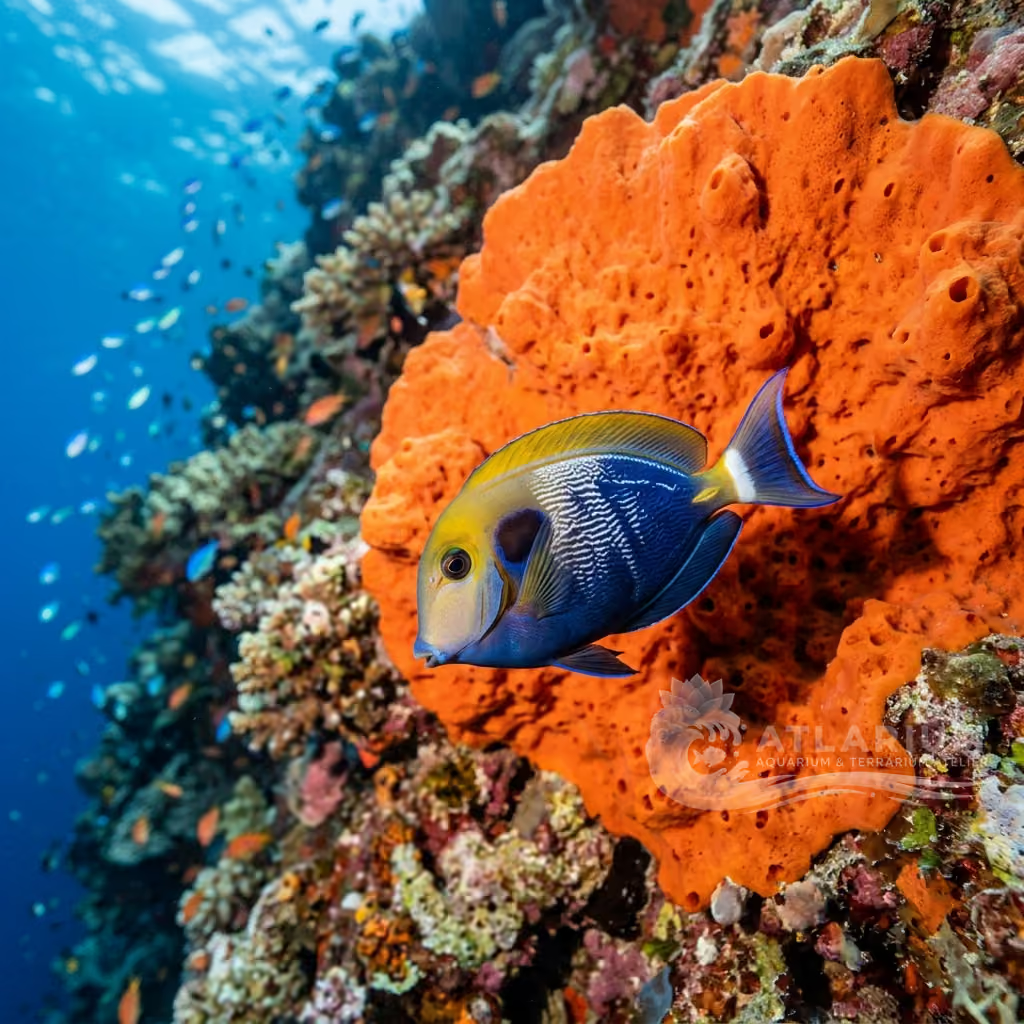
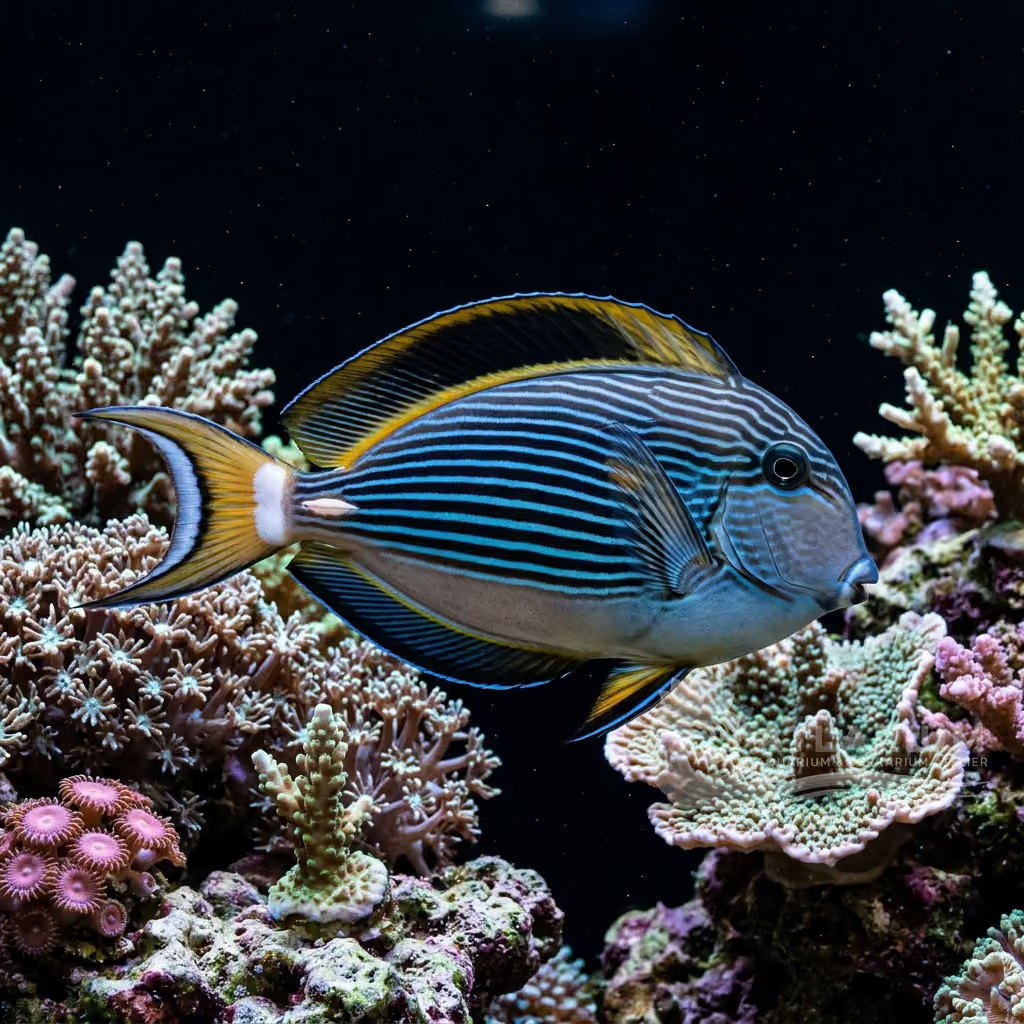
Coloration and Sexual Dimorphism: Yellow juveniles transition to orange-brown adults with fine blue lines, yellowish head spots, and brilliant blue lips. Genders are identical. The bright yellow juvenile stage is thought to mimic other peaceful damselfish, reducing predation risks on the reef.

Care, breeding and tankmates
Aquarium Setup: Minimum 300 liters. Requires stable rockwork with lots of open surface areas for algae grazing. Good water current is appreciated. Stable rock structures are crucial to prevent collapses as this fish constantly grazes and pushes against the hardscape.
Diet and Feeding: Herbivore/Detritivore. Provide dried seaweed (nori), spirulina pellets, and high-quality flakes, alongside frozen foods like mysis. Offering small, frequent feedings of high-quality veggie pellets is better suited for their continuous grazing behavior.
Water Quality: Keep temperature at 22-28°C, pH 8.0-8.4, salinity 1.020-1.026 SG. High-grade filtration and stable parameters are essential. The use of a powerful protein skimmer helps remove organic wastes and maintains pristine water parameters.
Compatibility and Cohabitation: Peaceful. Compatible with other reef fish. May fight with other Ctenochaetus species or similarly shaped tangs. Ideal for reef tanks containing corals, as they actively clean the rockwork without nipping at coral polyps.
Aquarium Breeding: Broadcast spawner. Group spawning occurs at dusk. Larvae are pelagic and have not been reared in captivity. Rearing larvae requires a specialized setup with gentle water flow to prevent the delicate larvae from colliding with tank walls.
Risks and Diseases: Highly susceptible to marine ich and skin parasites; UV sterilizer is recommended. caudle spines can cause deep cuts during handling. They are sensitive to copper-based treatments, so alternative medications should be considered for skin infections.

Geographic origin and distribution
Western Pacific: Indonesia, Philippines, Great Barrier Reef, Marshall Islands, and Samoa. Found on shallow coral reef flats and slopes. They prefer shallow, sunlit reef crests where sunlight stimulates the growth of nutritious algal mats.
Origin
Tropical oceans and reefsSouth and Southeast Asia

Fish profile
- Temperament
- Semi-aggressive
- They are active, bold, and generally peaceful to dissimilar fish, making them great community members. Their aggression is almost exclusively reserved for other tangs or fish competing for their grazing territory. They are constantly in motion, providing a dynamic and lively presence in the reef tank. They require a dedicated aquarist committed to maintaining pristine water conditions.
- Diet
- Herbivore
- They are specialized herbivores and detritivores, using bristle-like teeth to sweep film algae and detritus from surfaces. Their diet must be heavily supplemented with marine algae (Nori), spirulina, and high-quality herbivore preparations. Occasional meaty foods like mysis shrimp are acceptable but should not dominate their diet. A lack of diverse marine algae will lead to nutritional deficiencies and disease.
- Life expectancy
- 7-10 years
- Adult size
- 16 cm
- Sex ratio
- Solitary
- They should be kept singly in the home aquarium. Attempting to house multiple Bluelip Bristletooth Tangs, or mixing them with other Ctenochaetus species, usually results in relentless aggression and stress. Even in very large tanks, their territorial nature toward conspecifics is powerful. Visually determining the sex of these fish is generally impossible.
- Feeding frequency
- Twice daily
- They must have almost constant access to algae to mimic their natural grazing behavior. Providing dried algae on a veggie clip daily is highly recommended. In addition, feed them 2 to 3 small meals of prepared foods throughout the day. Frequent feeding is essential to maintain their high energy levels and robust health.
- Bioload
- Medium to High
- The Bluelip Bristletooth Tang carries a moderately high bioload due to its size and active metabolism. They produce significant waste as they constantly graze and digest food. A highly efficient protein skimmer, robust biological filtration, and rigorous water change schedule are imperative. They will quickly suffer in aquariums with high nitrates or poor oxygenation.
- Flow
- Strong
- They thrive in high, turbulent water flow that mimics the energetic reef crests they naturally inhabit. Strong water movement ensures high dissolved oxygen, which is critical for all surgeonfish. Powerheads should be positioned to create varying currents across the rockwork. Good flow also prevents detritus buildup, which the tang helps to manage.
- Jump risk
- No
- Reproduction
- Oviparous
- Captive breeding of this species is not currently feasible for the home aquarist. They are broadcast spawners that release gametes into the pelagic zone. The larvae undergo a prolonged, complex planktonic phase requiring specialized live foods and massive water volumes. Consequently, the aquarium trade relies entirely on wild-caught specimens.
- Compatibility & tankmates
- Peaceful
- They are generally peaceful with most non-tang reef inhabitants, including clownfish, wrasses, and gobies. They are completely reef-safe and an excellent asset for algae control among corals. However, they are highly intolerant of other tangs, especially those with similar body shapes or feeding habits. Introducing them last to the aquarium helps mitigate severe territorial disputes.
- Tank level
- All levels
- They are highly active fish that utilize the entire water column but focus heavily on the lower and middle sections where rockwork is present. They need significant open swimming space to expend their energy. Simultaneously, they require complex live rock structures for grazing and shelter. A tank length of at least 4 to 6 feet is necessary to accommodate their swimming habits.

Scientific Parameters & Models
FishBase
Window to the official scientific data of the species
FishBase v25.04Data synced on: 06/15/2026
- Resilience
- High (less than 15 months)
- Phylogenetic uniqueness (PD50)
- 0.502
- Bayesian Length-Weight
- a = 0.02291, b = 2.96
- VulnerabilityLow vulnerability (10 / 100)

Related species
Recommendations grouped by close relatives, companion choices, and similar care.