Convict tang
Acanthurus triostegus
The convict tang is a widespread Indo-Pacific species that forms massive schools. By overwhelming territorial fish, they successfully graze on shallow reef algae flats.
Water Temperature
22 - 28 °C
pH Value
8.1 - 8.4
Water type
Marine
Tank level
All levels
Adult size
20 cm
Minimum tank volume
>= 380 L
Minimum group
>= 1
KH
8 - 12 dKH

Species description
Geographical Origin and Habitat: Acanthurus triostegus, also known as the convict tang or convict surgeonfish, is widely distributed throughout the tropical Indo-Pacific. Its range extends from the Red Sea and East African coast, across the Indian and Pacific Oceans, to the western coast of the Americas, including Hawaii. It inhabits shallow coral reefs, lagoons, seaward reefs, and turbulent surge zones at depths of 1 to 10 meters. In the wild, they form massive schools to graze on reef flats.
Taxonomy and Morphology: It belongs to the family Acanthuridae and the genus Acanthurus. It features an oval, laterally compressed body covered with very small scales. Like all surgeonfish, it possesses a sharp, retractable spine (caudal scalpel) on each side of the caudal peduncle, used for defense. Adults reach a length of 20-25 cm in captivity. Its small mouth is positioned low on the head and is equipped with teeth adapted for scraping filamentous algae.
Social Behavior: Unlike many other surgeonfish that are solitary and territorial, this species is highly gregarious and relies on schooling behavior in the wild. However, in the restricted space of an aquarium, intraspecific aggression can occur. It is a constant, active swimmer during the day. It is generally peaceful toward tankmates of other families but can display territorial behavior toward other tangs.
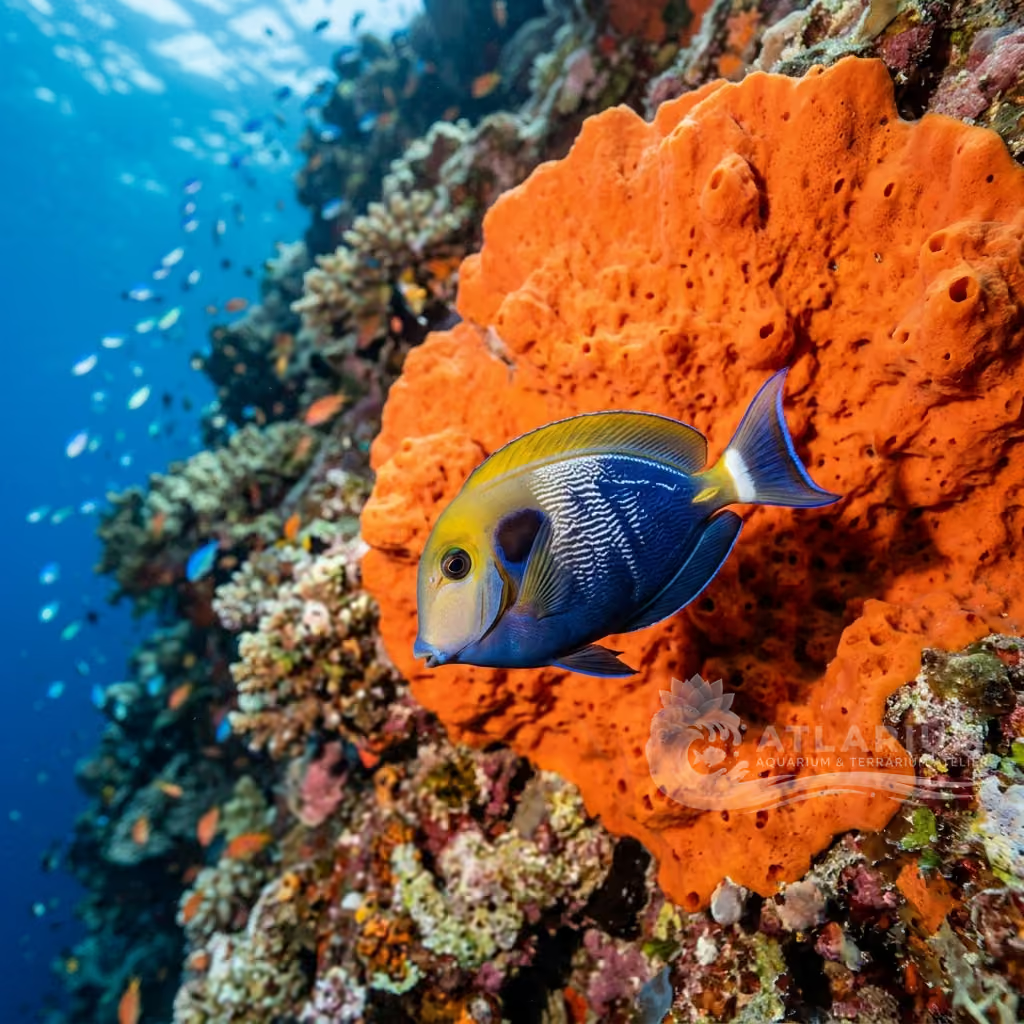
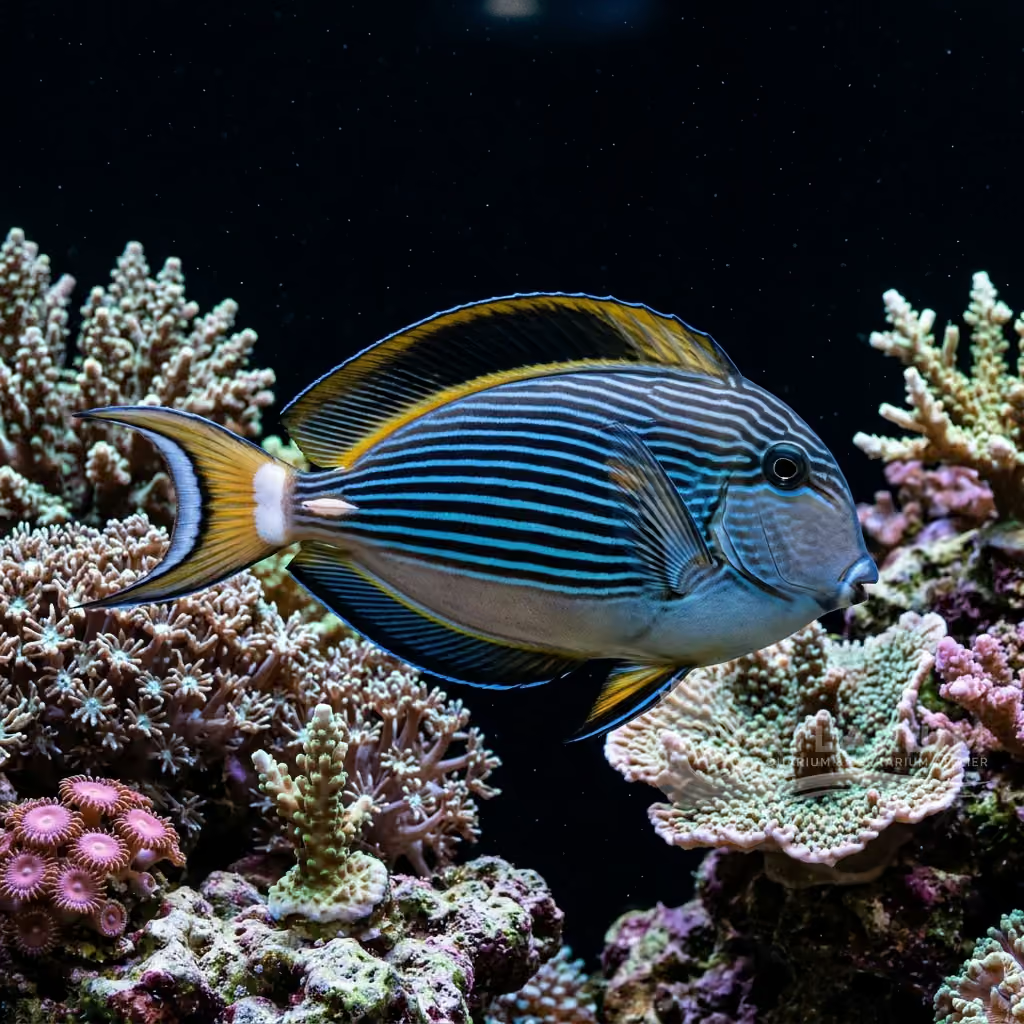
Coloration and Sexual Dimorphism: Its coloration is clean and simple: a light silver-grey or pale-yellow background body color, marked vertically by 5 or 6 distinct, narrow black bars (giving it the convict or zebra name). The belly is white. The caudal spine is relatively small and less noticeable compared to other Acanthurus species. There is no visible external sexual dimorphism between males and females.

Care, breeding and tankmates
Aquarium Setup: Requires a large aquarium of at least 350-400 liters to provide sufficient swimming room for this highly active fish. The aquascaping should feature plenty of live rock arranged to create natural channels and caves for shelter, while leaving the front half of the tank open for swimming. Strong wavemakers are essential to create high water flow and maintain high oxygen levels.
Diet and Feeding: It is a specialized herbivore that feeds primarily on filamentous benthic algae. In captivity, its diet must be predominantly plant-based: offer dried nori sheets daily, along with spirulina flakes or pellets and herbivore formulations. While it will accept frozen foods (mysis, brine shrimp), feeding too much animal protein and not enough greens will lead to digestive disorders.
Water Quality: Demands excellent, highly oxygenated water quality. Parameters must remain stable: temperature 23-26 °C, pH 8.1-8.4, specific gravity 1.020-1.025, and KH 8-12. A powerful protein skimmer and regular water changes are necessary to keep nitrates and phosphates close to zero. Stable pH and salinity are crucial for its long-term health.
Compatibility and Cohabitation: This species is 100% reef-safe and will not bother corals, anemones, or invertebrates. It coexists well with peaceful community fish such as clownfish, damsels, gobies, and wrasses. It can show aggression toward other tangs, especially those of the same genus Acanthurus. If housing with other surgeonfish, introduce them simultaneously or add the convict tang last.
Aquarium Breeding: Breeding in home aquariums is extremely difficult and has not been successfully established due to the fish's long pelagic larval stage. In the wild, spawning occurs in large groups during full moon cycles, where eggs and sperm are released simultaneously into the water column. The fertilized eggs drift with oceanic currents until hatching.
Risks and Diseases: Widespread susceptibility to marine parasites such as marine ich (Cryptocaryon) and velvet makes a strict quarantine protocol mandatory. It is often referred to as an 'ich magnet' when stressed. It is also prone to head and lateral line erosion (HLLE) if its diet is deficient in vitamins or if water quality is poor. Regularly soak its food in vitamin supplements.

Geographic origin and distribution
Acanthurus triostegus, also known as the convict tang or convict surgeonfish, is widely distributed throughout the tropical Indo-Pacific. Its range extends from the Red Sea and East African coast, across the Indian and Pacific Oceans, to the western coast of the Americas, including Hawaii. It inhabits shallow coral reefs, lagoons, seaward reefs, and turbulent surge zones at depths of 1 to 10 meters. In the wild, they form massive schools to graze on reef flats.
Origin
Tropical oceans and reefsExtra-Amazon South AmericaCentral America and CaribbeanNorth AmericaAfrica and Madagascar

Fish profile
- Temperament
- Territorial
- The Convict Tang is generally considered one of the most peaceful species within the surgeonfish family. While they are docile towards unrelated tank mates, they can show territorial aggression towards members of their own species or similarly shaped tangs. Establishing a clear hierarchy is common if kept in groups, which should only be attempted in spacious aquariums. They are completely reef-safe and will not bother corals or sessile invertebrates.
- Diet
- Herbivore
- This species is primarily herbivorous and requires a diet rich in marine-based plant matter to thrive. Their daily meals should consist of high-quality dried seaweed (nori), spirulina, and specialized herbivore pellets or flakes. Although they will eagerly consume meaty foods like mysis or brine shrimp offered to other fish, these should only be fed occasionally as treats. A lack of proper greens can lead to nutritional deficiencies, color loss, and lateral line erosion.
- Life expectancy
- 5-15 years
- Adult size
- 20 cm
- Sex ratio
- Group
- In the wild, the sex ratio of Acanthurus triostegus is approximately 1:1, and they are known to aggregate in large schools. In a home aquarium, they are best kept as single specimens unless the aquarium is exceptionally large, in which case a group of five or more can be introduced simultaneously. Keeping them in pairs or small numbers often leads to intense conspecific aggression, so stocking them as a single individual or in a large shoal is highly recommended.
- Feeding frequency
- Twice daily
- Because of their active lifestyle and rapid metabolism, Convict Tangs should be fed multiple times a day. Providing small portions of food two to three times daily helps maintain their energy levels and digestive health. Additionally, keeping a nori clip in the tank or maintaining live rock with natural algae growth allows them to graze throughout the day. Consistent feeding also helps curb potential territorial behavior by keeping the fish occupied and well-nourished.
- Bioload
- Medium to High
- The Convict Tang has a medium-high bioload due to its active nature and constant herbivorous grazing. To process the substantial amount of organic waste it produces, a highly efficient filtration system is required. Utilizing a high-capacity protein skimmer and performing regular water changes are essential steps to keep nitrate and phosphate levels low. A well-oxygenated environment with strong water turnover helps maintain the water quality necessary for this species.
- Flow
- Strong
- The Convict Tang thrives in moderate to strong water flow, which mimics their natural habitats on reef crests and surge zones. Active water movement is crucial as it keeps the water highly oxygenated and provides them with currents to swim against. Implementing wavemakers or high-output powerheads will help simulate these dynamic ocean environments. Care should be taken to provide some calmer areas in the rockwork where they can rest during the night.
- Jump risk
- Yes
- Although not classified as high-risk jumpers, Convict Tangs can easily leap out of the water if startled or chased by tank mates. This behavior is particularly common during their initial acclimation period or at night when lights are turned off. To prevent accidental escapes, a secure and tight-fitting lid or mesh cover is highly recommended. Providing adequate hiding spaces in the rockwork also helps them feel secure, reducing the likelihood of panic flights.
- Reproduction
- Oviparous
- In nature, Acanthurus triostegus is a broadcast spawner that forms massive spawning aggregations, releasing eggs and sperm into the water column. Due to their pelagic larval phase and the requirement of vast open water spaces, breeding them in home aquariums is extremely difficult and has not been reliably achieved. The fry go through a complex planktonic stage that requires specialized live feeds and water conditions. Consequently, nearly all specimens available in the hobby are wild-caught or professionally reared in large-scale facilities.
- Compatibility & tankmates
- Peaceful
- The Convict Tang is highly compatible with a wide variety of peaceful reef fish, such as clownfish, wrasses, and gobies. However, caution must be exercised when housing them with other surgeonfish, especially those of the genus Acanthurus, as aggression over food and territory can occur. They are completely safe to keep with corals, clams, and ornamental invertebrates. To ensure a harmonious community, any other tangs should be of different shapes and colors, and added to a very large tank.
- Tank level
- All levels
- The Convict Tang is an active swimmer that utilizes all levels of the aquarium, though it spends most of its time in the middle and bottom zones. They are constantly moving along the live rock structure to graze on algae, requiring plenty of open swimming space as well as rockwork. Providing a dynamic aquascape with channels and arches allows them to navigate the entire water column naturally. They will occasionally visit the upper layers during feeding times or in areas of high water flow.

Scientific Parameters & Models
FishBase
Window to the official scientific data of the species
FishBase v25.04Data synced on: 06/15/2026
- Trophic level
- 2.8 ± 0.35 se
- Resilience
- Medium (1.4 - 4.4 years)
- Generation time
- 3.1 years
- Phylogenetic uniqueness (PD50)
- 0.5
- Bayesian Length-Weight
- a = 0.02344, b = 2.97
- VulnerabilityLow vulnerability (16 / 100)

Related species
Recommendations grouped by close relatives, companion choices, and similar care.