Tomini tang
Ctenochaetus tominiensis
The striking Tomini Tang is highly valued in reef tanks for its gorgeous coloration and relentless detritus-grazing behavior. It requires seasoned live rocks and highly dynamic water flow.
Water Temperature
24 - 27 °C
pH Value
8.1 - 8.4
Water type
Marine
Tank level
Bottom and middle
Adult size
16 cm
Minimum tank volume
>= 300 L
Minimum group
>= 1

Species description
Geographical Origin and Habitat: Western Pacific Ocean (Indonesia, Philippines, Solomon Islands). Coral reefs rich in life and protected outer slopes, constantly beaten by strong currents, at depths of 3-25 meters.
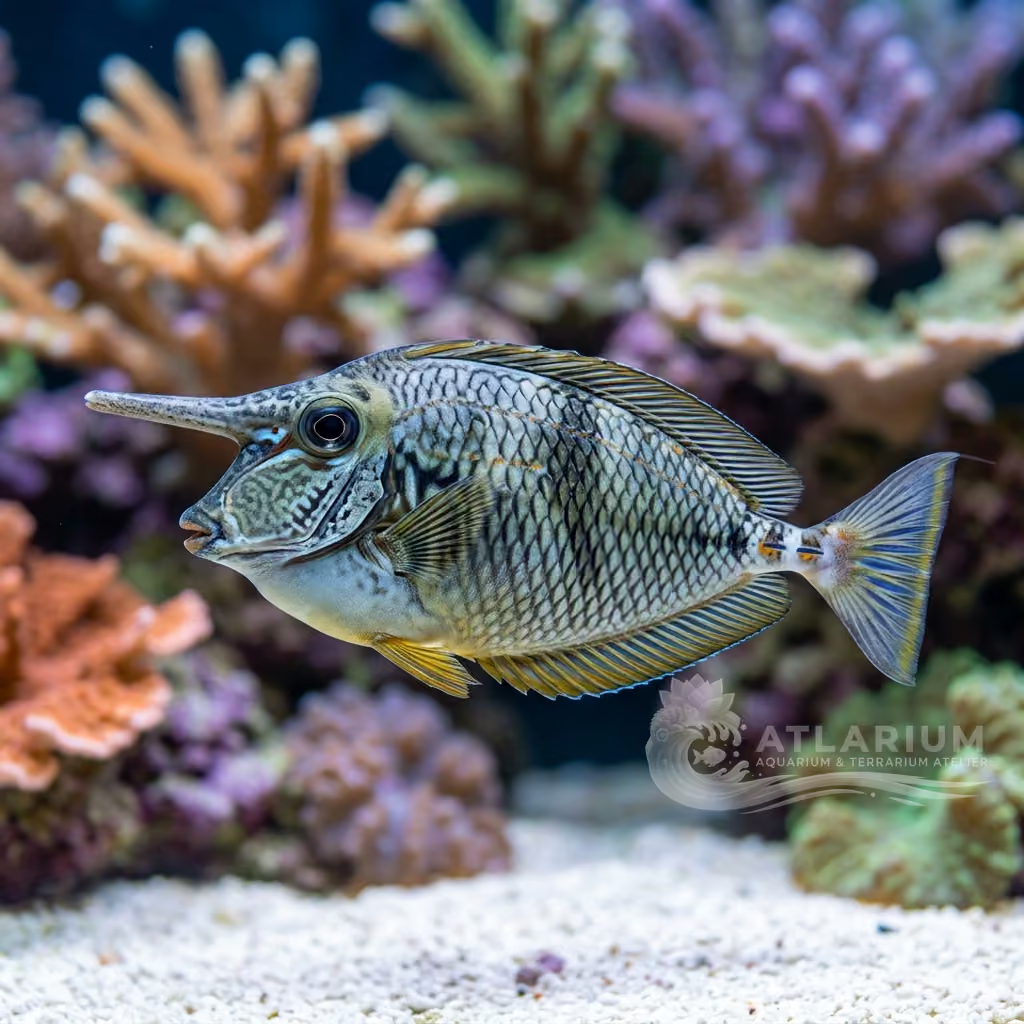
Taxonomy and Morphology: Tomini Tang / Bristletooth Tang (Ctenochaetus tominiensis). Small-sized surgeonfish. The mouth is equipped with "bristle teeth", specifically evolved to scrape microbial biofilm and debris, rather than tearing large algae.
Social Behavior: Diurnal and perpetually active. Very peaceful towards other fish families (Reef Safe), but distinctly territorial towards other surgeonfish, especially those with a similar body shape or overlapping diet.
Coloration and Sexual Dimorphism: Juveniles are golden or bluish, but adults present a spectacular reddish-brown livery with fine golden streaks, bright yellow-orange dorsal and anal fins and a white tail. No clear sexual dimorphism (the male has larger anal scales, visible up close).

Care, breeding and tankmates
Aquarium Setup: Marine tank of at least 300 liters (75 gallons). Abundant seasoned live rocks (essential for constant grazing) and wide open spaces for free swimming. Excellent water movement, via powerful circulation pumps (e.g. 30x the tank volume).
Diet and Feeding: Detritivore / Herbivore. The basis of the diet is continuous gleaning on the rocks. Offer Nori seaweed sheets daily (fixed on a clip), spirulina flakes and high quality marine feeds. Supplement with a little Mysis.
Water Quality: Excellent. Tolerances to nitrates and phosphates are low, typical of coral reef fish (Salinity 1.023-1.025). It is a fundamental tool for rock maintenance in the reef aquarium, limiting unwanted algal proliferation.
Compatibility and Cohabitation: Cohabits harmoniously in Reefs with soft corals, SPS and LPS. Excellent companion for clownfish, dottybacks, wrasses and gobies. Introduction with Zebrasoma flavescens in small tanks is not recommended (territorial competition).
Aquarium Breeding: Practically impossible in captivity. They are pelagic spawners (release gametes into the reef water column) and the oceanic larval phase is extremely long and complex.
Risks and Diseases: Marine Ich (white spots or Cryptocaryon irritans). Being an Acanthurid, its thin epidermis and intolerance to copper make it sensitive if the water undergoes thermal shocks.

Geographic origin and distribution
Western Pacific Ocean (Indonesia, Philippines, Solomon Islands). Coral reefs rich in life and protected outer slopes, constantly beaten by strong currents, at depths of 3-25 meters.
Origin
Tropical oceans and reefsSouth and Southeast Asia

Fish profile
- Temperament
- Peaceful
- The Tomini Tang is generally quite peaceful and slightly timid, making it a model citizen in a mixed reef aquarium. It may occasionally chase smaller fish that enter its preferred hiding spots, but actual physical aggression is rare. It only typically shows true aggression toward other tangs, particularly those introduced after it.
- Diet
- Omnivore
- Like other members of its genus, it is an herbivore and detritivore, utilizing comb-like teeth to sweep diatoms and detritus from rockwork. Its diet should consist largely of marine algae, nori, spirulina, and other plant-based preparations. Supplementing with small meaty foods like brine shrimp or mysis helps ensure a complete and balanced nutritional profile.
- Life expectancy
- 8-12 years
- Adult size
- 16 cm
- Sex ratio
- Group
- There is no recognizable sexual dimorphism in Tomini Tangs, making visual sexing impossible for hobbyists. They are typically kept as solitary individuals in the home aquarium due to conspecific aggression. As such, maintaining a specific sex ratio is neither practical nor necessary.
- Feeding frequency
- Twice daily
- Because they graze continuously in nature, offering food multiple times a day is ideal for their digestive system. A seaweed clip with nori should be available daily to provide a constant grazing opportunity. Dry and frozen foods can be offered in small portions two to three times daily.
- Bioload
- Medium
- The Tomini Tang has a moderate bioload, consistent with its active lifestyle and constant grazing behavior. Its high waste output necessitates robust filtration, including a good protein skimmer and regular water changes. Maintaining excellent water quality is crucial to keeping this fish healthy and disease-free.
- Flow
- Strong
- The Tomini Tang prefers moderate to high water flow to simulate the dynamic reef environments it originates from. Strong flow helps maintain high dissolved oxygen levels, which are essential for active surgeonfish. It also helps prevent the accumulation of detritus on the substrate and live rock.
- Jump risk
- No
- Reproduction
- Oviparous
- Successful breeding of the Tomini Tang in a home aquarium has not been recorded. They are broadcast spawners that require vast water volumes and very specific environmental cues to reproduce. The microscopic larvae are incredibly difficult to feed and rear outside of advanced laboratory or commercial aquaculture settings.
- Compatibility & tankmates
- Territorial
- It is widely considered one of the most peaceful tangs and is an excellent choice for a community reef tank. It will generally leave corals and motile invertebrates completely alone while focusing on algae. However, it can still display territorial aggression toward other tangs, particularly bristletooth species, so it is best kept as the only tang in the tank.
- Tank level
- Middle/Bottom
- This fish is extremely active and will utilize all areas of the tank, though it favors the lower to middle regions where rockwork is present. It spends its days navigating through caves and crevices, constantly picking at the surfaces. It will also venture into the upper water column during feeding times.

Scientific Parameters & Models
FishBase
Window to the official scientific data of the species
FishBase Catalog curation 2026-05-09Data synced on: 06/15/2026
- Resilience
- High (less than 15 months)
- Phylogenetic uniqueness (PD50)
- 0.502
- Bayesian Length-Weight
- a = 0.02291, b = 2.96
- VulnerabilityLow vulnerability (10 / 100)

Image gallery
Licensed images linked to the species or, when marked, to the closest representative taxon.

Related species
Recommendations grouped by close relatives, companion choices, and similar care.