Chevron tang
Ctenochaetus hawaiiensis
Ctenochaetus hawaiiensis is a highly sought-after surgeonfish famous for its striking orange and blue juvenile coloration and its superb efficiency at cleaning diatoms from the tank.
Water Temperature
24 - 27 °C
pH Value
8.1 - 8.4
Water type
Marine
Tank level
All levels
Adult size
28 cm
Minimum tank volume
>= 350 L
Minimum group
>= 1
KH
8 - 12 dKH

Species description
Geographical Origin and Habitat:
This species is primarily native to the Central and Western Pacific Ocean. It is most frequently encountered in the waters surrounding the Hawaiian Islands, but its range also extends to Micronesia, the Marshall Islands, the Mariana Islands, and down to French Polynesia. It typically inhabits exposed outer reef slopes and rocky surge zones rich in organic detritus and algal films at depths between 5 and 40 meters.
Taxonomy and Morphology:
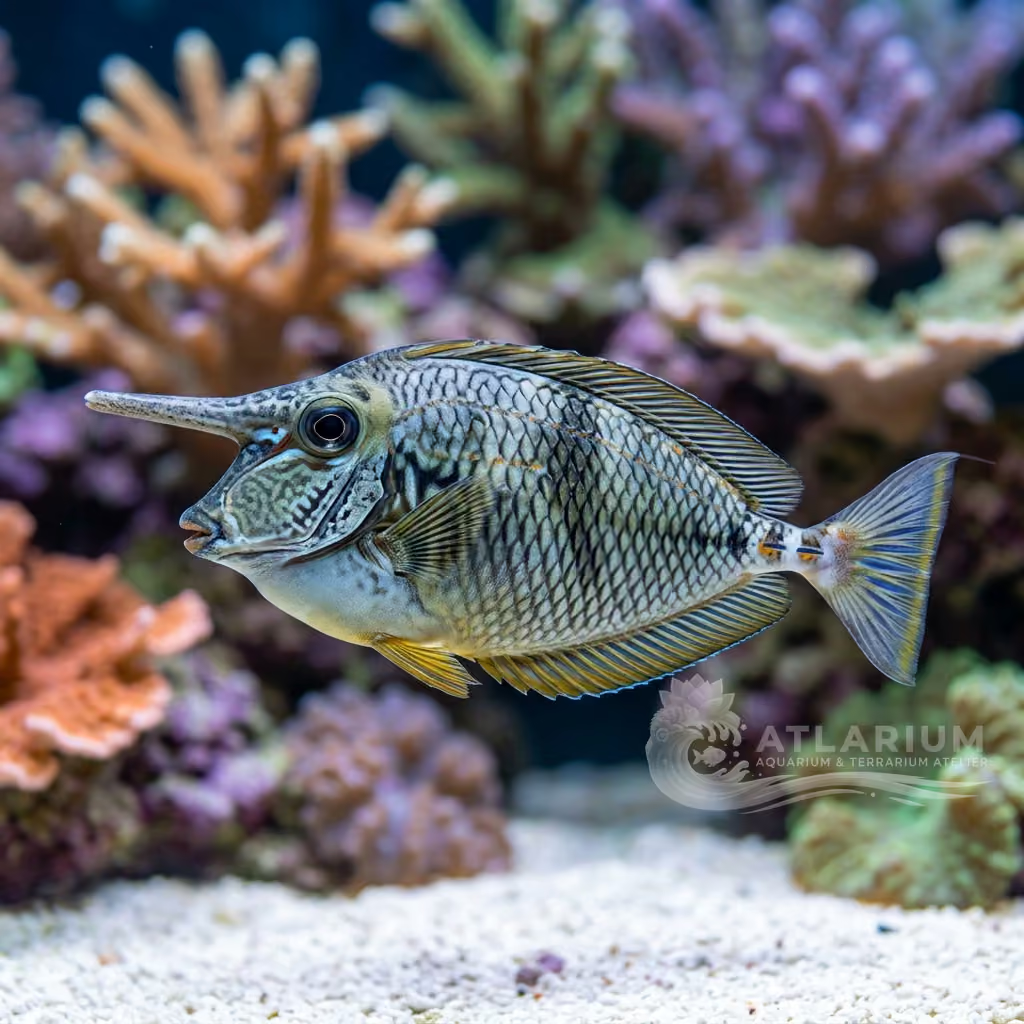
Belonging to the Acanthuridae family, the Chevron tang features an oval-shaped, laterally compressed body covered in tiny scales. Its mouth is equipped with fleshy lips and a unique dentition consisting of comb-like, movable teeth designed to scrape detritus, microalgae, and diatoms off hard surfaces. Adults can grow to about 25 centimeters in length. Like all tangs, it possesses a sharp, retractable spine at the base of its caudal peduncle.
Social Behavior:
It is a highly active and territorial species, especially toward members of its own genus or fish with similar feeding niches. In the wild, it is solitary, patrolling reef patches for foraging. In captivity, it requires significant space to prevent territorial aggression. It can become hostile if introduced to small aquariums or housed alongside similar-looking surgeonfish.
Coloration and Sexual Dimorphism:
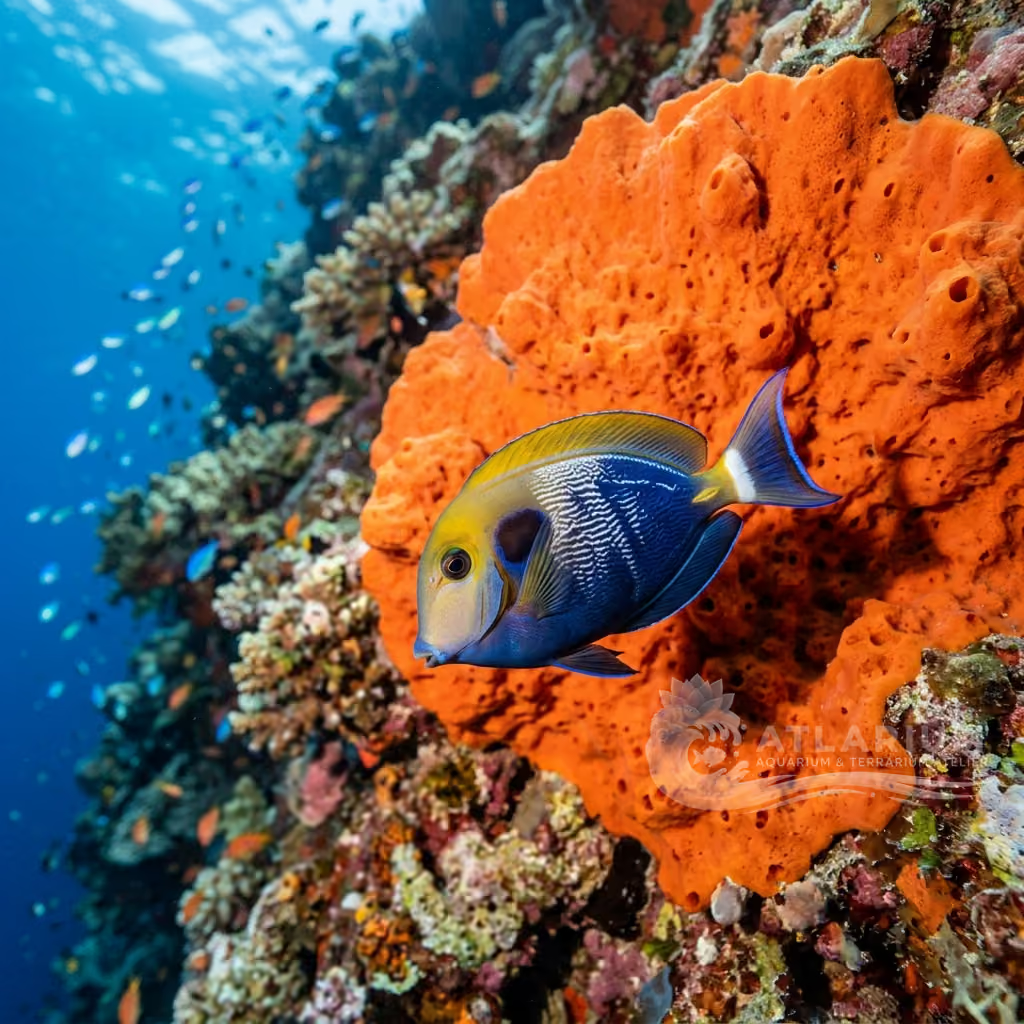
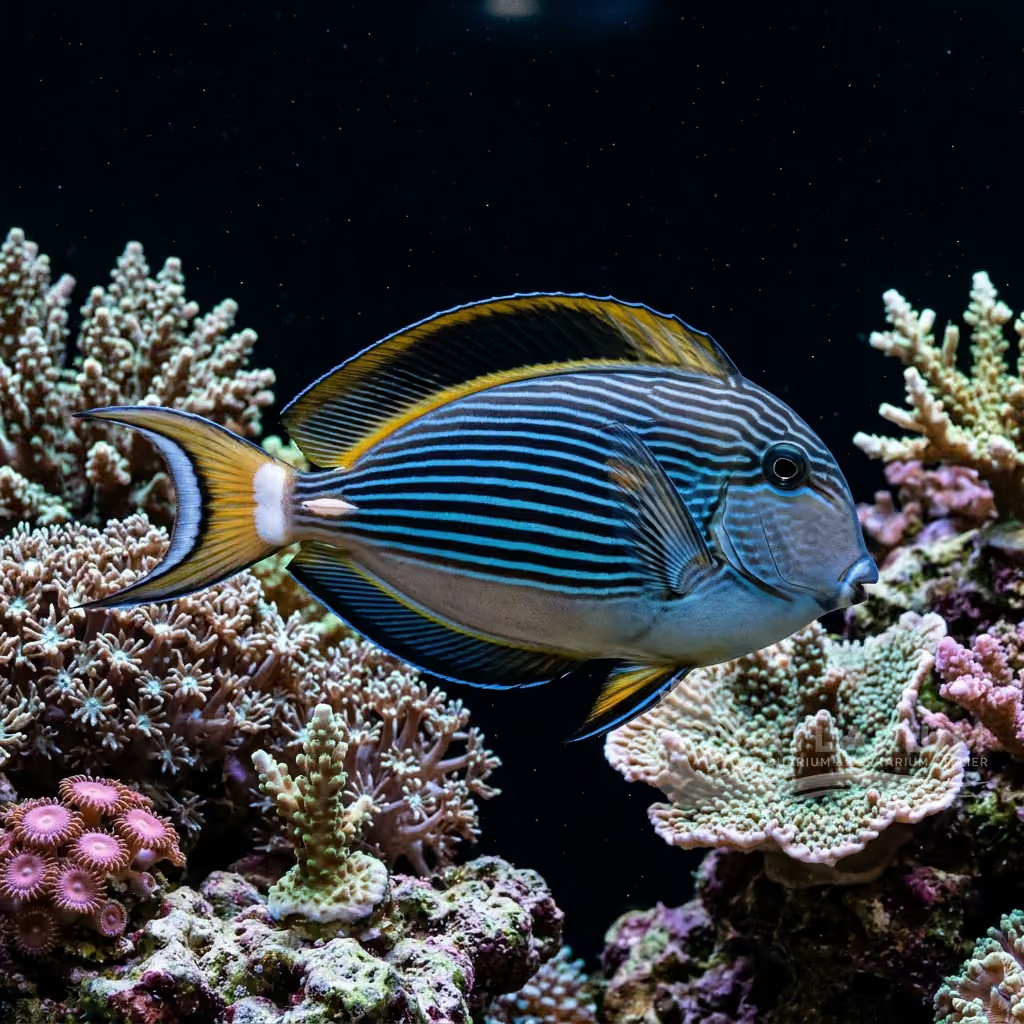
The transition in color from juvenile to adult is dramatic. Juveniles boast a stunning, bright reddish-orange body covered in intricate, chevron-patterned electric blue markings. As they mature into adulthood, they turn a dark brownish-black color with numerous thin, horizontal olive-green lines and a speckled pattern on the face. There is no visible external sexual dimorphism between males and females.

Care, breeding and tankmates
Aquarium Setup:
To accommodate a mature individual, a large marine system of at least 450 liters is required. The tank must feature ample swimming room and a large amount of established live rock to allow for natural grazing on microalgae and organic sediment. High water flow, heavy oxygenation, and a strong protein skimmer are essential to replicate its natural reef environment.
Diet and Feeding:
Classified as a detritivore, this fish feeds by scraping organic films, diatoms, and fine algae from rocks and glass. In the aquarium, it should be offered high-quality marine algae, spirulina-rich flakes or pellets, and regular sheets of dried nori. Supplement with frozen foods like mysis and brine shrimp occasionally, but ensure its primary diet remains high in vegetable fiber to prevent digestive issues.
Water Quality:
Prisinte water parameters are vital: temperature between 24°C and 26°C, pH range of 8.1 to 8.4, specific gravity of 1.021 to 1.025, and carbonate hardness (KH) of 8 to 12 dKH. Keep organic waste to an absolute minimum, ensuring nitrates stay below 15 ppm and ammonia/nitrites at zero. Excellent dissolved oxygen levels are required.
Compatibility and Cohabitation:
This species is completely reef safe and will not harm corals or sessile invertebrates. It coexists peacefully with smaller reef fish like clownfish, anthias, and wrasses. However, it will exhibit strong territorial behavior toward other Ctenochaetus species or similarly shaped tangs. It is best to introduce it as the final inhabitant to minimize aggression.
Aquarium Breeding:
Captive breeding in home aquariums is currently not documented. Chevron tangs are broadcast spawners that release pelagic eggs into open water. The larval stage (acronurus) is long and complex, requiring specific oceanic plankton for nourishment, making it nearly impossible to raise these larvae in a closed home aquarium environment.
Risks and Diseases:
Like other Acanthurids, they produce less protective skin mucus, making them highly susceptible to marine parasites such as Cryptocaryon irritans (marine ich) and Oodinium. They are also prone to Head and Lateral Line Erosion (HLLE) if water quality is poor or if activated carbon dust is present. A strict quarantine period and the use of a UV sterilizer are highly advised.

Geographic origin and distribution
This species is primarily native to the Central and Western Pacific Ocean. It is most frequently encountered in the waters surrounding the Hawaiian Islands, but its range also extends to Micronesia, the Marshall Islands, the Mariana Islands, and down to French Polynesia. It typically inhabits exposed outer reef slopes and rocky surge zones rich in organic detritus and algal films at depths between 5 and 40 meters.
Origin
Cosmopolitan or introducedTropical oceans and reefs

Fish profile
- Temperament
- Semi-aggressive
- Juveniles display stunning orange coloration and are relatively docile, but adults turn a dark, striated olive-brown and become more assertive. They are generally peaceful community fish but will aggressively defend their grazing territories from other tangs. They are constantly active, providing wonderful movement in the aquarium. They are considered a prized, albeit demanding, species for the advanced reef keeper.
- Diet
- Herbivore
- They are specialized detritivores, utilizing their bristle-like teeth to vacuum detritus and diatom algae from rocks and substrate. Their diet must consist primarily of marine-based vegetable matter, including dried Nori, spirulina, and high-quality herbivore pellets. Occasional feedings of mysis or brine shrimp are acceptable but should be secondary. A proper, varied herbivorous diet is critical for their health and to prevent HLLE.
- Life expectancy
- 8-12 years
- Adult size
- 28 cm
- Sex ratio
- Solitary
- They must be kept singly in almost all home aquariums. Housing multiple Chevron Tangs, or mixing them with closely related species, will inevitably lead to vicious and often fatal territorial disputes. Only in massive, public-aquarium-scale setups can multiple individuals potentially coexist. There are no reliable external characteristics to determine their sex.
- Feeding frequency
- Twice daily
- As constant foragers, they need access to algae throughout the day; an algae clip replenished daily is highly recommended. Prepared foods should be offered 2 to 3 times a day in quantities they can consume quickly. Because of their high metabolism, underfeeding can quickly lead to malnutrition and a weakened immune system. A plump belly is a sign of a healthy, well-fed tang.
- Bioload
- High
- The Chevron Tang carries a substantial bioload, particularly as it reaches its large adult size. They are active swimmers and voracious grazers, resulting in significant waste production. A top-tier protein skimmer and large biological filtration capacity are absolutely essential. Regular, voluminous water changes are required to keep nitrates near zero and maintain impeccable water quality.
- Flow
- Strong
- They require exceptionally strong, turbulent water flow, replicating the high-energy surge zones of Hawaiian reefs. This vigorous flow is necessary to provide the high dissolved oxygen levels they demand. Wavemakers should be used to create chaotic, sweeping currents across the entire aquarium. Adequate flow also keeps detritus moving for the filtration system and the tang to process.
- Jump risk
- No
- Reproduction
- Egg scatterer
- Captive breeding of the Chevron Tang is currently impossible for hobbyists. They reproduce via broadcast spawning, sending eggs and sperm into the ocean currents. The larval stage is long, pelagic, and requires specialized microscopic prey that cannot be easily replicated in home aquariums. All Chevron Tangs in the hobby are collected from the wild.
- Compatibility & tankmates
- Peaceful
- They are highly peaceful towards corals and invertebrates, making them revered reef tank additions. While juvenile Chevrons are generally peaceful, adults can become highly territorial and aggressive toward other tangs, especially those of similar shape or dietary habits. They coexist well with wrasses, anthias, and clownfish. They should be the final addition to a tank to establish hierarchy.
- Tank level
- All levels
- They are very active fish that utilize all levels of the tank, but spend most of their time patrolling the rockwork in the middle and lower zones. They need a massive amount of unobstructed swimming space to thrive and prevent stress. They also require extensive rock structures to graze upon and seek shelter in at night. A minimum tank size of 150 gallons is required for an adult.

Scientific Parameters & Models
FishBase
Window to the official scientific data of the species
FishBase v25.04Data synced on: 06/15/2026
- Trophic level
- 2 ± 0 se
- Resilience
- High (less than 15 months)
- Phylogenetic uniqueness (PD50)
- 0.502
- Bayesian Length-Weight
- a = 0.02291, b = 2.96
- VulnerabilityLow vulnerability (15 / 100)

Related species
Recommendations grouped by close relatives, companion choices, and similar care.