

Encyclopaedia
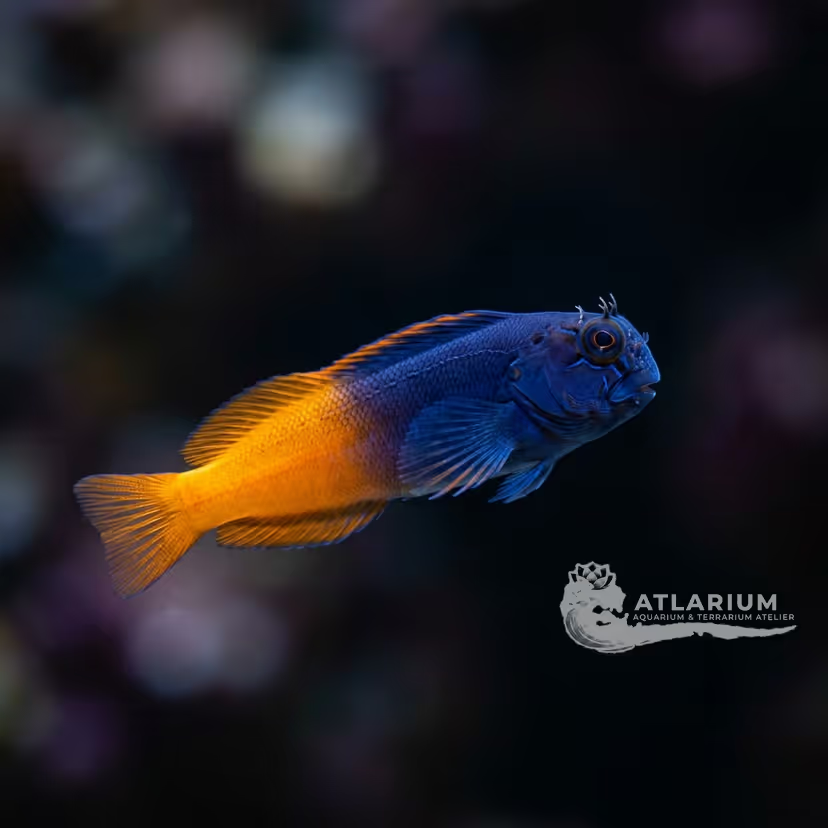
Bicolor fangblenny
Plagiotremus laudandus
The Bicolor Fangblenny Mimic ingeniously imitates harmless fish to stealthily feed on scales and mucus. A captivating, specialized species requiring secure tanks with small rock holes.
Share
Check out Bicolor fangblenny on Atlarium
25 - 28 °C
8.1 - 8.4
Marine
All levels
8 cm
>= 150 L
>= 1
8 - 12 dKH
Species description
Care, breeding and tankmates
Geographic Origin and Distribution
Origin
Fish profile
- Temperament
- Semi-aggressive
- Diet
- Carnivore
- Sex ratio
- Solitary
- Feeding frequency
- THREE_FOUR_DAILY
- Bioload
- This is a small marine blenny that produces a very minimal bioload, making it suitable for smaller reef setups. Standard reef tank filtration and protein skimming are more than sufficient to handle its waste production. Regular water changes should still be maintained to keep nutrient levels low for the overall health of the system.
- Flow
- Strong
- Jump risk
- Yes
- Reproduction
- Hermaphrodite
- Compatibility & tankmates
- Reef safe
- Tank level
- All levels
Window to the official scientific data of the species
Scientific Parameters & Models
- Trophic level
- 4.4 ± 0.8 se
- Resilience
- High (less than 15 months)
- Phylogenetic uniqueness (PD50)
- 0.5005
- Bayesian Length-Weight
- a = 0.00575, b = 3.06
Image gallery
Licensed images linked to the species or, when marked, to the closest representative taxon.
Related species
Recommendations grouped by close relatives, companion choices, and similar care.
Variants and close relatives
Same atlas type, nearby scientific identity, genus, or family.

Shorthead fangblenny
Petroscirtes breviceps
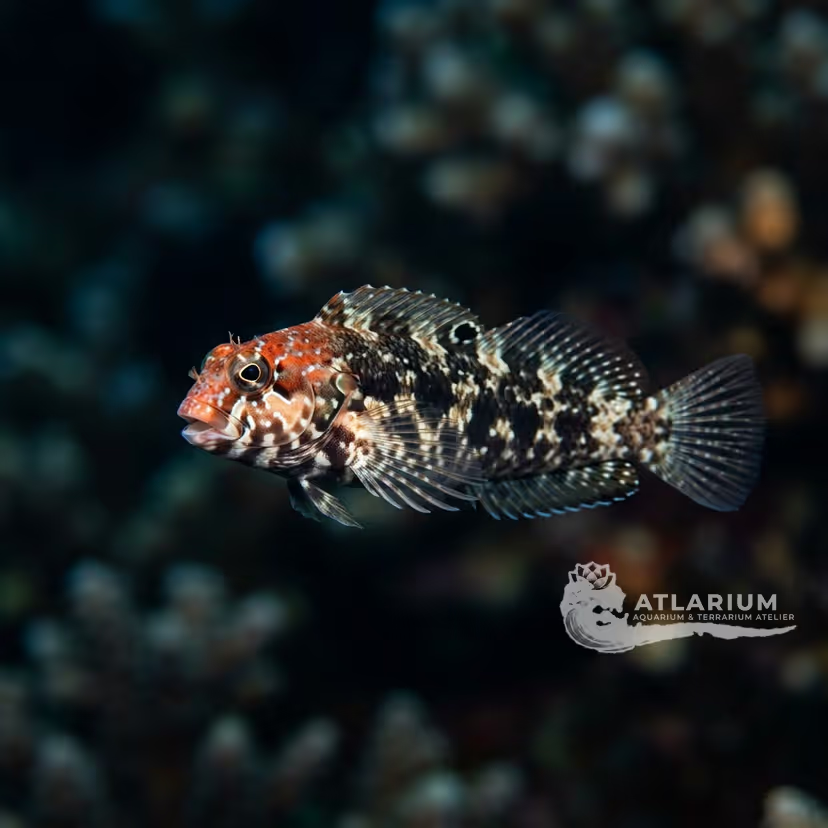
Yaeyama Blenny
Ecsenius yaeyamaensis
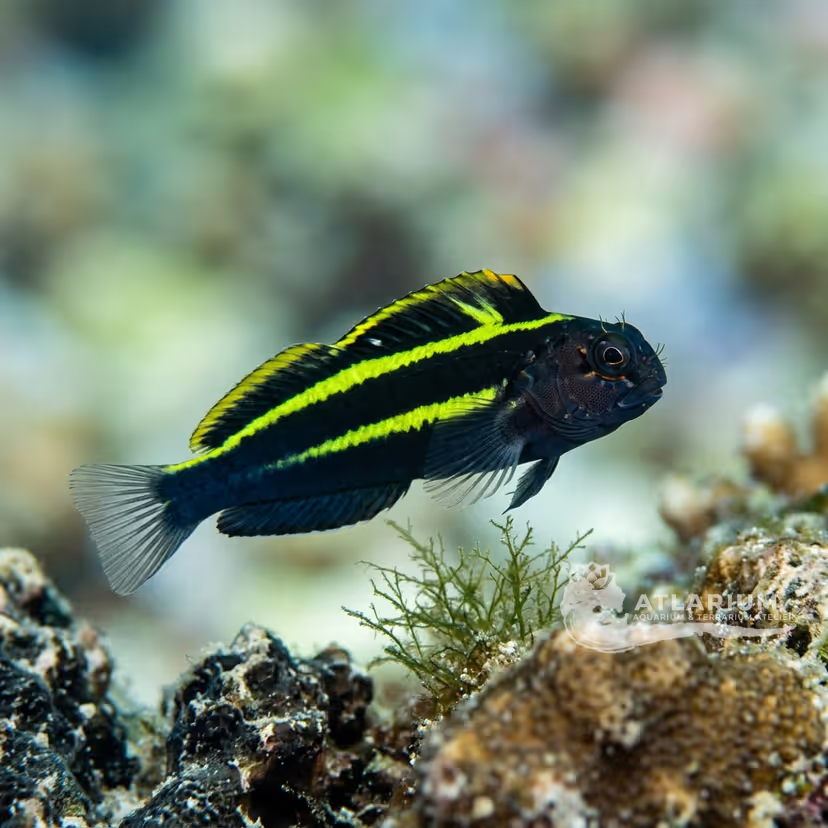
Bundoon blenny
Meiacanthus bundoon
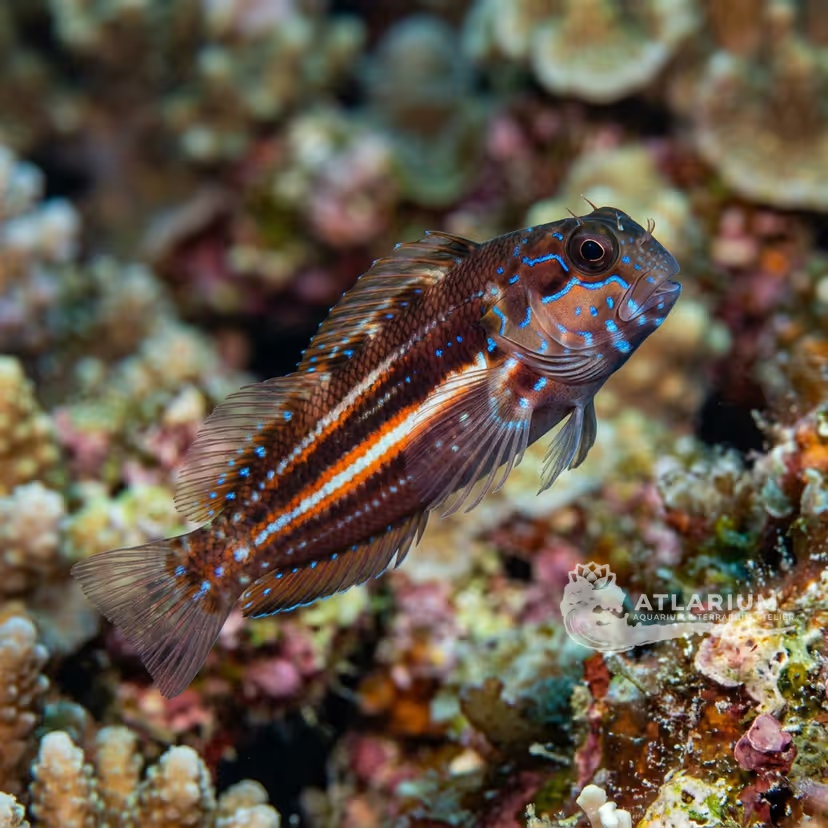
Beautiful Blenny
Ecsenius pulcher
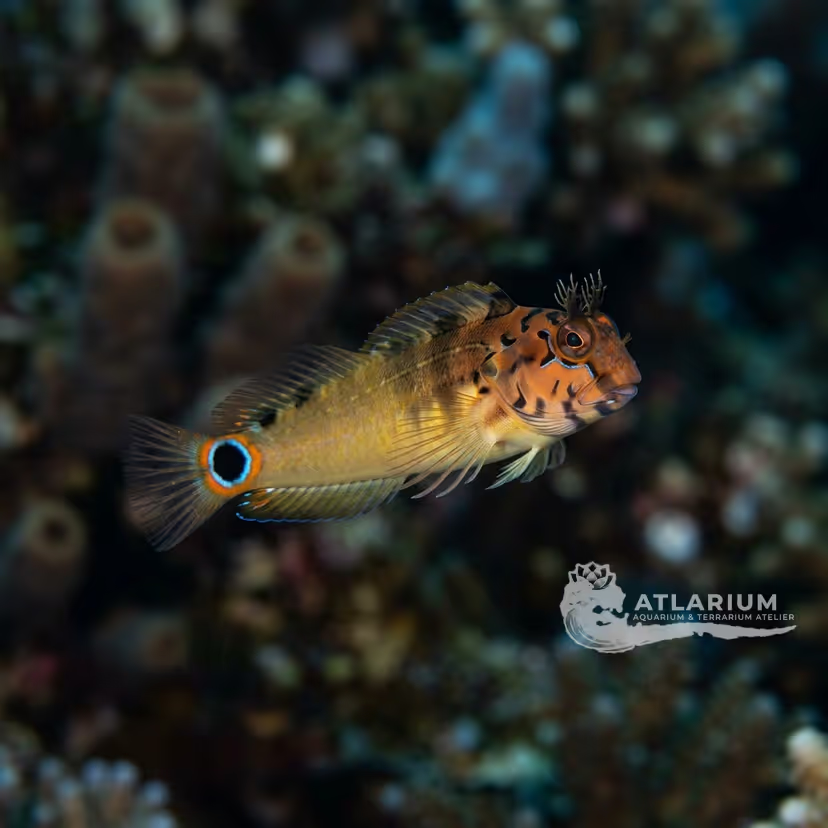
Tailspot blenny
Ecsenius stigmatura

Wolf fangblenny
Petroscirtes lupus
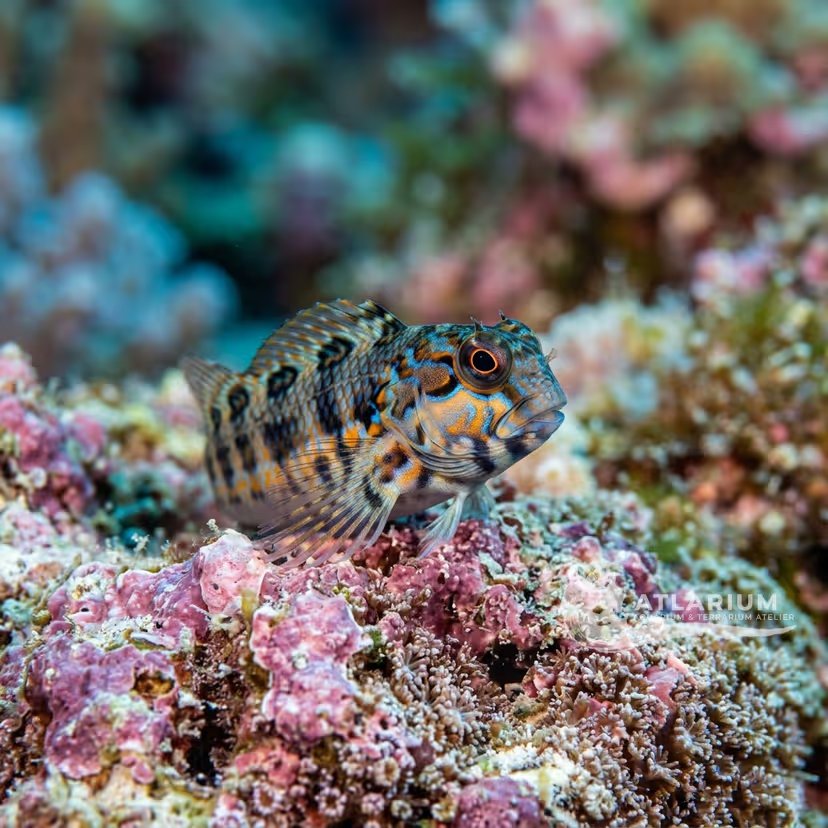
Allen's blenny
Ecsenius alleni

Axelrod's blenny
Ecsenius axelrodi
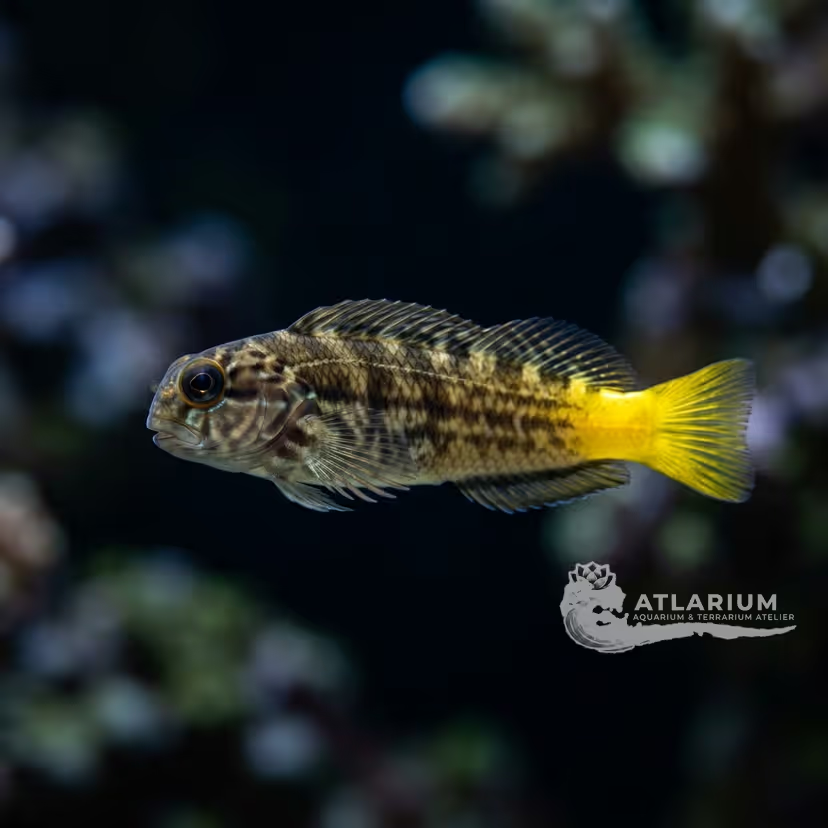
Black combtooth blenny
Ecsenius namiyei
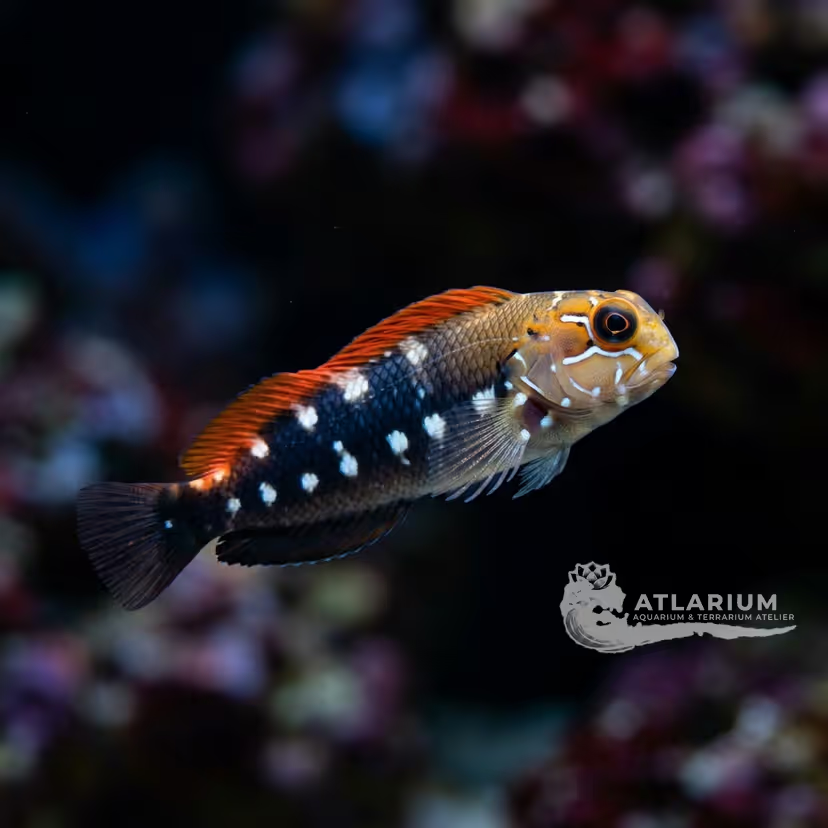
Fiji Blenny
Ecsenius fijiensis
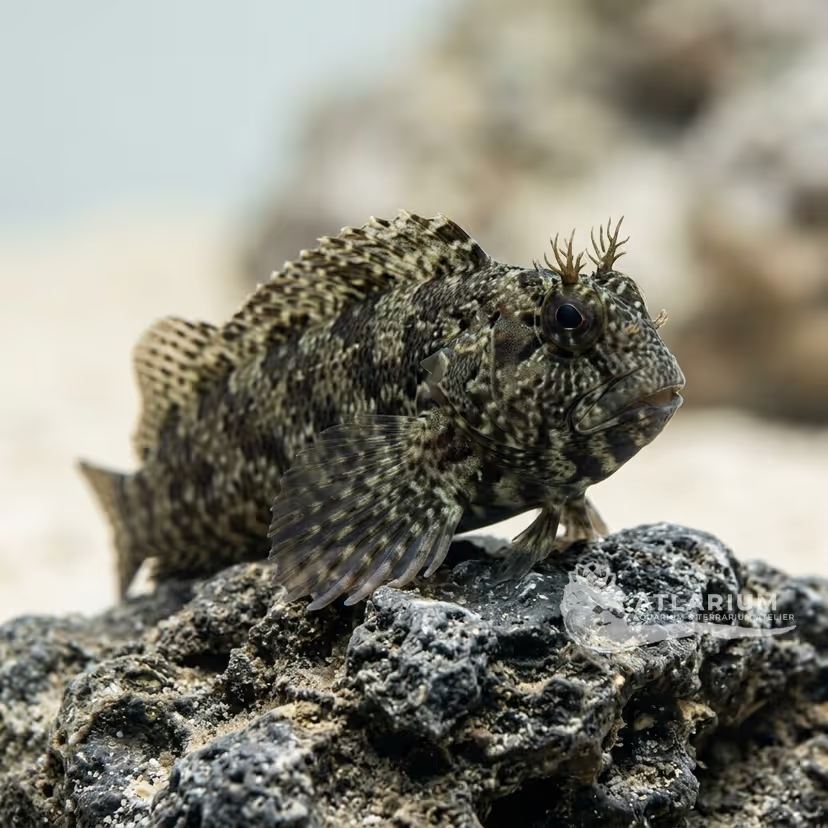
Lawnmower Blenny
Salarias fasciatus

Linear Blenny
Ecsenius lineatus

Monoculus blenny
Ecsenius monoculus

Ocular Blenny
Ecsenius oculus

One-stripe Fangblenny
Meiacanthus ditrema
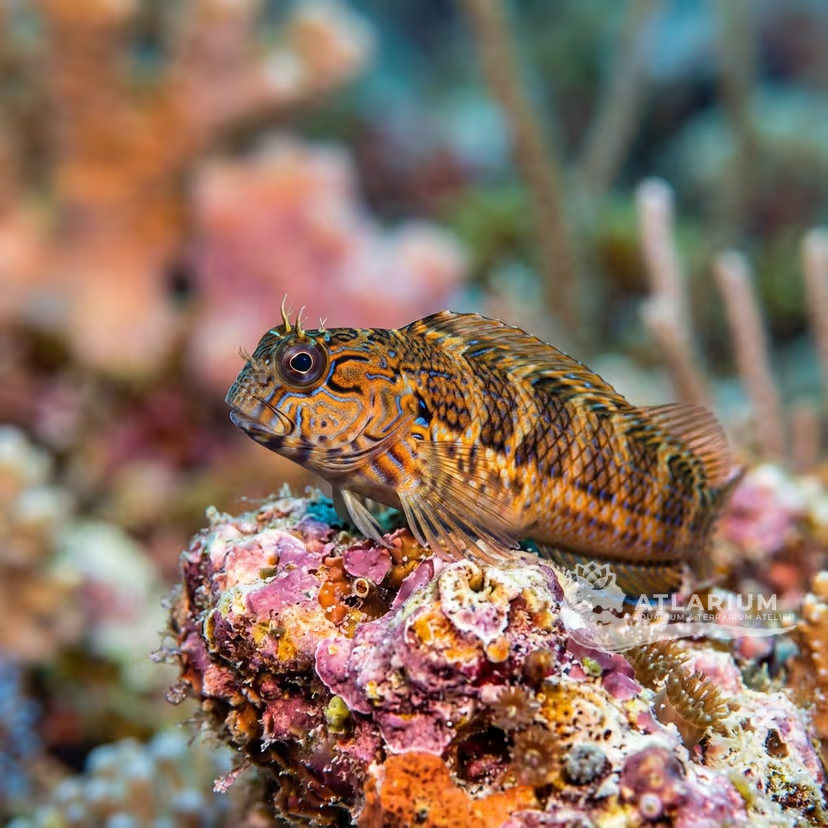
Portenoy's Blenny
Ecsenius portenoyi
Recommended companions
Compatible cards from coherent ecosystems with matching parameters.

Grape caulerpa
Caulerpa racemosa

Caulerpa prolifera
Caulerpa prolifera
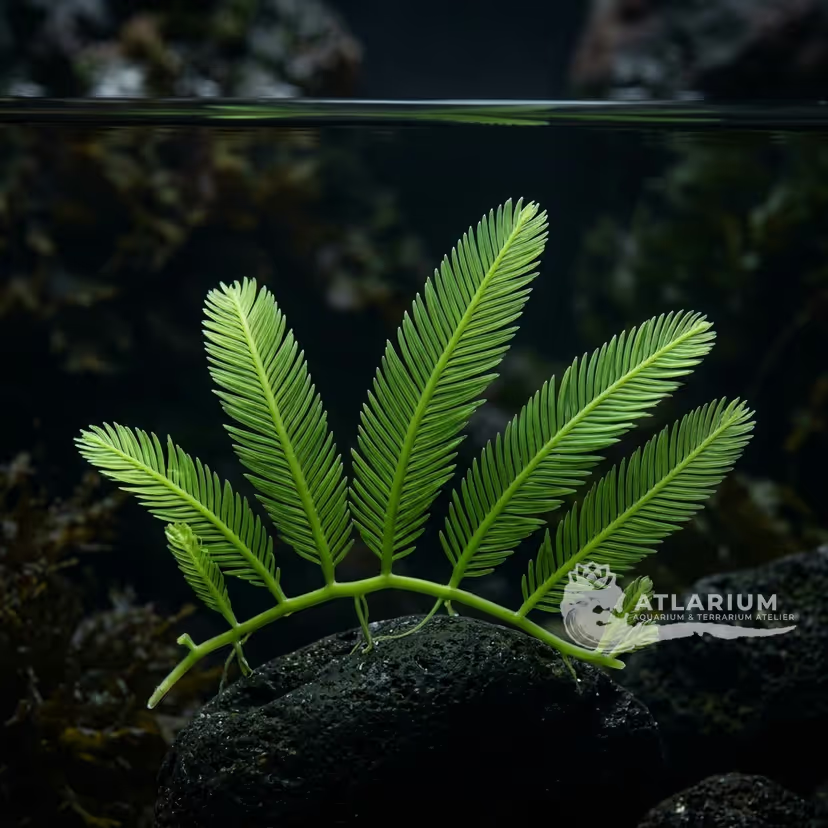
Caulerpa taxifolia
Caulerpa taxifolia
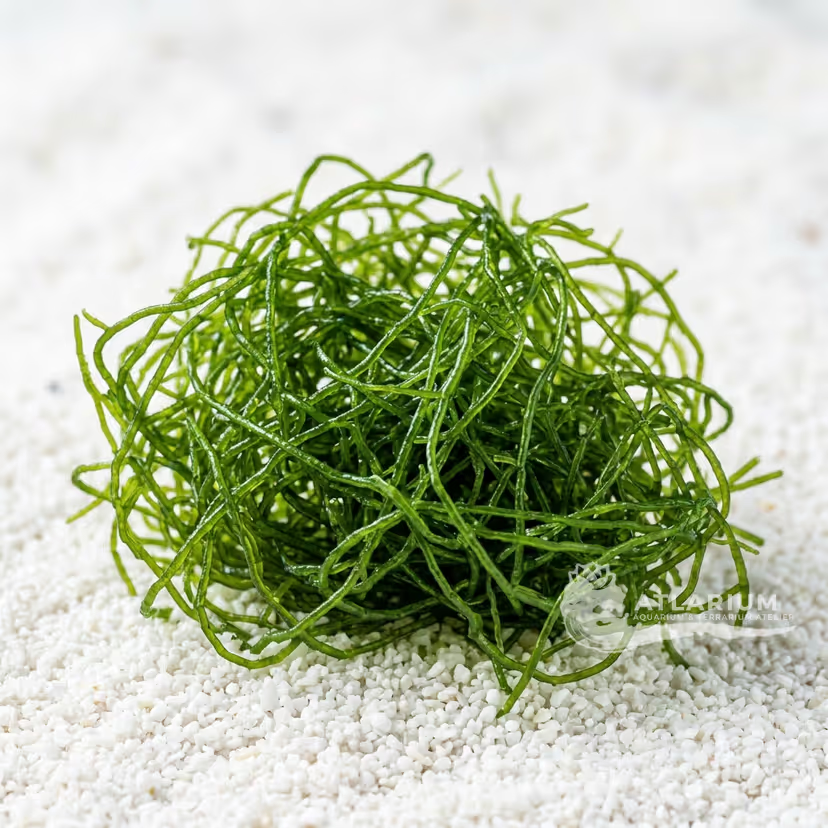
Chaetomorpha macroalgae
Chaetomorpha linum

Dead man fingers algae
Codium fragile

Halimeda macroalgae
Halimeda opuntia

Peacock tail algae
Padina pavonica

Red gracilaria
Gracilaria parvispora

Red grape algae
Botryocladia uvaria

Sea lettuce
Ulva lactuca

Red Mangrove
Rhizophora mangle
Similar care
Cards with similar requirements, difficulty, habitat, and husbandry profile.

Greek Blenny
Ecsenius

Five-lined Coral Goby
Gobiodon quinquestrigatus

Coral Hawkfish
Cirrhitichthys oxycephalus

Orange-spotted Blenny
Blenniella chrysospilos

Blue assessor
Assessor macneilli

Chestnut Eyelash Blenny
Cirripectes castaneus

Forktail blenny
Meiacanthus atrodorsalis

Striped fangblenny
Meiacanthus grammistes

Arc-eye hawkfish
Paracirrhites arcatus

Barber Goby
Elacatinus figaro
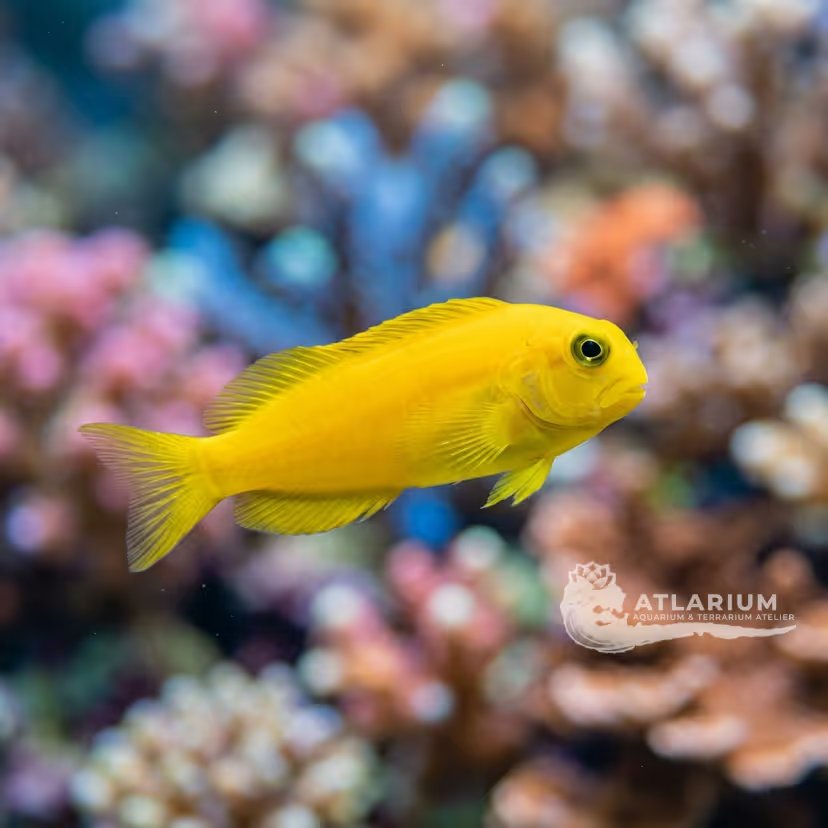
Canary fangblenny
Meiacanthus oualanensis

Harptail Blenny
Meiacanthus mossambicus
Gravier's Blenny
Ecsenius gravieri

Red-streaked blenny
Cirripectes stigmaticus

Starry blenny
Salarias ramosus

Saddle blenny
Ecsenius sellifer