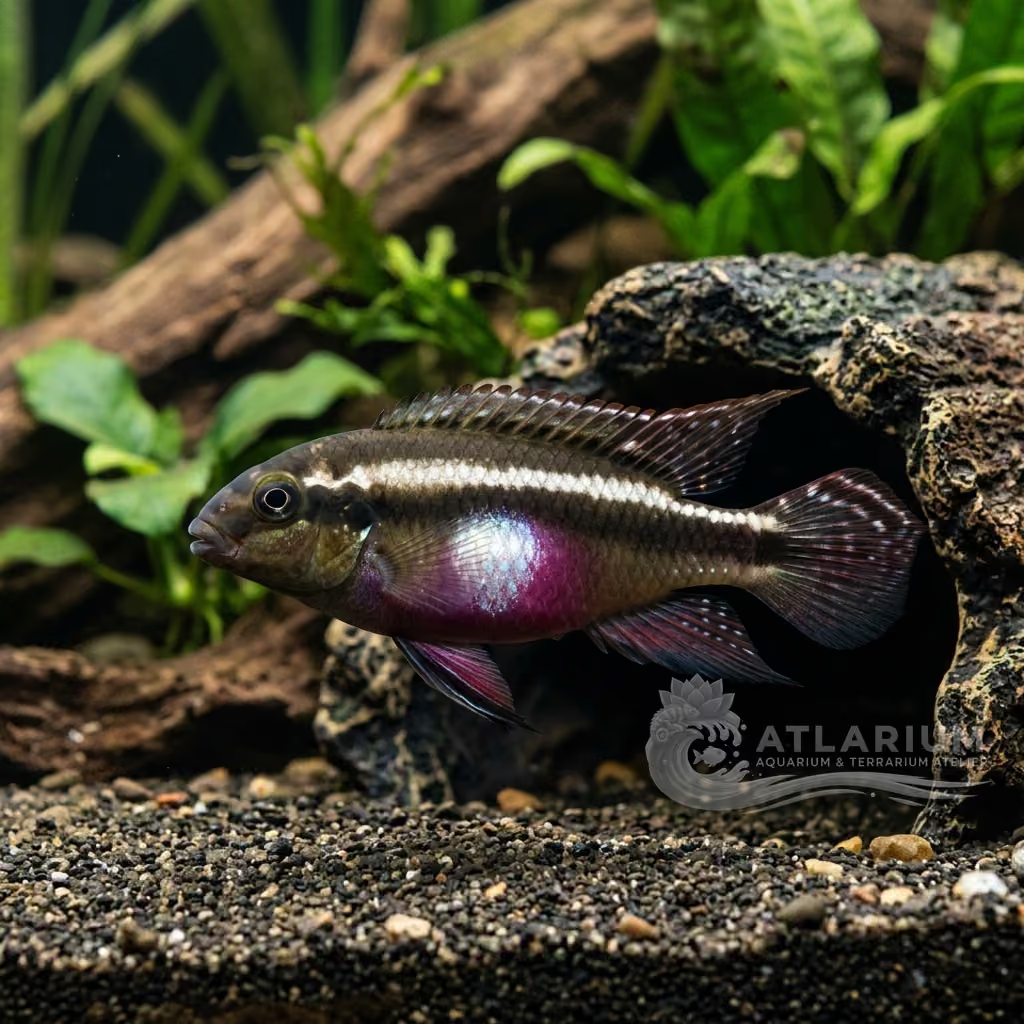
Five-bar Cichlid (Tretocephalus)
Neolamprologus tretocephalus
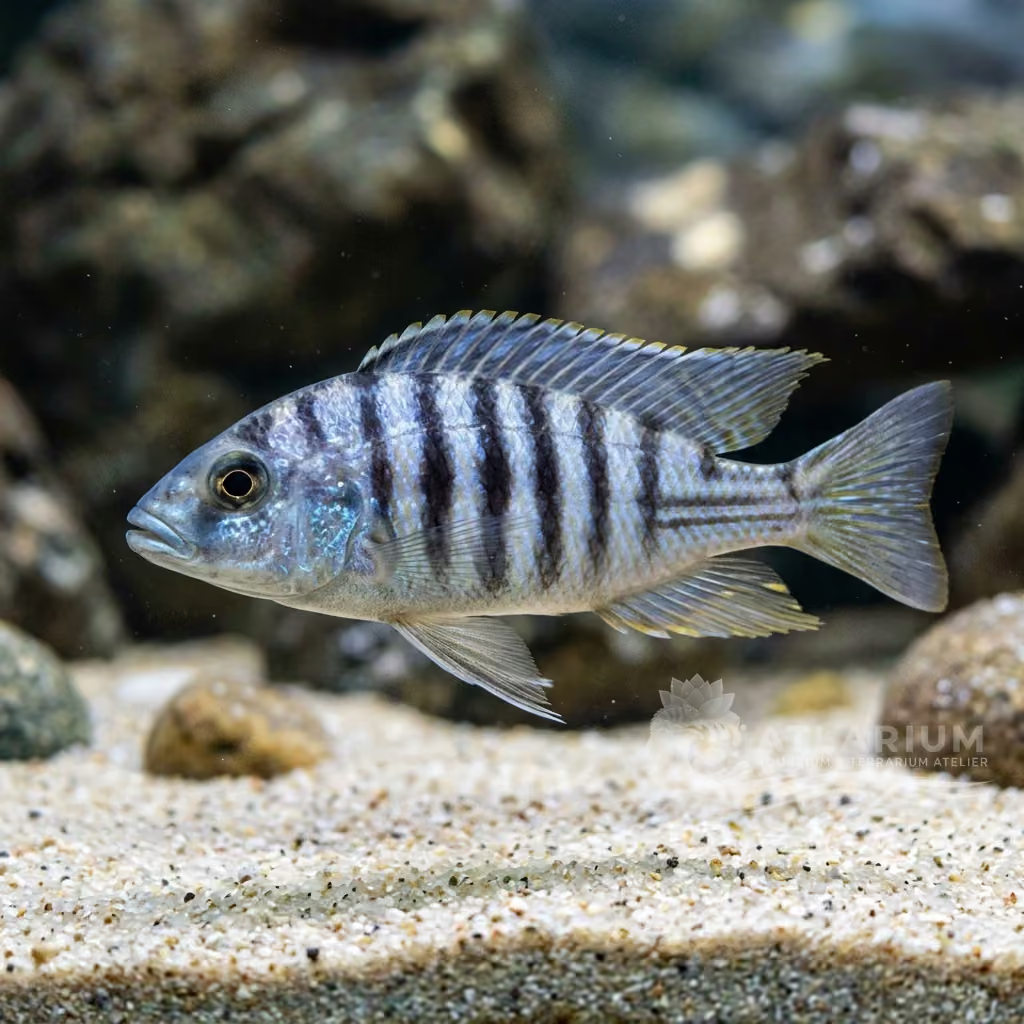
The 'Dwarf Frontosa' of Tanganyika (15 cm). Sporting bold vertical black stripes on a radiant metallic light blue, it deceives with its chromatic similarity but reveals a ruthlessly territorial and lethal nature towards fish and snails. Dedicated to absolute dominance of the deep rockeries.
Water Temperature
24 - 27 °C
pH Value
8 - 9
Water type
Freshwater
Tank level
Bottom
Adult size
15 cm
Minimum tank volume
>= 180 L
Minimum group
>= 1
GH
10 - 25 dGH
KH
5 - 12 dKH
TDS
200 - 495 ppm
Conductivity
313 - 773 uS/cm

Species description
Geographical Origin and Habitat: Lake Tanganyika (endemically distributed and very common). King of the rugged areas where the boulder castle is interrupted abruptly plunging into the open sandy areas (Transition zone or deep pebbly bottoms). They love the darkness of the crevices where they hole up at the first minimum visual sign of superior danger fleeing from the strong water currents towards the calm pools in the ravine.
Taxonomy and Morphology: Member of the vast Neolamprologus cauldron, the *Tretocephalus* deceives novices for years due to its physiognomy and chromatic pattern, often sold as a puppy or miniature of the colossal Cyphotilapia frontosa (which moreover it also resembles in its floating jerky swimming). Although much smaller (reaches 14-15 cm / 6 inches for the powerful old solitary males) it develops a very strong mouth and stubborn and evident bony skull with phenomenal shell-breaking jaws.
Social Behavior: False mild and ruthless tyrant in disguise. In the aquarium it moves very elegantly, with wide fluctuations and imperceptible jerks scanning the shadows with large eyes and showing off apparent laziness, but it is enough that an unfortunate invades the spectrum of the rock to unleash furious deadly hunts that often end with the evisceration of the intruder or gashes of the tail unimaginable for ferocity. The male becomes a monster of visceral intolerance even towards his own female companion at the end of spawning who will obligatorily have to seek invisible shelter if she does not intend to perish massacred in unsuitable and tiny tanks to the games of the homicidal spouse (hardened intra-species loner).
Coloration and Sexual Dimorphism: Contrast pattern of the highest aesthetic level, one of the absolutely most attractive African cichlids: a dazzling white base body, dusted with a turquoise and luminescent iridescent very light silver if in good health, cut cleanly and geometrically by FIVE HUGE wide very black inked free-falling bands that do not reach the belly and stomach which remain candidly reflecting, fin borders of a hypnotic sky blue or white threads. In the male, an albeit slight very slight nuchal hump often appears over time and maturity, but almost imperceptible and prolonged streaming fins mostly to differentiate it from the more rounded but twin females with unchanged vivid color.

Care, breeding and tankmates
Aquarium Setup: Categorically demands a layout setup for ruthless and solitary explosive territorialities (Abundant driven minimum aquarium from 120-150 cm / 48-60 inches and exorbitant gallonage for single fish over 350 L / 90 Gal otherwise massacres). Prohibition on crowded mixed tanks without refuge logic. Aquascaping is a survival obligation for the poor consort or co-tenants, and must provide massive imposing rocks for the male's bay stacked creating shadow tunnels, interspersed with vast and enormous beach valleys of only impalpable fine sand to allow him long siftings without wedging gravels in the fierce scrapes and thick and very high perimeter walls of stony dividing partitions that obstruct the long lines of sight to the exalted male braking the madness of the lane chases.
Diet and Feeding: Benthic Malacophagous Macro-Predator (smashes and crushes the shell of aquatic gastropods swallowing the raw inner snail nourishment at the unaware rivers in dusty calcareous gulps). Despises to death dusty flaked vegan foods ignoring them and rotting them on the bottom intoxicating the tank in vain. Prefers to live and flaunt the iridescence homemade anchovy pastes, huge colossal quantities of heavy frozen shrimps and mysis by the truckload and mud-purified earthworms with crunchy large massive sinking pellets pre-soaked hyper-protein carnivores thrown at his dark nest late at night to swallow greedy and lazy without chewing flush with clean sandy bones from the bones.
Water Quality: Hyper-orthodox Tanganyika: Heavy alkalinized loaded waters and never softened by acidifying peats (deadly disaster). The rigidly perennial and stationed pH over 8.0-8.5 and an exaggerated hardness (12-25 GH) non-negotiable on pain of pale stunted opacity and asphyctic respiration for the nitrates that the high protein metabolic waste triggers lethal and silent from below in the absence of external twin gigantic filter recirculations spilling dry and breaking crazy hourly liters regenerating the O2 dampened by the predatory greed in closed cave.
Compatibility and Cohabitation: Stellar difficulty for a reckless assortment: Destructive model par excellence or masterpiece for skilled specific species tanks with large vented and huge volumes. Fantastic and isolated if unbeaten with large suspended pelagic waters or high layers that he would disdain as a predator of blind rocks. To be totally avoided kamikaze insertions with high mixed massacre with placid Mbuna of the opposite lake or delicate neighbor shell-dwelling fish at the bottom to which he would triturate for play and predatory instinct not only the unaware colony but crumbling the vital calcareous shells reducing them to exhausted food waste dust chasing and scaring them to death and annihilating them in mutilating panic.
Aquarium Breeding: Difficult and hidden secret (Treacherous 'Cave-Spawners'). The formidable monogamy translates into a nightmare of love if caves are scarce exhausting the outcast bride. Once spawning is over (small emerald green or brown eggs affixed adhesively and tenaciously under invisible roof rocks in the deep black stony heart fiercely protected by the formidable bites of the desperate mom), the idyll often goes to pot, engendering sudden quarrels from lethal traumatic divorce or repressed mutilations if immense visual obstacles and labyrinths of truce for the nervous male are lacking. The very vast and huge school of hundreds of microscopic colored offspring will be raised for 20 days by the courageous female and by dad but the shrewd breeder would provide to clear or separate soon in artificial nurseries with oxygenation the swarming unborn on pain of the cyclical irascible parental fury for organic waste and infanticide from cannibal hunger by triggering the subsequent heat and matings in frantic nature tank.
Risks and Diseases: Lethality deriving from the irreversible vascular homicidal constipation of Tanganyika Bloat: bacterial disease in lethal obstructing intestinal ascites or fatal at the first sign due to the wicked ignorance of cheap farinaceous herbivorous forage from dry green flake instead of the necessary protein base chitin of the whole crushable live crustacean necessary for the hard malacophagous gastric juices of this elegant monster. Very serious necrotic pallor at the edges for fresh waters poor in oxygenation and carbonates due to alkaline dehydration of lethal defensive mucus in violent fights that quarter the smooth iridescences of the Tretocephalus.

Geographic origin and distribution
Lake Tanganyika (endemically distributed and very common). King of the rugged areas where the boulder castle is interrupted abruptly plunging into the open sandy areas (Transition zone or deep pebbly bottoms). They love the darkness of the crevices where they hole up at the first minimum visual sign of superior danger fleeing from the strong water currents towards the calm pools in the ravine.
Origin
North AmericaAfrica and MadagascarEurope, Mediterranean, and West Asia

Fish profile
- Temperament
- Semi-aggressive
- One of the more aggressive and belligerent species of the Neolamprologus genus. Their territorial disputes can be violent and unrelenting if space is inadequate. They require large amounts of territory and visual barriers to co-exist with others.
- Diet
- Omnivore
- They possess specialized teeth for crushing shells, reflecting their natural diet of mollusks. Offer them a variety of frozen and live foods, including krill, mysis, and high-quality carnivore pellets. Providing feeder snails can help maintain their natural feeding behaviors.
- Life expectancy
- 5-8 years
- Adult size
- 15 cm
- Sex ratio
- Pair
- A single pair is ideal for most aquariums to prevent deadly fights. Multiple males should never be kept together unless the aquarium is well over 200 gallons. Establishing a pair from a group of juveniles is the safest method.
- Feeding frequency
- Twice daily
- Feed adult specimens once or twice daily with measured portions. Overfeeding can quickly foul the water due to the high protein content of their diet. Ensure uneaten food is promptly removed from the substrate.
- Bioload
- Medium
- Due to their size and predatory nature, they produce a relatively high bioload for a Tanganyikan cichlid. Heavy-duty canister filtration and weekly water changes are necessary. Maintaining zero ammonia and nitrites is critical for their health.
- Flow
- Stagnant
- They enjoy a moderate to strong water flow that oxygenates the aquarium. The use of a powerhead in larger tanks can help simulate the currents of Lake Tanganyika. They also need rocky outcroppings to find shelter from constant flow.
- Jump risk
- Yes
- They have a powerful body build that allows them to jump significantly high. A sturdy, weighted, or tight-fitting glass canopy is required at all times. Any gaps in the lid are an invitation for them to escape.
- Reproduction
- Oviparous
- Substrate spawners that prefer laying eggs in deep caves or crevices. They form monogamous pairs that become hyper-aggressive during the spawning and fry-rearing phases. They will claim a huge area of the tank as their own during this time.
- Compatibility & tankmates
- With caution
- Should only be housed with robust, similarly sized Tanganyikan cichlids. They are incredibly aggressive and will systematically hunt down and kill smaller fish. Snails and hermit crabs are a natural food source and will not survive.
- Tank level
- Bottom
- They are strictly bottom-dwelling cichlids that associate heavily with rocks. They will dig extensively in the substrate, often rearranging sand around their favorite caves. Provide deep, soft sand to accommodate their natural digging habits.

Scientific Parameters & Models
FishBase
Window to the official scientific data of the species
FishBase v25.04Data synced on: 06/15/2026
- Trophic level
- 3.4 ± 0.3 se
- Resilience
- High (less than 15 months)
- Phylogenetic uniqueness (PD50)
- 0.5
- Bayesian Length-Weight
- a = 0.01905, b = 3.01
- VulnerabilityLow vulnerability (10 / 100)

Related species
Recommendations grouped by close relatives, companion choices, and similar care.