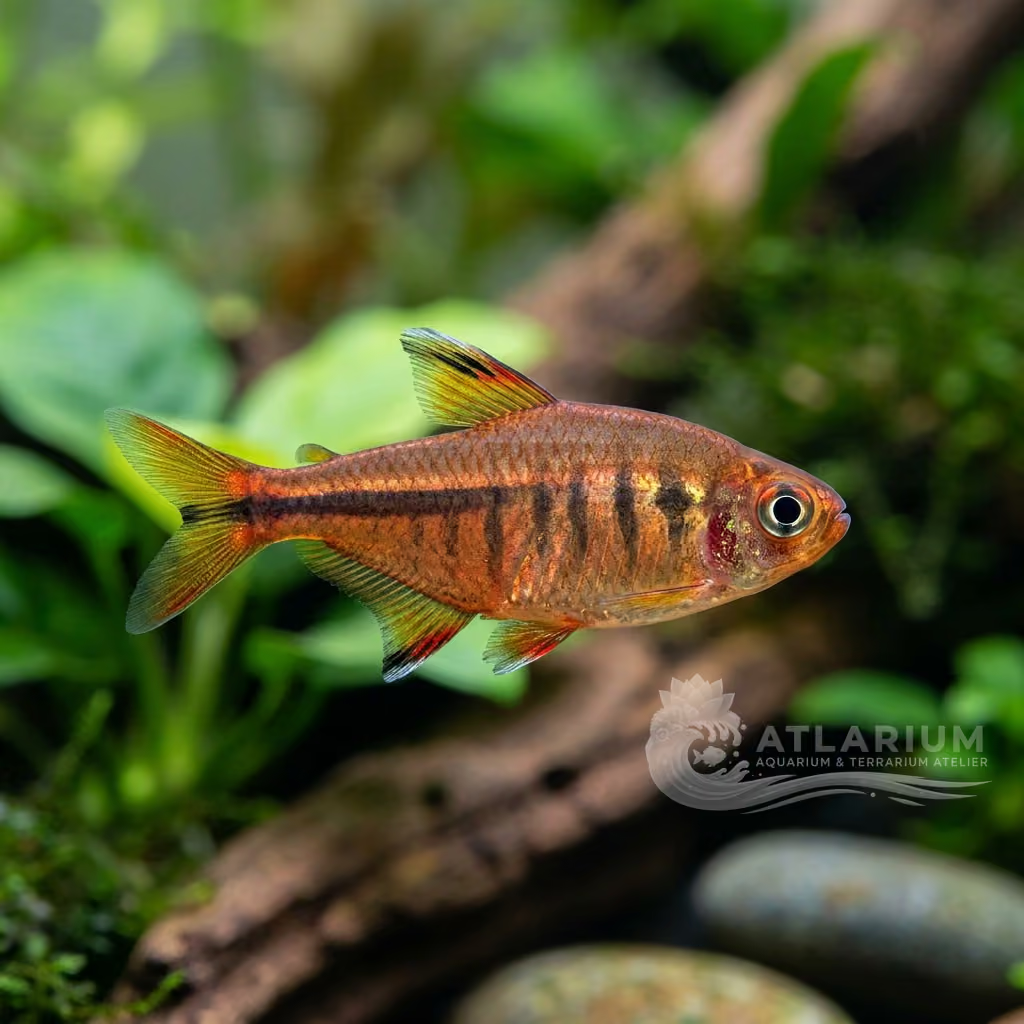
Buenos Aires Tetra
Psalidodon anisitsi
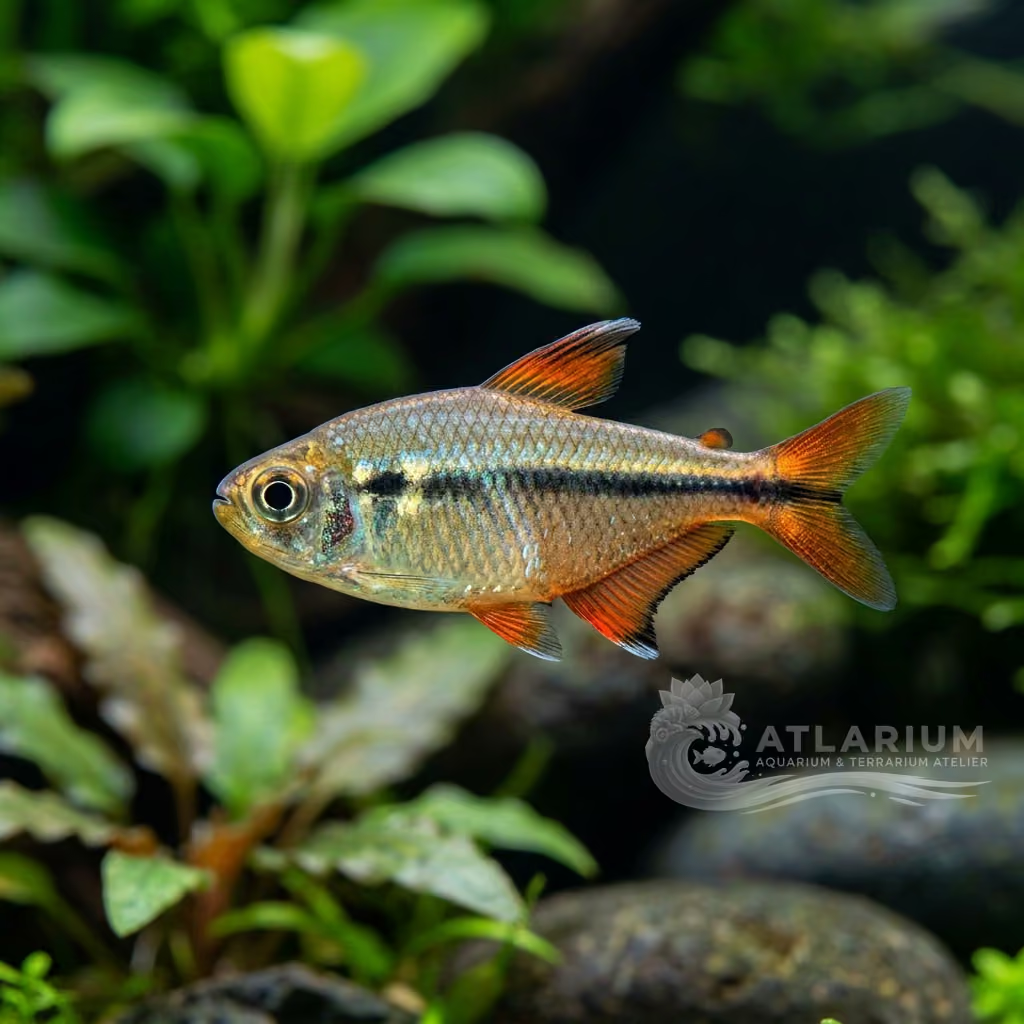
One of the largest and hardiest tetras: 7–8 cm of pure robustness. Silver body with a red tail and a black line from tail to caudal peduncle. Tolerant of subtropical temperatures (down to 16 °C). One devastating flaw: it eats plants with industrial voracity — any aquascaping is demolished in days. Perfect for tanks with artificial plants or extremely tough plants like Java fern and Anubias.
Water Temperature
16 - 28 °C
pH Value
6 - 8
Water type
Freshwater
Tank level
Middle
Adult size
8 cm
Minimum tank volume
>= 100 L
Minimum group
>= 6
GH
5 - 25 dGH
KH
2 - 12 dKH
TDS
95 - 495 ppm
Conductivity
148 - 773 uS/cm

Species description
Geographical Origin and Habitat: The Buenos Aires Tetra (Psalidodon anisitsi) is an incredibly robust, massively built, and hyper-active schooling characin natively endemic to the vast, highly variable river basins, flooded plains, and sluggish tributaries of the Paraná and Uruguay River systems in Argentina, Brazil, and Paraguay. Their natural biotope spans an enormous range of environments, from crystal-clear, fast-flowing streams to murky, heavily vegetated, stagnant backwaters, making them one of the most environmentally adaptable fish in the world.
Taxonomy and Morphology: Scientifically classified within the Characidae family, they are absolute giants among common tetras. Fully mature adults can easily reach 7.0 to 8.0 centimeters (2.8-3.1 inches) in length, possessing a tremendously thick, deep-bodied, and heavily muscled profile. They are engineered for endurance and explosive bursts of speed. Their scales are exceptionally large and highly reflective, providing a heavily armored, solid silver appearance that shines brilliantly under aquarium lighting.
Social Behavior: They are astoundingly energetic, boldly aggressive eaters, and tightly-knit schooling fish. They possess a boisterous, almost chaotic swimming pattern, constantly darting and chasing each other across the entire length of the aquarium. Due to their size and massive energy, they absolutely MUST be kept in a sizable school (minimum 6-8+). If kept in small numbers, their pent-up energy turns outward; they become highly aggressive "fin-nippers," viciously attacking and shredding the fins of every other fish in the tank.
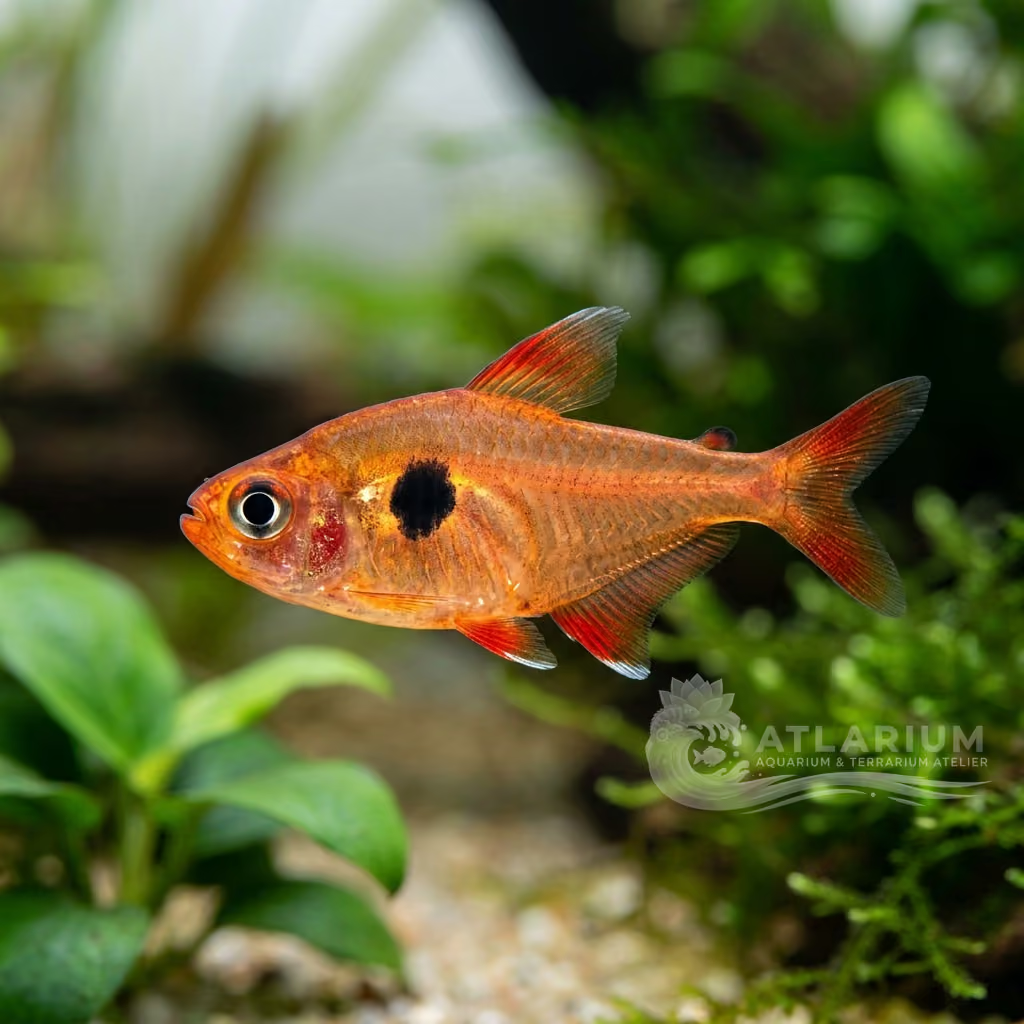
Coloration and Sexual Dimorphism: Sexual dimorphism is subtle and primarily based on body mass; mature females are significantly plumper and broader, especially when carrying eggs, while males are slightly smaller and sleeker. Their coloration is classically striking: the body is a brilliant, blindingly reflective metallic silver, bisected by a faint dark lateral line. Their defining visual features are the sharply contrasting, intense blood-red to fiery orange flashes on their pelvic, anal, and tail fins, topped with a bold black cross-shaped spot at the tail base.

Care, breeding and tankmates
Aquarium Setup: The aquarium architecture MUST flawlessly accommodate their massive size, explosive speed, and, most critically, their voracious appetite for live plants. A minimum 150-liter (40-gallon) LONG tank is absolutely mandatory.
CRITICAL WARNING: They are notorious, devastating plant-eaters. They will completely strip, eat, and destroy almost all live aquatic plants (except perhaps the toughest Anubias or Java Fern) within days. The tank MUST be decorated exclusively with rocks, heavy driftwood, or high-quality silk/plastic plants.
Diet and Feeding: They are hyper-active, voracious omnivores with a massive requirement for vegetable matter. In the aquarium, they are ravenous gluttons that will aggressively swarm the surface at feeding time. Their diet MUST be comprehensive and heavily plant-based. They strictly MUST be fed a premium diet. Daily offerings of high-quality spirulina flakes, algae wafers, and massive amounts of blanched vegetables (spinach, lettuce, zucchini) are unconditionally mandatory to curb their destructive plant-eating habits, supplemented with frozen bloodworms.
Water Quality: Originating from the highly variable Paraná basin, they are virtually indestructible regarding water parameters, making them arguably the hardiest tetra in the hobby. They possess an extreme tolerance for wide temperature ranges, thriving in unheated indoor tanks (18-28°C / 64-82°F). They easily tolerate soft or hard water (GH 4-20) and a massive pH range (5.8 - 8.5). However, their massive size and ravenous appetite mean they produce significant waste. Powerful biological filtration and weekly 30% water changes are mandatory.
Compatibility and Cohabitation: Compatibility is strictly limited by their large size, boisterous energy, and severe fin-nipping tendencies. They MUST NEVER be housed with slow-moving fish possessing long, trailing fins (like Bettas, Angelfish, or Fancy Guppies), as the tetras will aggressively and relentlessly shred them to the bone. They are perfectly suited for a large, active community tank containing other massive, robust fish. Excellent companions include large Barbs (Tiger Barbs), aggressive Rainbowfish, large Danio species, and medium-sized Cichlids (like Firemouths).
Aquarium Breeding: Breeding is spectacular, explosive, and incredibly easy. They are highly prolific egg-scatterers that provide no parental care. Breeding is triggered by heavy feedings of live foods and slightly cooler water. The male violently chases the female through dense spawning mops (as live plants will be eaten). The female scatters up to 2000 highly adhesive eggs in a single explosive spawning session. The adults MUST be removed immediately after spawning, as they are voracious cannibals and will eat the eggs instantly.
Risks and Diseases: The absolute greatest physical risk is severe, lethal fin-nipping aggression toward tankmates; housing them with delicate or long-finned fish is an absolute death sentence for the other fish. The second major risk is the complete financial and aesthetic destruction of planted aquariums; placing them in a carefully aquascaped planted tank guarantees the rapid consumption of every live plant. Finally, their explosive speed makes them highly prone to jumping; a perfectly sealed lid is unconditionally mandatory.

Geographic origin and distribution
The Buenos Aires Tetra (Psalidodon anisitsi) is an incredibly robust, massively built, and hyper-active schooling characin natively endemic to the vast, highly variable river basins, flooded plains, and sluggish tributaries of the Paraná and Uruguay River systems in Argentina, Brazil, and Paraguay. Their natural biotope spans an enormous range of environments, from crystal-clear, fast-flowing streams to murky, heavily vegetated, stagnant backwaters, making them one of the most environmentally adaptable fish in the world.
Origin
Extra-Amazon South AmericaNorth America

Fish profile
- Temperament
- Aggressive
- This species has a lively and sometimes semi-aggressive temperament, especially if kept in too small of a group. They establish a pecking order within their school through frequent chasing and minor squabbles. Providing a large group and plenty of space minimizes their nipping tendencies towards other species.
- Diet
- Omnivore
- While omnivorous, this species has a strong tendency to consume plant matter and may damage delicate aquatic plants. A diet rich in vegetable matter, such as spirulina flakes or blanched spinach, should be provided. They will also eagerly consume standard meaty prepared and frozen foods.
- Life expectancy
- 3-5 years
- Adult size
- 8 cm
- Sex ratio
- Group
- Maintaining a proper sex ratio is less critical for this species compared to some others, as they are a schooling fish. Keeping them in groups of at least eight to ten individuals ensures natural behavior and reduces stress. Having a mix of males and females can help diffuse any minor squabbles among displaying males.
- Feeding frequency
- Twice daily
- These active fish benefit from multiple small feedings throughout the day rather than one large meal. Feeding them two to three times daily with amounts they can consume in under two minutes is ideal. This schedule helps prevent bloating and keeps water parameters stable by reducing uneaten food.
- Bioload
- Medium
- As a moderately sized fish, this species produces an average bioload in the aquarium. Proper filtration is necessary to process the waste it generates efficiently. Routine maintenance and regular water changes will ensure a healthy environment.
- Flow
- Moderate
- This species originates from riverine environments and appreciates a moderate amount of water flow in the aquarium. Good water movement encourages their natural swimming and schooling behaviors. A standard canister or power filter will typically provide the ideal current for them.
- Jump risk
- Yes
- While not known as prolific jumpers, they can still leap from the water if startled or pursued by tank mates. Sudden changes in lighting or poor water quality can also trigger this jumping behavior. A tight-fitting lid or cover glass is highly recommended to prevent accidental escapes.
- Reproduction
- Oviparous
- They are egg scatterers that do not provide any parental care to their offspring after spawning. To encourage breeding, a separate tank with soft, slightly acidic water and fine-leaved plants is required. Once eggs are laid and fertilized, the adult fish must be removed promptly to prevent them from eating the eggs.
- Compatibility & tankmates
- Community
- This species can be somewhat boisterous and has a tendency to nip the fins of slow-moving or long-finned tank mates. Keeping them in a sufficiently large school can help direct this behavior toward each other rather than other species. Care should be taken when selecting tank mates for this fish.
- Tank level
- Middle
- This species primarily occupies the middle region of the aquarium water column during normal activities. They are active swimmers that appreciate ample open swimming space in the center of the tank. They will frequently dart in and out of plant thickets or hardscape for cover when resting.

Scientific Parameters & Models
FishBase
Window to the official scientific data of the species
FishBase v25.04Data synced on: 06/15/2026
- Trophic level
- 3 ± 0.34 se
- Resilience
- High (less than 15 months)
- Phylogenetic uniqueness (PD50)
- 0.5
- Bayesian Length-Weight
- a = 0.01349, b = 3.09
- VulnerabilityLow vulnerability (10 / 100)

Image gallery
Licensed images linked to the species or, when marked, to the closest representative taxon.

Related species
Recommendations grouped by close relatives, companion choices, and similar care.