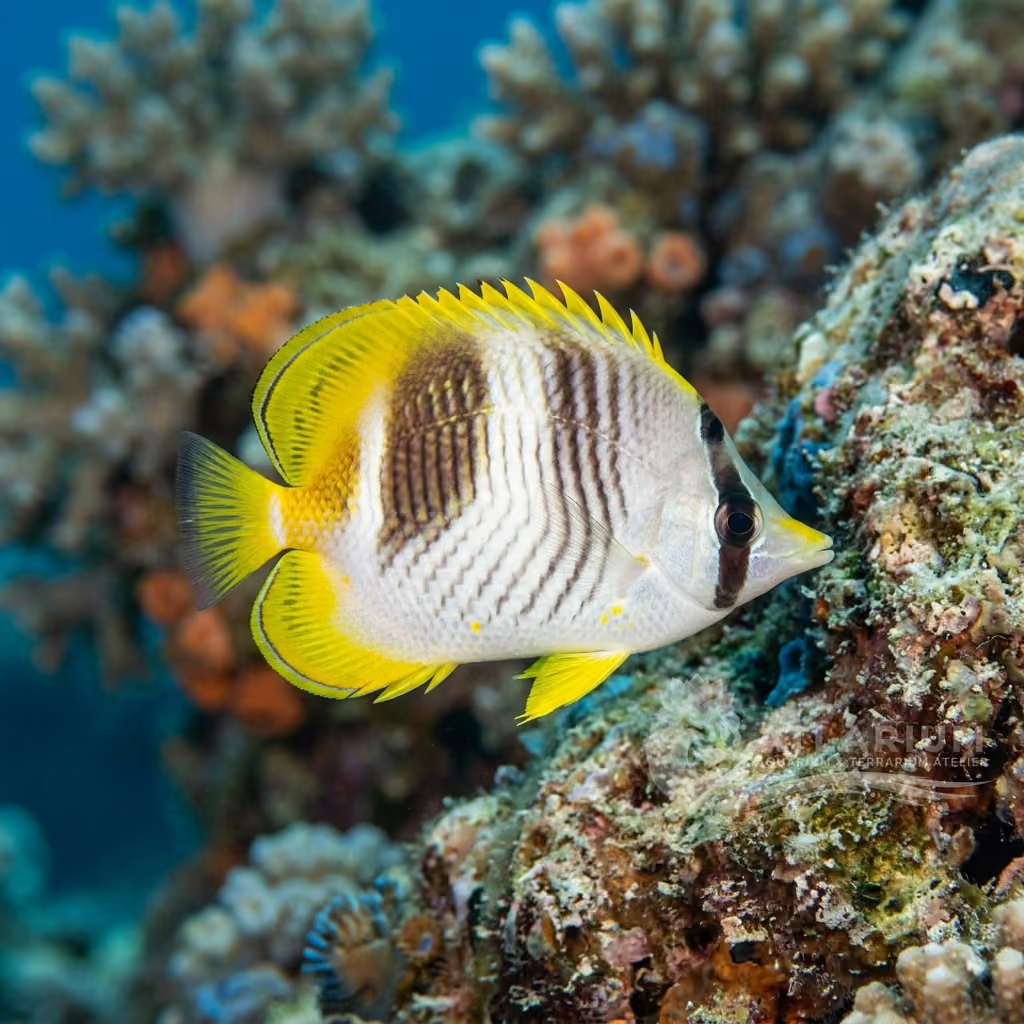
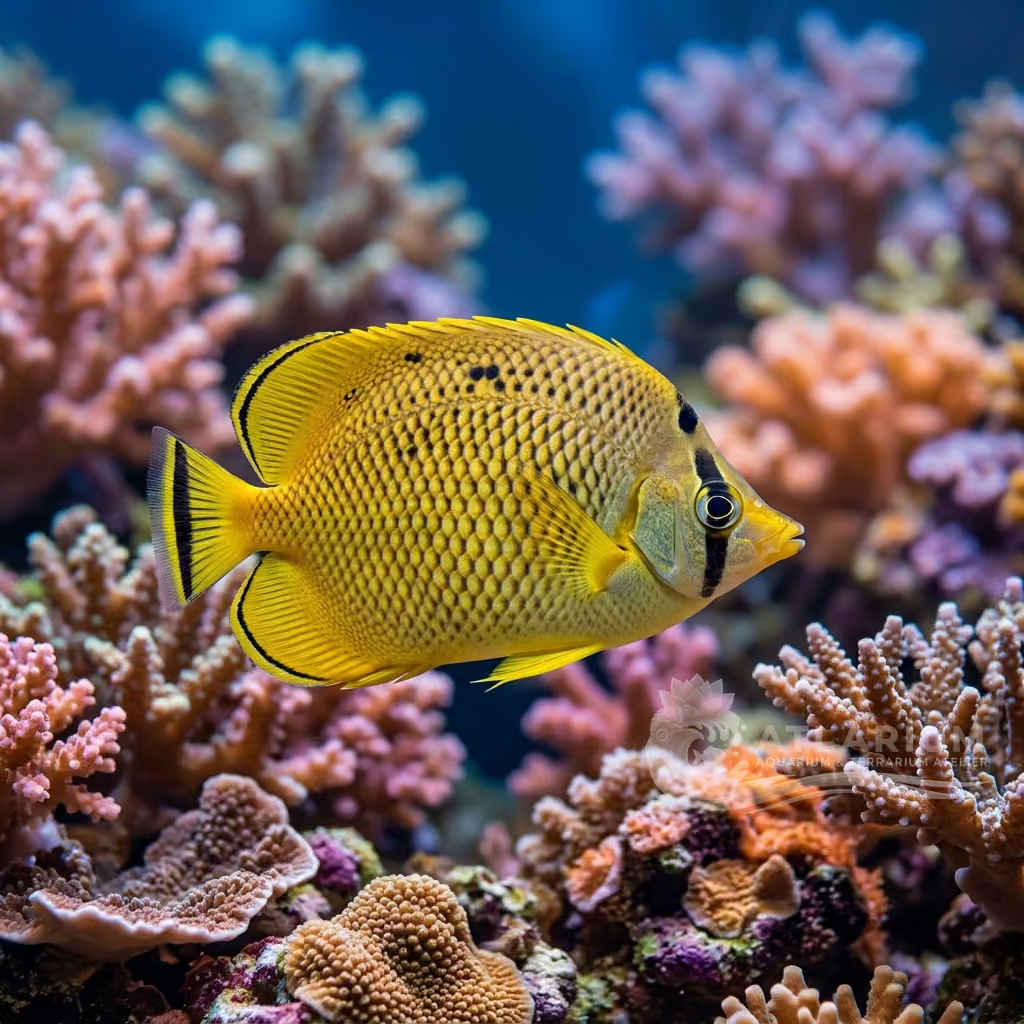
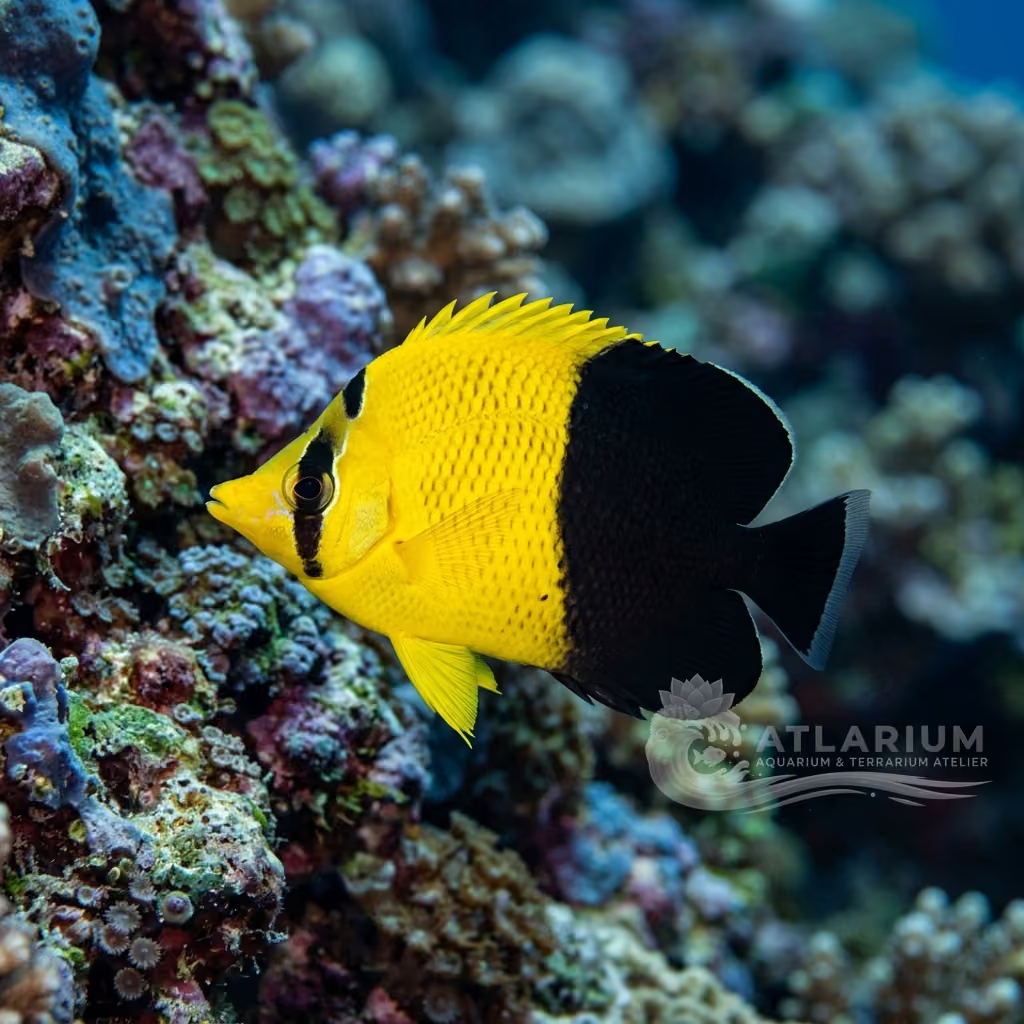
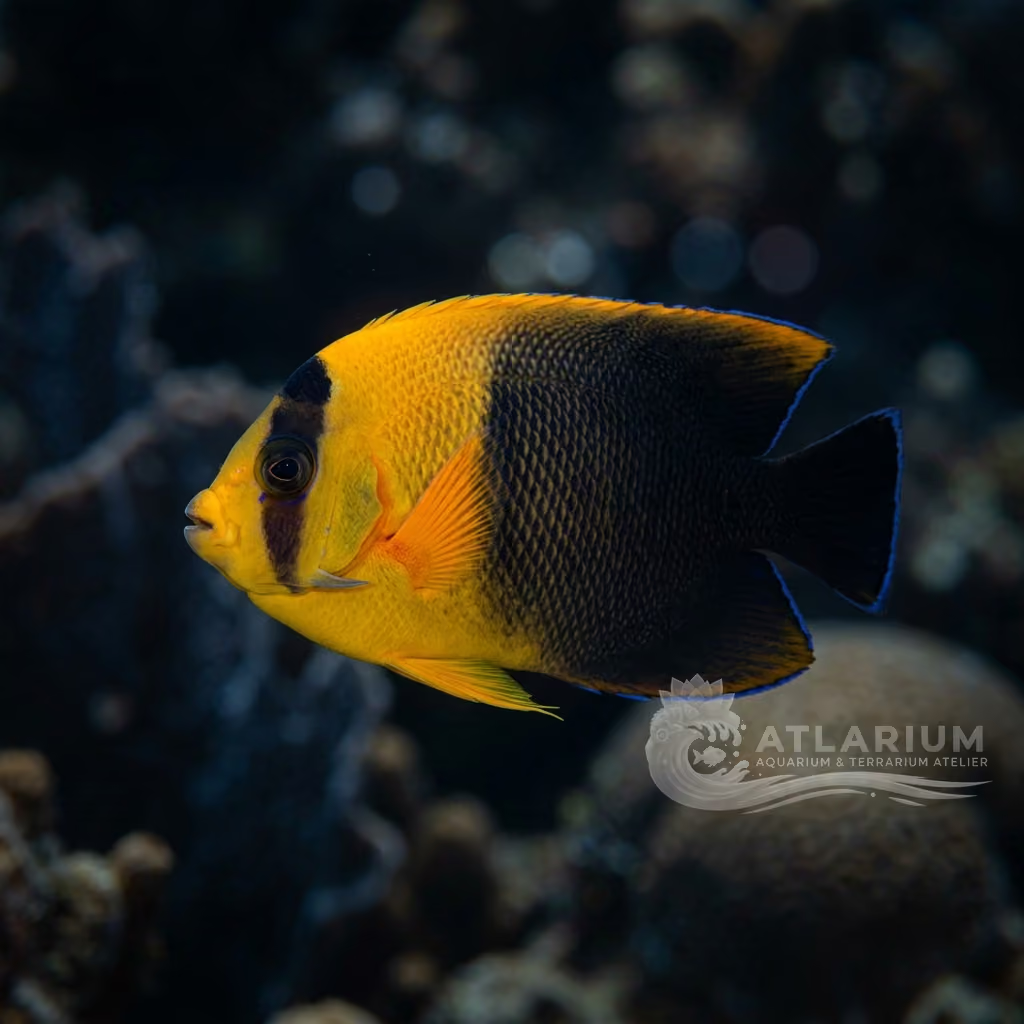
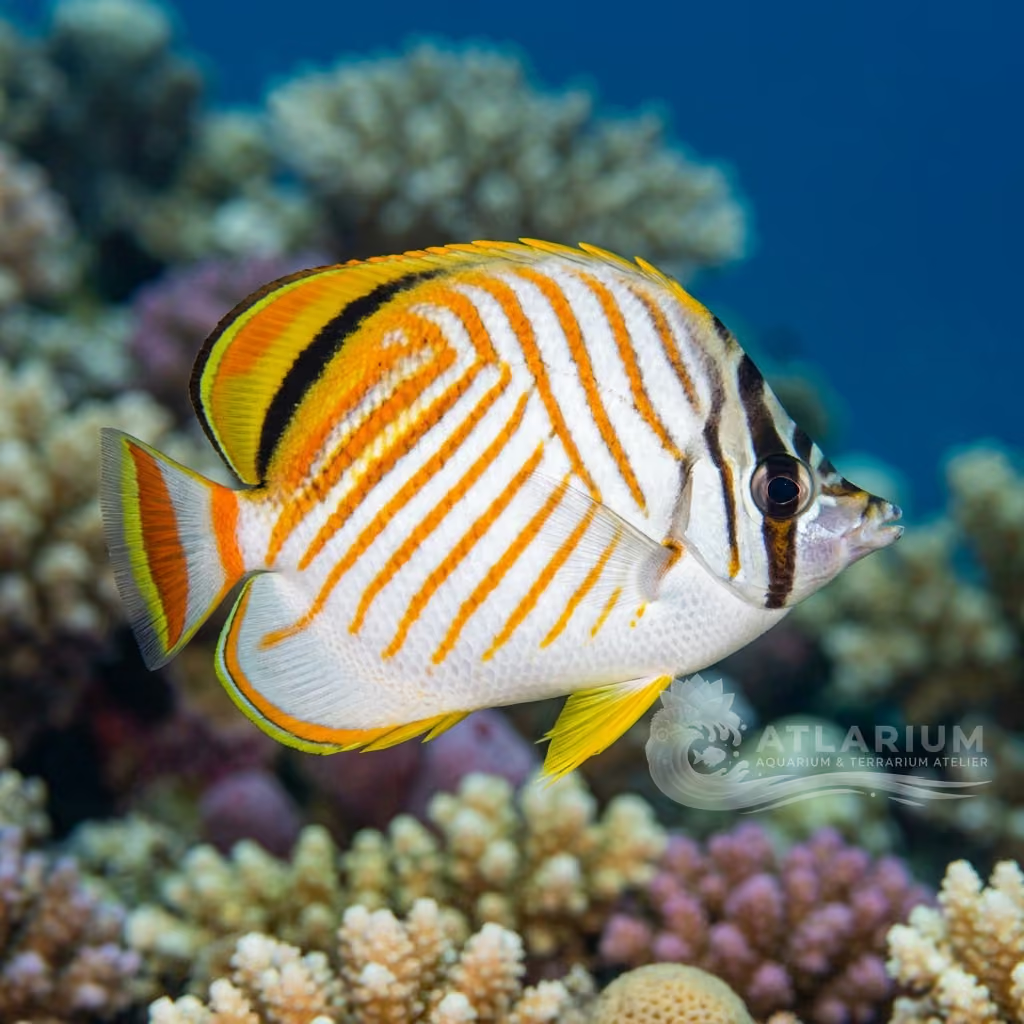
Longnose butterflyfish
Forcipiger flavissimus
Instantly recognizable by its vivid yellow coloration and elongated tubular snout, this elegant butterflyfish flawlessly extracts hidden crustaceans from deep reef crevices. Needs pristine mature tanks.
Water Temperature
24 - 28 °C
pH Value
8.1 - 8.4
Water type
Marine
Tank level
All levels
Adult size
22 cm
Minimum tank volume
>= 350 L
Minimum group
>= 1

Species description
Geographical Origin and Habitat: The Butterflyfish with the widest geographic distribution in the world: inhabits the tropical coral reefs of the Red Sea, the Indo-Pacific and the Eastern Pacific, swimming among the branches of hard corals and along the outer rocky slopes.
Taxonomy and Morphology: Longnose Butterflyfish. Astounding morphology: flat rhomboidal disc-shaped body from which protrudes a very long tubular snout (tweezers), specifically evolved to extract prey from the deepest coral cracks. Reaches 22 cm (9 inches).
Social Behavior: Generally peaceful and tireless explorer. Spends the whole day scanning every crevice of the live rock in search of microfauna. Much more adaptable to life in captivity than the related F. longirostris (which has an even longer snout).
Coloration and Sexual Dimorphism: Chromatically spectacular: the entire body is a very bright lemon yellow. The upper half of the head is black (covers the eye), while the lower half is silvery. Has a flashy black ocellus on the anal fin to deceive predators. Monomorphic.

Care, breeding and tankmates
Aquarium Setup: Demands mature and large tanks (minimum 300 liters / 80 gallons) with hundreds of kilos of excellent quality porous live rock, which will provide it with the hunting territories and shelters necessary to feel at ease. Bright lighting and moderate water movement.
Diet and Feeding: Micro-predatory carnivore. The biggest obstacle is food acclimatization. Initially it will only accept live brine shrimp nauplii, copepods and small frozen mysis offered slowly with a pipette. With patience (a lot), it will get used to small pieces of shrimp meat.
Water Quality: Very sensitive. The water must be chemically perfect. SG 1.023-1.025, pH 8.1-8.4, temperature 24-26°C (75-79°F). The accumulation of nitrates or traces of ammonia lead it in a short time to develop lethal cutaneous bacterial infections.
Compatibility and Cohabitation: It is not "reef-safe" (Caution): it ignores sps corals, but will inexorably destroy tube worms, small ornamental crustaceans, polychaetes, and can pinch fleshy LPS polyps. Cohabits well with quiet fish; avoid aggressive tangs and triggerfish.
Aquarium Breeding: Impossible in home aquariums. They are pelagic spawners that scatter their eggs in the open sea. The larvae go through a complex planktonic stage called "tholichthys", covered in bony plates, before settling in the reef.
Risks and Diseases: Very high risk of death from starvation if placed in sterile tanks devoid of mature live rock. Very easy victim of marine ich (Cryptocaryon irritans). Having little or no epithelial defenses, it tolerates copper-based drugs very badly.

Geographic origin and distribution
The Butterflyfish with the widest geographic distribution in the world: inhabits the tropical coral reefs of the Red Sea, the Indo-Pacific and the Eastern Pacific, swimming among the branches of hard corals and along the outer rocky slopes.
Origin
Tropical oceans and reefsAfrica and Madagascar

Fish profile
- Temperament
- Territorial
- They are highly inquisitive, active, and peaceful towards non-competing tank mates. They spend their days constantly probing crevices with their unique snouts in search of food. While generally hardy once acclimated, they can be easily stressed by aggressive, fast-moving bullies.
- Diet
- Omnivore
- They are specialized carnivores that use their elongated snouts to extract small invertebrates from deep crevices. Their diet must include a variety of finely chopped meaty foods like mysis shrimp, brine shrimp, and finely minced seafood. Enticing them to eat prepared foods can initially be quite challenging.
- Life expectancy
- 8-12 years
- Adult size
- 22 cm
- Sex ratio
- Group
- They are fiercely territorial towards conspecifics and other similarly shaped butterflyfish. They should always be kept singly in a standard marine aquarium to avoid fatal aggression. Only in massively oversized public aquariums can keeping a mated pair be successfully attempted.
- Feeding frequency
- Twice daily
- They possess high metabolisms and require multiple small feedings spread throughout the day. Feeding them two to three times daily with high-quality frozen or live foods is essential for their long-term health. Offering a mature live rock setup allows them to naturally graze between meals.
- Bioload
- High
- The Longnose butterflyfish produces a moderate bioload typical of active, medium-sized marine fish. They require exceptional water quality and a highly mature biological filtration system, including a powerful protein skimmer. Frequent water changes are necessary to keep nitrates at strictly minimal levels.
- Flow
- Strong
- They originate from exposed coral reefs and thrive in areas with strong, turbulent water flow. Good circulation is necessary to ensure high dissolved oxygen and to stimulate their natural foraging behavior. Multiple powerheads providing randomized flow patterns will mimic their natural reef environment perfectly.
- Jump risk
- No
- Reproduction
- Oviparous
- Captive breeding of the Longnose butterflyfish in home aquariums is virtually non-existent. They are pelagic spawners that release eggs directly into the strong ocean currents. The resulting microscopic larvae go through a highly complex, protracted pelagic stage that is impossible to replicate at home.
- Compatibility & tankmates
- Territorial
- They are generally peaceful towards other species but can be targeted by aggressive tangs or angelfish. They are considered reef-safe with caution, as they may occasionally nip at large-polyp stony corals or tube worms. They should absolutely not be kept with other butterflyfish due to territorial disputes.
- Tank level
- All levels
- They are highly active, continuous swimmers that boldly patrol the middle and lower levels of the water column. They spend their entire day methodically inspecting the live rockwork for tiny prey items. A spacious tank with ample open swimming area and complex rockwork is required.

Scientific Parameters & Models
FishBase
Window to the official scientific data of the species
FishBase Catalog curation 2026-05-09Data synced on: 06/15/2026
- Trophic level
- 3.1 ± 0.2 se
- Resilience
- High (less than 15 months)
- Phylogenetic uniqueness (PD50)
- 0.625
- Bayesian Length-Weight
- a = 0.02239, b = 3.01
- VulnerabilityLow vulnerability (12 / 100)

Image gallery
Licensed images linked to the species or, when marked, to the closest representative taxon.

Related species
Recommendations grouped by close relatives, companion choices, and similar care.