

Encyclopaedia
Fiveband Barb
Desmopuntius pentazona
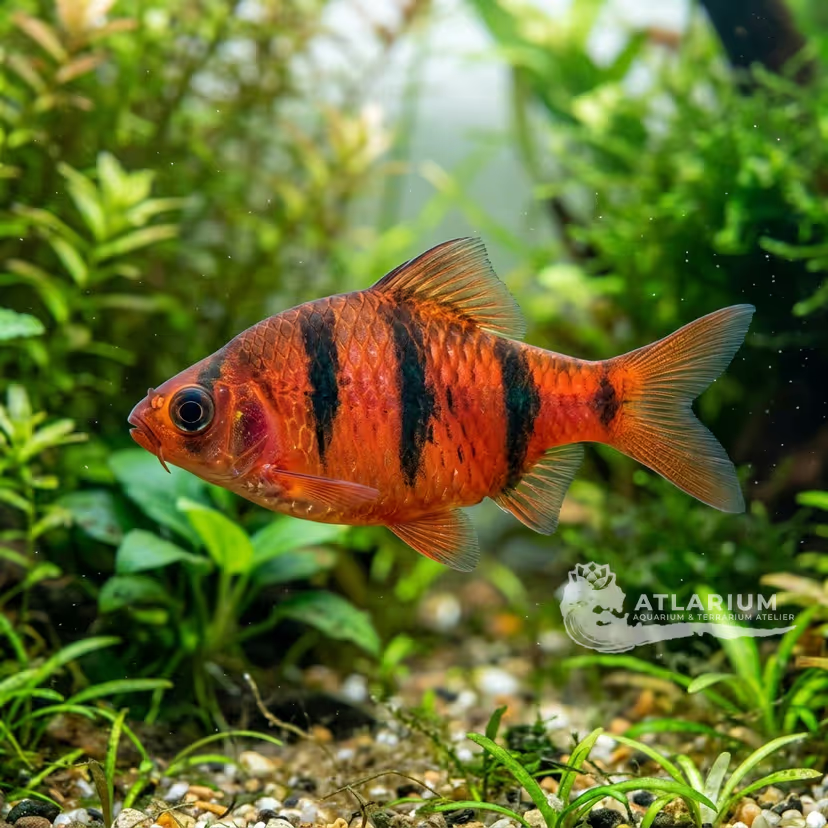
The Fiveband Barb (*Desmopuntius pentazona*) is the good and peaceful alter-ego of the notorious Tiger Barb. At first glance it is very similar to its Sumatran cousin (gold/copper body with vertical stripes), but possesses 5 black bands instead of 4, a significantly more elongated and slender body, and a warmer rust-red coloring. The monumental difference between the two fish is character: the Pentazona is extremely quiet, shy and will never nip the fins of any fish, making it the perfect option for those who love the look of the Tiger Barb but own a quiet South American or Asian community aquarium.
Share
Check out Fiveband Barb on Atlarium
22 - 26 °C
4.5 - 6.5
Freshwater
Bottom
5 cm
>= 80 L
>= 8
1 - 8 dGH
1 - 4 dKH
25 - 160 ppm
39 - 250 uS/cm
Species description
Care, breeding and tankmates
Geographic Origin and Distribution
Origin
Fish profile
- Temperament
- Peaceful
- Diet
- Omnivore
- Sex ratio
- Group
- Feeding frequency
- Twice daily
- Bioload
- The Fiveband barb produces a moderate bioload that is easily managed in a well-maintained, mature aquarium. Due to their schooling nature, keeping them in appropriate numbers will increase the overall waste production, necessitating a robust biological filter. Weekly water changes of around 20-30% are highly recommended to maintain the pristine water conditions they need to show their best colors.
- Flow
- Strong
- Jump risk
- No
- Reproduction
- Egg scatterer
- Compatibility & tankmates
- Peaceful
- Tank level
- Bottom
Window to the official scientific data of the species
Scientific Parameters & Models
- Trophic level
- 2.9 ± 0.3 se
- Resilience
- High (less than 15 months)
- Phylogenetic uniqueness (PD50)
- 0.5039
- Bayesian Length-Weight
- a = 0.01072, b = 3.02
Image gallery
Licensed images linked to the species or, when marked, to the closest representative taxon.
Related species
Recommendations grouped by close relatives, companion choices, and similar care.
Variants and close relatives
Same atlas type, nearby scientific identity, genus, or family.
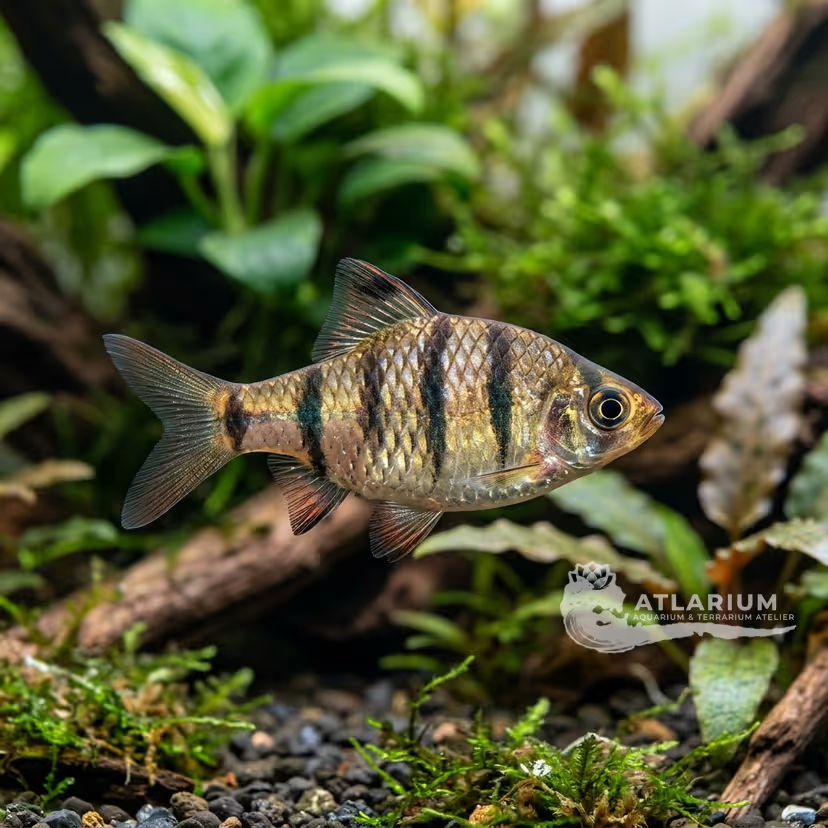
Sixbelt Barb
Desmopuntius hexazona
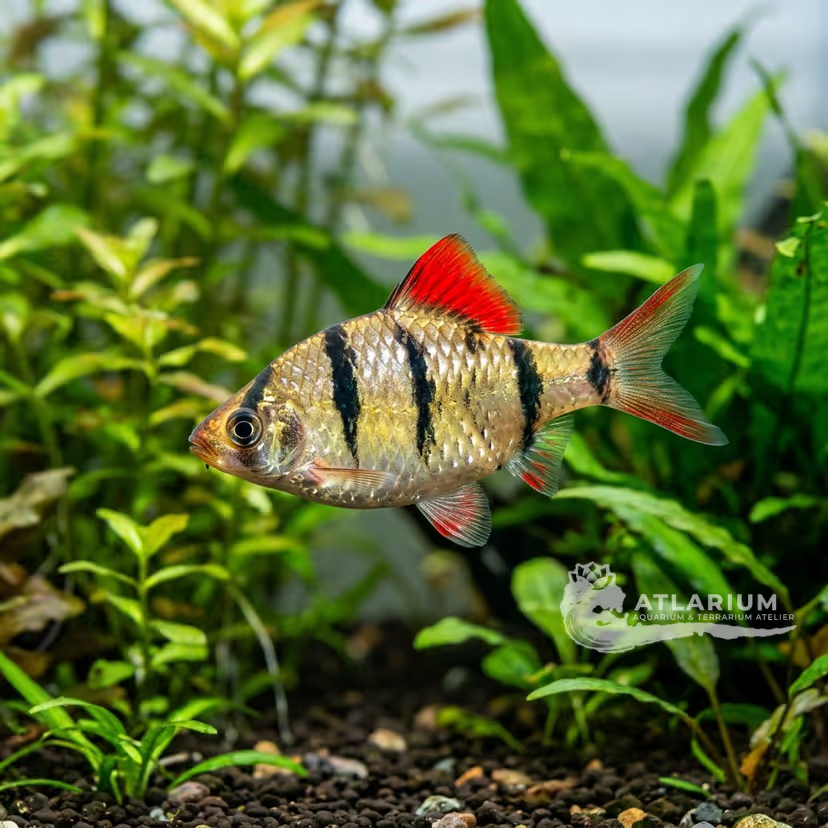
Partipentazona Barb
Puntigrus partipentazona
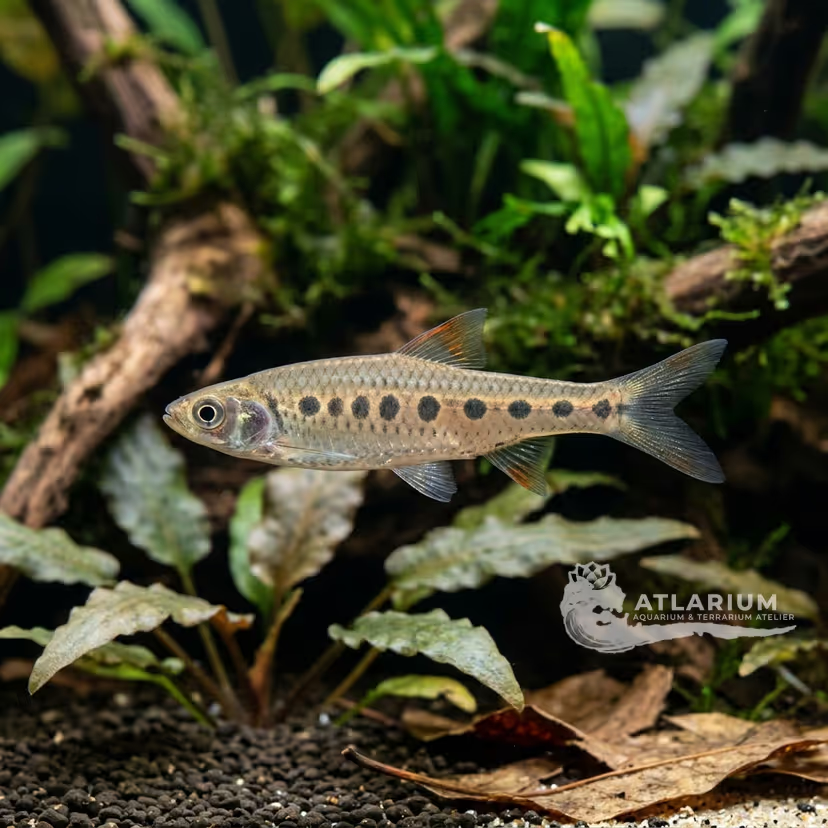
Porthole Rasbora
Rasbora cephalotaenia

Brilliant Rasbora
Rasbora einthovenii
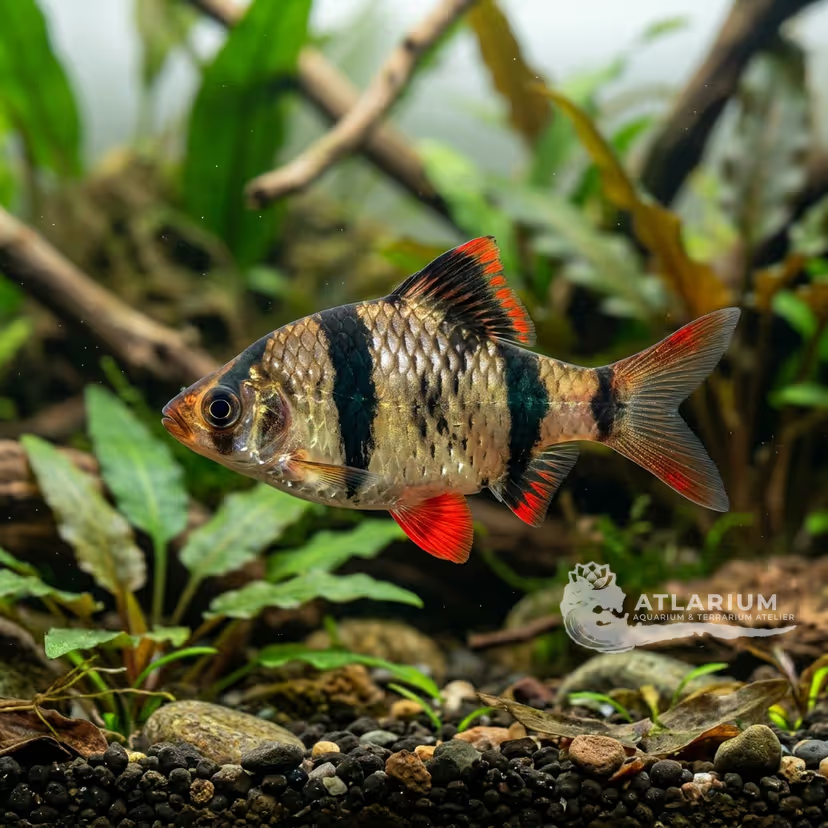
Borneo Tiger Barb
Puntigrus anchisporus
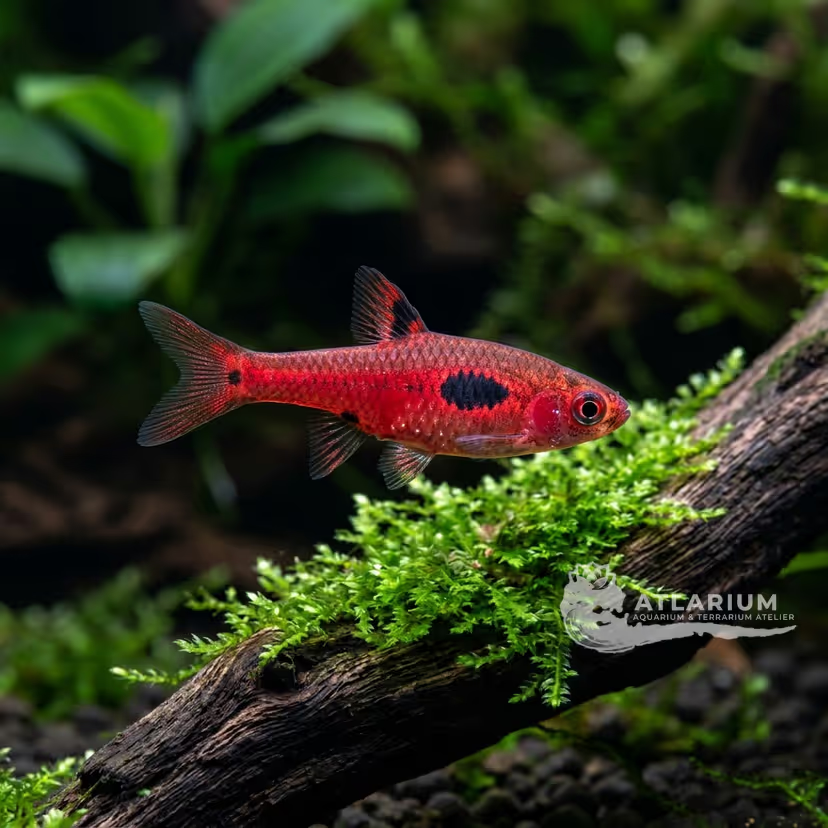
Strawberry Rasbora
Boraras naevus

Two-spot Rasbora
Rasbora elegans
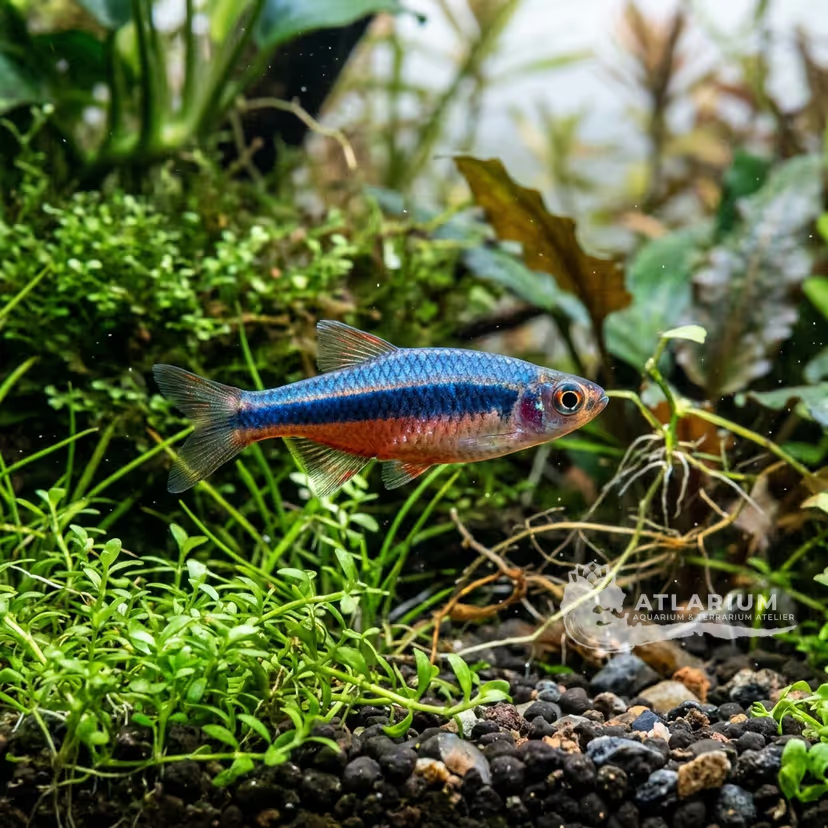
Axelrod's Rasbora
Sundadanio axelrodi
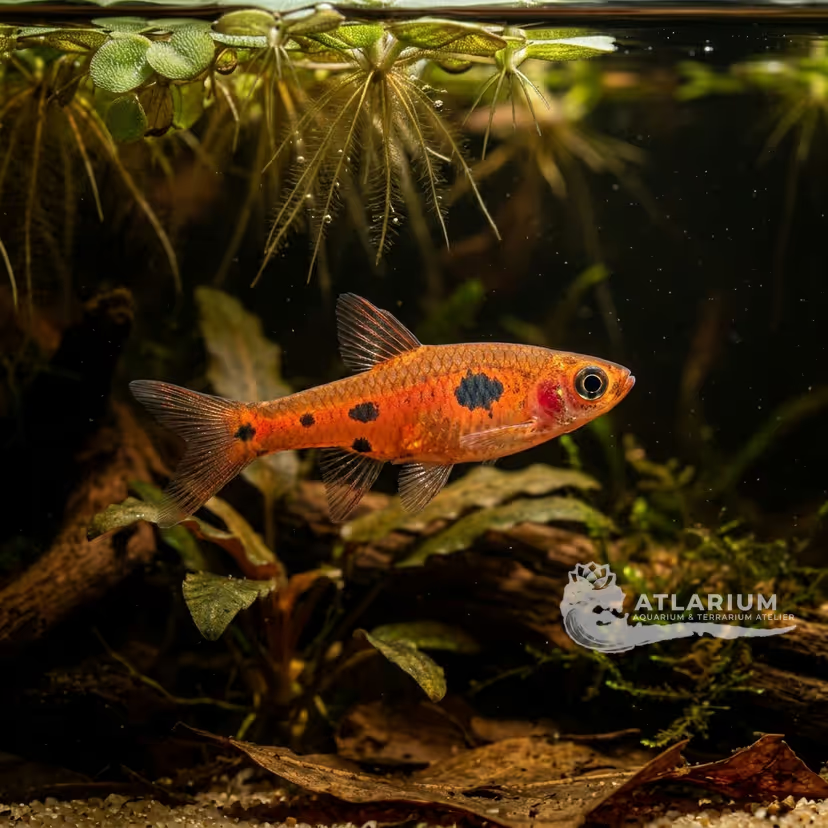
Dwarf rasbora
Boraras maculatus
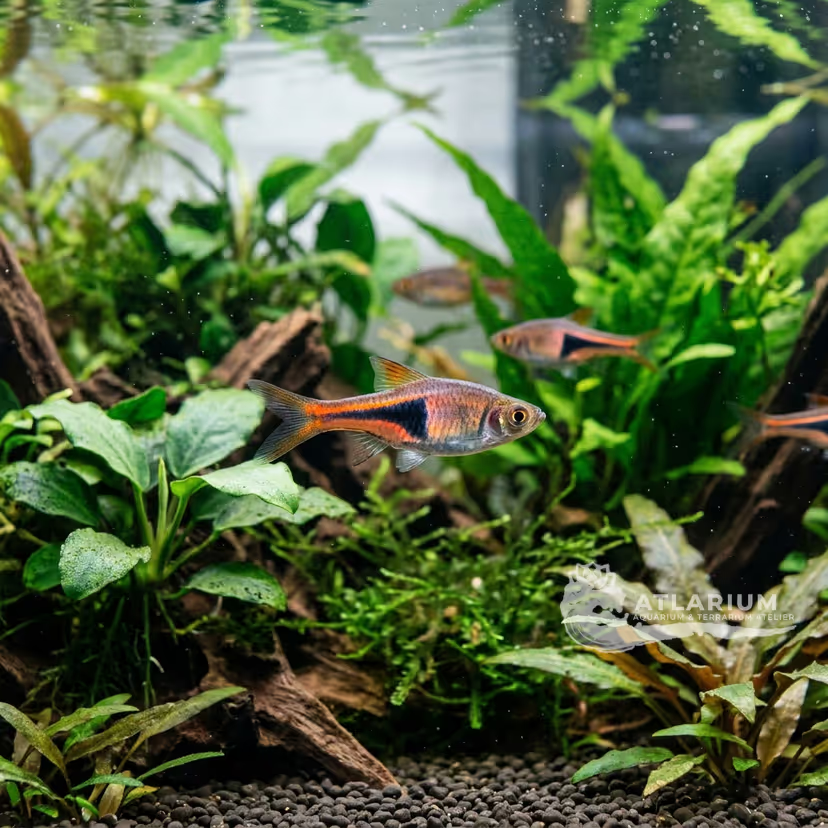
Glowlight Rasbora
Trigonostigma hengeli
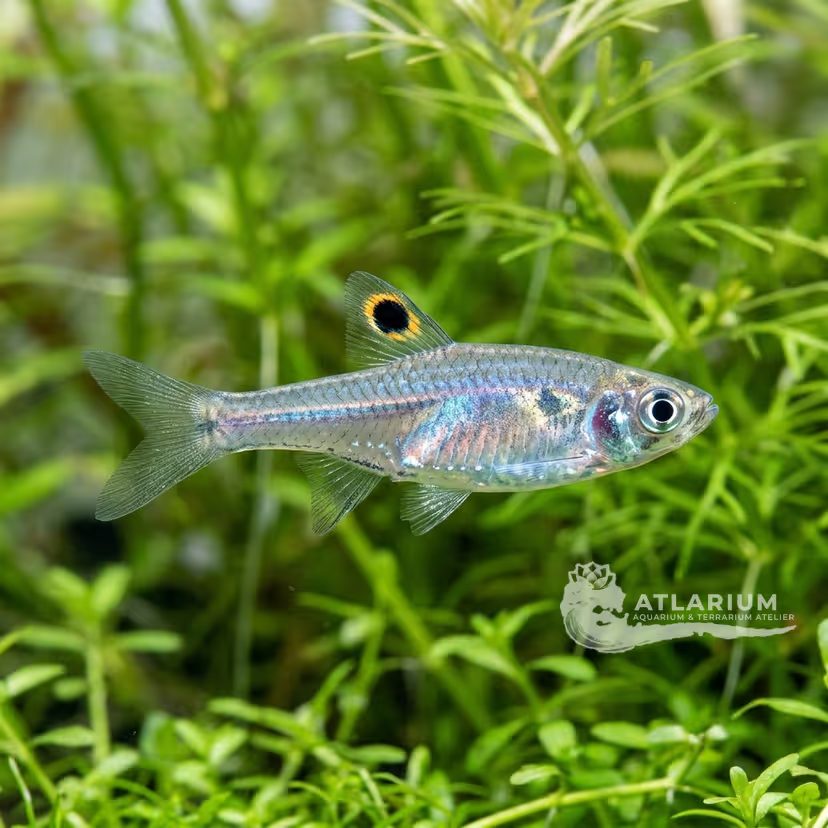
Emerald Eye Rasbora
Brevibora dorsiocellata

Chili Rasbora
Boraras brigittae
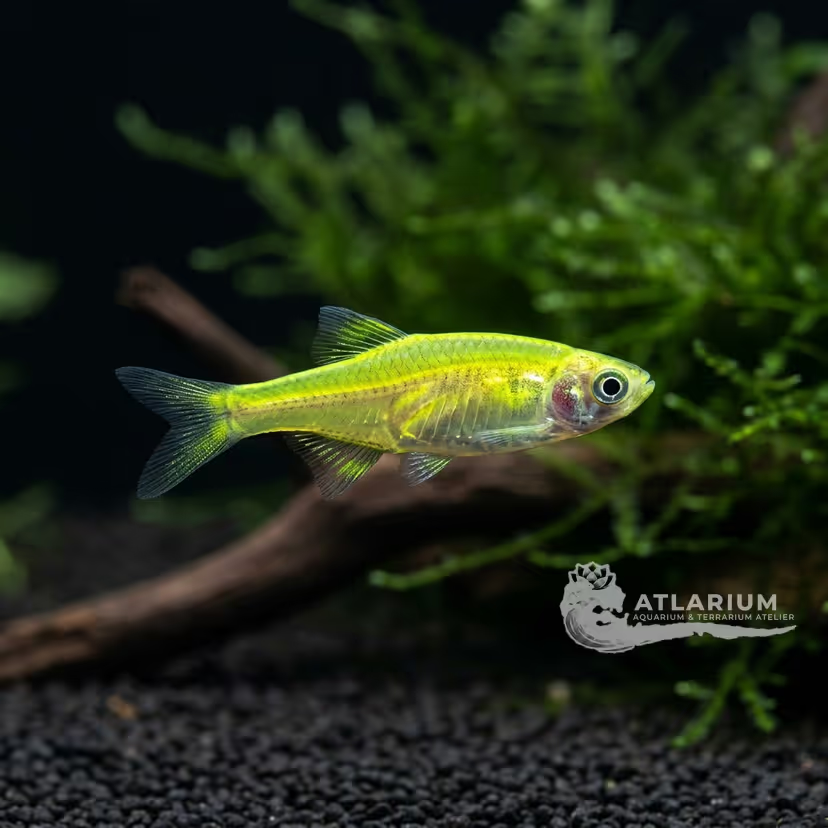
Neon green rasbora
Microdevario kubotai
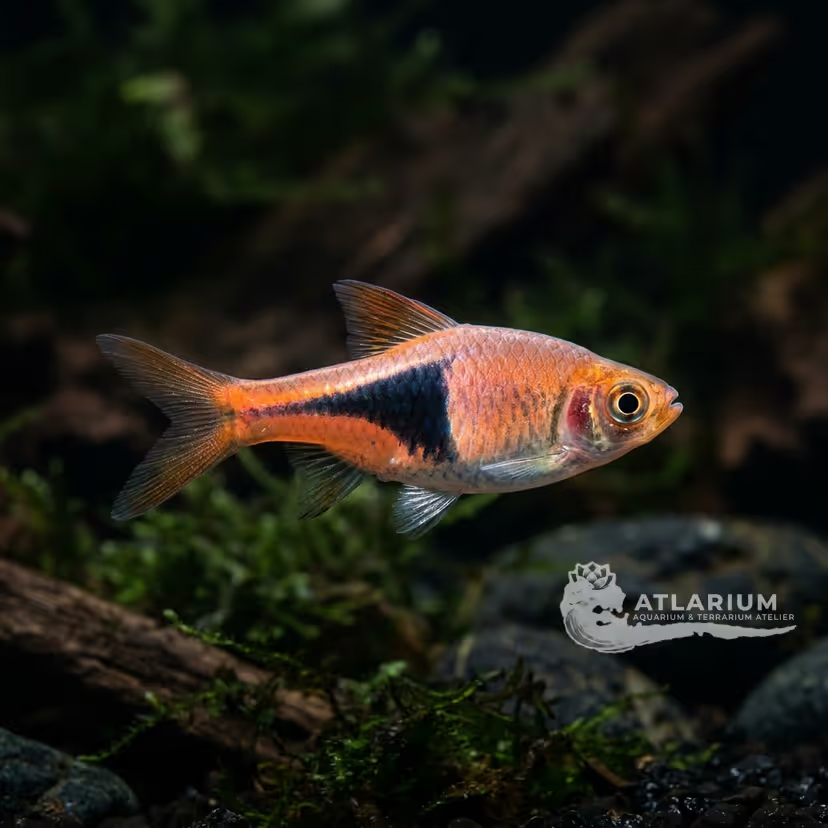
Harlequin Rasbora
Trigonostigma heteromorpha
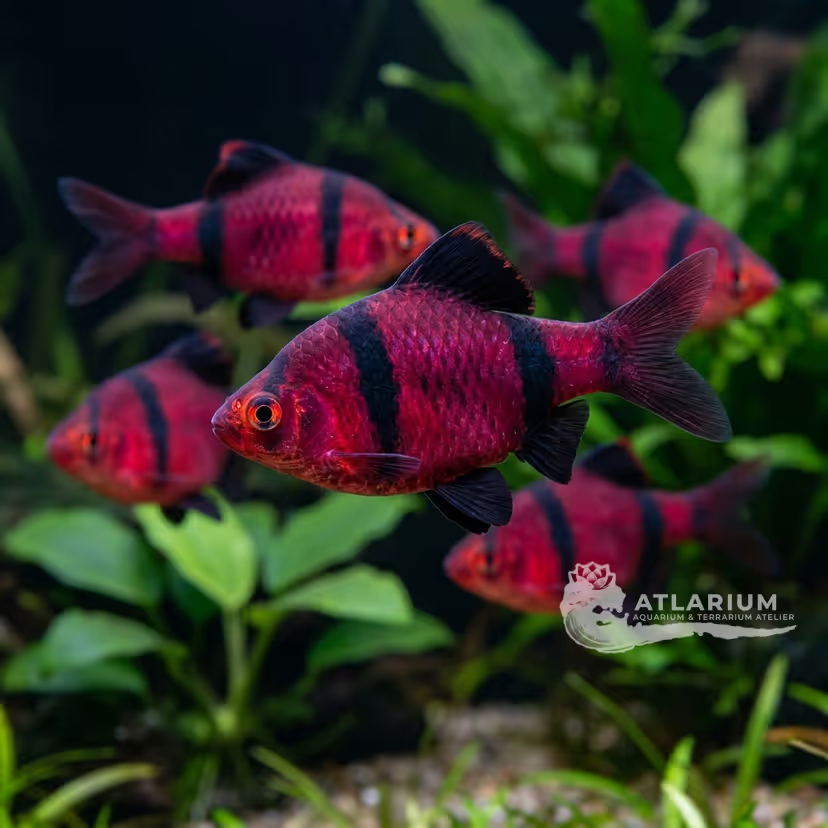
Black Ruby Barb
Pethia nigrofasciata
Melon Barb
Haludaria fasciata
Recommended companions
Compatible cards from coherent ecosystems with matching parameters.

Aldrovanda vesiculosa
Aldrovanda vesiculosa

Blyxa alternifolia
Blyxa alternifolia

Blyxa cf. vietii
Blyxa cf. vietii

Ammannia latifolia
Ammannia latifolia

Aciotis acuminifolia
Aciotis acuminifolia
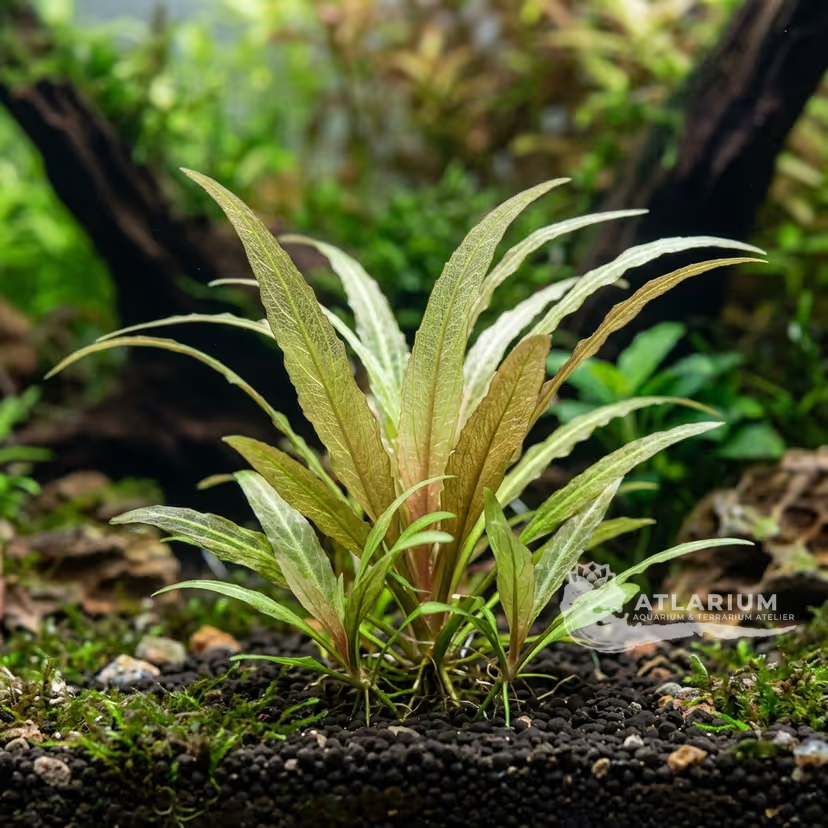
Blyxa japonica var. alternifolia
Blyxa japonica var. alternifolia

Alternanthera reineckii "rosaefolia minor"
Alternanthera reineckii "rosaefolia minor"

Barbula sp.
Barbula sp.

Ammannia sp. 'Bonsai'
Ammannia sp. 'Bonsai'
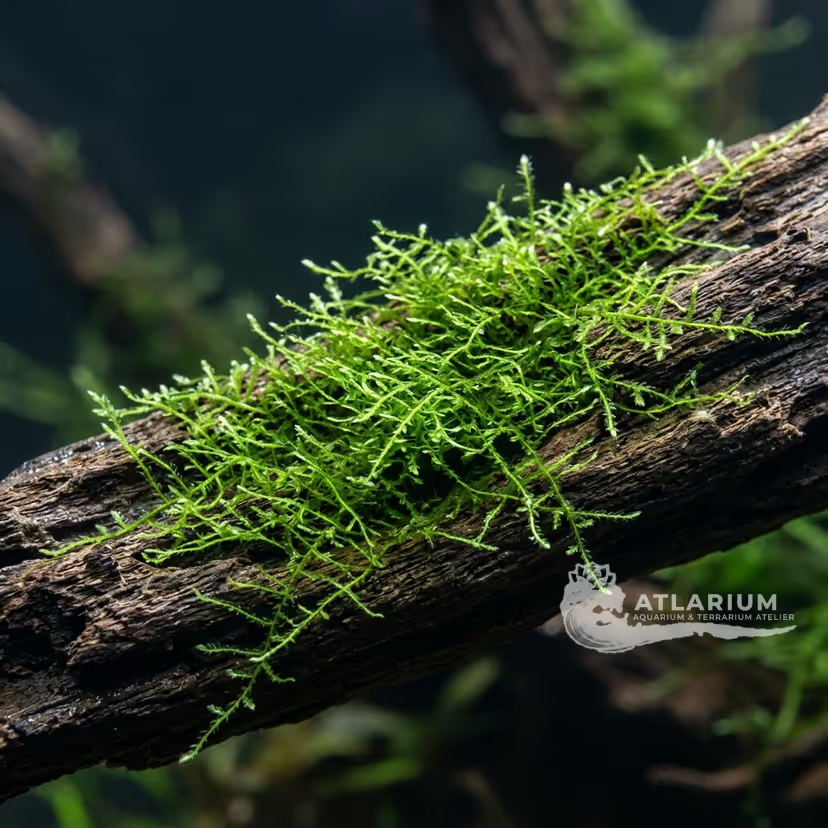
Amblystegium serpens
Amblystegium serpens

Ammannia praetermissa
Ammannia praetermissa
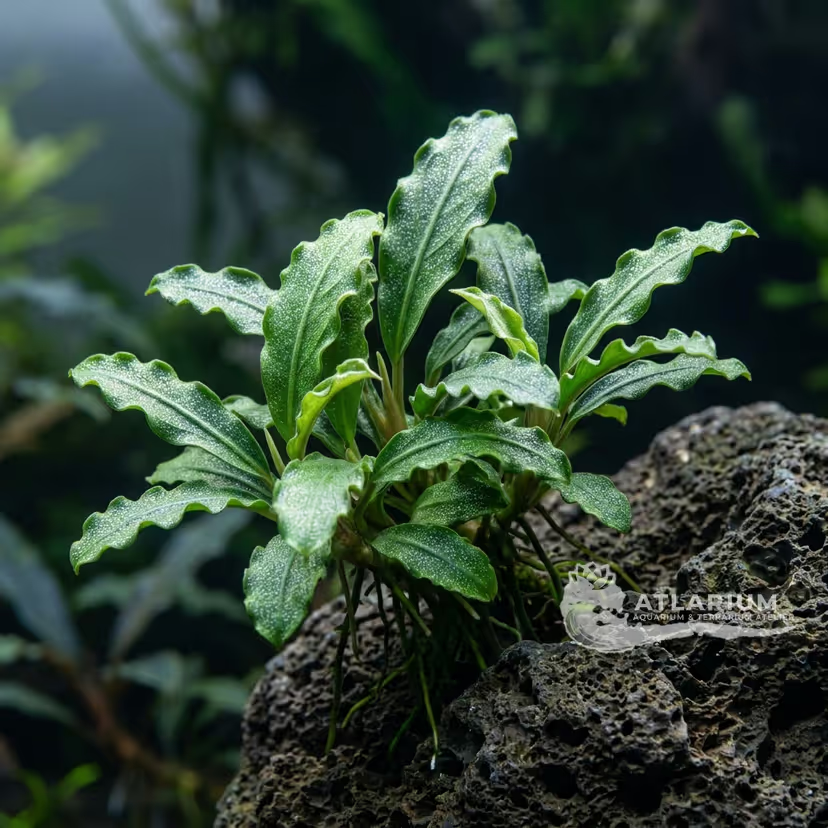
Bucephalandra pygmaea "Bukit Kelam / Sintang"
Bucephalandra pygmaea "Bukit Kelam / Sintang"
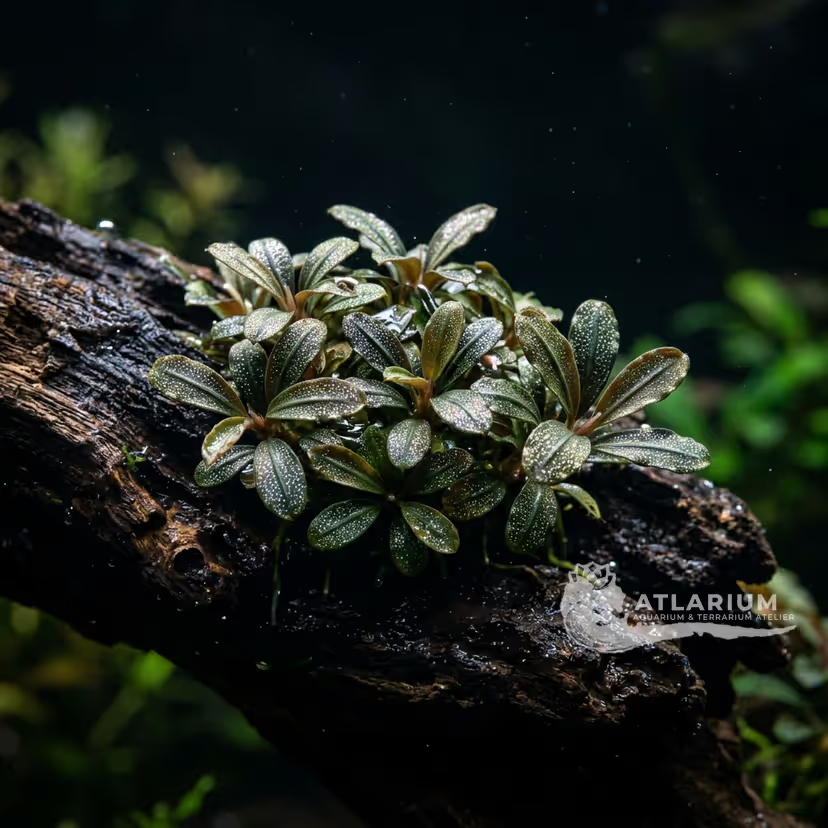
Bucephalandra pygmaea "Kapit"
Bucephalandra pygmaea "Kapit"
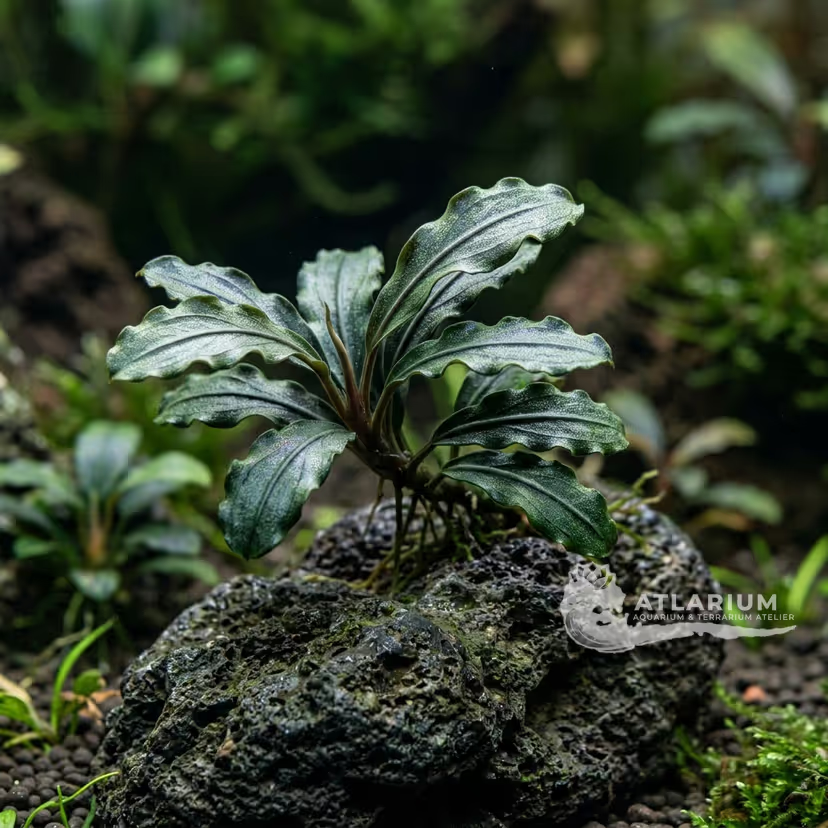
Bucephalandra sordidula
Bucephalandra sordidula
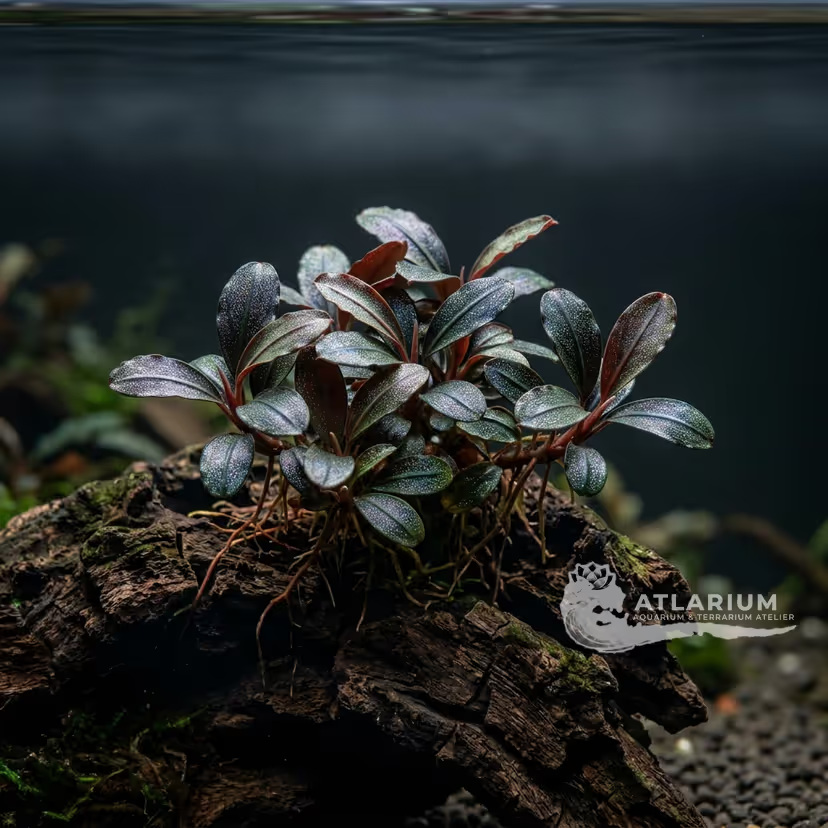
Bucephalandra sp. "Bodok"
Bucephalandra sp. "Bodok"

Bucephalandra sp. "Braun-rot narrow"
Bucephalandra sp. "Braun-rot narrow"
Similar care
Cards with similar requirements, difficulty, habitat, and husbandry profile.

Lambchop Rasbora (Espei Rasbora)
Trigonostigma espei

Bandit cory
Corydoras metae
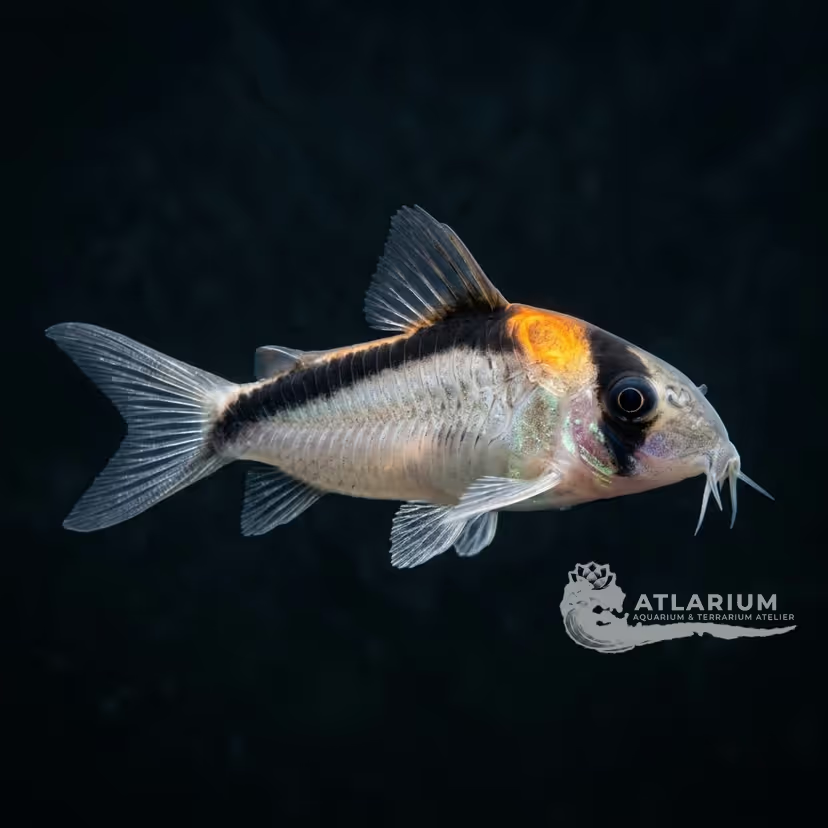
Adolfo's cory
Corydoras adolfoi
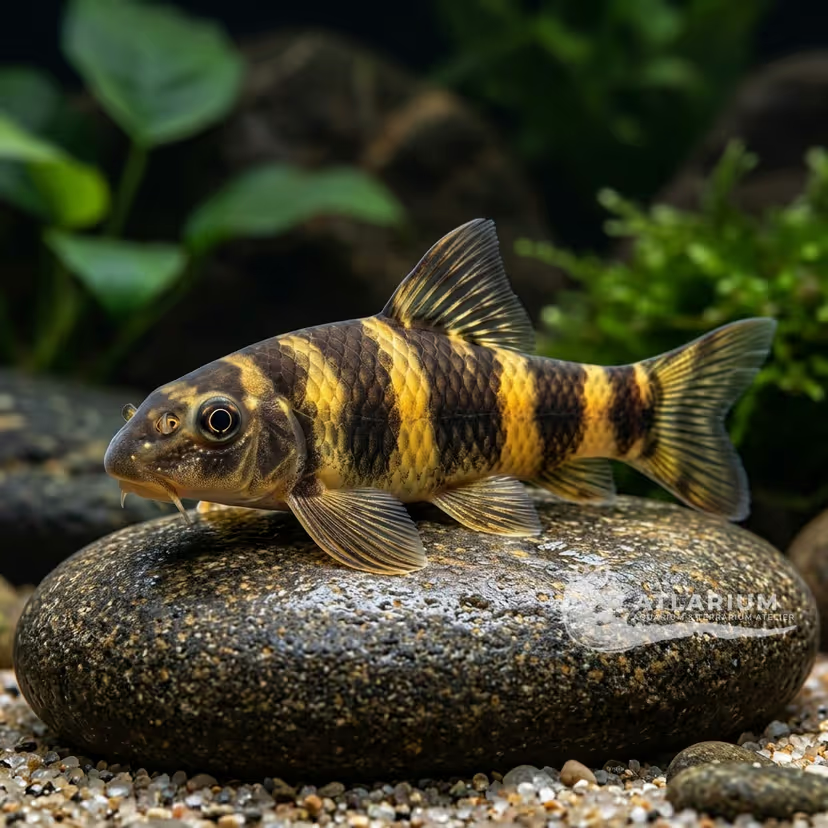
Panda Garra
Garra flavatra

Checker Barb
Oliotius oligolepis

Cherry Barb
Puntius titteya
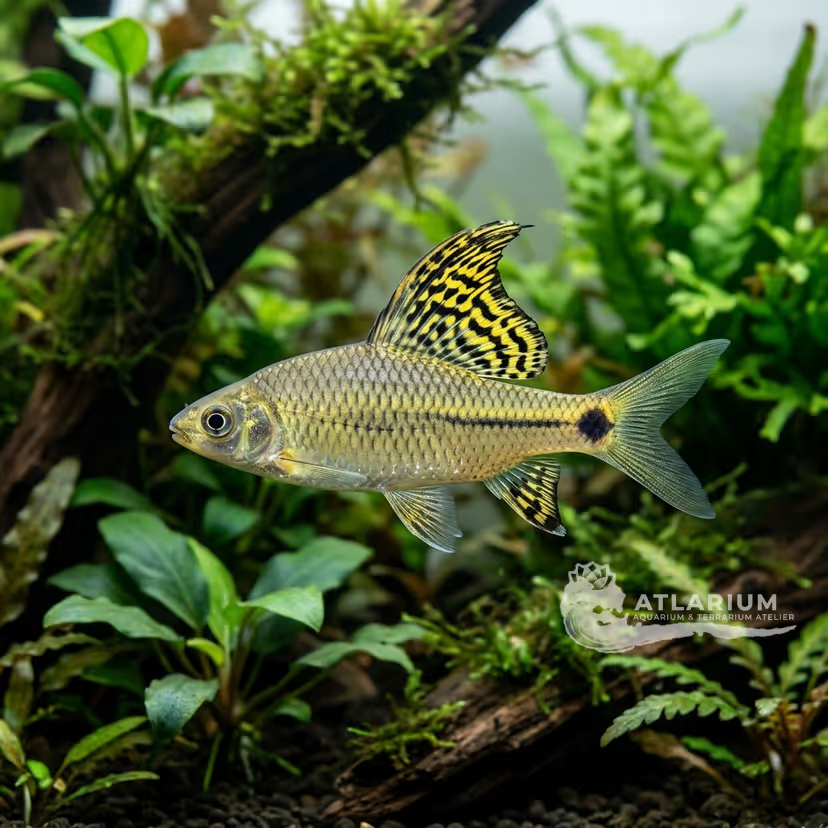
Highfin Barb
Oreichthys crenuchoides
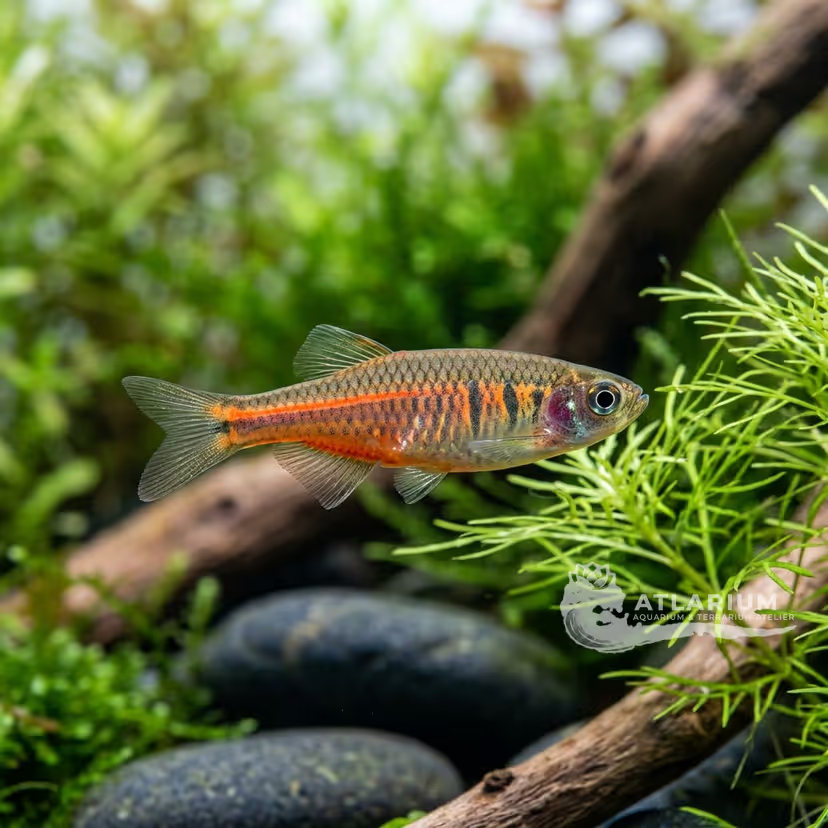
Glowlight Danio
Danio choprae
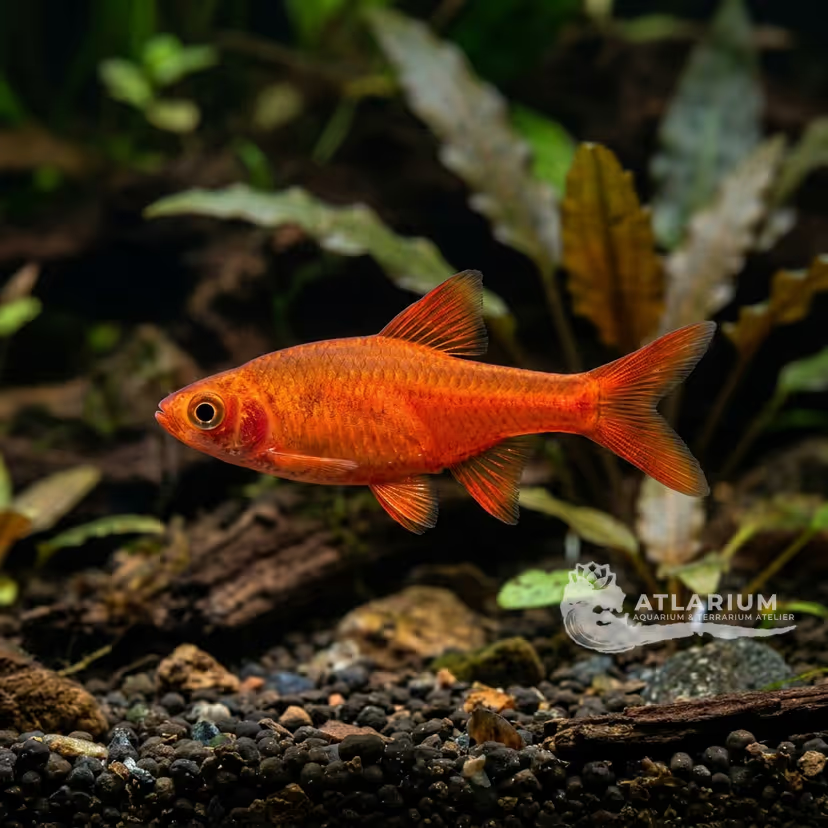
Fire Rasbora / Pearly Rasbora
Rasboroides vaterifloris
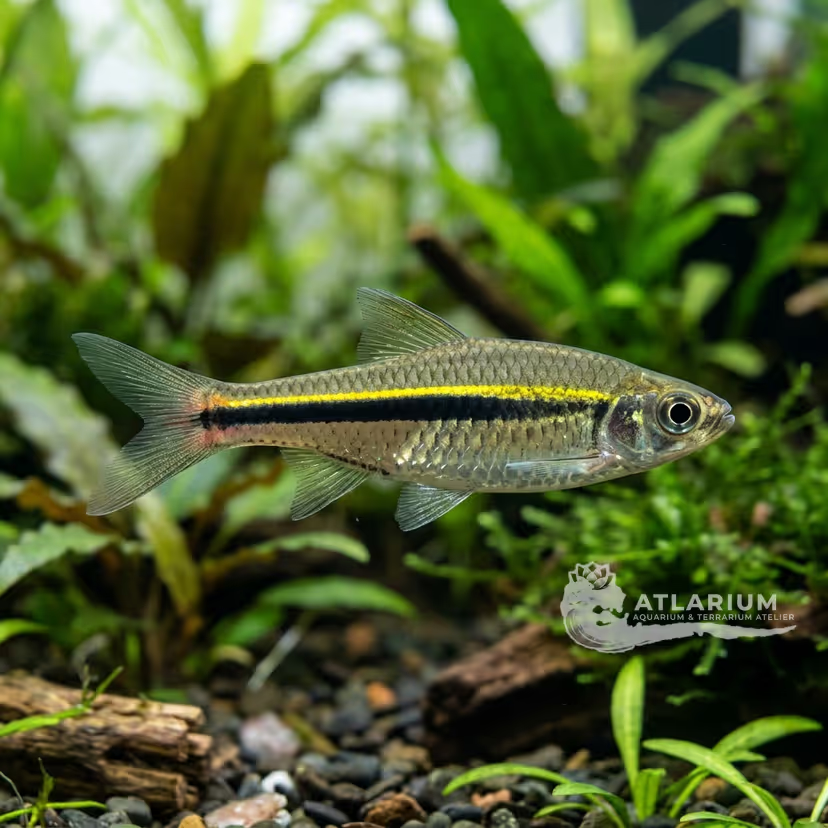
Blackline Rasbora
Rasbora borapetensis
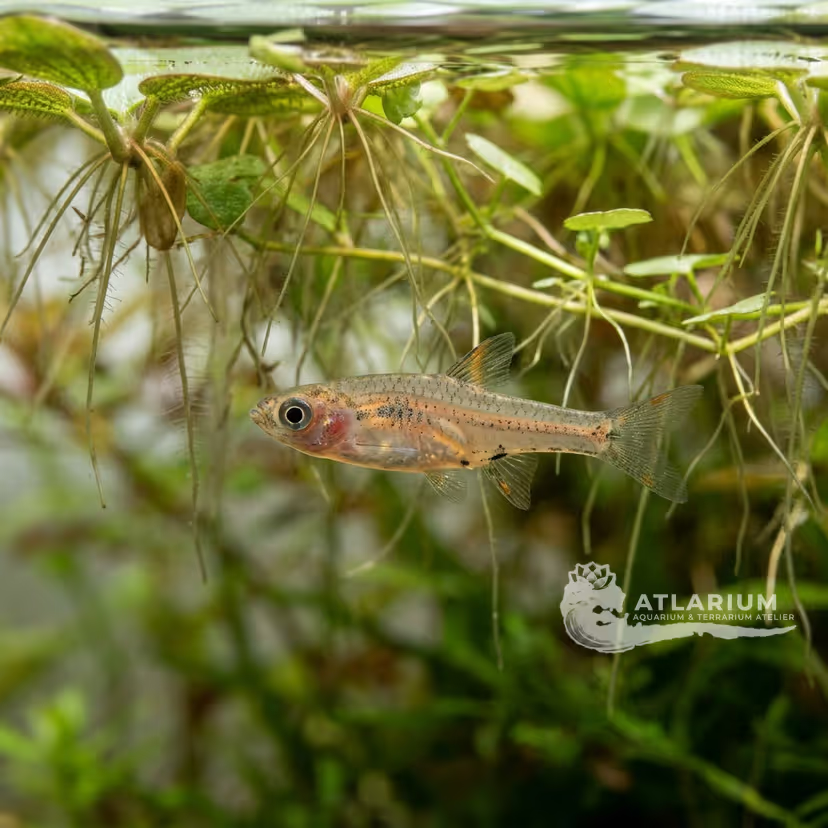
Micros Rasbora
Boraras micros

Pink Corydoras (Axelrod's Cory)
Corydoras axelrodi
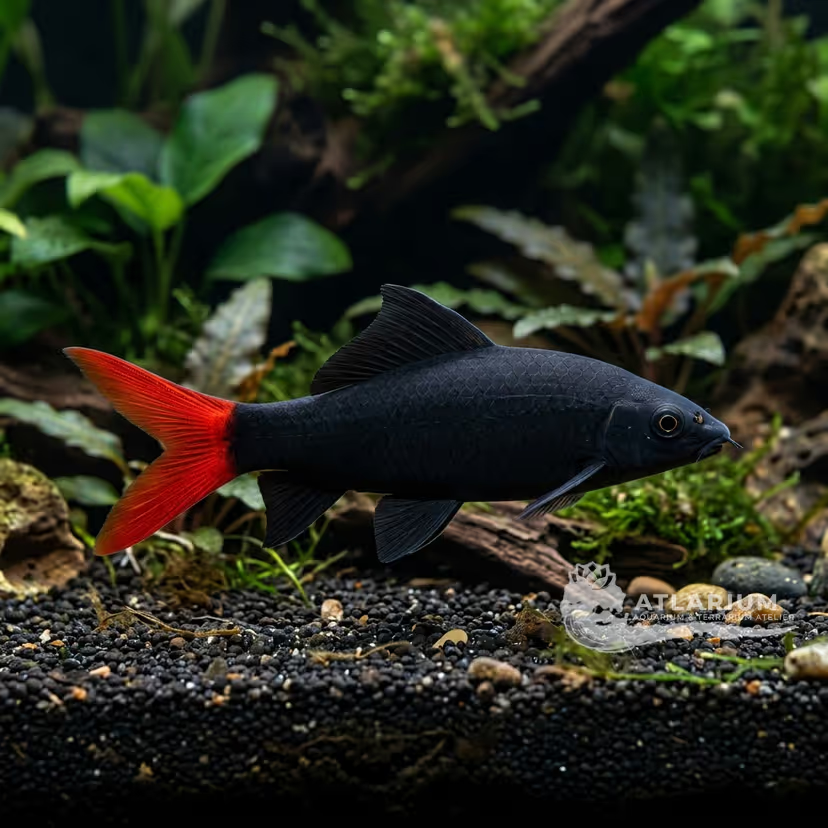
Red Tail Shark
Epalzeorhynchos bicolor

False Bandit Cory
Corydoras melini
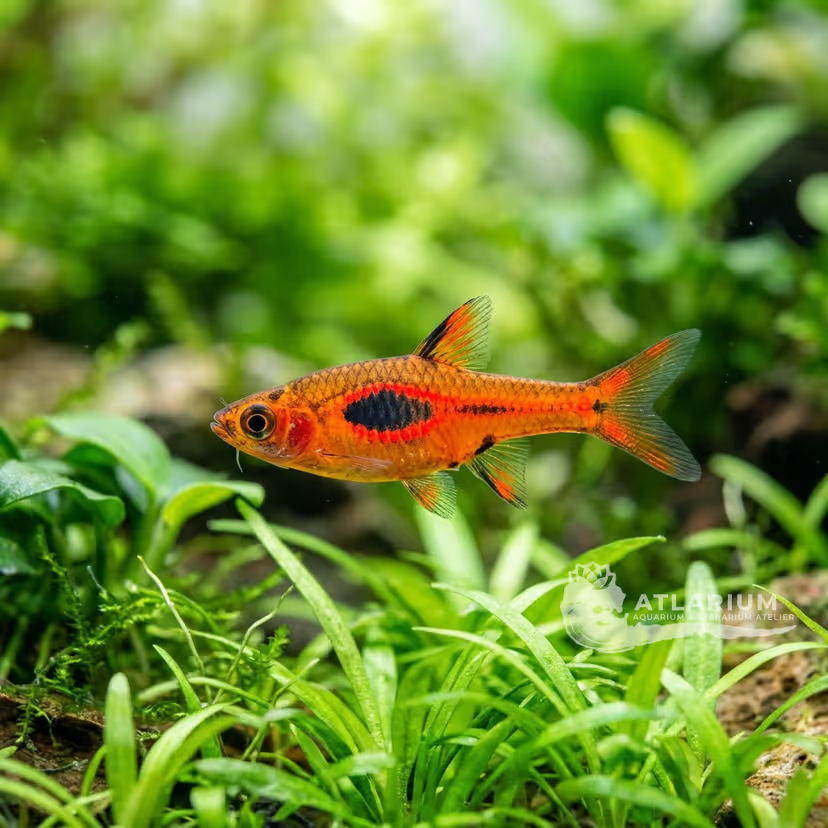
Phoenix rasbora
Boraras merah

Smudge Spot Cory
Corydoras similis