Porthole Rasbora
Rasbora cephalotaenia
One of the largest Rasboras in existence. A majestic dark-water surface predator, measuring a full 13 cm (5 inches), decorated with a unique dark lateral band that breaks into round spots resembling small portholes.
Water Temperature
22 - 26 °C
pH Value
4.5 - 6.5
Water type
Freshwater
Tank level
Surface and middle
Adult size
13 cm
Minimum tank volume
>= 180 L
Minimum group
>= 1
GH
1 - 5 dGH
KH
1 - 2 dKH
TDS
25 - 95 ppm
Conductivity
39 - 148 uS/cm

Species description
Geographical Origin and Habitat: Endemic to the blackwater peat swamps and flooded forests of insular and peninsular Southeast Asia. This is an extreme habitat, with water dark as strong tea, incredibly low pH (below 5.0), and a total absence of hardness due to immense amounts of decaying organic material.
Taxonomy and Morphology: Cyprinidae. Unlike the average for its genus (which sits around 4-5 cm), this is a true giant, approaching 13 centimeters (5.1 inches) in length. The body is a narrow torpedo shape, with a large, sharply upward-angled mouth, the perfect evolution for surface hunters.
Social Behavior: Very active and peaceful toward similarly sized fish, but frighteningly fast. Being an opportunistic predator, it will swallow anything that fits in its mouth. Moves predominantly in the upper layers. It remains a gregarious fish that must be kept in schools (at least 6, ideally 8-10).
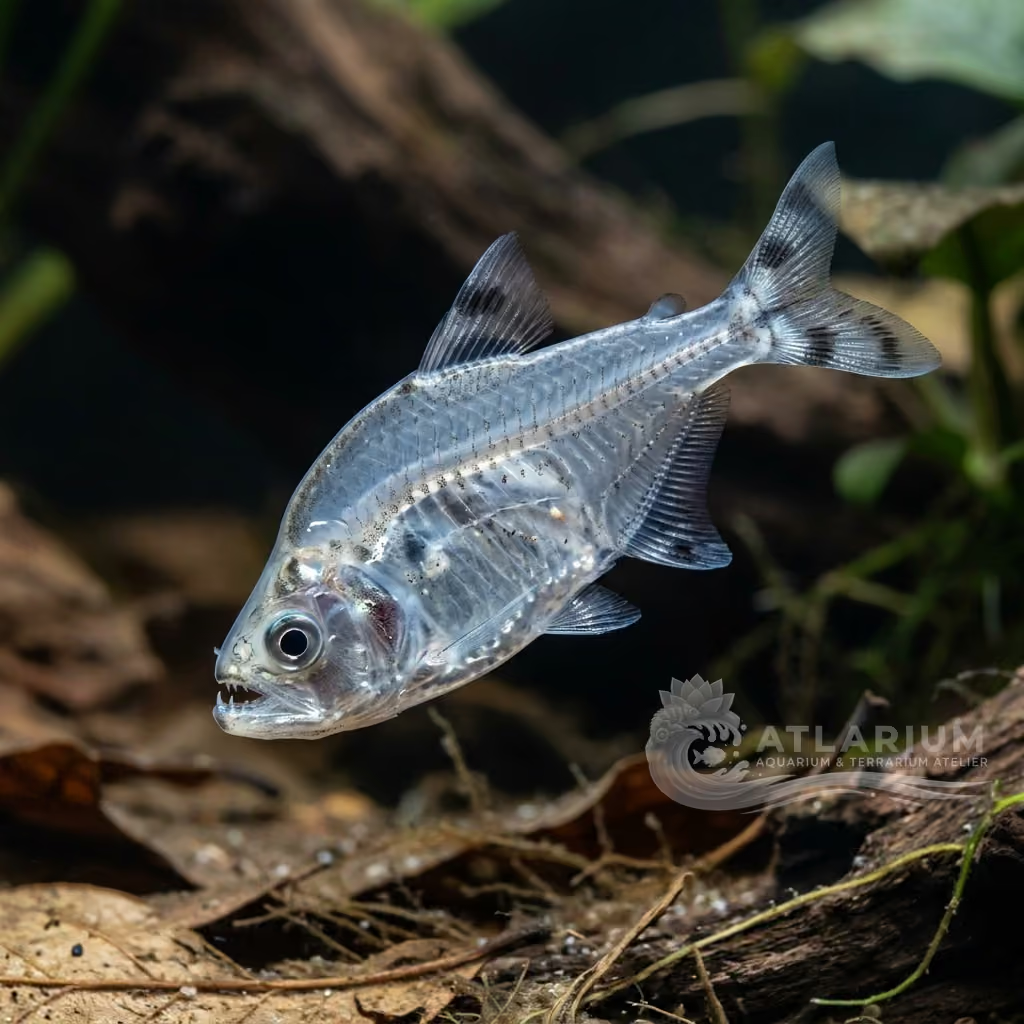
Coloration and Sexual Dimorphism: Antique silver or dark copper base. It takes its name from the characteristic lateral pattern: instead of a solid line, two narrow parallel black lines run along the flank, merging into a series of round spots forming a chain or 'porthole' motif. Females are noticeably plumper and deeper-bodied; males are streamlined torpedoes, with warmer, coppery reflections.

Care, breeding and tankmates
Aquarium Setup: Being lightning-fast giants, they demand XL tanks (absolute minimum 120-150 cm / 48-60 inches in length). This fish STRICTLY requires a Blackwater biotope: almost zero light, tangled driftwood, dried leaves on the bottom to release tannins, and floating plants to shield the surface. Heavy glass lid: a 5-inch muscle-bound fish will smash through light netting or thin plexiglass if it jumps.
Diet and Feeding: Omnivorous macro-predator. Devours commercial surface food with unheard-of ferocity. Prefers large prey such as chopped earthworms, jumbo bloodworms, krill, and dried/live crickets dropped on the water's surface.
Water Quality: This is its greatest limitation: it cannot tolerate hard, alkaline tap water. It requires pure reverse-osmosis water, extremely soft (GH 1-5), and decidedly acidic (pH 4.5 - 6.5). Temperatures between 22 and 26°C (72-79°F). Highly sensitive to ammonia spikes.
Compatibility and Cohabitation: Terrible choice for a general community tank with small fish. It will eat Neons, dwarf rasboras (Boraras), or guppies. Excellent for tanks with large Asian peat-swamp fish, such as medium Loaches, large Gouramis (e.g. Pearl Gouramis), and large Asian Cichlids.
Aquarium Breeding: Very rare in captivity due to the tank size required for spawning and the extreme acidic parameters needed to condition the female. They are free-spawners and, naturally, will devour the eggs if hungry.
Risks and Diseases: They stress out, fade, and fall ill from lethal bacterial/fungal infections if kept in hard, neutral, or alkaline waters. Fatal leaps from the tank due to their hyperactivity.

Geographic origin and distribution
Endemic to the blackwater peat swamps and flooded forests of insular and peninsular Southeast Asia. This is an extreme habitat, with water dark as strong tea, incredibly low pH (below 5.0), and a total absence of hardness due to immense amounts of decaying organic material.
Origin
North AmericaSouth and Southeast Asia

Fish profile
- Temperament
- Semi-aggressive
- They exhibit a peaceful but incredibly active and boisterous temperament. They are constantly on the move, which can stress very shy fish. Kept in a proper school, they focus mostly on interacting with each other.
- Diet
- Omnivore
- They are robust omnivores that eat a wide range of foods. High-quality pellets or larger flakes should form the base of their diet. They highly appreciate regular offerings of bloodworms, daphnia, and chopped earthworms.
- Life expectancy
- 5-8 years
- Adult size
- 13 cm
- Sex ratio
- Group
- Maintaining a balanced ratio of males to females in a group of at least six is ideal. Males are generally slimmer and more intensely colored during breeding conditioning. A larger group diffuses any minor intra-species chasing.
- Feeding frequency
- Twice daily
- Adults should be fed once or twice a day with nutrient-dense foods. Ensure they consume their meal within a few minutes to prevent spoilage. Fasting them one day a week can aid their digestion.
- Bioload
- Low to Medium
- This is a larger rasbora species, so it produces a moderate bioload. Adequate filtration is necessary to handle the waste of an adult school. Regular tank maintenance will ensure the water remains pristine and well-oxygenated.
- Flow
- Stagnant
- They originate from clear, flowing forest streams and appreciate moderate to strong current. A powerhead can provide the necessary flow and oxygenation they desire. Proper flow encourages their natural schooling and swimming behaviors.
- Jump risk
- Yes
- Given their torpedo-shaped bodies and active nature, they are skilled jumpers. A heavy, tight-fitting lid must be in place at all times. Leaving the tank uncovered during maintenance requires constant vigilance.
- Reproduction
- Oviparous
- Breeding requires a spacious tank with soft, slightly acidic water and dense vegetation. They scatter their eggs among the plants and abandon them immediately. The parents should be removed post-spawning to maximize fry survival.
- Compatibility & tankmates
- Semi-aggressive
- They are active and peaceful, making good companions for medium-sized fish. Loaches, larger tetras, and peaceful cichlids are suitable tank mates. Extremely small tank mates might be outcompeted for food or accidentally eaten.
- Tank level
- Top/Middle
- They are powerful swimmers that occupy the middle to upper levels of the tank. They need plenty of unobstructed horizontal swimming space. Tall background plants can make them feel more secure.

Scientific Parameters & Models
FishBase
Window to the official scientific data of the species
FishBase v25.04Data synced on: 06/15/2026
- Trophic level
- 3.2 ± 0.4 se
- Resilience
- High (less than 15 months)
- Phylogenetic uniqueness (PD50)
- 0.5
- Bayesian Length-Weight
- a = 0.00776, b = 3.01
- VulnerabilityLow vulnerability (10 / 100)

Related species
Recommendations grouped by close relatives, companion choices, and similar care.