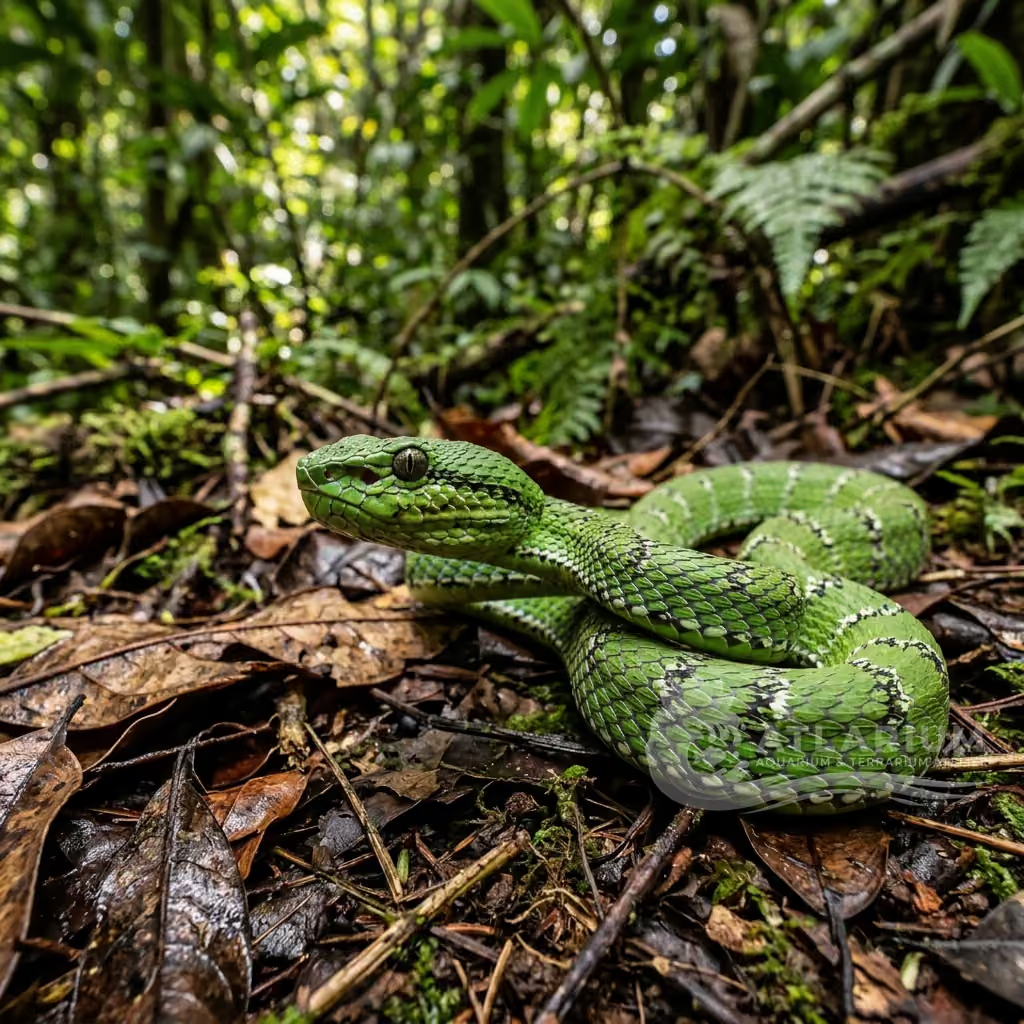
Asp viper
Vipera aspis
The Asp Viper of Western Europe favors sunny, dry, rocky habitats. A highly venomous ambush hunter, it requires a secure, horizontally structured terrarium and brumation.
Environment
Terrestrial
Humidity
45 - 65 %
Day temperature
10 - 28 °C
Ambient temperature
10 - 28 °C
Night temperature
19 - 21 °C
Basking spot
28 - 30 °C
Adult size
65 cm
Minimum enclosure
>= 120 L
Brumation temperature
4 - 8 °C

Species description
Geographical Origin and Habitat: The Asp Viper is native to Western Europe, highly prevalent in France, Italy, Switzerland, extreme southwestern Germany, and northern Spain. It inhabits sunny, dry environments including rocky hillsides, scrublands, open deciduous forests, stone walls, and alpine pastures up to elevations of 2,500 meters.
Taxonomy and Genetics: Belonging to the family Viperidae, subfamily Viperinae, and genus Vipera. Several subspecies are currently recognized: Vipera aspis aspis, Vipera aspis francisciredi, Vipera aspis hugyi, and Vipera aspis zinnikeri, differentiated primarily by geographic distribution, ventral scale counts, and color variations.
Behavior and Habits: Strictly solitary and diurnal. During the hottest summer weeks, it may switch to crepuscular activity. It undergoes brumation (winter dormancy) from late October to March. It is an ambush hunter, using its venom containing neurotoxic and proteolytic enzymes to subdue prey.
Morphology: A relatively short snake, typically measuring 60 to 75 cm. It features a distinct triangular head with a slightly upturned snout tip. The eyes have vertical slit pupils. The dorsal pattern is highly variable, ranging from light gray and tan to dark brown or black, with a darker zig-zag pattern or crossbands.

Care, breeding and tankmates
Terrarium Setup: A horizontally structured enclosure of at least 100x50x50 cm is required, secured with professional safety locks. Substrate should consist of dry soil mixed with gravel, decorated with stable flat stones, dry leaf litter, and hollow logs to create hideouts.
Lighting and Heating: Provide a thermal gradient with a basking spot of 28-30°C (82-86°F) and a cool zone of 20-22°C (68-72°F). Night temperatures should fall to 16-18°C (60-64°F). Install a moderate-output UVB light source on a 10-12 hour daily schedule.
Humidity and Hydration: Maintain low to moderate humidity (40-50%). Lightly mist a corner of the cage once a week. Keep a shallow, heavy water dish in the cool section, ensuring it is cleaned and refilled with fresh water regularly.
Feeding and Supplementation: Offer thawed domestic mice of appropriate size every 10-14 days. Feeding must be done exclusively using long forceps to prevent any defensive strikes. Supplementation with vitamins is generally unnecessary if feeding healthy rodents.
Compatibility: Strictly solitary and venomous. House individually to prevent territorial stress or potential fighting. Keeping venomous snakes requires specialized safety equipment (hooks, shift boxes) and complying with local regulatory laws.
Health and Common Diseases: High humidity, poor ventilation, or wet substrates cause blister disease (scale rot) and respiratory infections. It requires a mandatory brumation period at 5-8°C (41-46°F) for 3-4 months to maintain long-term health and fertility.

Geographic origin and distribution
The Asp Viper is native to Western Europe, highly prevalent in France, Italy, Switzerland, extreme southwestern Germany, and northern Spain. It inhabits sunny, dry environments including rocky hillsides, scrublands, open deciduous forests, stone walls, and alpine pastures up to elevations of 2,500 meters.
Origin
Europe, Mediterranean, and West Asia

Reptile profile
- Diet
- Carnivore
- The Asp viper predominantly preys on small mammals, with a strong preference for voles, shrews, and field mice. It relies on an ambush strategy, patiently waiting along animal trails and using its venom to strike passing rodents. Birds and ground-dwelling lizards also occasionally form part of its diet, especially in areas where mammalian prey is scarce. Juvenile Asp vipers feed almost exclusively on small lizards until they can manage larger prey.
- Adult size
- 65 cm
- Lifestyle/Microhabitat
- Terrestrial
- This is a terrestrial snake strongly associated with dry, sunlit, rocky regions, scrublands, and open woodlands where it relies on ground-level cover to hide from predators.
- Activity cycle
- Diurnal
- It is predominantly a diurnal snake, spending significant portions of its day basking in patches of sunlight to thermoregulate, though it may become slightly more crepuscular in peak summer heat.
- Sociality
- Solitary
- Asp vipers thrive in warm, sunlit areas with plenty of vegetation cover, such as sunny slopes and rocky meadows. They are typically diurnal but may shift their activity to the cooler twilight hours during the hottest parts of summer. These snakes are generally unaggressive, relying on their excellent camouflage to remain unnoticed. However, if inadvertently stepped on or directly threatened, they will quickly adopt a defensive posture and strike.
- Reproduction
- Viviparous
- This species exhibits a viviparous reproductive strategy, delivering live offspring after an internal gestation period of several months. The mating season typically begins in early spring, soon after the snakes emerge from hibernation. Females reproduce every two to three years depending on environmental conditions and their energy reserves. Litters generally consist of four to eight young, which are fully independent from the moment they are born.
- Handling tolerance
- Expert only
- This species possesses dangerous venom and an irritable disposition. It should not be handled directly. Interventions must rely on strict safety protocols and professional tools.
- Brumation
- Required
- This snake undergoes a substantial winter brumation period (often 4-6 months) deep within crevices or burrows to survive freezing temperatures in its native European habitat.
- Molting
- Regular
- They require only moderate humidity for successful shedding. Maintaining an accessible humid hide will naturally resolve any issues they might have with sloughing their skin.

Related species
Recommendations grouped by close relatives, companion choices, and similar care.