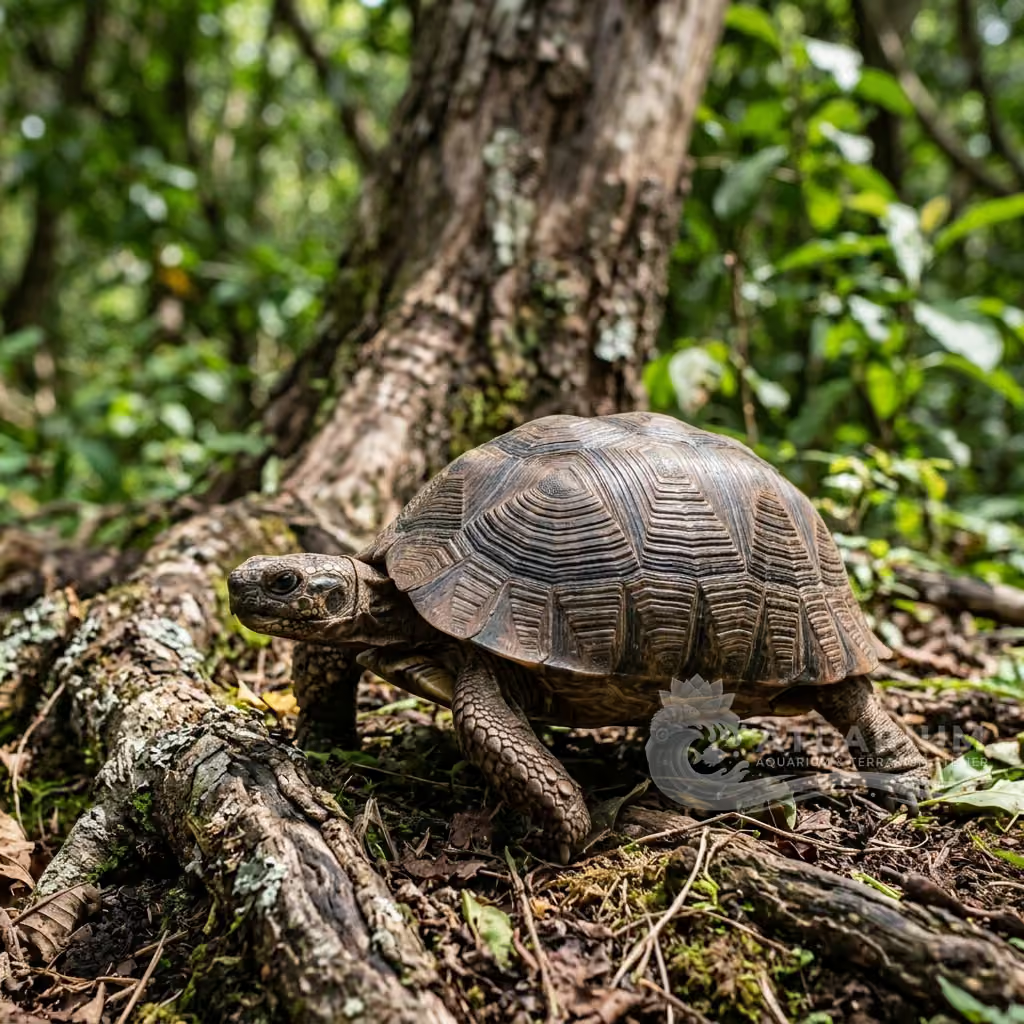
Geometric tortoise
Psammobates geometricus
The critically endangered geometric tortoise is strictly endemic to South African renosterveld. It requires a dry, Mediterranean-style habitat with specialized scrubland flora.
Environment
Terrestrial
Humidity
45 - 65 %
Day temperature
15 - 30 °C
Ambient temperature
15 - 30 °C
Night temperature
18.5 - 20.5 °C
Basking spot
32 - 35 °C
Adult size
14 cm
Minimum enclosure
>= 200 L

Species description
Geographical Origin and Habitat: This critically endangered species is strictly endemic to the Western Cape Province of South Africa. It inhabits a highly fragmented and threatened ecosystem known as the renosterveld, characterized by low-lying scrublands, sandy clay soils, and dry valley bottoms with a Mediterranean climate featuring wet winters and dry summers. The destruction of this habitat for agriculture has confined the species to tiny isolated reserves.
Taxonomy and Genetics: Belonging to the family Testudinidae and the genus Psammobates, this species represents one of three highly ornamented African land tortoises. There are no recognized subspecies, but genetic studies highlight extreme population fragmentation and low genetic diversity among isolated wild colonies, making them highly vulnerable to inbreeding depression.
Behavior and Habits: Primarily a diurnal tortoise, it exhibits peak activity during the cooler morning and late afternoon hours. During the intense heat of summer or cold winter spells, it shelters under dense renosterbos shrubs or partially burrows into the sandy soil to thermoregulate, escaping environmental extremes.
Morphology: Features a highly domed carapace with a spectacular radiating pattern of yellow or cream stripes on a dark brown or black background, forming distinct star-like geometric designs. The marginal scutes are slightly flared and serrated, and the plastron also shows dark radial patterns. Adults range from 12 to 15 centimeters in straight carapace length, with females being larger than males.

Care, breeding and tankmates
Terrarium Setup: Captive keeping is strictly regulated due to conservation status. They require massive, well-ventilated indoor enclosures (minimum 60x30 inches for a single adult) or, preferably, spacious and secure outdoor pens. The substrate must be a highly draining mix of sandy-loam soil, decorated with flat stones, dried grasses, and low shrubs to mimic their natural habitat and provide security.
Lighting and Heating: A steep thermal gradient is essential. Daytime ambient temperatures should range from 24 to 28°C, with a localized basking spot of 32 to 35°C. Nighttime temperatures can drop safely to 15-18°C. High-output UVB lighting (10.0 or metal halide) is mandatory, run on a 12-hour photoperiod to allow proper calcium absorption.
Humidity and Hydration: Adapted to semi-arid conditions, ambient humidity should be kept between 40% and 55%. Spraying a section of the enclosure in the morning mimics the natural fog and dew they utilize to drink in the wild. Provide a very shallow water dish for drinking and soaking, ensuring it is easy for them to climb out of.
Feeding and Supplementation: Strictly herbivorous, requiring a high-fiber, low-sugar diet. Offer a variety of weeds, grasses, dandelion, succulent plants, and dried grass hay. Avoid commercial fruits and high-water vegetables. Dust all food items with pure calcium powder multiple times a week, adding a vitamin D3 supplement once a week.
Compatibility: Solitary by nature. Males are highly territorial and will fight or stress each other. Housing is best done individually, or in large outdoor harems consisting of one male and multiple females, provided there are plenty of visual barriers to alleviate stress and avoid harassment.
Health and Common Diseases: Highly susceptible to upper respiratory tract infections (URTI) if kept in damp, cold, or drafty environments. Metabolic Bone Disease (MBD) is a constant threat if calcium and UVB levels are inadequate. Regular fecal exams are recommended to screen for internal parasites.

Geographic origin and distribution
This critically endangered species is strictly endemic to the Western Cape Province of South Africa. It inhabits a highly fragmented and threatened ecosystem known as the renosterveld, characterized by low-lying scrublands, sandy clay soils, and dry valley bottoms with a Mediterranean climate featuring wet winters and dry summers. The destruction of this habitat for agriculture has confined the species to tiny isolated reserves.
Origin
Africa and MadagascarEurope, Mediterranean, and West Asia

Reptile profile
- Diet
- Herbivore
- The highly endangered Geometric tortoise is a strictly herbivorous species specialized to feed on the unique flora of the South African fynbos. Their diet relies entirely on regional native shrubs, restios, and seasonal wildflowers, making them incredibly difficult to adapt to other food sources. They require a very high-fiber, low-protein botanical diet to maintain their digestive system and dramatic shell structure. In captivity, perfectly replicating their native fynbos diet is a massive challenge for conservationists.
- Adult size
- 14 cm
- Lifestyle/Microhabitat
- Terrestrial
- A strictly terrestrial species restricted to the renosterveld shrublands of the Western Cape. Its striking geometric shell pattern provides perfect camouflage among the native shrubs. It requires a highly specialized environment that perfectly mimics this microhabitat.
- Activity cycle
- Diurnal
- This tortoise is active during the day, particularly during the mild, rainy winter and spring months of the South African Cape. In the hot, dry summer, activity ceases almost completely as the tortoise enters aestivation.
- Sociality
- Solitary
- Endemic to a tiny, shrinking fraction of the Western Cape province, this tortoise relies heavily on its geometrically patterned shell for camouflage among dry restio stems. They are primarily diurnal, foraging actively during milder mornings and late afternoons while seeking shelter from extreme midday heat. Due to their highly specialized habitat requirements, they are incredibly sensitive to environmental changes and do not thrive outside their native microclimate. When frightened, they withdraw tightly into their domed shells.
- Reproduction
- Oviparous
- Breeding activities commence with the arrival of the spring rains, prompting males to fiercely compete for mating rights. The female typically digs a shallow nest in the sandy soils of the fynbos, laying 1 to 5 small eggs. Incubation is intimately tied to the seasonal climate, with eggs generally remaining dormant until appropriate moisture and warmth trigger hatching. The brightly patterned hatchlings are immediately subjected to high predation risks from native birds and mammals.
- Handling tolerance
- Display only
- Critically endangered and exceptionally difficult to maintain in captivity. They are practically never seen in private collections. They are incredibly prone to stress, dietary failure, and respiratory infections if handled or moved outside their strict parameters.
- Brumation
- Not required
- Unlike most reptiles that brumate in winter, this species aestivates during the hot, dry summer months to conserve water. It becomes fully active, feeds, and breeds during the cooler, wet winter and spring.
- Molting
- Regular
- Requires a delicate balance of low ambient humidity during the summer and moderate humidity during the active winter rainy season. Shedding happens naturally as small flakes of skin. Excessive moisture during aestivation can lead to shell rot.

Related species
Recommendations grouped by close relatives, companion choices, and similar care.