Clown Isopod
Armadillidium klugii
The clown of the rocks. A very famous European isopod characterized by a bright aposematic coloration (rows of white and yellow spots with red margins) that mimics the Mediterranean black widow. They require a strict moisture gradient and high ventilation.
Environment
Terrestrial
Humidity
40 - 60 %
Ambient temperature
23 - 26 °C
Day temperature
23 - 28 °C
Night temperature
18 - 20 °C
Substrate depth
>= 5 cm

Species description
Geographical Origin and Habitat: Native to the rugged, sunny, and rocky coasts of Dalmatia and the southern Balkan Peninsula (Montenegro, Croatia). It inhabits Mediterranean scrublands, limestone dry stone walls, and coastal forest edges, seeking shelter in deep rocky crevices.
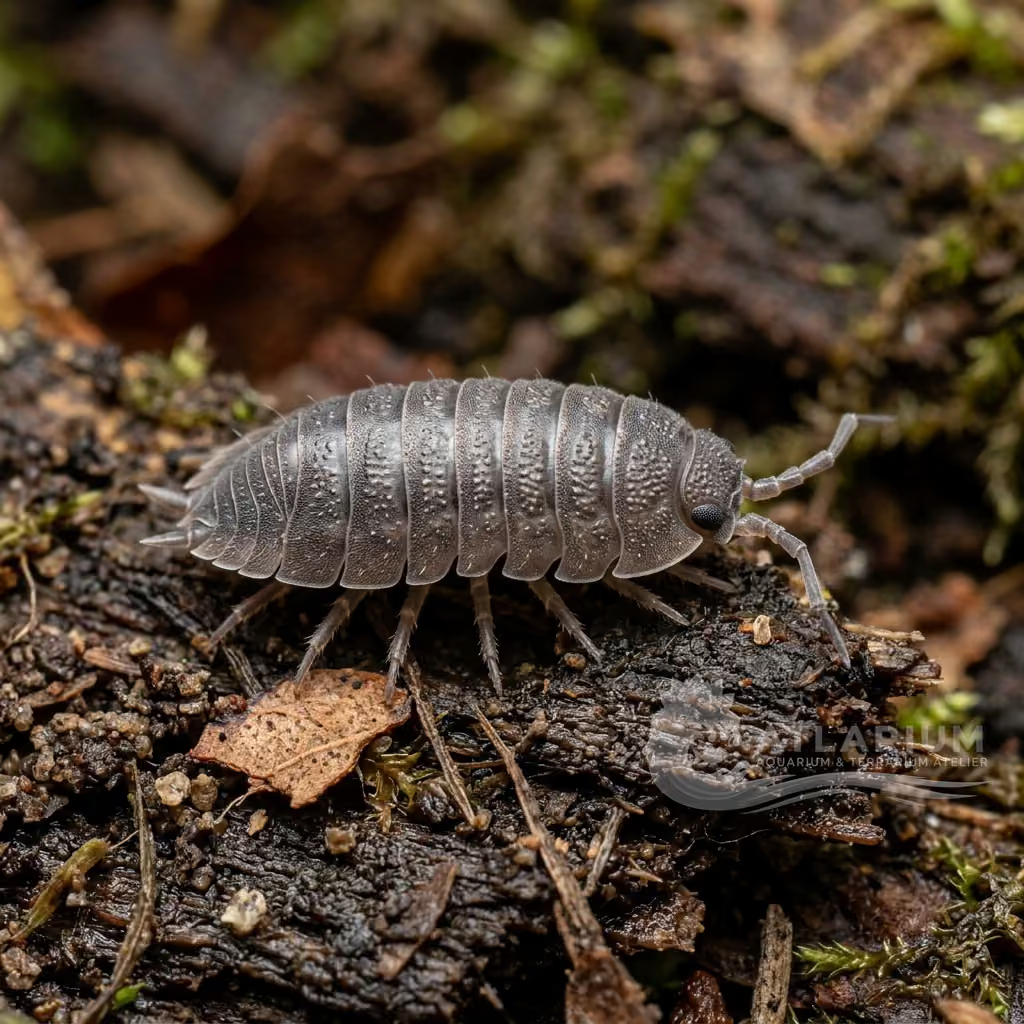
Taxonomy and Genetics: A beautifully colored isopod, reaching up to 18 mm in size. The convex body has a slate-grey or charcoal base color. The peripheral borders (pleurites) display bright red bands edged with white. The dorsal surface features parallel, geometric rows of canary-yellow and cream-white spots, creating a "clown" pattern. The exoskeleton is matte and robust.
Behavior and Habits: Active and moderately bold compared to other isopods, often exploring in the open during low-light hours. Their bright pattern is a form of Batesian mimicry, evolving to resemble the venomous Mediterranean black widow spider (*Latrodectus tredecimguttatus*) to deter predators. They are gregarious and reproduce well.
Morphology: Sexual dimorphism is very subtle: males have slightly longer uropods and a more slender body shape, while mature females are broader and can be observed carrying a brood pouch (marsupium) filled with eggs or young underneath.

Care, breeding and tankmates
Terrarium Setup: Require a well-ventilated enclosure (minimum 10 liters). Provide a 5 cm substrate of organic soil mixed with crushed limestone or cuttlebone for calcium. Cover the surface with a thick layer of dry oak leaves and decomposing white wood. Use cork bark and flat stones for shelters.
Lighting and Heating: Prefer warm, Mediterranean-like conditions. Maintain temperatures of 23–26°C. They can tolerate moderate nighttime temperature drops but should be protected from prolonged freezing conditions, which can stall their reproduction and growth.
Humidity and Hydration: Crucial moisture gradient required. Keep 2/3 of the enclosure completely dry and dusty, while maintaining 1/3 of the area moist using damp sphagnum moss. Provide extensive ventilation to prevent stagnant air, which can cause mold or suffocation.
Feeding and Supplementation: Feed primarily on dry leaves and decaying wood. Supplement their diet with slices of raw carrots, sweet potatoes, spirulina flakes, and dried gammarus or shrimp powder to support shell development and enhance color. Remove uneaten fresh food within 24 hours.
Compatibility: Completely peaceful, social, and gregarious. They can be safely kept in large groups. Avoid housing them with large, predatory insects or reptiles that might feed on them, but they work well as clean-up crews in dry bio-active setups.
Health and Common Diseases: The most common cause of death is high humidity or poor ventilation, which leads to deadly fungal infections. Maintain the dry-wet gradient strictly. Ensure constant access to calcium sources to prevent molting issues.

Geographic origin and distribution
Native to the rugged, sunny, and rocky coasts of Dalmatia and the southern Balkan Peninsula (Montenegro, Croatia). It inhabits Mediterranean scrublands, limestone dry stone walls, and coastal forest edges, seeking shelter in deep rocky crevices.
Origin
Europe, Mediterranean, and West Asia

Terrestrial invertebrate profile
- Diet
- Detritivore
- Armadillidium klugii, commonly known as clown isopods, are primarily detritivores that thrive on decaying plant matter. Their diet in captivity should consist largely of dried hardwood leaves and soft, rotting white wood. They also highly benefit from supplemental protein sources like freeze-dried shrimp, fish flakes, or commercial isopod diets. Calcium is crucial for their exoskeleton development, so providing cuttlebone or limestone is essential for a healthy colony. Occasional offerings of fresh vegetables like squash or carrots can provide additional hydration and nutrients.
- Adult size
- 2 cm
- Lifestyle/Microhabitat
- Terrestrial
- Armadillidium klugii is a terrestrial crustacean that requires a relatively humid microhabitat to survive, as they breathe through modified gills. They are social creatures that do best when kept in colonies, as interactions seem to stimulate natural behaviors and breeding. Their enclosure should feature a moisture gradient, allowing them to choose between damp and drier areas to self-regulate. Providing plenty of hiding spots like cork bark flats and a deep substrate for burrowing is crucial for their well-being.
- Activity cycle
- Diurnal
- They exhibit primarily nocturnal and crepuscular activity patterns, being most active during the darker hours. During the day, they prefer to remain hidden beneath leaf litter, decaying wood, or substrate to conserve moisture and avoid light. Their activity levels are strongly correlated with humidity; if the enclosure is too dry, they will burrow deeper to find moisture. Evening hours typically see them surfacing to forage for food and interact with other members of the colony.
- Sociality
- Gregarious
- Armadillidium klugii are social creatures that naturally aggregate in groups under decaying logs, bark, and leaf litter where moisture levels are high. They are known for their defensive behavior of rolling into a tight ball when threatened, a trait commonly called conglobation. Their bright red, yellow, and white spots serve as a warning to predators, mimicking the appearance of venomous spiders.
- Reproduction
- Ovoviviparous
- These isopods are prolific breeders once established in a suitable environment with correct temperature and humidity gradients. Females carry fertilized eggs in a specialized ventral pouch called a marsupium until they hatch. The young emerge as fully formed, miniature versions of the adults, known as mancae, which lack one pair of legs. They require slightly higher humidity than adults to prevent desiccation during their frequent early molts. A thriving colony will naturally regulate its population based on available resources and space.
- Venomous
- No
- Handling tolerance
- Tolerant
- Handling clown isopods should be done with care, as they are small and possess delicate legs and antennae. It is generally best to observe them in their enclosure rather than handling them frequently. If moving them is necessary, gently coaxing them onto a piece of leaf or cardboard is preferred over picking them up directly. Rough handling can easily cause injury or extreme stress, prompting them to roll into a tight ball defensively.
- Brumation
- These isopods do not undergo a true brumation period in captivity if kept at consistent room temperatures. However, exposure to cooler temperatures will significantly slow down their metabolism, feeding, and reproductive rates. It is recommended to maintain their enclosure between 70°F and 80°F (21°C - 27°C) year-round for optimal growth and colony health. Significant temperature drops should be avoided to prevent colony die-offs.
- Molting
- Regular
- Like all crustaceans, they must periodically shed their exoskeleton to grow, a process that occurs in two distinct halves. They typically shed the posterior half of their exoskeleton first, followed by the anterior half a few days later. During the molting process, they are highly vulnerable and require adequate humidity to ensure the old exoskeleton comes off smoothly. They will often consume their shed exoskeleton to reclaim valuable calcium and nutrients. Providing a constant calcium source is vital to support this frequent physiological demand.

Image gallery
Licensed images linked to the species or, when marked, to the closest representative taxon.

Related species
Recommendations grouped by close relatives, companion choices, and similar care.