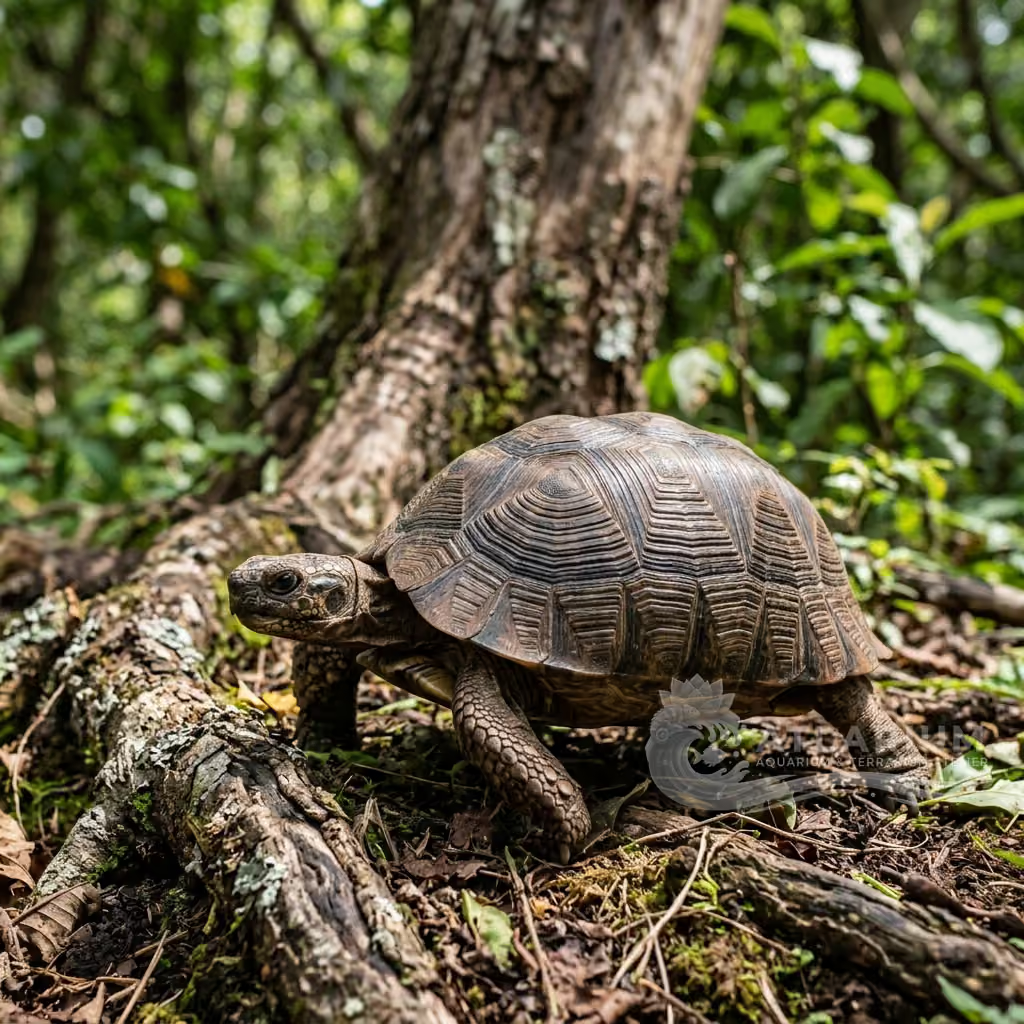
Texas tortoise
Gopherus berlandieri
The Texas tortoise inhabits arid scrublands in the US and Mexico. It scrapes shallow pallets instead of digging deep burrows, requiring a dry, sandy, thornscrub environment.
Environment
Terrestrial
Humidity
40 - 60 %
Day temperature
15 - 32 °C
Ambient temperature
15 - 32 °C
Night temperature
20.5 - 22.5 °C
Basking spot
32 - 35 °C
Adult size
18 cm
Minimum enclosure
>= 300 L
Brumation temperature
5 - 10 °C

Species description
Geographical Origin and Habitat: Gopherus berlandieri, commonly known as the Texas tortoise, is native to southern Texas in the United States and the states of Coahuila, Nuevo León, and Tamaulipas in northeastern Mexico. It inhabits arid and semi-arid regions, particularly thornscrub (chaparral), dry grasslands, and sandy alluvial plains. Unlike other Gopherus species, it does not typically dig deep, extensive underground burrows. Instead, it prefers to seek shelter under thorn bushes, cacti, or scrape out shallow depressions in the sandy soil known as 'pallets'.
Taxonomy and Genetics: It belongs to the family Testudinidae and is the smallest species within the genus Gopherus. Genetically, it possesses highly specialized adaptations that allow it to conserve water and survive in harsh, drought-prone environments. It is protected by state law in Texas, making it illegal to capture, collect, or sell wild specimens. Habitat destruction due to agriculture, urban sprawl, and road mortality are the primary threats to their wild populations.
Behavior and Habits: The Texas tortoise is diurnal, but during the extreme heat of midsummer, it shifts to a crepuscular activity pattern. It spends a significant portion of its day thermoregulating and foraging near prickly pear cactus clumps (Opuntia), which provide both shade and food. Rather than excavating its own burrows, it often uses the abandoned dens of mammals or shelters under brush piles. It undergoes a period of reduced activity or brumation during cold winter months.
Morphology: This is a small species, with adult shell lengths typically ranging from 15 to 22 cm. The carapace is highly domed, with a dark brown or black base color and contrasting yellow or orange centers on the vertebral and pleural scutes. The forelimbs are club-like and covered in large, thick scales, but are less spade-like than those of Gopherus polyphemus. Adult males feature a concave plastron and a prominent, bifurcated gular projection used in territorial battles.

Care, breeding and tankmates
Terrarium Setup: They require plenty of space, and outdoor pens are highly recommended in warm, dry climates. For indoor housing, a minimum enclosure size of 200-250 liters is necessary. The substrate should be a dry mix of topsoil and silica sand (60:40 ratio) at least 15-20 cm deep. Provide multiple dry hiding options, such as cork bark or wooden caves, at both the warm and cool ends of the enclosure.
Lighting and Heating: A clear thermal gradient is required. Daytime ambient temperatures should range from 24-26°C in the cool area to a basking hot spot of 32-35°C. Nighttime temperatures can drop to 20-22°C. A high-quality UVB light source (10.0) must be provided for 12 hours daily, placed at an appropriate height to prevent burns while ensuring sufficient UV radiation.
Humidity and Hydration: Maintain a dry environment with relative humidity between 40% and 60%. High humidity combined with stagnant air is a major cause of respiratory infections in this species. Provide a shallow, stable water dish for drinking and soaking, ensuring the water level is low enough to prevent any risk of drowning.
Feeding and Supplementation: The diet must be strictly herbivorous, high in fiber, and very low in simple sugars and proteins. Their primary food source should be spineless prickly pear cactus pads and fruit (Opuntia), supplemented with wild grasses, weeds, dandelion greens, and grass hay. Dust food with calcium carbonate three times a week and a vitamin D3 supplement once a week.
Compatibility: Males are highly territorial and aggressive; they must never be kept together as they will fight and attempt to flip one another over. A single male can be housed with one or two females in a very large enclosure, but close monitoring is required to ensure the females are not subjected to constant breeding stress.
Health and Common Diseases: Prone to Metabolic Bone Disease (MBD) if UVB or calcium is lacking, respiratory infections from cold and damp environments, and shell pyramiding from high-protein diets. Regular health checks with a qualified reptile veterinarian are recommended.

Geographic origin and distribution
Gopherus berlandieri, commonly known as the Texas tortoise, is native to southern Texas in the United States and the states of Coahuila, Nuevo León, and Tamaulipas in northeastern Mexico. It inhabits arid and semi-arid regions, particularly thornscrub (chaparral), dry grasslands, and sandy alluvial plains. Unlike other Gopherus species, it does not typically dig deep, extensive underground burrows. Instead, it prefers to seek shelter under thorn bushes, cacti, or scrape out shallow depressions in the sandy soil known as 'pallets'.
Origin
Central America and CaribbeanNorth America

Reptile profile
- Diet
- Herbivore
- The Texas tortoise is primarily herbivorous, feeding predominantly on the pads and fruits of prickly pear cacti, which provide both sustenance and vital moisture. In addition to cacti, its diet includes a variety of native grasses, wildflowers, and herbaceous plants found throughout its scrubland habitat. Occasionally, it may ingest small snails, insects, or bone fragments to supplement its calcium intake for shell health.
- Adult size
- 18 cm
- Lifestyle/Microhabitat
- Terrestrial
- A terrestrial tortoise that inhabits the dry scrublands and semi-deserts of Texas and northeastern Mexico. Unlike other gopher tortoises, it is a less extensive digger, often utilizing shallow pallets or abandoned mammalian burrows rather than digging deep tunnels.
- Activity cycle
- Diurnal
- Active mostly during the day, with peaks in the early morning and late afternoon. During the hottest months of summer, it often seeks refuge in burrows or under dense cacti to escape the midday sun. Rain dramatically increases their activity levels.
- Sociality
- Solitary
- Unlike other members of the Gopherus genus, the Texas tortoise is not a prolific burrower and instead utilizes the shade of dense vegetation or shallow pallets scraped into the earth. It is most active during the morning and late afternoon, utilizing these resting spots to avoid the intense midday heat. Though generally peaceful, males can exhibit territorial aggression during the breeding season by attempting to flip rivals onto their backs.
- Reproduction
- Oviparous
- Breeding generally occurs from early spring through summer, marked by males engaging in head-bobbing and shell-ramming to court females. Females will eventually excavate a shallow nest in sandy or loamy soil to deposit a clutch of two to three slightly elongated eggs. The incubation process typically lasts around 90 to 120 days, after which the miniature, highly vulnerable hatchlings dig their way to the surface.
- Handling tolerance
- Display only
- This is a protected species and keeping them requires specific permits in their native range. Even where legal, they stress easily and are prone to Upper Respiratory Tract Disease (URTD). They should be handled only when absolutely necessary.
- Brumation
- Required
- They typically undergo brumation during the colder winter months. In cooler regions of their range, they retreat into burrows to wait out the winter. In a captive outdoor setting, a proper hibernaculum must be provided to keep them safe from frost.
- Molting
- Regular
- This desert species needs a dry environment to thrive, though it extracts moisture from the cactus pads and succulents it eats. Skin shedding is gradual. Too much ambient humidity or constantly wet soil can cause severe shell and respiratory infections.

Related species
Recommendations grouped by close relatives, companion choices, and similar care.